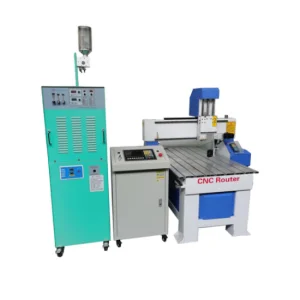
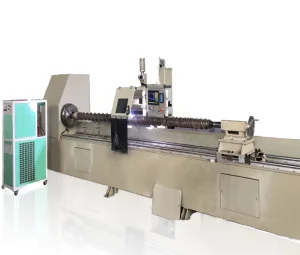
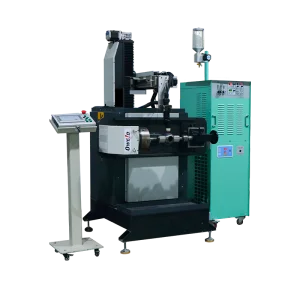
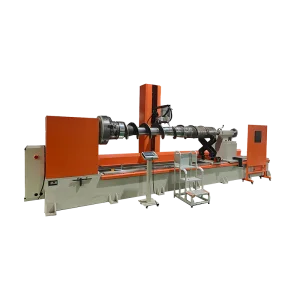
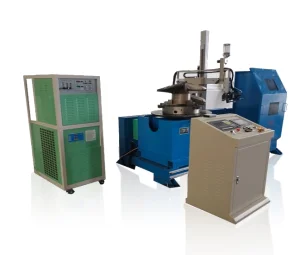
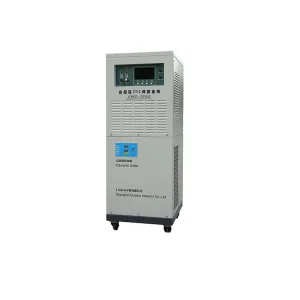
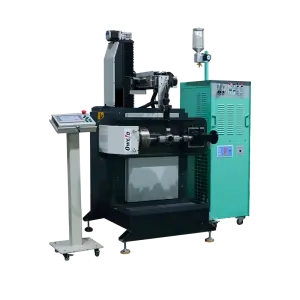
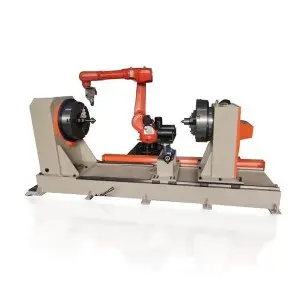
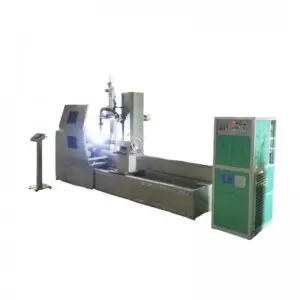
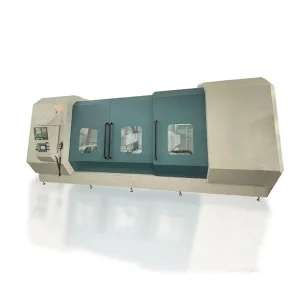
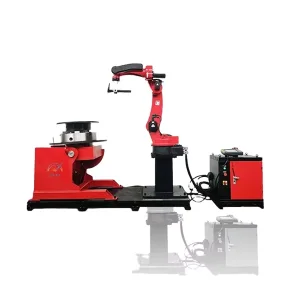
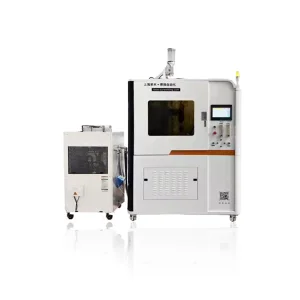
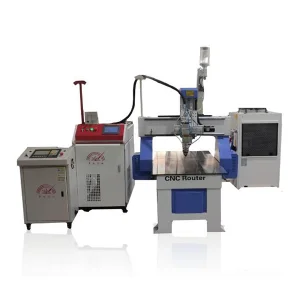
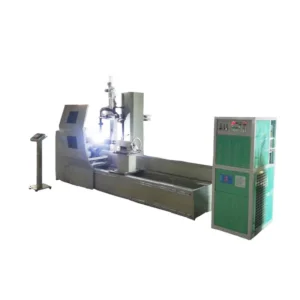
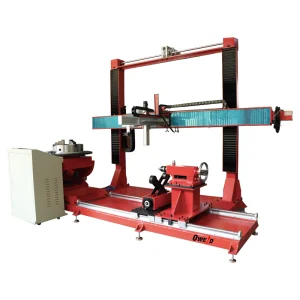
Pioneering automation solutions designed for premium metallurgical surfacing and high-precision glass mold repair.
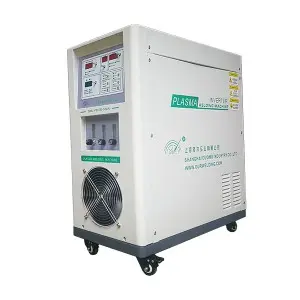
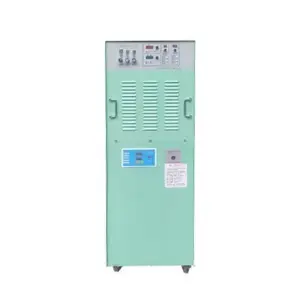
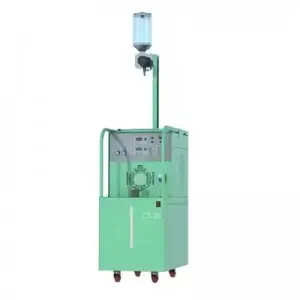
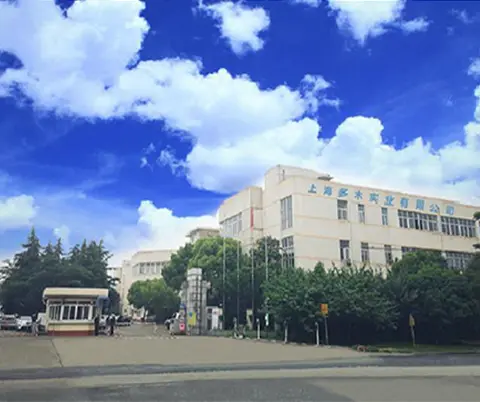
Shanghai Duomu has been a pioneering force and an established manufacturer and exporter of PTA cladding systems and Laser cladding machines for more than ten years. Backed by a strong technical background and an independent R&D division, we supply highly efficient industrial equipment designed for demanding thermal processing environments.
Our technologies target the repair, reinforcement, and manufacturing processes of critical tools—such as glass molds (유리 금형), hydraulic rods, industrial valves, and extruder screws. By integrating state-of-the-art automation with metallurgy science, we help global factories extend equipment lifespans, decrease downtime, and achieve unmatched material efficiency.
How advanced surface cladding technologies address mechanical degradation, thermal stress, and cost challenges in global glass container production.
In glass bottle and container production lines, glass molds (유리 금형) function under extreme mechanical and thermal environments. Molds are subjected to contact with molten glass at temperatures exceeding 1000°C, followed by rapid cooling. This cyclic thermal loading creates severe thermal fatigue, leading to micro-cracking (crazing), oxidation, and severe abrasive wear at the parting lines (seam lines). To maintain production quality and ensure glass bottles have smooth, defect-free surfaces, the mold edge must be highly resistant to high-temperature corrosion and oxidation.
Traditional repair methods, such as manual gas welding, struggle to control dilution rates and deposit consistent, defect-free layers. This is where modern automated cladding technologies, specifically Plasma Transferred Arc (PTA) welding and High-Power Laser Cladding, offer a paradigm shift. Through targeted powder deposition, manufacturers can apply cobalt-based or nickel-based self-fluxing alloys directly to the mold seams, achieving a hard, durable barrier that stands up to thermal cycles.
China's industrial landscape has become the global hub for advanced metallurgical cladding solutions. When sourcing glass mold production systems or repair equipment from China, global buyers leverage unique systemic advantages:
The manufacturing and repair of glass molds (유리 금형) is shifting rapidly toward fully automated, digitized workstations. Key trends shaping the industry include:
From high-volume beverage bottle manufacturing to high-precision cosmetics packaging, the requirements for glass molds vary:
PTA and laser cladding produce extremely refined dendritic structures with minimal porosity, ensuring superior wear performance under thermal stress.
Controlled thermal zones restrict deformation, preserving the structural integrity of the base copper or cast iron mold body.
Molds repaired or treated with our advanced systems exhibit service life extensions ranging from 200% to 400% compared to untreated components.
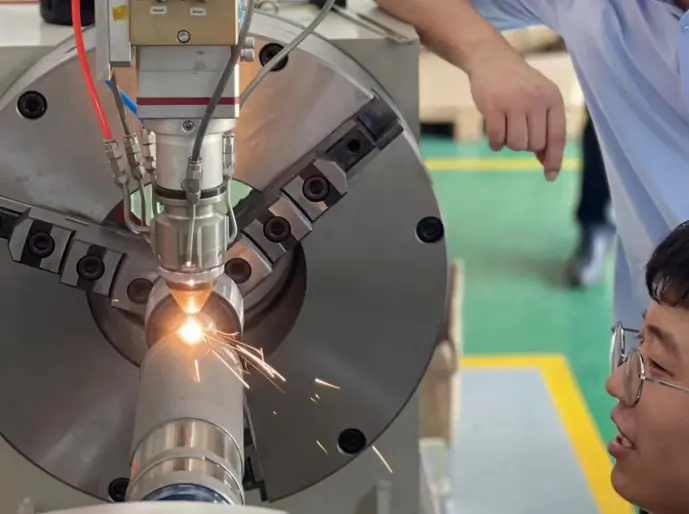
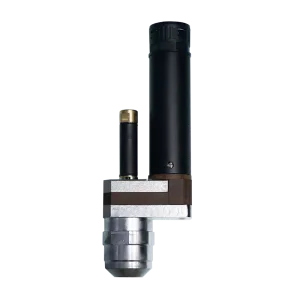
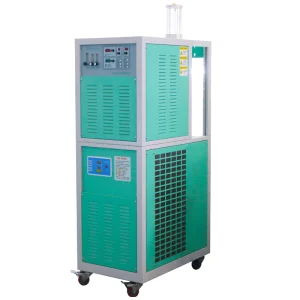
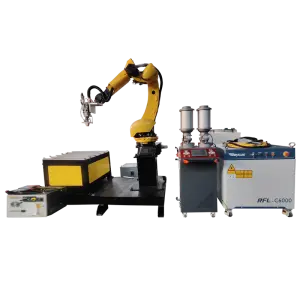
We maintain an independent research and development team that designs, prototypes, and manufactures our own plasma cladding systems. Our power sources are engineered for stable arc initiation and long-term operating cycles under heavy duty factor conditions. The laser cladding systems sold by Shanghai Duomu support large-scale industrial reconstruction and hardfacing, giving our clients a competitive edge in material performance.
Through close collaboration with metallurgical institutes, we provide comprehensive turnkey solutions, covering metallurgical powders, system setup, automation programming, and parameter commissioning.
Our products are used in demanding industries, protecting machinery against severe wear and corrosion.



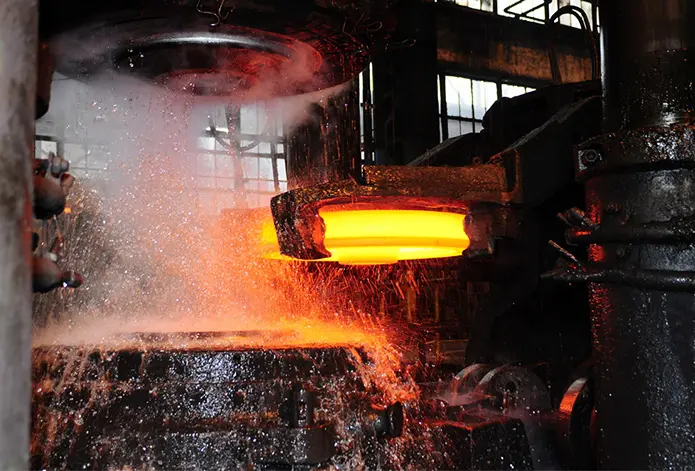
We design and construct tailored setups for laser hardening, robot welding, and specialized cladding applications.
Real-world applications showing how high-precision PTA and laser cladding solve critical wear issues.
"The PTA Welding Valve Application Guide is not just a process choice for valve manufacturers facing high wear, high corrosion, and high-temperature erosion working conditions, but also a key path to improving product competitiveness. As industries such as petrochemical, power generation, and chemical processing demand longer operational lifespans, precision PTA overlays ensure components withstand aggressive operating environments."
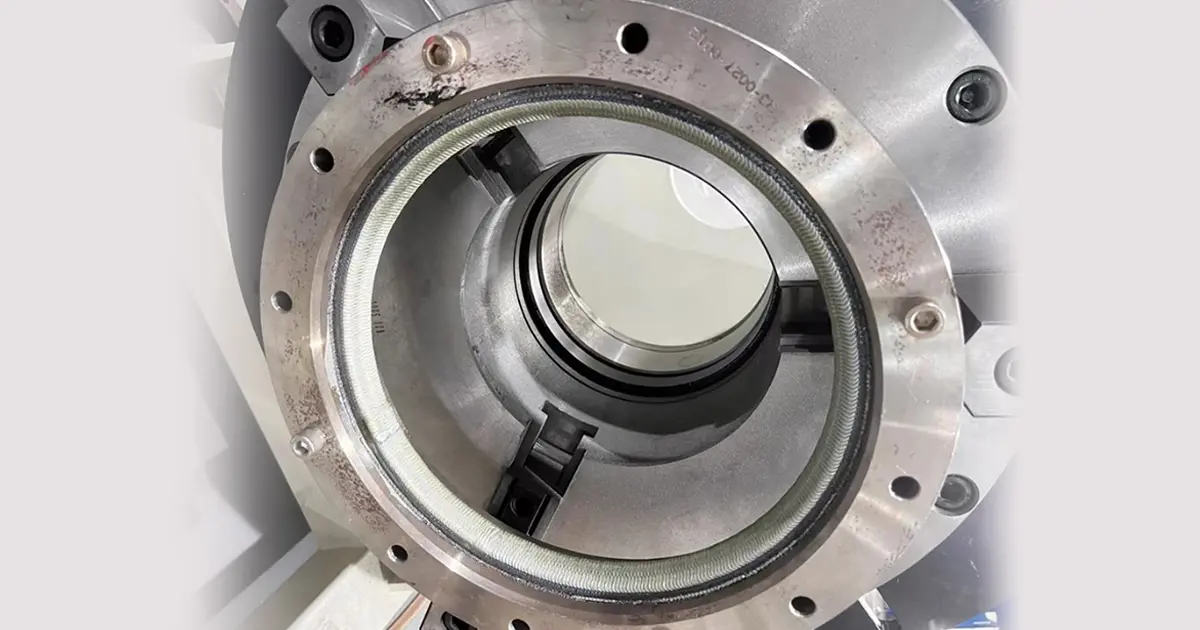
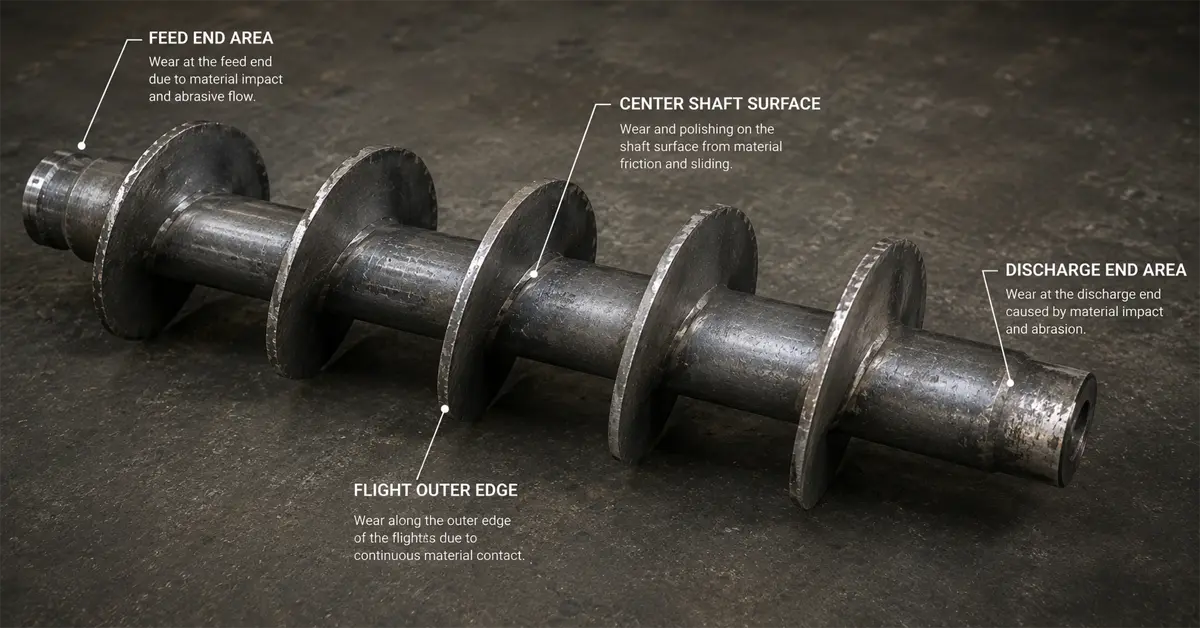
"In industries such as mining, cement, power generation, steelmaking, chemical processing, and biomass energy, screw conveyors are often regarded as auxiliary equipment. However, maintenance data shows that they are among the most frequent causes of unplanned production downtime. Using customized screw cladding setups has greatly minimized wear rates."
"In Plasma Transferred Arc (PTA) hardfacing, achieving a high-quality overlay is not only about selecting the right alloy powder or optimizing welding parameters. One of the most critical factors that directly affects overlay performance is the dilution rate. Shanghai Duomu equipment manages to keep dilution to a minimum, ensuring overlay integrity."
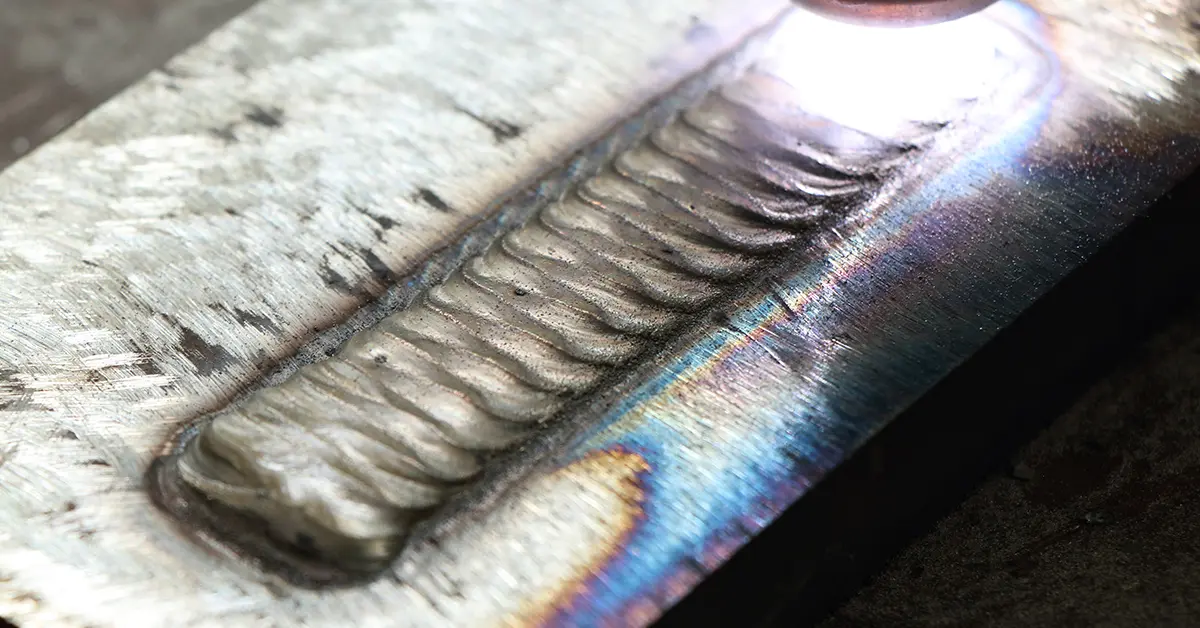
"In industries such as Oil & Gas, Mining, Power Generation, Cement, and Heavy Equipment Manufacturing, hardfacing is no longer just a repair process. It has become a critical technology directly related to equipment lifespan, downtime costs, maintenance frequency, and overall process sustainability."
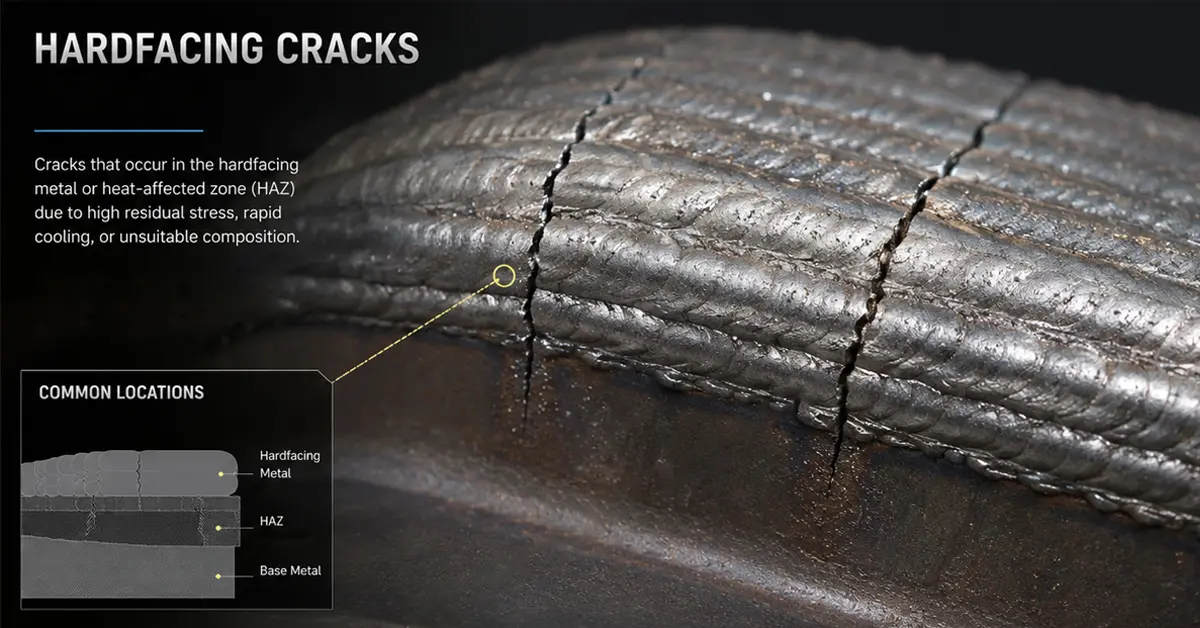
Technical answers regarding glass mold (유리 금형) repair, laser cladding systems, and PTA surfacing parameter controls.
For inquiries about our cladding equipment, customized automated setups, or price lists, please leave your message. Our engineering team will contact you within 24 hours.
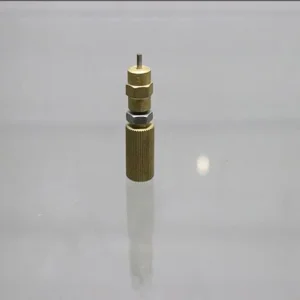
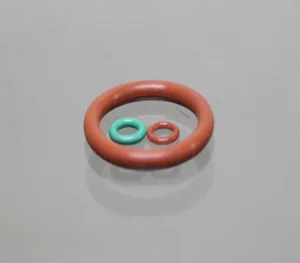
Get in Touch / Get a QuoteDiscover our heavy-duty gantry structures, robotic welding systems, and high-precision consumable parts.







 Duomu
Duomu