Engineered to deliver exceptional wear resistance, reduced dilution rates, and long-term operating durability.
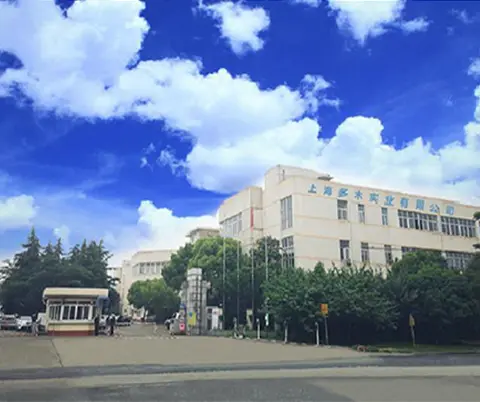
Shanghai Duomu has been a leading manufacturer and exporter of PTA cladding machine and Laser cladding machine for more than ten years with a strong technical background. Our systems integrate advanced power electronic controls with high-precision gas dosing and powder feeding systems, enabling industrial facilities worldwide to deposit wear-, corrosion-, and temperature-resistant alloys onto critical engineering substrates.
By controlling variables such as transferred arc current density, plasma gas velocity, and powder injection geometry, Shanghai Duomu systems allow manufacturers to consistently achieve dilution rates of less than 5% on a single-pass weld overlay. This metallurgical superiority translates directly to prolonged component service life and reduced operational downtime across diverse operating environments.
Understanding the metallurgical characteristics and deposit properties of high-energy density cladding technologies.
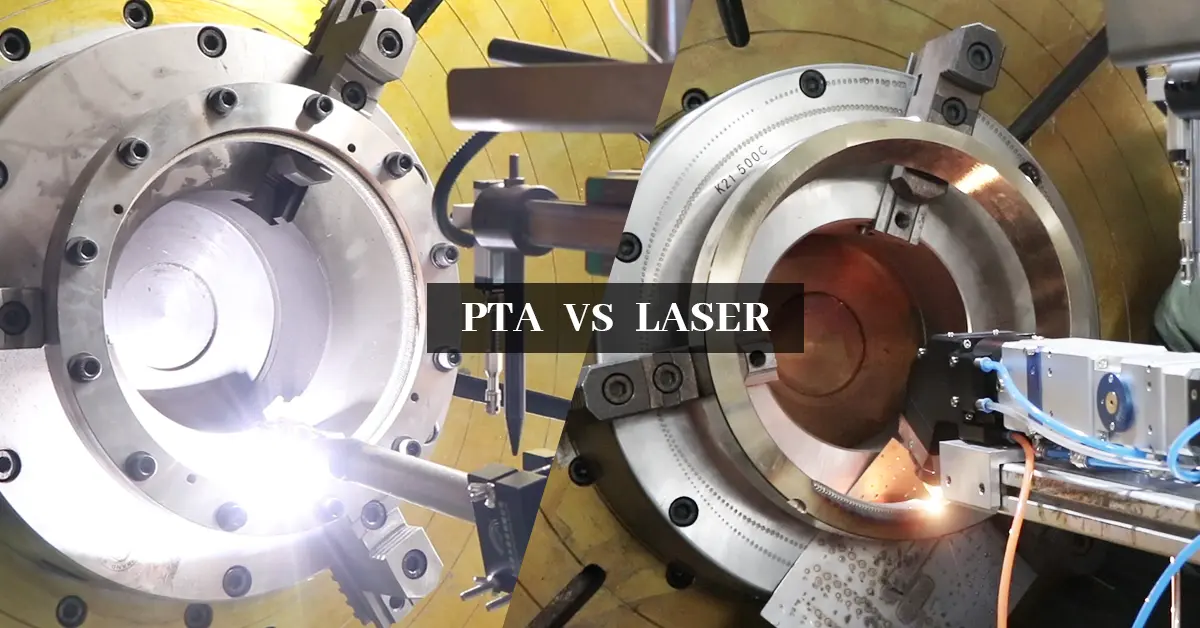
PTA uses a collimated arc to melt both the substrate surface and the metal powder feed. The concentrated thermal energy generates a molten pool under active shielding gas, minimizing oxidization and producing fully dense overlays with high deposit rates of up to 10 kg/hr.
Utilizing high-power diode or fiber laser sources, laser cladding delivers lower heat input compared to PTA. This results in minimal distortion, a narrower Heat Affected Zone (HAZ), and ultra-low dilution, making it ideal for high-precision components and complex base geometries.
Modern PTA cladding units integrate CNC control, robotic toolpath generation, and real-time sensory feedback loops. This ensures uniform bead profiles, consistent deposition thickness, and repeatable quality across thousands of duty cycles.
At present, the company's products have penetrated into many fields such as aerospace military industry, nuclear power, petrochemical industry, coal mines, metallurgy and forging, agriculture, water conservancy and electric power, etc.

Enhancing the wear-resistance of tilling blades, conveyor screws, and harvesting parts subjected to severe abrasive soil conditions.

High-reliability coating processes for turbine blade tips, structural frames, and components exposed to thermal fatigue and corrosion.

Hardfacing of drill stabilizers, mud motor rotors, and downhole tools encountering aggressive drilling slurries.
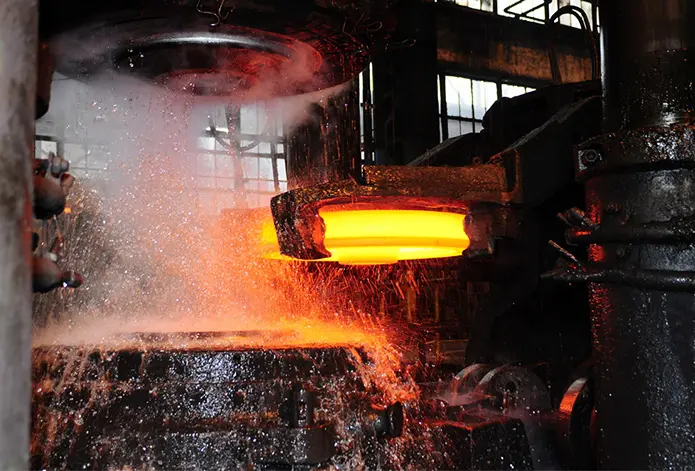
Remanufacturing of heavy forging dies, continuous casting rolls, and high-impact crushing components.
We feature an independent R&D team dedicated to designing, producing, and supporting plasma cladding machine equipment. Our welding systems are engineered for stable performance and can maintain efficient long-term operation. In addition, the laser cladding equipment developed by our engineering team effectively supports large-scale remanufacturing projects. We have established mature technological workflows to provide complete sets of industrial equipment solutions.
Our research focuses on closed-loop control algorithms that dynamically adjust powder feed speed based on optical thermal imaging of the melt pool. By continuously tuning the system in real time, our PTA machinery eliminates defects like porosity and thermal cracking, even on challenging substrates such as nickel-based superalloys and tungsten carbide complexes.
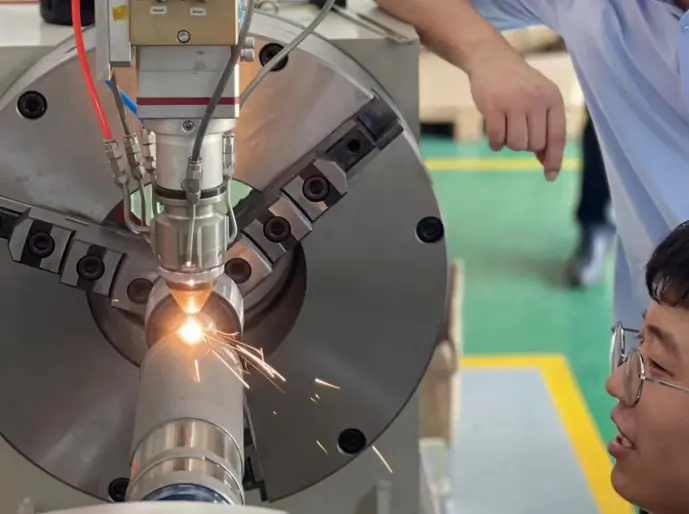
Pioneering the next generation of industrial cladding, hardfacing, and robotic additive manufacturing.
Developing vision-guided control loops using near-infrared thermal cameras to monitor the temperature profile of the weld bead. The controller adjusts the plasma power and powder delivery rate dynamically to guarantee zero-defect cladding.
Expanding the motion control limits of our systems by pairing PTA torches with 6-axis articulation arms and synchronized 2-axis positioners. This setup allows for continuous cladding on intricate non-symmetrical surfaces.
Pioneering hybrid equipment that combines the high deposition speed of PTA with the low heat and precision of laser technology. This dual-source approach offers flexibility for complex manufacturing runs.
Ensuring delivery reliability, components availability, and cost-efficient scaling for global industries.
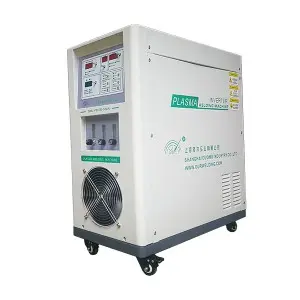
Based in Shanghai, our assembly facilities benefit from an established supply chain for high-performance power components, CNC hardware, and precision gas flow systems. This industrial concentration allows us to maintain a large stock of replacement components and consumable parts, significantly reducing lead times for custom machine configurations.
By optimizing assembly schedules and sourcing high-grade metallurgical consumables in bulk, we manage to absorb upstream material fluctuations. As a result, we offer robust pricing stability and prompt shipping timelines, even during periods of global logistics volatility.
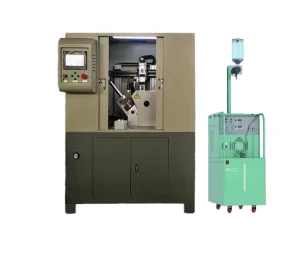
We provide customized equipment, automatic laser cladding equipment, automatic plasma cladding equipment, and intelligent robot cladding setups based on specific industrial requirements.
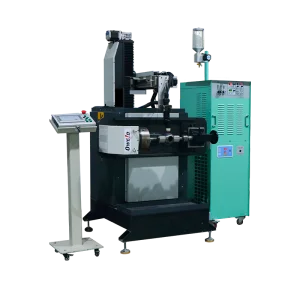
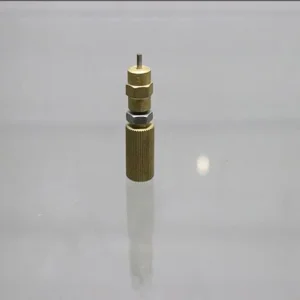
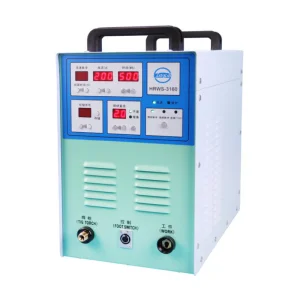
High precision powder feed controller suited for compact industrial components.
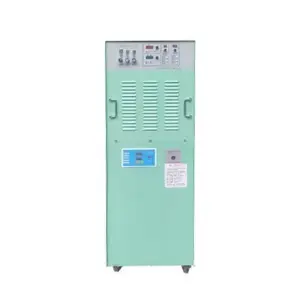
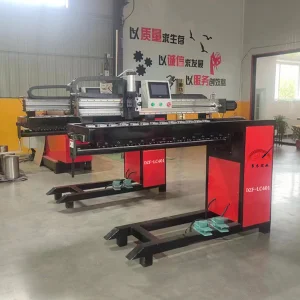
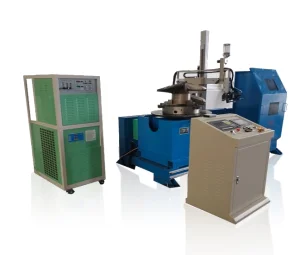
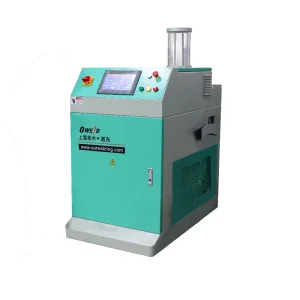
All-in-one platform for rapid deployment and varied workshop applications.
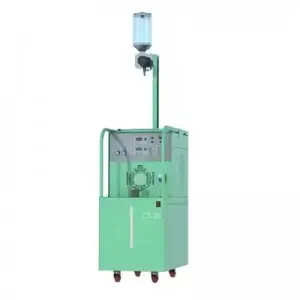
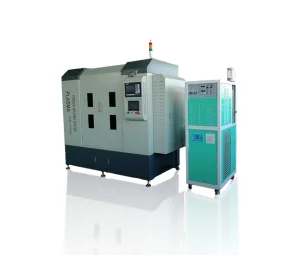
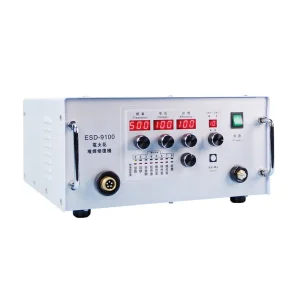
Optimized process control for high-wear alloy deposition.
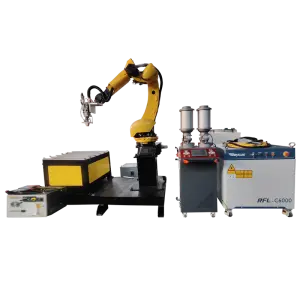
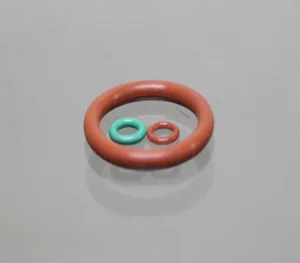
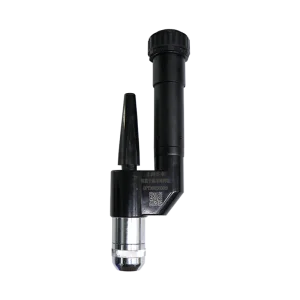
Engineered specifically for aerospace and turbine blade tip refurbishment.
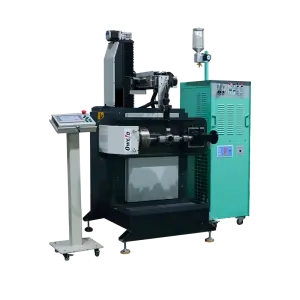
Automated tooling pathing designed for spherical ball valve seats.
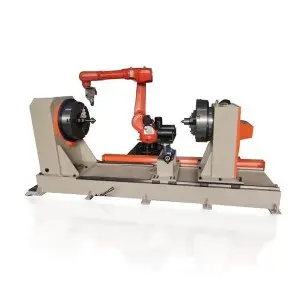
Dynamic surface hardening using fiber laser integration on multi-axis arm.
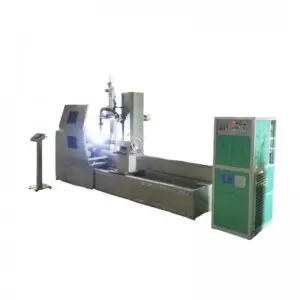
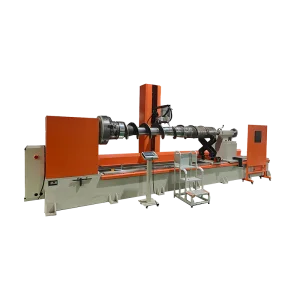
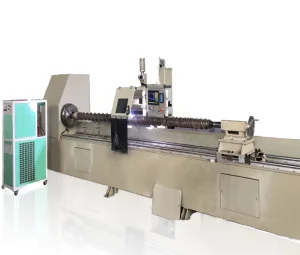
Long-stroke rotation platform for uniform coating of hydraulic cylinders.
Real-world insights from metallurgical engineers on optimizing dilution rates and wear resistance in challenging operating conditions.
"The PTA Welding Valve Application Guide is not just a process choice for valve manufacturers facing high wear, high corrosion, and high-temperature erosion working conditions, but also a key path to improving product competitiveness. As industries such as petrochemical and power generation demand longer seal lives, PTA provides the required density."
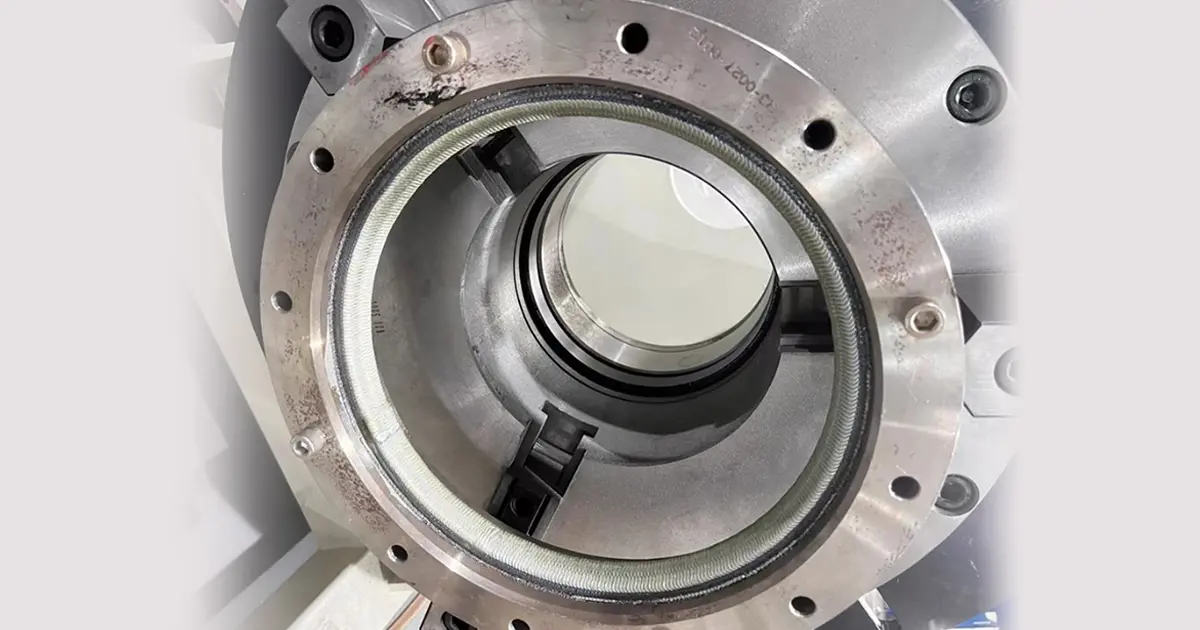
Petrochemical Industry Application
"In industries such as mining, cement, power generation, steelmaking, chemical processing, and biomass energy, screw conveyors are often regarded as auxiliary equipment. However, maintenance data shows that they are among the most frequent causes of unplanned production delays. Standardizing PTA surfacing on flights dramatically limits wear."
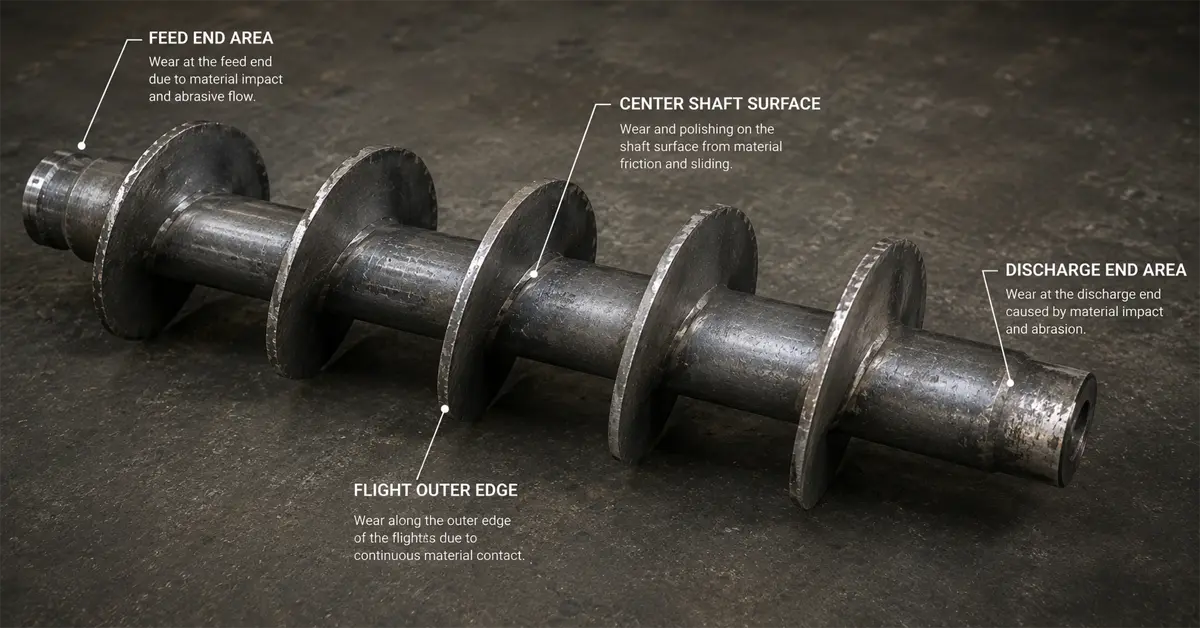
Mining and Cement Processing
"In Plasma Transferred Arc (PTA) hardfacing, achieving a high-quality overlay is not only about selecting the right alloy powder or optimizing welding parameters. One of the most critical factors that directly affects overlay performance is the dilution rate. Keeping it under 5% preserves the alloy's structural integrity."
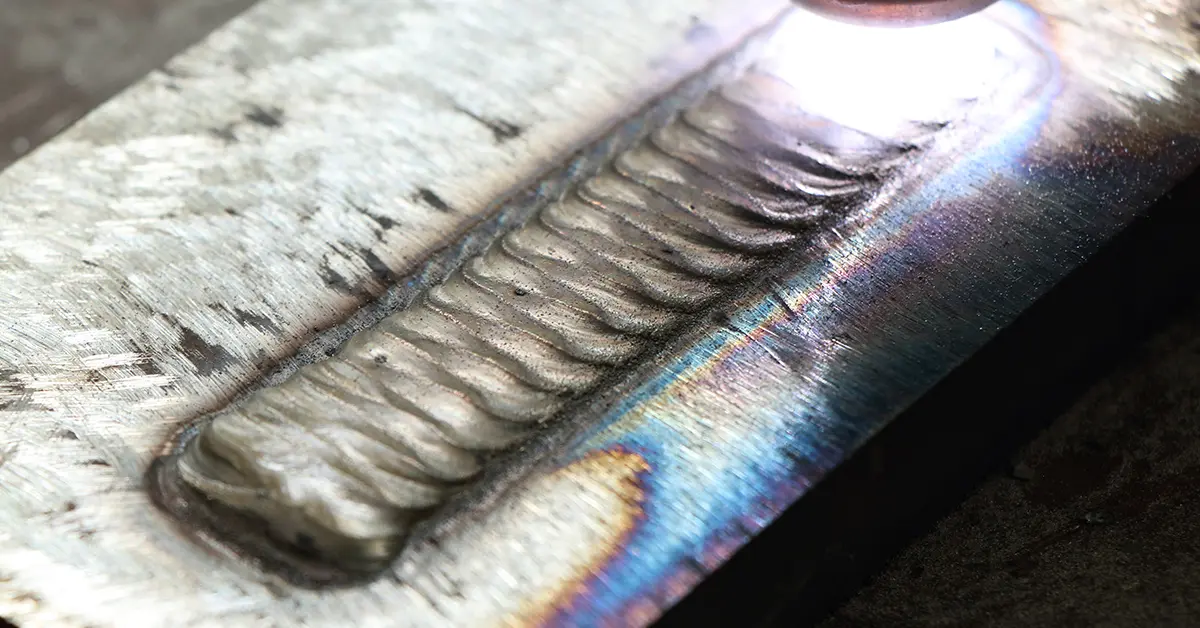
Dilution Control & Hardness Verification
"In oil & gas, petrochemical, power generation, mining, and marine engineering, industrial valves are constantly exposed to severe operating conditions including high pressure, extreme temperatures, corrosive media, and abrasive sand erosion. The deposition of tungsten carbide particles via automated PTA ensures consistent service lives."
Industrial Flow Control Solutions








Direct answers from our engineering team regarding PTA and laser cladding systems operation, maintenance, and material selection.
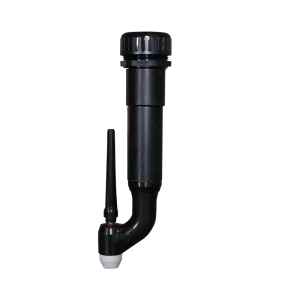
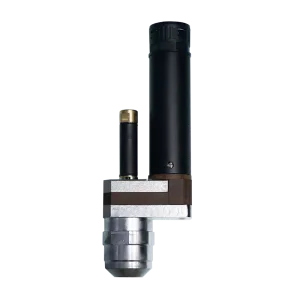
Browse our catalog of precision manual, semi-automatic, and heavy-duty industrial surfacing torches and systems.
For inquiries about our products or pricelists, please reach out to us. Our engineering team will respond within 24 hours with custom recommendations.
 Duomu
Duomu