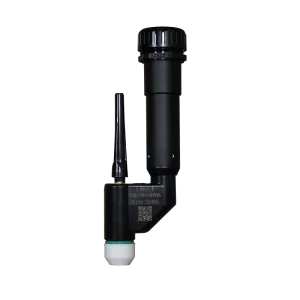
Explore our top-tier, independently researched metallurgical cladding and plasma surfacing equipment engineered for demanding operational environments.
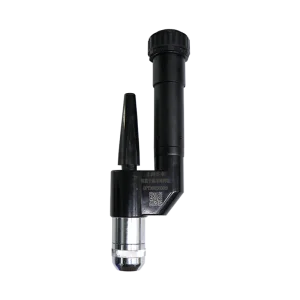
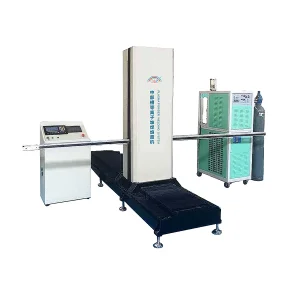
Delving into the physics of inert gas shielding, metallurgical protection, and automated arc stability.
In modern industrial manufacturing, the precision of thermal connection techniques like Soldadura TIG (Tungsten Inert Gas welding) and PTA (Plasma Transferred Arc) cladding depends greatly on shielding gas chemistry. As global manufacturers strive for higher quality, longer component lifespans, and zero-defect quality control, selecting the right gas suppliers and factory systems has become a core strategic decision. The shielding gas does not simply protect the molten weld pool from air contamination; it acts as a dynamic medium that dictates arc energy density, weld bead geometry, dilution rates, and overall metallurgical integrity.
TIG welding and its automated parent technology, PTA cladding, require a clean, laminar envelope of inert gas to operate effectively. Without this, tungsten degradation happens rapidly, weld joints suffer from porosity, and high-value materials degrade due to oxidation. Understanding how gas compositions—such as pure Argon, Argon-Helium, or active Argon-Hydrogen mixtures—interact with automated systems is essential for procurement departments sourcing systems from advanced manufacturers like Shanghai Duomu.
The primary job of TIG welding gas is to shield the heat-affected zone (HAZ) from atmospheric nitrogen, oxygen, and moisture. In addition to shielding, the gas mixture influences the electrical conductivity of the arc path. Helium, for instance, has a higher ionization potential than Argon, which generates a hotter arc, allows for deeper penetration, and supports faster travel speeds. This is crucial for high-conductivity metals like copper or aluminum alloy welds. Conversely, Argon provides excellent arc stability, easy ignition, and a focused cleaning action, making it the foundational choice for general carbon steel, stainless steel, and alloy cladding applications.
Our advanced TIG, PTA, and Laser cladding technologies serve heavy industries worldwide, where wear, erosion, and high temperatures are constant challenges.


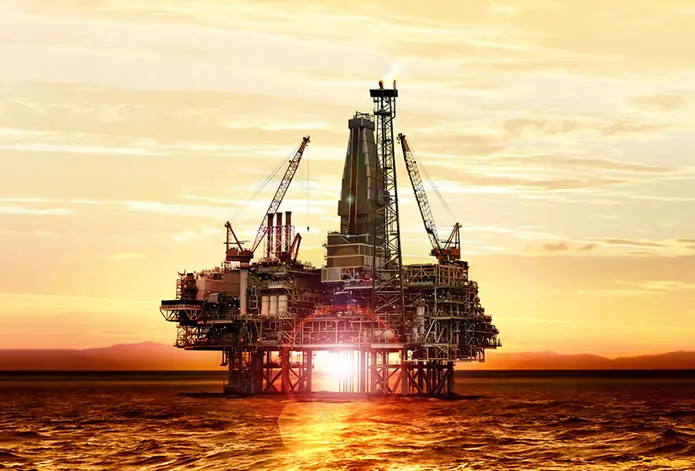
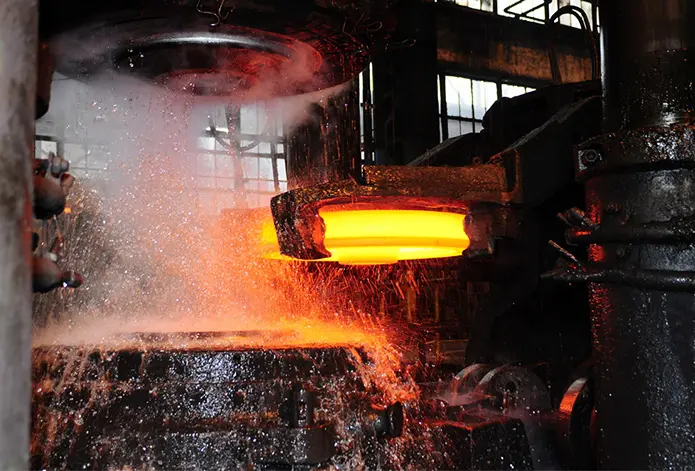
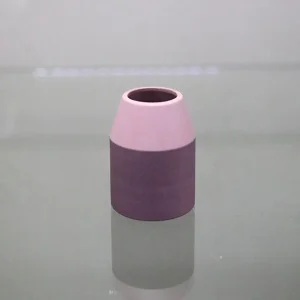
Beyond these core industries, Shanghai Duomu’s custom automatic solutions serve nuclear power facilities, deep-coal mining equipment, petrochemical processing pipelines, and large hydro-electric turbines. In nuclear power generation, gas purity and weld trace integrity require zero-tolerance inspection parameters. Our specialized gas shield covers and robotic torch geometries prevent any atmospheric contamination, maintaining high reliability for the lifespan of nuclear reactor components.
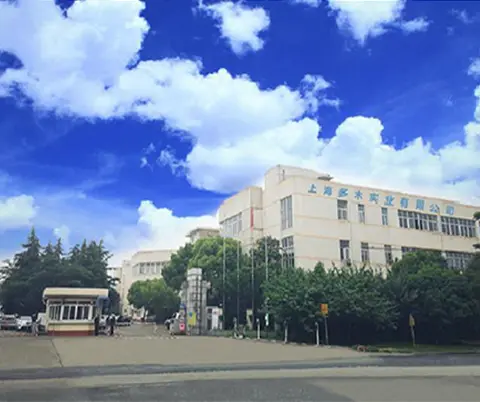
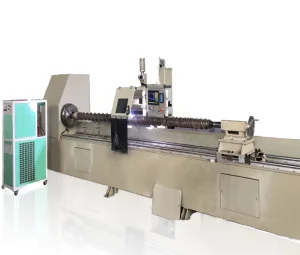
Shanghai Duomu has been a leading manufacturer and exporter of PTA cladding machines and Laser cladding machines for more than ten years with a strong technical background. Our facilities run on an intelligent production grid that combines precision machining, assembly, and rigorous testing protocols under one roof.
By shifting to a Factory 4.0 model, we ensure complete supply chain resilience. This means every component—from durable tungsten calibrators to automated gantry systems—is tracked and tested. For global buyers looking to reduce delivery times and control manufacturing costs, our vertically integrated plant in China offers high reliability, flexibility, and consistent output.
Customized hardware designs built around your space and application requirements.
100% load testing and gas-tightness validation before any shipment leaves our dock.
Understanding the transition from manual TIG shielding to multi-channel gas control and high-performance PTA surfacing.
As advanced manufacturing demands higher deposition rates and thinner dilution zones, the technology supporting shielding gas delivery has evolved significantly. Conventional gas systems struggled with turbulence, which allowed ambient air to mix into the protective stream. Modern automated TIG and PTA setups utilize specialized, multi-stage gas diffusers and gas lens technology to establish a consistent laminar flow profile.
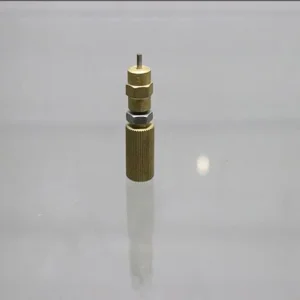
A standard gas nozzle often allows the gas stream to expand quickly, creating a turbulent boundary layer that draws in surrounding air. A gas lens, which uses a series of fine wire mesh screens, straightens the flow of gas, ensuring it remains parallel as it leaves the nozzle. This creates a longer, more stable column of protective gas, allowing welders and automated systems to extend the tungsten electrode further for better visibility and weld access.
While pure Argon remains the standard for carbon and stainless steels, modern automated systems use customized gas blends to achieve specific metallurgical results:
| Gas / Gas Mixture | Primary Alloys | Arc Behavior & Thermal Transfer | Key Performance Impact |
|---|---|---|---|
| 100% Pure Argon | Carbon steel, stainless steel, reactive metals (Ti, Zr) | Low ionization voltage, stable and focused arc. | Excellent clean-up action, cost-effective, easy arc initiation. |
| Argon-Helium Blends (25% to 75% He) | Aluminium alloys, copper, heavy-gauge stainless steels | High heat transfer, wider weld pool, deep penetration. | Minimizes porosity risk, compensates for high thermal conductivity. |
| Argon-Hydrogen Blends (1% to 5% H2) | Austenitic stainless steels, nickel-based alloys | Higher arc temperatures, reducing atmosphere. | Eliminates surface oxides, increases travel speed, improves weld aesthetics. |
| Argon-Nitrogen Blends | Duplex & super duplex stainless steels | Maintains nitrogen balance within the solidifying weld metal. | Prevents loss of corrosion resistance and ferrite-austenite phase balance. |
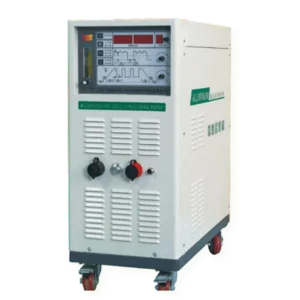
The next step in gas shielding technology focuses on real-time gas composition monitoring and flow control. By integrating mass flow controllers with the central welding control system, modern equipment can adjust gas flow dynamically based on travel speed, heat input, and real-time weld pool temperature. This helps minimize gas consumption during idle cycles and provides extra coverage during higher heat inputs, reducing waste and maintaining weld quality.
Our engineering department delivers complete sets of industrial solutions, tailored to address component degradation from wear, heat, and corrosion.
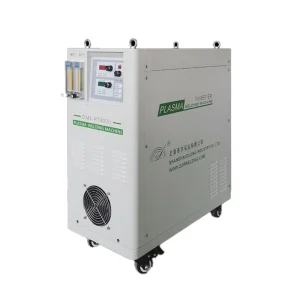
Our dedicated engineering group designs, builds, and supports advanced plasma cladding equipment. This focus ensures our systems deliver stable arc control and reliable performance through extended production shifts.
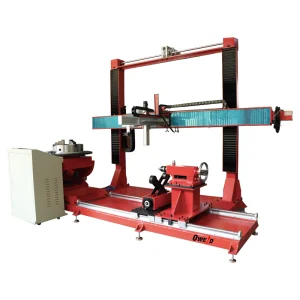
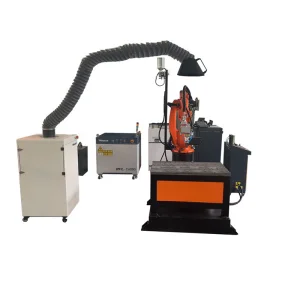
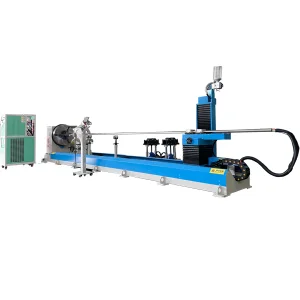
From simple hydraulic rod cladders to complex multi-axis robotic laser cladding setups, we build customized systems configured to match your specific part geometries and production requirements.
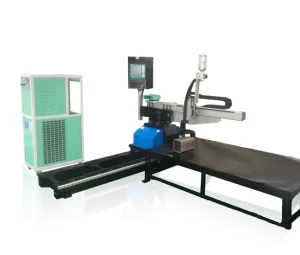
Our PTA and Laser cladding machinery integrates smoothly into established factory grids, ensuring reliable, high-volume production with low maintenance downtime.
Real-world analysis of dilution rates, wear protection, and surface cladding in heavy industry components.
"The PTA Welding Valve Application Guide is not just a process choice for valve manufacturers facing high wear, high corrosion, and high-temperature erosion working conditions, but also a key path to improving product competitiveness. As industries such as petrochemical, chemical processing, and power generation push higher pressures, our specialized cladding solutions prevent premature erosion of valve seats."
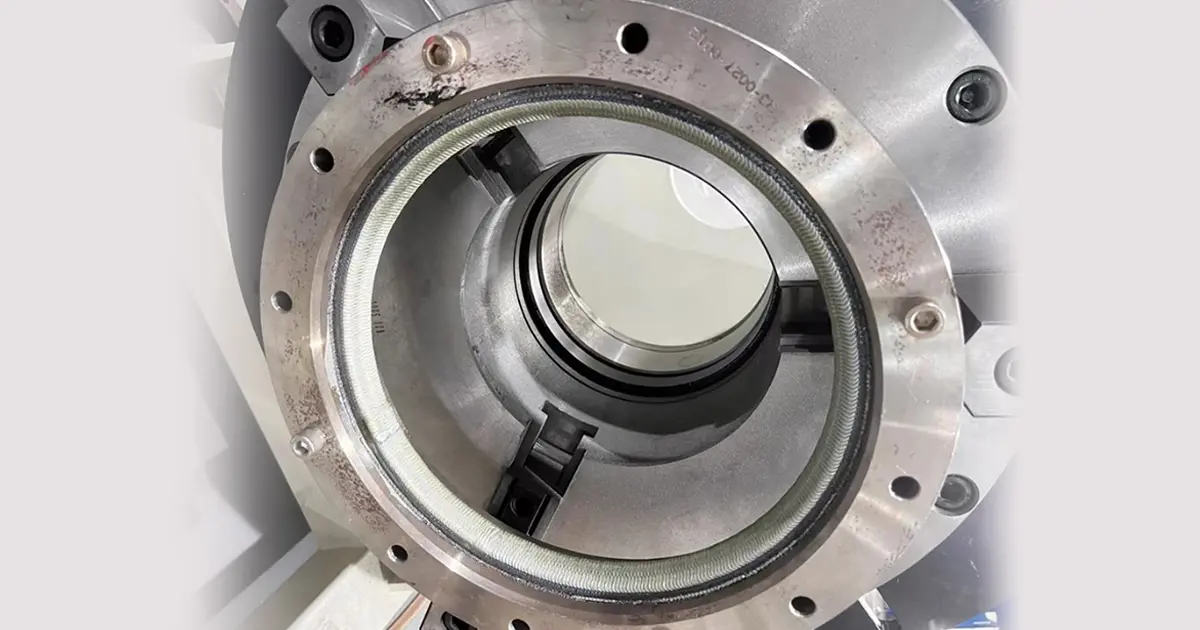 Valve Engineering Division
"In industries such as mining, cement, power generation, steelmaking, chemical processing, and biomass energy, screw conveyors are often regarded as auxiliary equipment. However, maintenance data shows that they are among the most frequent causes of unplanned production shutdowns. Applying a chromium carbide overlay using PTA cladding extends the service life of these critical components by 300%."
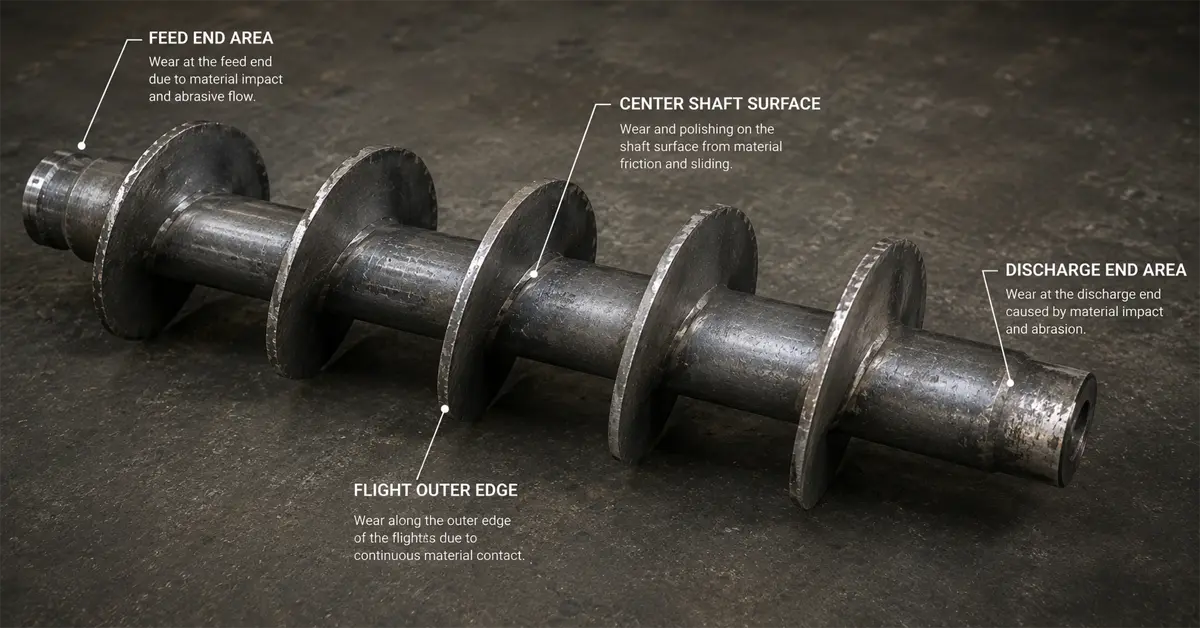 Material Handling Advisory Group
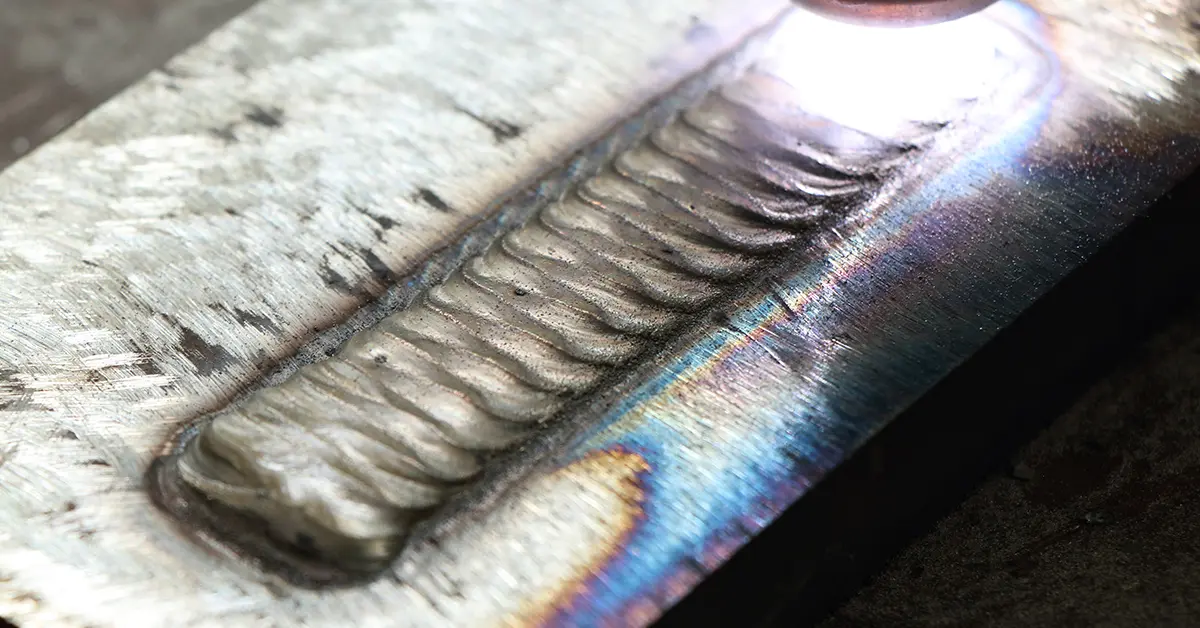
"In Plasma Transferred Arc (PTA) hardfacing, achieving a high-quality overlay is not only about selecting the right alloy powder or optimizing welding parameters. One of the most critical factors that directly affects overlay performance is the dilution rate. Keeping dilution below 5% preserves the alloy chemistry of the cladding material, ensuring it provides full protection without excessive dilution into the base steel."
 Metallurgical Research Institute
How procurement directors evaluate Chinese PTA and Laser cladding factories for reliability and international compliance.
Sourcing advanced cladding and TIG welding systems internationally requires careful technical and operational evaluation. Procurement teams focus on equipment cost, long-term support, and compliance with international manufacturing standards. Key criteria when selecting an export partner for these systems include:
By using premium consumables, including heat-resistant tungsten electrodes and durable calibrators, Shanghai Duomu ensures our systems stand up to challenging industrial environments. This reliability, backed by comprehensive compliance verification, has made us a trusted supplier for buyers in Europe, North America, and South America.
Answers to common technical and procurement questions about shielding gases, wear protection, and automated systems.
TIG welding (GTAW) uses a non-consumable tungsten electrode and a shielding gas to join metals, with filler metal added manually or via a cold wire feeder. PTA (Plasma Transferred Arc) cladding is an automated thermal surfacing process where a plasma arc melts both the base metal surface and an alloy powder. PTA cladding yields a thin dilution zone, high deposition rates, and precise hardfacing for wear protection.
The dilution rate measures how much the base metal mixes with the cladding material. High dilution (above 10-15%) mixes base metal elements into the overlay, reducing its wear or corrosion resistance. Modern PTA cladding systems keep this dilution below 5%, ensuring the cladding alloy retains its designed wear-resistant properties.
Helium has higher thermal conductivity and a higher ionization potential than Argon. When blended with Argon, it increases the heat input to the weld pool, enabling deeper penetration and faster welding speeds. This makes it ideal for high-conductivity metals like copper or thick aluminium sections.
We design custom gas shield covers and dual-flow nozzles that maintain a laminar gas flow over the weld pool. Additionally, our automated systems feature real-time gas monitoring to track and adjust flow rates, ensuring reliable coverage even during high-deposition operations.
Our systems handle a wide variety of wear and corrosion-resistant alloys, including Stellite cobalt-based alloys, Colmonoy nickel-based powders, Tungsten Carbide (WC) composites, and diverse grades of stainless steel. These options allow us to tailor solutions to your specific application environment.
Yes, our R&D team regularly configures custom cladding systems to fit existing production layouts. We offer modular gantries, robotic positioners, and PLC control configurations that integrate smoothly with standard factory hardware.
Contact our technical engineering team for inquiries about custom equipment, system integration, or detailed pricing. We will be in touch within 24 hours.
Get In Touch NowDiscover our range of custom consumables, precise calibrators, and heavy-duty robotic laser cladding systems designed for industrial performance.
Partnering with Leading Industrial Brands Globally








 Duomu
Duomu