Explore our elite selection of specialized equipment designed for surface engineering, shaft repair, and automated welding systems.
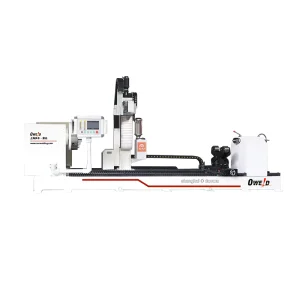
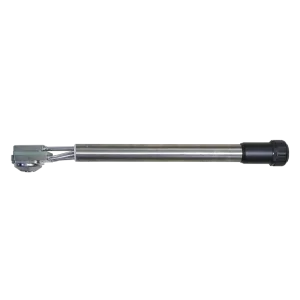
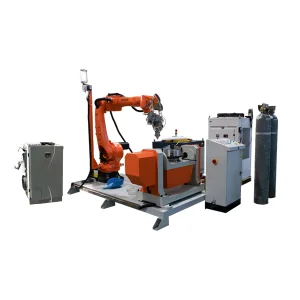
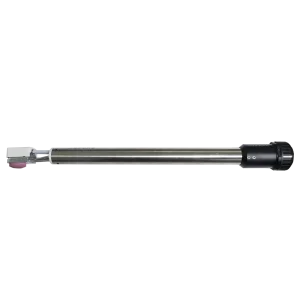
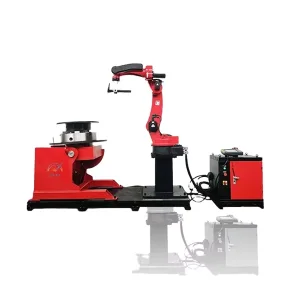
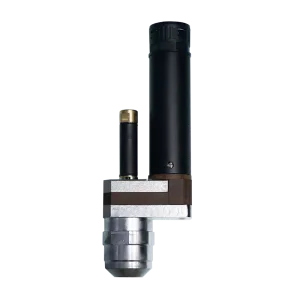
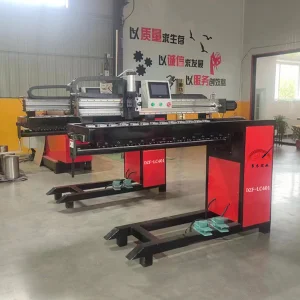
In modern heavy engineering and manufacturing, component surfaces are routinely exposed to severe mechanical degradation, erosion, high-temperature corrosion, and abrasive wear. Spawanie plazmowe (widely referred to globally as Plasma Transferred Arc - PTA welding or cladding) has emerged as the premier technology to combat these conditions. By utilizing a highly constrained, ionized plasma arc to fuse metallic alloy powders or wires to substrate materials, PTA cladding provides a metallurgical bond superior to thermal spraying and traditional manual arc welding processes.
Unlike manual welding where dilution rates can exceed 25%, spawanie plazmowe controls heat input with surgical precision, keeping the dilution rate of the substrate material down to between 3% and 8%. This ensures that the applied wear-resistant layer retains its raw alloy profile (such as cobalt-based Stellite or nickel-based tungsten carbide) at its full concentration in a single pass. As the global industrial landscape transitions toward Industry 4.0 and green manufacturing, the demand for precision surfacing machinery grows. PTA systems serve as the core technology for preventive coating applications and large-scale component remanufacturing, minimizing raw material consumption while extending product service lifespans by up to 500%.
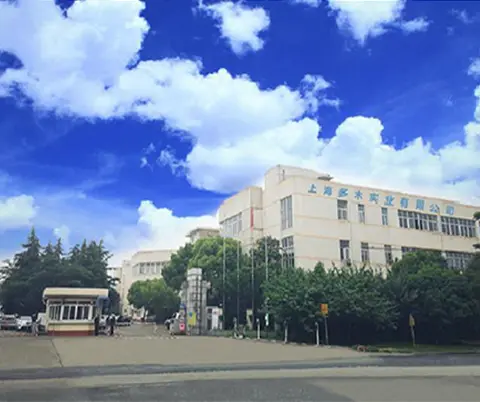
Shanghai Duomu has been a leading manufacturer and exporter of PTA cladding machines and Laser cladding machines for more than ten years, backed by a robust technical framework. As an industry pioneer, we focus on engineering reliable, high-uptime machinery designed for long-term operations under tough industrial environments.
Our global footprint spans from Europe's metalworking clusters to South America's mining sectors. We ensure every machine produced in our facility conforms to rigorous quality control protocols. By integrating advanced digital automation with high-efficiency power supplies, our equipment offers exceptional operational stability, delivering consistent surface quality batch after batch.
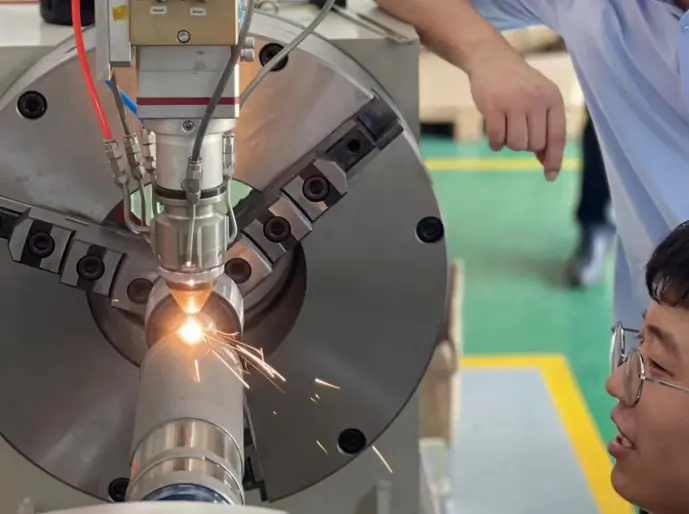
Our independent R&D team develops, designs, and manufactures plasma cladding equipment in-house. This team is dedicated to fine-tuning torch geometries, powder feed rates, and digital control loops. This ensures our machines deliver stable performance and support efficient, long-term operations.
Beyond standard PTA units, our laser cladding equipment supports large-scale industrial remanufacturing projects. With mature technological workflows, we provide complete, turn-key solutions tailored to the production requirements of modern factories. Whether integrating 6-axis robotic arms or developing specialized double-cone inner hole cladding machinery, our engineering division delivers reliable, production-ready performance.
Shanghai Duomu's PTA and laser cladding solutions are deployed across heavy industries worldwide, proving their value in high-wear environments.



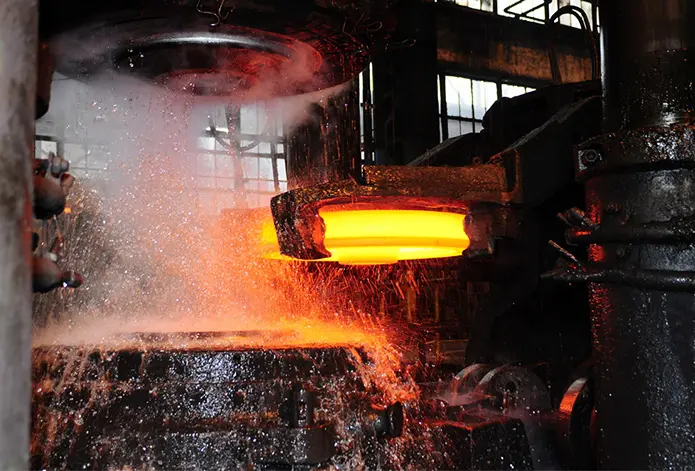
Unlocking unparalleled value through integrated industrial supply chains, advanced technology, and high responsiveness.
From specialized tungsten electrodes to heavy gantry positioning systems, China's welding machinery clusters offer rapid sourcing for every component. This localized ecosystem reduces manufacturing lead times, allowing us to ship highly customized systems much faster than Western competitors.
By combining multi-axis robotic arms with real-time melt pool monitoring, Chinese factories supply smart Industry 4.0 hardfacing lines. This automation reduces human error, guarantees overlay uniformity, and cuts labor overhead for international purchasers.
At Shanghai Duomu, precision is built into our production workflow. Every plasma torch and automated power supply undergoes exhaustive high-current stress testing. This rigorous testing ensures stable operations during long production cycles, giving global customers confidence in our systems.
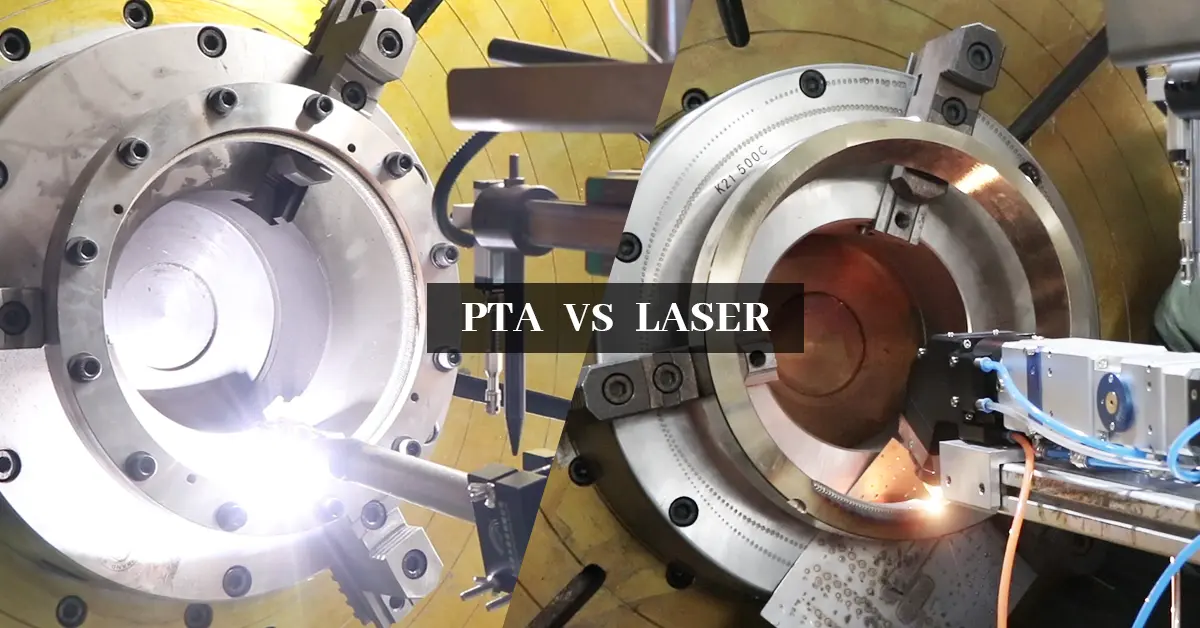
Understanding the differences in dilution rates, deposition capabilities, and metallurgical profiles helps you select the right system for your production line.
| Performance Indicator | Plasma Transferred Arc (PTA / Spawanie Plazmowe) | Laser Cladding (LMD / DED) |
|---|---|---|
| Dilution Rate | Typically 3% to 8% (Highly controlled thermal input) | Minimally 1% to 3% (Ultra-narrow heat zone) |
| Deposition Rate | High (Up to 10 kg/hour using coarse powder) | Medium (1 to 4 kg/hour using fine spherical powders) |
| Metallurgical Bond | Extremely strong fusion bond with the substrate | Strong fusion bond with minimal thermal distortion |
| Heat Affected Zone (HAZ) | Moderate (Larger than laser, but far smaller than MIG/TIG) | Ultra-small (Virtually no thermal deformation) |
| Suitable Alloys | Cobalt-based (Stellite), Nickel-based, WC matrix | Fine Nickel-based, Cobalt-based, Titanium alloys |
| Investment / ROI | Highly cost-effective (Best ratio for thick coatings) | Premium initial investment (Best for fine geometry and precision) |
We supply a complete catalog of customized automated hardfacing machinery, special-purpose systems, and accessories.
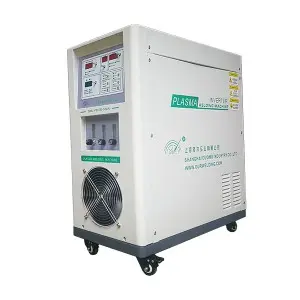
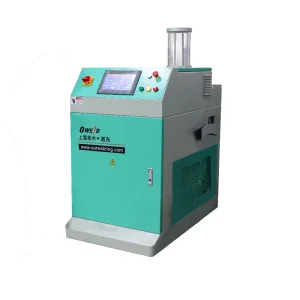
Engineered for precision surfacing using alloy powders, this unit delivers exceptionally stable pilot arc execution for thin-layer surfacing work.
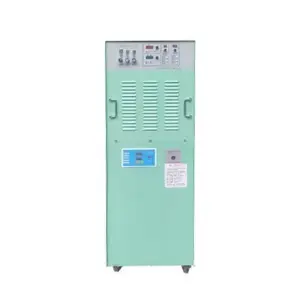
An all-in-one workstation integrating automated controls, powder delivery, and precise gas flow regulation for complex overlay applications.
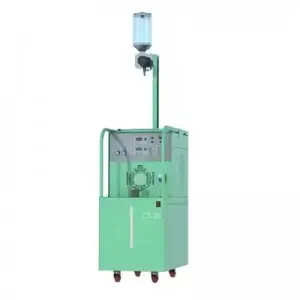
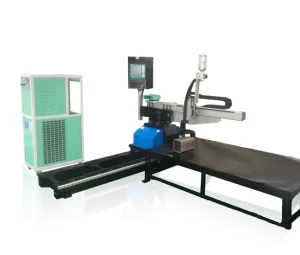
A highly versatile PTA platform designed to handle both linear and circular overlay patterns across a wide range of component sizes.
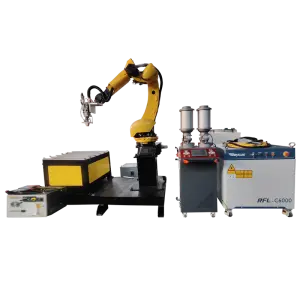
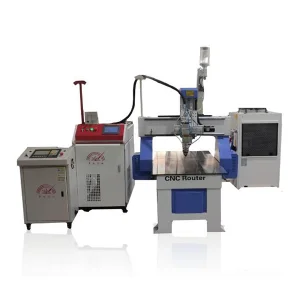
A high-accuracy laser cladding system engineered to repair thin turbine blades and compressor rotors with minimal heat input and no distortion.
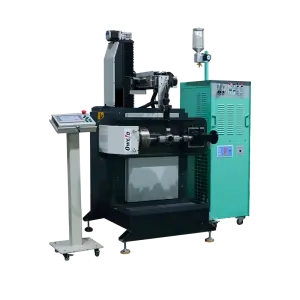
An automated solution for sealing surface overlays, ensuring leak-proof sealing surfaces on heavy industrial ball valves.
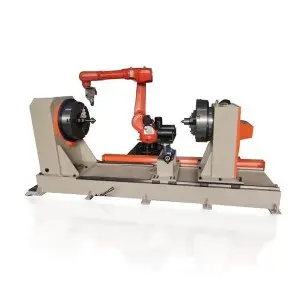
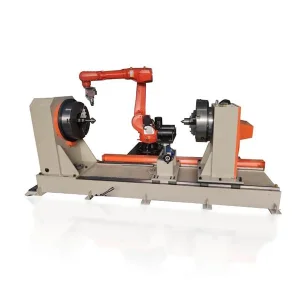
A multi-axis robotic workstation engineered for localized laser hardening, extending the surface wear life of critical gears and molds.
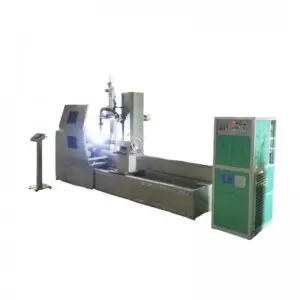
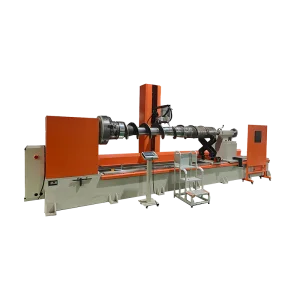
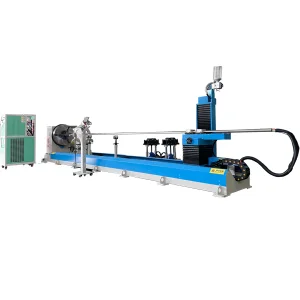
Engineered for heavy hydraulic shafts, this system deposits uniform wear-resistant layers to prevent scratching and fluid leaks.
See how our customers solve tough wear and corrosion challenges using Duomu's PTA technology.
"The PTA Welding Valve Application Guide is not just a process choice for valve manufacturers facing high wear, high corrosion, and high-temperature erosion working conditions, but also a key path to improving product competitiveness. As industries such as petrochemical, power generation, and mining demand higher valve performance, our DQF-LC602 system has helped automate this critical hardfacing step."
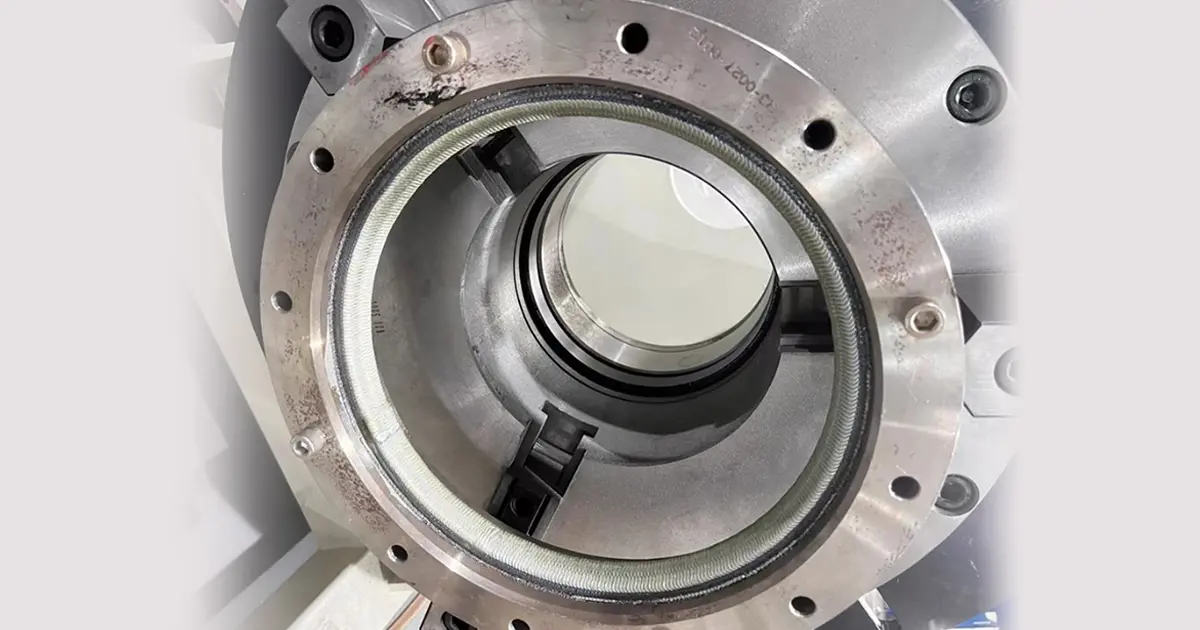
Petrochemical Applications
"In industries such as mining, cement, power generation, steelmaking, chemical processing, and biomass energy, screw conveyors are often regarded as auxiliary equipment. However, maintenance data shows that they are among the most frequent causes of unplanned production shutdowns. Applying a hardfaced layer onto the screw flights with automatic PTA systems prevents abrasive wear and maintains production uptime."
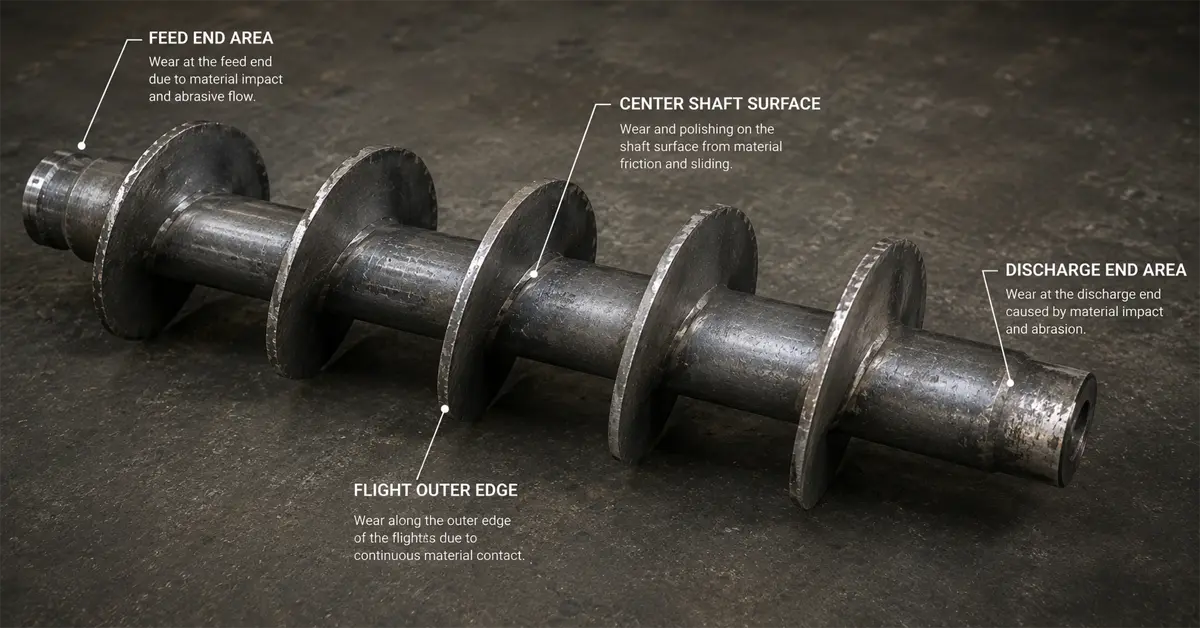
Mining & Cement Sectors
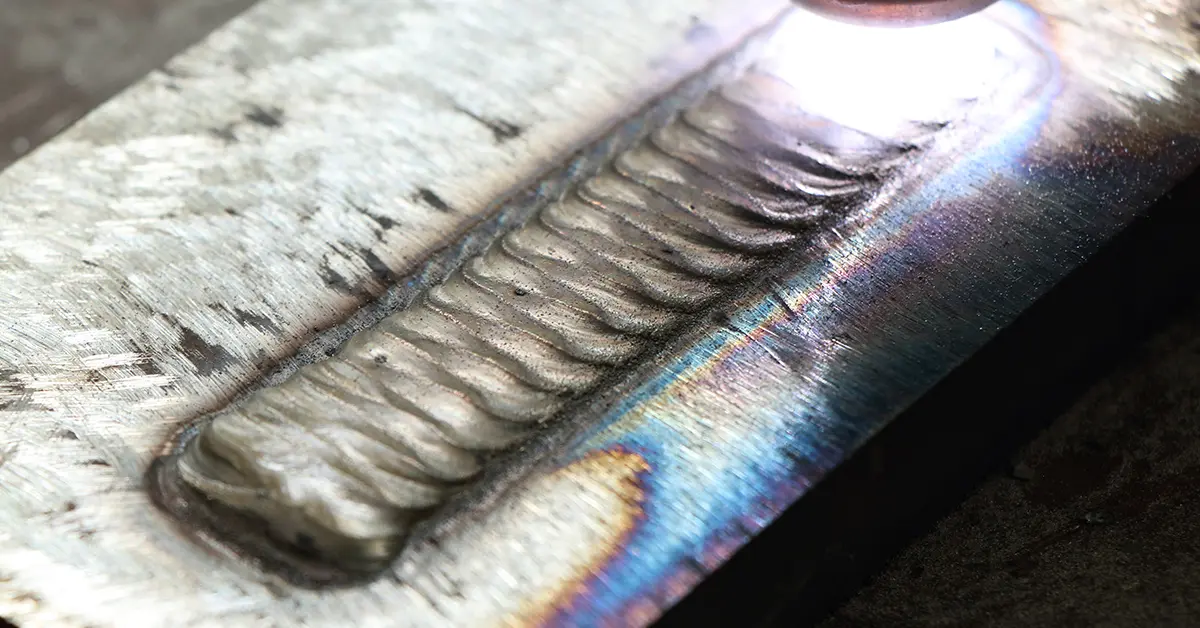
"In Plasma Transferred Arc (PTA) hardfacing, achieving a high-quality overlay is not only about selecting the right alloy powder or optimizing welding parameters. One of the most critical factors that directly affects overlay performance is the dilution rate. Keeping dilution low ensures the hardfacing layer retains its intended chemical properties without excessive mixing from the base metal."
Metallurgical Engineering
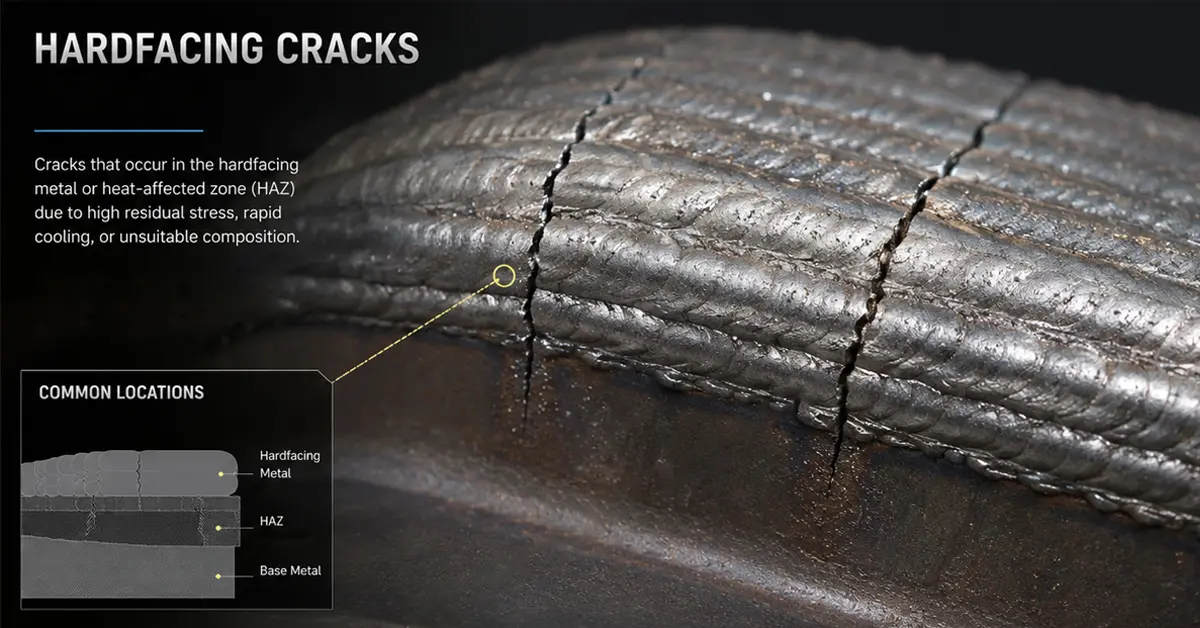
"In industries such as Oil & Gas, Mining, Power Generation, Cement, and Heavy Equipment Manufacturing, hardfacing is no longer just a repair process. It has become a critical technology directly related to equipment lifespan, downtime costs, maintenance frequency, and production safety. Implementing automated PTA systems significantly lowers cost-per-hour operation rates."
Heavy Industry Engineering
"In industries such as oil & gas, petrochemical, power generation, mining, and marine engineering, industrial valves are constantly exposed to severe operating conditions including high pressure, extreme temperatures, corrosive media, abrasive wear, and sand erosion. Our hardfacing systems are tailored to resist these wear mechanisms."
Valve Manufacturing Industry
Clear, technical answers to common questions about spawanie plazmowe, laser cladding, and procurement.
Typically, PTA cladding yields a low dilution rate of 3% to 8%. This minimal mixing allows you to deposit a high-quality wear-resistant layer that maintains the chemical composition and hardness of the alloy powder in a single pass.
Yes. We design and build custom systems tailored to specific component geometries, including CNC linear welding platforms, rotary positioners, hydraulic rod cladders, and interior bore torches for hardfacing inner diameters.
PTA systems run a wide range of gas-atomized powders, including cobalt-based alloys (Stellite series for heat and corrosion resistance), nickel-based alloys (for wear and corrosion), iron-based alloys (for general wear), and tungsten carbide blends (for high-stress abrasion).
Laser Cladding has a smaller heat-affected zone (HAZ) and minimal heat input, making it ideal for precision components sensitive to thermal warping. PTA cladding produces slightly more heat but offers higher deposition rates and lower equipment costs, making it highly effective for heavy-duty components.
We offer a comprehensive warranty on all machinery. Our technical support team assists with remote calibration, setup, and troubleshooting, and can arrange on-site commission for large automated cladding installations.
Explore our specialized valve cladding, internal bore torches, wear parts, and advanced laser systems.








 Duomu
Duomu