Doha, the beating heart of Qatar's industrial renaissance, experiences some of the most aggressive environmental challenges in the world. Driven by the ambitious Qatar National Vision 2030, Doha’s maritime, oil and gas, and petrochemical sectors operate under high salinity, sand erosion, and extreme thermal conditions. These factors call for state-of-the-art materials science solutions to mitigate equipment downtime and prolong component lifespans.
As a premier global Laser Cladding Manufacturer, we serve Doha's industrial hubs (including Mesaieed Industrial City, Ras Laffan, and the Hamad Port zone) by engineering cutting-edge thermal transfer systems. Our automated laser cladding and PTA (Plasma Transferred Arc) solutions deposit highly precise metallurgical alloys onto critical substrates. This process rebuilds and shields critical assets like turbine blades, hydraulic cylinders, and chemical pump shafts, saving companies millions in unscheduled downtime.
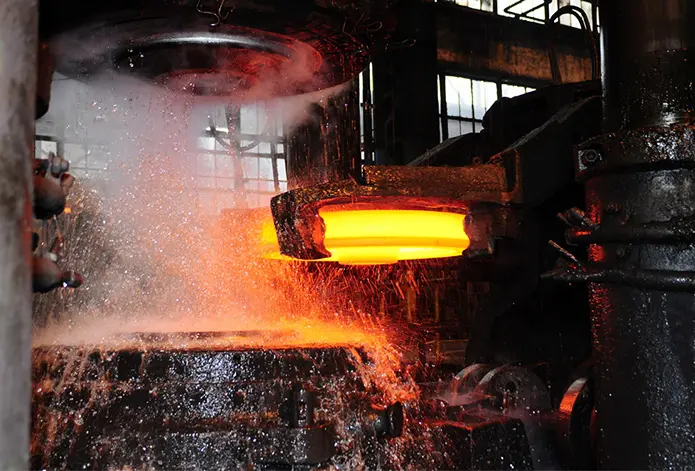
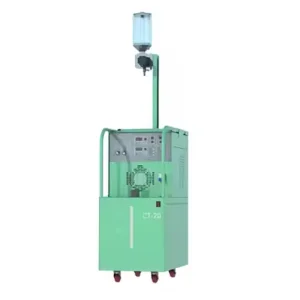
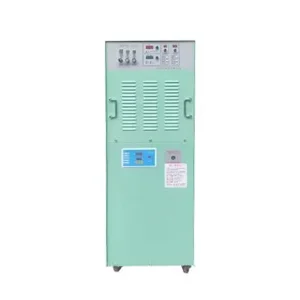
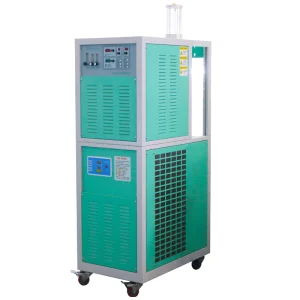
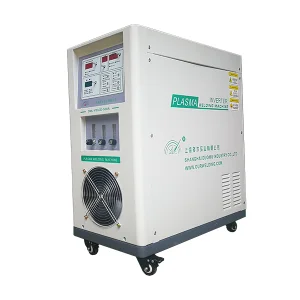
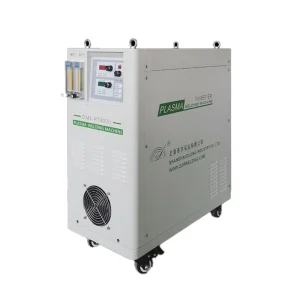
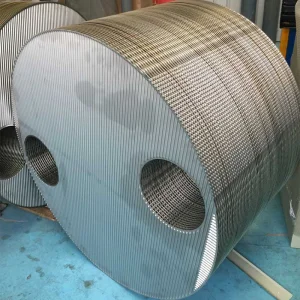
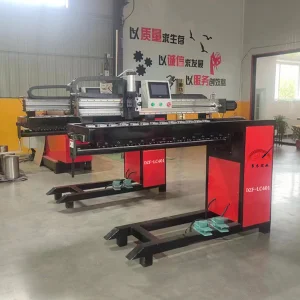
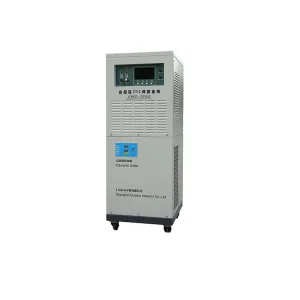
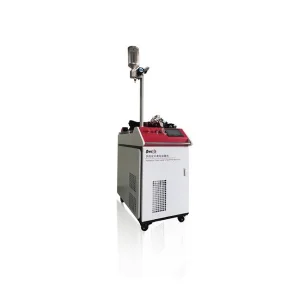
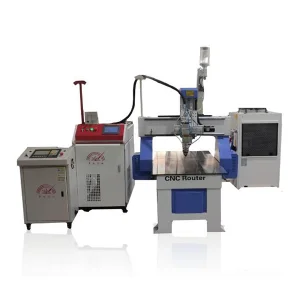
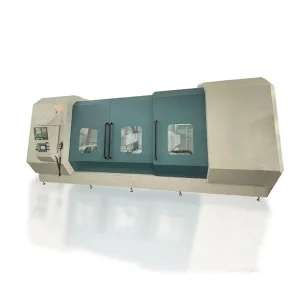
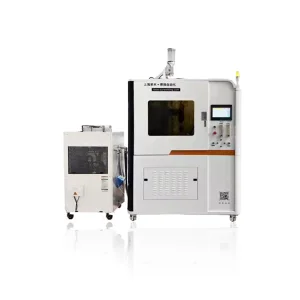
Optimized for high-yield precision coating, these four frontline systems represent the pinnacle of surface repair integration, configured to meet Doha's demanding specifications.
Industrial procurement managers in Qatar often ask whether they should opt for Laser Cladding (LC) or Plasma Transferred Arc (PTA) systems. Both options represent the cutting edge of surface engineering, yet they serve distinct mechanical functions.
Laser Cladding utilizes a high-density, focused laser beam (diode or fiber) as the heat source. Powdered filler material is injected coaxially or laterally into the melt pool. Because the heat is highly localized, the substrate undergoes negligible thermal distortion. This creates a very low dilution rate (typically under 1%), meaning the chemical properties of the cladding layer remain uncompromised by the base metal.
Conversely, PTA Surfacing relies on a constricted arc gas to generate intense heat. It features a slightly higher dilution rate (5-10%) and a larger heat-affected zone, but boasts much higher deposition rates. PTA remains the preferred choice for heavy-duty components like agricultural blades, cement grinders, and valves, where thick protective deposits are required quickly.

Qatar’s extreme desert climate, combined with high-salinity seawater, accelerates galvanic corrosion and stress corrosion cracking (SCC) in industrial machinery. Laser cladding allows engineers to apply expensive, corrosion-resistant superalloys (such as Inconel 625, Hastelloy, and Stellite 6) selectively, saving you the expense of manufacturing entire parts out of high-cost materials.
Key localized application fields include:
At present, our products have penetrated into many fields such as aerospace military industry, nuclear power, petrochemical industry, coal mines, metallurgy and forging, agriculture, water conservancy and electric power.


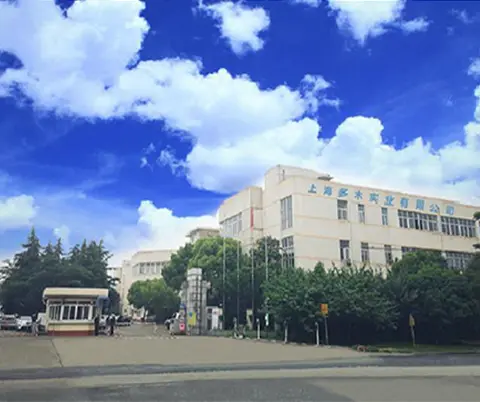
Shanghai Duomu has been a leading manufacturer and exporter of PTA cladding machines and Laser cladding machines for more than ten years, supported by a strong technical background. Our dedicated R&D team designs, builds, and supports our plasma cladding machinery, ensuring stable performance and high-efficiency operation during long shifts.
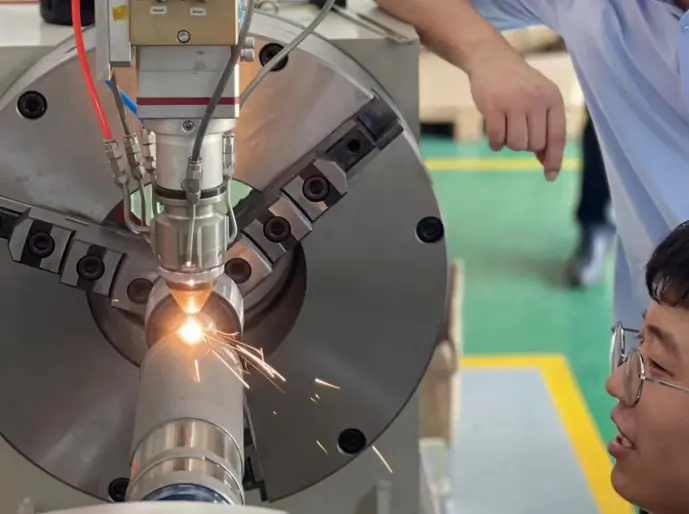
We also engineer advanced industrial laser cladding systems for large-scale remanufacturing projects. By utilizing mature technological processes, we deliver turnkey industrial cladding solutions, ranging from customized manual setups to intelligent, multi-axis robotic cladding installations.
Global industrial firms targeting Doha face complex purchasing pressures. Meeting strict budgets without sacrificing metallurgical standards requires a highly optimized supply chain. Partnering with a Chinese manufacturer like Shanghai Duomu offers critical strategic advantages:
From laser source alignment to multi-axis mechanical CNC gantries, our internal supply chain ensures rapid assembly times and robust quality control.
We adapt our configurations to client specifications. Whether you require ball valve overlay setups, internal bore cladding, or pick rebuilding systems, we customize each unit for your production environment.
All machines are built to international safety standards (CE, ISO9001) and packaged for secure sea transport directly to Hamad Port in Doha, Qatar.
Explore real-world technical assessments and application reports from engineers utilizing our PTA and Laser cladding technologies under demanding conditions.
"The PTA Welding Valve Application Guide is not just a process choice for valve manufacturers facing high wear, high corrosion, and high-temperature erosion working conditions, but also a key path to improving product competitiveness."
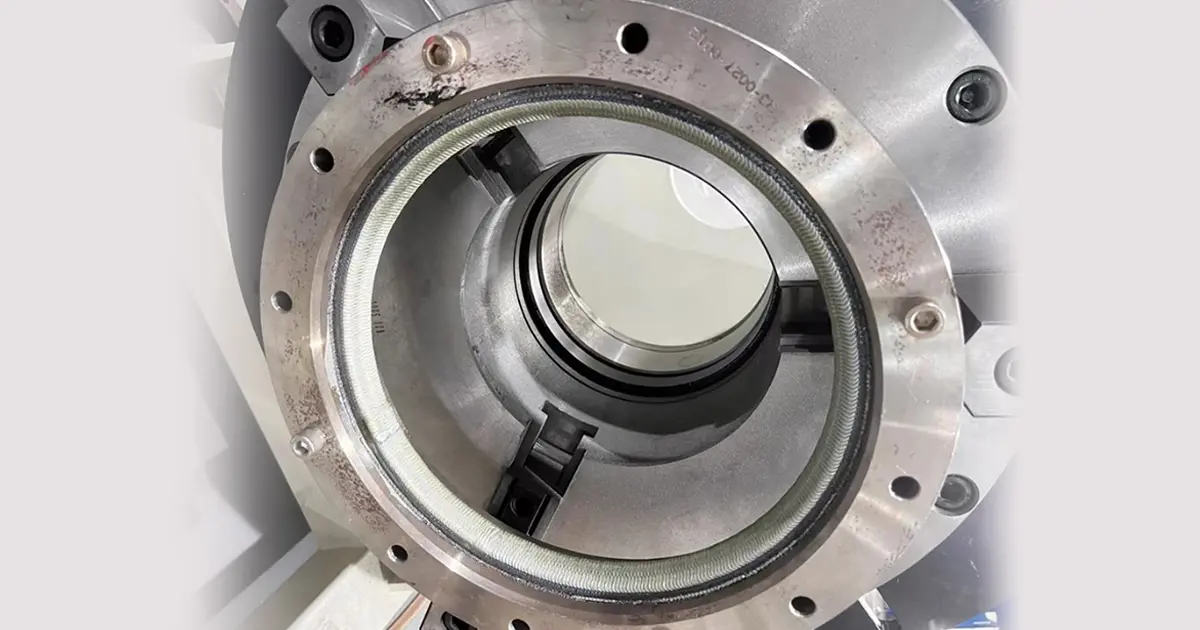
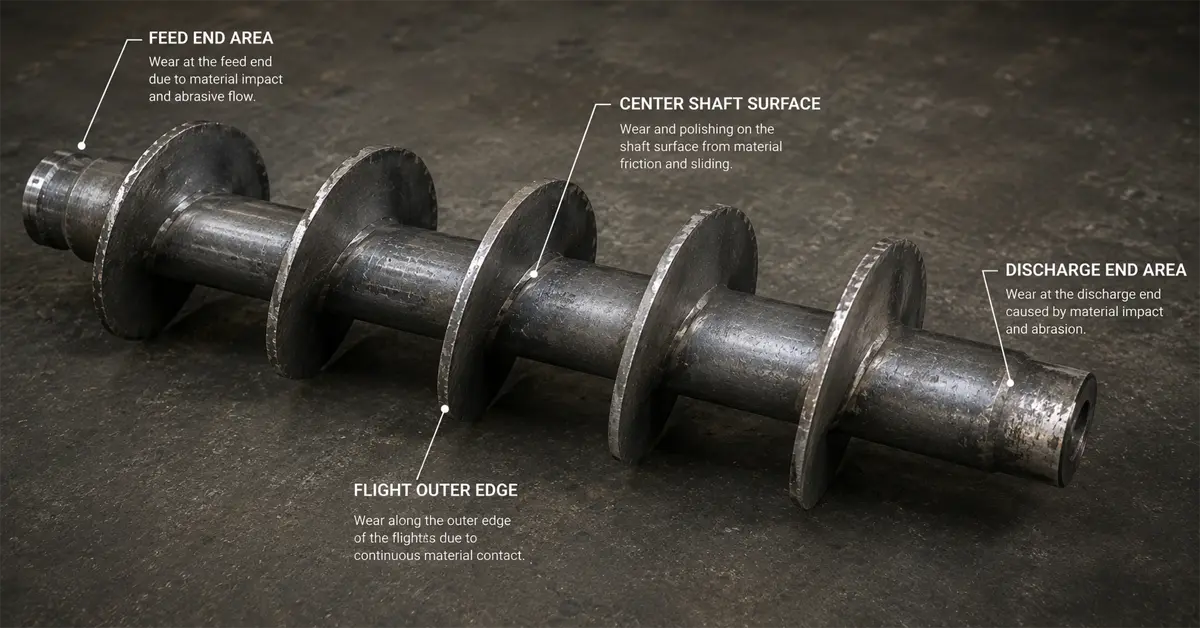
"In industries such as mining, cement, power generation, steelmaking, chemical processing, and biomass energy, screw conveyors are often regarded as auxiliary equipment. However, maintenance data shows that they are among the most frequent causes of unplanned production delays."
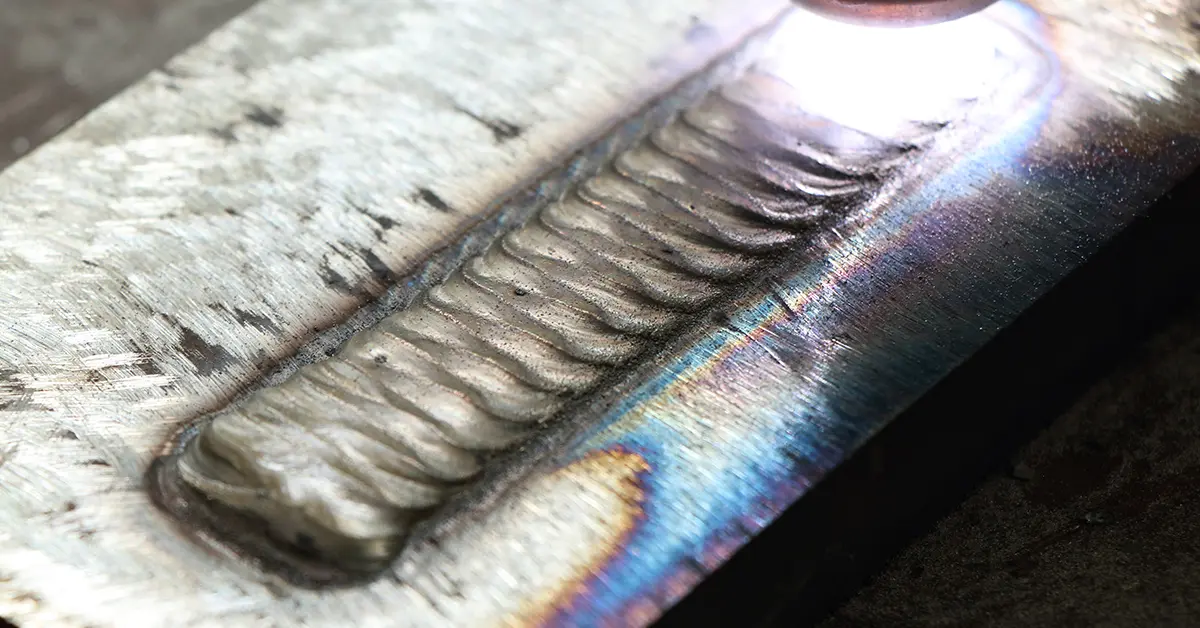
"In Plasma Transferred Arc (PTA) hardfacing, achieving a high-quality overlay is not only about selecting the right alloy powder or optimizing welding parameters. One of the most critical factors that directly affects overlay performance is the dilution rate."
Explore our wide range of high-efficiency machinery, engineered to restore, harden, and clad industrial surfaces in the Doha region.
Detailed metallurgical insights to help you make informed procurement decisions for your operations in Doha.
Thermal spraying creates a mechanical bond with the substrate, which can delaminate under high shear stress. Laser cladding forms a true metallurgical bond. This eliminates the risk of spallation under high pressure or impact, providing reliable corrosion resistance in saline Gulf waters.
Yes. Our powder feeding systems are designed to handle complex powder blends, including tungsten carbide particles (NiWC/FeWC) and custom high-entropy alloys. This helps you achieve excellent hardness (>60 HRC) and fracture toughness on high-wear parts.
Standard cladding platforms are assembled and calibrated within 8 to 12 weeks. Fully customized robotic lines may require 16 weeks. Sea transit to Hamad Port generally takes 20 to 30 days, and our support team helps coordinate customs clearance.
Yes, we supply complete consumables packages, including high-purity alloy powders (cobalt-based, nickel-based, and tungsten carbide blends), copper nozzles, and replacement laser optic protection windows.







Connect with our technical engineers today to receive a detailed system layout, process specification sheets, and a competitive quotation for your project.
 Duomu
Duomu