Engineered high-performance machinery optimized for heavy industries in Karachi, Lahore, Faisalabad, and surrounding industrial corridors.
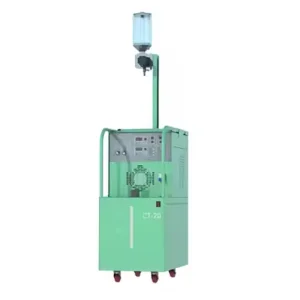
Designed for Karachi Industrial Zone components requiring wear-resistant surfacing and precise heat input controls.
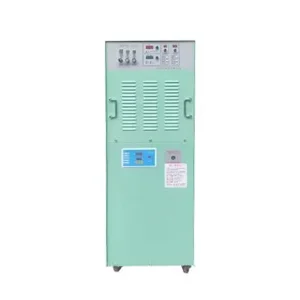
Integrated multi-process surfacing platform, offering superior alloy deposition for manufacturing plants in Lahore.
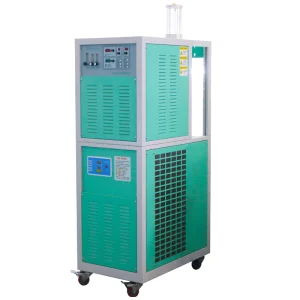
High-density plasma powder deposition system engineered for Gujranwala’s heavy metal fabrication sectors.
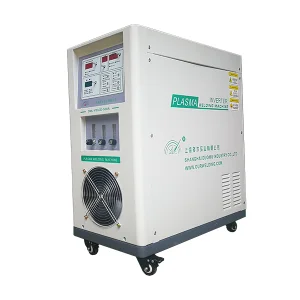
Cost-efficient, robust surfacing machine suitable for rebuilding coal power plant components across Pakistan.
Navigating Pakistan’s growing demand for advanced wear protection, remanufacturing, and life extension of mechanical components.
The industrial landscape of Pakistan is undergoing a major technological transformation. Key sectors such as cement manufacturing, oil and gas, sugar milling, power generation, and agriculture are moving away from traditional component replacement toward advanced remanufacturing and wear preservation techniques. Heavy mechanical parts, operating under intense abrasive, corrosive, and thermal stress, experience premature degradation, resulting in costly unscheduled downtime and expensive import dependencies.
Laser cladding has emerged as the definitive solution for these challenges. Unlike conventional arc welding, laser cladding and Plasma Transferred Arc (PTA) cladding technologies offer a minimal Heat Affected Zone (HAZ), low dilution rates, and metallurgically bonded coatings that significantly extend the lifespan of critical equipment. In major industrial hubs like Karachi (Sindh), Lahore (Punjab), and Faisalabad, local engineering firms and multinational operators are rapidly adopting automated cladding systems to repair high-value machinery components, reducing operating costs by up to 60%.
By shifting from imported new components to locally reclaimed parts, Pakistani industries can overcome supply chain disruptions and mitigate foreign exchange pressures. Reclaiming a turbine rotor shaft, a hydraulic piston rod, or a cement plant screw conveyor using cobalt or nickel-based superalloys ensures that the refurbished part outperforms the original OEM component in wear resistance and longevity.
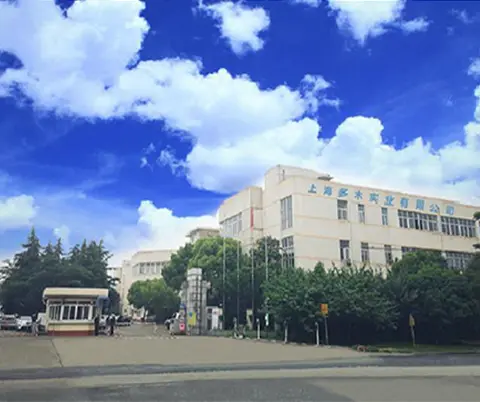
Shanghai Duomu has been a leading manufacturer and exporter of PTA cladding machines and Laser cladding machines for more than ten years with a strong technical background. Our solutions are designed to deliver exceptional precision, reproducibility, and reliability, keeping critical operations running across the globe.
We combine advanced automation, real-time process monitoring, and highly engineered alloy powder feeding systems to provide customized surface engineering technologies for specialized and heavy-duty industrial environments.
We host an independent R&D team, which develops, produces, and sells plasma cladding machine equipment. Our welding systems offer stable performance and maintain efficient long-term operation. In addition, the laser cladding equipment sold by the company effectively supports large-scale remanufacturing projects. We have mature technological capabilities to provide complete sets of industrial equipment solutions, offering tailored support for clients across Pakistan and globally.
Whether processing complex carbide-heavy powders or repairing highly critical parts like valve seats and turbine blades, our technical department supports the entire integration cycle: from engineering consulting and metallurgic testing to onsite system installation, programming, and personnel training.
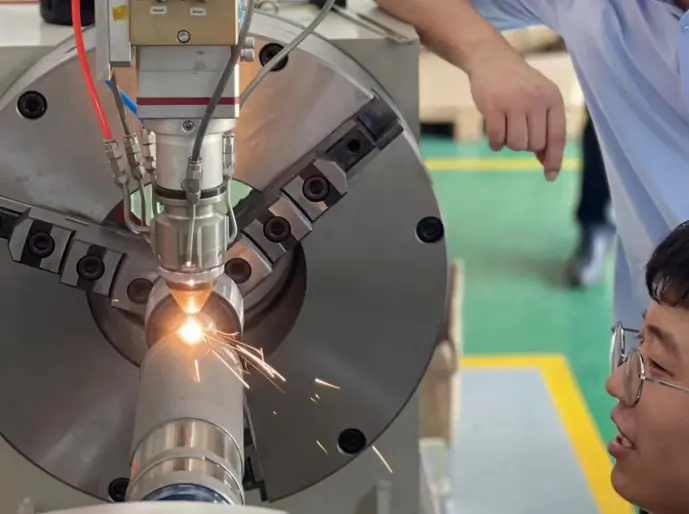
How Laser and PTA Cladding technologies are deployed across Pakistan's foundational heavy industries to optimize wear resistance.

Providing tungsten carbide overlay solutions for plowshares, rotating blades, and crop-processing components in agricultural hubs.

Ensuring ultra-precise, crack-free metallurgical cladding for engine components, turbine blades, and defense machinery.
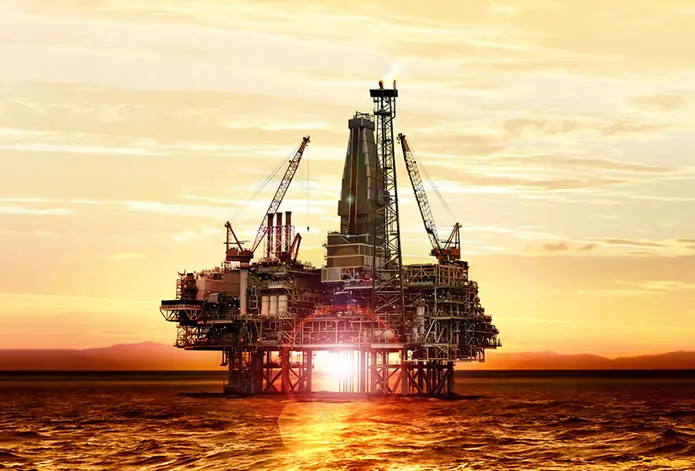
Deploying cobalt and nickel superalloy coatings on drill pipes, mud pumps, and valves exposed to sour gas environments.
Extending the operational lifespans of continuous casting rolls, guiding rollers, and extrusion dies under hot-wear conditions.
Understanding the cost, efficiency, and engineering advantages of importing industrial cladding platforms from China to Pakistan.
Importing laser cladding and PTA equipment from Chinese manufacturers like Shanghai Duomu provides a key economic advantage for Pakistani businesses. European and American alternatives often command prohibitive capital premiums. Chinese systems deliver identical, and often superior, levels of automation, power output stability, and positioning precision at a fraction of the capital expenditure. This lower barrier to entry enables local engineering workshops to offer commercial cladding services, accelerating payback periods and boosting regional profitability.
Unlike rigid off-the-shelf offerings from western manufacturers, Chinese factories specialize in custom industrial integrations. We analyze the specific component weight, length, geometry, and base alloy composition of our Pakistani partners to build customized gantry structures, multi-axis robotic cladding workstations, and specialized powder feeders. This flexibility is essential for addressing the highly diverse components found in regional sugar, cement, and petrochemical facilities.
Shanghai Duomu offers a single source of supply for both cladding machinery and high-quality alloy consumables. From cobalt-based Stellite equivalents to high-tungsten carbide matrices, we ensure that operators in Pakistan receive consistent powder mesh sizes, chemistry certifications, and spare parts. This eliminates compatibility friction and prevents production halts caused by component supply shortages.
Leveraging direct bilateral trade routes and China-Pakistan Economic Corridor (CPEC) logistics networks, importing industrial capital equipment to Pakistan is highly efficient. Shanghai Duomu provides extensive documentation, step-by-step remote installation assistance, and customized training guides to ensure that local engineers can quickly configure, operate, and maintain their new cladding installations.
Our comprehensive range of plasma powder surfacing machinery, automatic cladding gantries, and robotized hardening platforms.
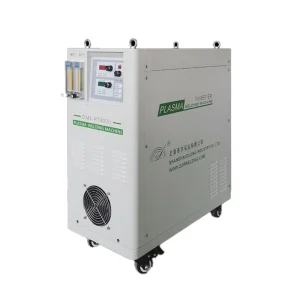
High-duty cycle industrial PTA welding station developed for continuous component rebuilds in metal casting yards.
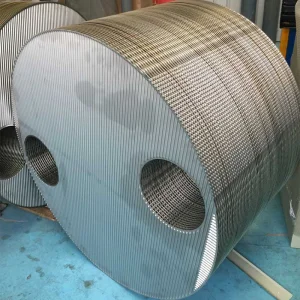
CNC multi-torch overlay system ideal for producing heat exchanger plates and boilers in regional refineries.
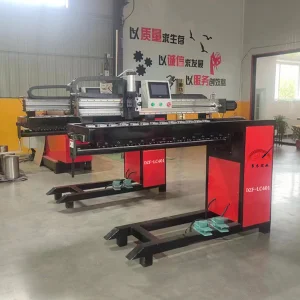
Highly stable linear travel system designed for processing tube mills and long metal sheets.
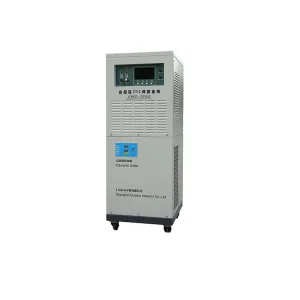
Advanced speed-controlled TIG welding system configured for thin-walled industrial pipes and heat elements.
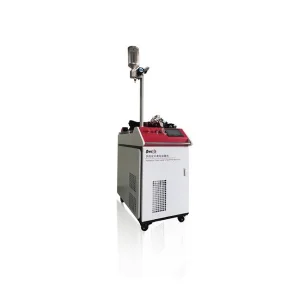
Mobile fiber-coupled laser cladding system for in-situ repair of turbine shafts and heavy mining gear.
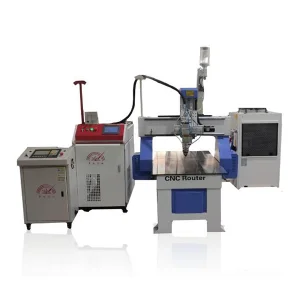
Large-format gantry cladding system for large industrial processing plates and mining sieves.
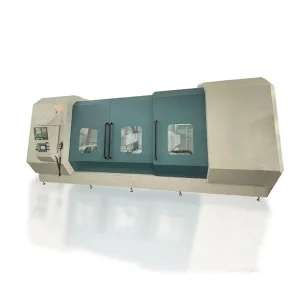
Specialized external surface cladding unit optimized for hydraulic cylinder rod hardfacing.
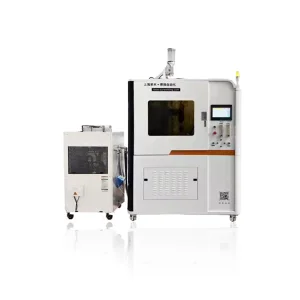
High-throughput robotic pick cladding machine optimized for coal mining tools and road headers.
Analyzing global advancements in surface engineering and the transition toward smart, zero-waste remanufacturing systems.
A key development in global surface engineering is Ultra-High-Speed Laser Cladding (referred to as EHLA). Unlike conventional laser cladding, where alloy powder melts directly in the weld pool, EHLA melts the powder particles while they are still in flight within the laser beam. This permits deposition speeds of up to 200 meters per minute, drastically reducing heat input, reducing cycle times, and producing extremely thin, high-density clad layers (from 25 to 250 microns). This technology is increasingly replacing hard chrome plating, which faces growing environmental restrictions due to hexavalent chromium emissions.
Modern cladding systems are evolving from simple mechanical lathes into fully autonomous, AI-driven cells. By integrating multi-axis articulated industrial robots with optical scanner cameras, cladding machines can analyze worn parts, reconstruct missing geometries using 3D CAD data, and dynamically adjust powder flow rate, travel speed, and laser power in real-time. This level of automation is essential for restoring complex, asymmetrical components like impellers, screw presses, and extrusion dies, minimizing manual operating error and ensuring consistent quality.
The development of advanced cladding materials has expanded the range of industrial applications. While traditional alloys rely heavily on nickel, cobalt, or iron matrix bases, high-entropy alloys (HEAs) incorporate five or more elemental constituents in near-equimolar ratios. HEA coatings show exceptional wear resistance under high temperatures and excellent corrosion resistance in aggressive media. This makes them ideal for demanding industrial environments like oil refineries, chemical reactors, and nuclear power installations.
Expert technical insights regarding laser cladding processes, material compatibilities, and capital returns.
Real-world feedback from engineering partners utilizing our PTA and Laser Cladding systems.
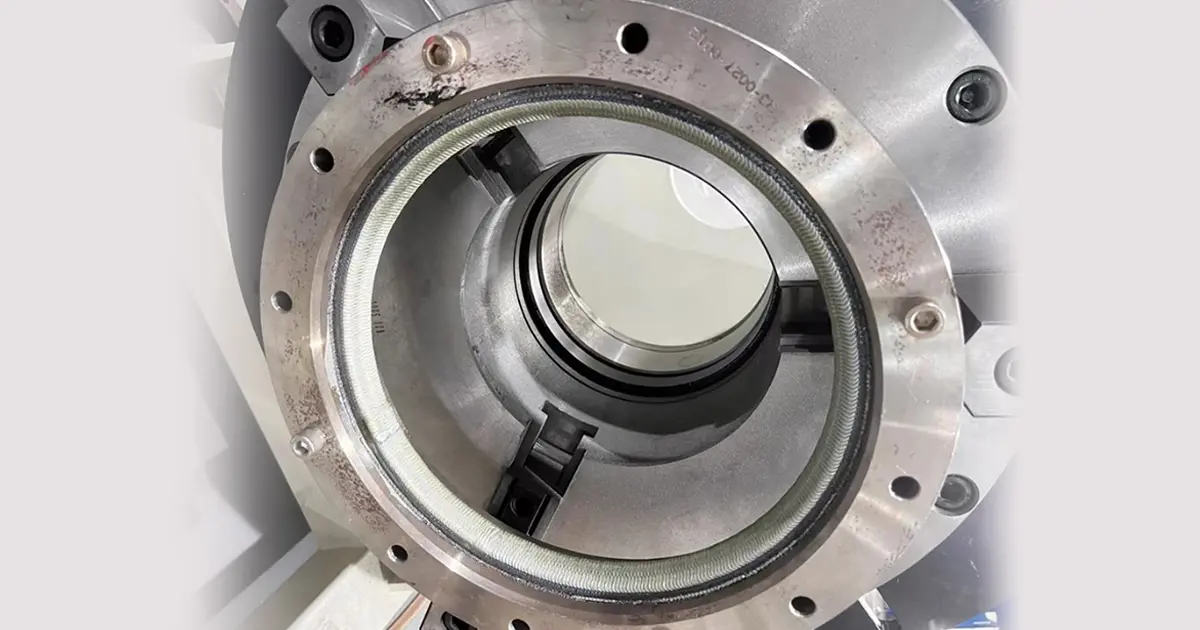
“The PTA Welding Valve Application Guide is not just a process choice for valve manufacturers facing high wear, high corrosion, and high-temperature erosion working conditions, but also a key path to improving product competitiveness. As industries such as petrochemical, gas, and power generation expand, we rely on Duomu's PTA stations to deposit defect-free cobalt overlays onto critical valve seats.”
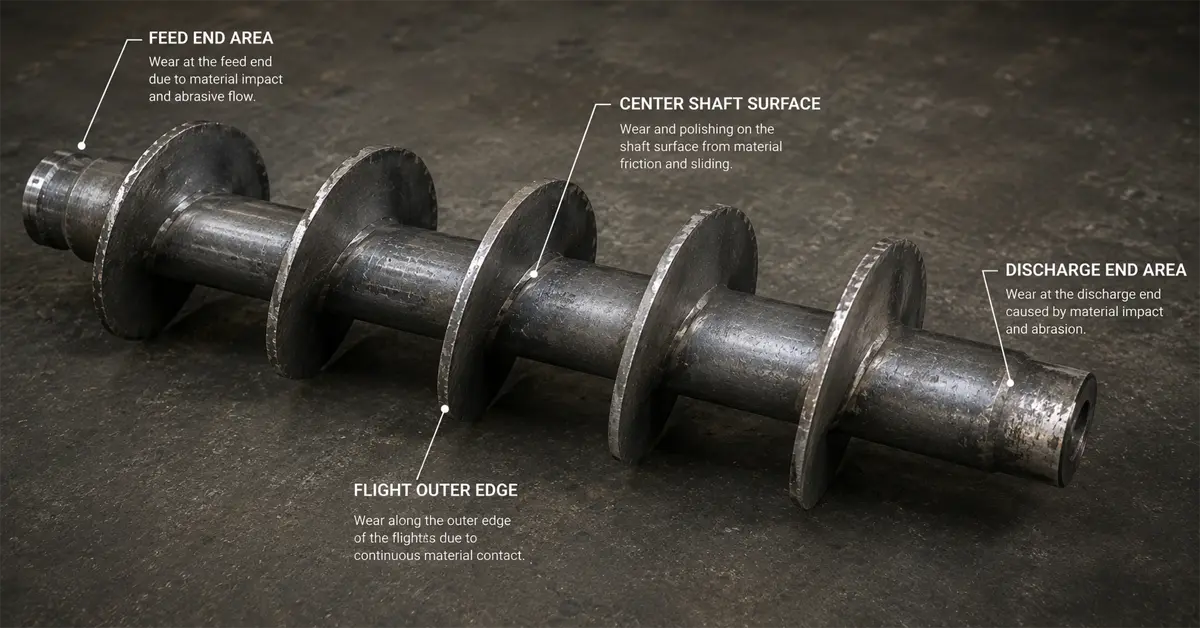
“In industries such as mining, cement, power generation, steelmaking, chemical processing, and biomass energy, screw conveyors are often regarded as auxiliary equipment. However, maintenance data shows that they are among the most frequent causes of unplanned production shutdowns. Hardfacing our flight edges with Duomu's automated systems has extended our service intervals by three times.”
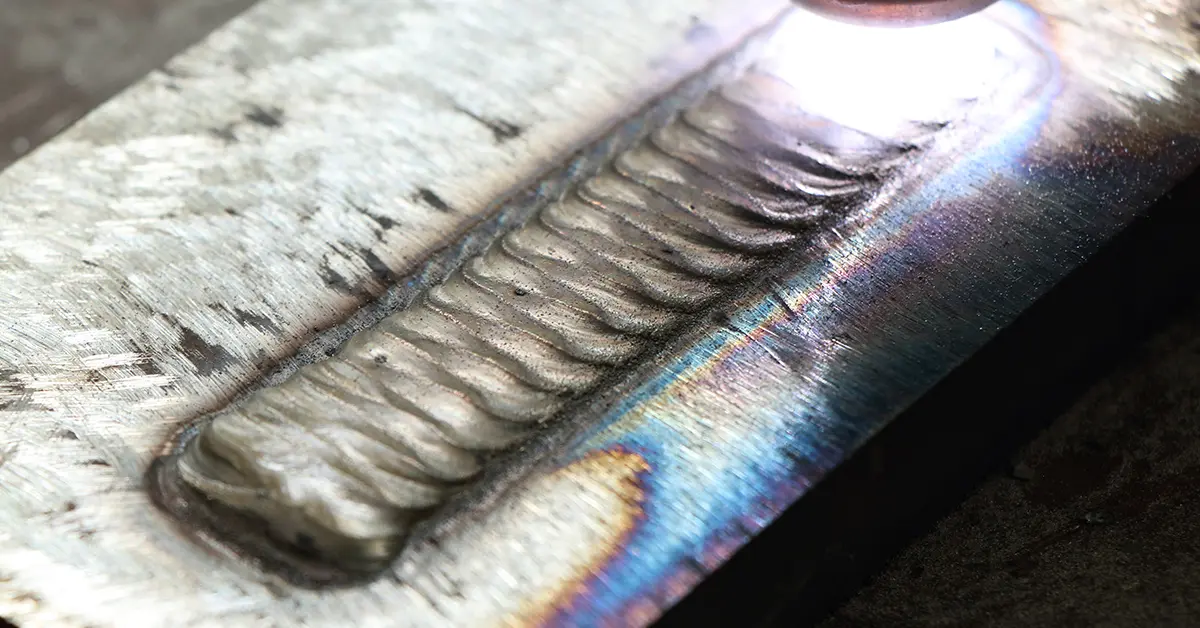
“In Plasma Transferred Arc (PTA) hardfacing, achieving a high-quality overlay is not only about selecting the right alloy powder or optimizing welding parameters. One of the most critical factors that directly affects overlay performance is the dilution rate. Working closely with Duomu’s technical department, we achieved a stable dilution rate below 4% on our pump shafts.”







For inquiries about our products, pricing, or custom cladding system integrations, send us your requirements. Our engineering team will get in touch within 24 hours.
 Duomu
Duomu