High-end surface modification platforms engineered to minimize wear and restore heavy industrial components.
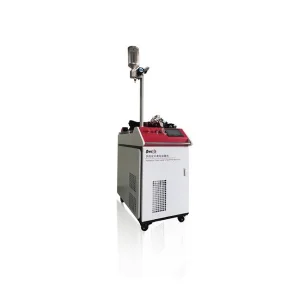
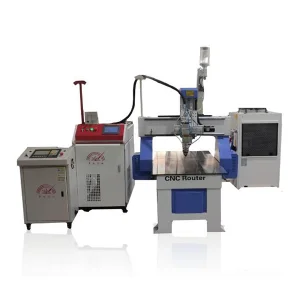
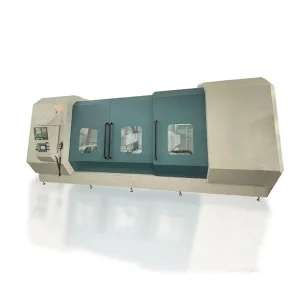
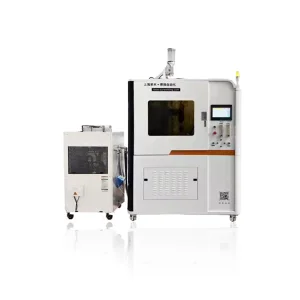
Istanbul occupies a highly strategic geoeconomic position at the crossroads of European and Asian heavy industry. Home to over 30% of Turkey's manufacturing output, the Marmara region—anchored by Istanbul's extensive industrial parks in Tuzla, Hadımköy, and İkitelli—is a vital supply chain node for the automotive, maritime repair, heavy machinery, defense, and steel manufacturing sectors.
In recent years, the escalating cost of raw materials and the economic necessity to extend component operational life cycles have driven local manufacturers to seek advanced surface engineering solutions. This is where Laser Cladding (Laser Metal Deposition - LMD) has transitioned from a niche university laboratory process to an indispensable shop-floor manufacturing technology. Traditional methods such as thermal spraying and chrome plating are increasingly constrained by environmental regulations (especially RoHS directives banning Hexavalent Chromium) and performance limitations (poor metallurgical bonding, high porosity, and high dilution rates).
Istanbul's leading industrial workshops and shipyards in the Tuzla Bay area are aggressively upgrading their repair workflows. Marine diesel engine valves, drive shafts, hydraulic pistons, and chemical reactor vessels that previously required complete replacement are now being reclaimed using high-precision laser cladding and Plasma Transferred Arc (PTA) welding, saving companies up to 75% in maintenance expenses and reducing lead times from weeks to hours.
To understand the immense advantages of these systems, one must examine the thermal interaction at the workpiece surface. Laser cladding utilizes a high-power, highly focused laser beam as the heat source to melt a target alloy powder (fed coaxially or laterally via specialized powder nozzles) onto a substrate material. Because the energy density of the laser is extremely concentrated, it creates a small, highly localized melt pool. This yields a metallurgical bond with a heat-affected zone (HAZ) that is orders of magnitude smaller than traditional arc welding processes.
| Performance Metrics | Laser Cladding (LMD) | Plasma Transferred Arc (PTA) | Thermal Spray (HVOF) | Traditional TIG/MMA Overlay |
|---|---|---|---|---|
| Metallurgical Bond Strength | Excellent (> 400 MPa) | Excellent (> 380 MPa) | Mechanical Bond (< 80 MPa) | Excellent (> 350 MPa) |
| Dilution Rate | Very Low (0.5% - 2%) | Low (3% - 8%) | Zero (No mixing) | High (15% - 30%) |
| Heat Affected Zone (HAZ) | Minimal (0.1 - 0.5 mm) | Moderate (0.5 - 1.5 mm) | Negligible (Cold process) | Large (2.0 - 5.0 mm) |
| Deposition Efficiency | High (Up to 90% Powder utilization) | Very High (Up to 95%) | Moderate (50% - 70%) | High (Depends on wire/electrode) |
| Cladding Thickness Per Pass | 0.5 mm - 2.0 mm | 1.0 mm - 5.0 mm | 0.1 mm - 0.4 mm | 2.0 mm - 6.0 mm |
For heavy-duty applications such as mining tools, agricultural machinery parts, and massive steel mill rollers, PTA (Plasma Transferred Arc) cladding remains a powerful and cost-effective alternative. It offers high deposition rates while maintaining a controlled dilution level, allowing factories to deposit thick, wear-resistant carbide matrices in a single run.
Average Dilution Rate
Density & Pore-Free Microstructure
Maintenance Overhead Reduction
R&D and Equipment Export Experience
While Turkish heavy industries demand robust quality compliance matching European standards (CE certifications, ISO 9001), procurement managers are constantly looking to optimize capital investment (CAPEX). This has highlighted the exceptional value of Chinese manufacturing expertise. Sourcing laser cladding systems and PTA overlay platforms from Shanghai Duomu offers a perfect balance: Chinese manufacturing speed and cost-effectiveness, integrated with world-class optical paths, reliable control systems, and robust automated mechanical structures.
Shanghai Duomu's engineering capabilities allow for the rapid customization of multi-axis CNC gantries, robotic cladding arms, and custom powder feeders tailored to the electrical and physical footprints of Turkish production lines. With direct shipping channels linking East Asia to the Port of Ambarlı in Istanbul, importing specialized machinery has never been more seamless.
Shanghai Duomu has established itself as an authoritative manufacturer and exporter of PTA cladding and Laser cladding machinery for more than a decade. Grounded in a deep, research-driven technical background, our independent R&D department continuously pioneers advanced deposition heads and intelligent control software.
Our dedicated team designs, builds, and tests plasma powder surfacing equipment engineered for long-term reliability under severe industrial conditions. From multi-axis CNC plasma welding cells to robotized laser cladding systems, we supply turnkey industrial packages that enable automated, high-precision surface repairs.
Whether customizing hydraulic cylinder rod cladding stations or fabricating heavy-duty cutting pick rebuilders, our hardware solutions are integrated with intelligent system architectures designed to decrease setup times and simplify operational processes.
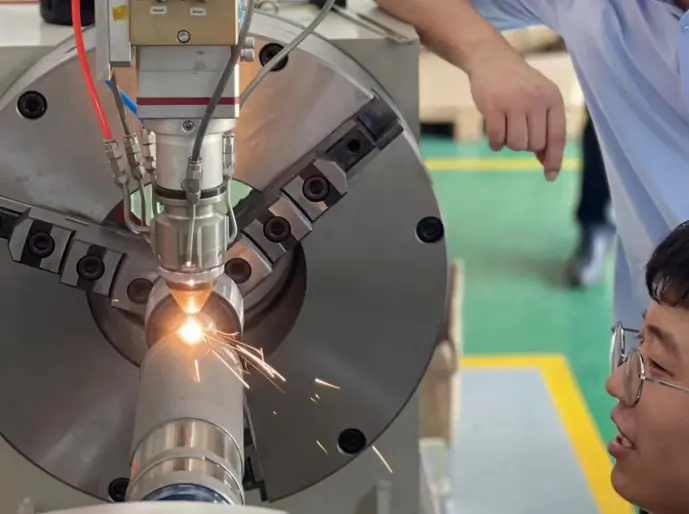
Our machinery is utilized across multiple sectors to combat extreme wear, erosion, and high-temperature oxidation.



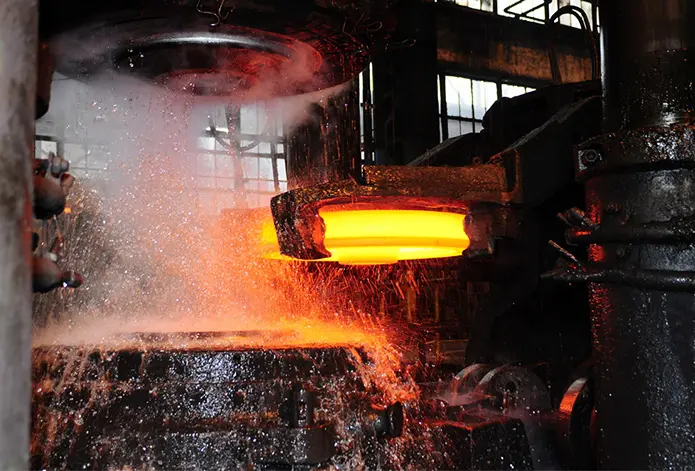
Key elements procurement professionals analyze when purchasing laser cladding hardware.
The system must feed cobalt-based (Stellite), nickel-based, and iron-based alloy powders alongside ceramic composites like Tungsten Carbide (WC) efficiently.
Real-time optical temperature monitoring (pyrometry) and closed-loop control to adjust laser power dynamic to the melt pool size.
Seamless CNC or industrial robotic interface compatibility (Siemens, Fanuc, Kuka) ensuring operator-free repeatability.
Shanghai Duomu has been a leading manufacturer and exporter of PTA cladding machines and Laser cladding machines for more than ten years with a strong technical background.
Our manufacturing processes prioritize reliability, stability, and high performance. By establishing tight component tolerances and utilizing advanced optical systems, we ensure our cladding solutions operate continuously under intensive industrial conditions. We provide complete sets of industrial equipment solutions, helping our partners across Europe, the Middle East, and Asia implement state-of-the-art additive manufacturing protocols on their shop floors.
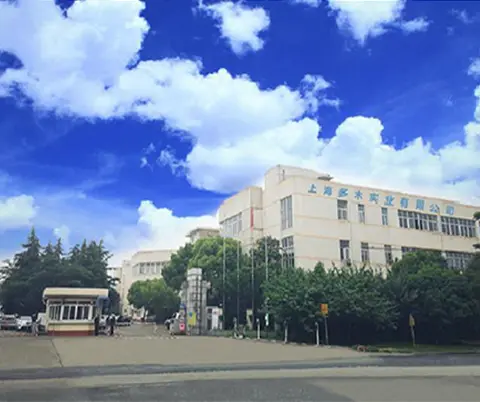
Industrial-grade PTA overlay and automatic welding machinery designed for ultimate wear protection.
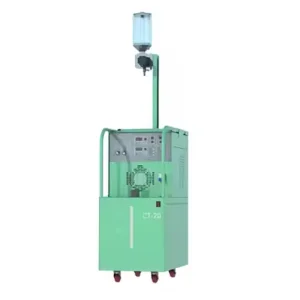
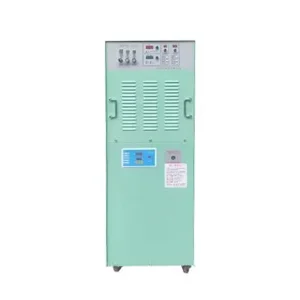
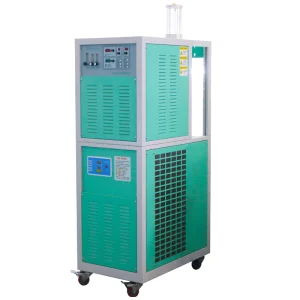
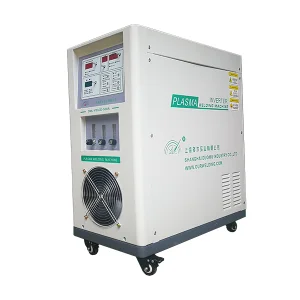
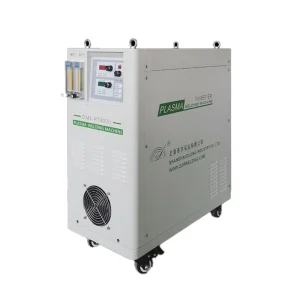
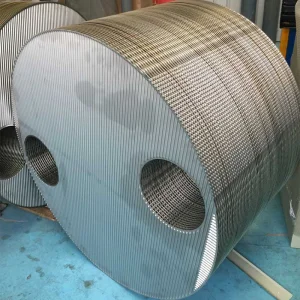
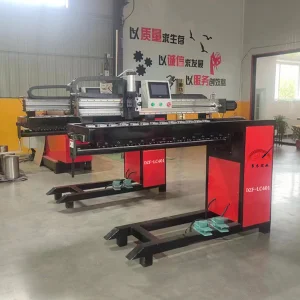
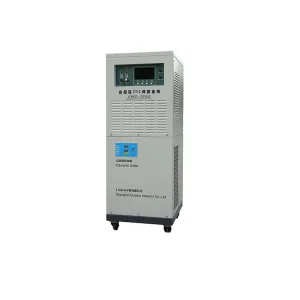
Technical analyses compiled by our engineers on PTA surfacing and surface engineering challenges.
The PTA Welding Valve Application Guide is not just a process choice for valve manufacturers facing high wear, high corrosion, and high-temperature erosion working conditions, but also a key path to improving product competitiveness. As petrochemical and oil industries demand tighter seals...
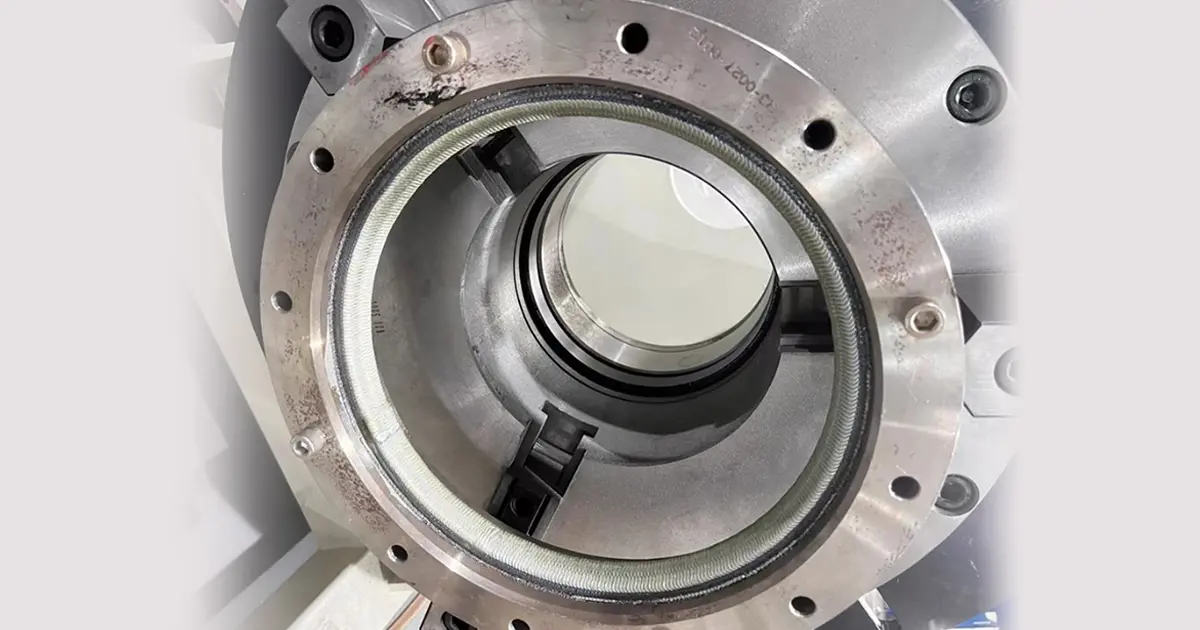 Valve Hardfacing & PTA Application Guide
In industries such as mining, cement, power generation, steelmaking, chemical processing, and biomass energy, screw conveyors are often regarded as auxiliary equipment. However, maintenance data shows that they are among the most frequent causes of unplanned production downtime due to severe abrasion...
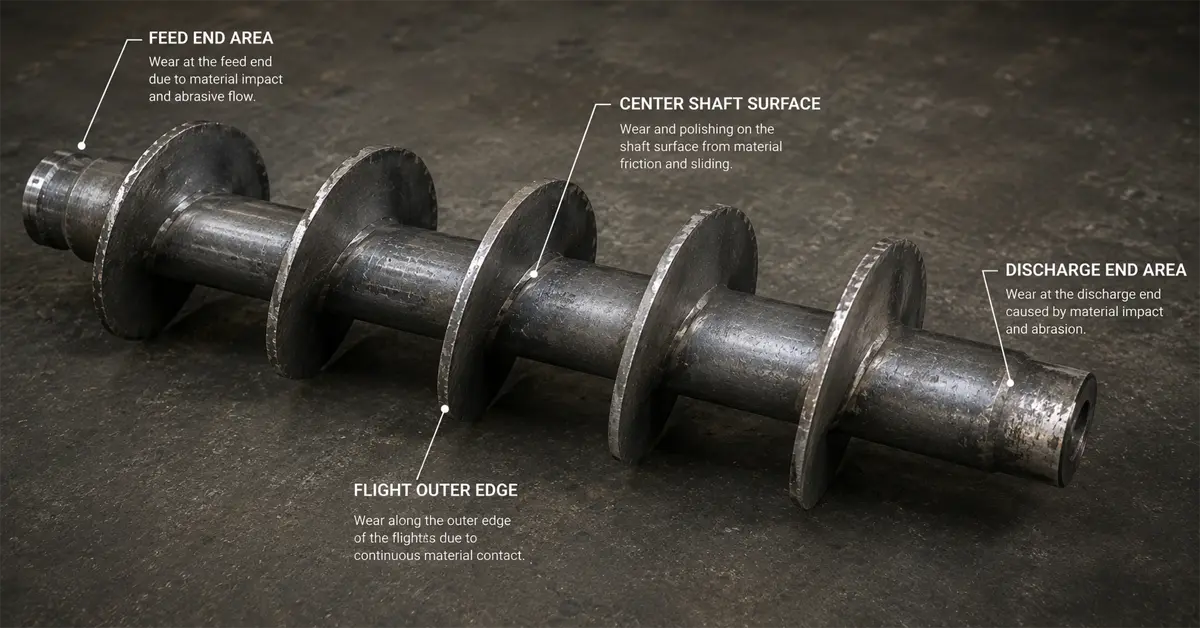 Screw Conveyors Wear Optimization Strategy
In Plasma Transferred Arc (PTA) hardfacing, achieving a high-quality overlay is not only about selecting the right alloy powder or optimizing welding parameters. One of the most critical factors that directly affects overlay performance is the dilution rate. Minimizing iron contamination from the substrate...
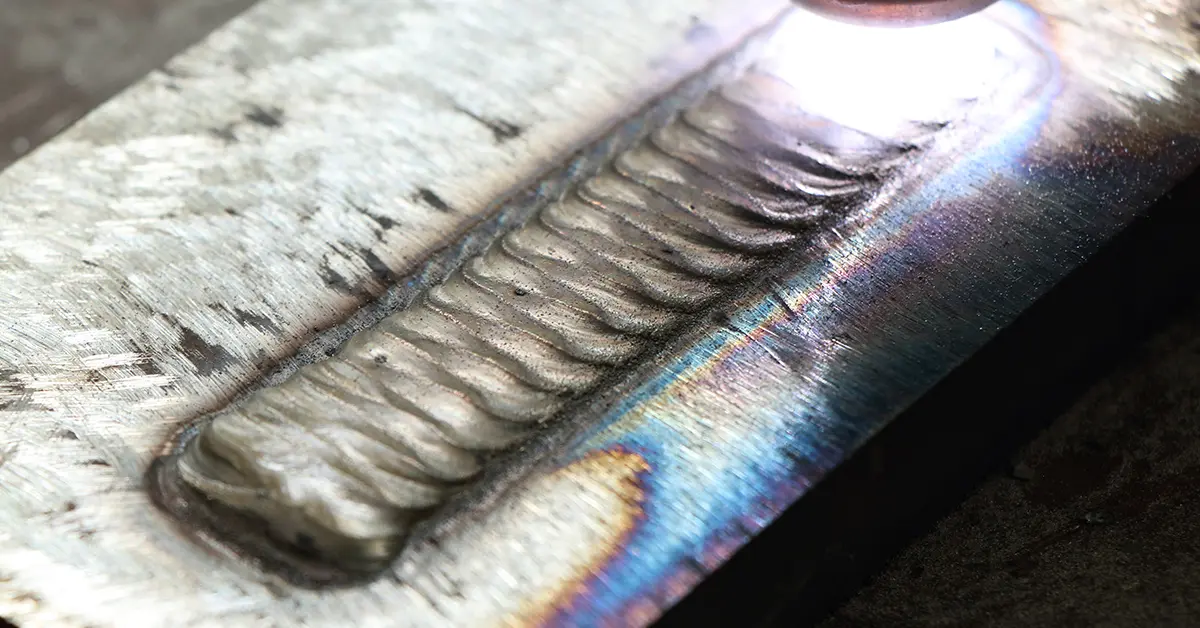 Dilution Rate Control in Advanced PTA Surfacing




Technical responses to frequently asked integration questions from project engineers and buyers.
 Duomu
Duomu