Deploy state-of-the-art cladding equipment designed for heavy-duty restoration and anti-wear protection in Kuala Lumpur industrial sectors.
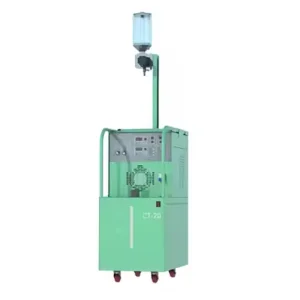
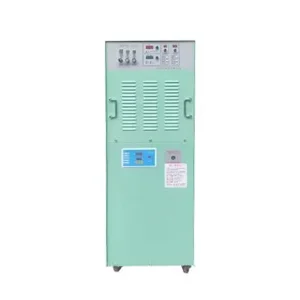
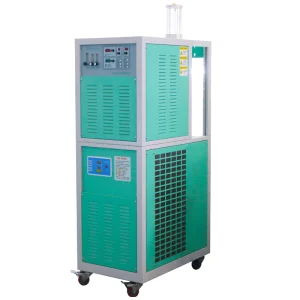
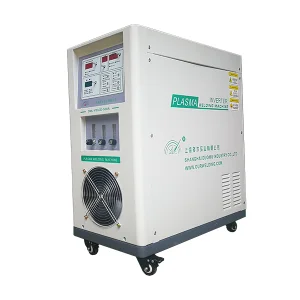
Kuala Lumpur and the surrounding Klang Valley region represent the beating heart of Malaysia's industrial and trade sectors. As a strategic logistical gateway near Port Klang and a regional center for oil and gas exploration (leveraged by major entities like Petronas), Kuala Lumpur demands heavy-duty component reliability. Local enterprises in marine propulsion, offshore drilling, palm oil processing, and heavy civil engineering regularly face severe material challenges: abrasive wear, high-velocity sand erosion, extreme thermal stresses, and corrosive marine atmospheres.
Traditionally, Malaysian businesses relied on thermal spraying or conventional tungsten inert gas (TIG) arc welding cladding. However, as international standards demand lower emissions, higher material utilization, and longer lifecycles, local repair workshops and OEMs are rapidly transitioning to advanced surface modification methods. Laser cladding has emerged as the definitive replacement technology, offering high bonding integrity, minimal base metal distortion, and precise alloy chemistry controls tailored to local operational profiles.
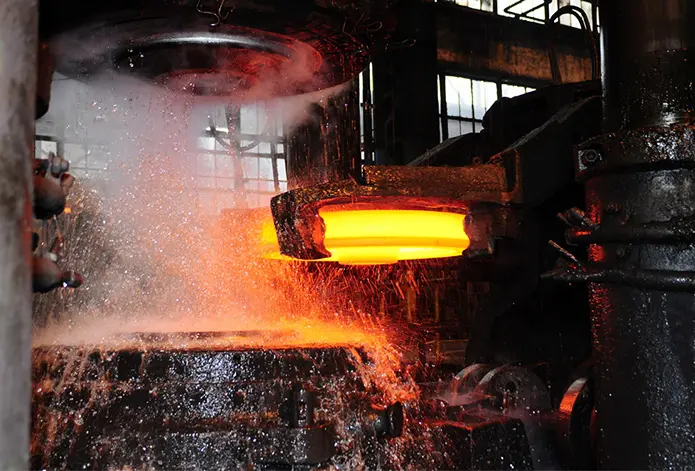

Globally, the laser cladding and Plasma Transferred Arc (PTA) coating markets are experiencing unprecedented growth, driven by the shift towards a circular economy. Rather than scrapping expensive turbine blades, drill collars, and hydraulic shafts, industrial enterprises are adopting remanufacturing approaches. Modern alloy powders—nickel-based superalloys (Inconel 625/718), cobalt-based alloys (Stellite 6/12/21), and tungsten carbide matrices (WC-Co/Ni)—have revolutionized surface engineering.
The global push is centered around automation and digital integration. Multi-axis CNC control, integrated coaxial laser powder feeders, and optical monitoring loops have replaced manual operations. By ensuring a low dilution rate (typically under 5% for laser cladding, compared to 15-20% in traditional weld overlays), manufacturers can preserve base metal composition while deploying a thin, dense, metallurgical bonded coating that drastically outlasts conventional hardfacing methods.
For international buyers in Kuala Lumpur, purchasing directly from premium Chinese equipment manufacturers like Shanghai Duomu provides unmatched economic and technical advantages. China’s comprehensive industrial ecosystem permits the rapid sourcing of high-power fiber lasers, robust robotic manipulators, and high-purity alloy powders. This integration translates to exceptional pricing efficiency, shortened design cycles, and swift shipping times straight to Port Klang.
Moreover, Chinese cladding systems are built with universal compatibility interfaces (such as Siemens PLC architectures, EtherCAT bus protocols, and integrated cooling modules). This allows engineering workshops in Malaysia to easily integrate gantry systems or robotic workstations into their existing factory configurations, receiving real-time online technical support and customization for special parts like high-diameter hydraulic cylinders or mining picks.
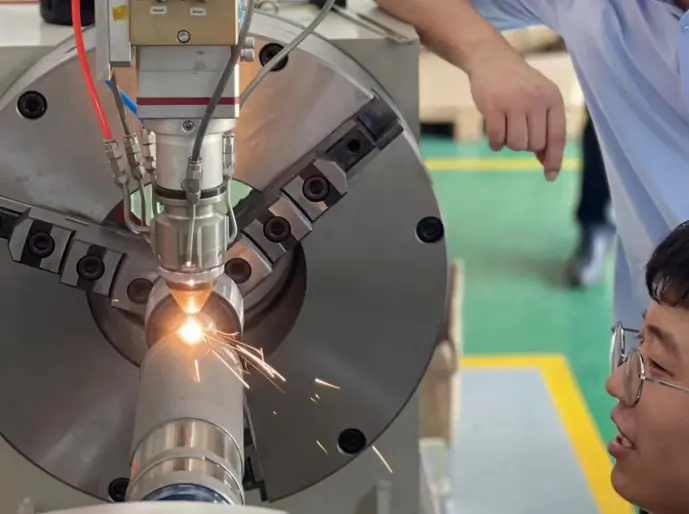
Our PTA cladding and laser cladding machinery have successfully penetrated deep into key industries worldwide, delivering unmatched durability under the most punishing working environments.
Reinforcing sugarcane harvesters, palm oil processing gear, and plows against severe soil abrasion.
Ultra-precise refurbishment of turbine blade tips, compressor discs, and critical flight control components.
Anti-wear and anti-corrosion deposition on valves, stabilizer blades, and downhole drilling tools.
Extending the operational lifespan of steel rolling mill guide rollers, continuous casting rollers, and high-heat ladles.
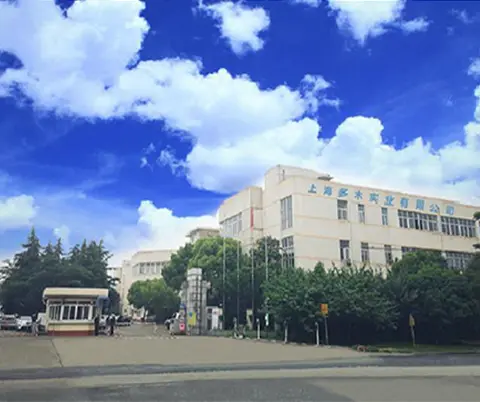
Shanghai Duomu has been a leading manufacturer and exporter of PTA cladding machine and Laser cladding machine for more than ten years with a strong technical background. We specialize in producing reliable, automated systems that increase production efficiency while ensuring consistency in high-wear environments.
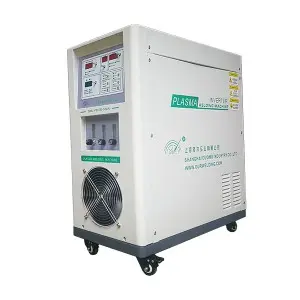
We boast an independent R&D team that develops, produces, and sells plasma cladding machine equipment. Our welding machines exhibit stable performance and maintain efficient long-term operations. In addition, the laser cladding equipment sold by our company effectively supports large-scale industrial remanufacturing projects. We have established mature technological frameworks to provide complete, integrated sets of industrial equipment solutions for clients in Kuala Lumpur and worldwide.
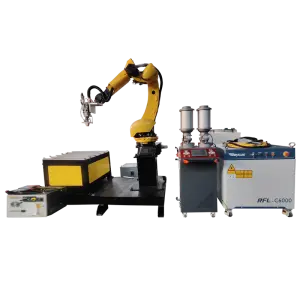
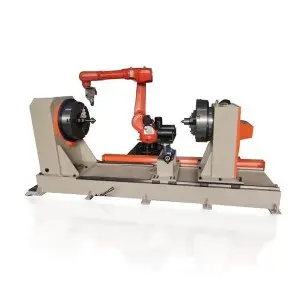
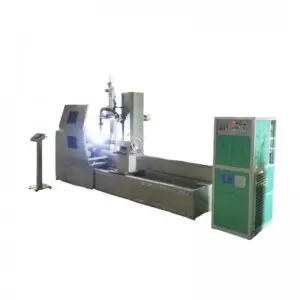
We provide tailored solutions including automatic plasma cladding equipment, intelligent robot cladding systems, and customized industrial units built to meet specific application standards.
Clear, technically accurate answers to guide engineering managers and procurement officers in Malaysia considering PTA or laser cladding investments.
Answer: Laser Cladding uses a concentrated laser beam as the heat source, creating a highly localized melt pool with an extremely low dilution rate (typically under 5%) and a very narrow heat-affected zone (HAZ). This minimizes geometric distortion. PTA welding uses a plasma arc as the energy source. While PTA provides an exceptionally strong metallurgical bond and higher deposition rates at a lower initial equipment cost, it generates slightly higher heat input and dilution compared to lasers.
Answer: Importing from Chinese suppliers like Shanghai Duomu provides direct access to fully integrated, mature manufacturing setups. By bypassing intermediate European/North American distributors, buyers save 30% to 50% on capital expenditure. Additionally, our geographic proximity to Malaysia guarantees faster shipping to Port Klang and simplifies the dispatch of engineers for on-site commissioning, parts replacement, and operator training.
Answer: For palm oil extraction screws and shredders facing aggressive organic acids and high abrasive wear, we recommend Nickel-based matrix powders blended with spherical Tungsten Carbide (WC-Ni) particles. The nickel-base matrix offers strong corrosion resistance, while the tungsten carbide provides maximum scratch and abrasion protection, extending part lifespan by 3 to 5 times.
Answer: Yes. Our laser cladding heads and PTA systems feature modular hardware interfaces and support universal industrial communication protocols (Profibus, DeviceNet, EtherCAT). This allows our engineering team to integrate our power sources and feed nozzles with your pre-existing robotic arms seamlessly.
Answer: We handle full export documentation, transport insurance, and export packaging (vacuum-sealed wooden casing). We can work with your nominated freight forwarder in Port Klang or handle delivery on CIF terms. After arrival, our engineers assist remotely or on-site to guide calibration, software parameters, and operating safety protocols.
Read about how clients and engineers worldwide apply PTA and laser cladding solutions to solve demanding operational setbacks.
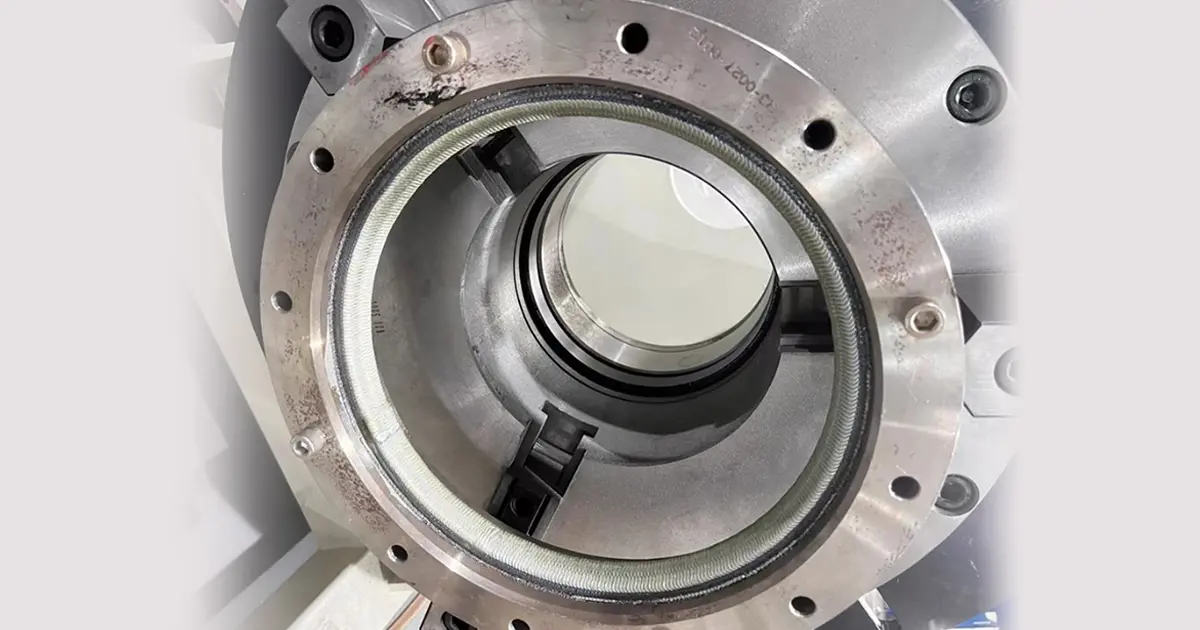
"The PTA Welding Valve Application Guide is not just a process choice for valve manufacturers facing high wear, high corrosion, and high-temperature erosion working conditions, but also a key path to improving product competitiveness. As petrochemical sectors expand, this is essential."
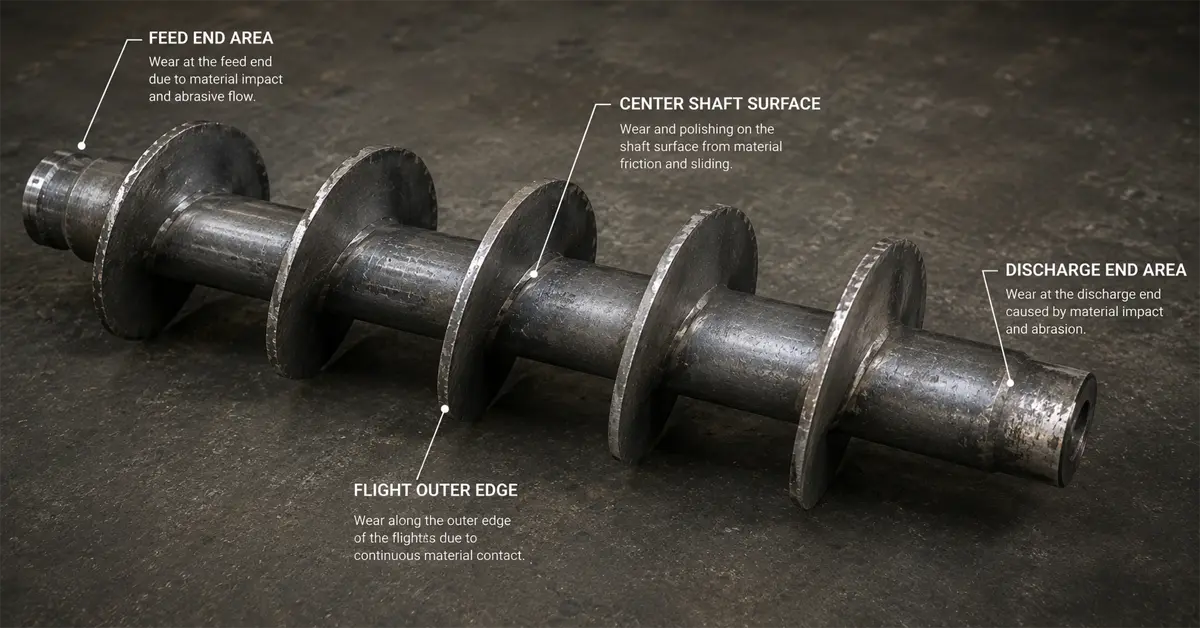
"In industries such as mining, cement, and power generation, screw conveyors are often regarded as auxiliary equipment. However, maintenance data shows that they are among the most frequent causes of unplanned production downtime. Laser cladding resolved this completely."
"In Plasma Transferred Arc (PTA) hardfacing, achieving a high-quality overlay is not only about selecting the right alloy powder or optimizing parameters. One of the most critical factors that directly affects overlay performance is the dilution rate. Shanghai Duomu manages this perfectly."
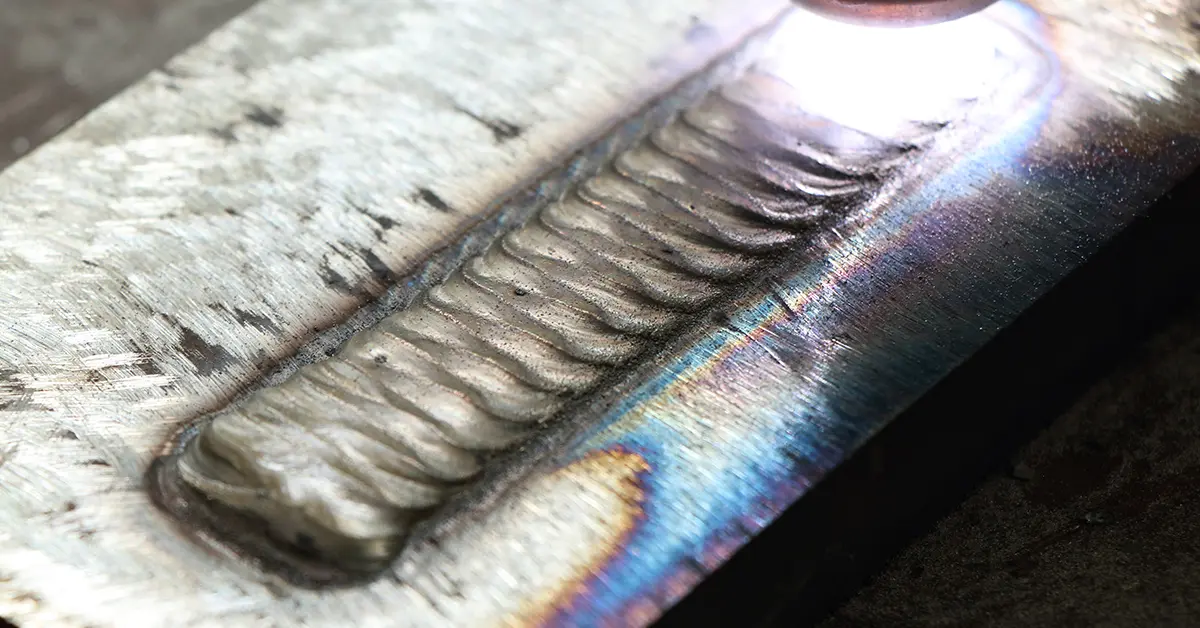




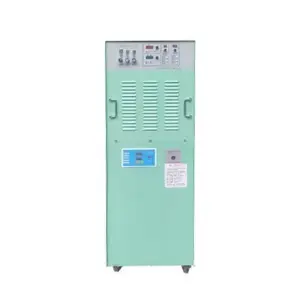
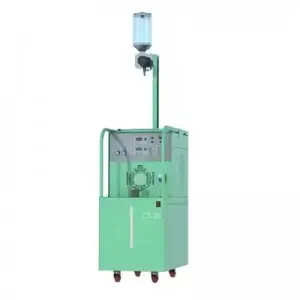
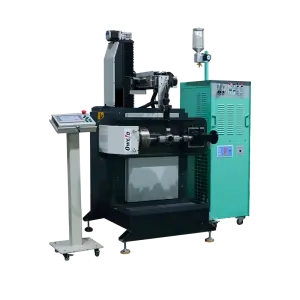
Select from our core catalog of heavy plasma and laser systems, optimized for direct distribution to the Kuala Lumpur industrial market.
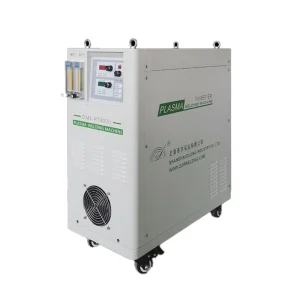
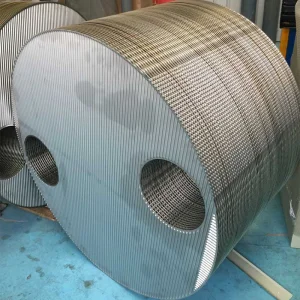
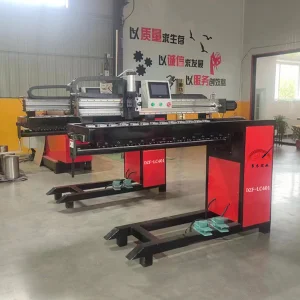
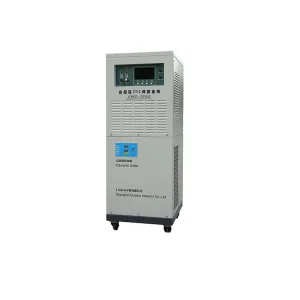
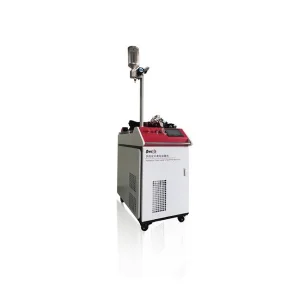
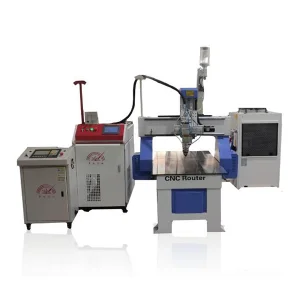
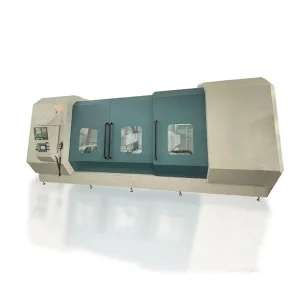
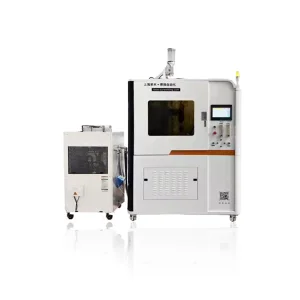
Consult with our lead engineering experts. Send us your component specifications, wear conditions, and base material details to receive a detailed application design proposal within 24 hours.
 Duomu
Duomu