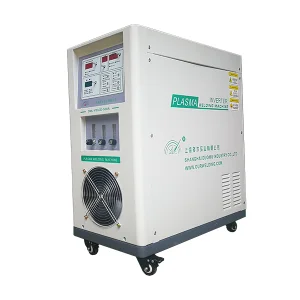
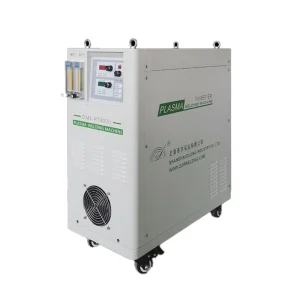
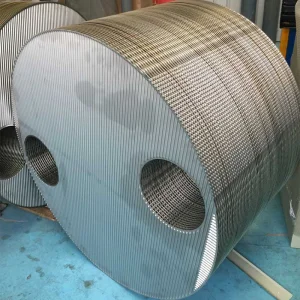
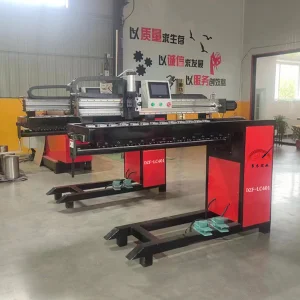
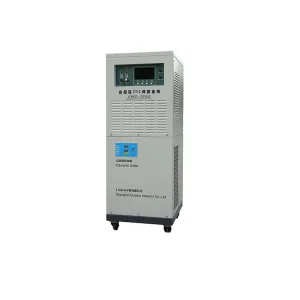
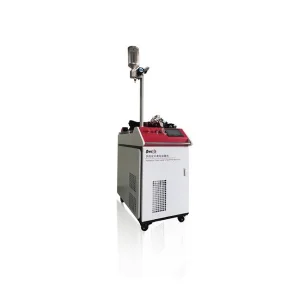
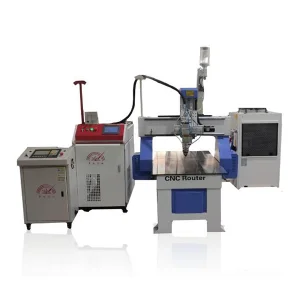
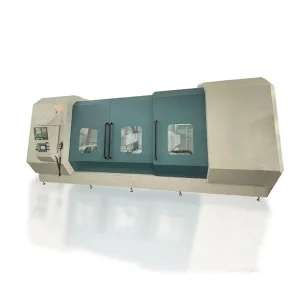
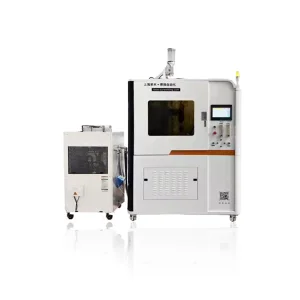
Highly integrated systems configured to enhance wear resistance, restore dimensional tolerances, and extend service life of critical metal components.
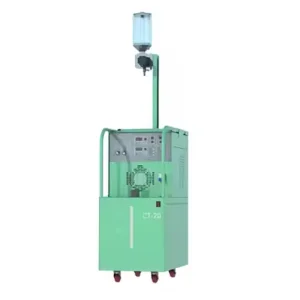
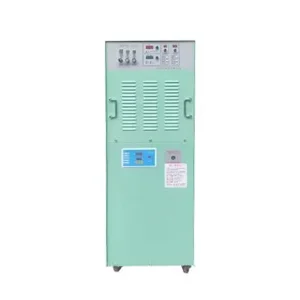
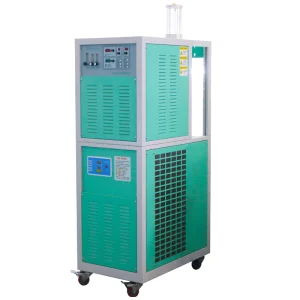
As Mexico City and its surrounding metropolitan zones, including the State of Mexico, Querétaro, and Puebla, solidify their positions as dominant manufacturing hubs in Latin America, component durability has become a critical operational bottleneck. The massive surge in nearshoring has driven Tier 1 and Tier 2 automotive part suppliers, aerospace manufacturers, and heavy stamping plants to run machinery at unprecedented capacities.
Traditional component replacement cycles incur prohibitive import delays and capital expenditure. The local integration of Laser Cladding and Plasma Transferred Arc (PTA) surfacing systems offers a highly localized, high-precision solution. Our advanced systems enable local manufacturers to repair engine blocks, metal stamping dies, high-stress hydraulic rods, and petroleum valves locally, reducing downtime from weeks to hours.
At present, our products have successfully penetrated into many core fields globally and locally across Mexico City, delivering exceptional metallurgical integrity.



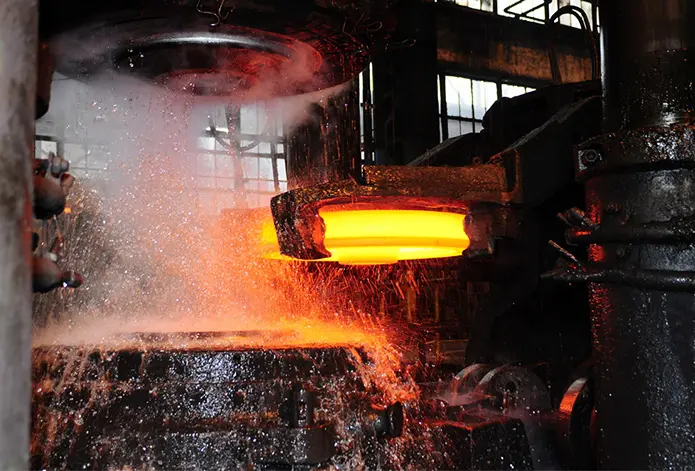
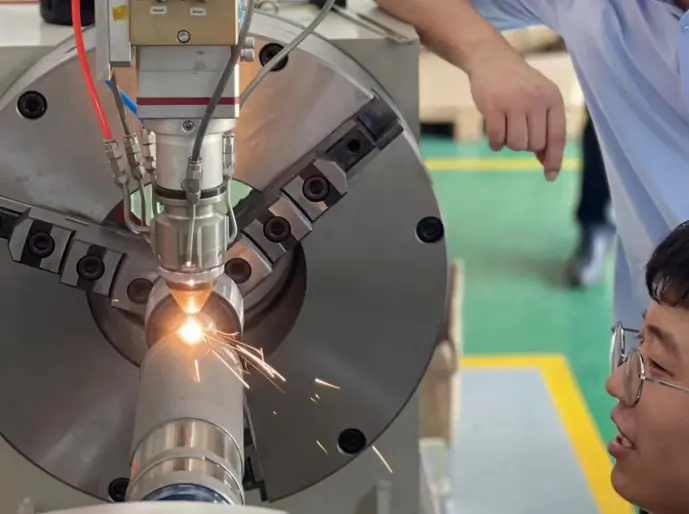
We possess an independent research and development department that engineers, manufactures, and integrates complex plasma and laser cladding systems. The resulting welding platforms and multi-axis gantry robots provide highly stable performance and maintain efficient, long-term continuous operation under harsh Mexican manufacturing environments.
Our technologies support large-scale remanufacturing operations. With mature metallurgical models, automated closed-loop powder feeding, and real-time optical tracking options, we supply comprehensive industrial turnkey packages optimized for performance, repeatable quality, and easy operation.
A deep-dive technical comparison for engineers in Mexico City seeking to optimize component lifespans.
In high-velocity assembly lines and mining setups typical of Central Mexico, metals undergo a combination of abrasive wear, erosive stress, and corrosive attack. Standard thermal spray methods (like HVOF) provide mechanical bonding, which is prone to spallation under high cyclic stress. Both Laser Cladding and PTA (Plasma Transferred Arc) processes achieve a true metallurgical bond, forming a continuous crystalline structure between the substrate and the deposited alloy layer.
Dilution rate is the mixing ratio of the base metal into the clad layer. High dilution requires depositing thicker or multiple layers to obtain the properties of the pure cladding alloy.
| Performance Parameter | Laser Cladding Systems | PTA Welding Systems | Conventional Submerged Arc |
|---|---|---|---|
| Dilution Rate | < 5% (typically 1-3%) | 5% to 15% | 15% to 30% |
| Heat Affected Zone (HAZ) | Minimal (extremely localized) | Moderate | High (risk of deformation) |
| Deposition Velocity | Extremely Fast | Medium-Fast | Slow-Medium |
| Refinement of Microstructure | Very Fine (rapid cooling rates) | Fine | Coarse |
We work closely with customers to specify the optimal alloy powders based on operational parameters:
Transitioning to advanced cladding systems requires strict adherence to Mexican electrical and safety standards. Our imported equipment is designed to conform to NOM (Normas Oficiales Mexicanas) parameters, ensuring safe installation within local manufacturing facilities. We coordinate import documentation, custom clearance, and supply industrial step-up/down transformers customized for Mexican 220V/440V grid configurations.
Additionally, we provide remote engineering diagnosis, digital calibration files, and on-site support setups via regional partners to guarantee minimal disruption to your high-capacity production schedules.
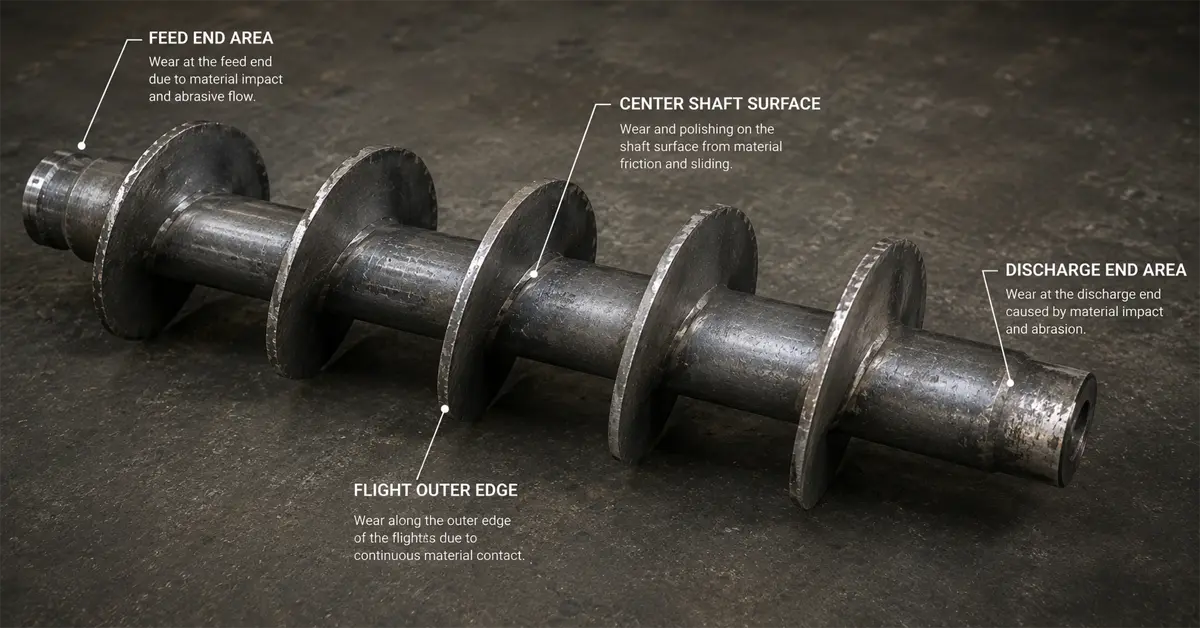
Explore our extensive line of customizable automated systems designed to address diverse geometries, component sizes, and production throughputs.
See how manufacturers and maintenance operations utilize plasma transferred arc (PTA) and laser cladding to resolve high-friction, corrosive, and mechanical stress failures.
"The PTA Welding Valve Application Guide is not just a process choice for valve manufacturers facing high wear, high corrosion, and high-temperature erosion working conditions, but also a key path to improving product competitiveness. As industries such as petrochemical and thermal power in Mexico grow, upgrading to PTA systems has drastically cut down on failures."
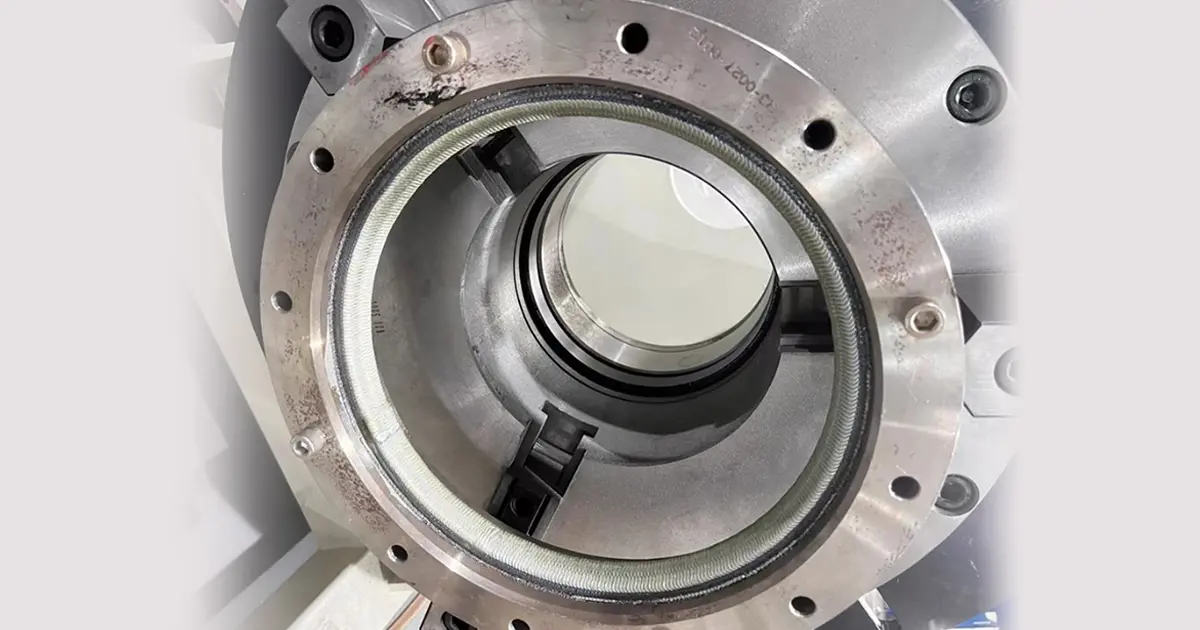
Querétaro Valve Refurbishment Hub
"In industries such as mining, cement, power generation, steelmaking, chemical processing, and biomass energy, screw conveyors are often regarded as auxiliary equipment. However, maintenance data shows that they are among the most frequent causes of unplanned production downtime. Applying hardfacing overlays to conveyor flights has tripled our equipment lifecycle."
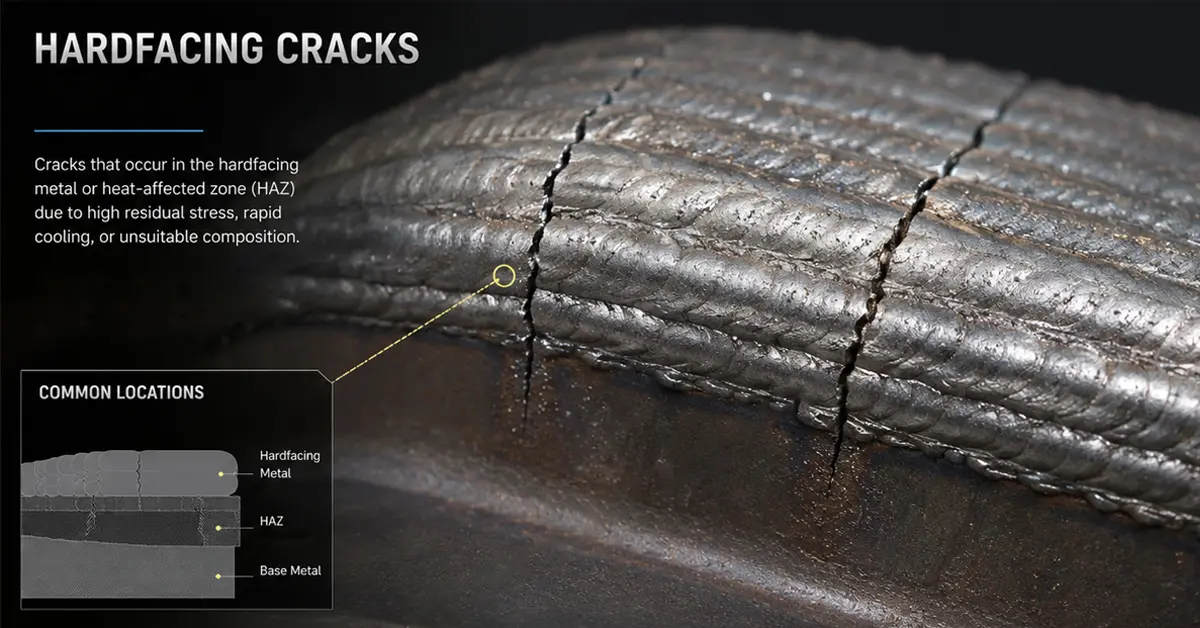
Industrial Plant Services, Toluca
"In Plasma Transferred Arc (PTA) hardfacing, achieving a high-quality overlay is not only about selecting the right alloy powder or optimizing welding parameters. One of the most critical factors that directly affects overlay performance is the dilution rate. Keeping the dilution rate low preserves the raw characteristics of the alloy powder."
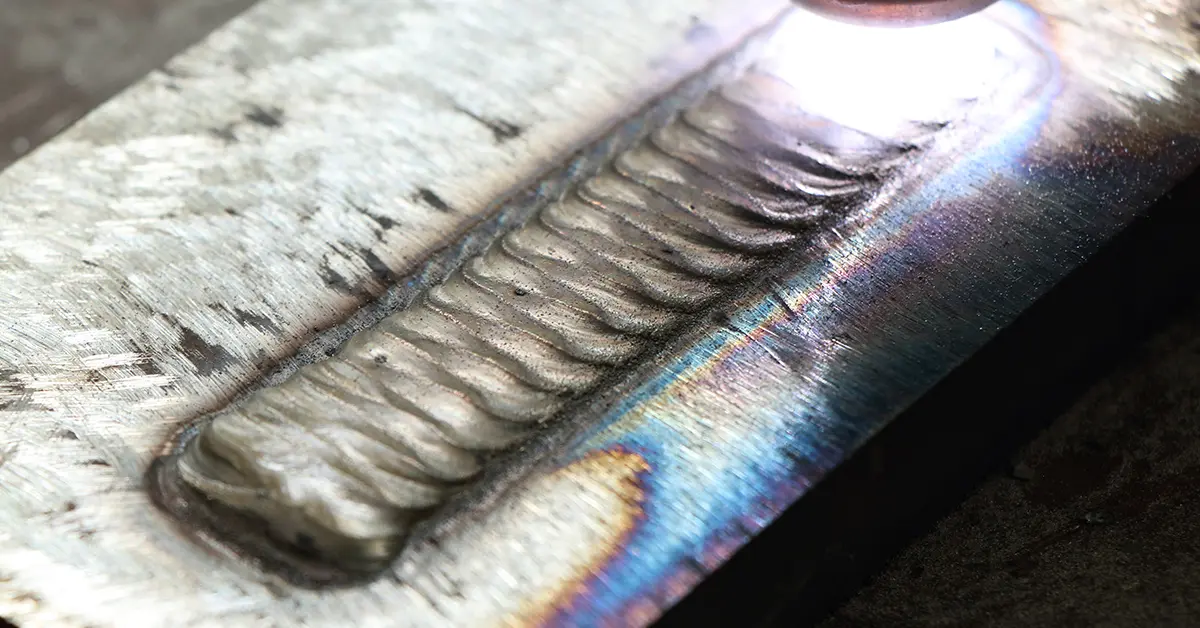
Welding & Surface Integrity Lab
Technical guidance from our expert design and engineering departments.
Get in touch with our engineering support team for customized configurations, detailed component evaluations, and detailed price quotes tailored to your business needs.
Contact Our Engineering OfficeProviding Globally Trusted Advanced Surfacing Systems





 Duomu
Duomu