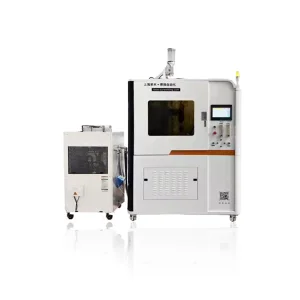
Heavy-duty solutions selected specifically for the harsh operating environments of Gold Mining and Mineral Processing in Ghana.
Ghana is widely recognized as one of West Africa's leading economic and industrial hubs, driven heavily by its natural resource sectors. As Africa's top gold producer and a major player in offshore oil and gas production, Ghana's industrial operations demand maximum machinery uptime. Heavy excavation equipment, drilling rigs, and processing plants in regions like Tarkwa, Obuasi, and the offshore Jubilee Field run constantly under high friction, abrasive dust, and corrosive maritime environments.
Traditionally, worn machinery parts such as hydraulic cylinder rods, drill stabilizers, and mining crusher screens had to be imported from Europe or North America, causing costly delays and production bottlenecks. By introducing advanced **Laser Cladding** and **PTA (Plasma Transferred Arc) hardfacing** technology locally, Ghanaian enterprises can drastically reduce capital expenditure (CapEx) and minimize downtime through high-precision remanufacturing.
Laser cladding deposits a premium metallurgical alloy layer on critical substrates with minimum thermal distortion, making it the ideal choice for renewing expensive components directly in Accra, Kumasi, or Takoradi.
Consult with Ghana Market Experts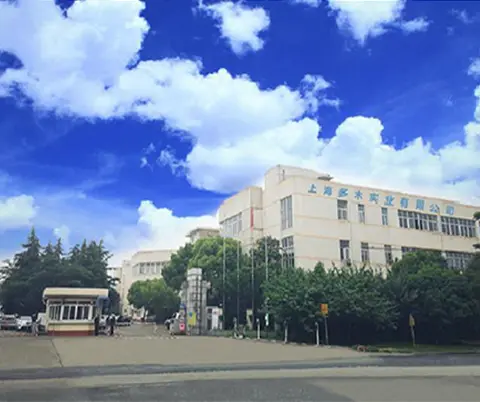
Ghana's gold mining activities subject bucket teeth, conveyor screws, and sorting chutes to extreme abrasion. Depositing tungsten carbide composites via PTA powder surfacing increases part service life by up to 300% to 500% compared to standard carbon steels.
For subsea oil drills and coastal marine equipment operating out of the Port of Takoradi, seawater corrosion is a constant threat. Laser cladding using superalloys (such as Inconel 625 or Stellite alloys) provides dense, pore-free barrier coats with minimal dilution.
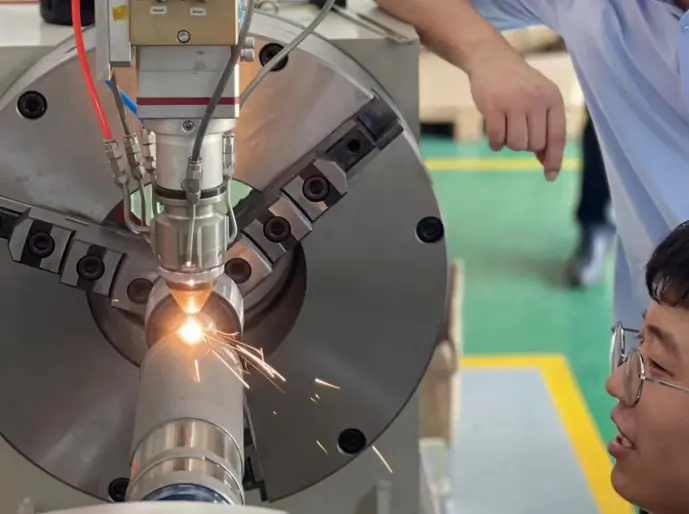
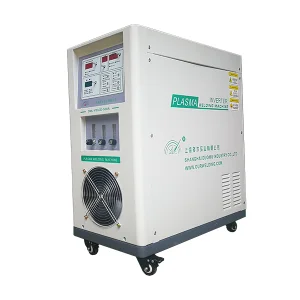
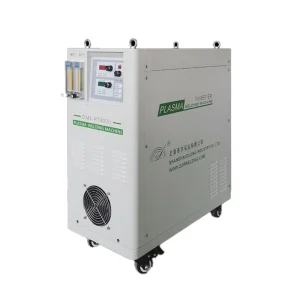
Shanghai Duomu has been a leading manufacturer and exporter of PTA cladding machines and Laser cladding machines for more than ten years, supported by a strong technical background. We maintain an independent, dedicated R&D team that designs, fabricates, and tests plasma and laser cladding equipment under strict quality control standards.
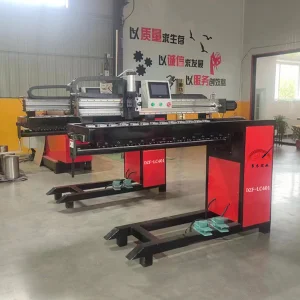
Our industrial welding machines have proven themselves globally, maintaining stable, long-term operation under demanding continuous duty cycles. We specialize in producing complete sets of industrial cladding equipment, supporting large-scale remanufacturing projects with mature, reliable technological integrations.
By blending Chinese manufacturing speed and efficiency with high-quality components, we deliver robust cladding configurations tailored to withstand the environmental and operational challenges of the African continent.
Learn About Our TechnologyHow Shanghai Duomu's cladding technologies protect capital investments in core global and local industrial sectors.
At present, our products have successfully penetrated into many core fields such as agricultural machinery, aerospace military industry, petroleum machinery, metallurgy casting, nuclear power, petrochemical industry, coal mines, water conservancy, and electric power.



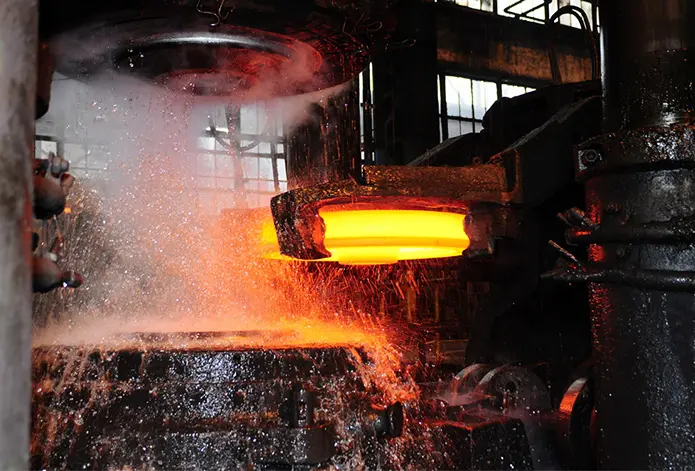
A comparative analysis designed to aid Ghanaian procurement managers and production engineers in making optimal surface treatment investments.
PTA is a thermal surfacing process that utilizes a high-density plasma arc to melt alloy powders (usually nickel, cobalt, or iron-based) and deposit them on the base metal. Since it yields a high deposition rate (up to several kg/hour) and provides deep metallurgical bonding, it remains the standard choice for heavy industrial parts. Common target parts in Ghana include mining conveyor screws, agricultural tillers, excavator bucket liners, and large steel valves.
The dilution rate for PTA is generally between 5% and 10%. While slightly higher than laser cladding, its operational costs are significantly lower, making it highly attractive for general industrial refurbishment.
Laser cladding uses a focused high-energy laser beam as the heat source, melting the target alloy powder simultaneously with the substrate's surface layer. The main advantage of this process is the incredibly narrow Heat-Affected Zone (HAZ), which keeps thermal distortion to an absolute minimum.
Furthermore, dilution rates can be controlled below 1% to 2%, meaning the cladding alloy preserves its pure chemical properties without mixing extensively with the base metal. This technology is highly recommended for high-precision components like turbine blades, hydraulic piston rods, and subsea petroleum valves where geometric tolerances must remain strict.
Learn how metallurgy, machinery repair, and process parameters determine the performance of clad overlays.
Valve Application Guide: The PTA Welding Valve Application Guide is not just a process choice for valve manufacturers facing high wear, high corrosion, and high-temperature erosion working conditions, but also a key path to improving product competitiveness. As industries such as petrochemical, chemical processing, and power generation evolve, valves must withstand tougher erosion factors.
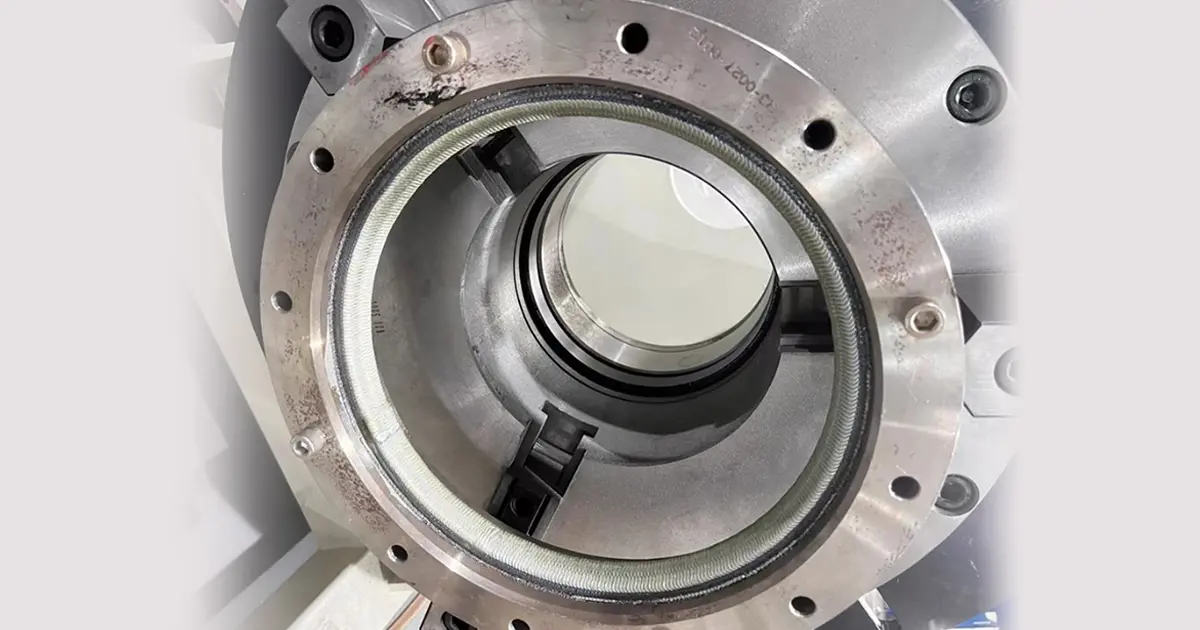 Industrial Valve Engineering
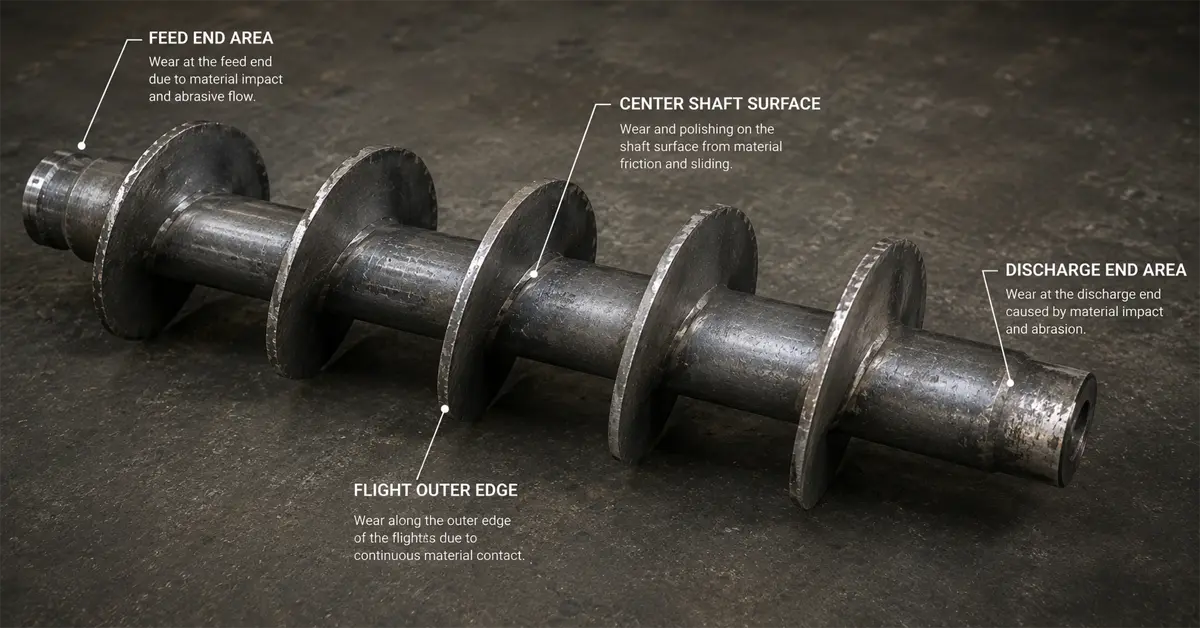
Screw Conveyors Repair: In industries such as mining, cement, power generation, steelmaking, chemical processing, and biomass energy, screw conveyors are often regarded as auxiliary equipment. However, maintenance data shows that they are among the most frequent causes of unplanned production downtime due to wear. PTA hardfacing solves this issue efficiently.
 Mining & Bulk Handling Specialists
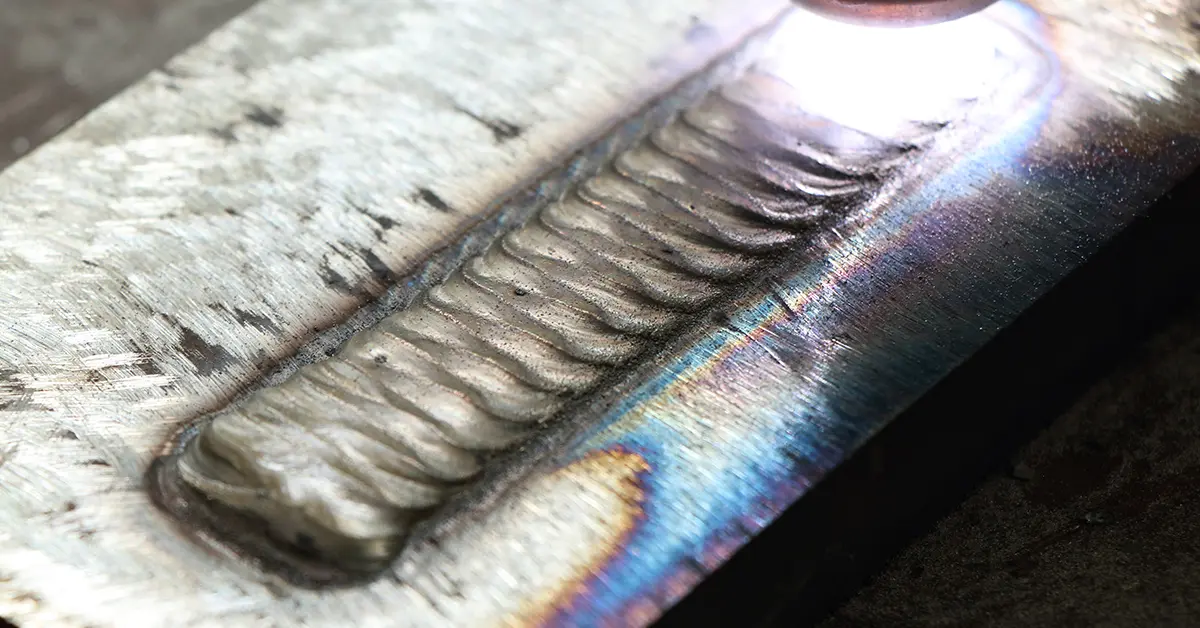
Dilution Rate Control: In Plasma Transferred Arc (PTA) hardfacing, achieving a high-quality overlay is not only about selecting the right alloy powder or optimizing welding parameters. One of the most critical factors that directly affects overlay performance is the dilution rate. Minimizing dilution preserves the original characteristics of the premium wear alloy.
 Metallurgical R&D Team
Clear, direct answers regarding the importation, installation, and deployment of cladding systems in West Africa.
Laser cladding offers a significantly smaller Heat-Affected Zone (HAZ), reducing thermal distortion in critical parts. It also keeps dilution rates extremely low (below 2%), meaning less expensive powder is needed to achieve high surface hardness and corrosion resistance, resulting in a more durable and cost-effective repair.
Depending on the alloy powder selected (such as cobalt-based Stellite or Nickel-Tungsten Carbide), the surface hardness can exceed 60 HRC. In active gold mining applications in Ghana, this extends the component lifespan by 3 to 5 times compared to standard OEM steel parts.
Yes, we provide full technical support. We offer detailed system documentation, video installation training, remote diagnostics, and custom software setups. On-site commissioning and engineer training can also be arranged to ensure local operators in Ghana can safely run the automated machinery.
Our industrial plasma and laser cladding systems require a stable three-phase industrial power supply (typically 380V/415V, 50Hz/60Hz). Water chillers and pure shielding gas (Argon) are also required for system operation to prevent oxidation of the molten metal pool.
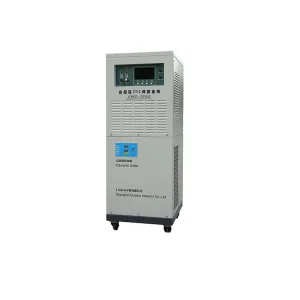
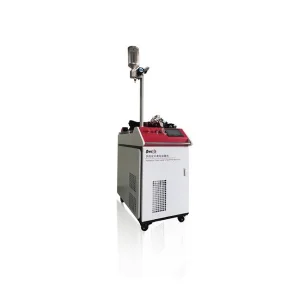
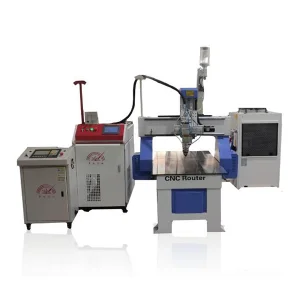
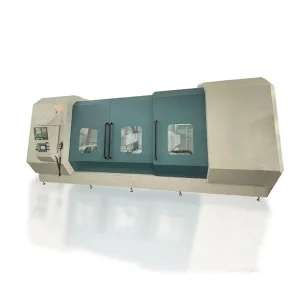
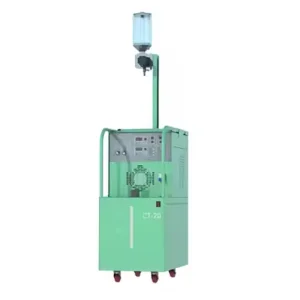
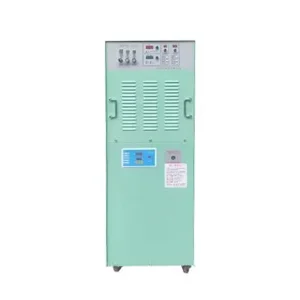
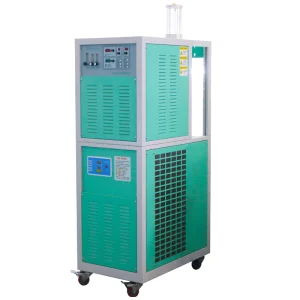
A full range of automated platforms, portable machinery, and specialized torches designed for high-performance metallurgy.
Reduce mechanical downtime, lower maintenance costs, and transition to a modern local remanufacturing model. Partner with Shanghai Duomu for premium cladding technology.





 Duomu
Duomu