Premium hardware engineering configuration ideal for logistics depots, marine repair hubs, and heavy equipment rebuilding factories across the Panama Canal corridor.
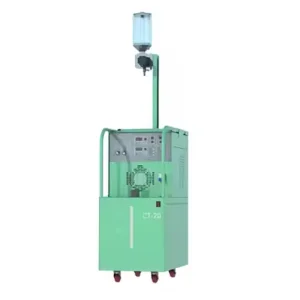
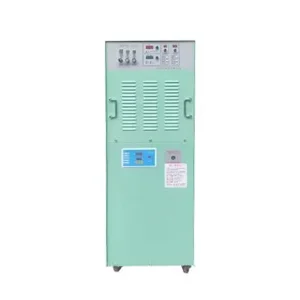
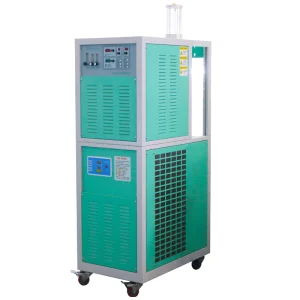
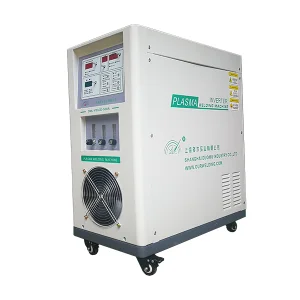
Analyzing the critical demand for surface engineering, anti-wear solutions, and corrosion prevention in maritime and mining industries.
Panama sits at the absolute center of global commerce, hosting the Panama Canal—a maritime marvel handling over 14,000 vessel transits annually. Because of this highly concentrated traffic, the local repair shipyards, including Balboa and Cristobal dry docks, require immediate access to cutting-edge refurbishment technologies to keep cargo fleets moving. Laser cladding and PTA (Plasma Transferred Arc) welding have emerged as critical technological solutions for restoring worn shafts, propulsion units, turbine parts, and hydraulic cylinders that operate under extreme mechanical loads and marine corrosion.
Beyond the maritime sector, Panama's domestic industrial landscape is undergoing transformation. Major infrastructure projects, including port expansions and mining operations such as copper extraction in the Donoso region, put massive stress on heavy machinery. Slurry pipelines, mechanical pulverizers, rock drill bits, and hydraulic excavators deteriorate rapidly due to abrasive sand and mineral impacts. Local machinery operators and global subcontractors are transitioning away from traditional, slow thermal spraying techniques toward automated cladding procedures to extend the life of critical components by up to 300%.
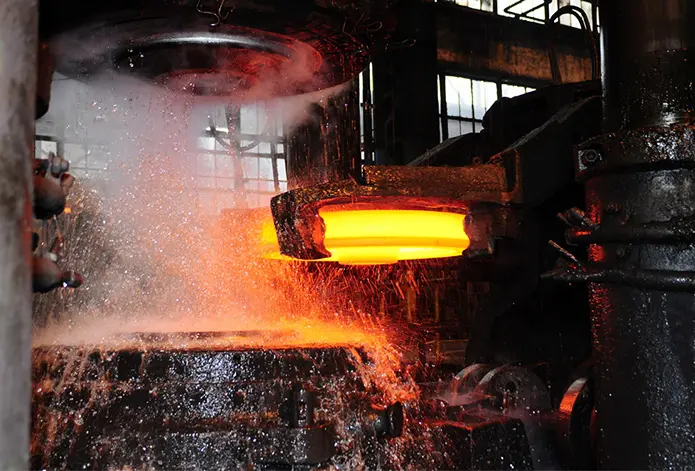
A comprehensive engineering breakdown of thermal inputs, metallurgical bonding, and microstructural characteristics.
For procurement directors and metallurgical engineers evaluating restoration methods, choosing between Laser Cladding and Plasma Transferred Arc (PTA) is vital. Both methodologies offer distinct metallurgical benefits, yet the specific operational requirements of the project dictate the optimal technology path:
Utilizes a highly focused laser beam to create a shallow molten pool on the base metal, simultaneously feeding metal powder. The heat input is minimal, creating a tiny Heat Affected Zone (HAZ), reducing component warping while preserving mechanical base-metal stability.
PTA uses a constricted plasma arc to melt both the substrate surface and the metal powder alloy. This process offers a wider, thicker deposition rate, which is perfect for heavy-duty components such as large crusher segments and slurry valves.
Laser cladding limits metallurgical dilution to less than 5% (often under 2%), ensuring that the chemical composition of the cladding powder layer remains pure. Conversely, traditional arc welding ranges from 15% to 30%, which compromises protective properties.
| Process Parameter | Laser Cladding Systems | Plasma Transferred Arc (PTA) | Traditional Arc Cladding |
|---|---|---|---|
| Heat Input Level | Very Low (Precise Control) | Moderate | High |
| Dilution Rate | 1% - 5% | 5% - 10% | 15% - 30% |
| Microstructure Refinement | Excellent (Rapid cooling) | Very Good | Coarse Grained |
| Component Distortion | Negligible | Minor | Severe (Requires re-machining) |
Optimizing supply chain timelines, custom compliance, and international shipping protocols for industrial buyers.
Procuring specialized heavy equipment like CNC laser cladding systems or robotic PTA line installations requires deep trust, guaranteed component availability, and seamless global logistics. As a seasoned exporter based in China's industrial manufacturing core, Shanghai Duomu coordinates with shipping providers to facilitate smooth customs transit through major Panamanian entry points, including the Port of Balboa and Port of Colon.
By bypassing brokers and dealing directly with our engineering and design facility, clients secure:

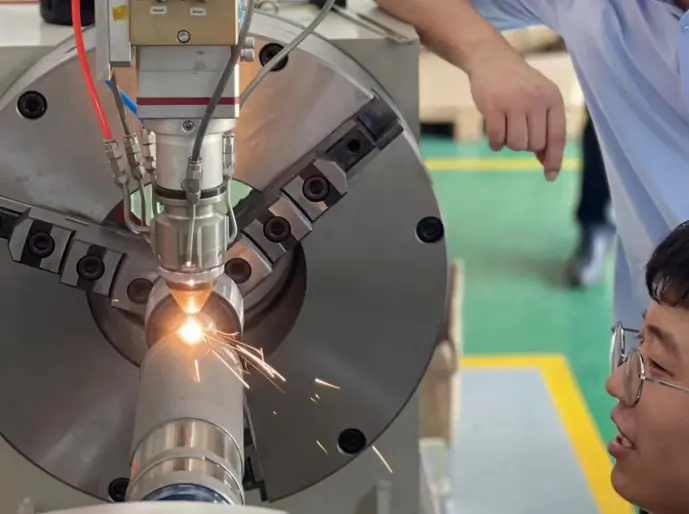
Shanghai Duomu has been a leading manufacturer and exporter of PTA cladding machine and Laser cladding machine for more than ten years with a strong technical background. We maintain a focus on integrating automated engineering principles with reliable hardware construction.
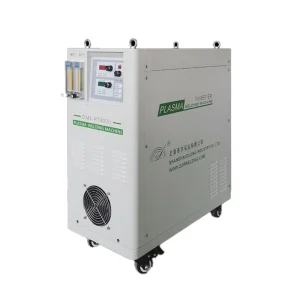
Our independent R&D department develops, produces, and sells plasma cladding machine equipment. Our welding machines deliver stable performance and maintain efficient, long-term operation under harsh conditions. In addition, the laser cladding equipment sold by our company effectively supports large-scale industrial remanufacturing. We have mature technological capabilities to provide complete sets of industrial equipment solutions.
Get Technical ConsultationOur engineered wear solutions have successfully supported projects in key industrial sectors, enhancing mechanical component service life worldwide.



Pioneering the next generation of wear protection technology for heavy industry and marine logistics.
As mechanical demands intensify, the industry is transitioning from standard laser cladding to Extreme High-Speed Laser Cladding (EHLA). In traditional laser cladding, the alloy powder melts in the weld pool on the substrate. Under EHLA conditions, the laser beam melts the powder particles while they are still in transit, flying toward the base metal. This allows for extremely thin cladding layers (between 25 to 250 microns) deposited at high processing speeds—exceeding 100 meters per minute.
This rapid rate of deposition minimizes heat transfer to the base material. The resulting microstructures exhibit ultra-fine grain structures with high chemical uniformity, providing outstanding resistance to localized stress corrosion cracking and mechanical wear. For shipyards refitting propeller shafts and drydock logistics operators servicing heavy crane pins, EHLA systems provide a fast, cost-effective way to restore worn parts, rivaling the performance of chrome plating without the environmental downsides.
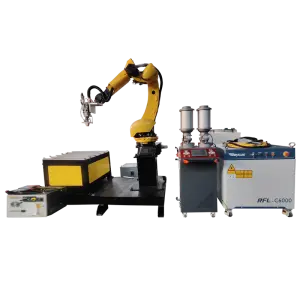
Complementing this advanced laser process is the integration of multi-axis industrial robotics. By combining 6-axis articulation arms with dual-axis positioning tables, we can clad complex geometries such as impeller spirals, hydraulic valves, and large mining drill collars. AI-driven vision sensors track the surface in real time, automatically compensating for toolpath deviations to ensure a uniform clad layer on uneven surfaces.
Maintaining stringent engineering standards to guarantee the reliability of every cladding deposit.
In high-stakes industries like maritime logistics and large-scale mining, tool failure can lead to expensive downtime. Recognizing this, our engineering and production teams follow strict quality control protocols throughout every design and manufacturing stage. Our PTA and laser cladding systems conform to recognized international testing methodologies, meeting the high standards required by global buyers:
System configurations and output deposit properties align with the American Welding Society (AWS D14.7) guidelines for industrial equipment reclamation, as well as the ASME Section IX standards for qualifying pressure vessel welding procedures.
Our cladding methods are designed to help local repair shops secure approval from top marine registries like ABS, DNV, and Lloyd's Register. This ensures cladded shafts and hydraulic cylinders are fully certified for marine service.
Every system calibration undergoes non-destructive evaluation (NDE), dye penetrant testing, ultrasonic inspection, and microhardness testing. These checks guarantee zero interface cracking, no sub-surface porosity, and a solid metallurgical bond.
Custom setups designed to handle high wear, severe abrasion, and aggressive chemical corrosion across global mining operations and regional shipping routes.
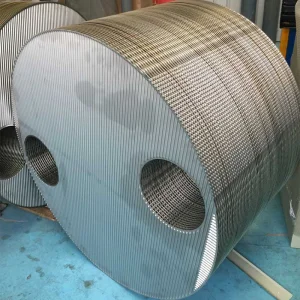
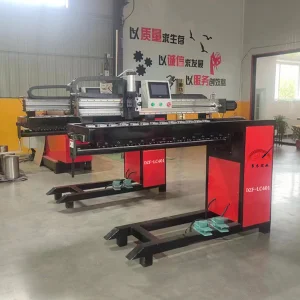
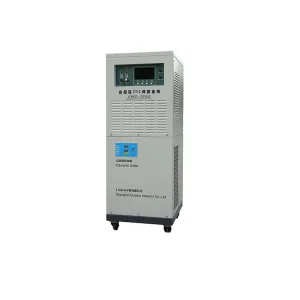
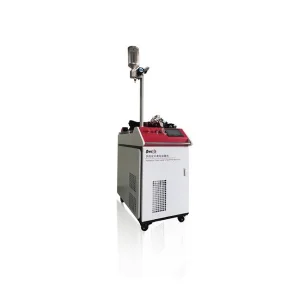
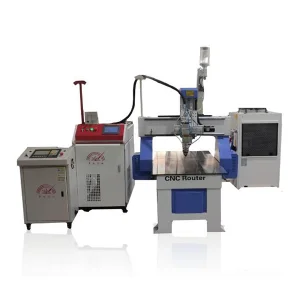
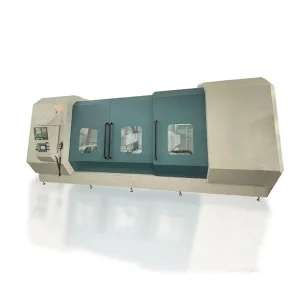
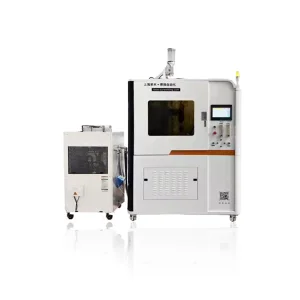
In-depth responses to frequent technical, metallurgical, and sourcing questions from global buyers.
Explore technical assessments and real-world feedback from our customers using PTA and laser cladding solutions in heavy industry.
"The PTA Welding Valve Application Guide is not just a process choice for valve manufacturers facing high wear, high corrosion, and high-temperature erosion working conditions, but also a key path to improving product competitiveness. As industries such as petrochemical, power generation, and marine engineering expand, our machinery requires robust surfaces."
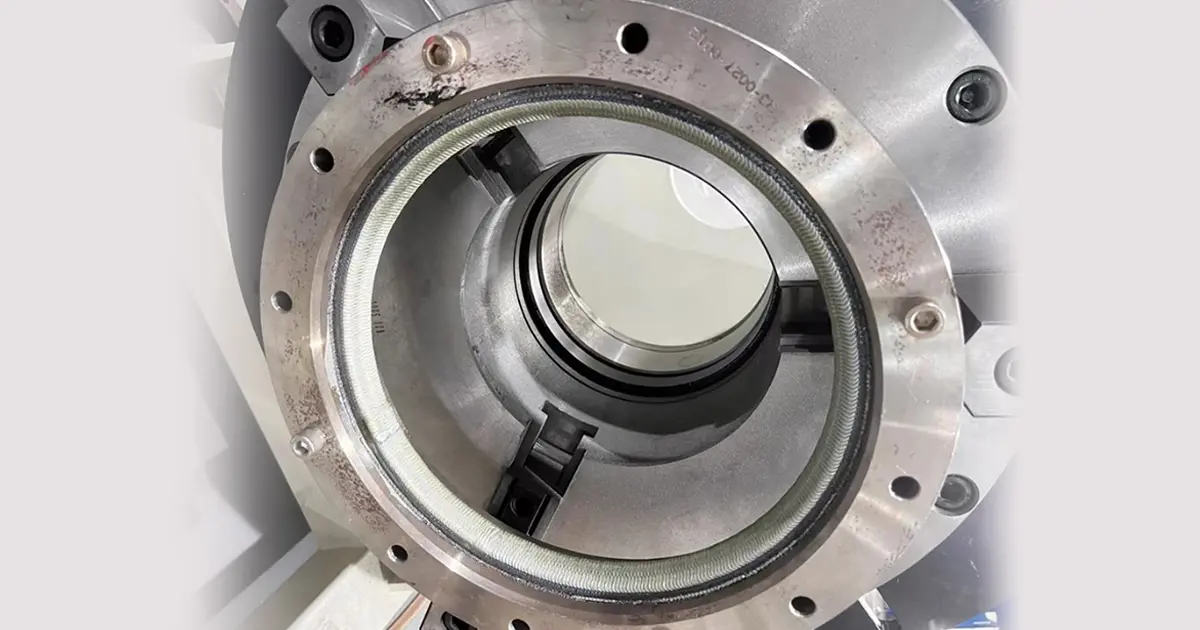
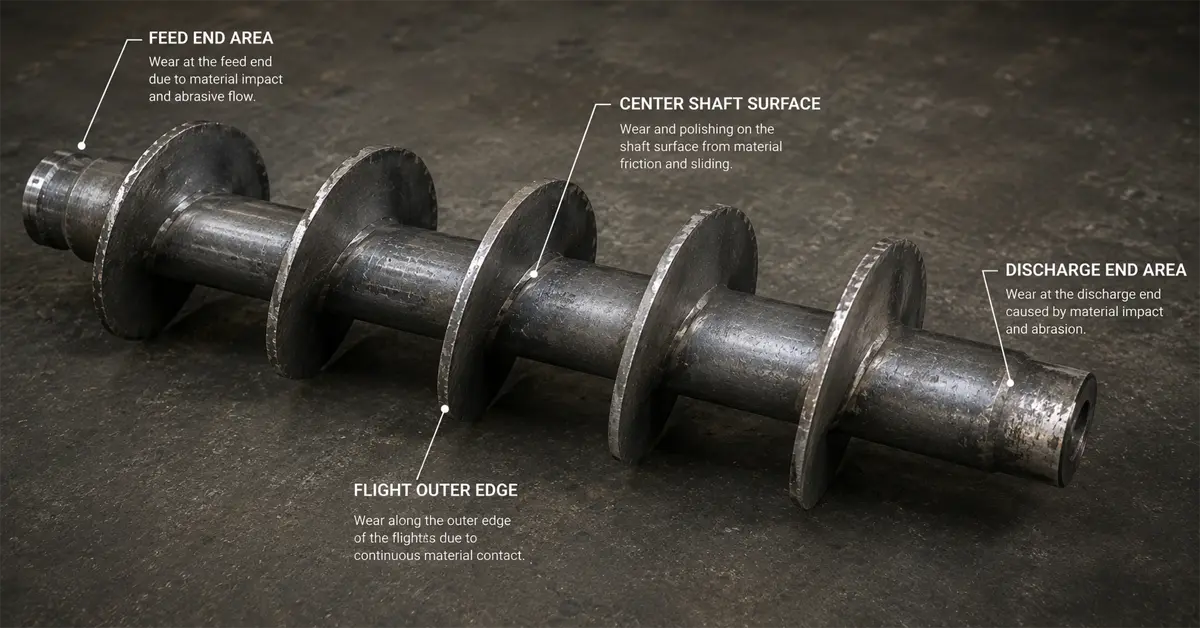
"In industries such as mining, cement, power generation, steelmaking, chemical processing, and biomass energy, screw conveyors are often regarded as auxiliary equipment. However, maintenance data shows that they are among the most frequent causes of unplanned production delays. Implementing PTA cladding directly reduced our shut-down cycles."
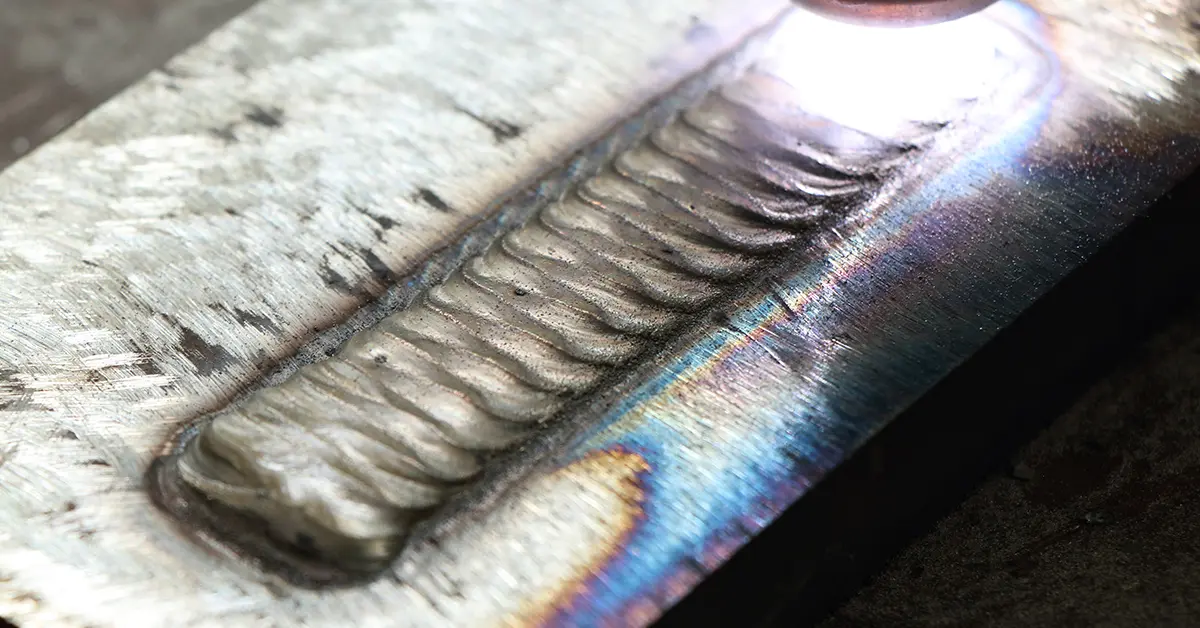
"In Plasma Transferred Arc (PTA) hardfacing, achieving a high-quality overlay is not only about selecting the right alloy powder or optimizing welding parameters. One of the most critical factors that directly affects overlay performance is the dilution rate. Shanghai Duomu equipment helped us control this accurately."






 Duomu
Duomu