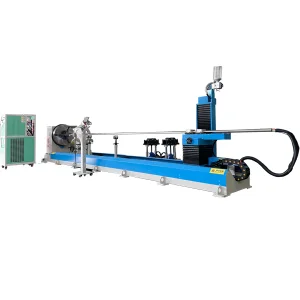
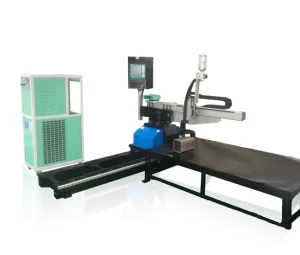
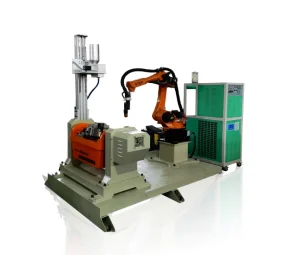
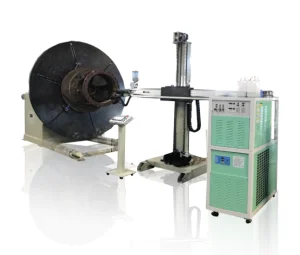
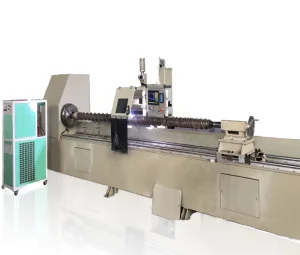
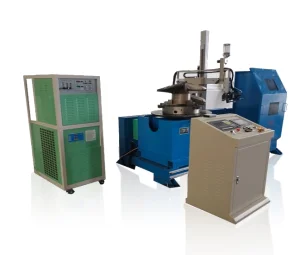
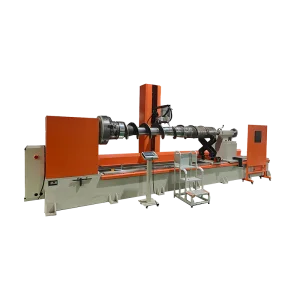
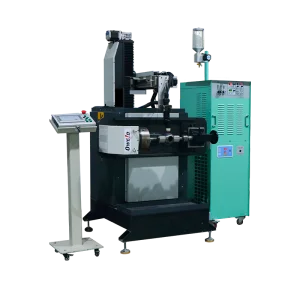
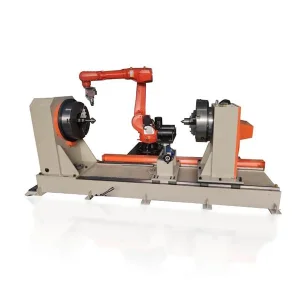
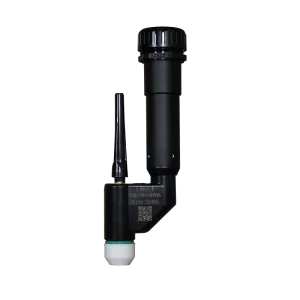
Specifically engineered to combat severe abrasive wear and chemical corrosion, these four premier cladding and welding systems are optimal choices for Moroccan mining operations, metallurgy sectors, and precision manufacturing hubs.
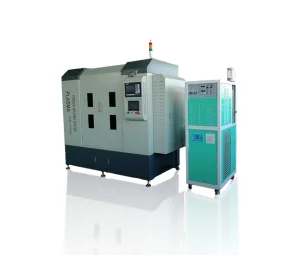
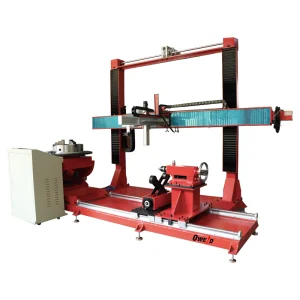
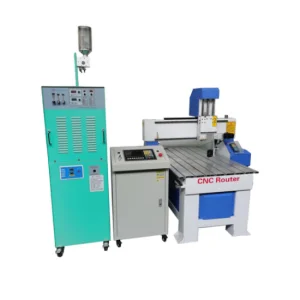
Morocco is undergoing a rapid industrial renaissance, powered by mega-scale sectors including the world-leading phosphate mining industry (OCP Group), a booming automotive cluster in Tangier and Kenitra, and a growing aeronautics base in Casablanca. These heavy-duty sectors operate under intense conditions where mechanical wear, sliding abrasion, high-temperature oxidation, and chemical corrosion occur daily.
Traditional welding and thermal spray techniques are no longer sufficient to meet the strict uptime standards of modern production. Plasma Transferred Arc (PTA) Welding represents a high-density, low-dilution metallurgical cladding process that deposits high-grade wear-resistant alloys (such as Nickel-based, Cobalt-based Stellite, and Tungsten Carbide powders) directly onto base substrates. This delivers a metallurgical bond that extends the operational lifespan of component parts by 300% to 800%.
Globally, heavy industries are moving towards zero-downtime maintenance and circular economies. The remanufacturing of worn components using automated PTA cladding machines is recognized as a key sustainable strategy. Compared to conventional hardfacing (such as SMAW, GMAW, or SAW) and modern Laser Cladding, PTA offers an optimal balance between deposition rate, metallurgical bond strength, and cost-efficiency.
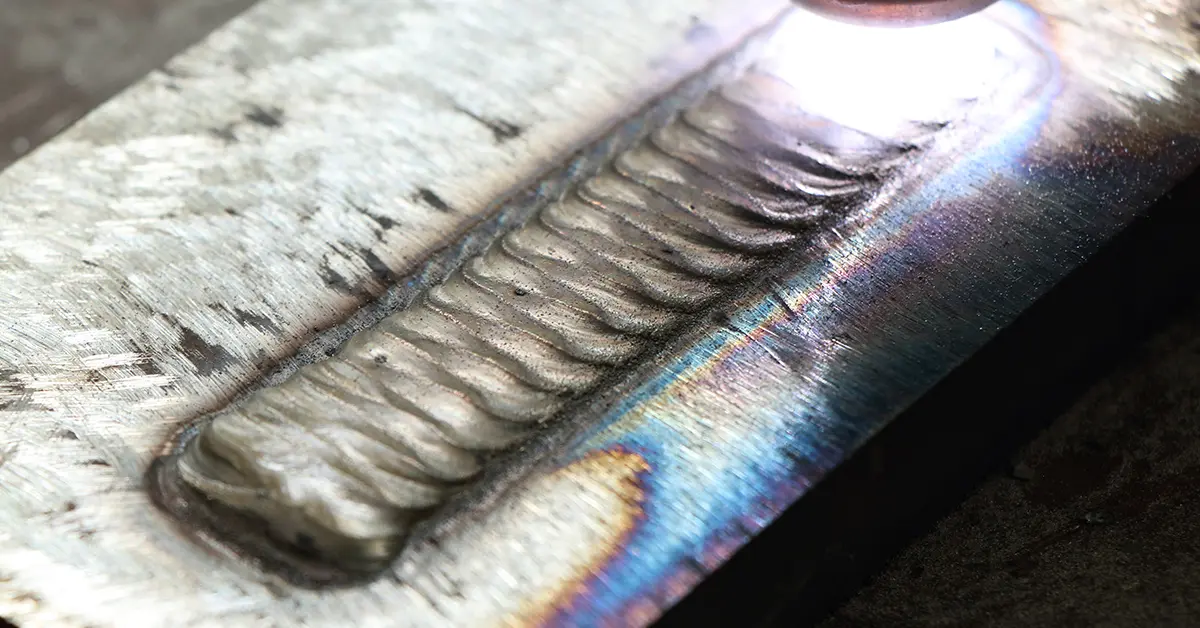
PTA welding enables precise thermal control, reducing base metal dilution to under 5%. This guarantees that the chemistry of the deposited alloy (e.g. Tungsten Carbide or Stellite) remains pristine at the functional surface from the very first layer.
Unlike thermal spray methods which only form a mechanical bond, PTA forms a robust metallurgical fusion zone with the substrate. This ensures complete resistance to spalling, peeling, or cracking under heavy impact forces.
PTA equipment feeds metallic powders rather than wires. This allows for customized formulation of composite alloys, blending hard carbides (like WC) in corrosion-resistant nickel matrices dynamically during the cladding run.
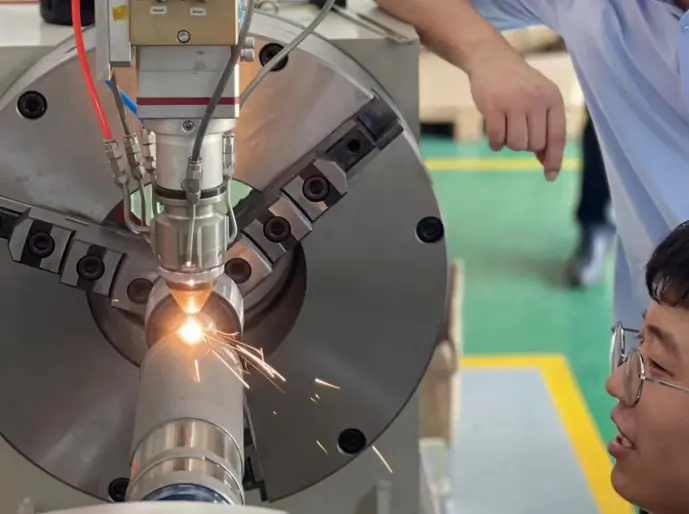
Partnering with a leading Chinese PTA welding equipment manufacturer like Shanghai Duomu provides Moroccan buyers with access to unparalleled supply chain efficiency, high capacity, and tailored technical configurations. Our independent R&D team designs and produces state-of-the-art plasma cladding systems that ensure stable, long-term operation under heavy industrial cycles.
Our modern Chinese production center achieves substantial cost savings and rapid dispatch times through optimized component sourcing, strict quality control procedures, and high-volume manufacturing protocols. We do not just build machinery; we supply complete turnkey industrial cladding solutions, customizing powder feeding configurations, PLC automated programs, and mechanical positioning systems to fit the localized requirements of our Moroccan clientele.
Learn About Our Customization CapacityOur specialized PTA and Laser cladding installations are optimized for diverse industrial sectors. We provide targeted equipment that addresses precise tribological problems in heavy machinery.



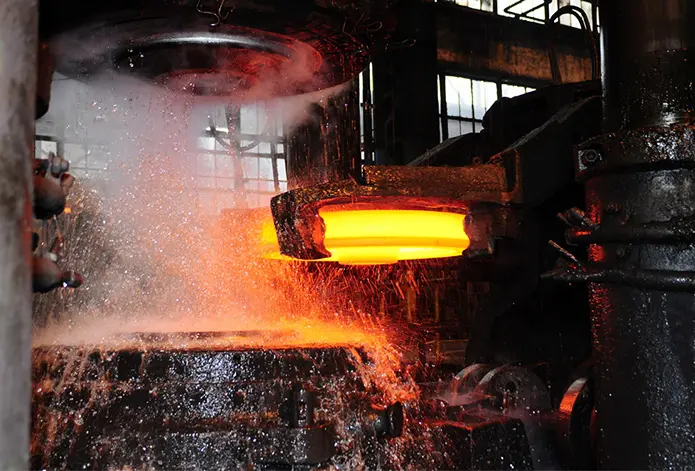
Select from our diverse range of gantry, cantilever, robotic, and localized cladding machines, developed with rigorous precision for components like screws, shafts, and valves.
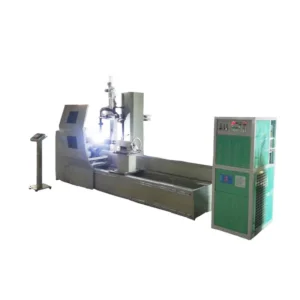
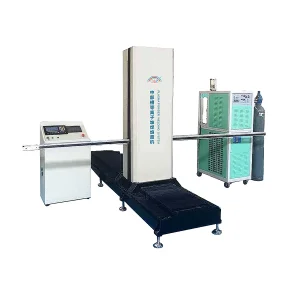
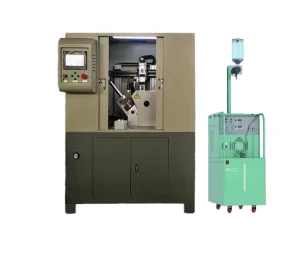
Understanding the core failure modes of heavy industrial machinery is crucial to implementing the correct PTA cladding alloy. Our engineering whitepapers highlight field applications across critical sectors:
"The PTA Welding Valve Application Guide is not just a process choice for valve manufacturers facing high wear, high corrosion, and high-temperature erosion working conditions, but also a key path to improving product competitiveness. As industries such as petrochemical, power generation, and mining demand higher endurance, PTA cladding of Stellite alloys on valve seats provides maximum sealing face security."
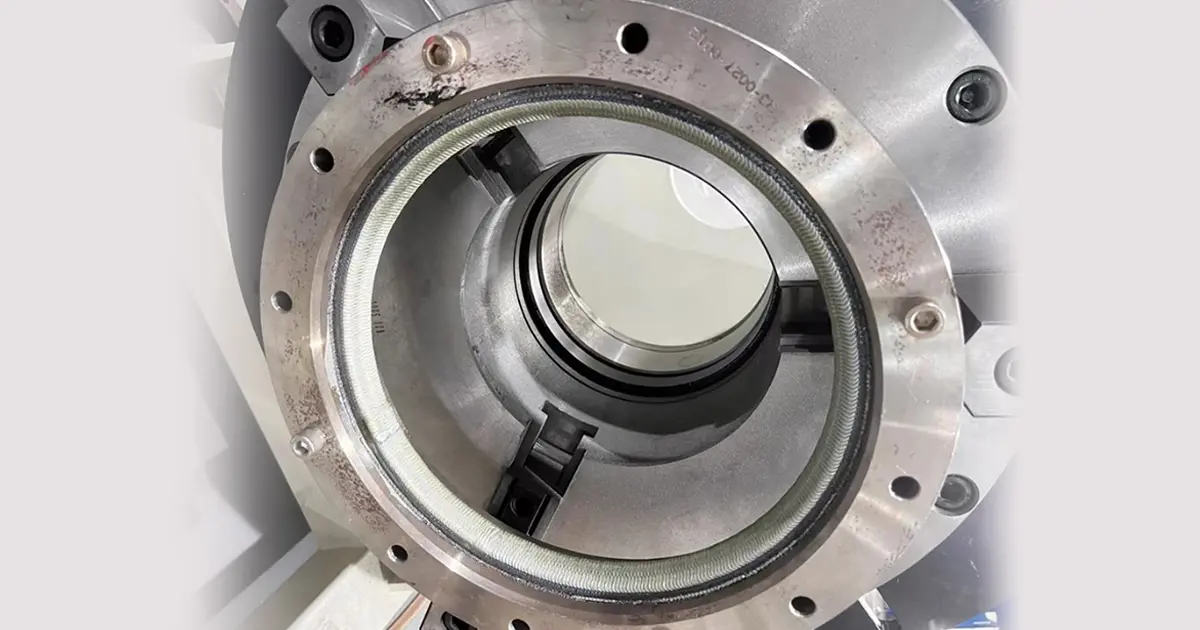
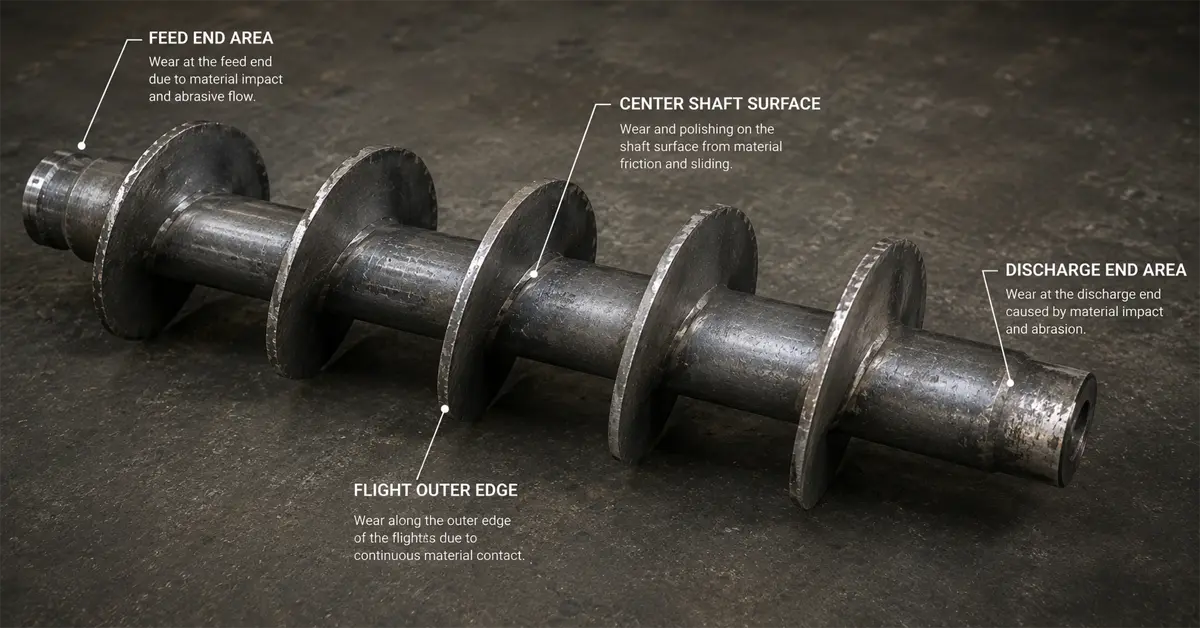
"In industries such as mining, cement, power generation, steelmaking, chemical processing, and biomass energy, screw conveyors are often regarded as auxiliary equipment. However, maintenance data shows that they are among the most frequent causes of unplanned production shutdowns. Hardfacing their flights using automatic PTA systems with Tungsten Carbides dramatically eliminates downtime."
"In Plasma Transferred Arc (PTA) hardfacing, achieving a high-quality overlay is not only about selecting the right alloy powder or optimizing welding parameters. One of the most critical factors that directly affects overlay performance is the dilution rate. Whether you require Nickel, Cobalt, or Iron-based matrices, controlling dilute parameters preserves critical alloy properties."
In industries such as Oil & Gas, Mining, Power Generation, Cement, and Heavy Equipment Manufacturing, hardfacing is no longer just a repair process. It has become a critical technology directly related to equipment lifespan, downtime costs, maintenance frequency, and overall material economy. By implementing automatic PTA setups, manufacturers can easily handle complex wear environments subjected to high pressure, extreme temperatures, corrosive media, abrasive wear, and sand erosion.
Global procurement departments require robust guarantees when evaluating PTA equipment suppliers. At Shanghai Duomu, we align our product deliveries with these rigorous global expectations:
Full alignment with ISO 9001 and CE certifications. All electrical components, gas controllers, and automated PLC modules are sourced from internationally recognized manufacturers to ensure global safety and performance compliance.
Our specialized precision powder feeders utilize independent control motors to ensure constant, non-pulsating powder supply. This minimizes powder wastage and delivers exceptionally smooth surfacing layers.
For our global operations, including our partners in Morocco, we offer remote diagnostic interfaces. Our automated systems can integrate with factory ERP databases and robotic networks seamlessly.







Get in touch with our PTA welding engineers. We provide comprehensive consultations, custom mechanical designs, alloy recommendations, and competitive pricing for global shipments.
 Duomu
Duomu