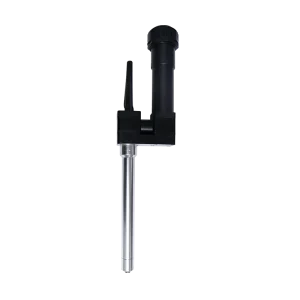
High-precision surfacing and metallurgical hardfacing equipment engineered to reduce operational downtime in local Bangladesh heavy manufacturing and process plants.
Connect directly with our engineering team for customized configurations, powder materials selection, and factory pricing.
Analyzing the shift from traditional repair welding to automated Plasma Transferred Arc (PTA) cladding in Bangladesh's key economic sectors.
As Bangladesh enters a phase of rapid industrialization led by infrastructure development, steel manufacturing, cement mills, power generation, and agricultural processing, the degradation of heavy machinery components due to severe mechanical wear and thermal fatigue has become a primary bottleneck. Historically, local maintenance departments in hubs like Chittagong, Narayanganj, and Gazipur relied heavily on manual shielded metal arc welding (SMAW) for rebuilding worn surfaces. However, these traditional processes fail to deliver the mechanical reliability and exact tolerances required by high-velocity machinery.
The adoption of Plasma Transferred Arc (PTA) welding and laser cladding technology represents a paradigm shift. PTA welding utilizes a focused plasma arc to fuse wear-resistant alloys—often cobalt, nickel, or iron-based powders, sometimes enriched with tungsten carbides—directly onto the surface of a carbon steel or low-alloy substrate. This forms a true metallurgical bond that offers superior adhesion compared to mechanical thermal sprays, protecting critical assets from abrasive wear, erosive fluids, and localized oxidation.
By using PTA cladding to rebuild complex machinery assets locally, Bangladeshi enterprises bypass the long lead times and high foreign currency costs associated with importing replacement components from global OEMs.
Components such as extrusion screws, agricultural tillers, and cement press rollers processed with automated PTA hardfacing feature lifespans extended by 300% to 500%, drastically reducing unplanned factory halts.
Cladding allows companies to employ cost-effective structural steels (e.g., carbon steel, mild steel) as the core structural body, restricting premium, expensive alloys (like Cobalt-base Stellite 6) to the active wear surface.
A technical evaluation of thermal dilution, coating thickness, and deposition efficiency for factory engineers and procurement managers.
| Technology Process | Bonding Mechanism | Dilution Rate (%) | Deposition Rate | Heat-Affected Zone (HAZ) | Average Thickness (mm) |
|---|---|---|---|---|---|
| Plasma Transferred Arc (PTA) | Metallurgical (Fusion) | 3% - 8% (Low) | 2.0 - 8.0 kg/hr | Moderate | 1.0 - 6.0 mm (Single Pass) |
| Laser Cladding (Diode/Fiber) | Metallurgical (Fusion) | 1% - 5% (Very Low) | 1.0 - 4.0 kg/hr | Minimal | 0.5 - 2.0 mm |
| Gas Metal Arc Welding (GMAW) | Metallurgical (Fusion) | 15% - 30% (High) | 2.0 - 6.0 kg/hr | Large | 2.0 - 5.0 mm |
| High-Velocity Oxygen Fuel (HVOF) | Mechanical (Spray) | 0% (None) | 1.0 - 5.0 kg/hr | Zero | 0.1 - 0.5 mm |
In overlay surfacing, "dilution" refers to the mixing of the base metal (substrate) with the applied cladding material. A high dilution rate degrades the properties of the cladding alloy by introducing iron from the substrate. While conventional arc welding results in dilution rates exceeding 15%, Shanghai Duomu's automated PTA surfacing systems restrict dilution to below 8%, ensuring that the wear-resistant properties of the carbide or cobalt alloy remain intact near the surface boundary. This allows designers to achieve specified hardness levels with a single layer, lowering raw material expenses and production times.
Shanghai Duomu's PTA cladding systems have penetrated key high-wear sectors, reinforcing reliability across critical industrial processes.


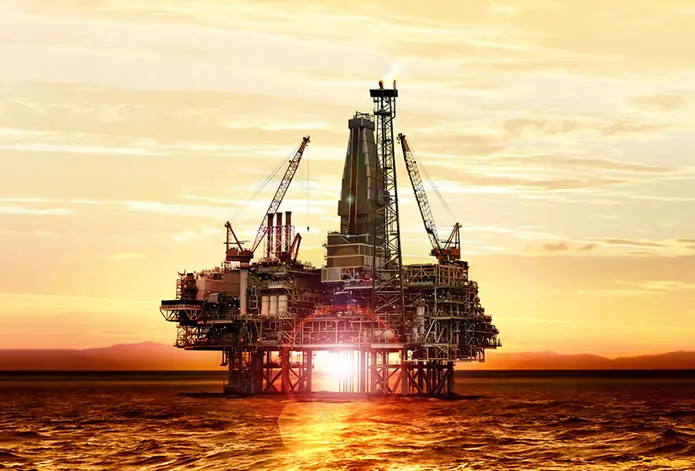
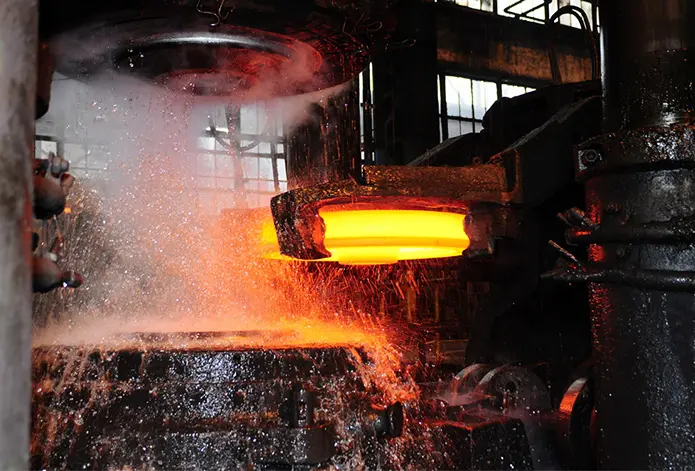
Shanghai Duomu has been a leading manufacturer and exporter of PTA cladding machine and Laser cladding machine for more than ten years with a strong technical background. Our equipment has been successfully deployed across global markets, providing heavy industrial operations with robust wear prevention technology that ensures continuous, high-efficiency production cycles.
Our company leverages automated plasma power sources and state-of-the-art robotic controllers to offer bespoke manufacturing systems. We cooperate with plant operators to design complete turnkey installations, helping minimize structural metal failure, prolong component lifecycle, and maximize efficiency.
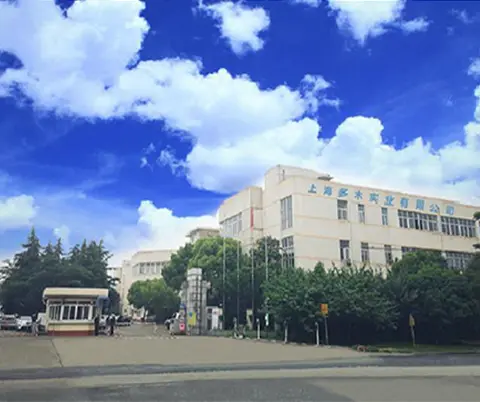
We host an independent R&D team, which develops, produces, and sells plasma cladding machine equipment. The welding machine has stable performance and can maintain efficient long-term operation. In addition, the laser cladding equipment sold by the company can effectively support large-scale remanufacturing projects. We have mature technological means to provide complete sets of industrial equipment solutions.
Our engineers continuously refine the control algorithms of our powder feeders and gantry systems. This ensures steady gas flow rates, precise arc ignition sequences, and uniform deposit thickness across irregular profiles. Our systems feature user-friendly PLC HMIs, allowing operators to monitor critical variables—such as carrier gas pressure, powder flow rate, and welding velocity—in real time.
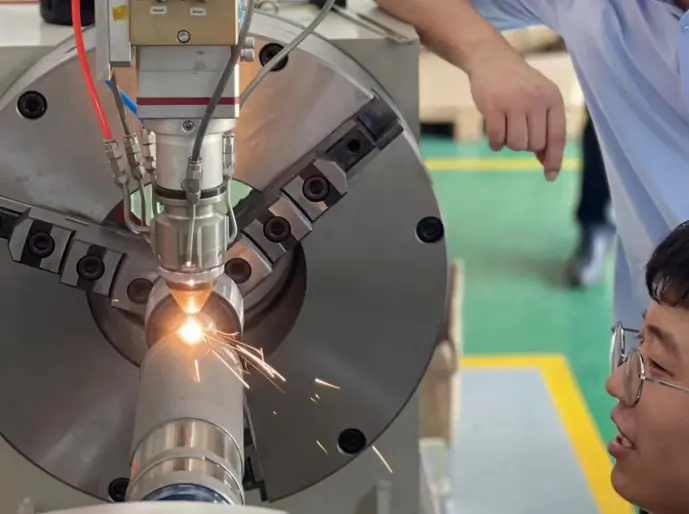
We design and manufacture customized systems, automatic laser cladding equipment, automatic plasma cladding equipment, and intelligent robot cladding setups tailored to specific industrial geometries.
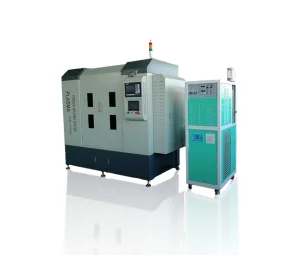
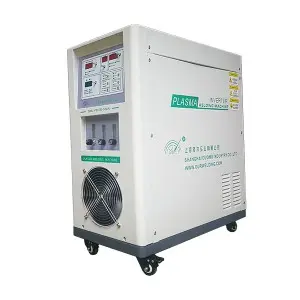
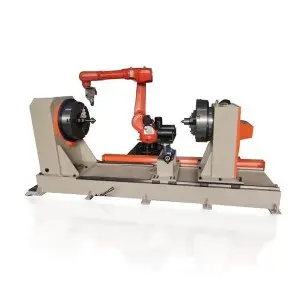
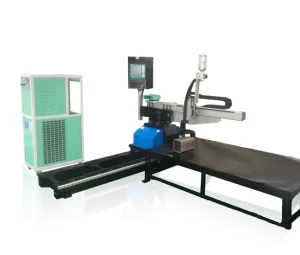
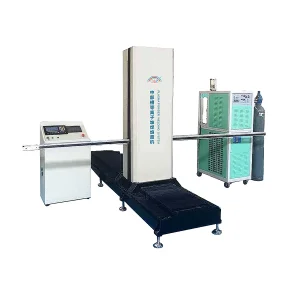
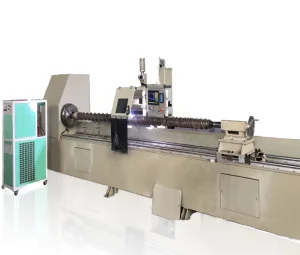
Engineered for high-volume automated component rebuilding. Features a stable arc control and precise powder delivery for hardfacing carbon steel substrates.
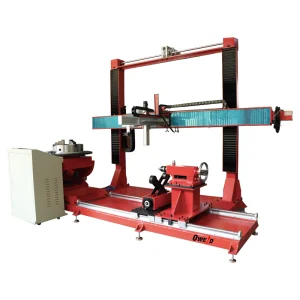
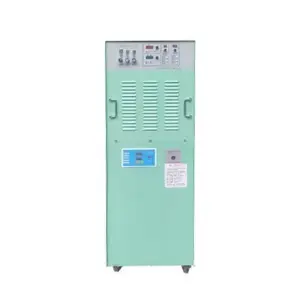
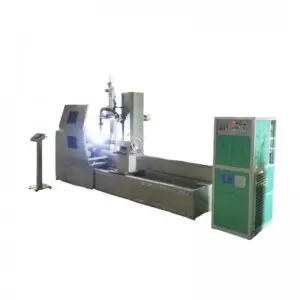
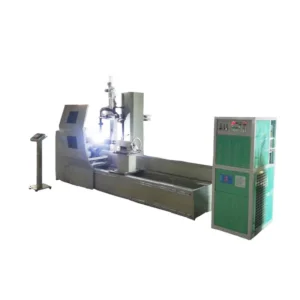
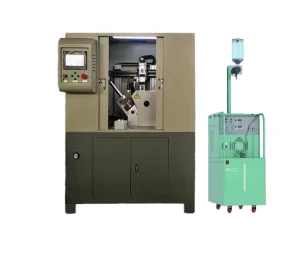
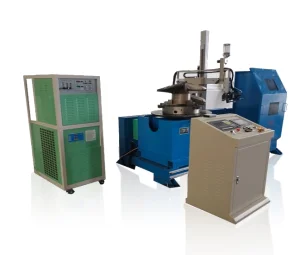
Combines surfacing, deep joint welding, and localized thermal hardening capabilities into a single integrated modular workstation.
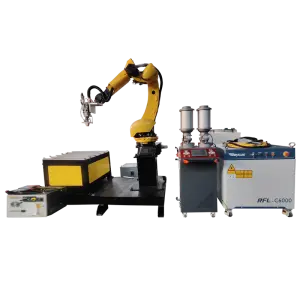
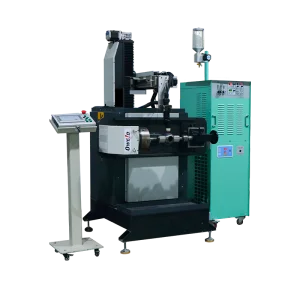
High-precision laser processing system designed to cladding complex curved geometries on turbine impellers and turbine blades with zero distortion.
Optimized process parameters for applying corrosion and erosion-resistant alloys to spherical and circular sealing surfaces of high-pressure valves.
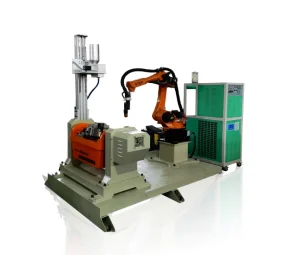
Articulated robot arms coupled with high-power direct diode lasers for selective hardening of gear teeth, cam profiles, and drive shafts.
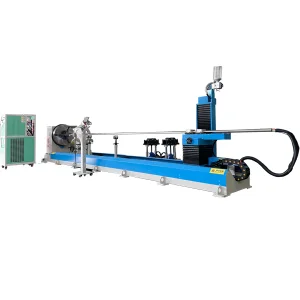
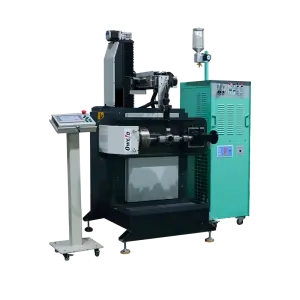
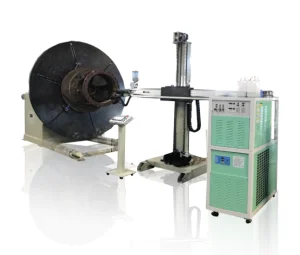
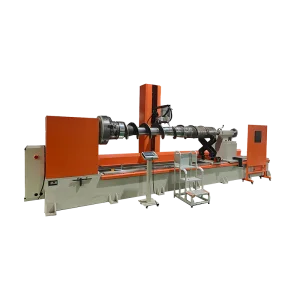
Specially built machine for long cylindrical profiles. Replaces traditional hard chromium electroplating with robust cladding layers.
Read how engineering operations utilize Shanghai Duomu's PTA technologies to tackle extreme structural wear under actual industrial environments.
"The PTA Welding Valve Application Guide is not just a process choice for valve manufacturers facing high wear, high corrosion, and high-temperature erosion working conditions, but also a key path to improving product competitiveness. As industries such as petrochemical, power generation, and gas processing expand in Bangladesh, localized valve restoration has saved significant capital."
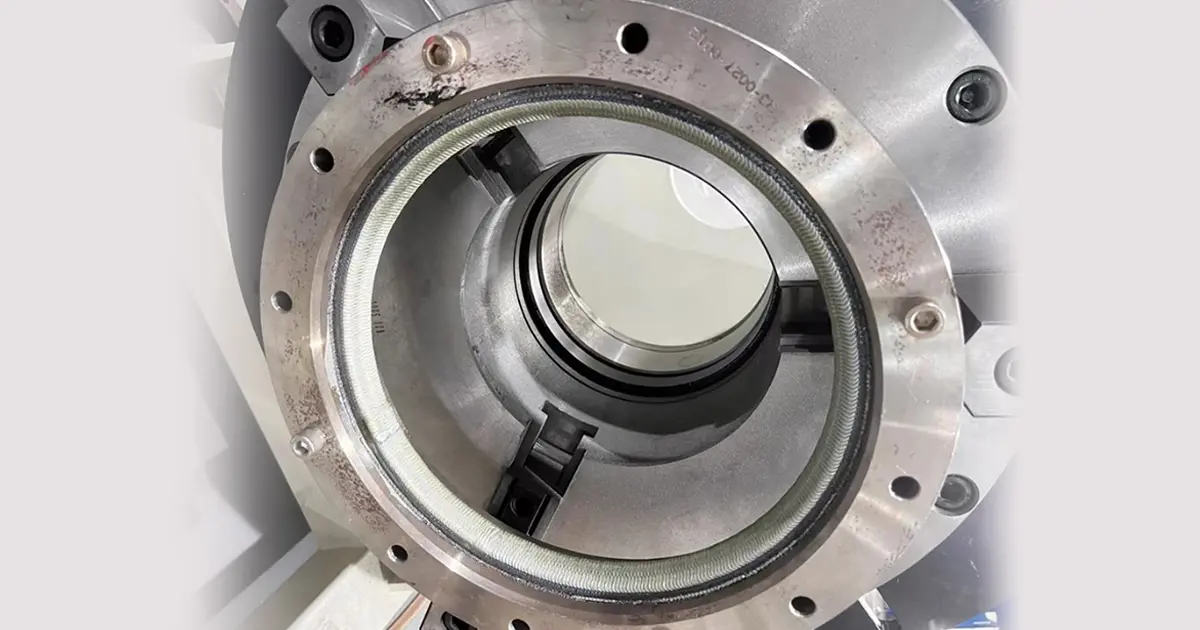
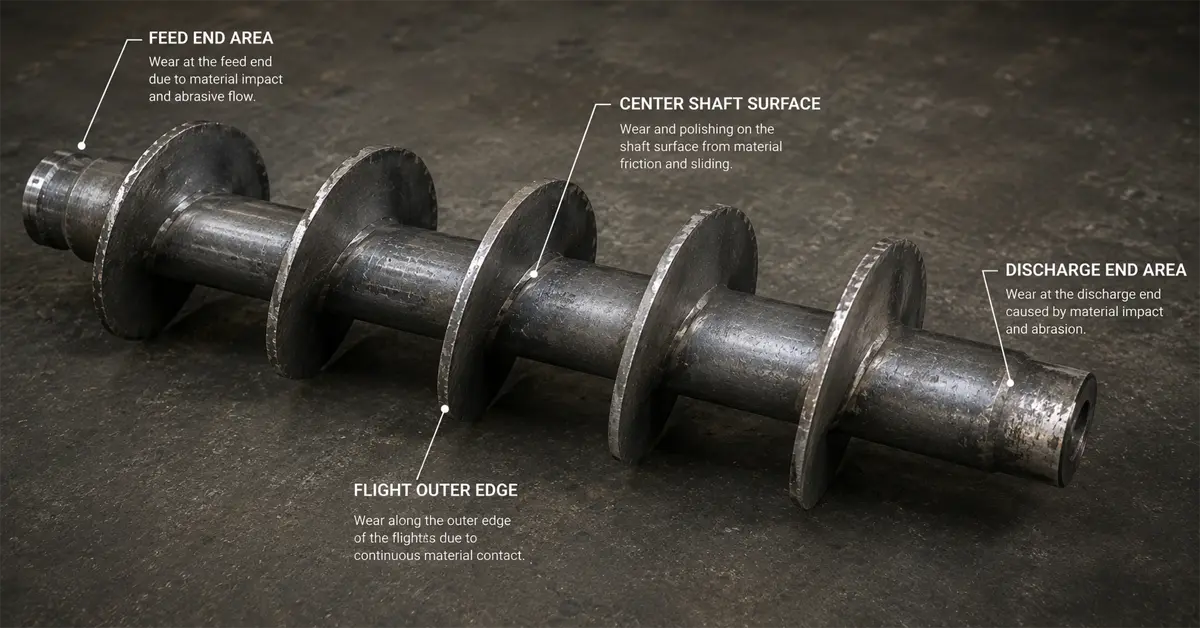
"In industries such as mining, cement, power generation, steelmaking, chemical processing, and biomass energy, screw conveyors are often regarded as auxiliary equipment. However, maintenance data shows that they are among the most frequent causes of unplanned production halts. Standardizing on the DLG-NC401 screw welder has mitigated down-time issues."
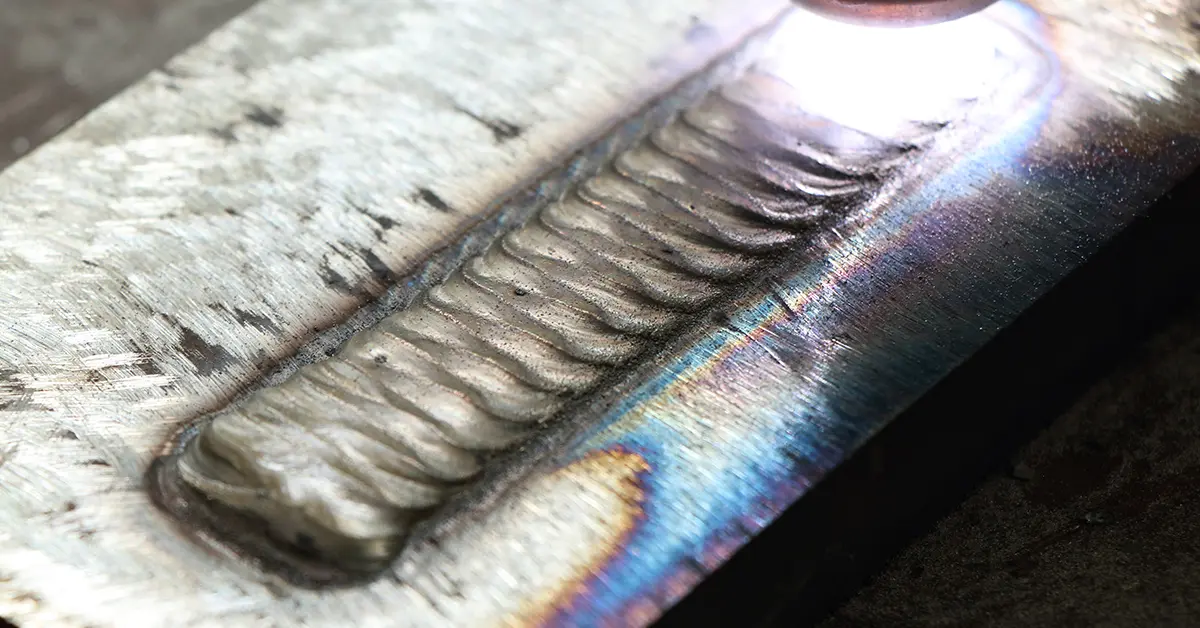
"In Plasma Transferred Arc (PTA) hardfacing, achieving a high-quality overlay is not only about selecting the right alloy powder or optimizing welding parameters. One of the most critical factors that directly affects overlay performance is the dilution rate. Keeping dilution below 8% ensures the hardfacing layer maintains optimal tungsten carbide density."
How Shanghai Duomu supports industrial machinery operations in Dhaka, Chittagong, Khulna, and other major manufacturing centers.
Purchasing capital equipment requires strong confidence in local implementation and support. Shanghai Duomu provides structured import assistance and field technician dispatch to ensure hassle-free integration. Our technical support package includes:
We work directly with reliable customs broker channels at Chittagong Port (Chattogram) and Hazrat Shahjalal International Airport (Dhaka) to process all standard import paperwork and facilitate fast customs clearance.
Experienced installation engineers can be sent directly to your plant to supervise the electrical grid connection, gas cylinder regulation (Argon shield gas), and powder feeder calibrations.
Our technician team delivers operational training programs in English and Bengali to guide your personnel in program parameter controls, electrode maintenance, and safety procedures.
Explore our complete range of specialized cantilever systems, robotic positioners, and automated inner-diameter cladding setups.
Common inquiries from process managers, procurement specialists, and welding engineers regarding PTA cladding equipment integration.
Depending on the choice of cladding alloy powder (e.g. Cobalt-base alloys or Nickel-base matrix containing spherical Tungsten Carbides) and the operating environment, surfaced components typically achieve an operating lifetime 3 to 6 times longer than untreated structural carbon steels.
While traditional Gas Metal Arc (MIG/GMAW) or Tungsten Inert Gas (TIG/GTAW) processes result in dilution rates of 15% to 30%, Shanghai Duomu's PTA cladding systems keep the substrate dilution under 5% to 8% in a single pass. This ensures the chemistry and mechanical properties of the surfacing alloy are fully maintained without iron contamination.
Our equipment handles all major categories of industrial surfacing powders. This includes cobalt-based alloys (ideal for metal-to-metal wear and hot shearing), nickel-based alloys (offering excellent corrosion resistance in chemical lines), iron-based alloys (for cost-efficient wear builds), and tungsten carbide blends (for extreme abrasion environments in cement mills).
Yes, our plasma cladding systems are designed with standard industrial communication buses (like Profinet, DeviceNet, or Modbus) to connect with multi-axis robots from brands like ABB, Kuka, Fanuc, and our own DH1440-B06 articulated arm series.
Yes. We supply specialized tools like the 120A Deep Hole Welding Torch, designed to perform uniform cladding deposits on the inner walls of hydraulic cylinders, extrusion barrels, and pipe fittings with internal diameters down to 80 mm.
We offer video assistance, commissioning guides, and direct technician dispatch options for local factories. We also assist your engineers in drafting localized welding procedure specifications (WPS) and optimizing travel speed, arc voltage, and powder feed rates.







 Duomu
Duomu