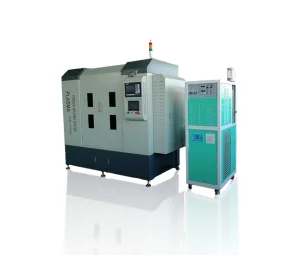
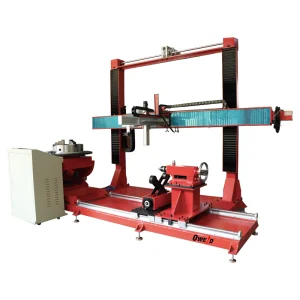
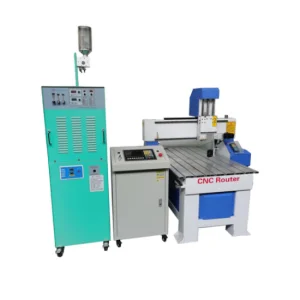
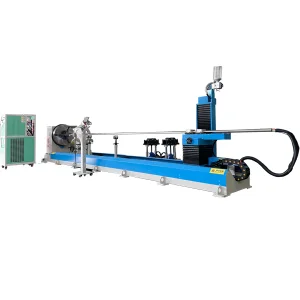
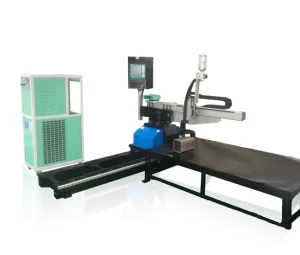
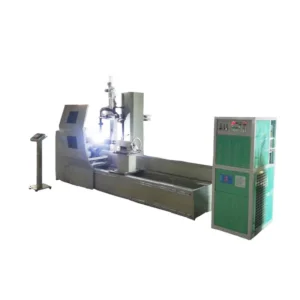
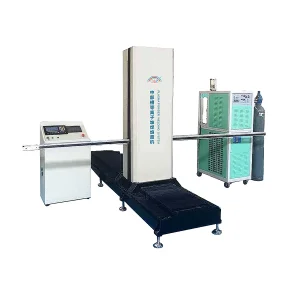
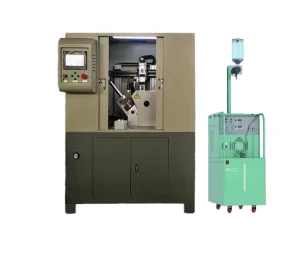
Premium automated systems configured to support heavy engineering, agriculture, and material handling infrastructure across Chicagoland.
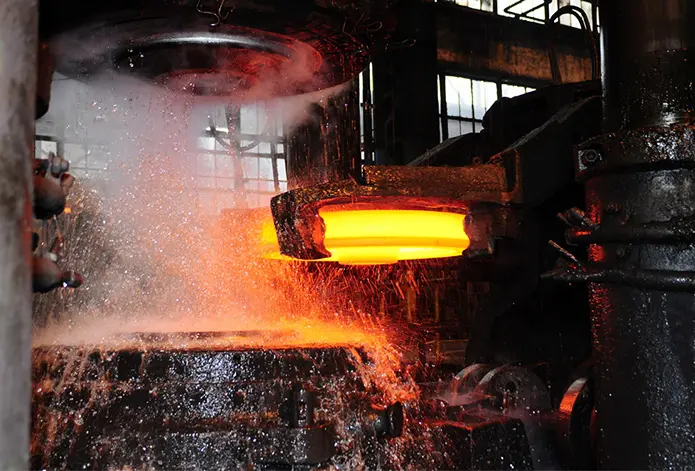
Chicago remains a dominant force in American heavy manufacturing, metal fabrication, logistics, and processing. From the steel mills of Gary, Indiana, and the Calumet industrial zone, to the agricultural machinery hubs located across Illinois, mechanical wear, severe friction, and corrosive failure are continuous operational threats. Industry leaders must constantly seek ways to extend the lifespan of high-value components.
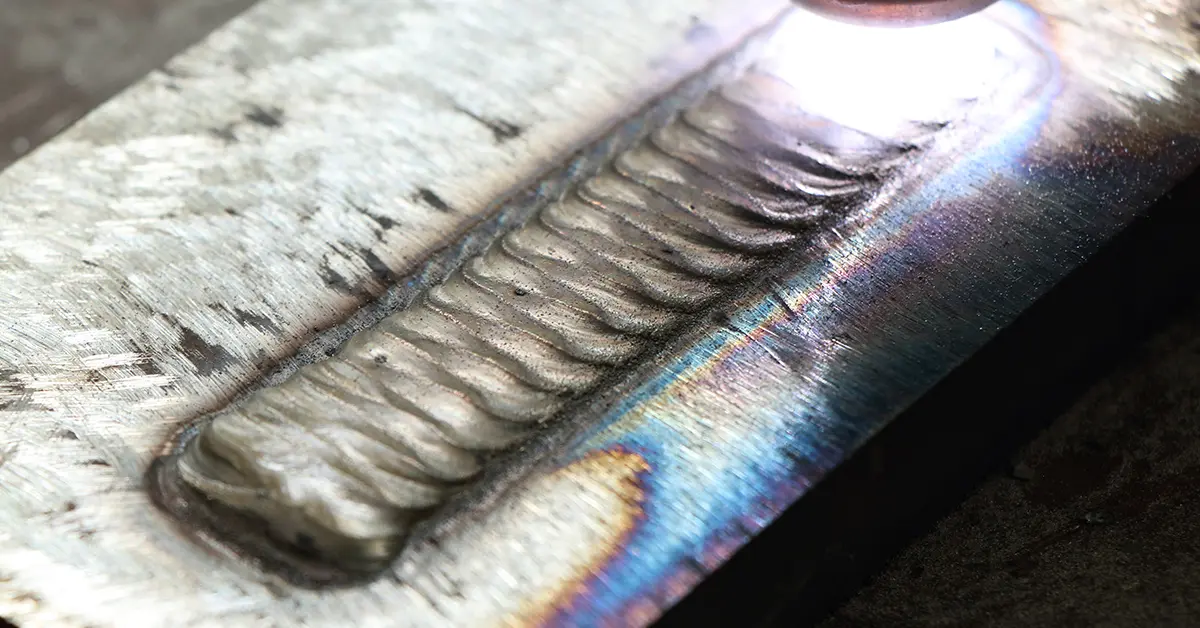
Plasma Transferred Arc (PTA) welding technology offers a superior solution. Unlike traditional thermal spraying or standard MIG/TIG hardfacing, PTA welding creates a true metallurgical bond with the base substrate. This results in minimal dilution, a narrow heat-affected zone (HAZ), and a highly dense, crack-free protective layer that withstands extreme mechanical stress.
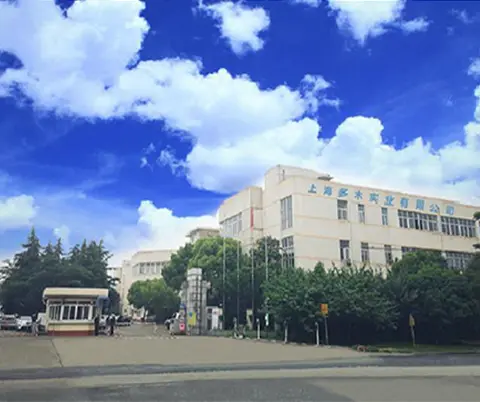
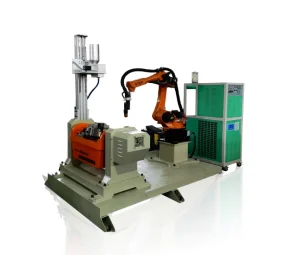
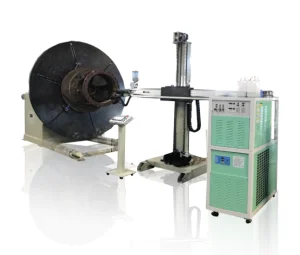
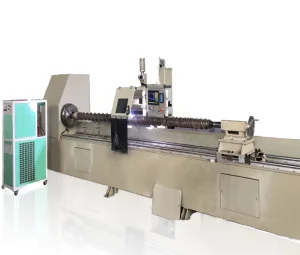
High-precision systems designed to meet the rigorous wear and corrosion requirements of key Chicago manufacturing sectors.
A technical deep-dive into how Plasma Transferred Arc welding compares to traditional thermal surfacing processes.
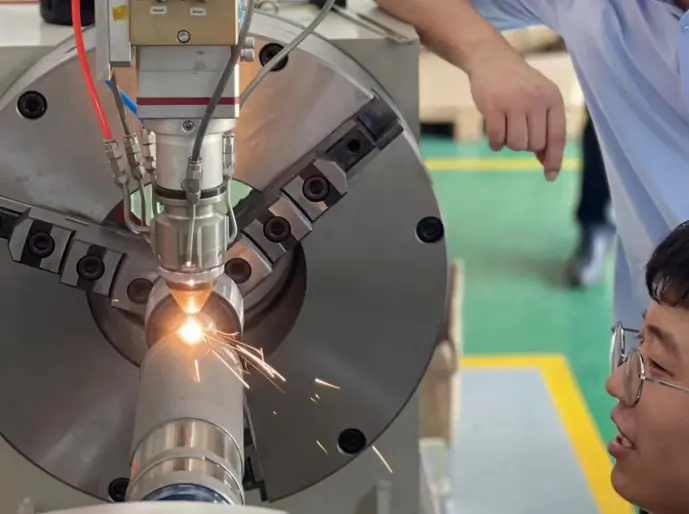
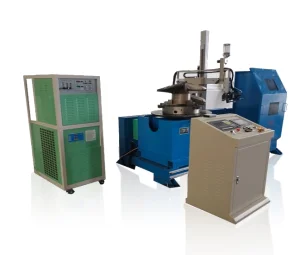
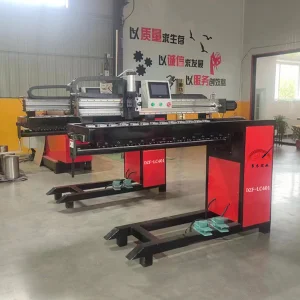
Our dedicated engineering department and R&D team design, manufacture, and integrate systems configured for high-demand production lines. PTA cladding utilizes a highly concentrated plasma arc to melt both the surface of the base material and an alloy powder feedstock. By controlling the plasma gas flow, shielding gas, and powder feed rates, operators can manage heat input with extreme precision.
Compared to laser cladding, PTA hardfacing offers a more cost-effective solution for heavy, thick-layer wear plate overlays and large agricultural components, while maintaining a high-strength metallurgical bond that outperforms thermal spraying.
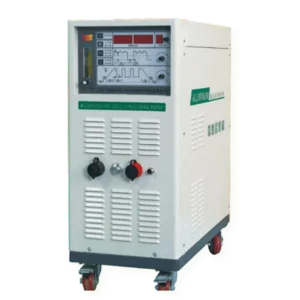
Our systems feature stable arc characteristics, high deposition rates (up to 6-8 kg/hr), and user-friendly PLC control interfaces, ensuring reliable performance during multi-shift operations.
By leveraging our manufacturing base in Shanghai, we provide industrial customers in Chicago with direct access to advanced PTA and laser cladding systems at competitive price points.
We handle all aspects of the supply chain internally—from raw structural fabrication and precise machining to integrating high-quality CNC and PLC components. This close oversight ensures strict quality control and lowers cost barriers for our clients.
We design our systems for easy container transport, allowing for straightforward shipping directly to Chicago ports or local warehouses. Furthermore, we pre-commission all units before delivery to ensure fast, trouble-free installation at your facility.
Browse our full range of automated welding platforms, robotic positioners, and dedicated hardfacing machines.
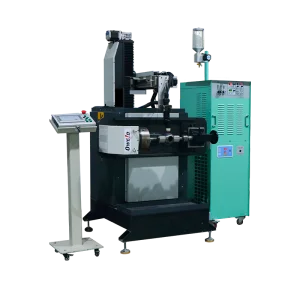
Real-world applications showing how automated PTA cladding improves component lifecycles in high-wear environments.
"The PTA Welding Valve Application Guide is not just a process choice for valve manufacturers facing high wear, high corrosion, and high-temperature erosion working conditions, but also a key path to improving product competitiveness. As industries such as petrochemical and power generation demand longer service lives, switching to automated PTA cladding on valve seats with cobalt-base alloys has drastically reduced failure rates."
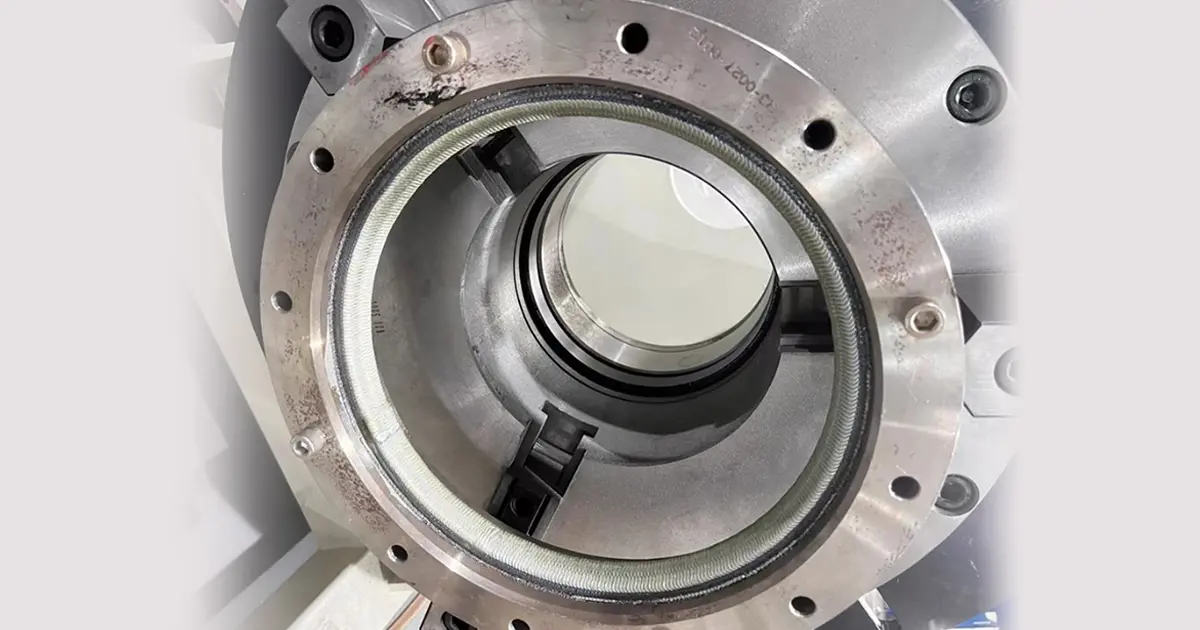
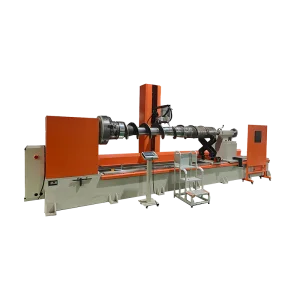
"In industries such as mining, cement, power generation, steelmaking, chemical processing, and biomass energy, screw conveyors are often regarded as auxiliary equipment. However, maintenance data shows that they are among the most frequent causes of unplanned production shutdowns. Applying chromium carbide or tungsten carbide overlays using the DLG series has doubled the operational lifespan of screw flights."
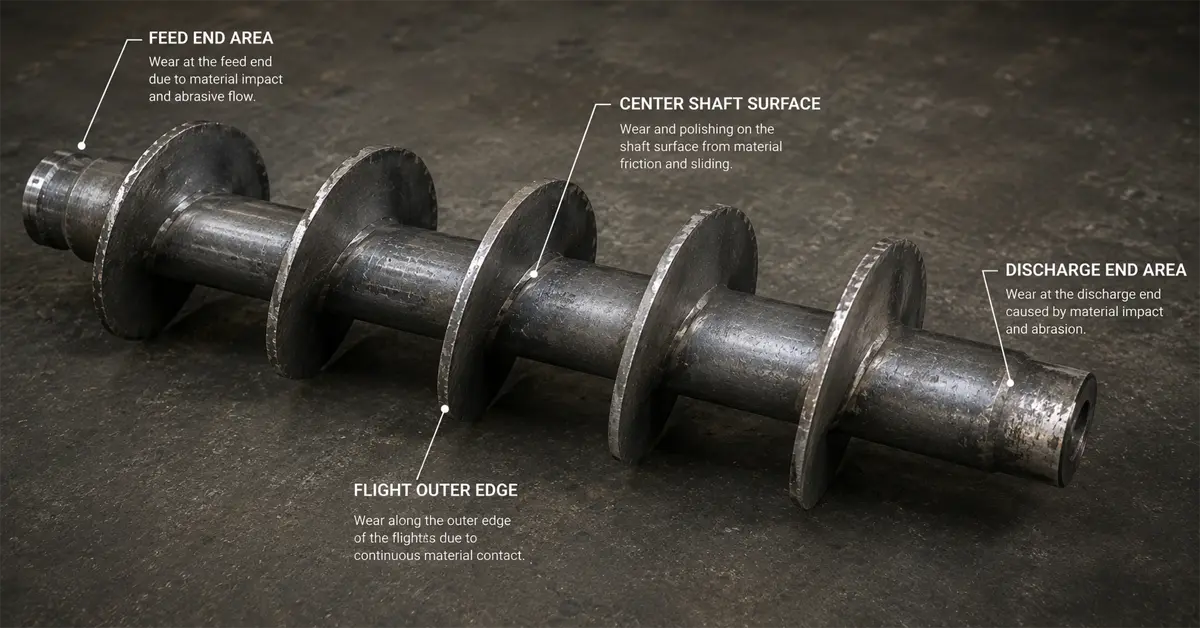
"In Plasma Transferred Arc (PTA) hardfacing, achieving a high-quality overlay is not only about selecting the right alloy powder or optimizing welding parameters. One of the most critical factors that directly affects overlay performance is the dilution rate. By keeping our dilution under 5%, we maintain the pure properties of our carbide overlays in a single pass, saving material and labor."
Common questions regarding system integration, alloy compatibility, and local support in Chicago.
Our engineering components integrate seamlessly with international standards and trusted control brands.









Contact our technical engineering team for custom equipment specifications, system layout designs, and competitive pricing for your Chicago facility.
 Duomu
Duomu