Engineered for extreme wear resistance, heavy load surfacing, and localized manufacturing processes across Uzbekistan's infrastructure hubs.
Uzbekistan is undergoing a monumental economic transformation. Under its national industrial modernization strategy, mega-hubs like the Navoiy Mining and Metallurgical Combinat (NMMC), Almalyk Mining and Metallurgical Combinat (AMMC), and the Shurtan Gas Chemical Complex are scaling up operations to unprecedented levels. Mining, oil and gas extraction, cement production, agriculture, and metallurgy form the backbone of this economic surge.
However, these industries are inherently harsh. Machine components face constant mechanical friction, high-temperature erosion, sand abrasion, and aggressive chemical corrosion. Unplanned downtime due to premature wear costs millions of dollars. As a result, industrial operators are pivoting from traditional reactive maintenance to proactive surface engineering. Plasma Transferred Arc (PTA) Welding and Laser Cladding have emerged as the premier technologies to extend the lifespan of critical machinery parts by up to 300% to 800%.
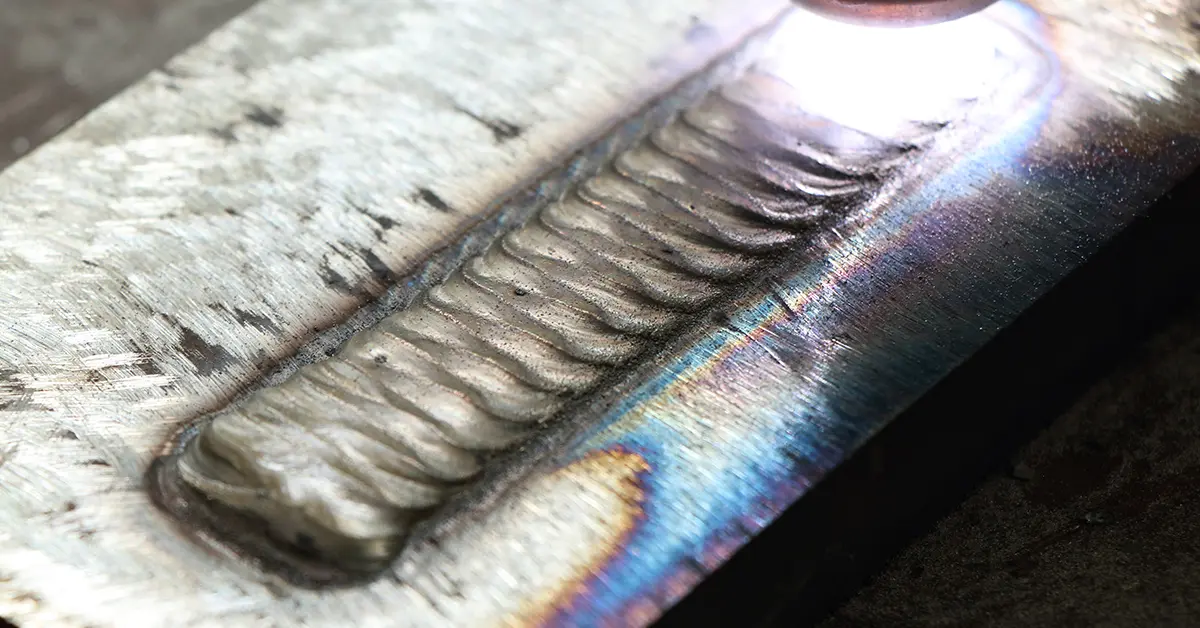
PTA (Plasma Transferred Arc) cladding is a thermal surfacing process that deposits wear and corrosion-resistant alloys onto the surface of a base metal. A high-energy plasma arc melts both the surface of the substrate and the metal powder alloy. As the weld pool solidifies, it forms a metallurgical bond with the base metal that is highly resistant to impact, abrasion, and thermal stress.
Unlike conventional arc welding processes (such as MIG or TIG), PTA cladding allows for extremely precise heat input control, ensuring a low dilution rate (typically 5% to 10%), minimal distortion, and a high deposition rate. This makes it ideal for heavy-duty components like mining picks, extruder screws, extrusion barrels, valve seats, and hydraulic rods used extensively across Tashkent, Samarkand, Navoiy, and Almalyk.
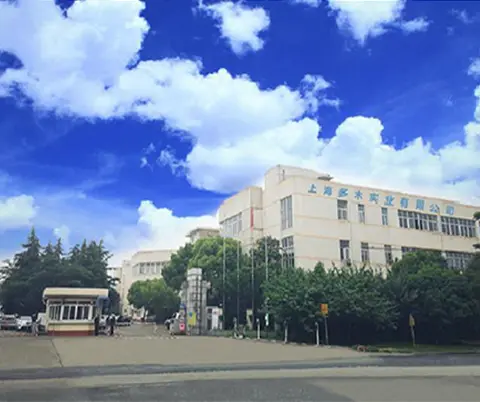
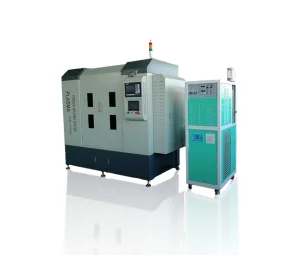
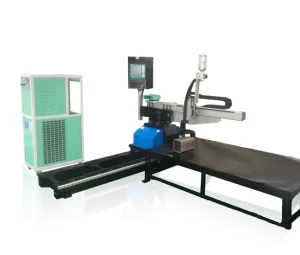
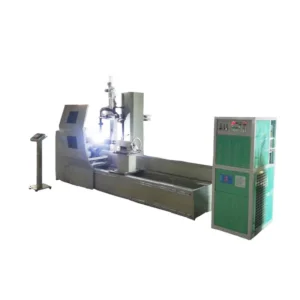
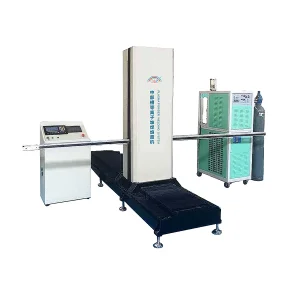
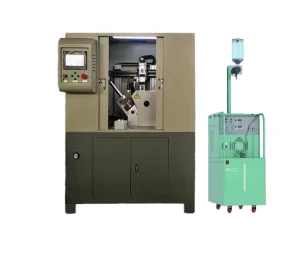
Our high-efficiency plasma and laser cladding systems serve key sectors throughout Central Asia, providing crucial protection where it matters most.



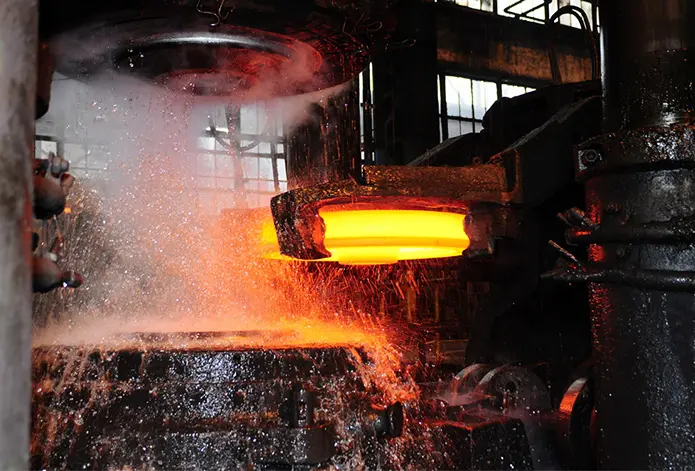
At present, our parent enterprise’s advanced surfacing and cladding systems have successfully penetrated into many critical sectors. These include the high-end aerospace military industry, nuclear power generation, petrochemical complexes, coal mines, metallurgy and forging plants, modern agriculture, and water conservancy and electric power stations.
The success of a PTA cladding project lies in the synchronization of base materials with engineered powder alloys. Choosing the correct wear-resistant alloy allows manufacturing operations in Uzbekistan to target specific operational hazards:
The table below provides a detailed comparison of modern surface modifications, highlighting why PTA cladding and laser cladding are favored for heavy industrial components.
| Technology | Bond Type | Dilution Rate | Heat Input / Distortion | Cladding Thickness | Uzbekistan Application Suitability |
|---|---|---|---|---|---|
| PTA Cladding | Metallurgical (Strongest) | 5% - 10% (Low) | Medium / Low | 1.0 mm - 6.0 mm | High: Mining picks, heavy valves, agricultural cutters, oil & gas screw conveyors. |
| Laser Cladding | Metallurgical (Strongest) | < 5% (Very Low) | Low / Minimal | 0.5 mm - 2.5 mm | High: Turbine blades, high-precision hydraulic rods, printing rolls, extruder shafts. |
| Thermal Spraying (HVOF) | Mechanical Bond (Medium) | 0% (None) | Negligible | 0.1 mm - 0.5 mm | Medium: Pumps, sleeve shafts, environments without heavy impact. |
| Traditional Arc Welding | Metallurgical | 20% - 30% (High) | High / Severe | 3.0 mm - 10.0 mm | Low: Only for rough structural repairs, poor alloy performance. |
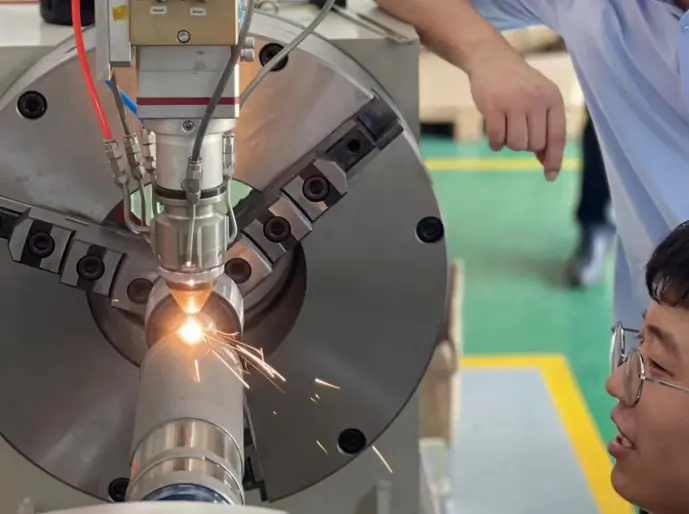
Shanghai Duomu has been a leading manufacturer and exporter of PTA cladding machines and Laser cladding machines for more than ten years with a strong technical background. We maintain an independent R&D team that develops, produces, and sells advanced plasma cladding machine equipment globally.
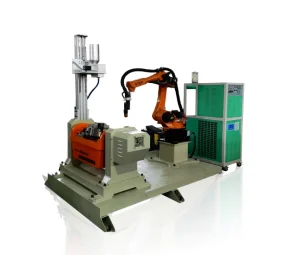
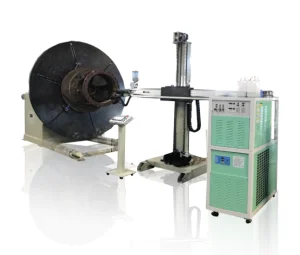
Our welding systems deliver exceptionally stable performance and maintain efficient long-term operations under harsh workshop environments. In addition, the laser cladding equipment we supply effectively supports large-scale industrial remanufacturing projects. With mature technological tools, we offer comprehensive, turnkey industrial solutions that integrate robots, positioning manipulators, and state-of-the-art power supplies.
No two industrial operations are identical. A system designed to clad mining picks in Navoiy cannot be directly applied to surfacing high-precision injection molding barrels in Tashkent without reconfiguration. Therefore, our team focuses on supplying customized machinery tailored to the specific geometry and material characteristics of the workpiece.
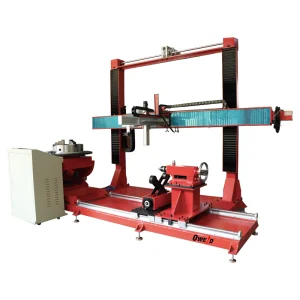
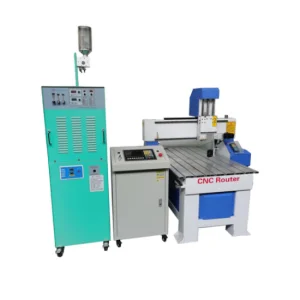
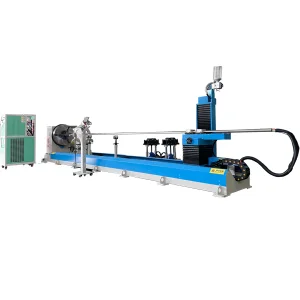
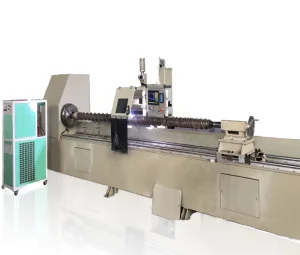
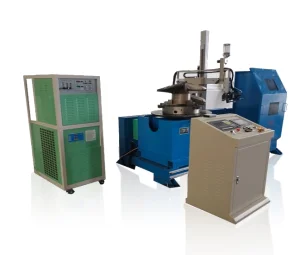
We provide a comprehensive range of customized equipment including: automatic laser cladding equipment, automatic plasma cladding equipment, intelligent robot cladding units, and highly specialized systems tailored for industries. Examples include our automatic hydraulic rod cladding machines, mining pick cladding lines, and automated valve cladding cells.
Instead of importing expensive new components from Western Europe or East Asia, Uzbek factories can rebuild worn parts locally. PTA cladding reduces material costs by up to 70% while restoring or exceeding the original parts' operational life.
With precise heat management, the deposition layer retains the pure properties of the engineered powder without contamination from the base steel. This maintains extreme hardness and corrosion resistance right from the first layer.
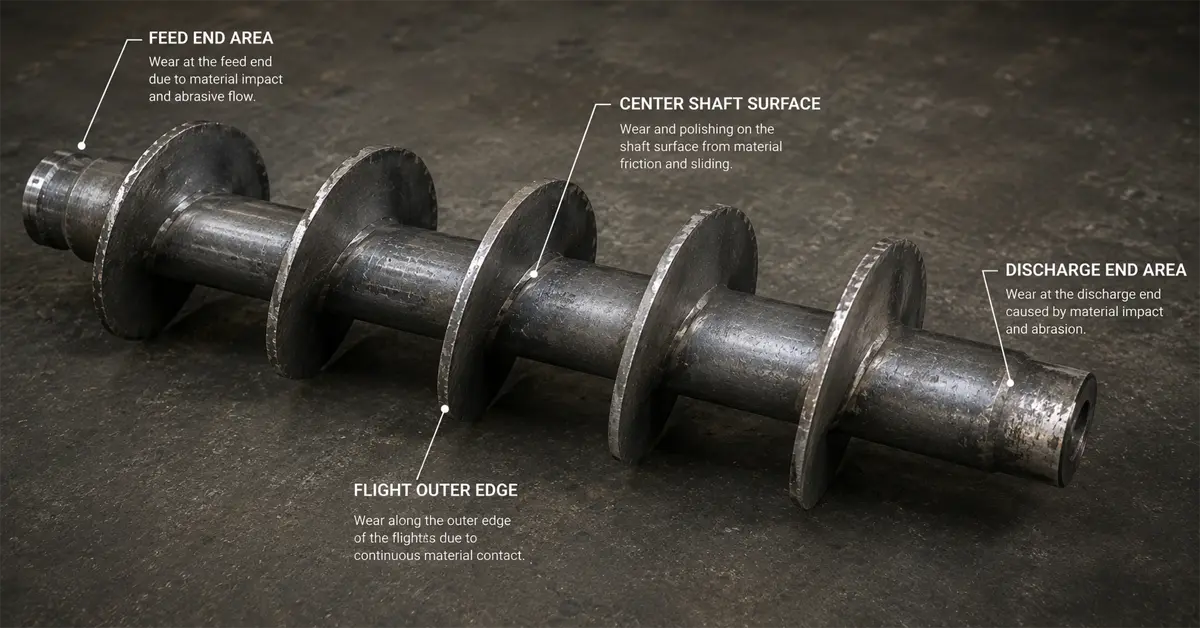
By pairing PTA and laser power sources with high-precision 6-axis industrial robots and dual-axis positioners, we ensure seamless coverage of complex geometries like valve spheres, screw flights, and non-linear paths.
Explore our technical portfolio of specialized welding robots, automated cladding systems, and high-performance plasma torches.
| Alternative Specialized Equipment & Accessories | Product Link |
|---|---|
| China Screw Automatic Welding Equipment DLG-LC501 | View DLG-LC501 Details |
| Custom Ball Valve Automated Welding Equipment DQF-LC602 | View DQF-LC602 Details |
| High-Quality Affordable Plasma Transfer Arc Surfacing Torch 160 | View Torch 160 Details |
| Custom Plasma Bore Welding Torch DNPT16018-HQ | View DNPT16018-HQ Details |
Deploying heavy industrial machinery into Uzbekistan requires robust compliance structures and localized field assistance. Shanghai Duomu understands the operational constraints faced by factories in regional centers. We support our clients with a full suite of services:
Read feedback and professional insights regarding our PTA welding and hardfacing technology implementations.
"The PTA Welding Valve Application Guide is not just a process choice for valve manufacturers facing high wear, high corrosion, and high-temperature erosion working conditions, but also a key path to improving product competitiveness. Our valve lifespan extended significantly."
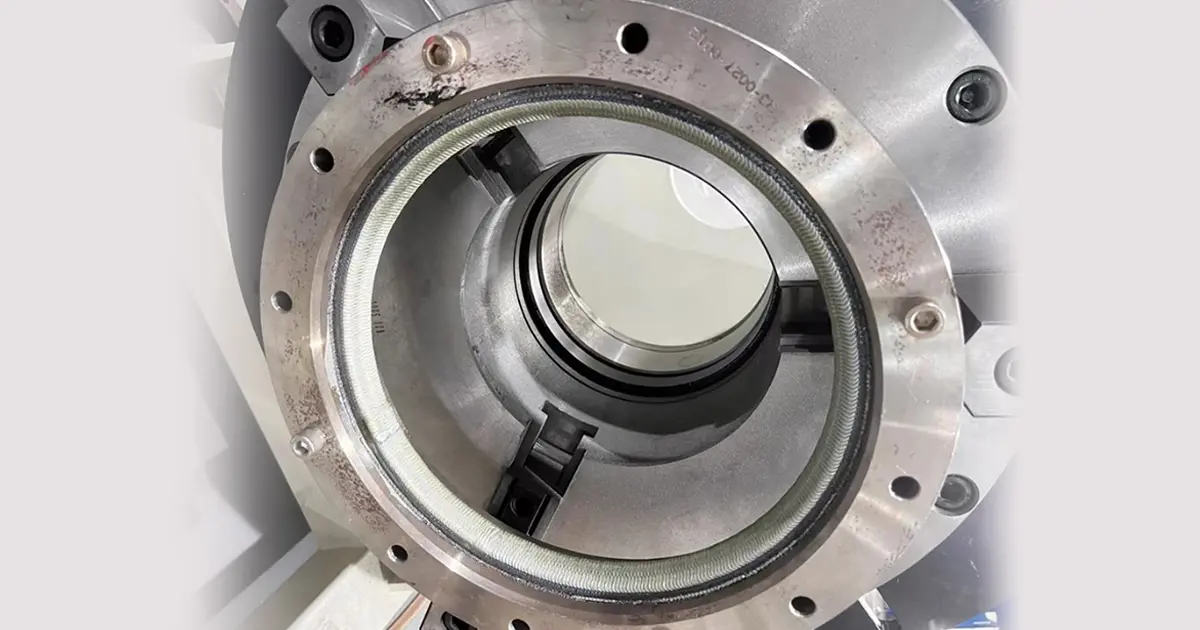
"In industries such as mining, cement, power generation, steelmaking, chemical processing, and biomass energy, screw conveyors are often regarded as auxiliary equipment. However, maintenance data shows that they are among the most frequent causes of unplanned production delays before we integrated Duomu's automatic screw welding."
"In Plasma Transferred Arc (PTA) hardfacing, achieving a high-quality overlay is not only about selecting the right alloy powder or optimizing welding parameters. One of the most critical factors that directly affects overlay performance is the dilution rate. Shanghai Duomu machines handle this with extreme precision."
The next phase of wear protection is defined by intelligent closed-loop monitoring. As Uzbekistan's manufacturing sectors adopt Industry 4.0 standards, our technical roadmap features several innovations designed to future-proof your investment:
Expert technical answers regarding PTA and Laser cladding system installations in Central Asia.
Our PTA systems achieve a dilution rate of 5% to 10%. Through fine tuning of the arc voltage, powder feeding speed, and gas flow rates, we can achieve low dilution profiles in a single pass, preserving the metallurgical characteristics of the alloy.
PTA cladding is suited for high-thickness overlays (1.0 mm to 6.0 mm) on heavy-duty parts subject to severe impact and abrasion, like mining picks. Laser cladding excels in high-precision, thin layers (0.5 mm to 2.5 mm) on delicate parts where heat distortion must be minimized, such as turbine blades or hydraulic rods.
Yes, our systems are designed to interface with industrial robots (such as KUKA, ABB, Fanuc) and multi-axis positioners. The controller supports analog and digital communication protocols for automated, continuous path cladding.
PTA welding is highly versatile and works with carbon steels, low-alloy steels, tool steels, stainless steels, and cast iron. Harder tool steels or cast irons may require pre-heating and post-weld controlled cooling to prevent thermal cracking.
Use Cobalt-based alloys for high temperature wear resistance and thermal shock. Choose Nickel-based alloys for corrosive environments and moderate abrasive wear. Opt for Tungsten Carbide matrices for extreme mechanical grinding, soil scraping, and rock cutting.
Standard equipment configurations take approximately 30 to 45 days to manufacture. Custom robotic units require 60 to 90 days. Transport and customs clearance to Uzbekistan generally take an additional 15 to 20 days. On-site commissioning is scheduled immediately after delivery.
Yes, we supply a range of calibrated PTA metal powder alloys designed for consistent flowability through our powder feeders. Our engineers assist you in selecting the ideal chemical composition based on your specific application.
You can request a quote by clicking the "Send Inquiry Now" button and providing details about your component geometry, base metal, wear conditions, and target production volume. Our technical department will return a detailed project proposal within 24 hours.




Contact our technical sales engineers today for customized solutions, machinery configurations, and competitive pricing for the Uzbekistan market.
Send Inquiry Now Duomu
Duomu