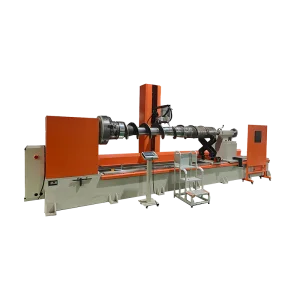
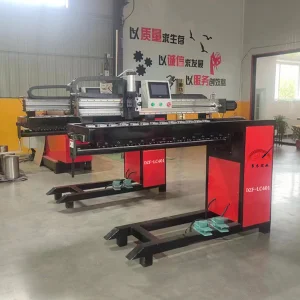
Engineered for high dilution control, structural longevity, and minimal heat-affected zones on critical mineral-processing parts.
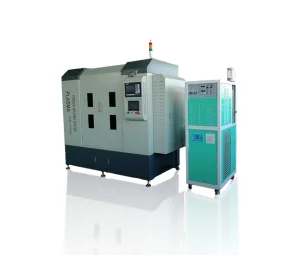
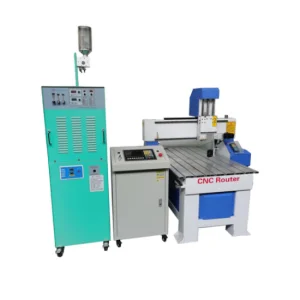
Plasma Transferred Arc (PTA) welding is a highly thermal overlay process used to apply wear-resistant, anti-corrosive, or heat-resistant metallic coatings onto base materials. Unlike traditional welding mechanisms, PTA produces a highly focused plasma arc column that melts the surface of the base metal and a metered supply of powder consumable simultaneously.
By implementing a highly controlled metallurgical bond, PTA minimizes the thermal heat affected zone (HAZ) and lowers dilution rates (often under 5-10%), preserving the precise chemical configuration of the superalloy overlay. This process is crucial in critical components facing severe mineral gouging, heavy impact load, and severe chemical corrosion.
In the global market, PTA technology has transitioned from specialized aerospace cladding to mainstream surface engineering. Today, high-tonnage mining companies, petrochemical refineries, and marine infrastructure organizations count on PTA to maximize heavy equipment availability, transitioning from active repair strategies to proactive life-cycle enhancement.
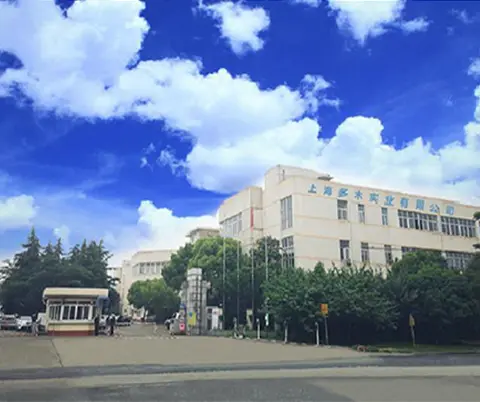
Chile holds a dominant position in the global mining sector, generating a massive volume of the world's copper and lithium exports. From the hyper-arid expanses of the Atacama Desert in Antofagasta and Calama to the marine environments along the coast, machinery is exposed to exceptionally aggressive abrasion mechanisms.
Extreme mineral grinding in primary jaw and cone crushers, slurry transport systems, and ground-engaging bucket teeth demands overlays that combine ductile matrices with high density Tungsten Carbides (WC-Co/Ni).
Wood chipping operations in the Biobío and Araucanía regions subject debarker units, log conveyors, and screw feeders to rapid wood acid corrosion and abrasive organic wear, which PTA Stellite overlays mitigate.
Exposed components in mining ports and salmon farming networks in Puerto Montt face severe seawater splash and slurry erosion. PTA-cladded components prevent premature failure due to chlorine-pitting.
In high-tonnage mining operations, downtime is calculated in tens of thousands of USD per hour. Relying solely on replacing worn components imports significant logistics delays and increases shipping expenses to remote Chilean sites. PTA cladding offers a superior lifecycle ROI by enabling structural remanufacturing. In many instances, a cladded part features 3 to 5 times the operational lifespan of the original OEM parts, while costing only a fraction of the price of brand-new replacements.
Understanding the metallurgical differences between PTA, Laser Cladding, and Gas Metal Arc Welding (GMAW).
| Performance Parameter | PTA Welding (Plasma Transferred Arc) | Laser Cladding System | GMAW / FCAW Hardfacing |
|---|---|---|---|
| Metallurgical Bond Strength | Excellent (True fusion bond) | Excellent (True fusion bond) | Moderate (High dilution risk) |
| Dilution Rate | Low (3% to 8%) | Ultra-Low (1% to 5%) | High (15% to 30%) |
| Deposit Thickness per Pass | High (1.5mm to 6.0mm) | Low-Medium (0.5mm to 2.0mm) | Very High (> 5.0mm) |
| Powder/Wire Feed Versatility | Excellent (Cobalt, Nickel, Iron-base powders) | Good (Requires specific optical grade sizes) | Limited (Mainly wire spools) |
| Operating System Cost in Chile | Optimal ROI & Lower capital cost | High initial CAPEX & maintenance | Low entry cost, high rework expense |
Shanghai Duomu's PTA cladding and laser processing technologies are implemented across diverse international industries requiring extreme wear protection.

Extending life of soil preparation disks, seed drills, harvester knives, and tillage tools under abrasive friction environments.

High precision overlay for gas turbine blade edges, engine components, landing gear components, and wear rings.

Hardfacing stabilizer ribs, drill pipe segments, valve gates, and subsea pump impellers working under severe friction.
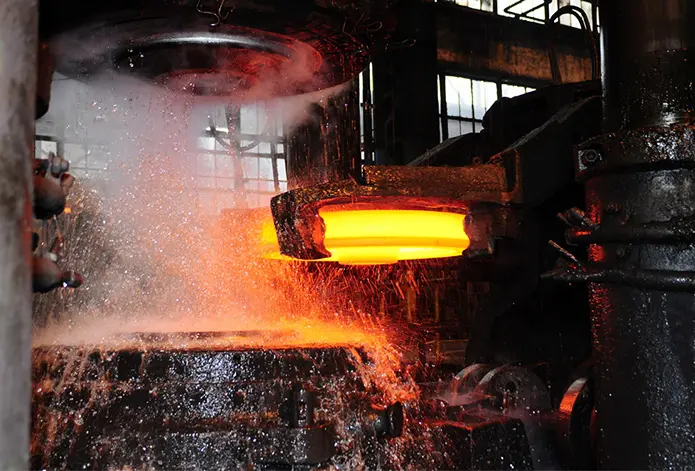
Protecting continuous casting rollers, hot forge dies, extrusion screws, and high temperature furnace charging tools.
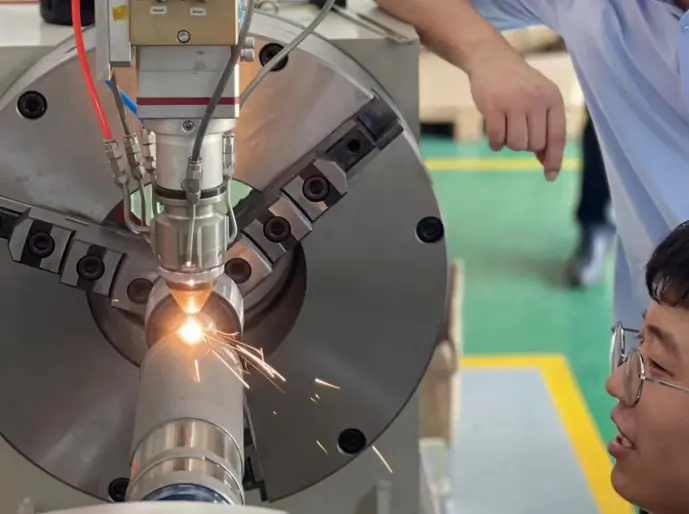
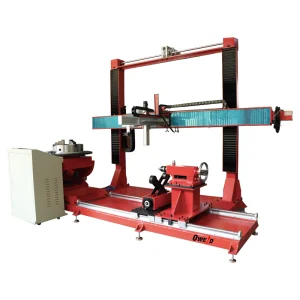
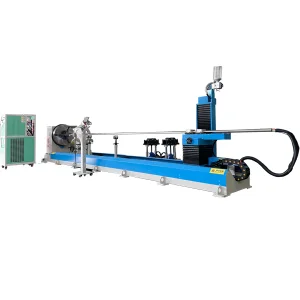
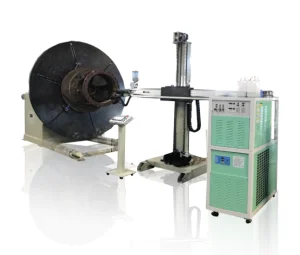
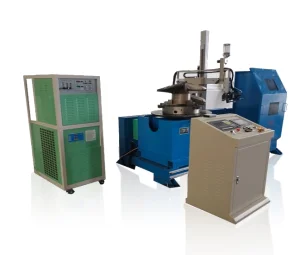
Shanghai Duomu houses an independent research and development laboratory dedicated to plasma process physics, power supply engineering, and alloy chemistry. Our modular PTA welding systems feature highly stable arc ignition and precise powder feed controllers to ensure zero process interruptions during long-duration runs.
Furthermore, the laser cladding equipment we sell supports large-scale industrial remanufacturing. Our mechanical engineers offer fully integrated automation packages—including multiaxial CNC gantries and heavy manipulators—to adapt to complex customer layouts.
Our PTA machines feature digital human-machine interfaces (HMI) for seamless recipe storage, parameter tracking, and real-time gas regulation (Argon/Shielding gas). This enables operators in Chile to maintain consistent cladding quality regardless of shift changes or variable environmental conditions.
Deploying specialized automated setups designed for specific parts like valve surfaces, cylinder shafts, and screw shafts.
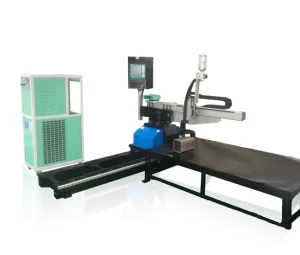
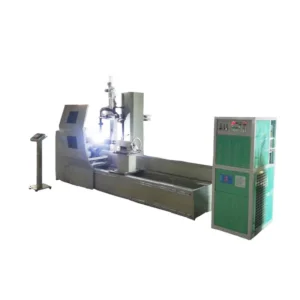
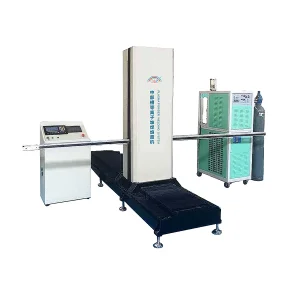
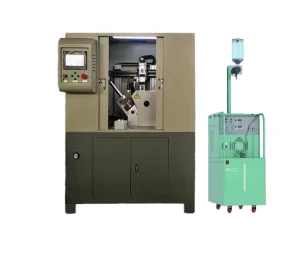
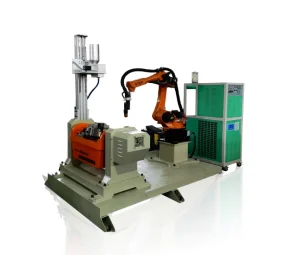
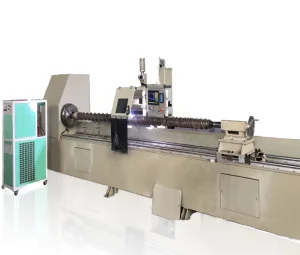
Providing specialized manufacturing equipment for screw shafts, ball valves, and heavy structural assemblies.
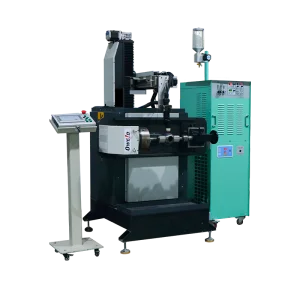
Working in remote areas such as Calama, Copiapó, or the high altitudes of the Andes demands robust hardware and reliable support. Shanghai Duomu provides extensive documentation and commissioning support to match Chilean mining and electrical standards (such as Superintendencia de Electricidad y Combustibles SEC regulations).
Every PTA machine undergoes continuous load testing prior to shipment. Detailed digital test records, process parameter charts, and English/Spanish operating manuals are included to simplify installation. We coordinate with local engineering teams in Santiago or Antofagasta to ensure seamless integration.
A successful hardfacing process requires selecting the appropriate alloy chemistry. Our metallurgy team assists you in matching the base substrate with suitable surfacing alloys:
Deep-dive research papers covering dilution control, conveyor screw hardfacing, and valve sealing surface requirements.
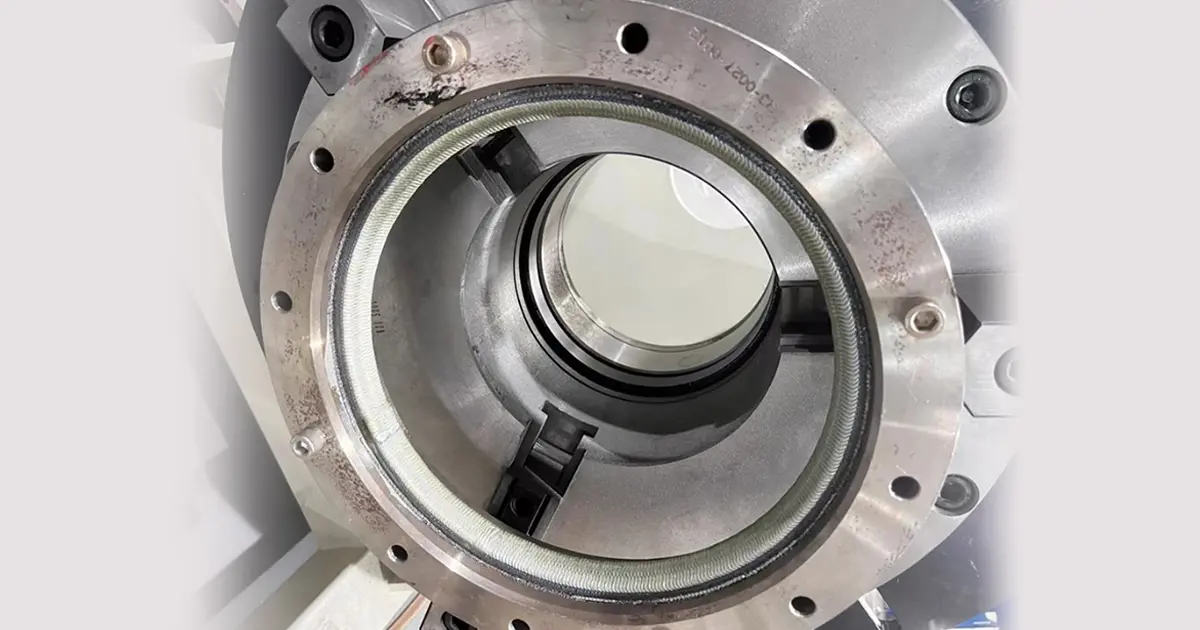
The PTA Welding Valve Application Guide is not just a process choice for valve manufacturers facing high wear, high corrosion, and high-temperature erosion working conditions, but also a key path to improving product competitiveness...
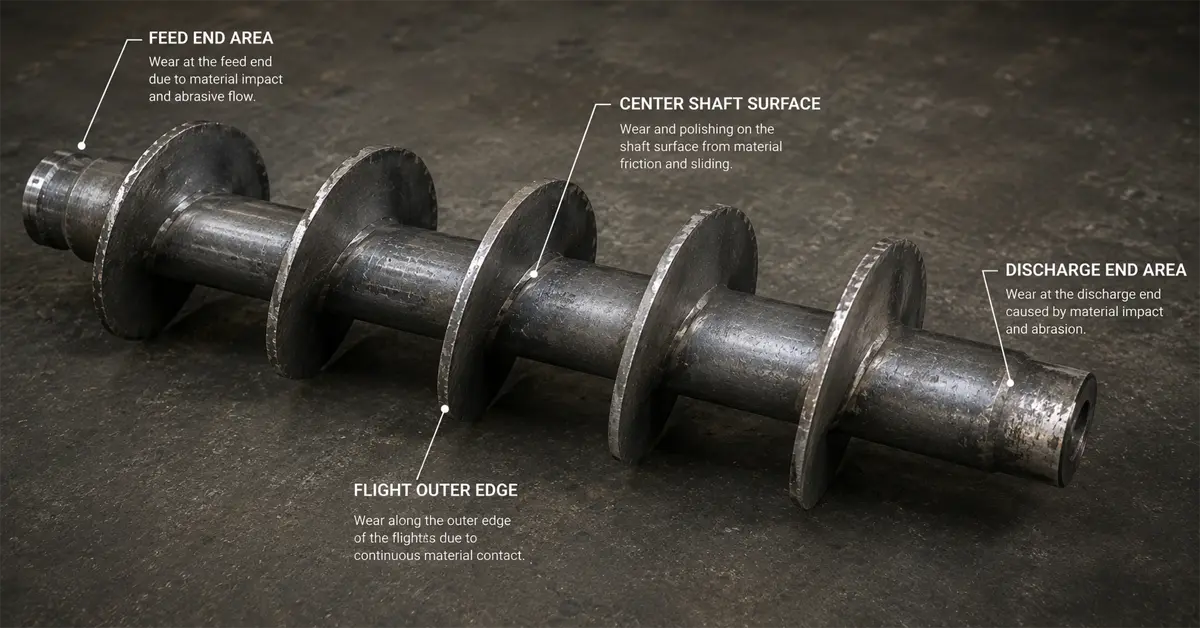
In industries such as mining, cement, power generation, steelmaking, chemical processing, and biomass energy, screw conveyors are often regarded as auxiliary equipment. However, maintenance data shows they are a frequent cause of unplanned shutdowns...
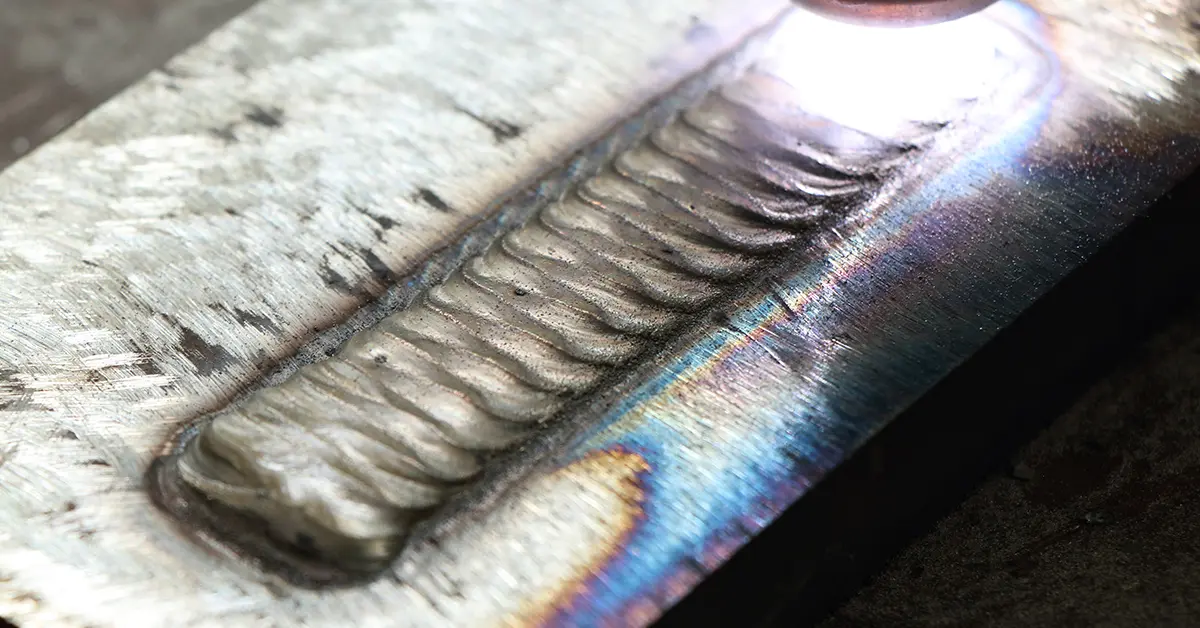
In Plasma Transferred Arc (PTA) hardfacing, achieving a high-quality overlay is not only about selecting the right alloy powder or optimizing welding parameters. One of the most critical factors that directly affects overlay performance is the dilution rate...
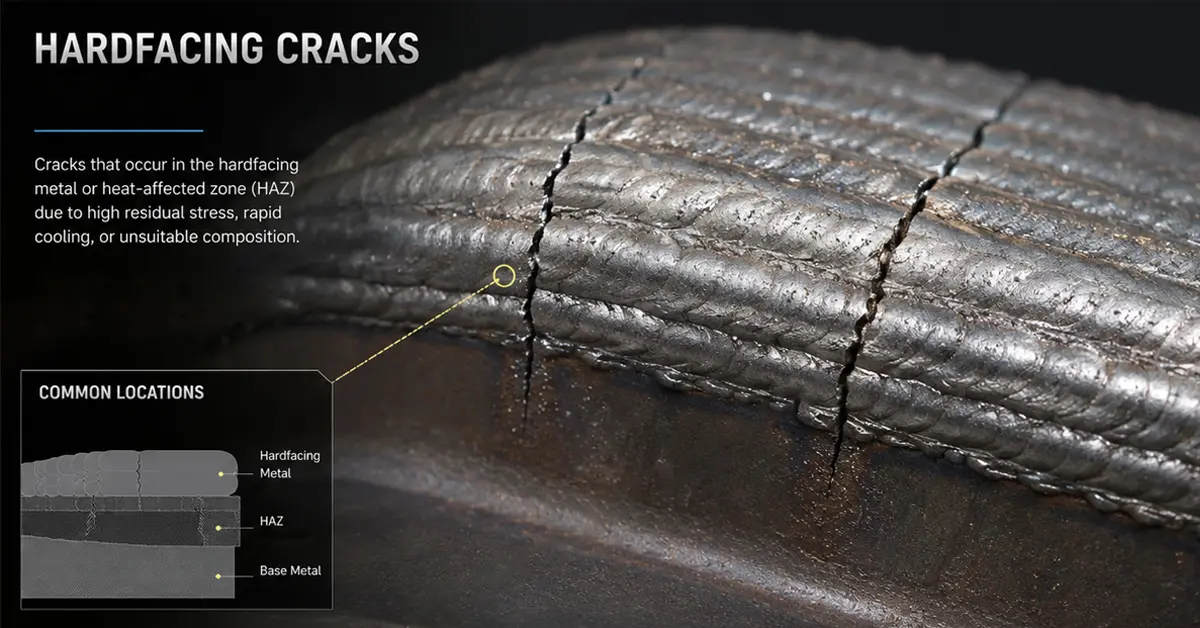
In oil & gas, mining, power generation, and heavy equipment manufacturing, hardfacing is no longer just a repair process. It has become a critical technology directly related to equipment lifespan, downtime costs, and maintenance frequency...
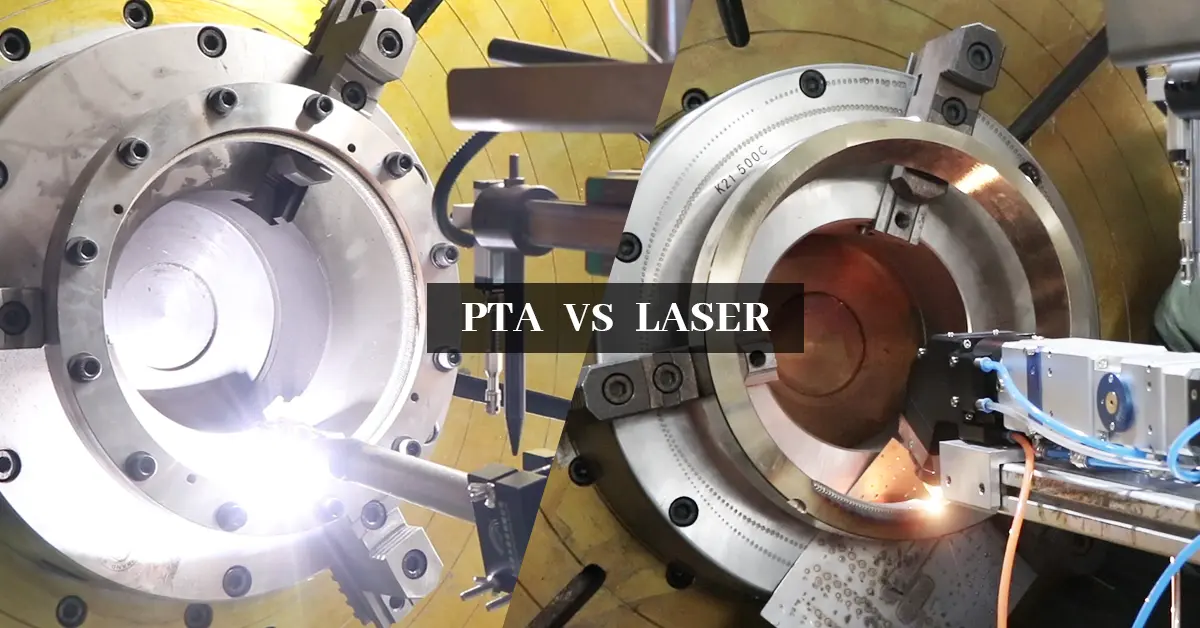
In petrochemical, power generation, mining, and marine engineering, industrial valves are constantly exposed to severe operating conditions including high pressure, extreme temperatures, corrosive media, and sand erosion...
Expert metallurgical and operational answers for engineers and procurement professionals in Chile.
Trusted Globally & In Chile







Submit your component drawings and wear specifications. Our technical department will recommend custom PTA surfacing parameters and match you with the appropriate alloy powders.
 Duomu
Duomu