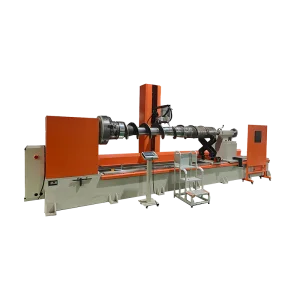
Designed for fully automated spiral and screw flight surfacing, providing exceptionally uniform deposit thickness and minimized dilution.
View Specifications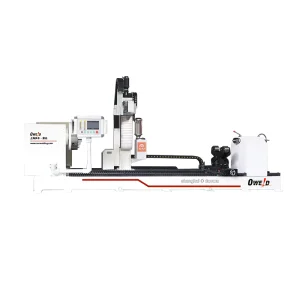
Dual-process system optimized for heavy-duty shaft repair, hydraulic rod cladding, and restoration of large cylindrical components.
View Specifications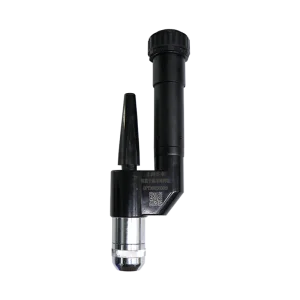
Proprietary high-efficiency plasma torch built for stable arc ignition, high powder feed accuracy, and long-term continuous operation.
View Specifications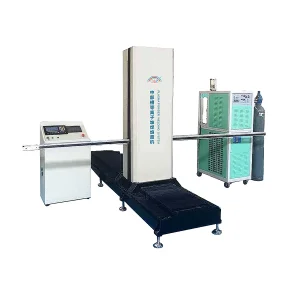
Tailored for middle groove reconstruction and conveyor components, featuring high-duty cycle automation for high-volume manufacturing.
View Specifications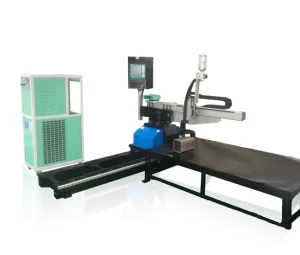
Heavy duty cantilever system offering expansive physical envelope coordinates for processing oversized or highly irregular geometries.
View Specifications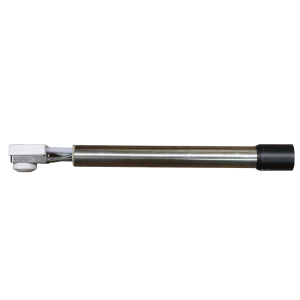
Specialized narrow-groove inner bore cladding torch, enabling consistent metallurgical overlays inside deep cylinders and pipes.
View Specifications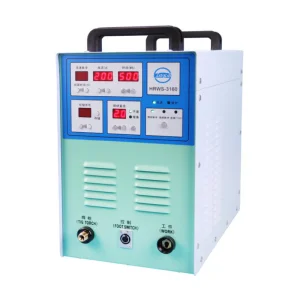
Engineered for high-accuracy localized micro-defects correction on dies, molds, tool steels, and precision aerospace components.
View Specifications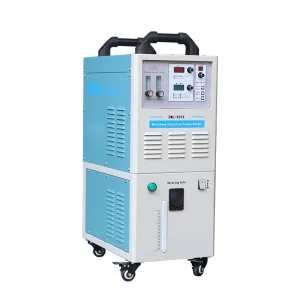
Delivers exceptionally low-amp stable plasma arcs for ultra-thin plates and micro-diameter cladding without burning through the base metal.
View SpecificationsSurface engineering has transitioned from passive protection coatings to advanced metallurgical alloying. As a leading China cladding process manufacturer, Shanghai Duomu leverages both Plasma Transferred Arc (PTA) and High-Energy Laser Cladding processes to modify and restore critical industrial equipment.
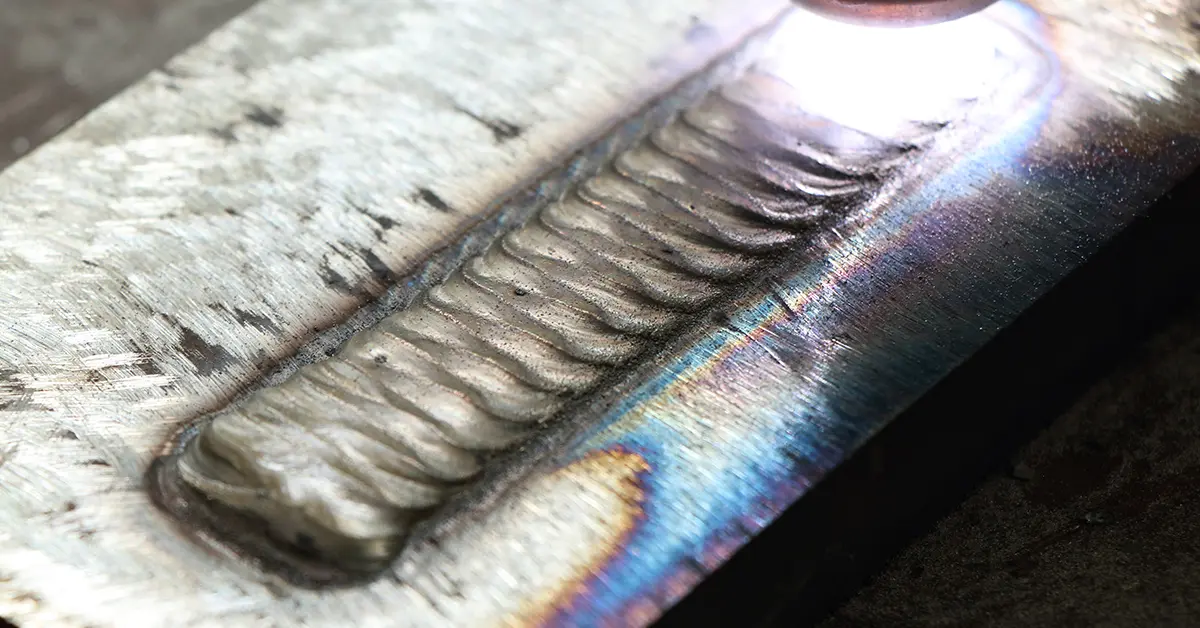
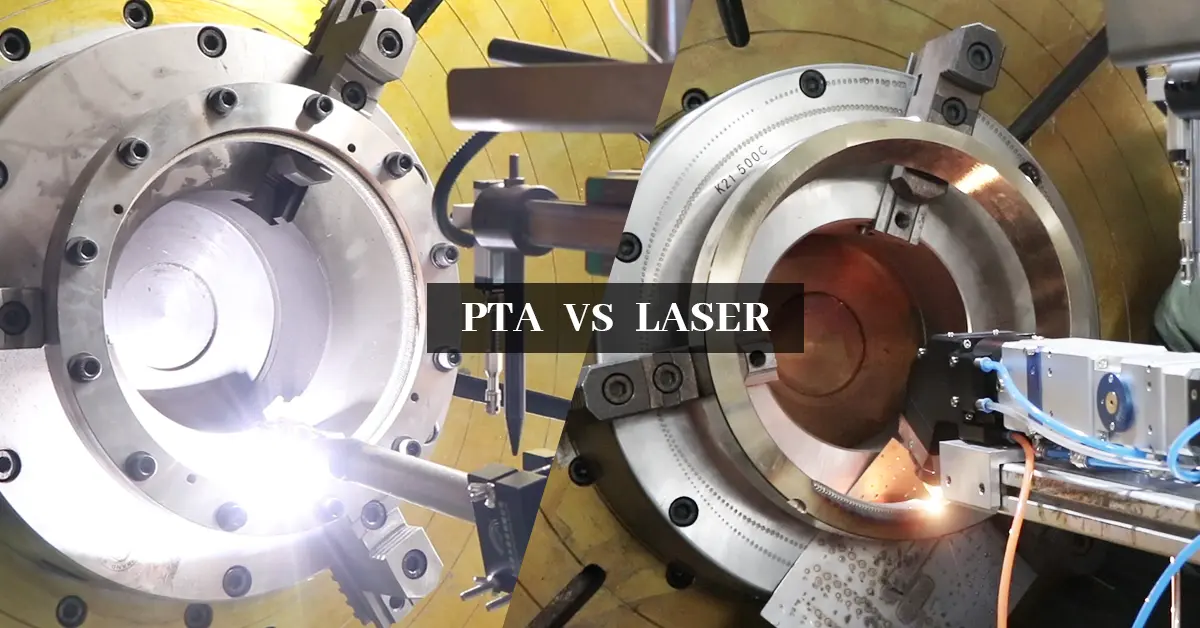
Plasma Transferred Arc (PTA) Hardfacing: The PTA process utilizes a collimated, highly focused arc of thermal plasma to melt both the surface of the base substrate and the injected alloy powder (e.g., cobalt, nickel, or iron-based alloys with embedded tungsten carbide). By generating temperatures up to 20,000°C, PTA guarantees a dense, metallurgically bonded coating with dilution rates easily maintained between 3% and 8%.
Laser Cladding Technology: For operations demanding absolute minimal thermal distortion, laser cladding utilizes a coherent, concentrated optical heat source to melt dynamic powder flows. This delivers an extremely narrow Heat Affected Zone (HAZ), reducing substrate dilution to below 3% while optimizing the crystallization structure of the overlay.
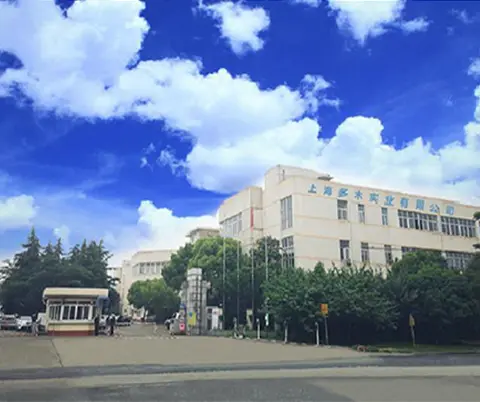
Global heavy industries rely on Chinese cladding process manufacturers not just for cost efficiency, but for complete end-to-end industrial ecosystem integration. In Shanghai, we integrate raw chemical precursor processing, fine metallurgy powder synthesis, complex multi-axis robotic kinetics, and advanced laser optics under a single domestic standard. This results in significant capital advantages for international buyers:
Our integrated value chain provides high-output automated cladding systems at a fraction of the cost of Western counterparts, allowing for faster ROI on component rebuilds.
With localized assembly lines for plasma generators, powder feeders, and cooling manifolds, customized physical envelopes are manufactured and shipped rapidly.
Systems are engineered and tested in accordance with international welding and metallurgical frameworks including ASTM G65, AWS D14.1, and ASME Section IX.
From deep-earth excavation to low-Earth orbit, our surface modification systems provide critical resistance to wear, erosion, corrosion, and extreme thermal conditions.



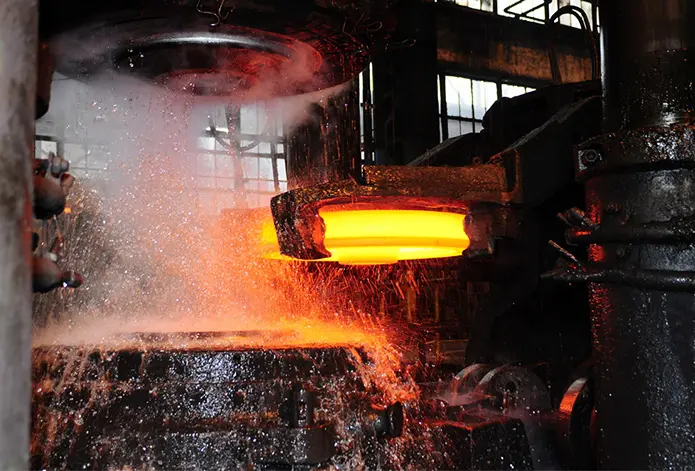
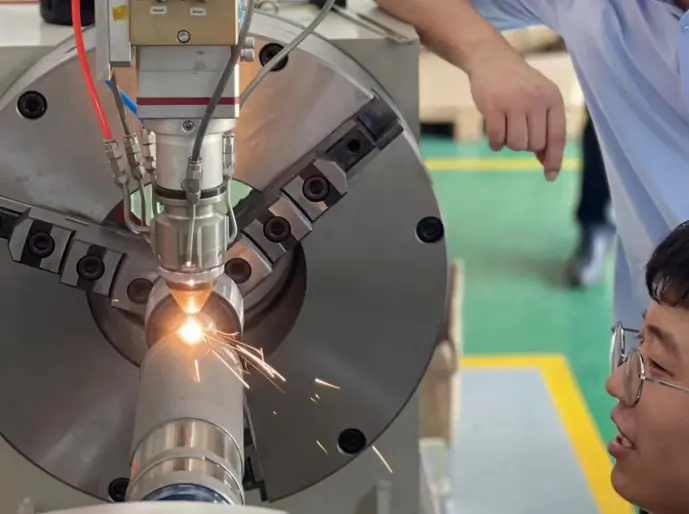
Shanghai Duomu maintains a dedicated research and development wing focused on resolving the real-world manufacturing limits of hardfacing. Our engineering team designs, fabricates, and programmatically tunes PTA cladding machinery, robotic workstations, and high-intensity industrial lasers.
Every manufacturing project has its own thermal distortion boundaries and geometrical challenges. Our custom systems, such as the DYY-LC501 Hydraulic Rod Automatic Cladding Machine and the DQF-LC602 Ball Valve Automated Welding Equipment, utilize closed-loop feedback monitors. This ensures consistency in powder feed, gas shielding envelope, and arc stability, enabling high-performance operation over long manufacturing cycles.
We provide complete turnkey packages: from the design of bespoke narrow-groove inner bore torches to fully automated multi-axis robot integration, ensuring high-quality metallurgical repair for complex workpieces.
Specially developed for demanding industries such as mining pick cladding, valve hardfacing, hydraulic ram rebuilding, and turbine blade rebuilding.
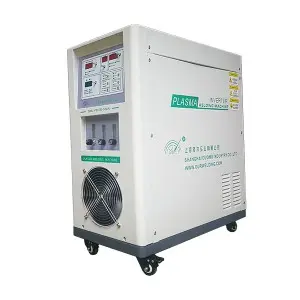
Highly automated plasma surfacing unit optimized for anti-wear and corrosion-resistant alloy applications on structural workpieces.
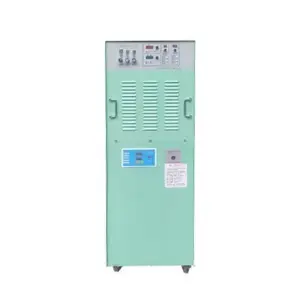
Compact, multi-process cabinet integrating gas regulation, cooling cycle, power source, and programmable controller.
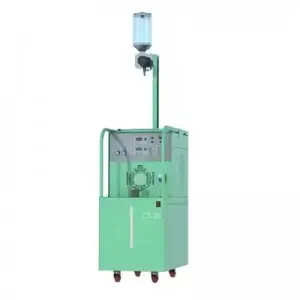
Industrial workhorse built for the deposition of high-performance nickel and cobalt alloys on diverse carbon steel bases.
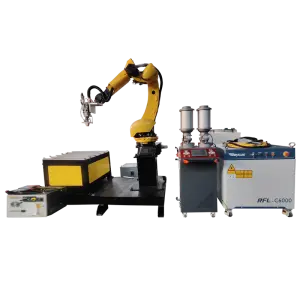
Micro-heat input laser deposition system designed specifically for gas turbine blades and thin impeller wear repair.
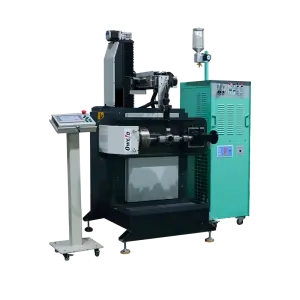
Specialized automated rotating chuck and multi-axis torch path system for spherical ball valve hardfacing overlays.
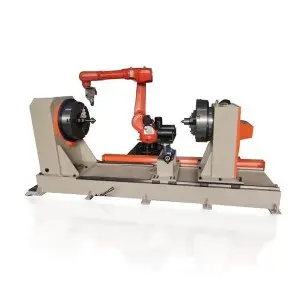
Articulated robotic arm configured with high-intensity laser scanners to rapidly harden high-wear gear profiles and dies.
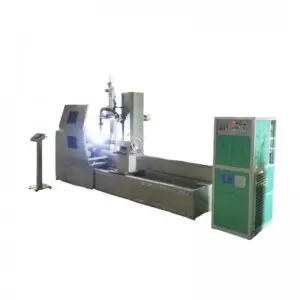
Engineered for high-rate continuous deposition of protective coatings on long hydraulic shafts and piston cylinder rods.
"The PTA Welding Valve Application Guide is not just a process choice for valve manufacturers facing high wear, high corrosion, and high-temperature erosion working conditions, but also a key path to improving product competitiveness. As industries such as petrochemical, power generation, and marine engineering demand longer component life, our automated PTA overlays provide a reliable metallurgical barrier."
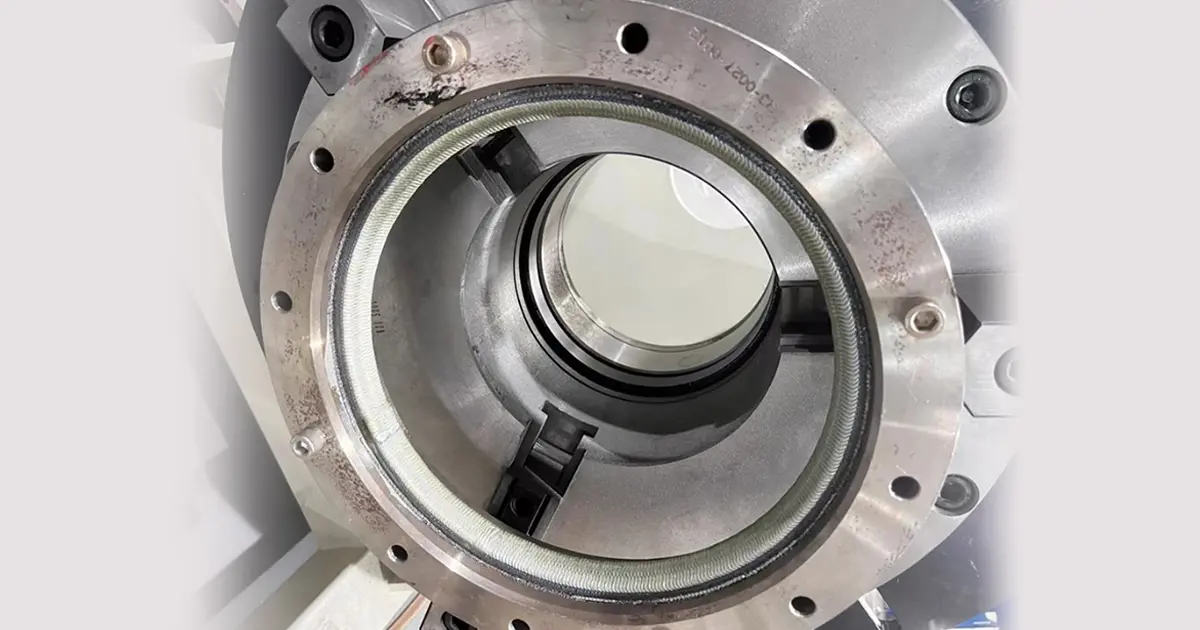
Petrochemical & Marine Engineering
"In industries such as mining, cement, power generation, steelmaking, chemical processing, and biomass energy, screw conveyors are often regarded as auxiliary equipment. However, maintenance data shows that they are among the most frequent causes of unplanned production downtime. Applying specialized PTA hardfacing to screw flights prevents premature failure."
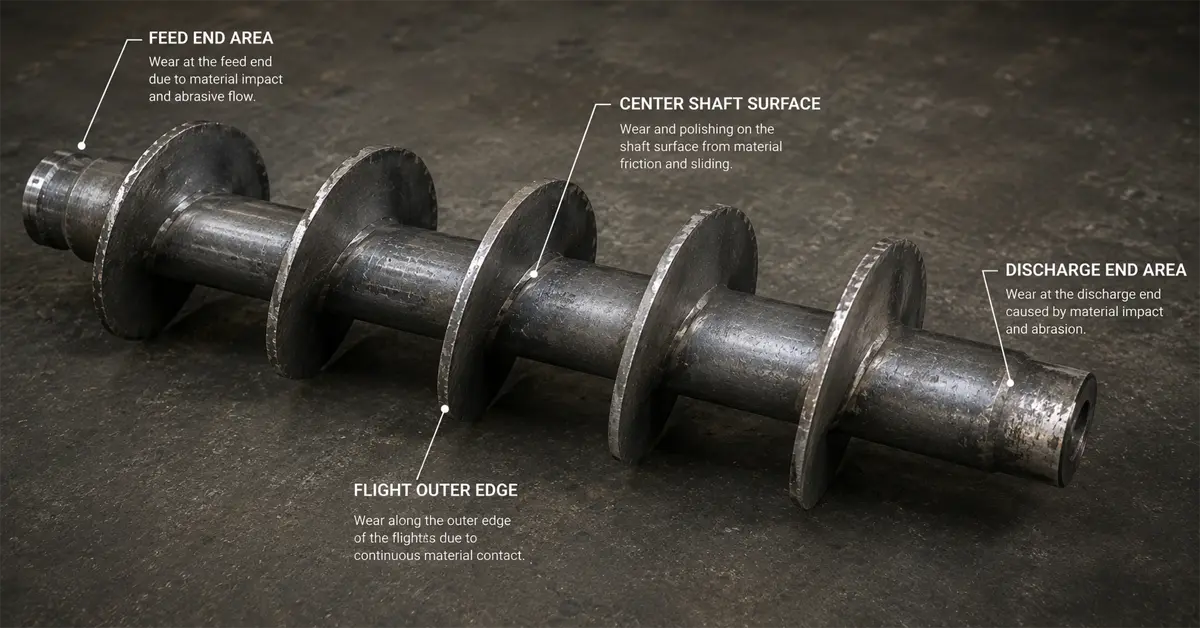
Bulk Handling & Heavy Industry
"In Plasma Transferred Arc (PTA) hardfacing, achieving a high-quality overlay is not only about selecting the right alloy powder or optimizing welding parameters. One of the most critical factors that directly affects overlay performance is the dilution rate. Controlling internal chemistry mix ensures that the hard phases, like tungsten carbides, retain their properties."
Applied Metallurgy Research
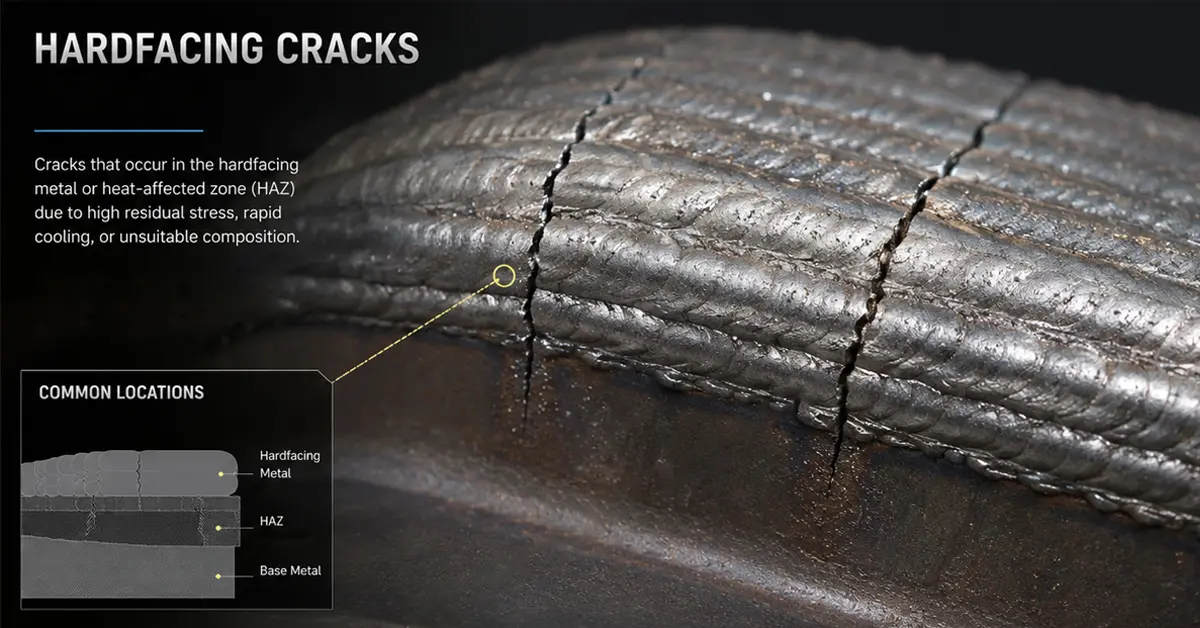
"In industries such as Oil & Gas, Mining, Power Generation, Cement, and Heavy Equipment Manufacturing, hardfacing is no longer just a repair process. It has become a critical technology directly related to equipment lifespan, downtime costs, maintenance frequency, and process efficiency. With proper automation, cladding can triple the operation lifespan of core shafts and seals."
Heavy Machinery Rebuilding
"In industries such as oil & gas, petrochemical, power generation, mining, and marine engineering, industrial valves are constantly exposed to severe operating conditions including: High pressure, Extreme temperatures, Corrosive media, Abrasive wear, and Sand erosion. Using multi-axis CNC cladding systems provides a reliable surface layer."
Industrial Valve Manufacturing
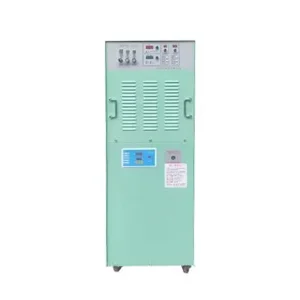
An integrated, multi-process workstation supporting micro-deposition and fast powder adjustments for precision molds.
View Specifications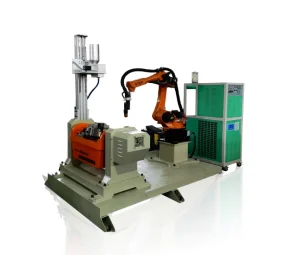
Features 6-axis articulation for complex 3D contour cladding, ensuring consistent deposit geometry and high repetition accuracy.
View Specifications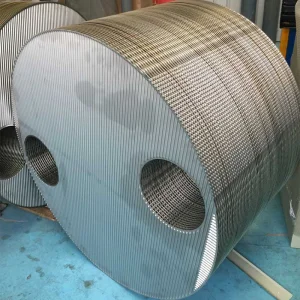
Specialized system designed for thin-plate diaphragm welding, ensuring minimal thermal distortion and hermetic seal integrity.
View Specifications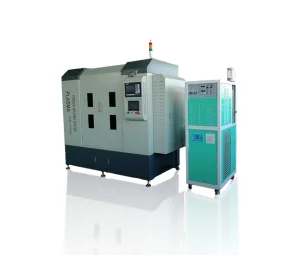
Purpose-built for road headers and coal cutter picks, enabling fast wear-resistant alloy ring deposition.
View Specifications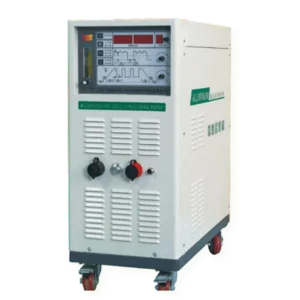
Heavy-duty AC/DC square wave TIG welder designed for oxide cleaning and clean welds on thick aluminum structural parts.
View Specifications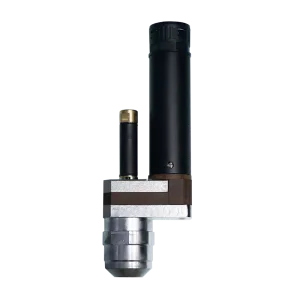
Designed for heavy deposition welding, featuring advanced dual-shield gas configurations and cooling channels.
View Specifications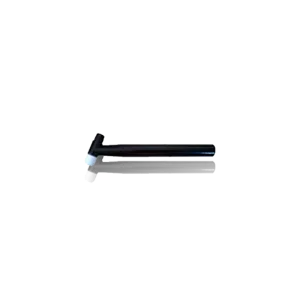
A compact, air/water-cooled plasma torch optimized for precision manual and semi-automated surface surfacing operations.
View Specifications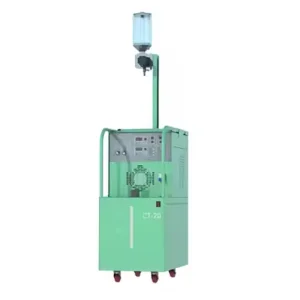
Features optimized gas control modules and precise powder delivery feeders to ensure uniform coatings.
View SpecificationsFind answers to common technical queries about the cladding process, alloy selection, and automation systems.
Laser Cladding uses a coherent laser beam as the heat source. It features an extremely small heat-affected zone (HAZ), low thermal distortion, and a very low dilution rate (typically <3%). It is ideal for high-precision components like turbine blades and hydraulic rods.
PTA Cladding uses a plasma arc gas discharge. While its dilution rate is slightly higher (3% to 8%), it offers high deposition rates (often >8 kg/h), making it a highly cost-effective choice for thick-layer overlays on heavy equipment like mining picks, valves, and screw conveyors.
Dilution control is managed through the precise coordination of: (1) current density, (2) powder feed speed, and (3) travel speed. Our systems utilize closed-loop CNC controls that adjust the voltage and current dynamically during the cladding cycle, ensuring stable deposition with minimal substrate melting.
The powder selection depends heavily on the specific wear mechanism:
Yes. Shanghai Duomu designs torches and powder feed units with universal industrial interfaces. Our systems can be integrated with 6-axis robots (such as ABB, Fanuc, or Kuka) and CNC positioning systems to allow for complex 3D surface tracking on asymmetrical workpieces.
Our cladding equipment is designed to comply with international manufacturing standards, including CE certification. For welded products, we assist clients in validating procedures in accordance with ASME Section IX (QW) and AWS D14.1, and verify surface performance using standard tests like ASTM G65 (abrasive wear testing) and liquid penetrant inspection (LPI).







Get in touch with Shanghai Duomu's technical department. We will provide detailed system proposals, application compatibility testing, and a pricing quote within 24 hours.
Submit Technical Inquiry Duomu
Duomu