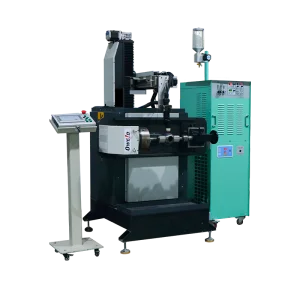
Explore our premium machinery developed for high-precision metallurgical bonding, surface modification, and mechanical restoration.
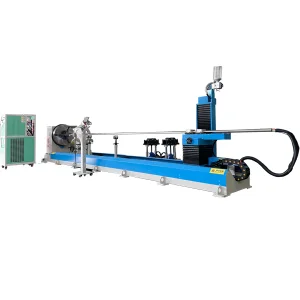
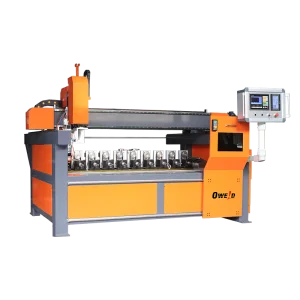
The term Tig Kaynağı refers to Tungsten Inert Gas (TIG) welding, a cornerstone process in high-precision manufacturing. In recent years, global industrial demands for enhanced wear resistance and component durability have driven a technological shift. Traditional TIG manual welding has evolved into highly automated processes, notably Plasma Transferred Arc (PTA) and Laser Cladding.
For industrial operations facing extreme environments—such as drilling tools, hydraulic rods, and injection molding machinery—standard welding is no longer sufficient. Modern surface modification methods demand low dilution rates, minimal heat-affected zones (HAZ), and superior metallurgical bonding. This is where advanced China manufacturing and automated systems change the industry standards.
How international industrial shifts are defining the need for high-end cladding technology.
Traditional manual Tig Kaynağı is increasingly replaced by Plasma Transferred Arc (PTA) cladding. PTA offers a higher energy density, allowing faster deposition rates of carbide-rich powders while maintaining dilution under 5%. This transition minimizes material waste and ensures optimal surface properties.
Global heavy industries require high-quality surface integrity. Robotic integration in plasma cladding systems guarantees absolute consistency. Automated solutions eliminate operator error, providing a level of quality and uniformity that manual processes simply cannot achieve.
Valves, oil well casings, drilling stabilizers, and marine equipment require specific metallurgical enhancements. China's Industry 4.0 factories supply robust equipment configured to apply complex superalloys, Stellite, and Tungsten Carbide matrices efficiently.
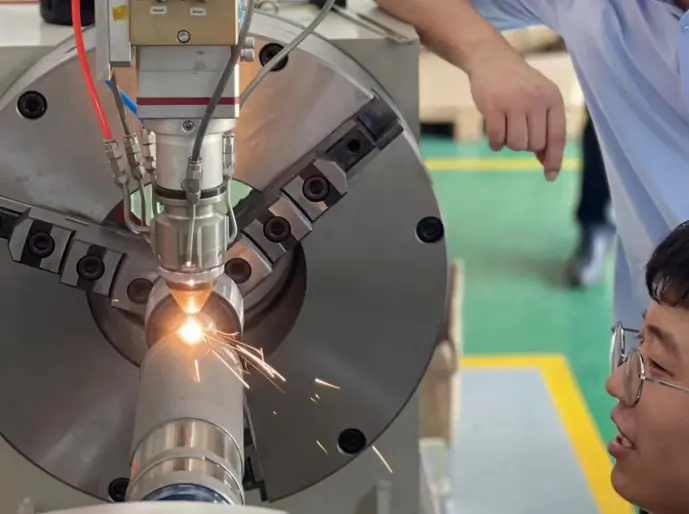
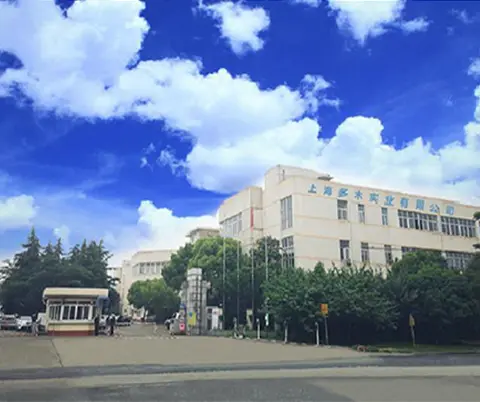
At Shanghai Duomu, we integrate advanced mechanical engineering with AI-assisted software control systems to provide turn-key industrial solutions. As a trusted China Tig Kaynağı and Cladding Factory, our independent R&D team supports complex industrial projects from design to implementation.
Our capabilities enable the rapid customization of plasma cladding and laser hardening systems. By manufacturing crucial components in-house, we control costs and protect project timelines from global supply chain disruptions. This structure allows us to offer scalable solutions, from small benchtop units to multi-axis robotic cladding centers.
Whether you require customized automated plasma welding for industrial valves or heavy-duty gantry laser systems for mining equipment, our machines are designed to withstand continuous production demands.
Our products are engineered for high-demand industries requiring wear resistance and structural integrity.
Extending the lifespan of wear blades, tillers, and shredder teeth through carbide hardfacing.
Delivering precision heat control for critical titanium alloy repairs and defense components.
Protecting drill pipes, stabilizers, and valves from extreme friction and chemical corrosion.
Extending the operational life of continuous casting rollers, guides, and high-temp extrusion dies.
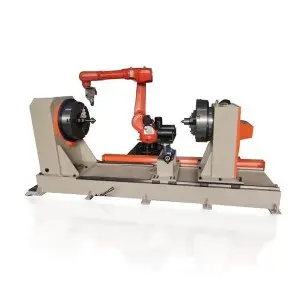
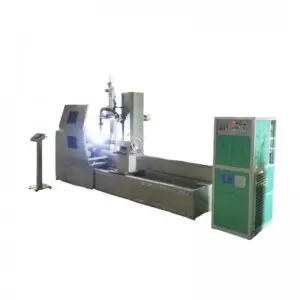
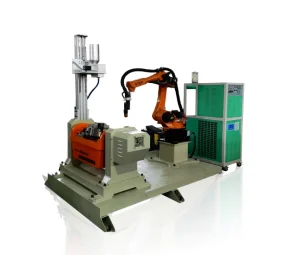
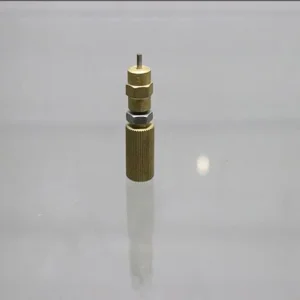
A specialized range of automated plasma cladding, laser hardening, and surfacing systems.
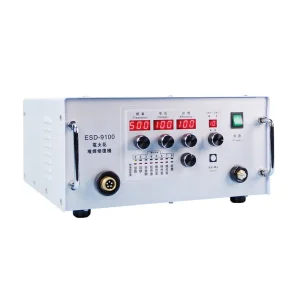
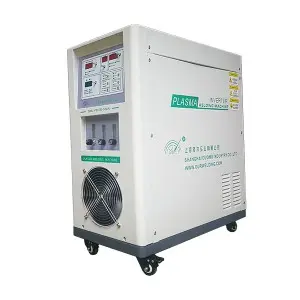
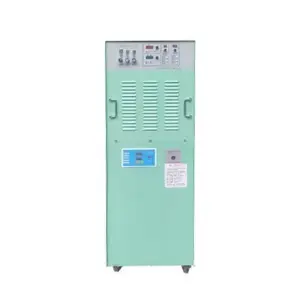
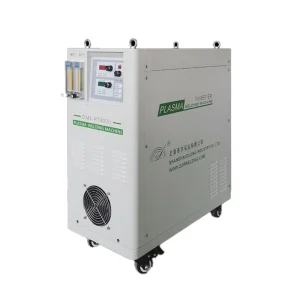
High-efficiency PTA deposition system featuring a closed-loop controller for precise powder flow and current management.
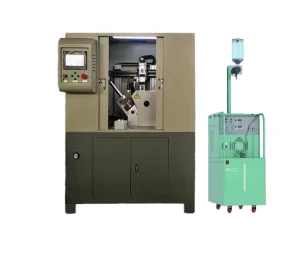
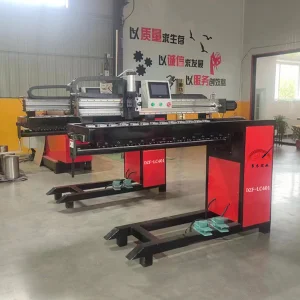
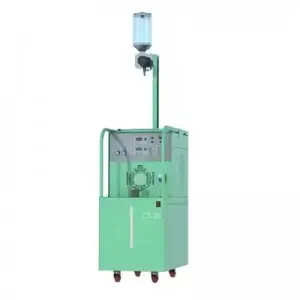
A comprehensive design combining powder feeding, torch manipulation, and parameter control into a single robust station.
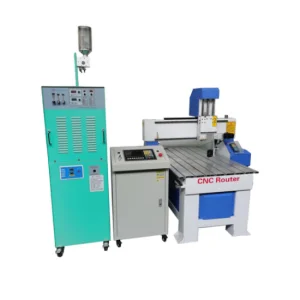
Configurable system built for wear-resistant cladding of small-to-medium industrial components.
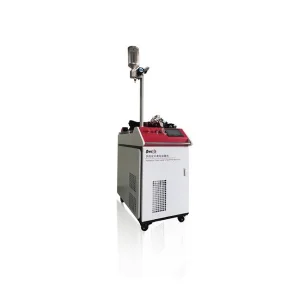
High-precision optical cladding designed for turbine blade restoration and aerospace applications.
Specialized multi-axis machinery built specifically for sealing surface cladding on industrial valves.
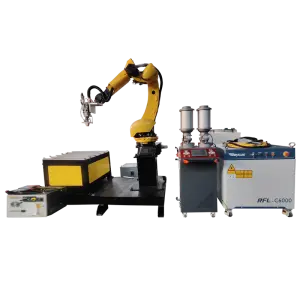
Articulated robot system designed to handle complex surfaces, delivering precise local hardening without quenching media.
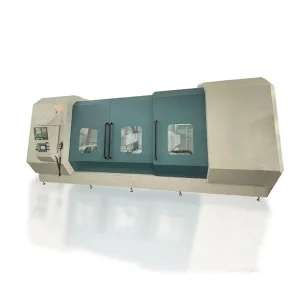
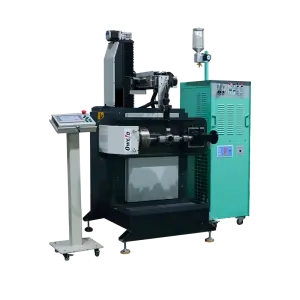
Heavy-duty cylinder lathe integration for continuous protective surfacing of hydraulic shafts.
In-depth insights, case studies, and engineering guidelines from real industrial scenarios.
"The PTA Welding Valve Application Guide is not just a process choice for valve manufacturers facing high wear, high corrosion, and high-temperature erosion working conditions, but also a key path to improving product competitiveness. As industries such as petrochemical demand tighter tolerances, our automated overlays provide the required performance stability."
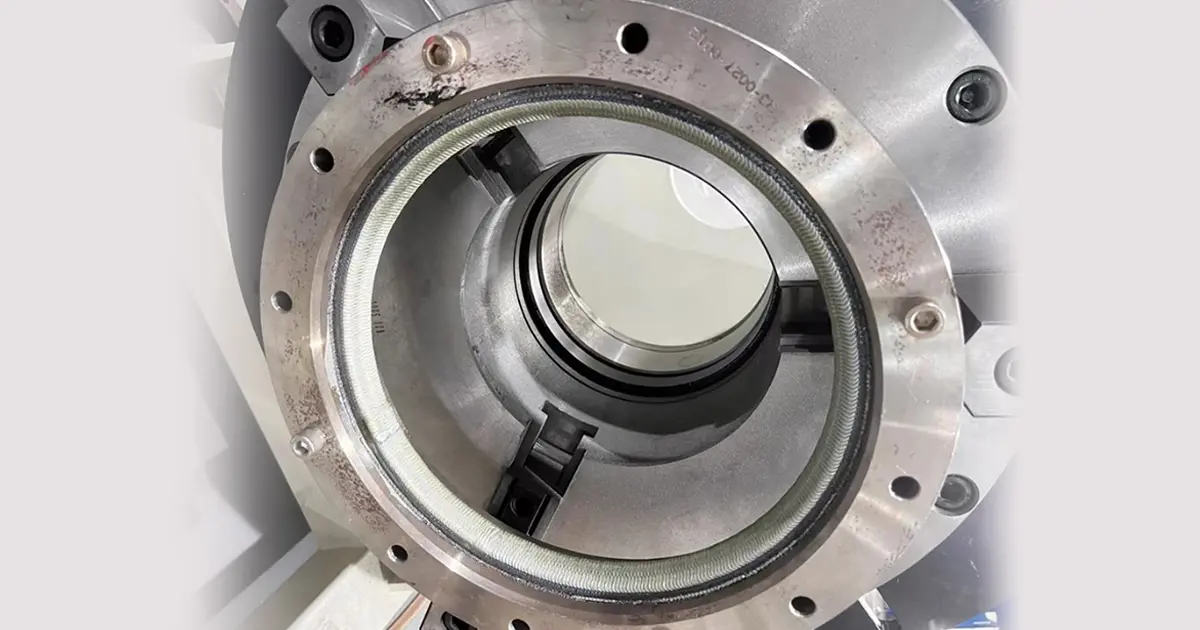
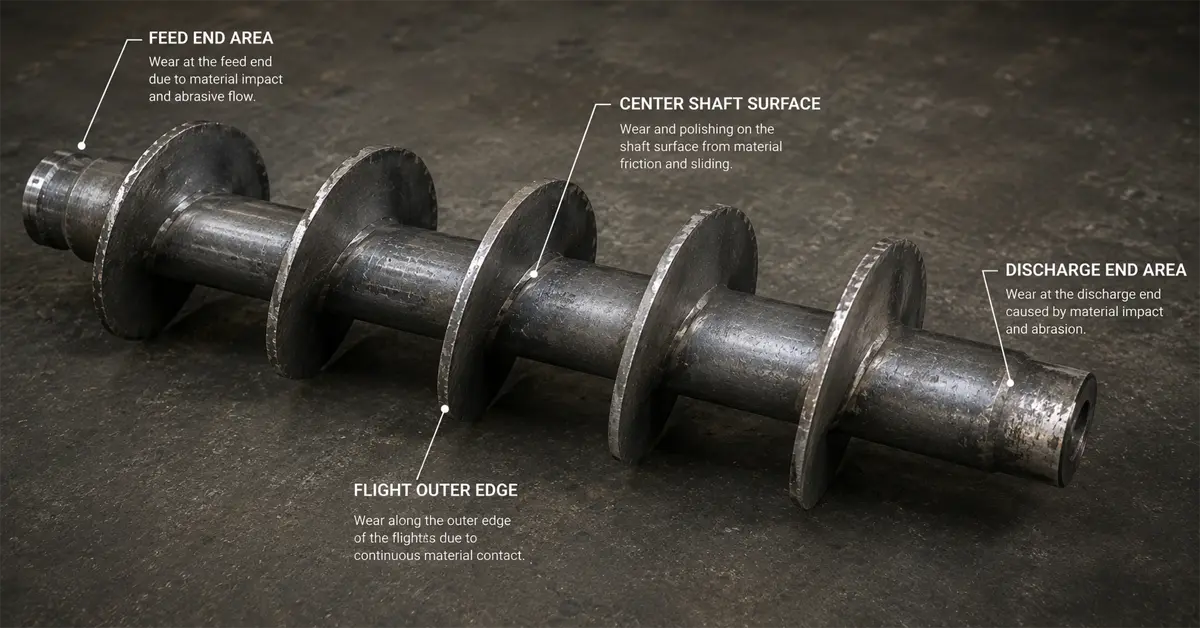
"In mining, cement, and steelmaking, screw conveyors face heavy abrasion. Maintenance data shows that they are among the most frequent causes of unplanned production delays. Automated hardfacing significantly reduces downtime by extending shaft and flight operational lifespan."
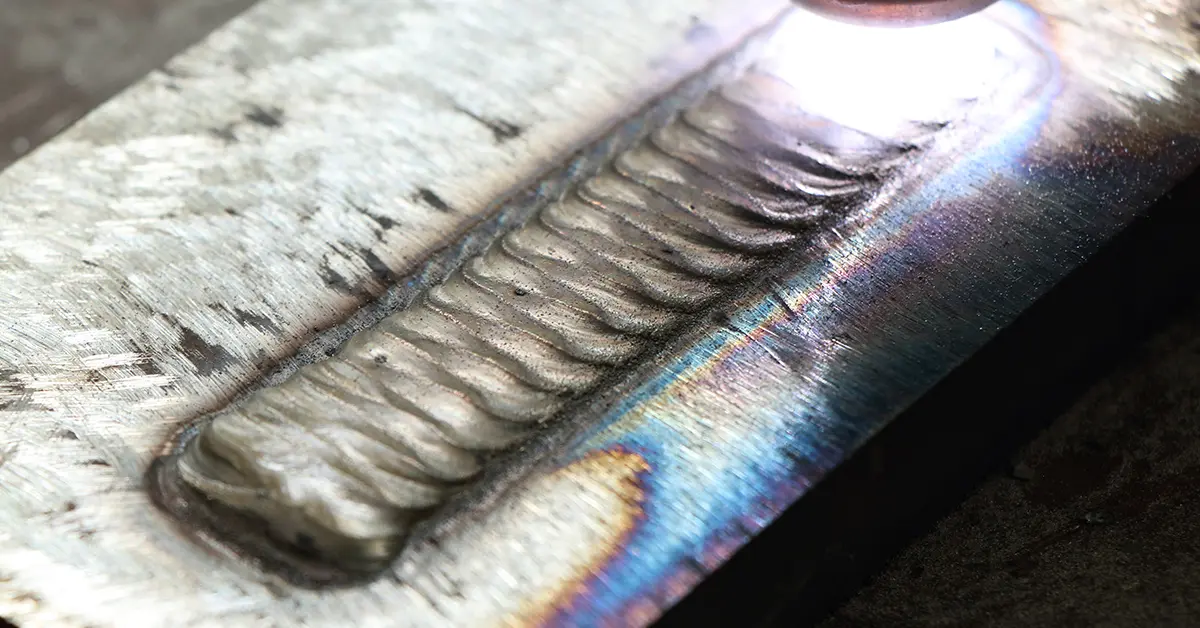
"In Plasma Transferred Arc (PTA) hardfacing, achieving a high-quality overlay depends on managing dilution rates. One of the most critical factors is maintaining strong metallurgical bonding without contaminating the surfacing alloy with substrate elements."
Trusted and Compatible with Industry Leaders





Detailed technical answers to key questions about surface engineering, material deposition, and equipment selection.
Tig Kaynağı (TIG Welding) uses a non-consumable tungsten electrode and gas shielding to create an arc, requiring manually fed wire rods. PTA (Plasma Transferred Arc) uses a constricted arc inside a copper nozzle, introducing alloy powders directly through the gas stream. This provides a highly concentrated heat source, lower dilution rates, and a significantly higher deposition rate suitable for automation.
Dilution rate defines the mixing of the base metal (substrate) with the applied surfacing alloy. A high dilution rate compromises the properties of the wear layer. PTA cladding maintains dilution below 5%, ensuring that the wear-resistant properties of Stellite, Tungsten Carbide, or Nickel-based alloys remain intact in a single layer.
Laser Cladding is preferred when minimizing part distortion and thermal stress is critical. Laser cladding has an extremely low heat input, a very small heat-affected zone, and offers high precision. PTA cladding is typically chosen when thicker wear coatings (over 1.5-2.0mm) and high deposition rates are required at a lower operational cost.
Yes. We specialize in turn-key systems. According to specific workpiece requirements, we provide customized equipment, automatic laser cladding setups, automatic plasma cladding machines, and multi-axis robot integration (e.g., for hydraulic rods, mining picks, and ball valves).
Explore our highly integrated automatic plasma robotic cells and portable cladding solutions.
Need customized hardfacing parameters, product integration plans, or a price list? Leave your details below and our team will contact you within 24 hours.
 Duomu
Duomu