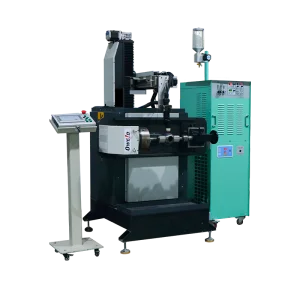
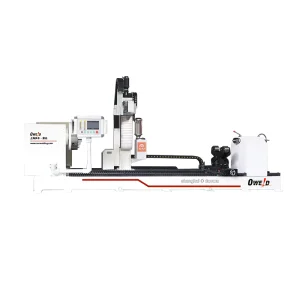
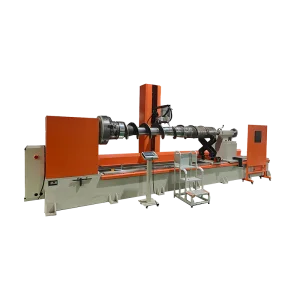
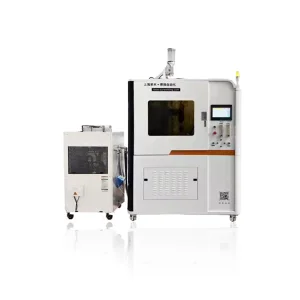
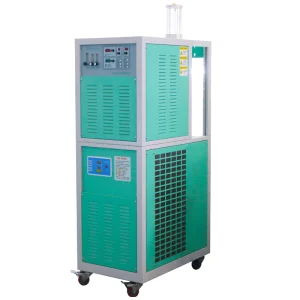
Explore our premium automated and precision manufacturing equipment engineered for extreme environment operations.
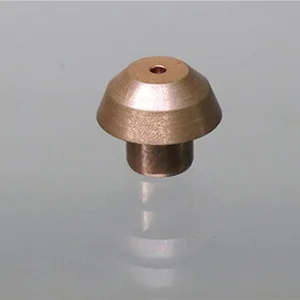
An executive guide to understanding process attributes, shielding gas chemistries, and structural integrity parameters.
In modern industrial fabrication, selecting the appropriate fusion welding method directly determines project feasibility, throughput capacity, and final joint integrity. The primary discussion often centers on TIG (Tungsten Inert Gas) versus MAG (Metal Active Gas) welding processes—known as GTAW (Gas Tungsten Arc Welding) and GMAW (Gas Metal Arc Welding) under international standards. For global procurement officers and precision engineers sourcing machinery from China, clarifying the distinction (Tig Mag 違い) is critical to building a robust manufacturing strategy.
The root difference lies in the nature of the electrode and the chemistry of the shielding gas. TIG utilizes a non-consumable tungsten electrode to strike an arc, requiring a separate filler metal input, typically shielded by 100% pure inert gases like Argon. In contrast, MAG welding relies on a continuous, automatically fed consumable wire electrode, using an active gas mixture (often Argon combined with Carbon Dioxide or Oxygen) to stabilize the arc and facilitate deep weld penetration through chemical ionization.
| Technical Dimension | TIG (Tungsten Inert Gas) | MAG (Metal Active Gas) |
|---|---|---|
| Electrode Characteristics | Non-consumable tungsten electrode; separate filler wire addition required. | Consumable wire electrode fed automatically through the torch spool system. |
| Shielding Gas Makeup | 100% Pure Inert Gas (Argon, Helium, or specialized mixes). | Active Gas Mixes (e.g., 80% Argon + 20% CO₂; Ar + O₂). |
| Deposition Rate & Speed | Relatively low deposition rates; suited for high precision, slower travel. | Exceptional deposition efficiency; ideal for automated, high-speed lines. |
| Heat-Affected Zone (HAZ) | Highly concentrated, narrow, and precise heat input. | Broader heat profile; high penetration capabilities. |
| Spatter & Post-Weld Cleanup | Zero spatter; pristine, cosmetically superior bead surface. | Moderate spatter; post-weld slag or spatter removal is often required. |
| Key Applications | Thin sheet metal, aerospace alloys, backing passes for heavy pipework. | Structural carbon steels, heavy agricultural machinery, industrial structural framing. |
The addition of active components (CO₂ or O₂) in MAG welding changes the surface tension of the molten weld pool, enabling a lower viscosity drop transfer. TIG, by operating under purely inert conditions, avoids any oxidation, making it the default choice for reactive metals such as titanium, high-alloy stainless steel, and nickel base superalloys. Modern developments by China manufacturers now integrate these fundamental gas control concepts into advanced hybrid systems like Plasma Transferred Arc (PTA) and Laser Cladding, bridging the gap between precision and speed.
At present, the company's products have penetrated into many fields such as aerospace military industry, nuclear power, petrochemical industry, coal mines, metallurgy and forging, agriculture, water conservancy and electric power, etc.


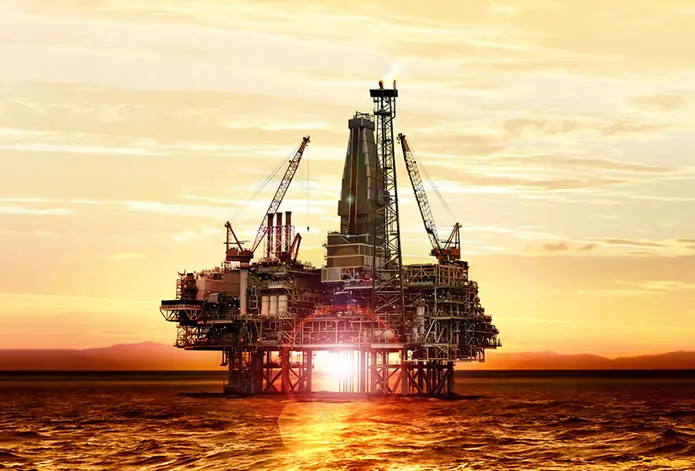
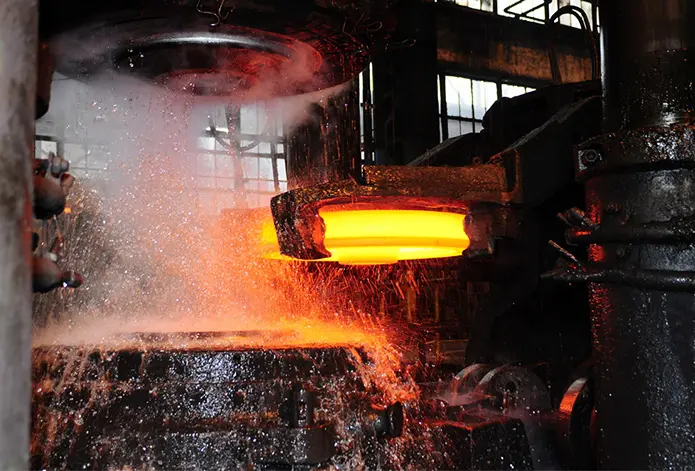
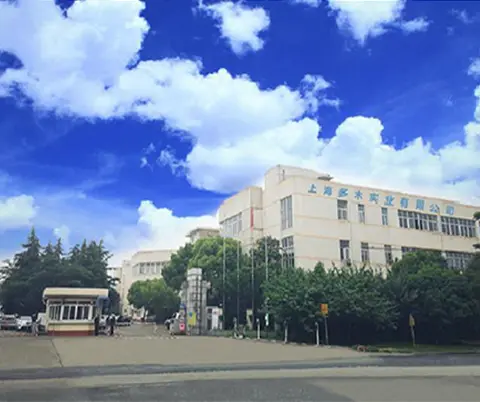
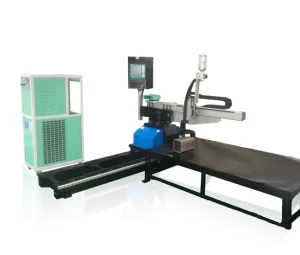
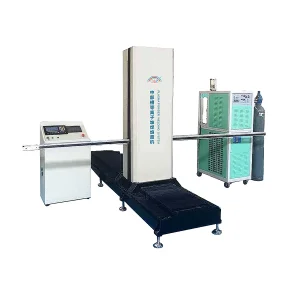
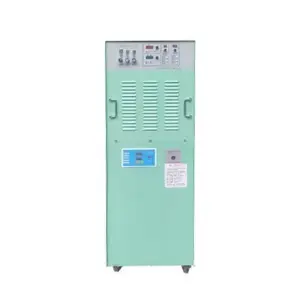
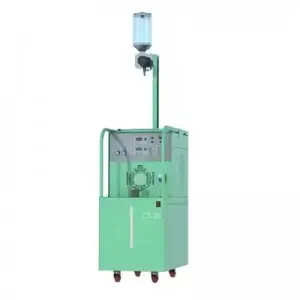
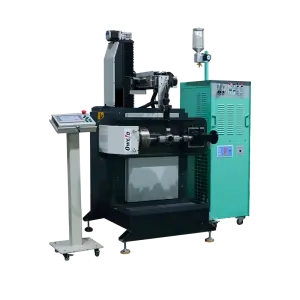
Shanghai Duomu has been a leading manufacturer and exporter of PTA cladding machine and Laser cladding machine for more than ten years with a strong technical background.
By constantly innovating at the intersection of thermal metallurgy, laser control, and automated motion software, we have delivered tailored systems worldwide. We ensure that our equipment integrates seamlessly with modern smart factories, reducing cycle times while drastically improving surface performance.
Read More DetailHow global purchasing managers optimize their supply chains using advanced Chinese welding and cladding systems.
In heavy industrial manufacturing—spanning oil & gas refining, deep-hole drilling, hydraulic cylinder fabrication, and bulk material conveying—procuring fusion welding and hardfacing cladding machinery is not merely a capital equipment purchase; it is a critical process selection. Procurement heads must reconcile the trade-offs of cycle times, consumables efficiency, operating costs, and quality compliance protocols.
The choice between TIG and MAG methodologies becomes even more complex when scaling to high-production setups. While TIG produces exceptionally clean welds that require zero post-weld grinding, its low deposition rate makes it cost-prohibitive for large-scale build-up or heavy steel construction. MAG, with its fast-fill characteristics, is highly suitable for structural components but introduces issues like spatter and potential fusion defects if travel speeds are not dynamically adjusted.
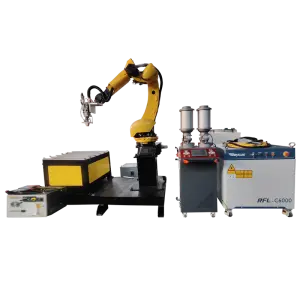
To overcome these historical limitations, Shanghai Duomu has developed advanced automated PTA (Plasma Transferred Arc) and Laser Cladding systems. These hybrid technologies offer the extreme deposit purity of a TIG arc (utilizing an inert plasma gas column) combined with the deposition speed and high automated throughput of a MAG line. This represents a paradigm shift for manufacturing operations looking to reduce downtime on critical parts like screw conveyors, large ball valves, and mine drilling equipment.
Our systems feature highly focused thermal input profiles, minimizing the dilution zone to maintain the chemical integrity of the base alloy matrix.
Achieve up to 85% powder/wire recovery rates, drastically decreasing the overhead on expensive superalloy raw materials like Stellite or Inconel.
Built-in industrial communication protocols (EtherNet/IP, Profinet) enable simple connections to CNC gantry lines and robotic arms.
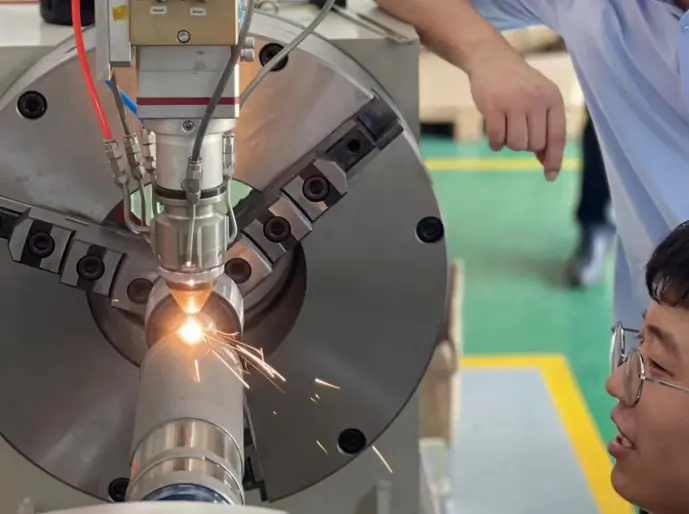
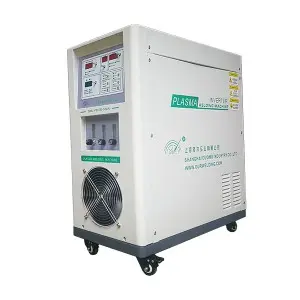
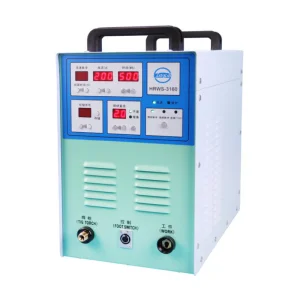
I have an independent R&D team, which develops, produces and sells plasma cladding machine equipment. The welding machine has stable performance and can maintain efficient long-term operation. In addition, the laser cladding equipment sold by the company can effectively support large-scale remanufacturing projects. We have mature technological means to provide complete sets of industrial equipment solutions.
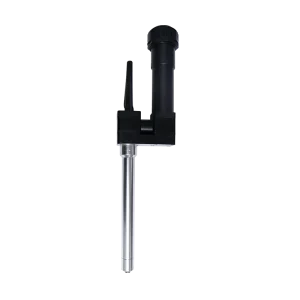
By leveraging our profound metallurgical engineering background, our technical team works closely with global clients to develop custom-configured torches, powder feeding systems, and specialized nozzle dynamics that meet the requirements of complex components.
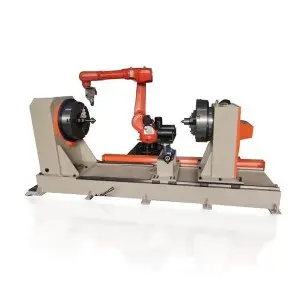
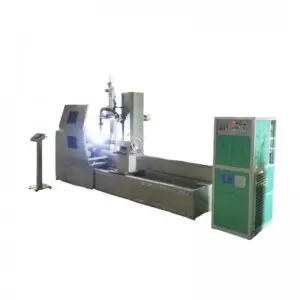
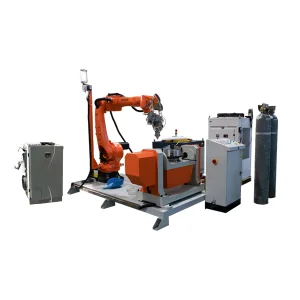
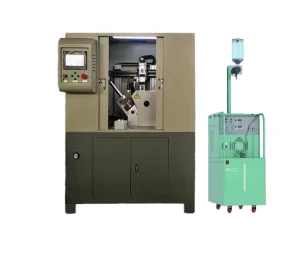
Get In Touch With EngineersWe can provide customized equipment, automatic laser cladding equipment, automatic plasma cladding equipment, intelligent robot cladding equipment, etc. according to customers' requirements, including special equipment in the industry, such as hydraulic rod cladding machine, pick cladding machine, valve cladding machine, etc.
Pioneering the next generation of additive surfacing, high-deposition claddings, and closed-loop process monitoring.
As industry standards push toward carbon neutrality and zero-defect quality systems, fusion welding processes are evolving rapidly. Traditional manual setups are being replaced by intelligent, multi-axis automated cells. The technology roadmap for Shanghai Duomu focuses heavily on integrating real-time visual tracking, laser sensing, and automatic powder-feed closed-loop corrections into both PTA and hybrid laser cladding systems.
This path directly resolves the classic trade-offs between TIG and MAG. By leveraging high-power diode lasers and advanced gas dynamics, we are now able to overlay wear-resistant alloys onto intricate base metal geometries with minimum dilution rate and ultra-low thermal distortion. The result is a highly reliable manufacturing line that enables components to withstand high pressure, corrosive chemicals, and severe abrasive wear for several times longer than standard components.
Advanced industries are shifting away from traditional replacement strategies and moving toward remanufacturing. High-value parts like gas turbine blades, deep-sea exploration drills, and hydraulic mine props can be restored multiple times using high-precision PTA or Laser cladding systems. By applying customized superalloy powders to worn steel surfaces, these processes restore components to their original dimensions and improve their surface performance beyond the original specifications.
Read detailed reviews and case studies from engineering divisions implementing advanced overlay welding processes.
"The PTA Welding Valve Application Guide is not just a process choice for valve manufacturers facing high wear, high corrosion, and high-temperature erosion working conditions, but also a key path to improving product competitiveness. As industries such as petrochemical, ..."
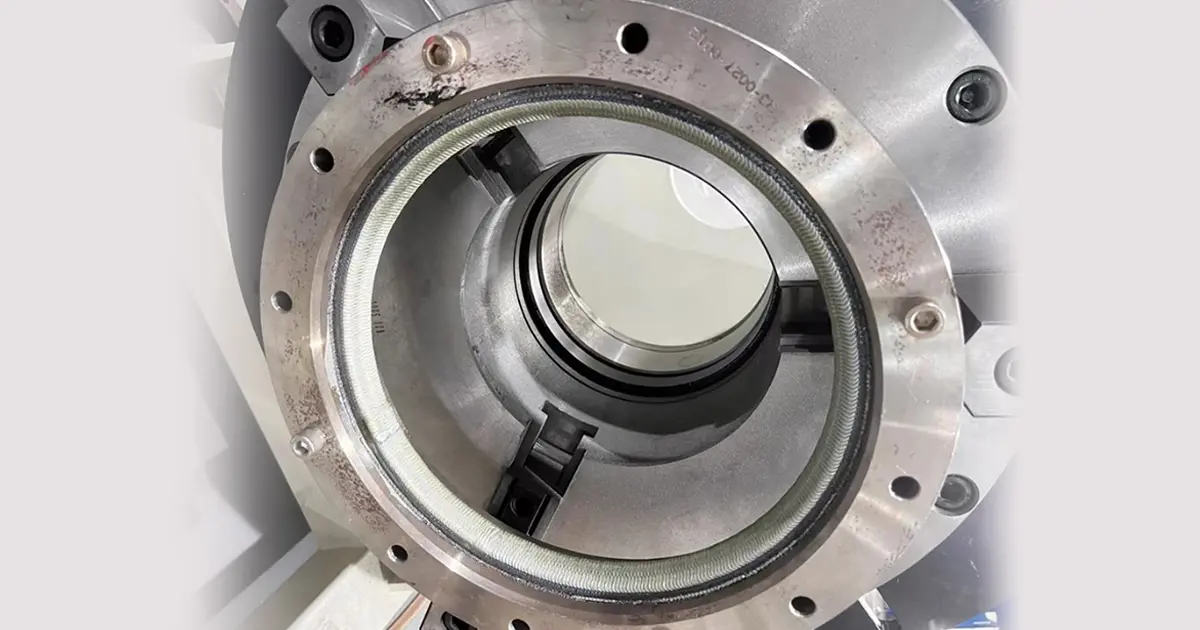
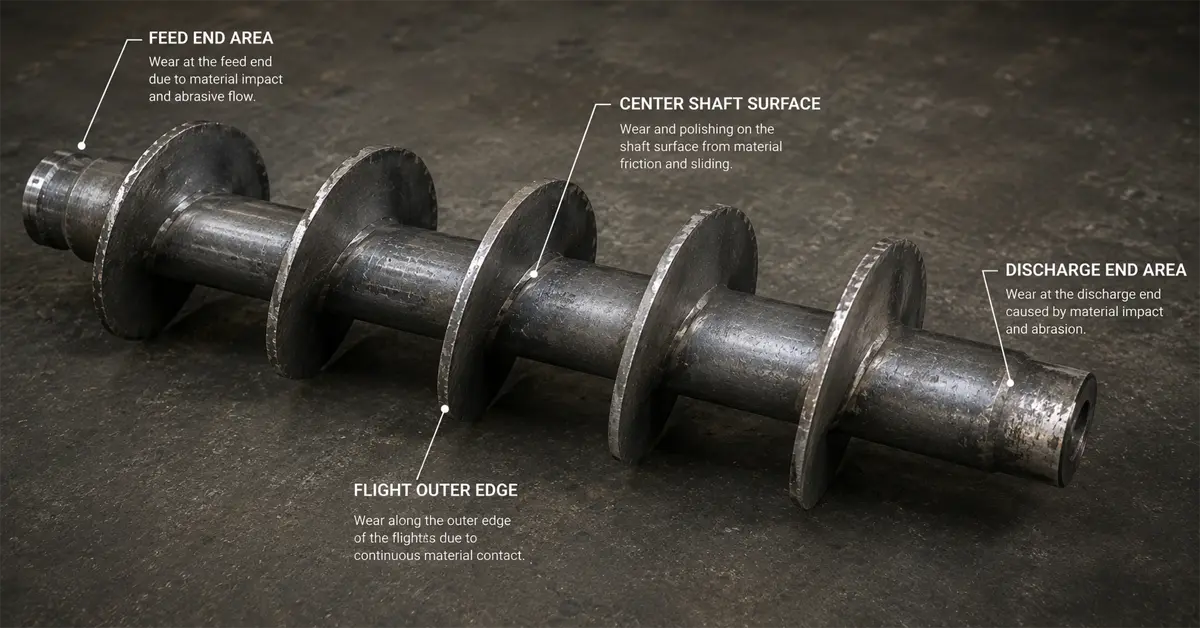
"In industries such as mining, cement, power generation, steelmaking, chemical processing, and biomass energy, screw conveyors are often regarded as auxiliary equipment. However, maintenance data shows that they are among the most frequent causes of unplanned production d..."
"In Plasma Transferred Arc (PTA) hardfacing, achieving a high-quality overlay is not only about selecting the right alloy powder or optimizing welding parameters. One of the most critical factors that directly affects overlay performance is the dilution rate. Whether you ..."
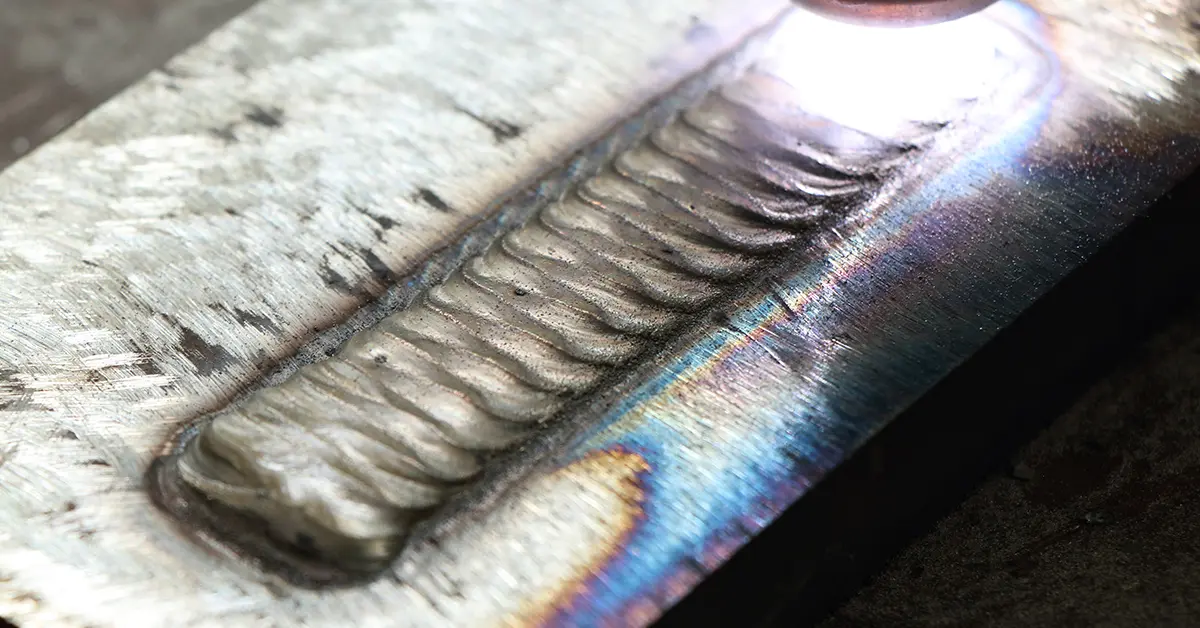
"In industries such as Oil & Gas, Mining, Power Generation, Cement, and Heavy Equipment Manufacturing, hardfacing is no longer just a repair process. It has become a critical technology directly related to equipment lifespan, downtime costs, maintenance frequency, and..."
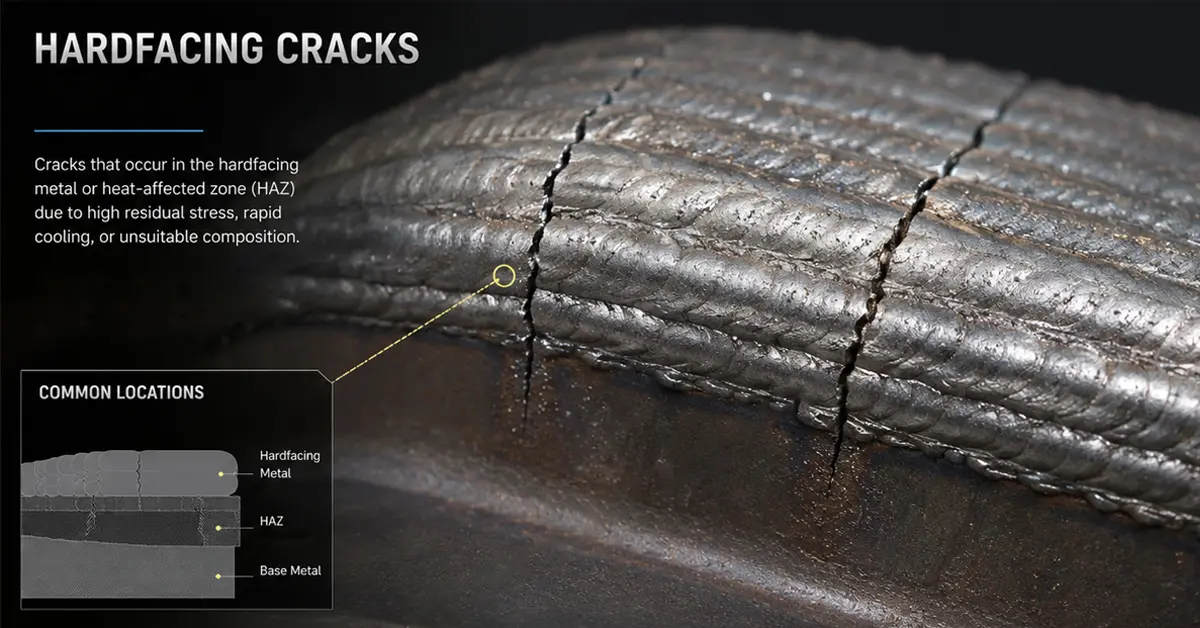
"In industries such as oil & gas, petrochemical, power generation, mining, and marine engineering, industrial valves are constantly exposed to severe operating conditions including: - High pressure - Extreme temperatures - Corrosive media - Abrasive wear - Sand e..."
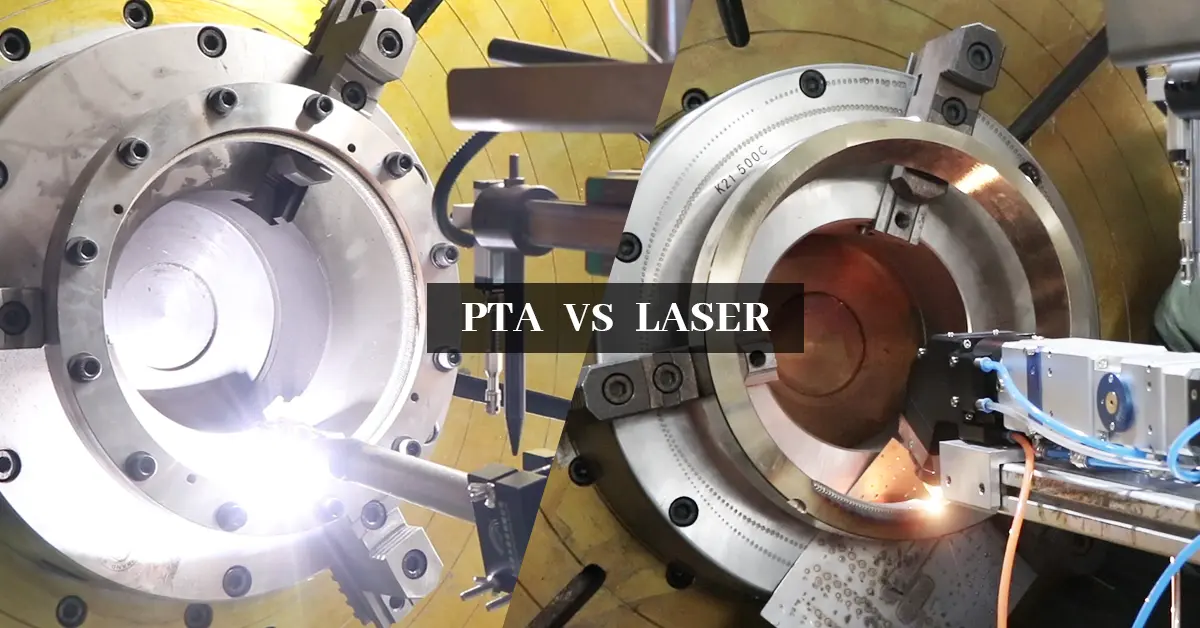
"Implementing Shanghai Duomu's automatic laser cladding systems has allowed our remanufacturing center to double our volume output. The dimensional control is extraordinary, reducing material waste by over 40% while maintaining absolute compliance."
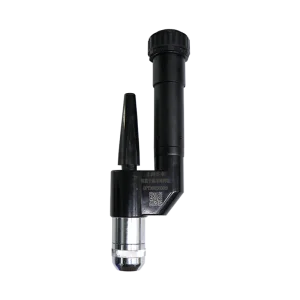
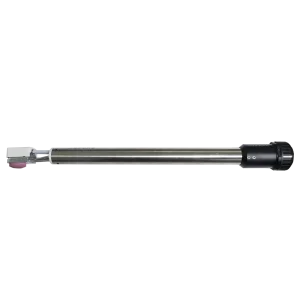
Integrate our precision welding torches and multifunctional systems into your processing lines for ultimate joint performance.
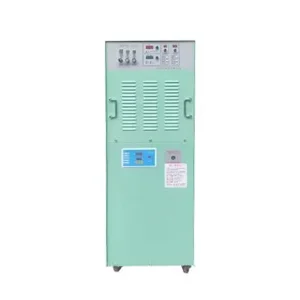








Clear, direct metallurgical answers to help guide your system configuration decisions.
 Duomu
Duomu