Explore our industrial-grade components designed to drive high-precision coating, welding, and surface treatment.
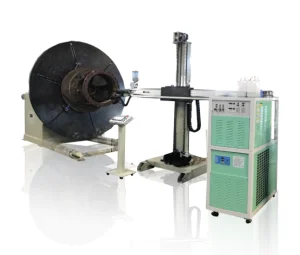
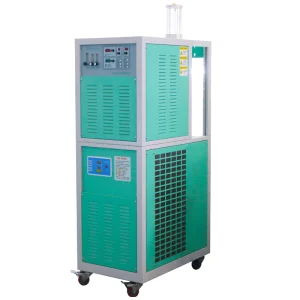
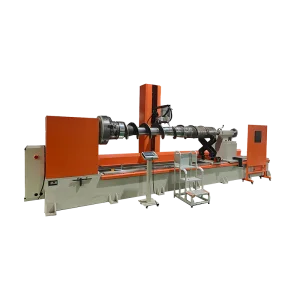
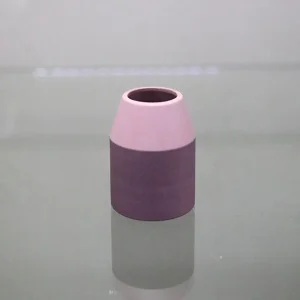
In modern heavy industries, surface oxidation (rust) poses a continuous threat to structural integrity, welding quality, and coatings adhesion. Laserowe Czyszczenie Rdzy (Industrial Laser Rust Cleaning) has emerged as the premier technology to combat this degradation. As global manufacturers shift towards sustainable, chemical-free, and non-abrasive surface preparation methodologies, the demand for custom-engineered laser cleaning machines has skyrocketed. Procurement managers across Europe, North America, and Asia are transitioning away from sandblasting and chemical baths due to stringent environmental regulations and rising labor costs.
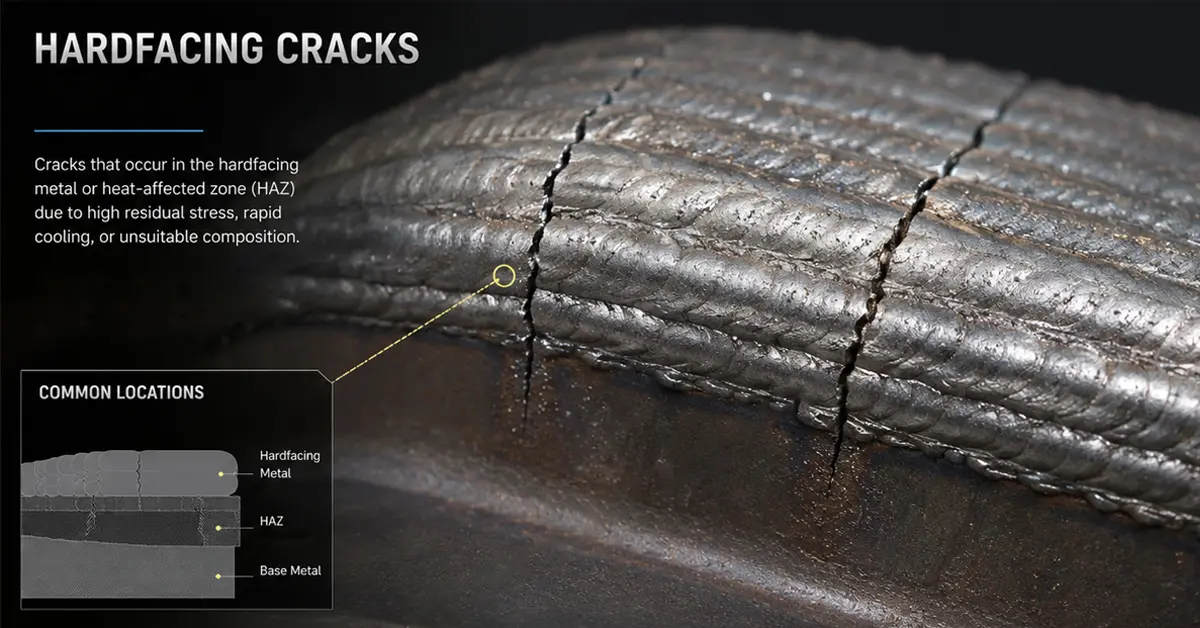
Custom solutions from specialized manufacturers offer several distinct operational benefits. In contrast to standard, off-the-shelf cleaning devices, high-end industrial systems are calibrated specifically to the thermal and optical properties of the base substrate. This avoids the risk of surface deformation, heat-affected zone (HAZ) damage, or micro-cracking. For automated heavy fabrication, structural steel processing, and marine applications, integrating a tailored laser cleaning system ensures constant cycle times and reproducible surface profiles (SA 3 equivalent finishes).
Quantifiable performance indexes demonstrating efficiency gains over legacy sandblasting and chemical treatments.
The mechanism behind Laserowe Czyszczenie Rdzy is laser ablation, a physical process whereby high-intensity pulse streams vaporize contaminants. The laser beam, emitting at near-infrared wavelengths (typically 1064nm), is strongly absorbed by iron oxide layers while remaining highly reflective on the underlying substrate (e.g., carbon steel, aluminum, or cast iron). The localized temperature rises instantaneously within nanoseconds, causing thermal expansion stress that detaches and vaporizes the rust without thermal damage to the raw metal.
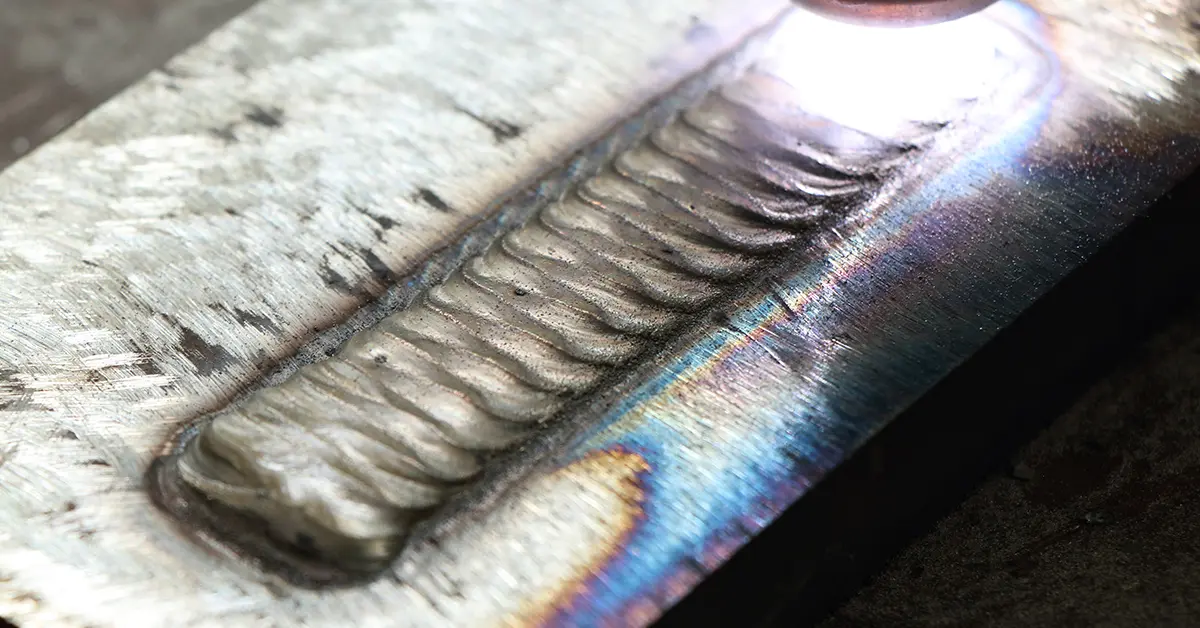
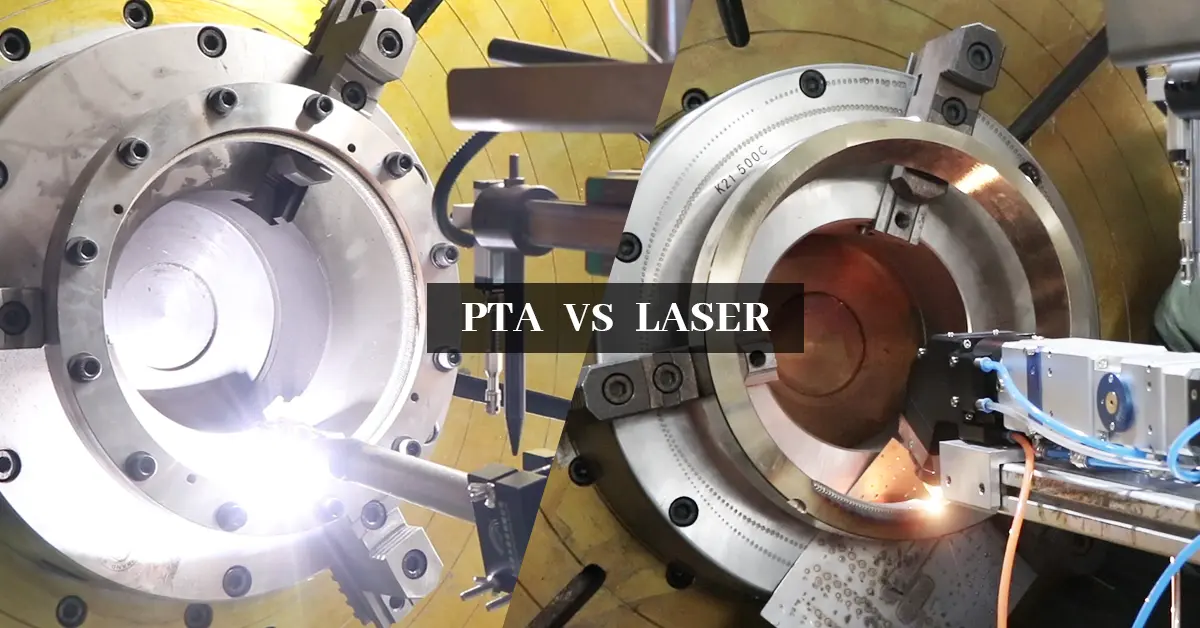
At an enterprise scale, these systems are integrated with multi-axis CNC gantries or robotic manipulators. When deployed in tandem with plasma cladding (PTA) or laser cladding processes, laser rust cleaning acts as the crucial preparatory stage. High-integrity cladding requires a substrate completely free of contaminants, oxides, and grease to prevent dilution errors, gas porosity, and bonding failures. By utilizing real-time optical monitoring systems, modern laser cleaning systems can sense the elemental composition of the surface and dynamically adjust the beam frequency, pulse duration, and scanning width.
| Performance Parameter | Nanosecond Pulsed Laser | Continuous Wave (CW) Laser | Traditional Sandblasting |
|---|---|---|---|
| Heat Affected Zone (HAZ) | Negligible (<5 microns) | Moderate (Potential thermal stress) | None (Causes physical deformation/stress) |
| Substrate Integrity | Completely Preserved | Risk of localized melting | Severe surface erosion & profile changes |
| Acoustic Emission | < 75 dB (Whisper quiet) | < 70 dB | > 110 dB (Hearing protection required) |
| Integration Capability | Excellent (Fully automated CNC/Robot) | Excellent | Extremely difficult due to media recycle |
Our surface preparation and laser cleaning systems have penetrated critical global industries, delivering maximum uptime and process repeatability.

Cleaning heavy harvesters, plough shears, and structural chassis components prior to cladding and anti-corrosive painting. Ensures extended field service life under severe soil abrasion conditions.

High-precision paint stripping, oxide removal, and composite bonding preparation without micro-impact damage on delicate aerospace aluminum and titanium structures.

Restoring drill pipes, valves, and offshore marine rigs suffering from heavy salt-spray corrosion and high-pressure wear. Optimizes surface preparation before thermal spraying.
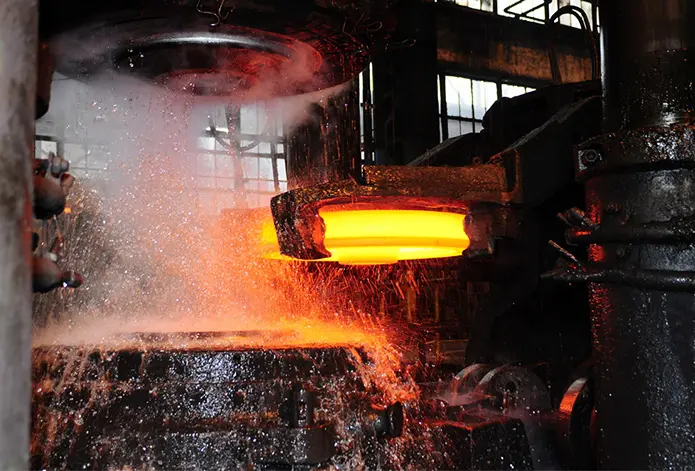
Decoating, mold cleaning, and pre-welding surface preparation in steelworks and casting plants. Prevents internal voids in final components by extracting microscopic oxide layers.
Shanghai Duomu has been a leading manufacturer and exporter of PTA cladding machine and Laser cladding machine for more than ten years with a strong technical background. Our dedication to heavy surfacing engineering has driven us to establish advanced laser cleaning solutions to serve industries globally.
By synthesizing our years of experience in high-energy plasma transfer arc (PTA) systems with industrial optics, we develop systems that address localized thermal control, beam consistency, and hardware longevity. Our machines are built with high-grade components to thrive under harsh industrial environments.
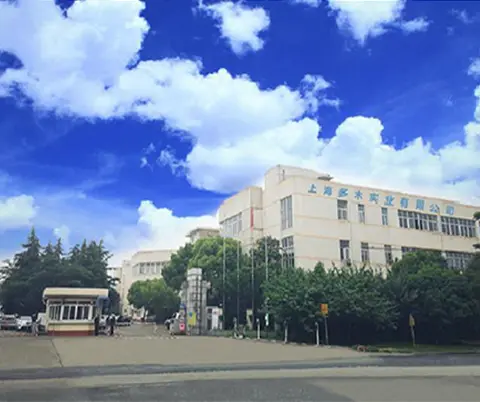
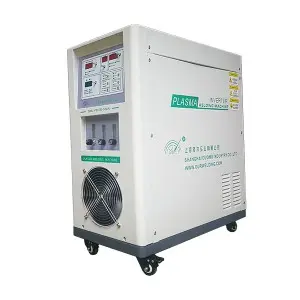
I have an independent R&D team, which develops, produces and sells plasma cladding machine equipment. The welding machine has stable performance and can maintain efficient long-term operation. In addition, the laser cladding equipment sold by the company can effectively support large-scale remanufacturing projects. We have mature technological means to provide complete sets of industrial equipment solutions.
Our research efforts focus heavily on optimizing optical delivery heads and intelligent laser cleaning control software. This allows us to customize laser parameters (such as pulse width, beam frequency, and raster pattern) depending on the material profile, ensuring that whether you are cleaning thick rust from marine steel or delicate oxide films from aerospace parts, the operation is safe and precise.
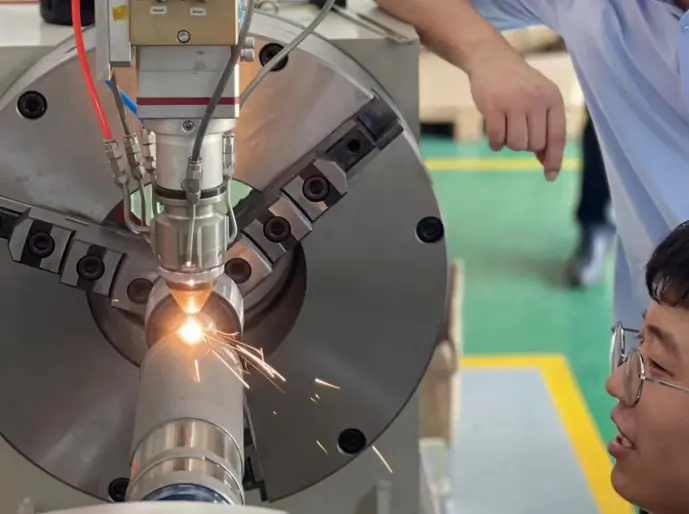
We provide customized equipment, automatic laser cladding equipment, automatic plasma cladding equipment, and intelligent robot cladding systems tailored to your specific mechanical geometries.
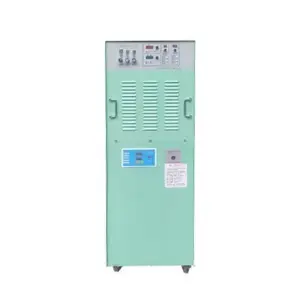
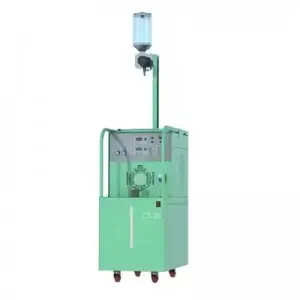
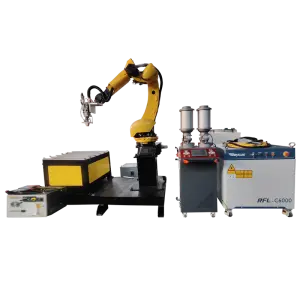
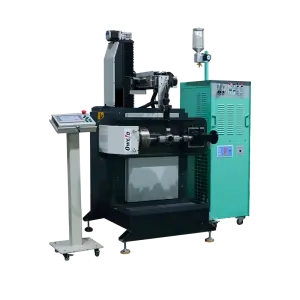
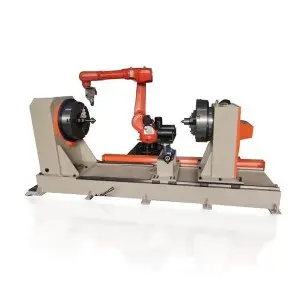
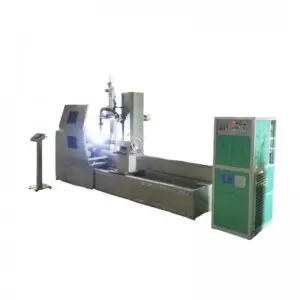
As industrial surface processing enters the era of Industry 4.0, the technological trajectory of Laserowe Czyszczenie Rdzy revolves around intelligence, precision control, and multi-wavelength output. Standard hand-held cleaners, while useful for manual repair workshops, are insufficient for automated manufacturing plants. The development of AI-driven vision inspection systems represents the next evolutionary step. These systems scan surfaces to identify local rust density variations and dynamically modulate the laser intensity, beam configuration, and cleaning pace.
Furthermore, dual-wavelength laser heads are gaining traction. By combining a 1064nm fiber laser with a green or ultraviolet laser beam, manufacturers can clean composite oxides from multi-layered alloy parts without inducing base material strain. Another critical focus area is beam dispersion control. By deploying advanced high-speed galvanometer scanners, modern laser cleaners achieve scanning frequencies of up to 30 kHz. This eliminates hot spots, ensures a uniform treatment area, and generates an ideal surface roughness profile to maximize the mechanical bond strength of subsequent cladding layers.
Our roadmap at Shanghai Duomu incorporates these engineering milestones directly into our automated laser systems. By integrating real-time spectroscopic feedback, our automated cleaning and cladding units continuously monitor iron oxide emission lines. This enables the machine to confirm that 100% of the surface contaminants have been vaporized before depositing high-hardness cladding powders.
Real-world insights on wear resistance, dilution rates, and industrial application guidelines from engineering partners.
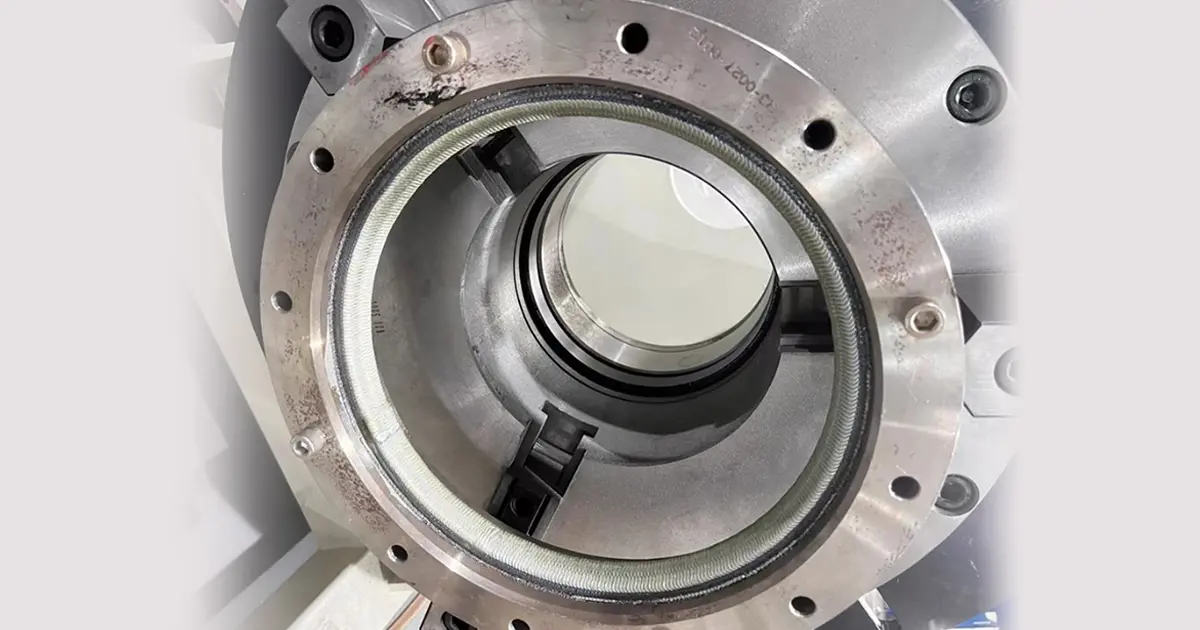
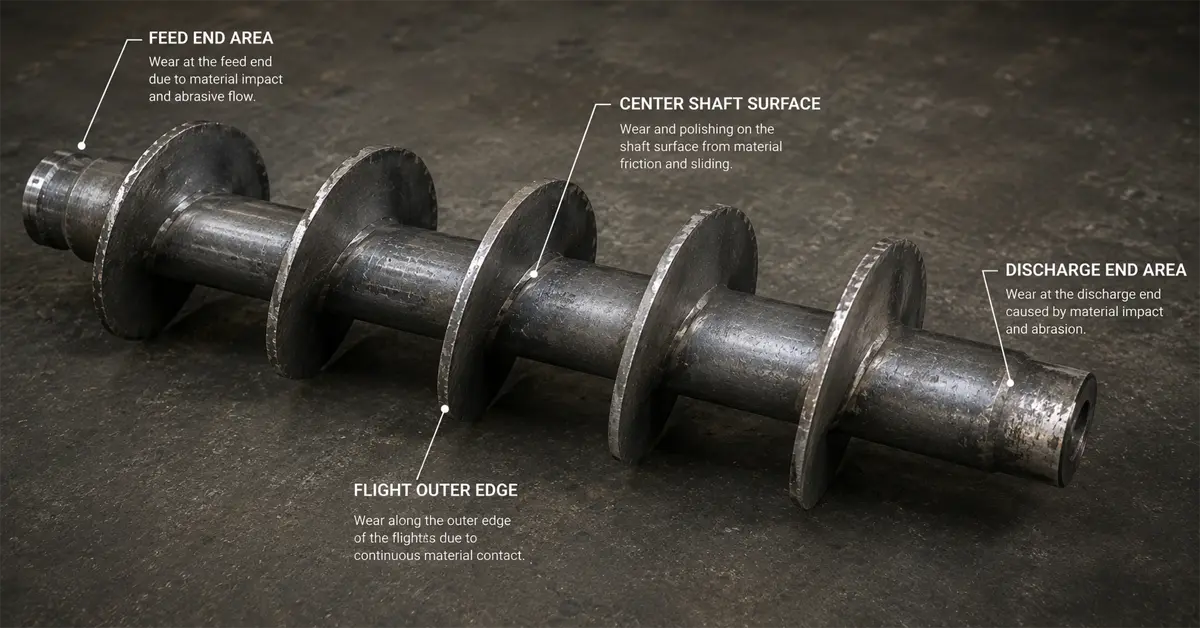
Procuring high-powered laser equipment involves navigating strict occupational safety and compliance codes. Industrial laser cleaning devices fall under Class 4 laser regulations. Operating these systems requires integrated safety interlocks, light-tight enclosures, exhaust filtration for vaporized oxides, and appropriate laser safety eyewear (specifically OD 6+ protection at the 1064nm band).
As a global supplier, Shanghai Duomu designs all equipment to comply with CE machinery directives, ISO 9001 quality management benchmarks, and European safety standards. Our automated systems feature safety sensors that halt the laser emission immediately if the cleaning head loses contact with the metal surface or if containment doors are breached. Furthermore, our localized service agents across major manufacturing zones offer hands-on training, field calibration, optical alignment support, and quick access to critical spare parts.
Comprehensive answers addressing optical parameters, substrate compatibility, investment return, and system optimization.
No. When using pulsed fiber laser sources, the laser pulse duration is in the nanosecond range. The heat-affected zone (HAZ) is limited to less than 5 microns. As long as the system is calibrated to the correct ablation threshold, the energy is completely absorbed by the oxide layer, leaving the underlying steel or cast iron substrate structurally unaffected and free of heat distortion.
While sandblasting can sweep large areas quickly, it generates massive dust containment costs, consumable expense, and cleanup labor. A 300W pulsed laser system can clean heavy rust at a rate of 4 to 8 square meters per hour, and light rust at up to 15 square meters per hour. The operation runs continuously without stopping to reload media, leading to overall faster cycle times in structured production schedules.
Yes, it is the ideal surface preparation method. Cladding processes are highly sensitive to surface contamination. Cleaning the steel base via laser ablation removes grease, surface moisture, and microscopic oxides. This dramatically reduces dilution rates and eliminates internal gas pores, resulting in high-density overlays with superior wear resistance.
Because fiber lasers utilize solid-state diode configurations, they are essentially maintenance-free. The only consumables are protective protective lenses, which shield the focus optics from vaporized dust. A clean lens typically lasts 100+ working hours, and replacements can be swapped out in less than 2 minutes.
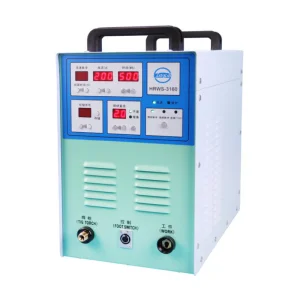
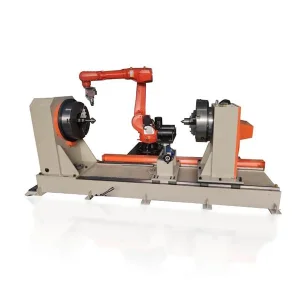
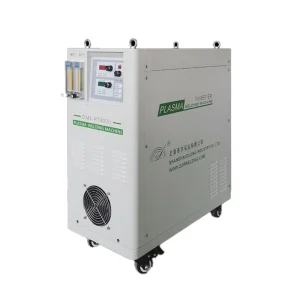
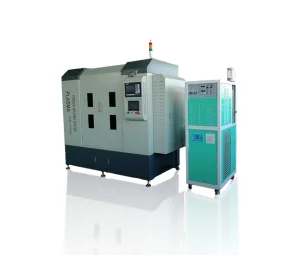
Browse our selection of specialized laser cladding gantries, precision torches, and automated welding systems.
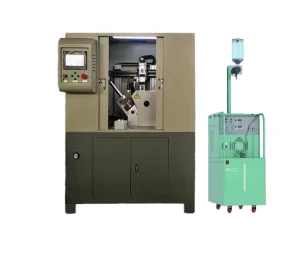
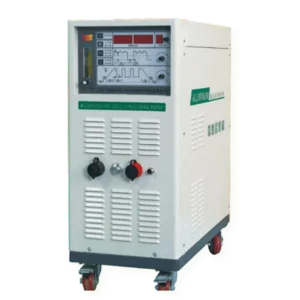
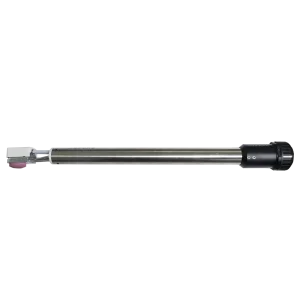
For inquiries about our custom Laserowe Czyszczenie Rdzy machines, PTA cladding equipment, and detailed price lists, leave us a message. Our technical support team will contact you within 24 hours.
Submit Technical Inquiry



 Duomu
Duomu