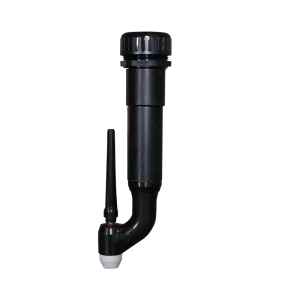
Custom آلة تشكيل الكسوة الفعالة والموثوقة | High-Performance Cladding Systems

Precision Engineering & Wear Protection Solutions: Industrial Plasma Transferred Arc (PTA) & Advanced Laser Cladding Technology from a Trusted Manufacturer & Factory.

The Strategic Importance of Cladding Systems in Global Remanufacturing

Industrial components operating in demanding environments—such as oil rigs, mining shafts, metallurgical facilities, and chemical plants—are subject to severe deterioration. Replacement of large mechanical parts is often economically unfeasible and operationally disruptive. Consequently, advanced cladding forming machines (آلة تشكيل الكسوة الفعالة والموثوقة) have become essential tools for heavy manufacturing and remanufacturing engineering.

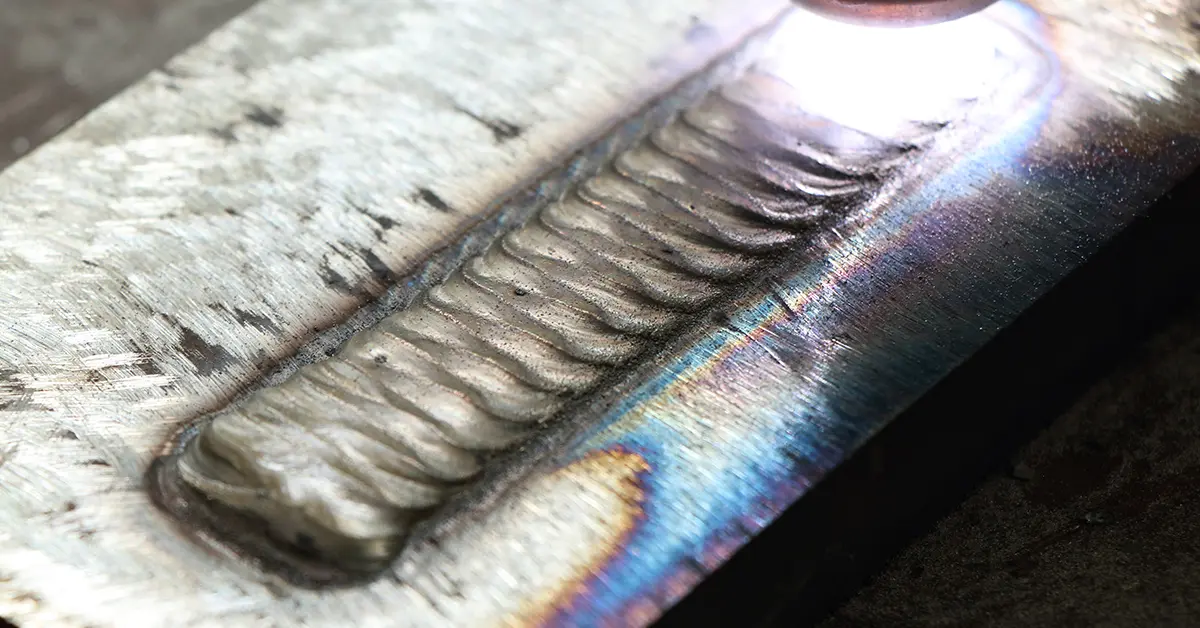
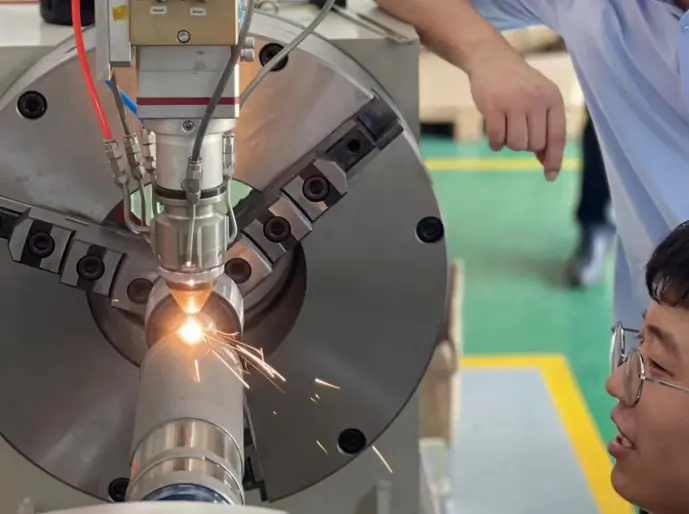
By using Plasma Transferred Arc (PTA) or High-Power Laser systems, industries can bond corrosion-resistant or wear-resistant alloys directly to structural steel substrates. This process achieves low dilution rates and deep metallurgical fusion, significantly increasing component lifespans by up to 300% to 500% compared to non-clad components.

As sustainability regulations tighten and manufacturers prioritize reducing resource extraction, localized remanufacturing services using customized automation are rapidly growing. Global demand is transitioning from traditional thermal spray technologies to robotic laser cladding, which minimizes thermal deformation and maximizes precision.
About Shanghai Duomu PTA & Laser Cladding Systems
10+
Years of R&D Innovation
95%
Dilution Control Rate
50+
Patent Technologies
300%
Component Lifespan Extension
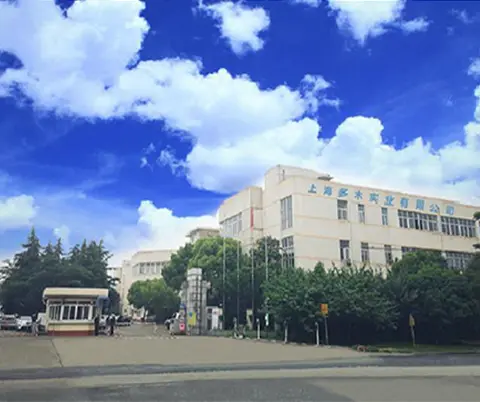
Shanghai Duomu Technical Department and Research Facility

Expertise & R&D Excellence: About Shanghai Duomu

For more than a decade, Shanghai Duomu has been a prominent manufacturer and exporter of PTA cladding machines and high-precision Laser Cladding systems. Driven by an elite in-house R&D team, our technical department develops, builds, and supports advanced surface modification systems that meet strict industrial standards.

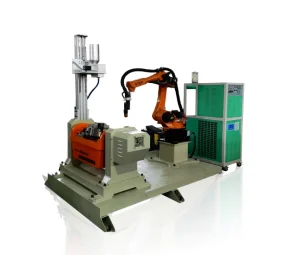
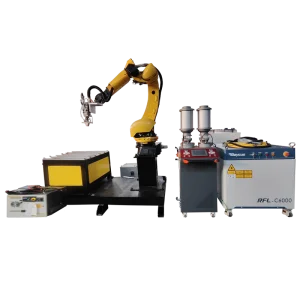
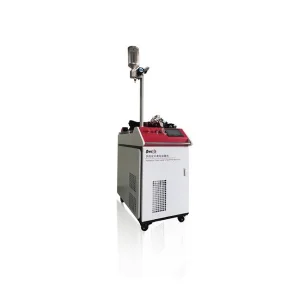
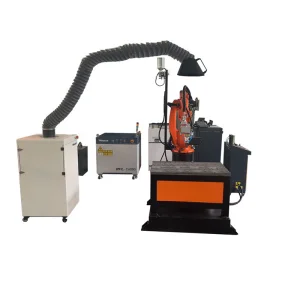
Our technologies support large-scale industrial projects, providing custom configurations like automated gantry laser systems, intelligent cladding robots, and handheld cladding devices. By controlling design, engineering, and manufacturing phases, we ensure that every machine delivers consistent arc stability and high powder deposition efficiency under continuous heavy-duty cycles.

Whether you require standard units or customized machinery for wear-resistant screws, valves, or hydraulic cylinders, Shanghai Duomu provides engineered industrial solutions tailored to your operational requirements.

Diverse Application Sectors

Our cladding technology is used across key global industries, providing tailored protection against abrasion, erosion, high-temperature oxidation, and chemical corrosion.

Agricultural Machinery Cladding Applications

Agricultural Machinery

Protects tillage parts, shear blades, and harvesting gears from severe soil abrasion, significantly extending their service life in harsh working conditions.

Aerospace & Defense Cladding Applications

Aerospace & Military

Delivers high-precision material repairs on turbine blades, flight control gears, and critical aerospace structural components using low-dilution laser deposition.
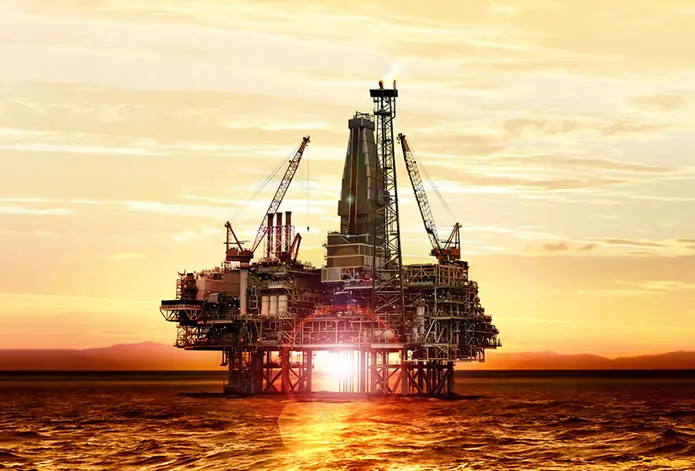
Petroleum & Oilfield Machinery Cladding

Petroleum Machinery

Applies highly durable coatings to drill collars, stabilizer fins, mud pumps, and gate valves to resist sand erosion and chemical corrosion.
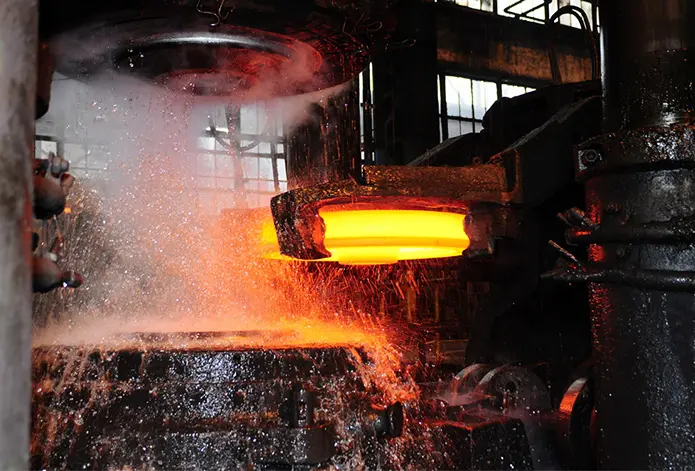
Metallurgical Casting & Forging Cladding

Metallurgy Casting

Restores casting rolls, guide rollers, and heavy extrusion dies exposed to intense thermal shock, high loads, and surface fatigue.

The Advantages of China's Advanced Cladding Supply Chain

Choosing a Chinese factory like Shanghai Duomu for your cladding forming machinery offers significant advantages in manufacturing efficiency, component sourcing, and technical customization. We leverage integrated supply networks to source premium components like fiber lasers, high-precision robot arms, and thermal monitoring sensors at optimized cost structures.

Additionally, our internal manufacturing and engineering processes allow us to transition from initial custom design to factory assembly much faster than Western competitors. With rigorous ISO-certified quality controls, we ensure that every machine meets high performance standards before export, delivering reliable, high-value systems to our global partners.

Key Trends in Industrial Cladding Technology

  • Intelligent Robotic Automation: Multi-axis industrial robots combined with visual scanning and trajectory planning for complex spatial shapes.
  • Hybrid Manufacturing Integration: Combining subtractive CNC milling and additive cladding in a single cell to streamline part production and repair.
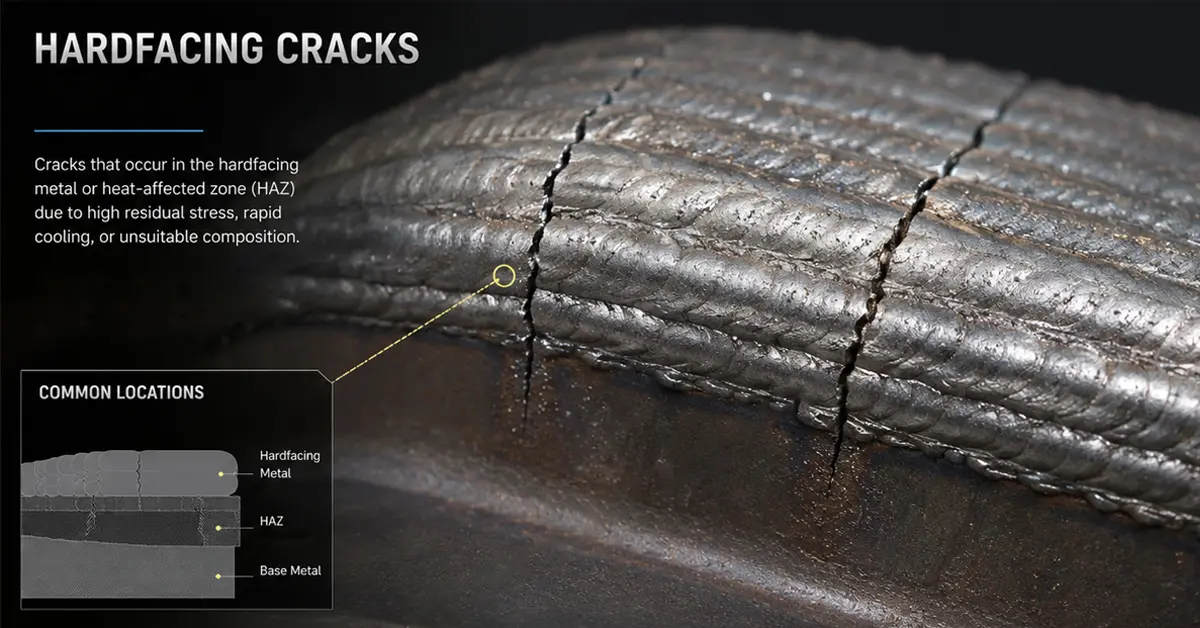
  • Optimized Heat Input: Developing ultra-thin heat-affected zones using ultra-high-speed laser cladding (EHLA) to avoid micro-cracking in sensitive base metals.
  • Green Remanufacturing: Shift from hard chromium electroplating (which produces toxic hexavalent chromium) to eco-friendly laser cladding coatings.

Managing the Dilution Rate in Cladding Operations

One of the primary challenges in both Plasma Transferred Arc (PTA) and laser cladding is managing the dilution rate—the mixing of the base substrate material into the deposited cladding alloy layer. High dilution can contaminate the protective coating with elements from the base steel, reducing its wear or corrosion resistance.

Our advanced cladding forming systems feature precise control parameters, optimizing power input, powder feed rates, travel speeds, and shielding gas configurations. Our laser cladding systems achieve dilution rates below 5% (and often less than 2%), preserving the chemistry of premium alloy powders (like Stellite, Colmonoy, or Tungsten Carbides) right from the first deposit layer.

This level of precision reduces material costs by minimizing the number of layers needed to reach target chemistry, ensuring high efficiency for industrial operations.

Engineered Surface Treatment Equipment Catalog

Our diverse line of machinery ranges from automated plasma surfacing units to portable laser cladding configurations, designed to handle a wide variety of industrial tasks.

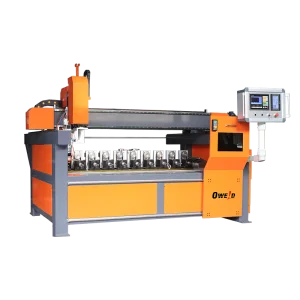
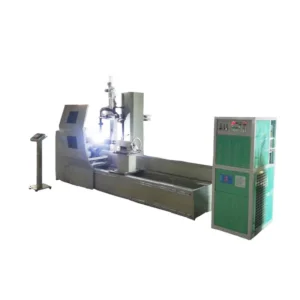
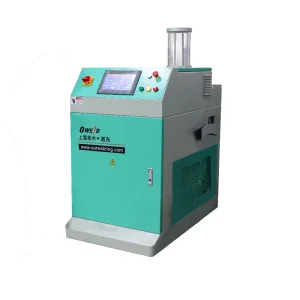
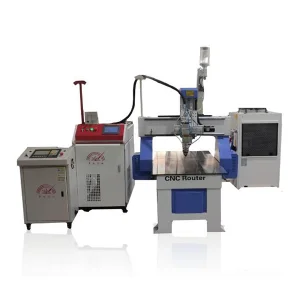
We provide tailored solutions for challenging production environments, including customized automatic laser and plasma cladding systems. Our specialty systems, such as hydraulic rod cladding machines, valve hardfacing systems, and pick welding machines, feature intuitive PLC interfaces, precise powder-feed mechanics, and stable torch-motion configurations. These technologies enable consistent cladding quality, helping operators reduce scrap rates and maximize productivity.

Specialized Custom Machinery Focus:

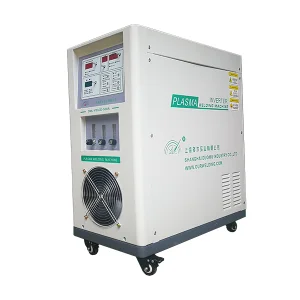
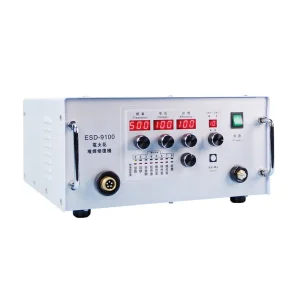
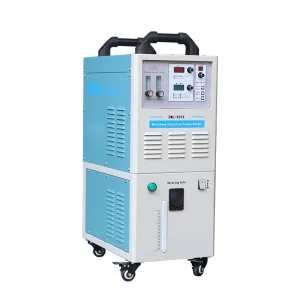
  • Plasma Powder Surfacing Machine DML-V03CD
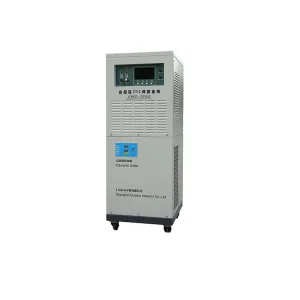
  • Integrated Multifunctional Plasma Powder Welding Systems
  • Multifunctional Plasma Powder Welding Machine (Specialized Series)
  • CNC Laser Cladding Machine for Turbine Blades
  • Ball Valve Automated Welding Equipment DQF-LC602
  • Robotic Laser Hardening and Heat Treatment Systems
  • DYY-LC501 Hydraulic Rod Automatic Plasma Cladding Systems

Field Case Studies & Practical Applications

Discover how global manufacturers use our PTA and Laser cladding systems to solve complex wear, corrosion, and erosion challenges.
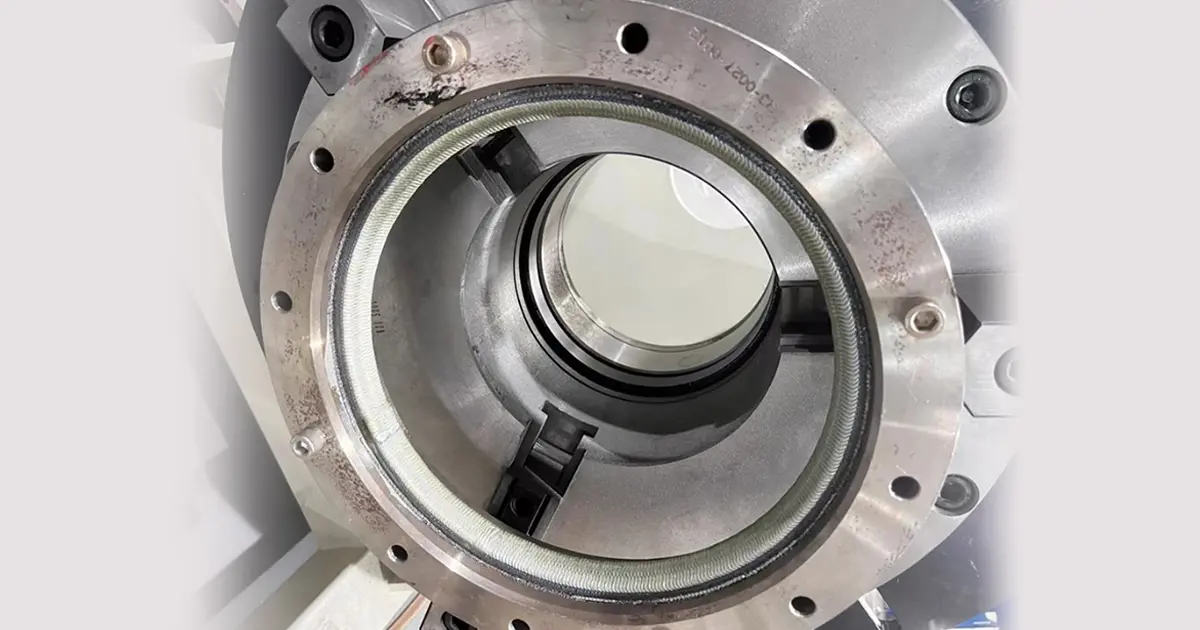
"The PTA Welding Valve Application Guide is not just a process choice for valve manufacturers facing high wear, high corrosion, and high-temperature erosion working conditions, but also a key path to improving product competitiveness. As industries such as petrochemical, gas, and power generation push for higher pressures, our Duomu automated PTA systems help valves withstand extreme conditions with minimal dilution."
Valve hardfacing cladding application guide
Industrial Valves Division Petrochemical Engineering
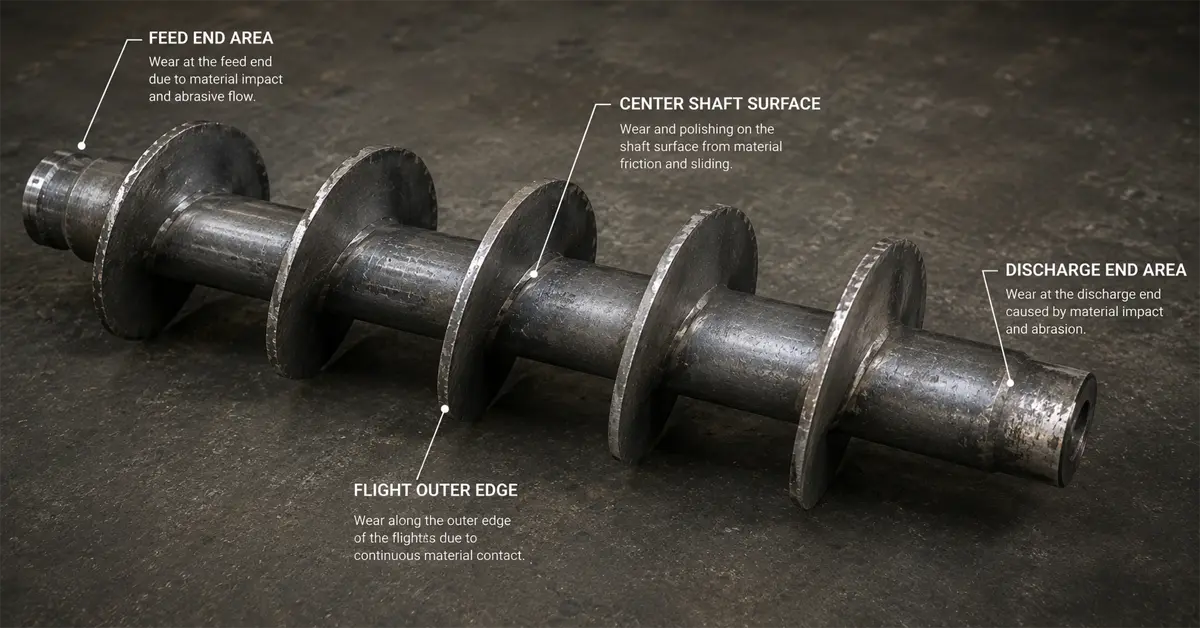
"In industries such as mining, cement, power generation, steelmaking, chemical processing, and biomass energy, screw conveyors are often regarded as auxiliary equipment. However, maintenance data shows that they are among the most frequent causes of unplanned production delays. Utilizing automated PTA screw hardfacing significantly cuts maintenance intervals and downtime costs."
Screw conveyor hardfacing application
Maintenance Operations Cement & Mining Bulk Handling
"In Plasma Transferred Arc (PTA) hardfacing, achieving a high-quality overlay is not only about selecting the right alloy powder or optimizing welding parameters. One of the most critical factors that directly affects overlay performance is the dilution rate. Shanghai Duomu systems allow us to maintain a low dilution rate, ensuring maximum corrosion resistance."
PTA Hardfacing dilution rate optimization study
Quality Control Lab Heavy Machinery Overlay
"In industries such as Oil & Gas, Mining, Power Generation, Cement, and Heavy Equipment Manufacturing, hardfacing is no longer just a repair process. It has become a critical technology directly related to equipment lifespan, downtime costs, maintenance frequency, and process optimization. The precision of laser cladding offers a massive competitive edge."
Industrial Hardfacing processes analysis
Chief Production Engineer Heavy Equipment OEM
"In industries such as oil & gas, petrochemical, power generation, mining, and marine engineering, industrial valves are constantly exposed to severe operating conditions including high pressure, extreme temperatures, corrosive media, and abrasive wear. Stellite-cladded seats processed on Shanghai Duomu's automatic machines show outstanding wear and sealing reliability."
Industrial valve cladding performance analysis
Quality Assurance Director Marine & Fluid Engineering

Cladding Engineering FAQ

Get answers to frequently asked technical questions about PTA and laser cladding systems, material options, and process integration.

? What is the difference between PTA Cladding and Laser Cladding?
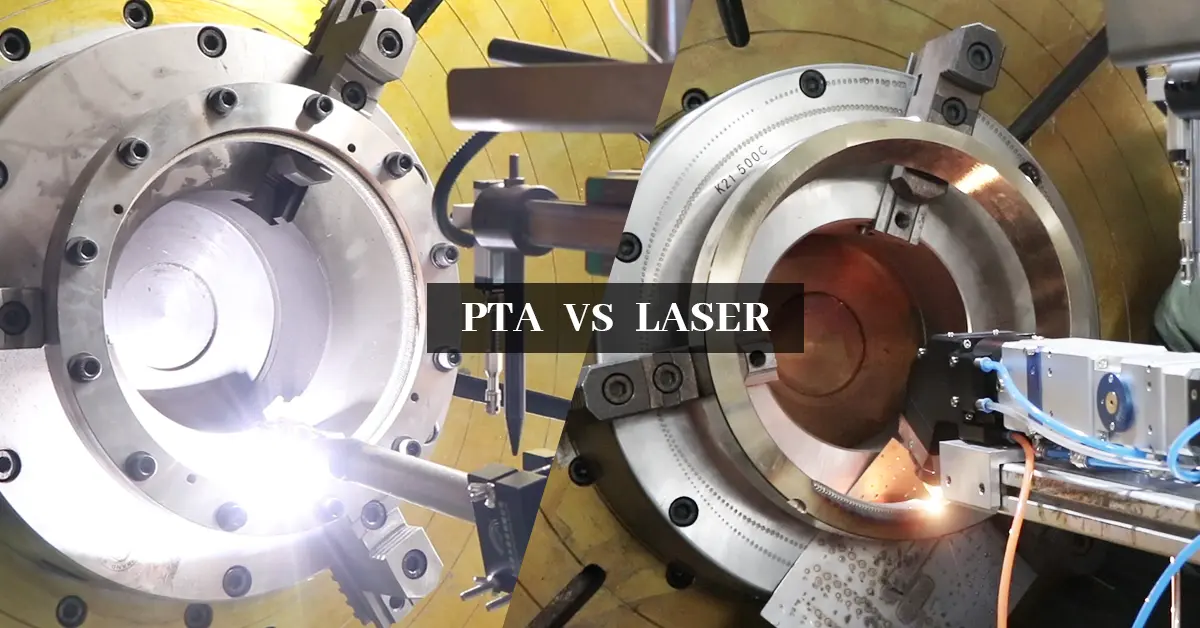
PTA (Plasma Transferred Arc) uses a concentrated plasma arc as the heat source to melt alloy powder and the substrate surface, creating a strong metallurgical bond. It offers high deposition rates and is cost-effective for thick coatings. Laser Cladding uses a focused laser beam, which delivers lower heat input, a minimal heat-affected zone, and ultra-low dilution rates, making it ideal for high-precision repairs.
? How does dilution rate affect cladding quality?
The dilution rate measures how much of the substrate melts into the clad layer. High dilution can dilute premium alloying elements, reducing wear and corrosion resistance. Our systems feature advanced parameter controls that keep dilution below 5%, ensuring the protective properties of the cladding material are preserved.
? Can Shanghai Duomu build custom configurations?
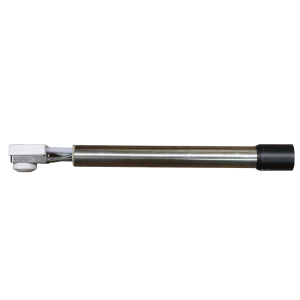
Yes. We design and manufacture custom setups, including gantry structures, robotic integration, special internal bore torches, and automated setups tailored for specific components like hydraulic rods, valve seats, and conveyor screws.
? What alloys can be deposited with these systems?
Our systems process a wide range of alloy powders, including cobalt-based alloys (e.g., Stellite), nickel-based alloys (e.g., Colmonoy), iron-based alloys, and composite materials like tungsten carbide matrix (WC-Ni or WC-Co) for extreme abrasion resistance.
? How do you provide technical support for international buyers?
We offer comprehensive support, including detailed documentation, video training, remote online diagnostics, and pre-shipment testing. On-site commissioning and training services are also available for complex, automated systems.
? What is the lead time for custom cladding machines?
Lead times depend on the complexity of the design. Standard units typically ship within 30 to 45 days, while fully integrated robotic or gantry systems may take 60 to 90 days, including design validation and custom programming.

Submit Your Custom Cladding Machine Specifications

Connect with our engineering team for technical consults, process optimization plans, or pricing details. Our technicians will reply within 24 hours.