Explore our top-performing custom engineered systems designed for robust wear-resistant applications, shaft repair, and automated cladding.
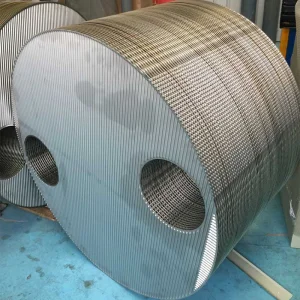
Analyzing critical developments in automated wear-resistant overlay technologies, global manufacturing demands, and localized material efficiency solutions.
Modern industrial operations in aggressive environments require structural integrity that standard base metals simply cannot sustain. Surface modification technologies like Plasma Transferred Arc (PTA) cladding and laser powder deposition have transitioned from optional repair processes to critical, front-line manufacturing strategies. By applying a high-performance alloy layer (such as Stellite, Colmonoy, or Tungsten Carbides) onto low-cost carbon steels, manufacturers achieve the dual advantage of cost-efficiency and superior operational life.
As heavy industries transition toward Industry 4.0, integrating CNC controls and industrial robotics into welding machinery has become imperative. Our custom automated PTA systems allow precise control over the dilution rate, powder feed precision, and thermal output, resulting in minimal heat-affected zones (HAZ) and optimized metallurgic bonding.
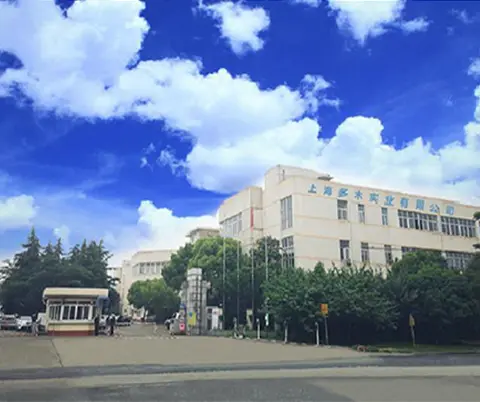
Globally, manufacturing is operating under severe supply chain challenges and stringent environmental targets. Extending the functional lifespan of high-value capital assets—such as petroleum valves, extrusion screws, and agricultural implements—directly correlates with reduced carbon footprints and decreased raw material extraction.
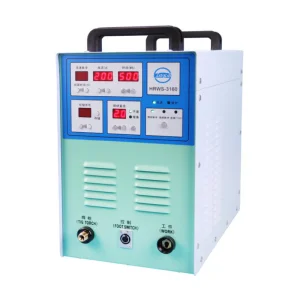
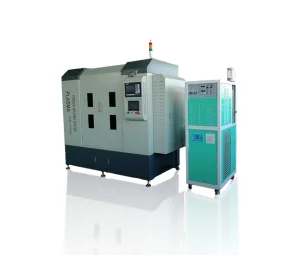
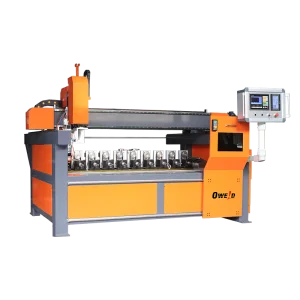
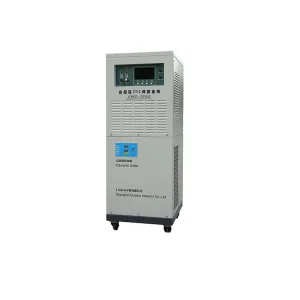
Our specialized systems, including the DYY-LC501 Hydraulic Rod Automatic Plasma Cladding Machine and DJC-LC305 Plasma Cladding Equipment, are specifically engineered to facilitate full-scale remanufacturing. Rather than decommissioning worn components, industries are now employing high-efficiency cladding systems to rebuild surfaces to original dimensional specifications, with superior wear resistance.
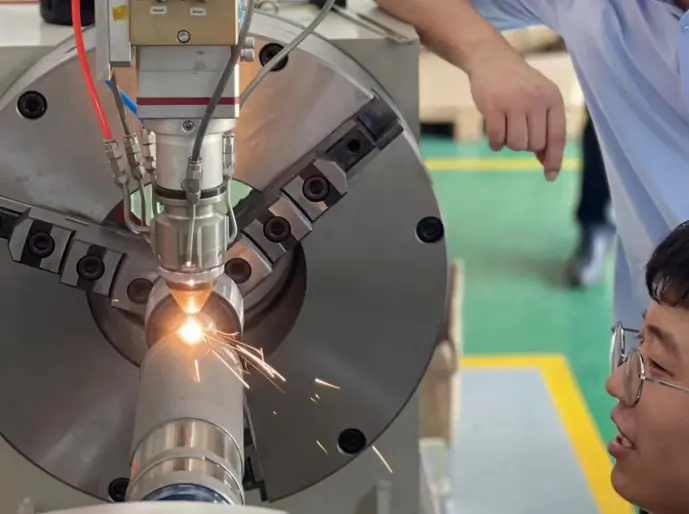
More than ten years of technical expertise in delivering customized PTA cladding and laser deposition solutions worldwide.
Shanghai Duomu has maintained a dedicated in-house research and development team focused entirely on pioneering plasma powder surfacing and laser cladding systems. We hold proprietary technologies on specialized plasma surfacing torches and automatic control systems.
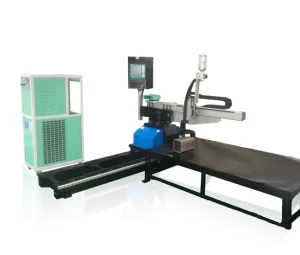
From hydraulic rod cladding units and industrial valve hardfacing stations to screw automatic welding machines, we configure physical dimensions, multi-axis movements, and thermal parameters tailored to specific user configurations.
With stable machinery performing consistently across key heavy manufacturing hubs, our PTA systems support long-term operations in aerospace, nuclear power, metallurgical castings, and petrochemical fields.
Our surface modification machinery performs reliably in demanding environments, delivering wear-resistant layers where standard components fail.

Overlay coatings for tillage tools, harvester blades, and soil engaging parts.

Precision rebuilding of gas turbine blades and engine structural elements.

Hardfacing on stabilizers, drill pipe joints, mud pump components, and valve seats.
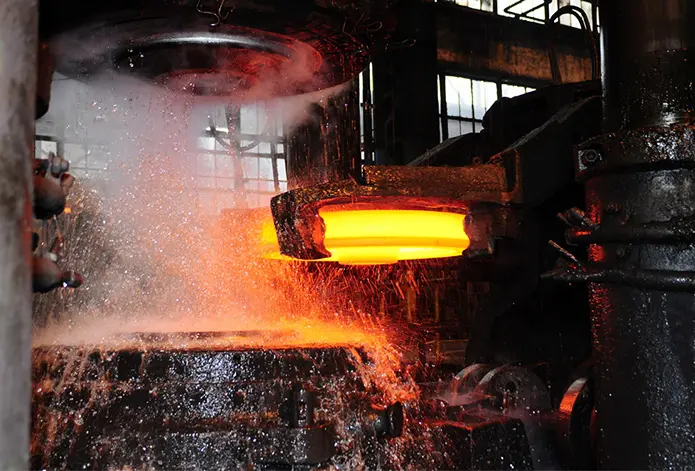
Protecting roll surfaces, guide plates, and hot extrusion dies from thermal fatigue.
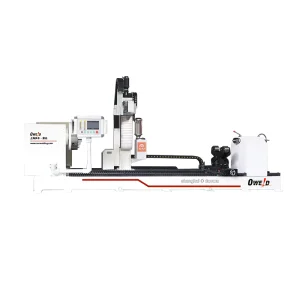
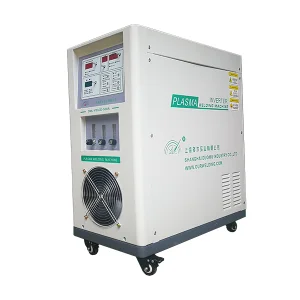
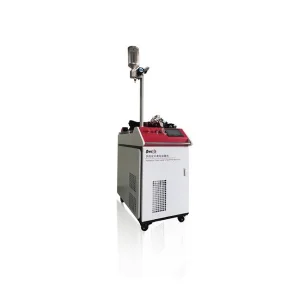
High-efficiency plasma powder surfacing machines, laser hardening robots, and automated valve cladding solutions.
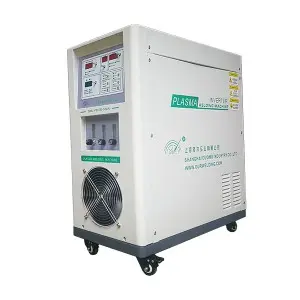
Designed for precision metallurgical overlays with highly consistent powder feed delivery.
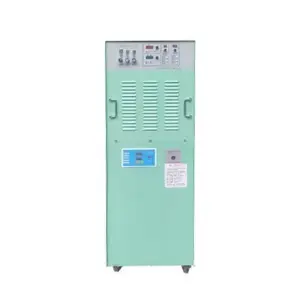
A versatile industrial system combining high deposition rates with automated parameters control.
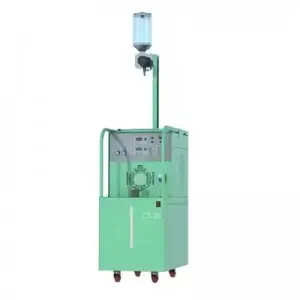
Adaptable setup engineered for deep-groove filling and high-efficiency layer welding.
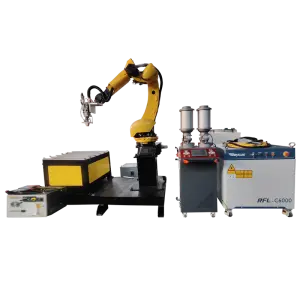
Extremely low thermal distortion system ideal for high-precision turbine blade repairs.
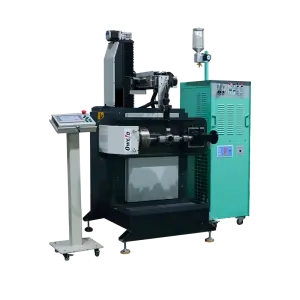
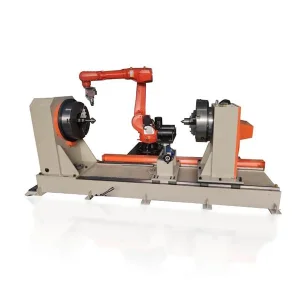
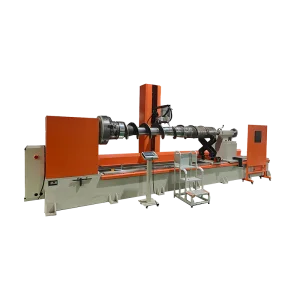
Specialized mechanical positioning unit offering flawless circumferential surfacing.
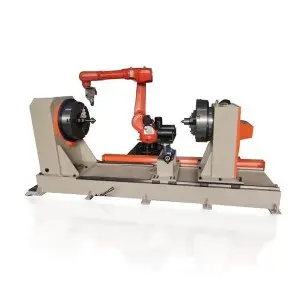
6-axis robotic flexibility designed for local thermal surface hardening of complex parts.
Ensuring compliance with localized engineering regulations, global safety protocols, and advanced production standards.
The future of industrial surfacing relies on real-time quality control. Our engineering roadmap includes the incorporation of intelligent optical and thermal feedback sensors. These monitors analyze the weld pool temperature and shape, instantly adjustment current outputs and powder feed rates.
Additionally, we ensure our systems meet international quality indicators:
By shifting from conventional manual MMA hardfacing to automated powder PTA systems, carbon emissions and scrap fumes are drastically reduced. Automated powder cladding results in near-zero spatter, conserving costly alloy formulations.
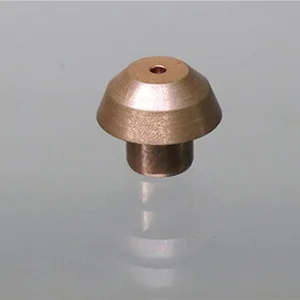
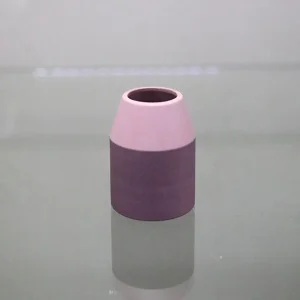
We support operators worldwide with localized commissioning, quick-wear parts replacement (nozzles, gas shields, gas diffusers), and expert assistance in parameter optimization for complex base plates.
Valuable reports from real-world operations in petrochemical plants, surface repair shops, and mining equipment manufacturers.
"The PTA Welding Valve Application Guide is not just a process choice for valve manufacturers facing high wear, high corrosion, and high-temperature erosion working conditions, but also a key path to improving product competitiveness. As industries such as petrochemical, gas, and power systems become more demanding, Duomu's PTA systems provide the stability we need."
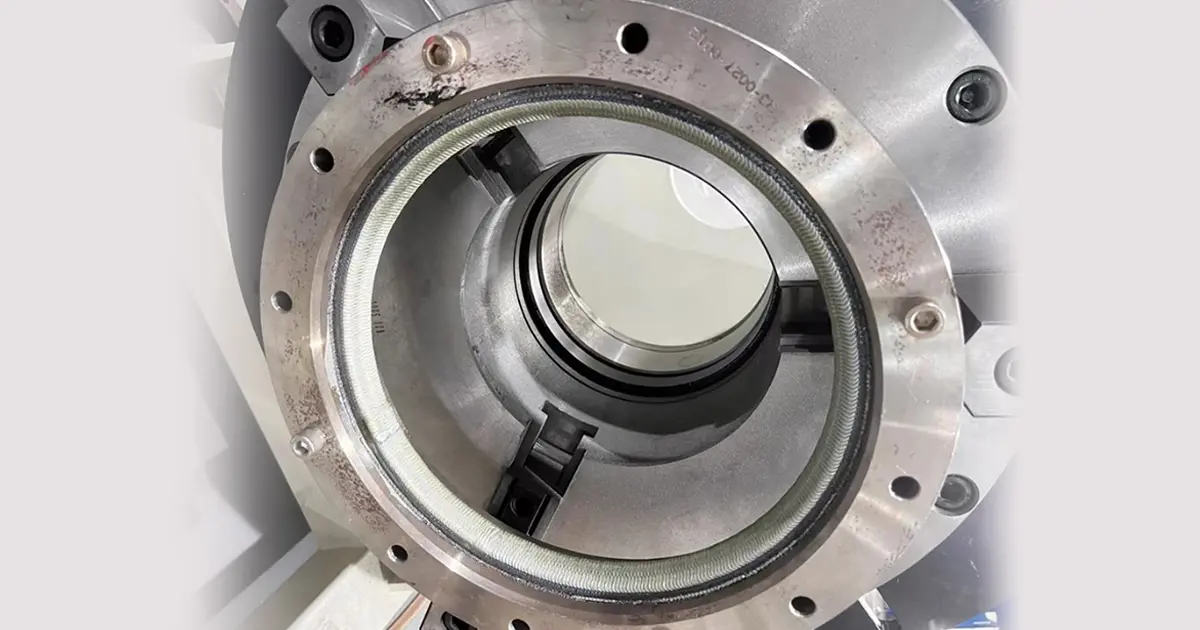
"In industries such as mining, cement, power generation, steelmaking, chemical processing, and biomass energy, screw conveyors are often regarded as auxiliary equipment. However, maintenance data shows that they are among the most frequent causes of unplanned production delays. Implementing automated screw hardfacing has saved us millions."
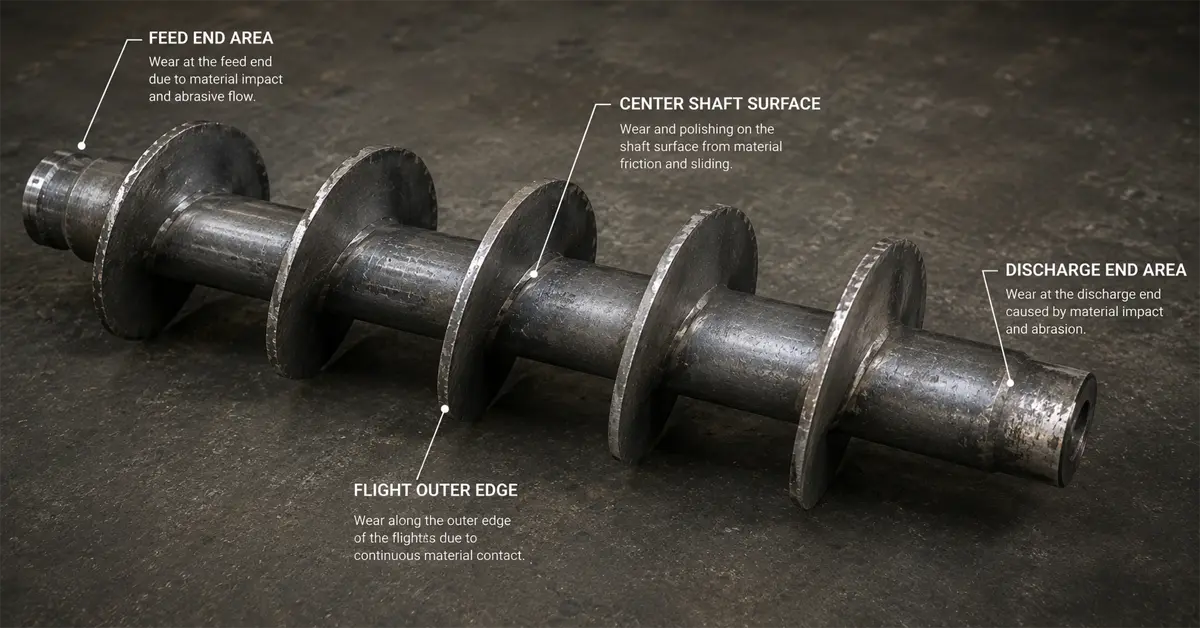
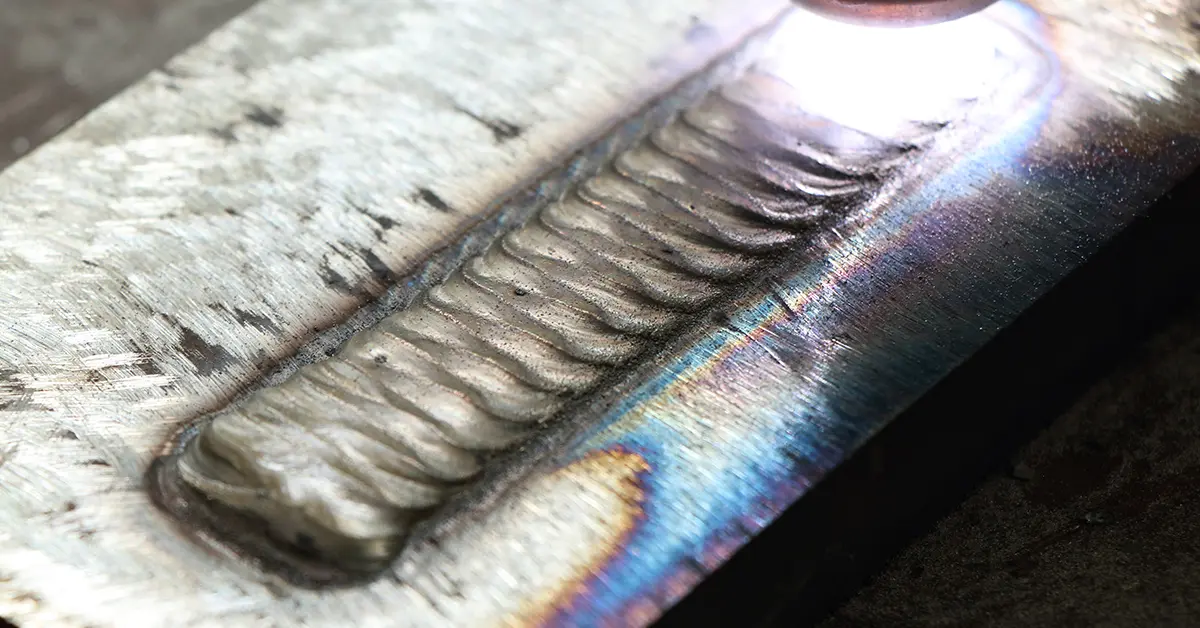
"In Plasma Transferred Arc (PTA) hardfacing, achieving a high-quality overlay is not only about selecting the right alloy powder or optimizing welding parameters. One of the most critical factors that directly affects overlay performance is the dilution rate. Shanghai Duomu's independent control systems maintain dilution under 5%."
Expert answers addressing the search intent of welding engineers, factory managers, and surface modification professionals.
Plasma Transferred Arc (PTA) cladding offers an exceptionally low dilution rate (typically 3% to 8%) compared to manual stick (SMAW) or flux-cored (FCAW) options which range from 15% to 30%. This low dilution allows the surface alloy to reach its intended wear-resistant or corrosion-resistant chemistry in a single pass. Furthermore, the highly concentrated arc reduces the thermal distortion of the substrate metal.
Laser cladding provides even lower heat input, tighter tolerances, and narrower heat-affected zones (HAZ) than PTA, making it ideal for thin-walled objects, blades, and complex geometries. PTA, on the other hand, is a more cost-effective choice for larger structural parts, offering much higher deposition rates and excellent bond strength at lower operational costs.
Yes. Our PTA and Laser systems feature specialized powder feed units designed for nickel-based, cobalt-based (such as Stellite), iron-based, and tungsten carbide composite powders. The system utilizes dual or multi-feed controls to accurately dose different particle sizes without blockage.
As a leading manufacturer and exporter, Shanghai Duomu provides full technical onboarding, including structural programming, parameter setup (amperage, powder flow rate, travel speed), gas choice consulting, and complete operator training. Remote technical diagnostics are available 24/7, with physical parts shipped globally in minimal turnaround times.
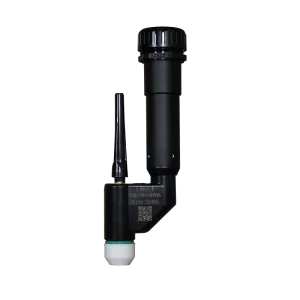
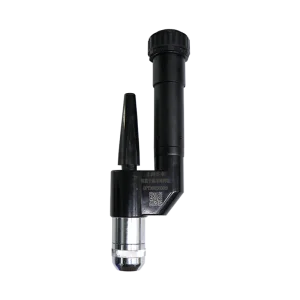
Explore our specialized engineering torches, automated software controllers, nozzles, and replacement components for reliable production.
Get in touch with Shanghai Duomu's engineering experts today. We will reply to your inquiries, parameters feasibility study, and project pricing requests within 24 hours.
Send Inquiry & Get Pricing







 Duomu
Duomu