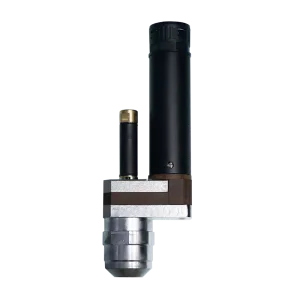
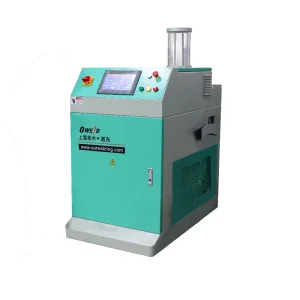
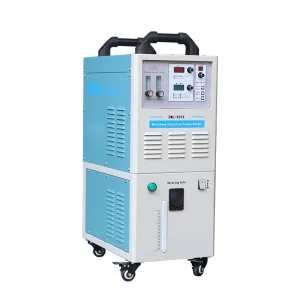
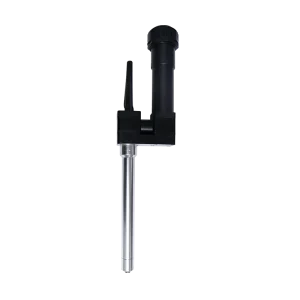
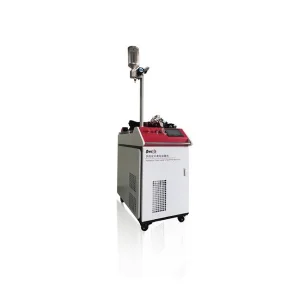
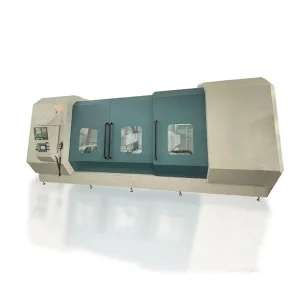
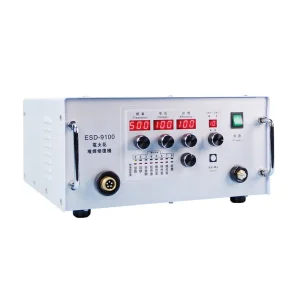
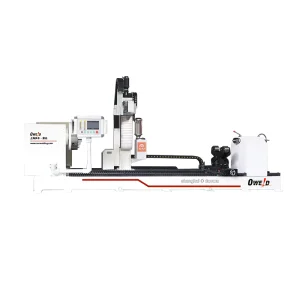
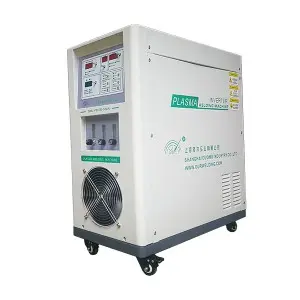
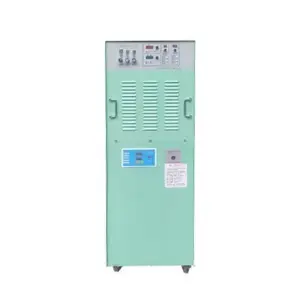
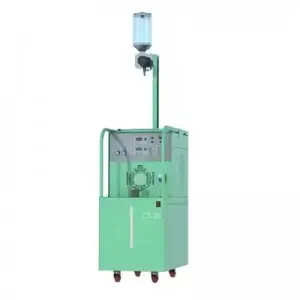
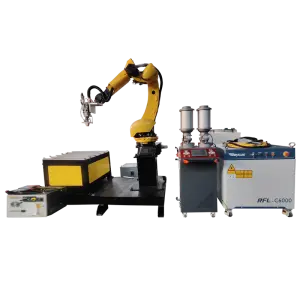
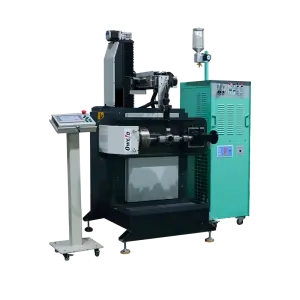
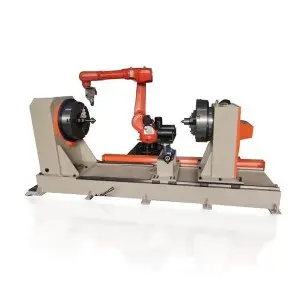
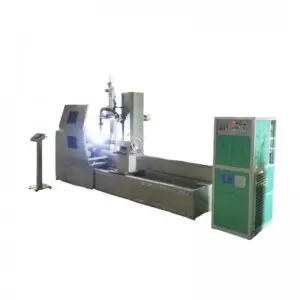
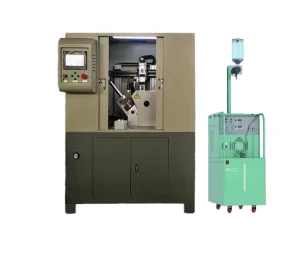
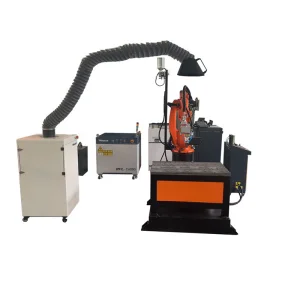
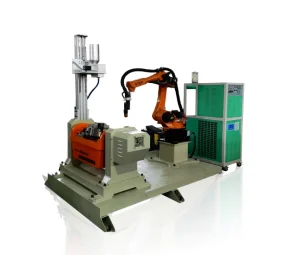
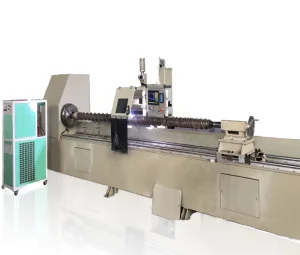
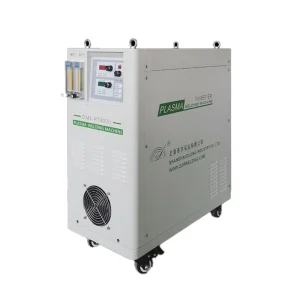
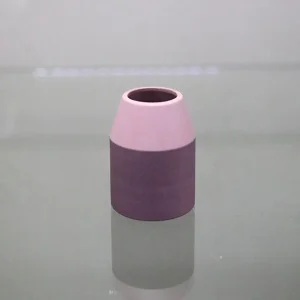
Explore our foundational range of heavy-duty plasma cladding systems, robotic systems, and high-quality accessories.
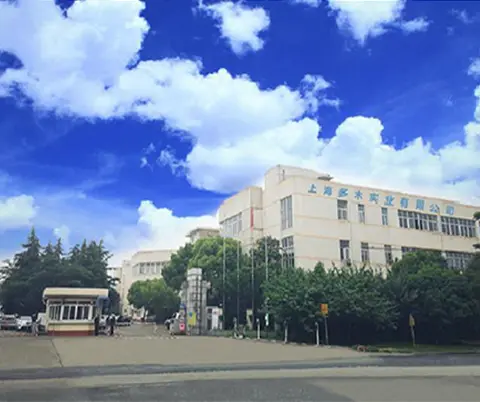
Shanghai Duomu has been a leading manufacturer and exporter of PTA cladding machine and Laser cladding machine for more than ten years with a strong technical background. As global industrial sectors demand higher durability, clean processing, and structural restoration, we design, manufacture, and export systems tailored to maximize operational life and minimize maintenance down-time.
By leveraging proprietary technologies in thermal surfacing, laser processing, and high-frequency control, we provide global manufacturers with robust, high-performance machinery. Our mission is to integrate state-of-the-art optical engineering with heavy metal surfacing technology, bridging the gap between traditional wear resistance and innovative surface treatments.
How the global manufacturing ecosystem is shifting from abrasive blasting to advanced photonic ablation.
Traditional sandblasting relies on expensive media, abrasive grit disposal, and high labor costs. Laser cleaning ("Rimozione Ruggine Laser") runs exclusively on electric power, eliminating consumables, reducing cycle times by up to 60%, and slashing recurring operational expenses.
Chemical pickling and traditional manual grinding stress base metals and cause micro-abrasions. High-frequency laser ablation precisely targets oxide layers, rust scale, and paint coatings without altering the mechanical structure, dimensions, or metallurgic balance of the original substrate.
Meet strict ESG criteria and local EPA directives. Laser rust cleaning generates no secondary chemical waste, hazardous sludges, or airborne silica dust. The process requires only a standard fume extraction unit to pull vaporized dust, keeping work environments safe and compliant.
Our independent R&D team develops, produces, and sells plasma cladding machine equipment. The welding machine has stable performance and can maintain efficient long-term operation. In addition, the laser cladding equipment sold by the company can effectively support large-scale remanufacturing projects. We have mature technological means to provide complete sets of industrial equipment solutions.
Our research focuses on the intersection of laser beam kinematics and material interaction. In laser rust removal, pulse width and peak power density must be dynamically adjusted to exceed the ablation threshold of the contaminant layer (such as iron oxides) without crossing the damage threshold of the underlying steel or alloy. By adjusting beam focus, scanning frequency, and optical pulse durations, we configure solutions tailored for varying metal substrates, from cast iron to delicate aluminum alloys.
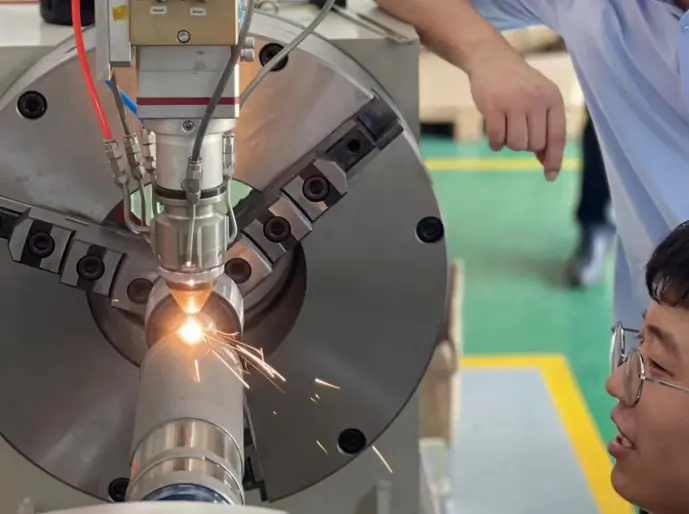
At present, the company's products have penetrated into many fields such as aerospace military industry, nuclear power, petrochemical industry, coal mines, metallurgy and forging, agriculture, water conservancy and electric power, etc.



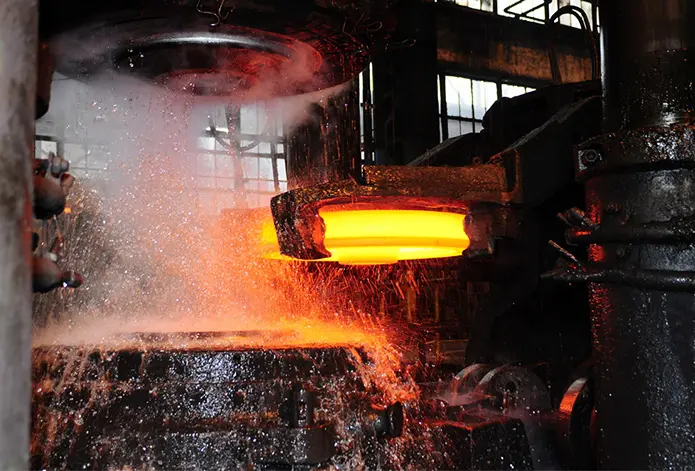
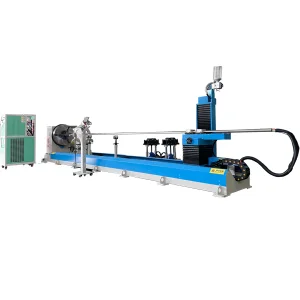
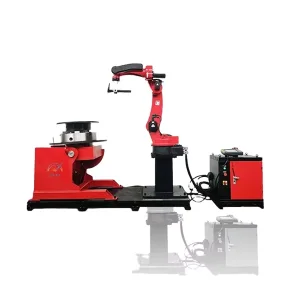
We can provide customized equipment, automatic laser cladding equipment, automatic plasma cladding equipment, intelligent robot cladding equipment, etc. according to customers' requirements, including special equipment in the industry, such as hydraulic rod cladding machine, pick cladding machine, valve cladding machine, etc.
Read about our engineering methods and case studies on wear resistance, cladding, and valve fabrication.
"The PTA Welding Valve Application Guide is not just a process choice for valve manufacturers facing high wear, high corrosion, and high-temperature erosion working conditions, but also a key path to improving product competitiveness."
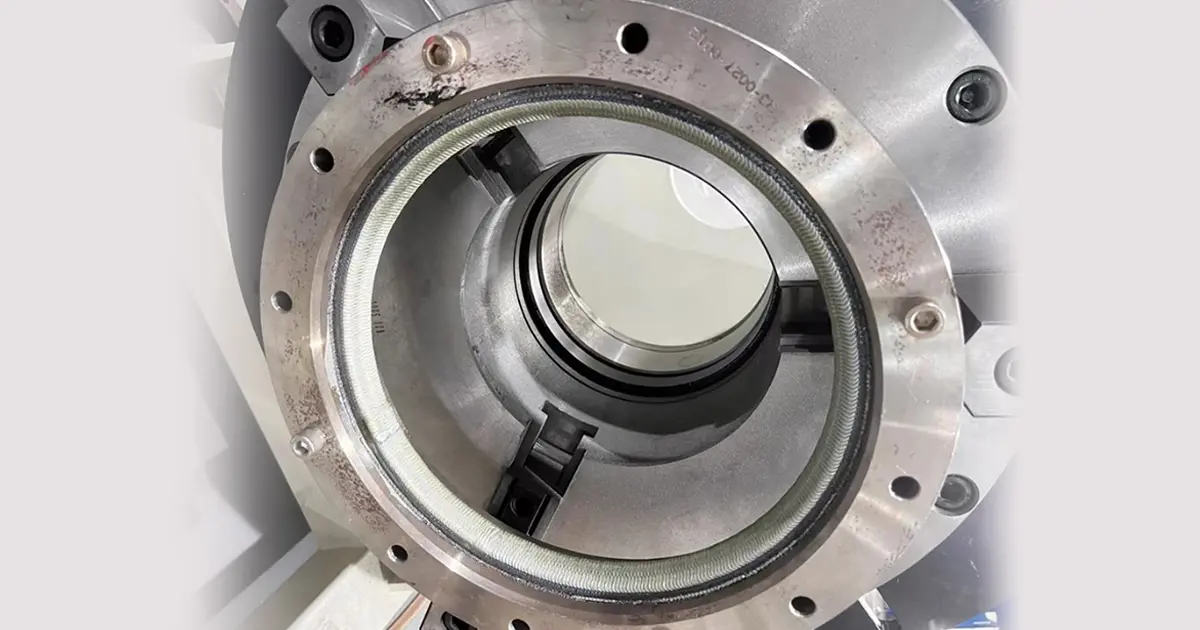
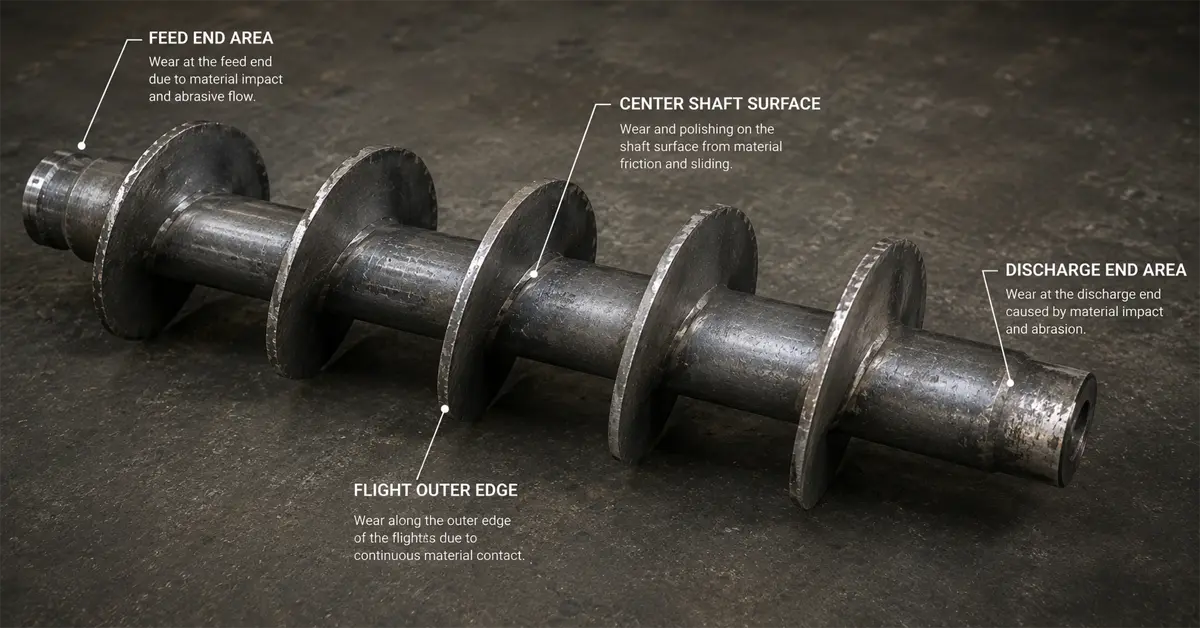
"In industries such as mining, cement, power generation, steelmaking, chemical processing, and biomass energy, screw conveyors are often regarded as auxiliary equipment. However, maintenance data shows that they are among the most frequent causes of unplanned production delays."
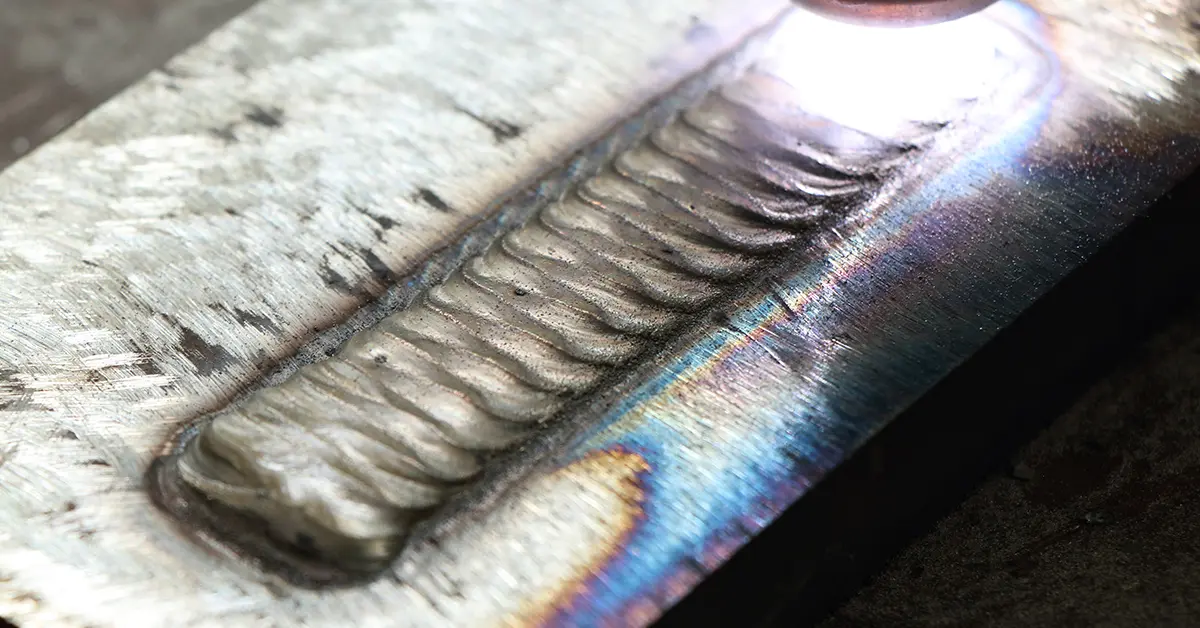
"In Plasma Transferred Arc (PTA) hardfacing, achieving a high-quality overlay is not only about selecting the right alloy powder or optimizing welding parameters. One of the most critical factors that directly affects overlay performance is the dilution rate."
B2B technical requirements, automation protocols, and multi-axis alignment for high-volume factories.
For heavy manufacturing operations, standalone handheld laser tools are rarely sufficient. Global factories require fully integrated, automated robotic setups to process structural parts at speed. Here is how we customize our clean production lines:
Marine environments, heavy rail, and chemical infrastructure require fast surface prep to battle structural corrosion. Traditional sandblasting is slow, messy, and hard to control. Our laser rust removal technology handles this with precision:
How we are preparing for the next generation of industrial surface preparation.
We are advancing our short-pulse (nanosecond) laser lines. Operating at higher frequencies with shorter pulse widths reduces heat transfer to the metal, keeping target substrates cool and preventing warp.
Future setups will feature inline spectral sensors. These sensors analyze reflected light to determine contamination thickness in real-time, automatically adjusting laser power on the fly.
We are developing hybrid processing heads. These units will allow operators to switch from laser cleaning to laser cladding on the same tool, preparing and surfacing parts in one continuous step.
Answers to common questions about operating parameters, safety measures, and custom manufacturing setups.
Cleaning speed depends on rust depth and laser power. A standard 200W pulsed laser clean ranges from 1.5 to 3.0 m²/hr for medium rust layers. Scaling up to a 1000W or 2000W system increases speeds to 10 to 18 m²/hr, making it suitable for high-volume factory lines.
Yes. These metals have high reflectivity and thermal conductivity. By adjusting laser pulse widths and scanning paths, the laser quickly removes oxides and oil without reaching the melting point of the base metals.
CW lasers emit a steady light beam. They are cost-effective and work well for high-speed rust removal on heavy steel plates. Pulsed lasers release light in short bursts, offering precise heat control. This makes them ideal for precision tooling, molds, aerospace alloys, and parts sensitive to heat warping.
We source high-grade fiber laser engines rated for up to 100,000 operational hours. The primary wear items are the protective glass cover slides in the cleaning head, which are inexpensive and easy to replace on the shop floor.
Because these are Class 4 laser devices, operators must wear protective eyewear designed for the system's specific wavelength (typically 1064nm). Automated systems should be enclosed in a light-tight safety cell with door interlocks and proper fume extraction.
Our engineering team designs custom scanning nozzles, specialized field lenses, and custom robotic mounts. We run test cleanings on your material samples to dial in the perfect parameters for your production goals.






Explore our heavy-duty welding heads, cladding robots, and custom component positioners.
For inquiries about our products or pricelist, please leave to us and we will be in touch within 24 hours. Get custom system specs, workflow layout consultations, or request sample runs.
 Duomu
Duomu