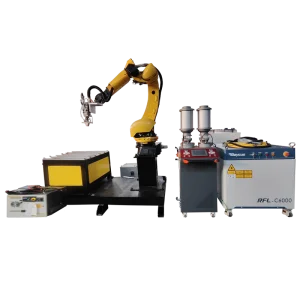
Highly customized automatic plasma powder surfacing systems, laser cladding machinery, and CNC robotic positioners engineered for heavy industrial wear resistance.
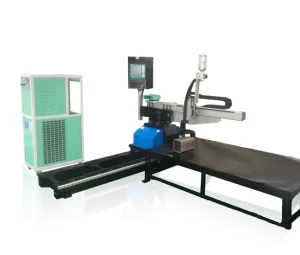
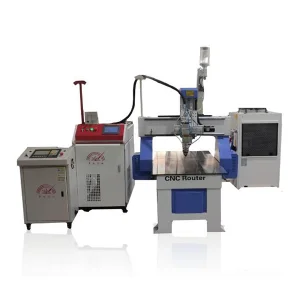
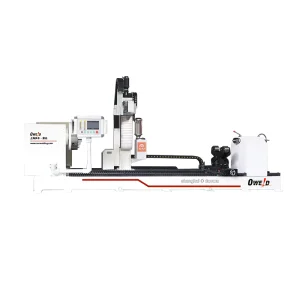
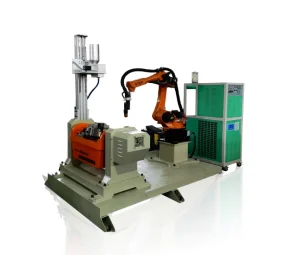
In high-precision manufacturing and surface engineering, Spawanie Plazmowe (Plasma Arc Welding & Cladding) stands out as an elite thermal process. By utilizing a highly concentrated, constricted arc through a specialized nozzle, plasma welding surpasses traditional gas tungsten arc welding (GTAW/TIG) in energy density, speed, and metallurgical control.
When analyzing Spawanie Plazmowe wady i zalety (advantages and disadvantages of plasma welding), industrial decision-makers must look beyond initial acquisition costs to weigh long-term productivity, material longevity, dilution rates, and mechanical integrity. As custom manufacturers and global suppliers, Shanghai Duomu has built a decade-long reputation in configuring automated PTA (Plasma Transferred Arc) cladding systems to maximize the process's inherent advantages while systematically mitigating its standard technical constraints.
What is Information Gain in Plasma Surfacing? Information gain is achieved when heavy industries shift focus from basic component replacement to active surface modification. Implementing customizable automated cladding machinery optimizes the dilution zone, minimizing the depletion of expensive superalloy chemistry (e.g., Stellite, Colmonoy, tungsten carbide) while offering excellent mechanical bond strengths.
An engineering-level examination of the capabilities, limitations, and key system parameters of plasma transferred arc technology.
PTA cladding limits dilution of the substrate into the weld pool to as low as 3% to 5%. This ensures that the applied alloy maintains its intended hardness and wear resistance in a single pass, saving costly consumables.
The constricted plasma arc creates a narrow Heat-Affected Zone (HAZ). This minimizes structural deformation of the underlying mechanical components, rendering it perfect for precision hydraulic rods and turbine blades.
PTA systems utilize metal powders rather than drawn wire. This enables manufacturers to develop custom matrix alloys, blending hard ceramic phases like tungsten carbide directly into nickel, cobalt, or iron matrices.
Compared to basic manual TIG or MIG setups, PTA cladding equipment demands higher upfront capital. Mitigation: Heavy industries offset this through automated systems that yield exponential increases in workpiece duty cycle.
Setting parameters (pilot arc current, powder feed rate, gas flow, oscillation) requires experienced engineers. Mitigation: Shanghai Duomu offers customized intelligent PLC robot integrations with pre-programmed parameters.
The quality of the weld bead relies heavily on absolute purity of the plasma and shielding gases (typically high-purity argon or argon-hydrogen mixtures). High wind or unshielded environments can lead to porosity.
| Feature / Parameter | Plasma Arc (Spawanie Plazmowe / PTA) | Laser Cladding (Napawanie Laserowe) | Manual TIG Welding (S-TIG) |
|---|---|---|---|
| Dilution Rate | Low (3% - 8%) | Ultra-Low (1% - 3%) | High (15% - 25%) |
| Metallurgical Bond Strength | Excellent (Fused Interface) | Excellent (Fused Interface) | Excellent (Deep Penetration) |
| Deposition Rate | Very High (up to 12 kg/h) | Medium (1 - 4 kg/h) | Low (0.5 - 1.5 kg/h) |
| Capital Equipment Cost | Moderate to High | Very High | Very Low |
| HAZ (Heat Affected Zone) | Narrow | Extremely Narrow | Wide |
Over a decade of dedication to manufacturing robust, high-performance PTA and Laser surface cladding machinery.
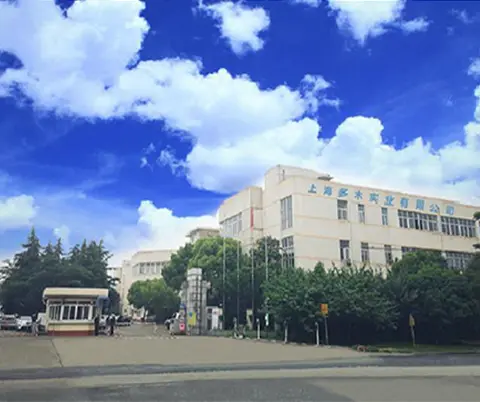
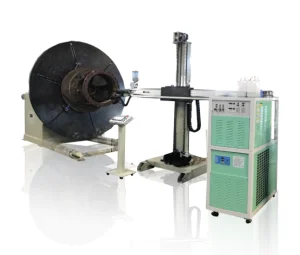
Shanghai Duomu has been a leading manufacturer and exporter of PTA cladding machine and Laser cladding machine for more than ten years with a strong technical background. Our industrial footprint covers global distribution, supplying turnkey systems to heavy industrial plants that require continuous mechanical repair and wear-resistant hardfacing overlays.
By analyzing the exact requirements of clients facing high heat, severe friction, and corrosive media, we supply customized welding manipulators and proprietary automated systems designed to perform consistently under intense manufacturing schedules.
We have an independent R&D team, which develops, produces and sells plasma cladding machine equipment. The welding machine has stable performance and can maintain efficient long-term operation. In addition, the laser cladding equipment sold by the company can effectively support large-scale remanufacturing projects. We have mature technological means to provide complete sets of industrial equipment solutions.
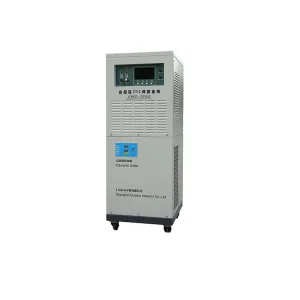
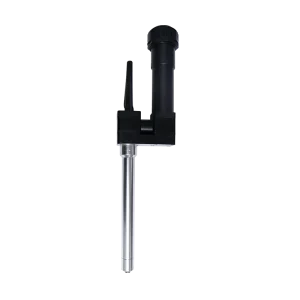
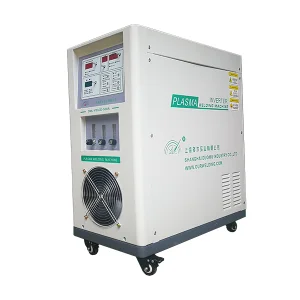
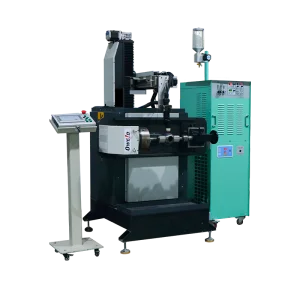
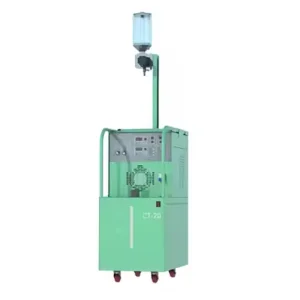
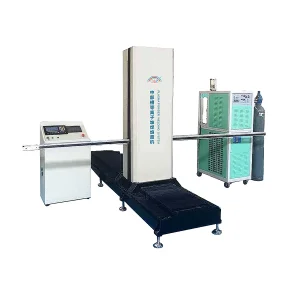
Through the years, our development engineers have refined our plasma powder surfacing machines (such as the DML-V03CD and DML-V02BD series) to optimize powder delivery, stabilize high-current pilot arcs, and minimize the operational learning curve for client factories.
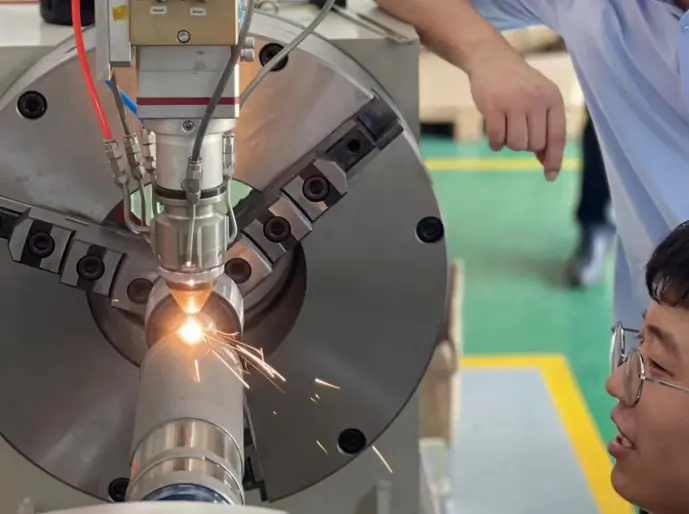
At present, the company's products have penetrated into many fields such as aerospace military industry, nuclear power, petrochemical industry, coal mines, metallurgy and forging, agriculture, water conservancy and electric power, etc.


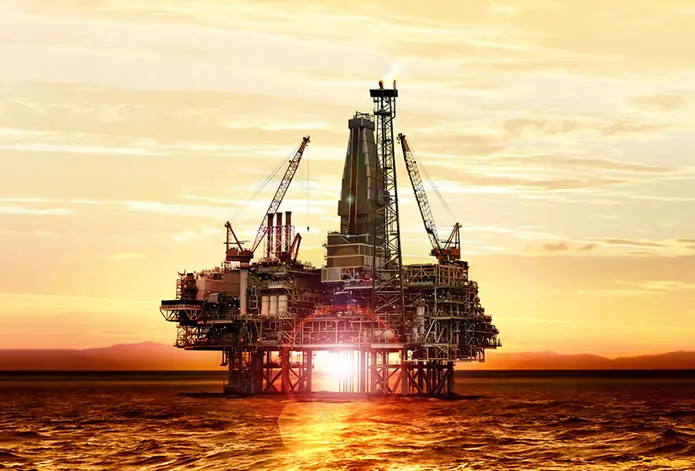
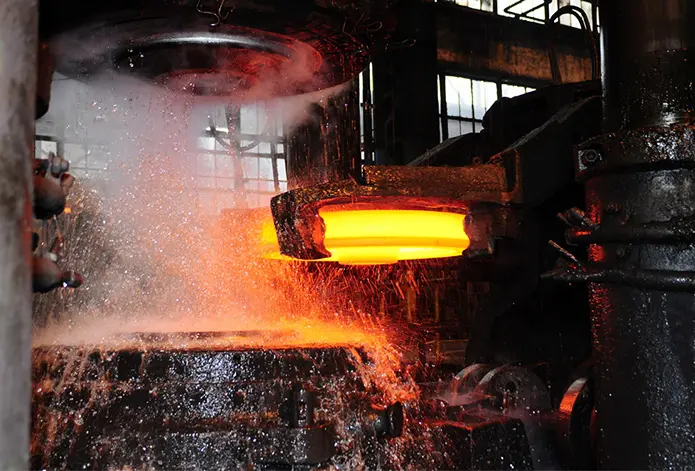
Across heavy industrial hubs worldwide, from the Ruhr Valley in Germany to the industrial corridors of Silesia in Poland, the demand for wear mitigation processes like spawanie plazmowe has escalated. In Poland, major coal mining (Górnictwo), heavy metallurgy (Hutnictwo), and agricultural manufacturing businesses rely on surface rebuilding. Extending the operating cycles of heavy-duty excavators, conveyor screws, and hydraulic support valves directly dictates operational profitability.
As European environmental regulations tighten, the concept of a circular economy and remanufacturing (regeneracja części) has changed the corporate perspective. Rather than discarding worn shafts, valves, or hydraulic cylinders, companies utilize automated plasma cladding technology to restore original geometries, achieving superior wear characteristics compared to original OEM components. This shifts the debate surrounding spawanie plazmowe wady toward strategic financial amortization, wherein the initial cost of automated hardware is recouped through reductions in replacement inventory and plant downtime.
The future of industrial surface modification resides in automation and sensor integration. The technical roadmap for modern PTA surfacing systems focuses heavily on closed-loop control:
Engineered system responses addressing the severe wear, high temperature, and mechanical stress profiles of crucial sectors.
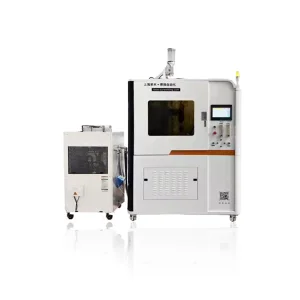
Mining components like cutting picks and screw conveyors are subjected to intense abrasive wear from rock, sand, and ore. Shanghai Duomu’s automatic laser cladding equipment DJC-LC305 and PTA surfacing systems allow for the deposition of high-density tungsten carbide particles in a tough nickel alloy matrix. This increases pick lifetime by 300% to 500% compared to standard uncoated steels.
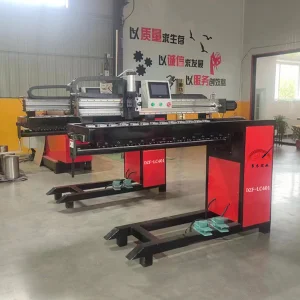
Industrial ball valves face corrosion, high-pressure erosion, and high temperatures. PTA hardfacing using Cobalt-base (Stellite) or Nickel-base superalloys provides an impermeable, hard layer that prevents galling and corrosion. Our Ball Valve Automated Welding Equipment DQF-LC602 delivers precision welding patterns that minimize thermal distortion and seal faces.
Hydraulic rods in heavy mining supports and earthmovers require high corrosion and wear resistance. Transitioning from electroplating (chrome plating) to laser/plasma cladding is an eco-friendly and higher-performance alternative. Systems like the DYY-LC501 Hydraulic rod automatic plasma cladding system apply thin, uniform layers of stainless steel or superalloys with minimal heat input, preventing rod bending.
Insights into surface protection methodologies and practical field applications of PTA systems.
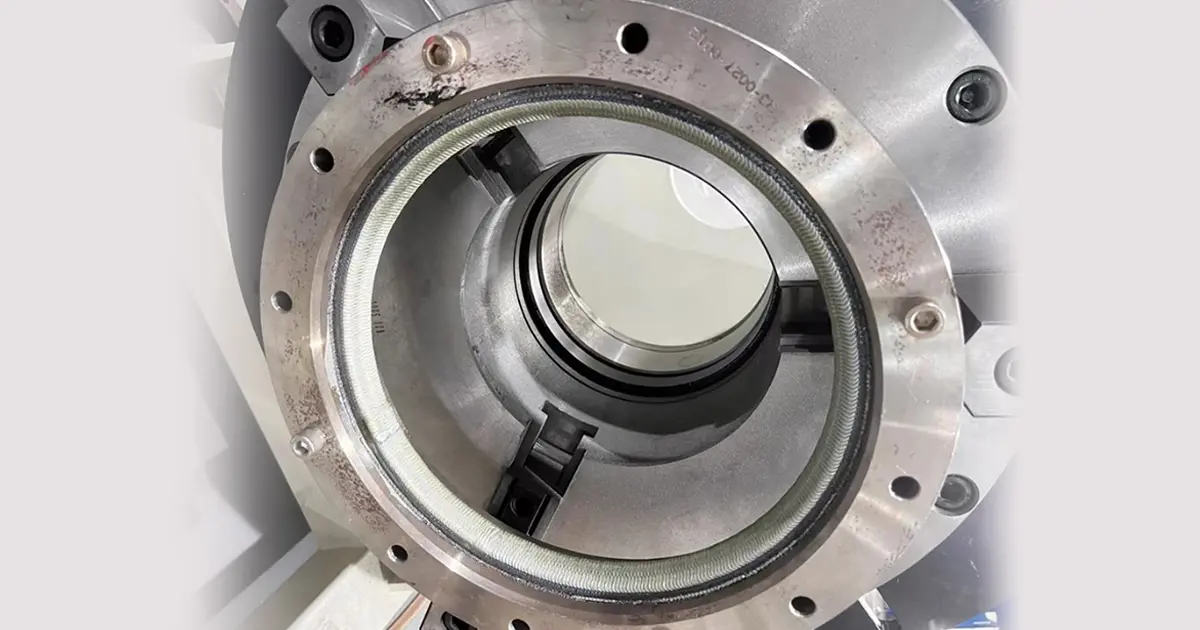
The PTA Welding Valve Application Guide is not just a process choice for valve manufacturers facing high wear, high corrosion, and high-temperature erosion working conditions, but also a key path to improving product competitiveness. As industries such as petrochemical, gas, and power systems demand tight seals under extreme pressures, implementing automatic PTA systems is imperative.
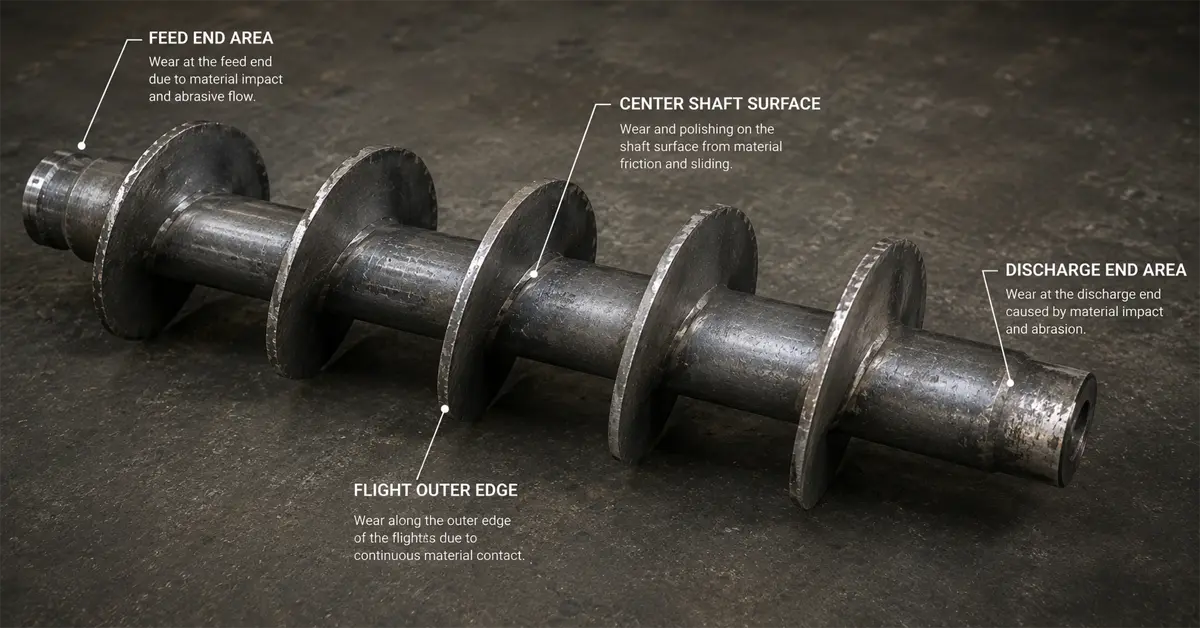
In industries such as mining, cement, power generation, steelmaking, chemical processing, and biomass energy, screw conveyors are often regarded as auxiliary equipment. However, maintenance data shows that they are among the most frequent causes of unplanned production downtime. Protecting these flights with tungsten carbide overlays using automated plasma powder surfacing machine DML-V03CD prevents premature blade thinning.
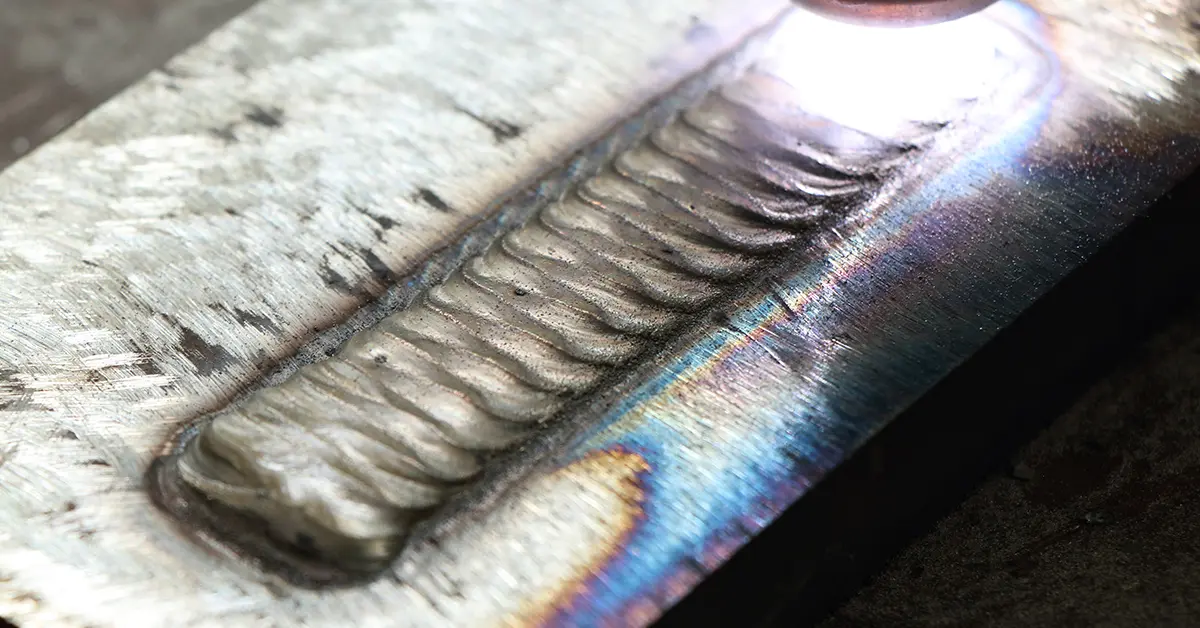
In Plasma Transferred Arc (PTA) hardfacing, achieving a high-quality overlay is not only about selecting the right alloy powder or optimizing welding parameters. One of the most critical factors that directly affects overlay performance is the dilution rate. Whether you require a single layer or a multi-pass structure, control of dilution prevents base-metal elements from softening the high-performance alloy cladding layer.
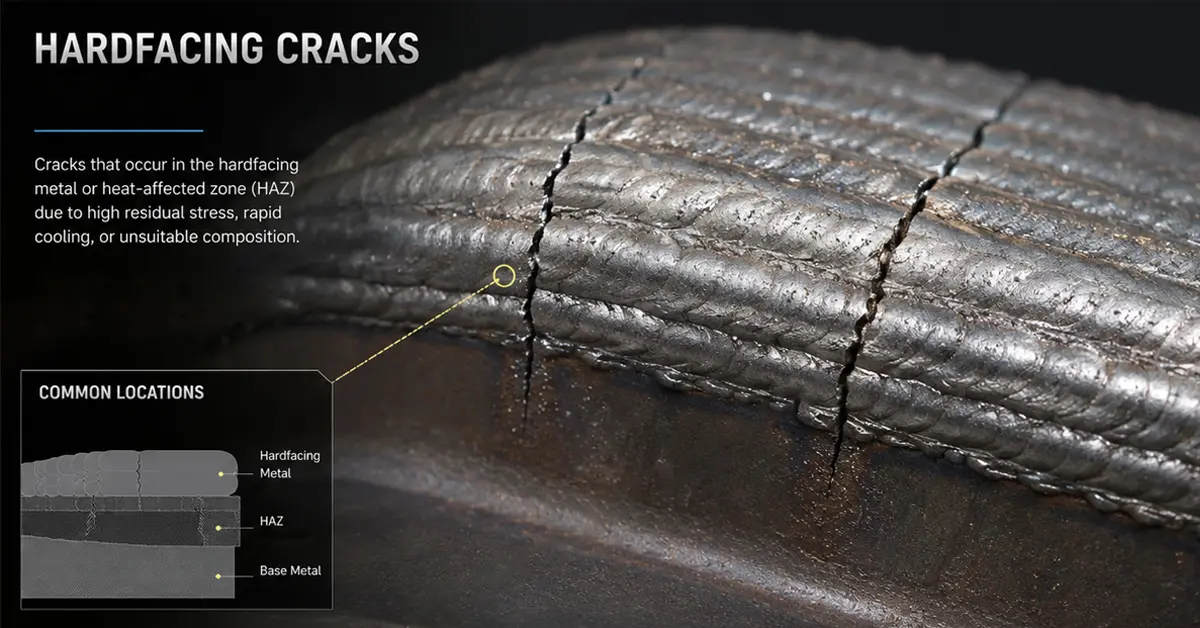
In industries such as Oil & Gas, Mining, Power Generation, Cement, and Heavy Equipment Manufacturing, hardfacing is no longer just a repair process. It has become a critical technology directly related to equipment lifespan, downtime costs, maintenance frequency, and structural reliability. Selecting between plasma arc, laser cladding, or traditional arc methods is a strategic choice.
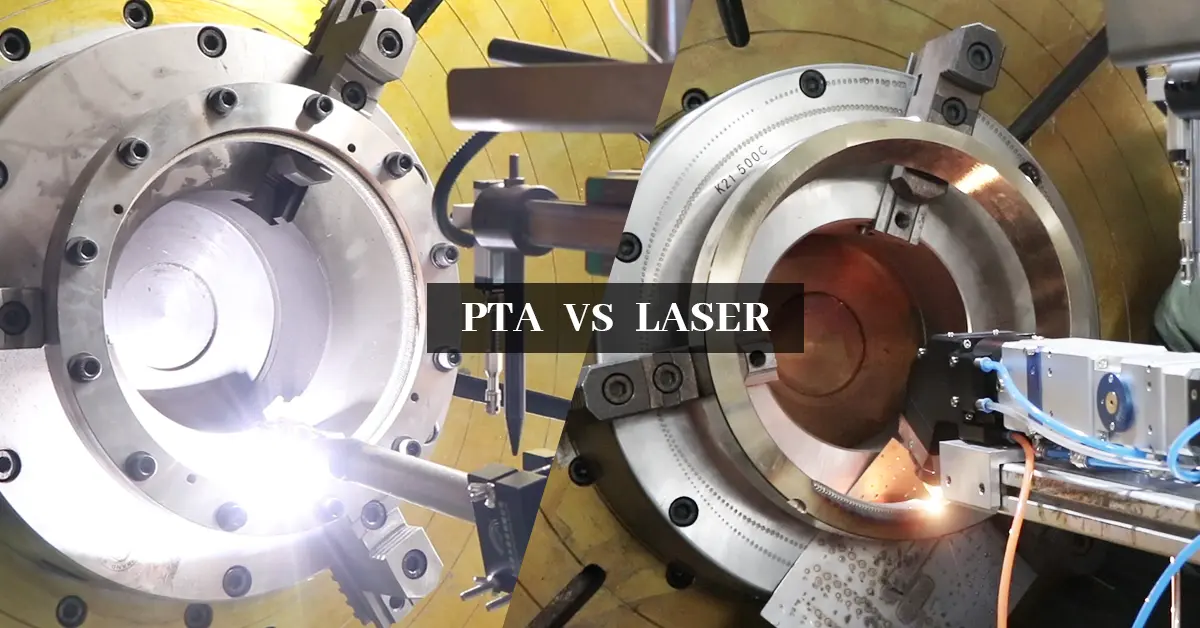
In industries such as oil & gas, petrochemical, power generation, mining, and marine engineering, industrial valves are constantly exposed to severe operating conditions including: High pressure, extreme temperatures, corrosive media, abrasive wear, sand erosion, and cavitation. Rebuilding these seats via automatic plasma cladding surfacing systems guarantees minimal gas emissions and reliable flow control.
Technical and commercial questions regarding plasma Transferred Arc (PTA) welding, cladding parameters, and material optimizations.
Designed for heavy industrial wear prevention, automated production environments, and high-precision metallurgical engineering.








 Duomu
Duomu