Custom Stellite Schweißen Manufacturers & Supplier

High-Precision Cobalt-Based Hardfacing, PTA Welding & Laser Cladding Solutions for Severe Wear, Corrosion & High-Temperature Environments

10+
Years of Cladding Expertise
500+
Global Industrial Systems Installed
100%
Customized Engineering Design
24h
Technical Support Response

Stellite Schweißen (Hardfacing): Industry Overview & Evolution

A comprehensive technical analysis of Cobalt-Base alloy deposit technologies, metallurgy properties, and engineering methodologies.

The Evolution of Cobalt-Base Superalloy Surfacing

In modern heavy-duty industrial engineering, mechanical components are exposed to increasingly extreme operating parameters. Severe abrasive wear, aggressive chemical corrosion, erosive cavitation, and thermal shock are constant hazards that compromise the integrity of metallic substrates. Traditionally, high-alloy steel and tungsten carbide composites provided baseline protection. However, the true breakthrough in severe service environments belongs to cobalt-base alloys, universally recognized under the trademark family of Stellite®. The process of applying this robust cobalt-chromium-tungsten alloy onto load-bearing steel components is known as Stellite Schweißen (Stellite Welding/Surfacing).

Over the last three decades, Stellite Schweißen has transitioned from basic manual oxy-acetylene torch cladding to highly complex, computer-controlled deposition mechanisms. Modern industrial demands require minimal dilution rates, pristine weld integrity, and exceptional dimensional tolerances. With the rise of advanced automation, technologies like Plasma Transferred Arc (PTA) welding and Robotic Laser Cladding have assumed the vanguard of high-precision material deposition, allowing manufacturers to tailor microstructures for targeted mechanical properties.

Information Gain Insight: The excellence of Stellite alloys derives from their solid solution matrix of cobalt and chromium, strengthened by a network of hard complex carbides (such as M7C3 and M23C6). This unique metallurgical morphology ensures that the alloy maintains its high hardness, sliding wear resistance, and oxidation resistance at temperatures exceeding 800°C (1472°F) — conditions where standard carbon and stainless steels undergo severe thermal softening.

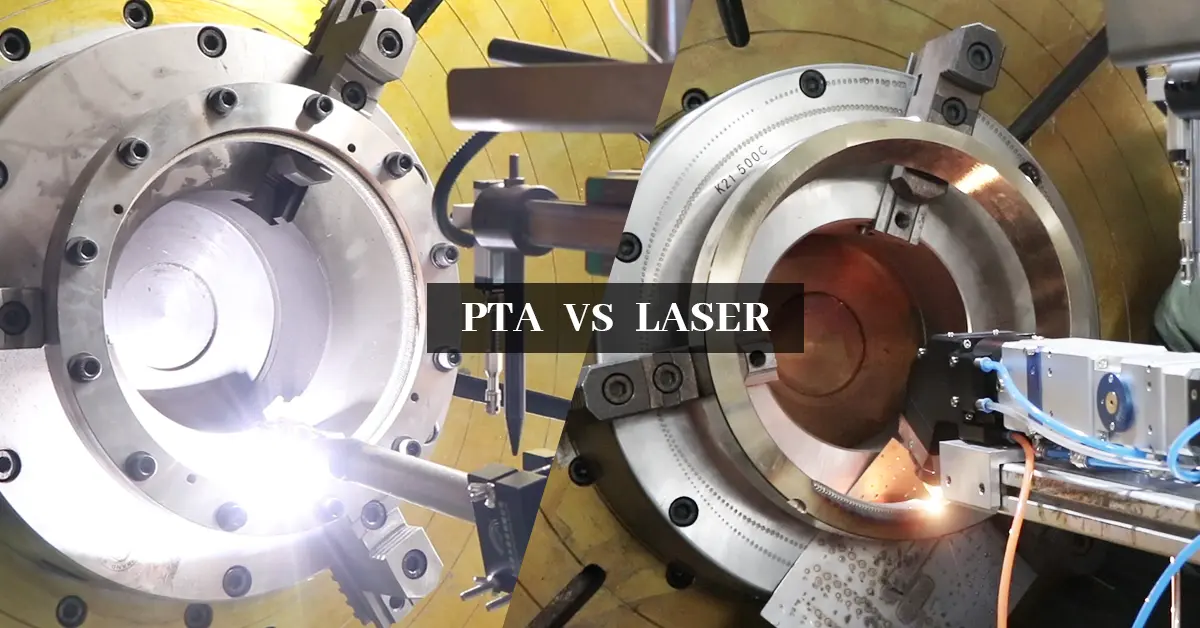
Technical Disruption: Comparing PTA Cladding & Laser Surfacing for Stellite

As a global supplier and custom manufacturer of high-performance surface engineering systems, we recognize that selecting the correct deposition method directly dictates the efficiency and lifespan of the clad component. The industry relies predominantly on two state-of-the-art hardfacing technologies:

Plasma Transferred Arc (PTA)

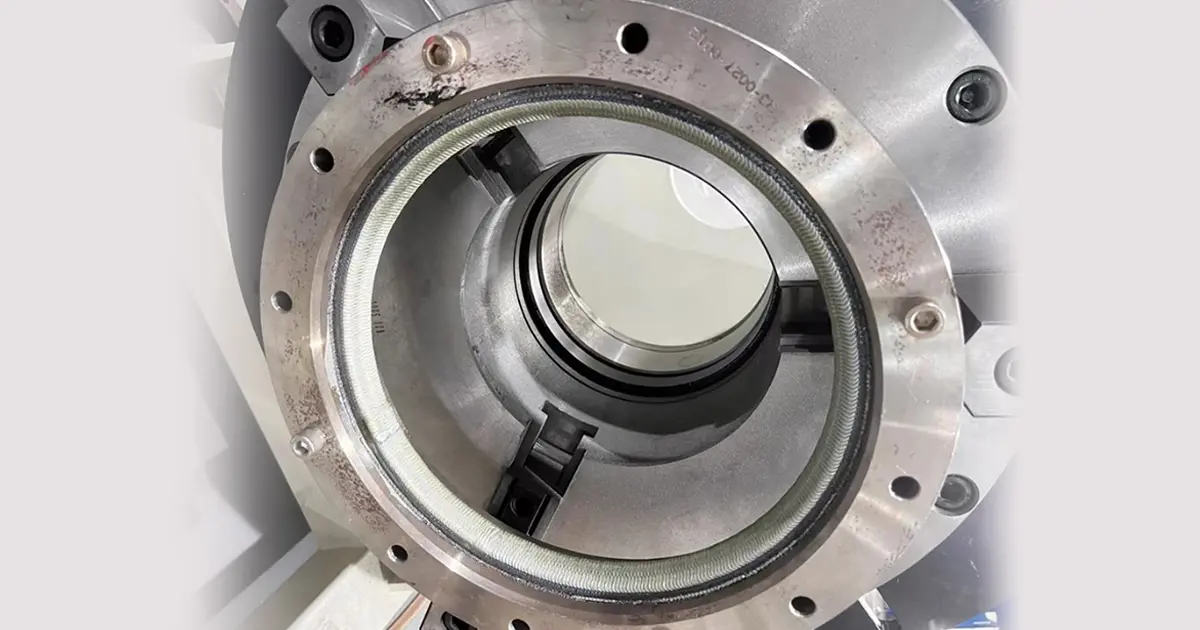
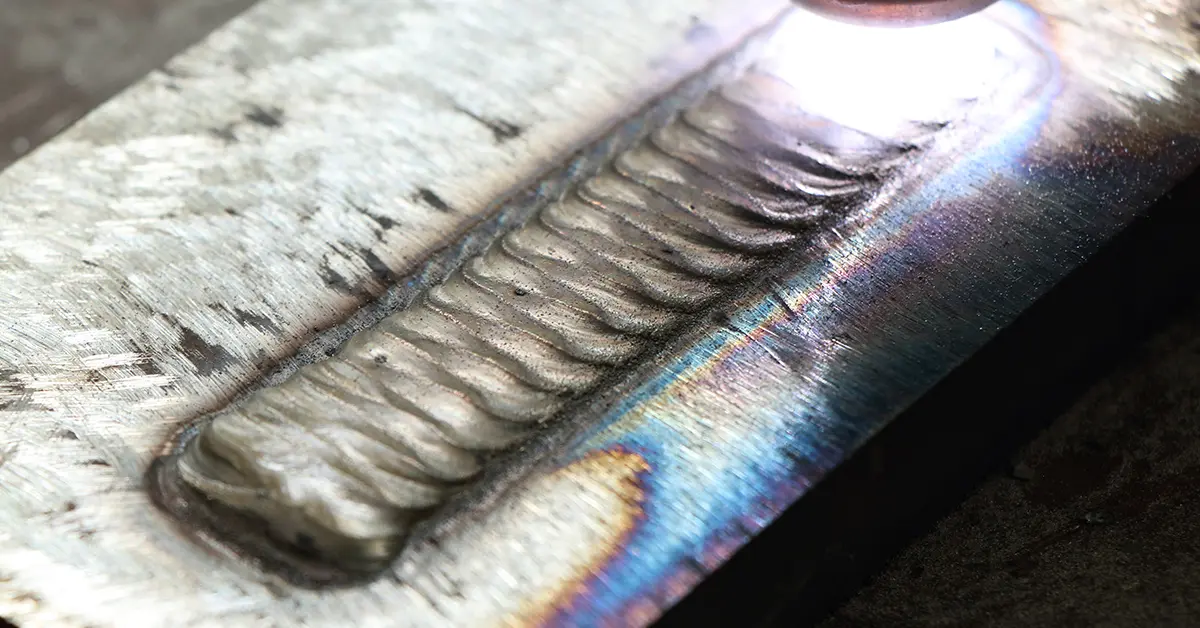
PTA is a high-energy thermal process utilizing a focused plasma arc to melt both the substrate surface and the Stellite alloy powder. PTA provides exceptional metallurgical bonding, extremely low dilution rates (down to 5%), and highly efficient deposition rates, making it the industry standard for thick-layer industrial hardfacing applications.

Laser Cladding Technology

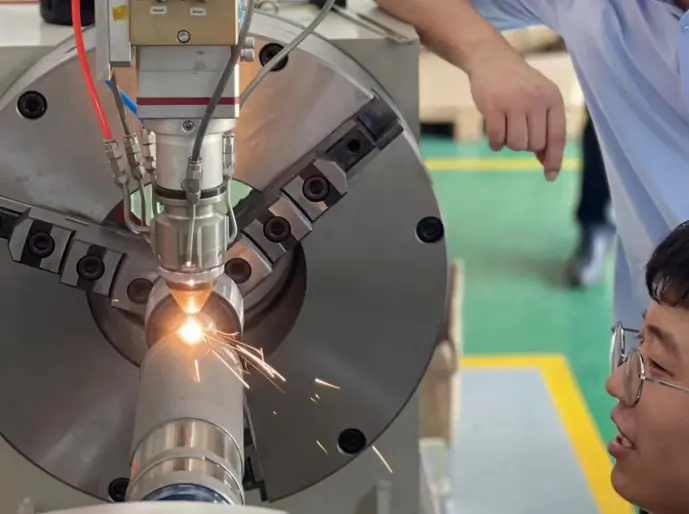
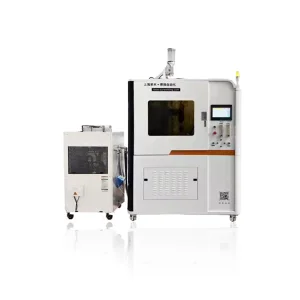
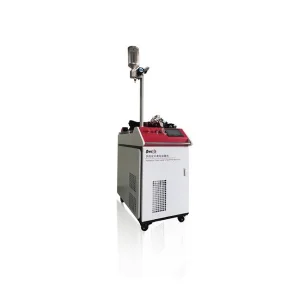
Utilizing a concentrated laser beam, Laser Cladding melts the alloy powder and a minimal surface layer of the substrate. The extremely low heat input minimizes the Heat-Affected Zone (HAZ), results in almost zero dilution (under 3%), and ensures a refined, ultra-fine dendritic grain structure with unmatched wear characteristics.

Custom Automation & Integration

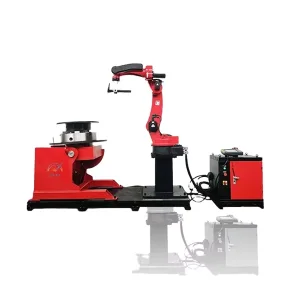
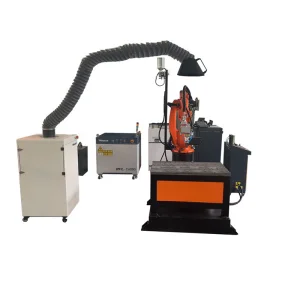
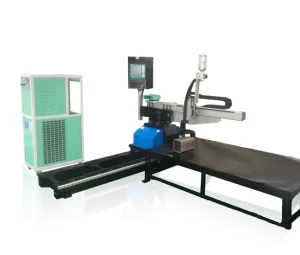
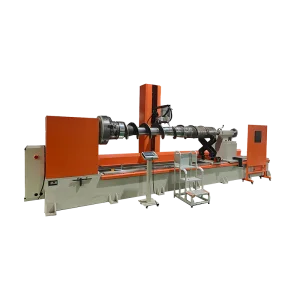
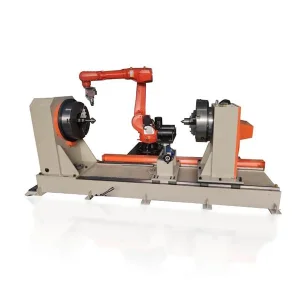
Our solutions feature multi-axis robotic arms and gantry systems designed to execute complex toolpaths. By integrating real-time optical tracking and thermal monitoring, we guarantee consistent layer thickness and eliminate defects like porosity and microcracks.

Global Procurement Needs: Navigating High-Reliability Supply Chains

In the current global economic landscape, industrial procurement departments are shifting from cost-only sourcing models to risk-mitigated, high-reliability frameworks. Purchasing customized Stellite hardfacing equipment or custom-clad components requires deep technical alignment. Major OEMs in Europe, North America, and APAC regions prioritize suppliers who demonstrate comprehensive material science expertise, ISO-certified quality control, and robust delivery channels.

The primary procurement bottleneck in Stellite Schweißen is material waste and subsequent machining costs. Because cobalt alloys are exceptionally hard and difficult to machine, raw claddings must be deposited as close to the final net-shape as possible. Purchasing smart cladding machinery—such as our automated 6-axis robotic laser or plasma cladding lines—allows global OEMs to achieve precise near-net-shape deposition, dramatically reducing material waste, tool wear, and cycle times.

China Factory 4.0: Enhancing Supply Chain Resilience and Technical Efficiency

Operating from Shanghai, Duomu has spearheaded the integration of Industry 4.0 paradigms into the surface modification equipment industry. China's manufacturing sector has progressed beyond high-volume production; today, it is defined by digital integration, agility, and precision engineering. Our manufacturing facility combines advanced CNC fabrication, automated robotic assembly, and digital quality monitoring to supply globally competitive hardfacing systems.

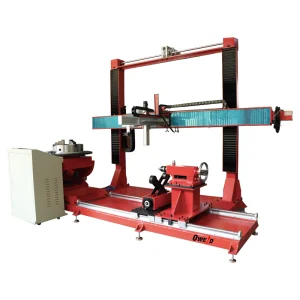
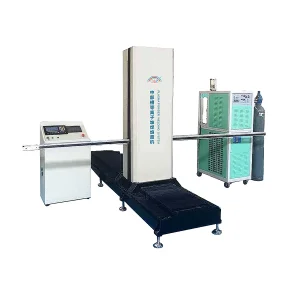
By leveraging a deeply localized industrial supply chain, we secure high-grade raw components, advanced laser optical systems, and heavy gantry frameworks at optimized lead times. This structural efficiency is directly passed to our global clients, offering them high-uptime machinery that adheres to CE, UL, and regional safety codes. Our agile manufacturing model ensures we can deliver customized double-column gantry systems, specialized deep-hole torches, and multi-axis plasma cladding cells without the prolonged lead times typical of Western machinery integrators.


Cross-Industry Application Scenarios

Discover how our customizable plasma and laser cladding systems optimize critical components in high-stress operating environments.

Agricultural Machinery Stellite Cladding

Agricultural Machinery

Wear-resistant overlays on soil-engaging tools and shredder blades, maximizing operational lifespan in sandy and abrasive soils.

Aerospace and Military Surfacing

Aerospace & Military

High-precision shielding gas covers, turbine blades, and defense components requiring exceptional hot-hardness and corrosion barriers.

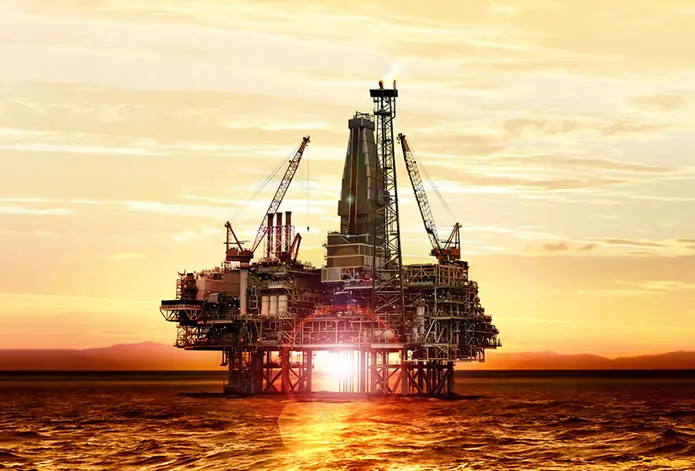
Petroleum Machinery Valve Seats

Petroleum Machinery

PTA-clad drill bits, stabilizers, and critical control valve seats designed for extreme offshore deep-well exploration.

Metallurgy Casting Guide Rollers

Metallurgy & Casting

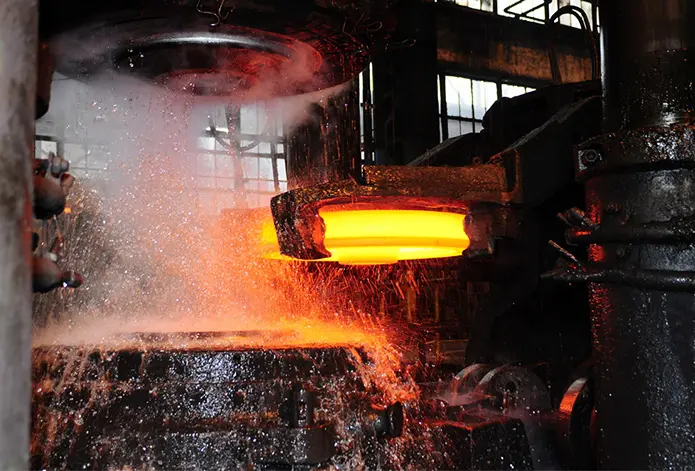
Rollers, guides, and molds exposed to thermal fatigue and molten metal contact, requiring Stellite's thermal stability.

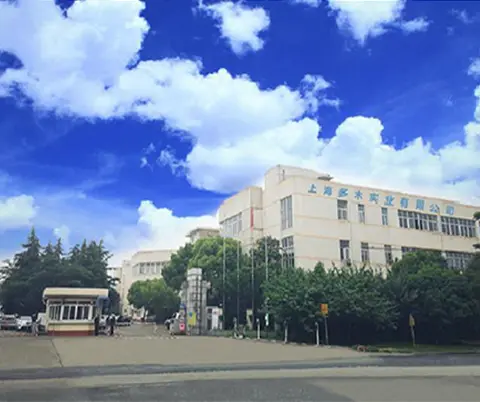
Shanghai Duomu Cladding Machine Manufacturer Factory

About Shanghai Duomu

Shanghai Duomu has been a leading manufacturer and exporter of PTA cladding machines and Laser cladding machines for more than ten years with a strong technical background. Our dedication to design innovation and metallurgical expertise has enabled us to establish a global presence, supplying heavy industries with robust surface enhancement systems.

We operate with the core philosophy that a machine is only as good as the service and material performance it enables. Our systems are engineered to deploy Cobalt-based, Nickel-based, and Tungsten Carbide composite materials smoothly, yielding flawless, dense, and crack-free protective barriers for high-value industrial assemblies.

Independent Technical Department & Custom Engineering

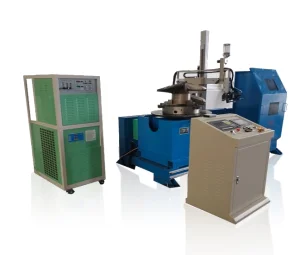
We maintain an independent R&D team that develops, produces, and sells plasma cladding machine equipment. Our welding systems are designed for high stability and can sustain efficient, long-term operation under heavy industrial cycles. In addition, the laser cladding equipment sold by the company effectively supports large-scale remanufacturing projects. We have mature technological means to provide complete sets of industrial equipment solutions.

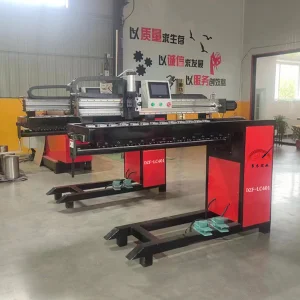
We can provide customized equipment, automatic laser cladding equipment, automatic plasma cladding equipment, and intelligent robot cladding systems according to customer requirements. Our portfolio includes specialized industry solutions such as hydraulic rod cladding machines, pick cladding machines, and valve cladding systems.

Shanghai Duomu Technical Department R&D Center

Technical Case Studies & Industrial Insights

Read detailed reviews and field reports highlighting the application of PTA and Laser cladding in complex mechanical environments.

"The PTA Welding Valve Application Guide is not just a process choice for valve manufacturers facing high wear, high corrosion, and high-temperature erosion working conditions, but also a key path to improving product competitiveness. As industries such as petrochemical, chemical, and power generation evolve, the demands on control valve durability have grown exponentially."

Valve Cladding Guide Case Study
Industrial Valve Engineering Petrochemical Sector Review

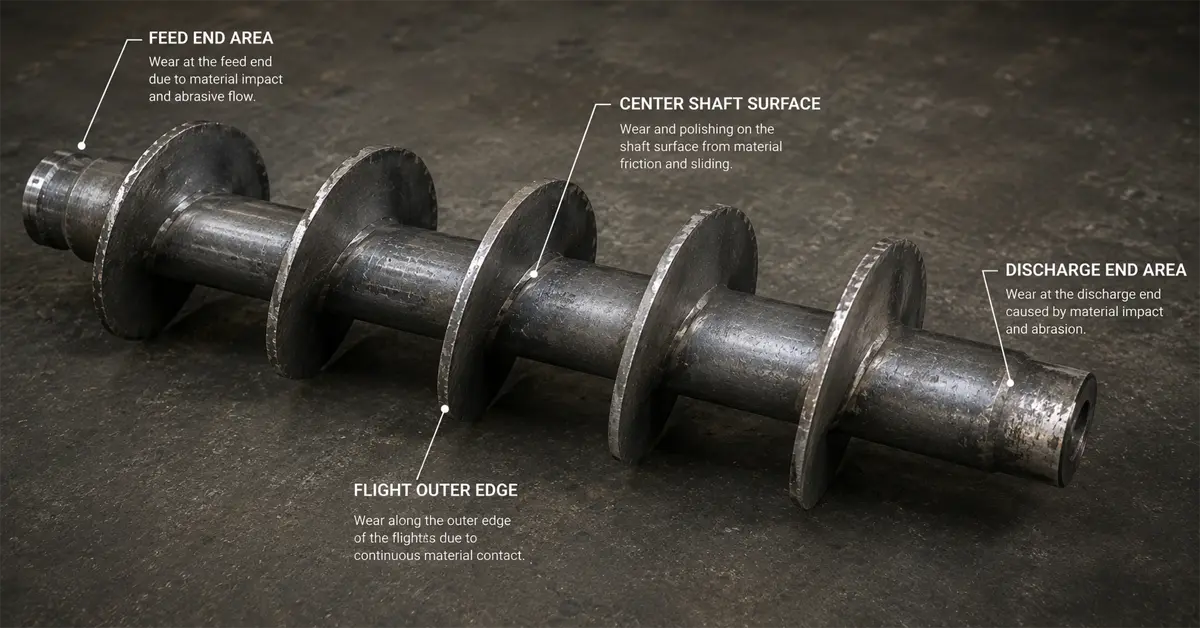
"In industries such as mining, cement, power generation, steelmaking, chemical processing, and biomass energy, screw conveyors are often regarded as auxiliary equipment. However, maintenance data shows that they are among the most frequent causes of unplanned production downtime. Implementing customized Stellite cladding shields the flight edges from heavy friction."

Screw Conveyor Hardfacing Case Study
Bulk Handling Systems Mining & Cement Logistics

"In Plasma Transferred Arc (PTA) hardfacing, achieving a high-quality overlay is not only about selecting the right alloy powder or optimizing welding parameters. One of the most critical factors that directly affects overlay performance is the dilution rate. Keeping dilution below 5% preserves the chemistry of the Stellite cladding."

PTA Dilution Metallurgy Guide
Metallurgical Laboratory Surface Engineering Journal

"In industries such as Oil & Gas, Mining, Power Generation, Cement, and Heavy Equipment Manufacturing, hardfacing is no longer just a repair process. It has become a critical technology directly related to equipment lifespan, downtime costs, maintenance frequency, and overall operational safety."

Hardfacing Lifespan Case Study
Operations Director Global Heavy Equipment OEM

"In industries such as oil & gas, petrochemical, power generation, mining, and marine engineering, industrial valves are constantly exposed to severe operating conditions including high pressure, extreme temperatures, corrosive media, abrasive wear, and sand erosion. Customized Stellite overlays provide the necessary protection."

Industrial Valve Application Guide
Chief Pipeline Design Engineer Marine & Pipeline Infrastructure

Expert Q&A: Stellite Schweißen & Hardfacing Solutions

Get answers to critical technical questions regarding cobalt-base welding, process parameters, and hardware capabilities.

What makes Stellite Schweißen superior to standard carbide overlays? +
Stellite alloys, composed primarily of Cobalt and Chromium with addition of Tungsten, offer superior solid-solution strengthening and high-density carbide precipitation. Unlike standard carbide overlays that can become brittle and fail at high temperatures, Stellite maintains its hardness, sliding wear resistance, and oxidation resistance up to and exceeding 800°C (1472°F). This structural stability is essential for valves, turbines, and extrusion screws operating in high-temperature, corrosive environments.
Why is the dilution rate critical in Stellite surfacing? +
The dilution rate measures the percentage of the base metal (substrate) that melts and mixes into the deposited cladding layer. High dilution introduces iron (Fe) from the base steel into the Stellite matrix, which degrades its corrosion resistance, thermal stability, and wear performance. Our PTA and Laser Cladding systems are engineered to achieve low dilution rates (down to 3-5%), preserving the integrity of the Stellite alloy chemistry.
When should you choose Laser Cladding over Plasma Transferred Arc (PTA) welding? +
Laser Cladding is ideal when a minimal Heat-Affected Zone (HAZ), low distortion, and very low dilution are required. It is highly suited for high-precision components like turbine blades, hydraulic rods, and thin-walled tubes. PTA is preferred when thick deposit layers (over 2-3mm in a single pass) and high deposition rates are needed on heavy-duty industrial components, such as mining picks, extruder screws, and large valve components.
How does Shanghai Duomu customize cladding systems for specific industrial processes? +
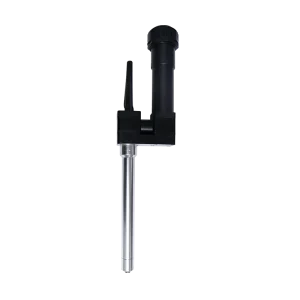
We offer fully customizable configurations including multi-axis robotic arms, double-column gantry positioners, and custom internal-bore welding torches (such as our 120A deep hole torch). We work closely with client engineering departments to tailor powder feeding mechanisms, thermal profiling cameras, and CNC programming paths to match the exact geometry of their components.
What post-weld heat treatments (PWHT) are recommended for Stellite overlays? +
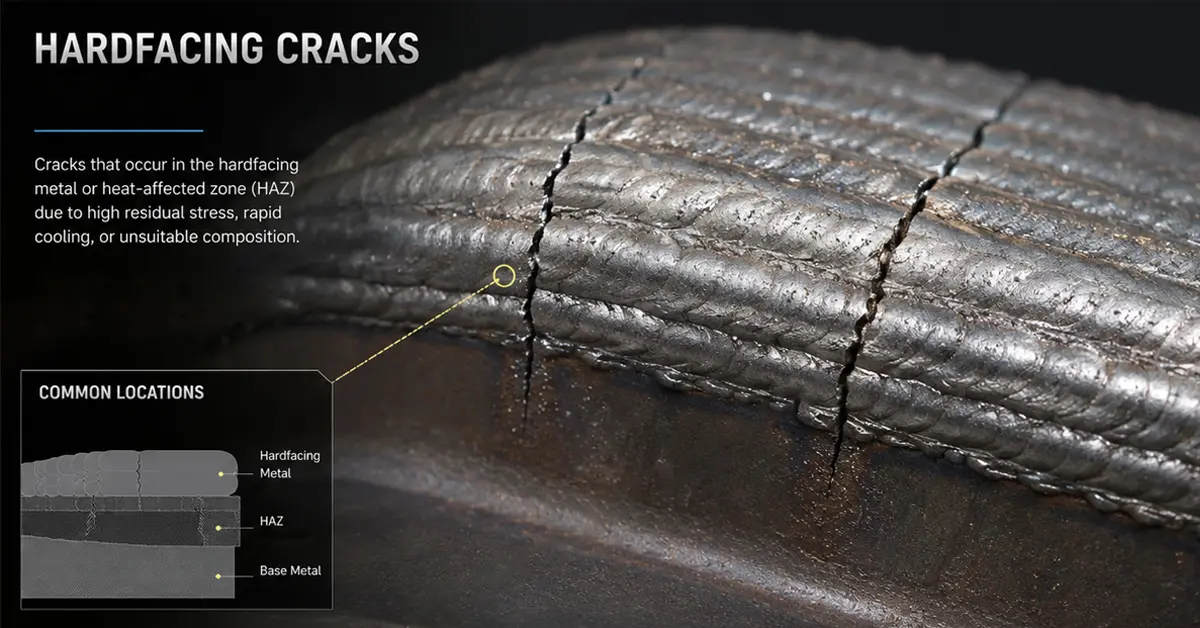
Because Stellite alloys have a different coefficient of thermal expansion (CTE) compared to structural steels, rapid cooling can generate thermal stresses that lead to microcracks. We recommend preheating the substrate to 300°C - 500°C, followed by slow cooling inside an insulated chamber or furnace. This preheating and post-weld stress relief process prevents cracking and ensures a long operational lifespan for the component.
Industrial Partner 1
Industrial Partner 2
Industrial Partner 3
Industrial Partner 4
Industrial Partner 5
Industrial Partner 6
Industrial Partner 7
Industrial Partner 8
Industrial Partner 9
Industrial Partner 10