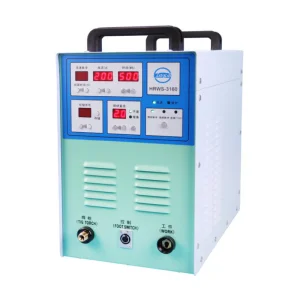
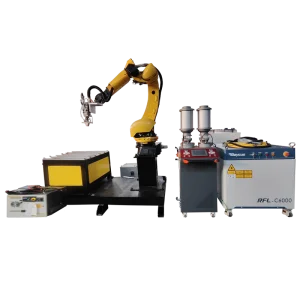
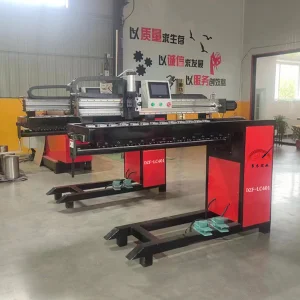
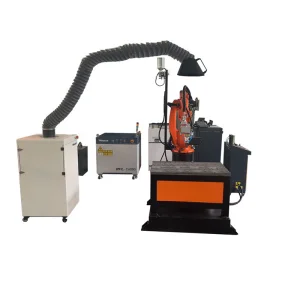
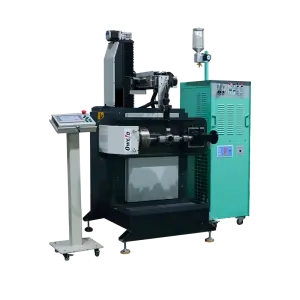
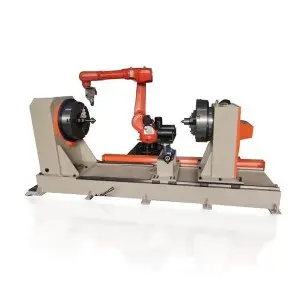
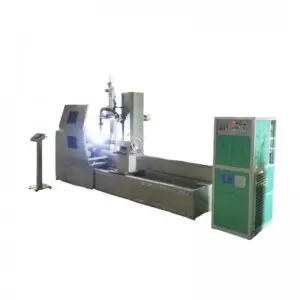
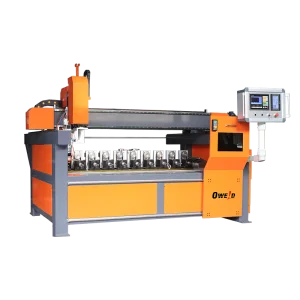
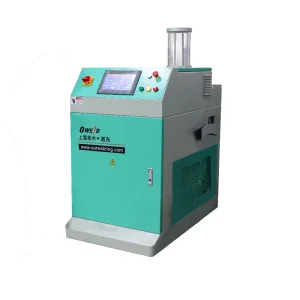
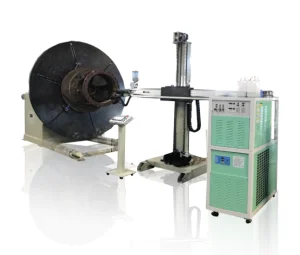
State-of-the-art machinery engineered for optimal thermal control and metallurgical integrity
In the demanding realm of industrial metallurgy, precision thermal regulation stands as the cornerstone of structural longevity and component integrity. "Wig Schweißen" (Tungsten Inert Gas / TIG welding) is widely recognized for its clean, high-quality welds. However, when deployed in heavy-duty hardfacing, PTA cladding, or precision repair configurations, managing the localized temperature field is paramount.
Uncontrolled thermal profiles lead directly to deleterious microstructural transformations: grain growth, excessive heat-affected zone (HAZ) expansion, high residual tensile stresses, and severe dilution of the protective cladding alloy with the substrate material. Modern engineering protocols dictate that the interpass temperature, preheating parameters, and localized thermal gradients must be closed-loop monitored and dynamically corrected.
Information Gain Insight: The transition from manual TIG/WIG operations to automated plasma transferred arc (PTA) and laser cladding has redefined thermal control. By concentrating energy density and implementing high-speed thermal telemetry, modern systems reduce the heat input per unit length by up to 60%, drastically minimizing the dilution rate and preserving the hard wear-resistant carbide phases of surfacing alloys.
During the welding process, the peak temperature of the arc plasma easily exceeds 15,000 K, while the melting point of typical structural steels rests around 1,800 K. As a custom supplier and factory, our research focuses heavily on managing this thermodynamic gradient. Precision temperature control systems must satisfy several strict structural requirements:
Empirical performance values realized through our integrated thermal management and automated cladding systems
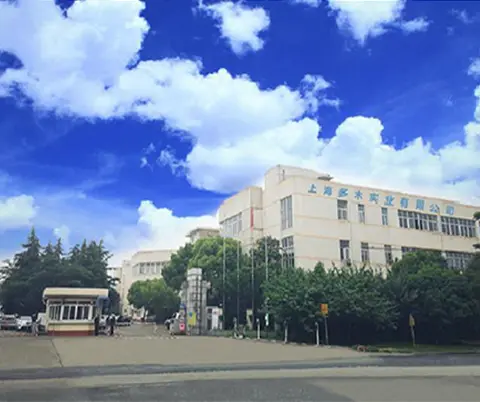
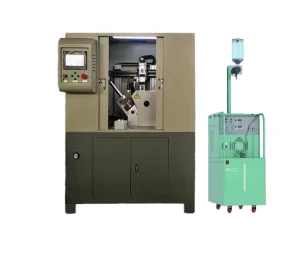
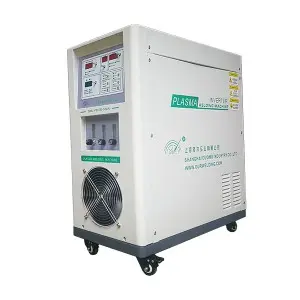
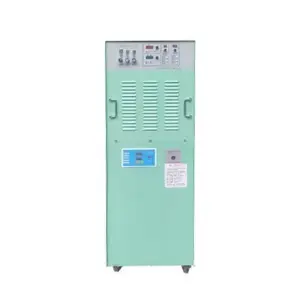
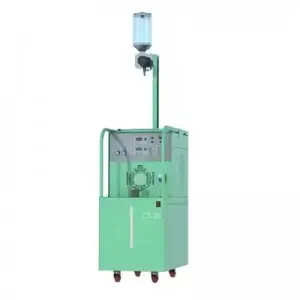
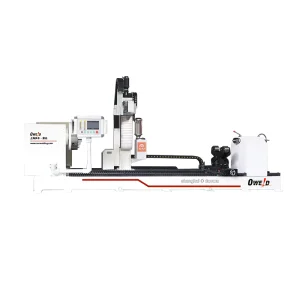
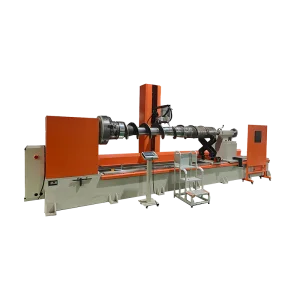
Shanghai Duomu has been a leading manufacturer and exporter of PTA cladding machines and Laser cladding machines for more than ten years, supported by a strong, multidisciplinary technical background.
With an independent R&D team that develops, produces, and sells plasma cladding machine equipment, we guarantee stable machine performance that maintains efficient, long-term operation under demanding industrial conditions. Our laser cladding systems support large-scale remanufacturing projects with mature, reliable technological means. We provide complete, customized sets of industrial equipment solutions designed to meet the exact requirements of global enterprises.
Read More About UsOur thermal processing and PTA/Laser cladding technologies serve critical global industries

Enhancing wear resistance of soil-engaging tools and cutting components exposed to extreme abrasive soil impact.

High-precision repair and cladding of aerospace engine blades, turbine housings, and defense hardware.

Hardfacing of drill stems, stabilizer blades, and pump components exposed to highly corrosive and abrasive mud.
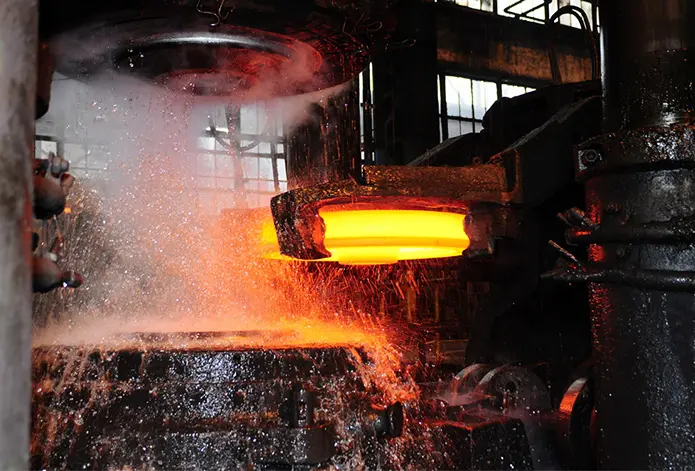
Restoring and hardening rolling mill rolls, guide plates, and continuous casting molds subject to thermal fatigue.
Industrial procurement structures are moving rapidly away from general-purpose, manual welding apparatus toward fully integrated, automated thermal processing cells. Modern global procurement managers in the petrochemical, power generation, and mining sectors demand turnkey solutions that verify metallurgical quality in real-time.
The primary driver is the necessity of reducing operational expenditures (OPEX) caused by unscheduled downtimes. When critical components—such as boiler tubes, valves, extruder screws, or hydraulic cylinders—fail, the cost of manufacturing interruption far outweighs the initial investment in high-end surfacing systems.
Procurement Trend Metric: Industry analyses indicate that over 74% of heavy industrial enterprises have integrated localized "Wig Schweißen" and PTA cladding systems directly into their maintenance loops, reducing repair lead times from weeks to hours and increasing parts longevity by 300% to 500%.
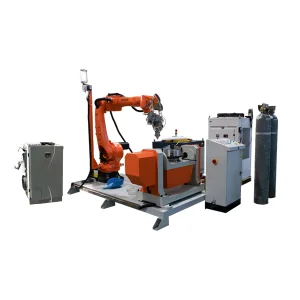
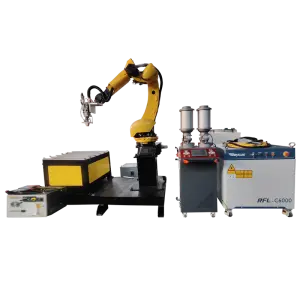
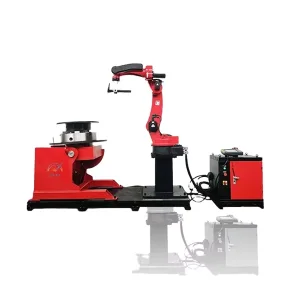
To address these macro-level industry requirements, Shanghai Duomu has developed comprehensive, modular systems combining robotic positioning, custom weld-paths, and advanced closed-loop temperature sensing. Our solutions are characterized by:
Using 3D laser profiling and smart path-planning, our 6-axis robotic arms adjust the torch vector dynamically to maintain a constant heat dissipation profile across complex geometric shapes.
Whether utilizing stellite, tungsten carbide matrices, or custom nickel-chromium powders, our feeders ensure precise deposition rates synced to travel speeds to control structural heat density.
All machinery is engineered to meet strict international standards, including CE certification, ISO 9001 quality protocols, and AWS/ASME guidelines for mechanical deposit verification.
Custom-engineered PTA and laser deposition systems for high-durability surface coatings
The future of thermal processing and hardfacing lies at the convergence of Artificial Intelligence (AI) and thermodynamic process control. Historically, operators adjusted TIG/WIG welding parameters based on visual observations and empirical, post-weld examinations. Today, we are rapidly advancing toward fully autonomous, real-time closed-loop self-correcting systems.
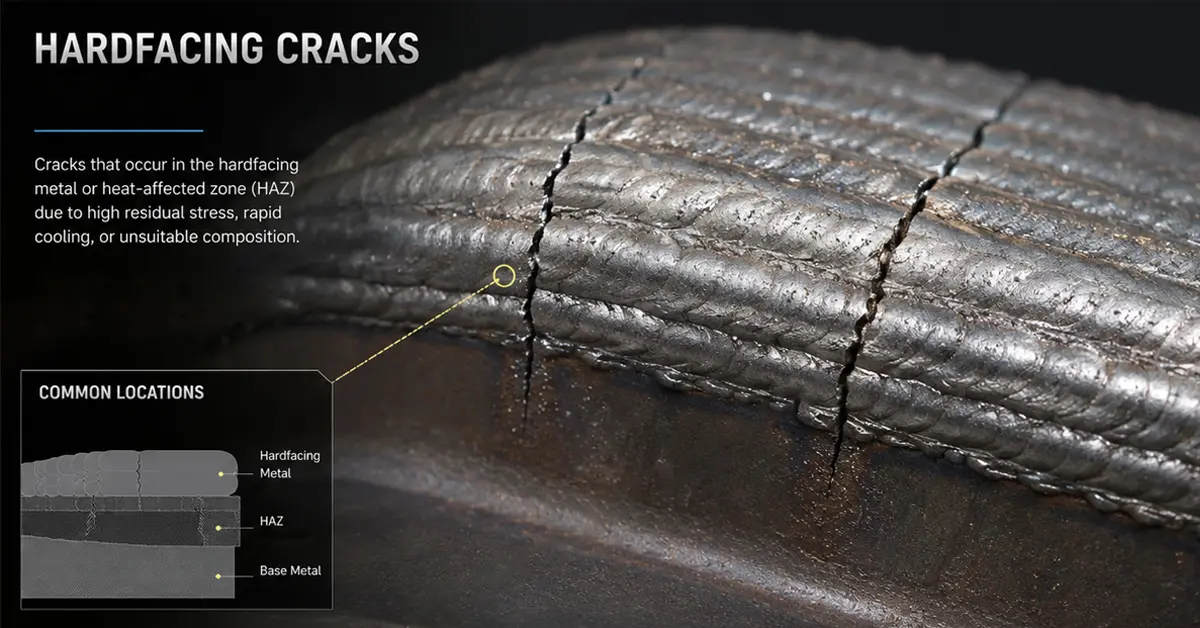
Shanghai Duomu's technical roadmap outlines the implementation of multi-spectral sensor arrays coupled with edge-computing platforms. These technologies process spatial melt-pool geometries and thermal gradients in real-time, predicting structural defects like porosity, micro-cracks, and lack of fusion before they occur.
These technologies will enable next-generation materials engineering, supporting the application of complex, high-entropy alloys (HEAs) and metal matrix composites (MMCs) on standard structural steels with virtually zero interface dilution.
Insights from engineers and plant operators utilizing our hardfacing and thermal control solutions
"The PTA Welding Valve Application Guide is not just a process choice for valve manufacturers facing high wear, high corrosion, and high-temperature erosion working conditions, but also a key path to improving product competitiveness. As petrochemical and power industries demand longer lifetimes, having a system with integrated thermal control is essential."
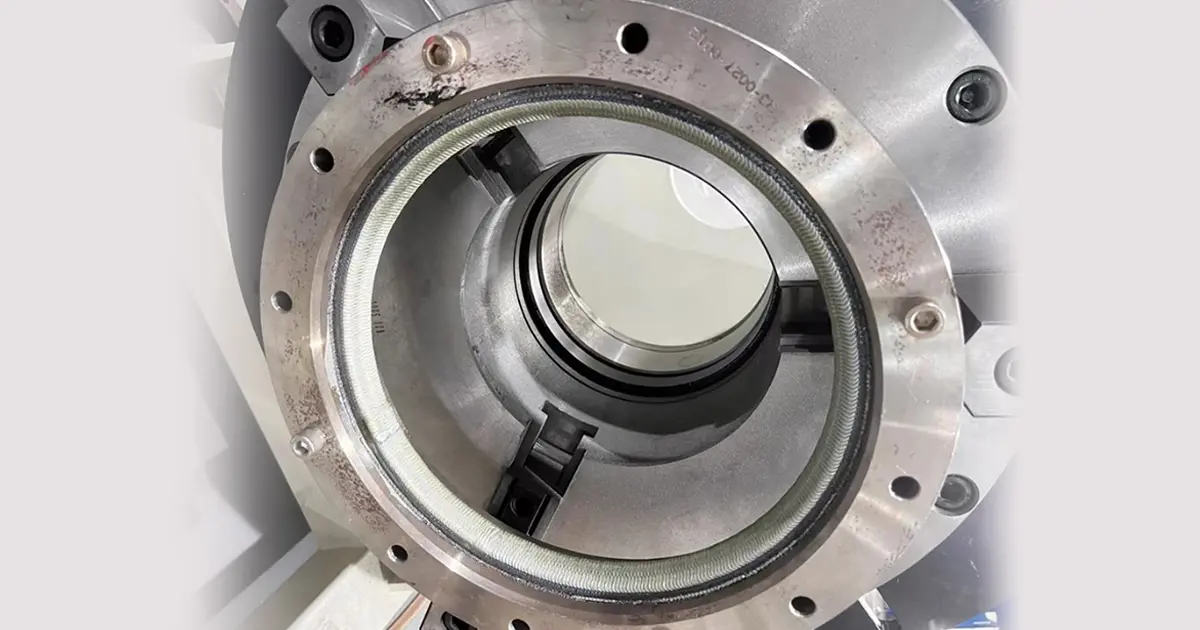
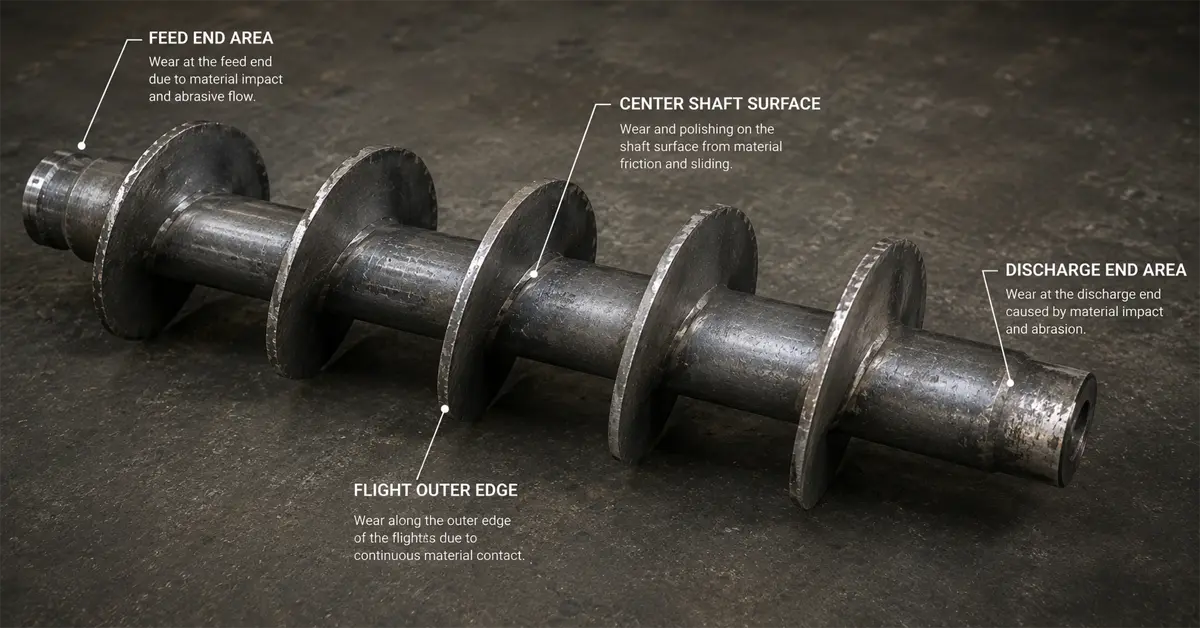
"In industries such as mining, cement, power generation, steelmaking, chemical processing, and biomass energy, screw conveyors are often regarded as auxiliary equipment. However, maintenance data shows they are among the most frequent causes of unplanned production stoppages. Implementing automated PTA cladding resolved our conveyor wear limits."
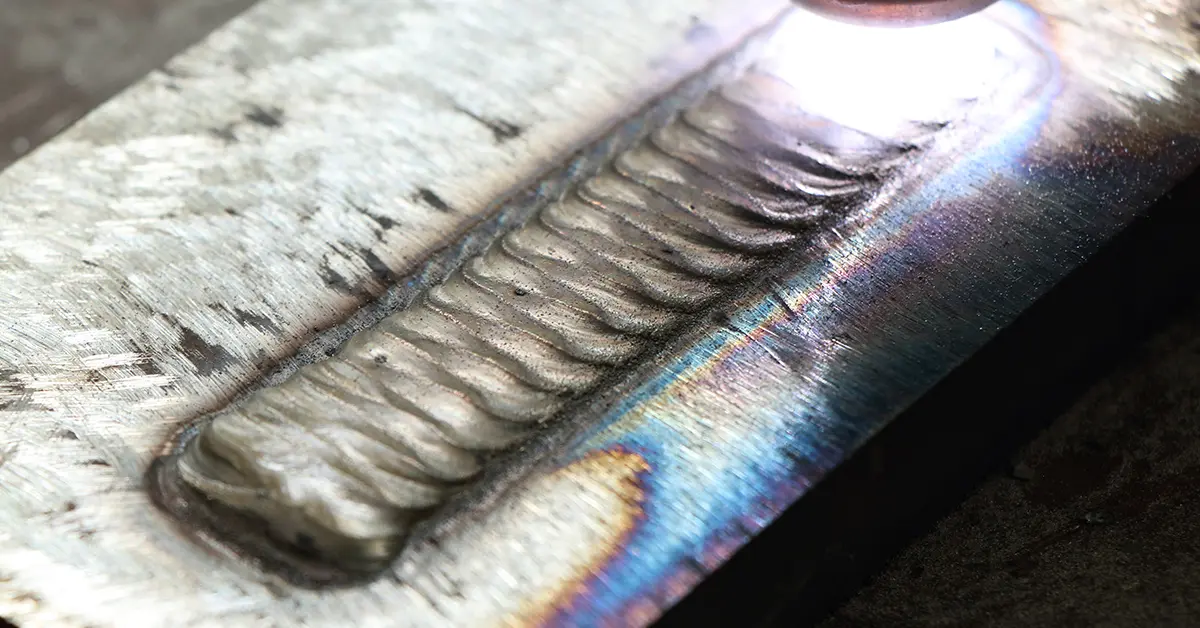
"In Plasma Transferred Arc (PTA) hardfacing, achieving a high-quality overlay is not only about selecting the right alloy powder or optimizing welding parameters. One of the most critical factors that directly affects overlay performance is the dilution rate. Proper thermal control helps minimize dilution and optimize wear resistance."
"In industries such as Oil & Gas, Mining, Power Generation, Cement, and Heavy Equipment Manufacturing, hardfacing is no longer just a repair process. It has become a critical technology directly related to equipment lifespan, downtime costs, maintenance frequency, and overall bottom-line profits."
"In industries such as oil & gas, petrochemical, power generation, mining, and marine engineering, industrial valves are constantly exposed to severe operating conditions including high pressure, extreme temperatures, corrosive media, and abrasive wear. Automated PTA claddings withstand these harsh elements reliably."
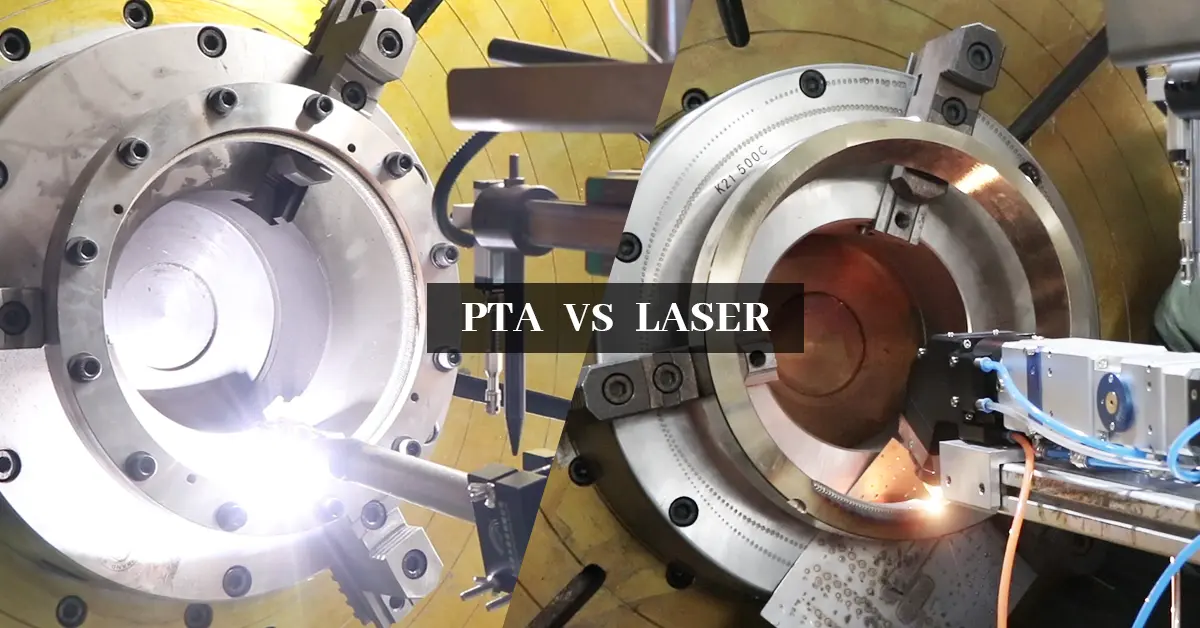
"The PTA Welding Valve Application Guide details how proper alloy selection and temperature control can prevent cracking under thermal shock. As industries demand longer lifetimes and higher performance, selecting the right equipment supplier is the key path to improving product competitiveness."
Expert insights regarding thermal management, TIG/WIG welding, and automated cladding systems
Explore our highly reliable, wear-resistant, and high-performance equipment range








 Duomu
Duomu