Explore our industrial-grade welding torches, precise calibration modules, and automated gantry cladding stations optimized for high-performance revestimento duro.
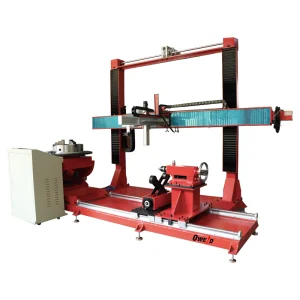
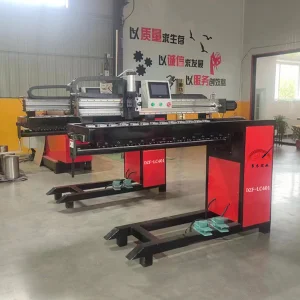
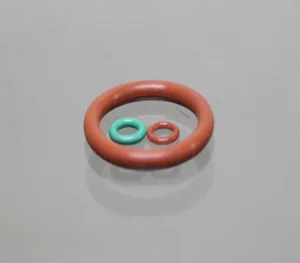
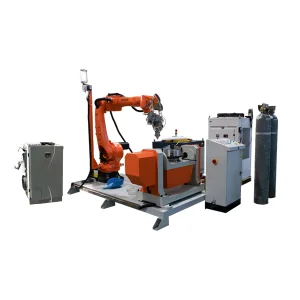
Revestimento Duro Soldagem, universally known in industrial engineering as hardfacing or wear-resistant weld cladding, represents the deposition of specialized thick alloys onto critical substrate metals. The core objective is simple yet challenging: shield structural steel parts from aggressive tribological hazards—including severe abrasive wear, erosive fluid impacts, thermal shock fatigue, and oxidative corrosion.
By leveraging advanced thermal processes, engineering managers can deposit premium materials (such as Cobalt-based Stellite alloys, Nickel-based Colmonoy matrices, or complex Iron-Chromium-Carbon systems containing ultra-hard Tungsten Carbides) directly onto low-alloy or structural steels. This ensures the component core maintains robust structural toughness while the surface exhibits high hardness, providing a cost-effective, high-performance wear protection system.
Unlike thermal spraying or thin-film physical vapor deposition (PVD), hardfacing via welding establishes a metallurgical bond with the substrate. This metallurgical fusion prevents spalling, delamination, or cracking under extreme mechanical impacts, making it the preferred method for demanding heavy industry applications.
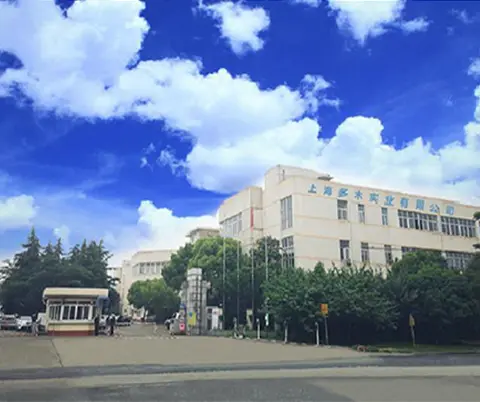
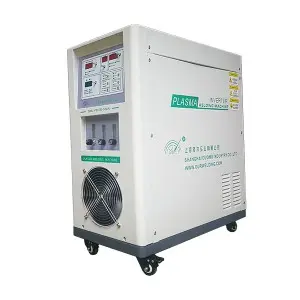
For over a decade, Shanghai Duomu has established itself as an engineering authority and a premium exporter of PTA (Plasma Transferred Arc) and Laser Cladding systems. Driven by a highly experienced in-house R&D team, we develop, produce, and sell complete plasma cladding equipment and automated setups designed to optimize component lifespan and minimize operational downtime.
Our cladding systems are engineered for high-efficiency, continuous operation. Our advanced laser cladding platforms support large-scale remanufacturing and repairs, offering robust thermal control to ensure consistent overlay quality. By providing complete industrial equipment solutions, Shanghai Duomu enables global enterprises to optimize their surface modification processes with repeatable precision.
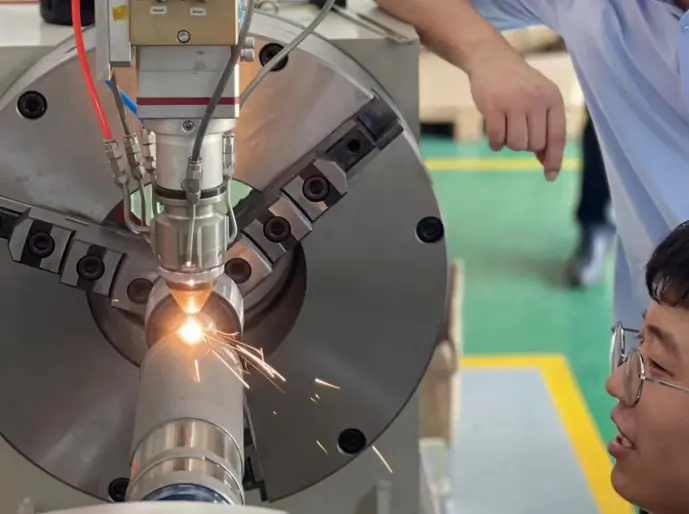
Engineering & R&D Excellence
Ultra-Low Dilution Rate Controls
Global Industrial Footprint
Guaranteed Response & Support
Selecting the optimal hardfacing process is critical to balancing dilution control, powder deposition rates, and thermal distortion limits. Compare how our key technologies align with your specific production demands.
Utilizes a highly constricted, ionized gas arc to melt both the base material and a metered powder feed. Known for deposition rates up to 10 kg/h, high metallurgical bond strength, and a moderate, controllable dilution rate (5-10%).
Delivers a high-intensity focused laser beam (diode/fiber) to generate a shallow melt pool with exceptionally low heat input. Minimizes the Heat Affected Zone (HAZ) and achieves dilution rates under 3% for precise applications.
Tailored engineering solutions configured for specific structural geometries. Includes dedicated production systems for hydraulic rods, cutting tools, extrusion screws, and high-performance industrial valves.
| Technical Characteristic | PTA Surfacing (DML Series) | Laser Cladding (LC Series) | Traditional SMAW / GMAW |
|---|---|---|---|
| Typical Dilution Rate | 3% to 8% | 1% to 5% | 15% to 30% |
| Heat Input & Distortion | Moderate (Highly Controlled) | Extremely Low (Minimal Distortion) | High (Prone to Deformation) |
| Bonding Integrity | metallurgical (High Fusion Strength) | metallurgical (High Fusion Strength) | metallurgical (Variable Quality) |
| Deposition Speed | High (Up to 10 kg/hr) | Moderate (Up to 4 kg/hr) | Slow to Moderate |
| Consumable Flexibility | Wide range of metal powders | Precision metal powders | Welding rods / wires only |
Shanghai Duomu's hardfacing and cladding technologies are engineered to protect critical components across various demanding heavy industries.

Hardfacing harvester teeth, tillage points, and extrusion screws to withstand abrasive soils and organic matter, extending equipment service life.

Precision cladding of high-temperature turbine blades, landing gear cylinders, and military components using high-purity superalloys.
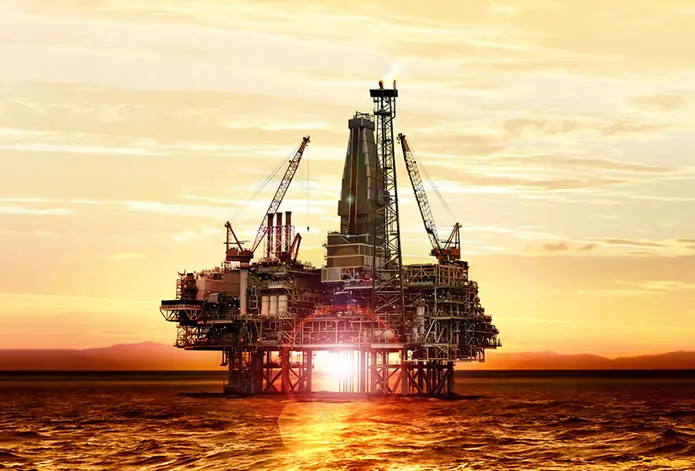
Providing hardfacing for valve seats, drill collars, stabilizers, and fluid pump internals exposed to corrosive and abrasive petrochemical slurries.
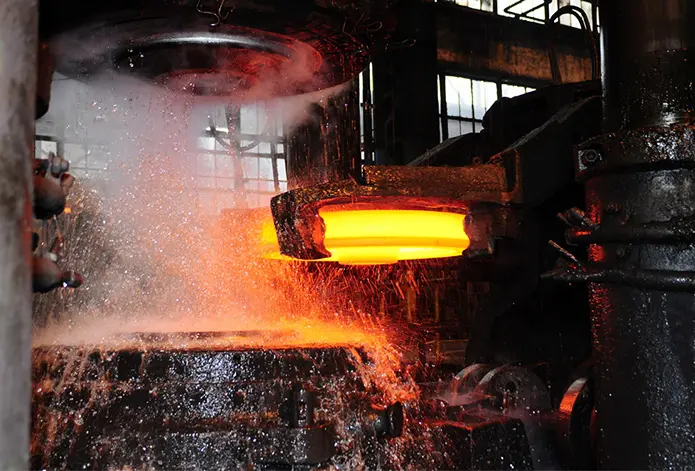
Reinforcing hot work rolls, casting guides, and metal shear blades against high-temperature friction, thermal shock, and mechanical fatigue.
Combining advanced robotic manufacturing with optimized supply chains to deliver high-performance hardfacing systems worldwide.
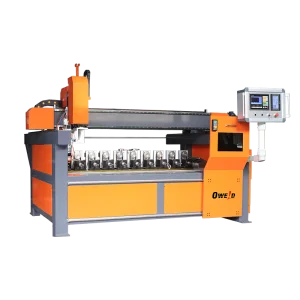
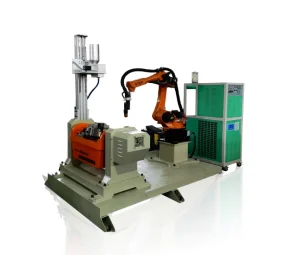
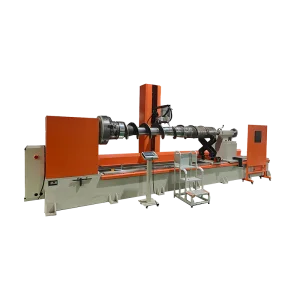
Modern industrial scaling requires consistent, repeatable quality. Shanghai Duomu addresses this by integrating multi-axis robotic articulators—such as the DH1440-B06 plasma surfacing robot—with automated linear travel tracks (e.g., the DZF-LC401 straight seam automatic plasma welding platform).
These integrated systems utilize advanced seam trackers and automated control loops to monitor arc voltage, travel speed, and powder flow rates in real time. This precise automation minimizes human error, ensures consistent bead overlapping, and produces high-quality cladding layer profiles. This level of process control is critical for demanding components like screw conveyors, hydraulic cylinder tubes, and complex fluid-control valves.
Our centralized manufacturing facilities in China leverage mature raw-material networks, domestic component sourcing, and integrated assembly lines. This localized ecosystem allows us to produce robust systems with short lead times, providing reliable equipment to global buyers looking to strengthen their production lines.
Explore detailed process guides and case studies addressing wear, corrosion, and erosion challenges across key heavy industries.
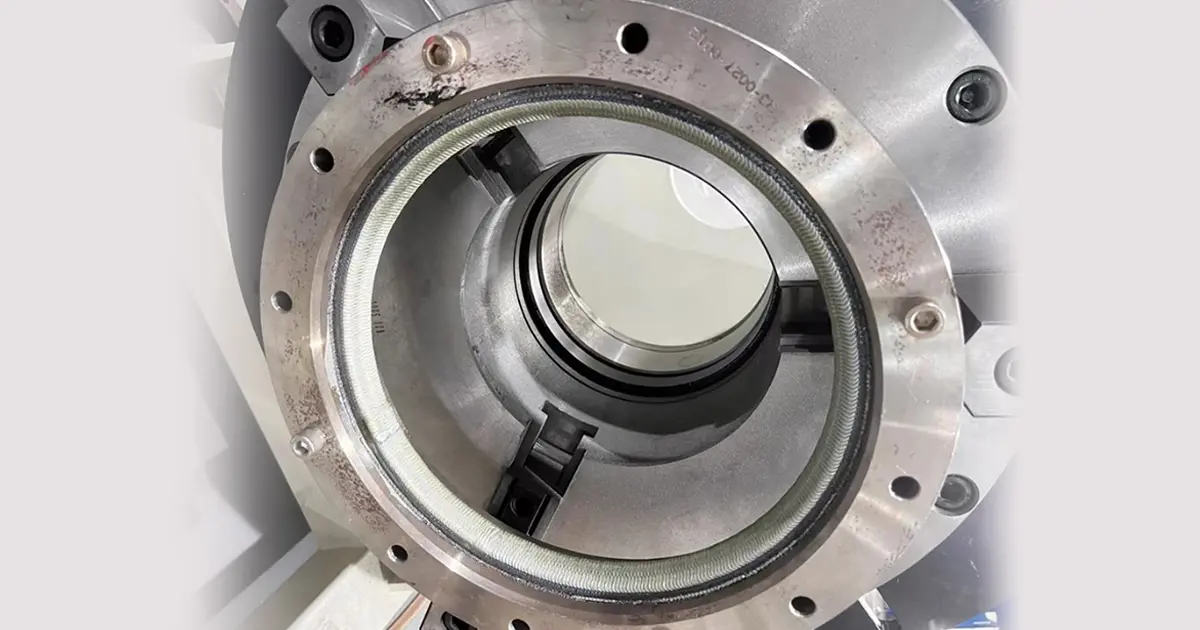
Industrial valves in petrochemical, chemical, and steam systems face severe operating challenges, including high pressures, extreme temperatures, and corrosive media. Traditional wear overlays can struggle with dilution issues and thermal cracking. Shanghai Duomu's PTA cladding solutions are designed to address this, depositing clean, low-dilution cobalt-based alloys (such as Stellite 6) directly onto valve seats and gates to maintain wear resistance and extend component life.
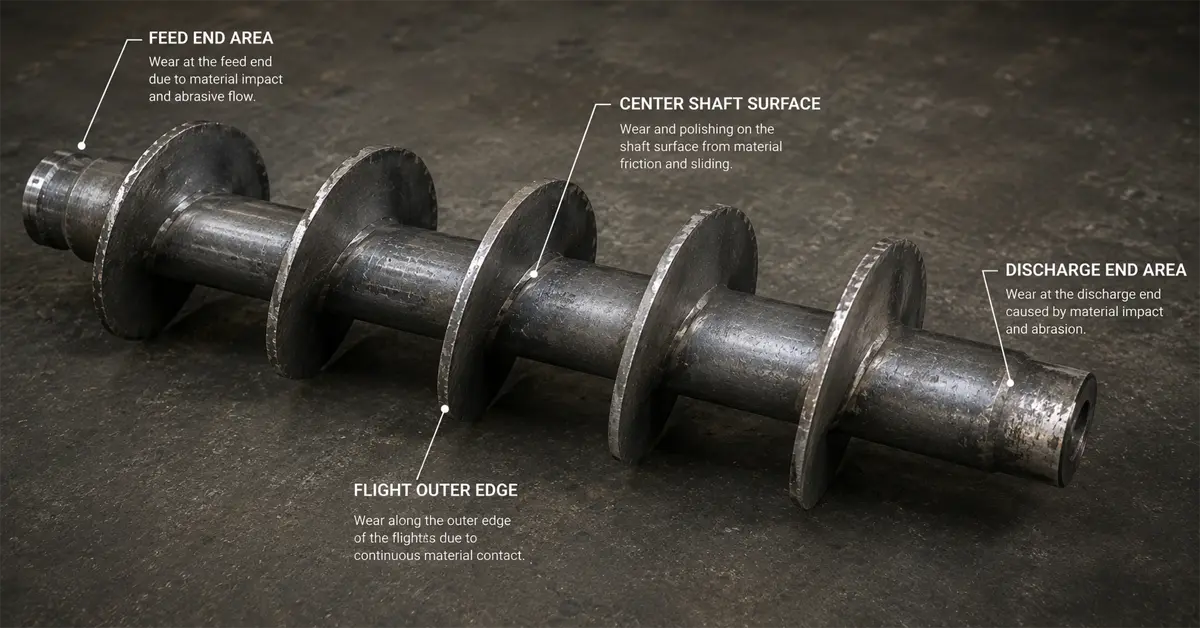
In industries like cement processing, mining, and biomass energy, screw conveyors are critical for material transport. Abrasive wear along the flight edges is a common cause of maintenance downtime. Applying a hardfaced overlay—such as chromium carbide or tungsten carbide-infused iron matrices—helps protect these high-wear areas, reducing maintenance frequency and helping to prevent unplanned production interruptions.
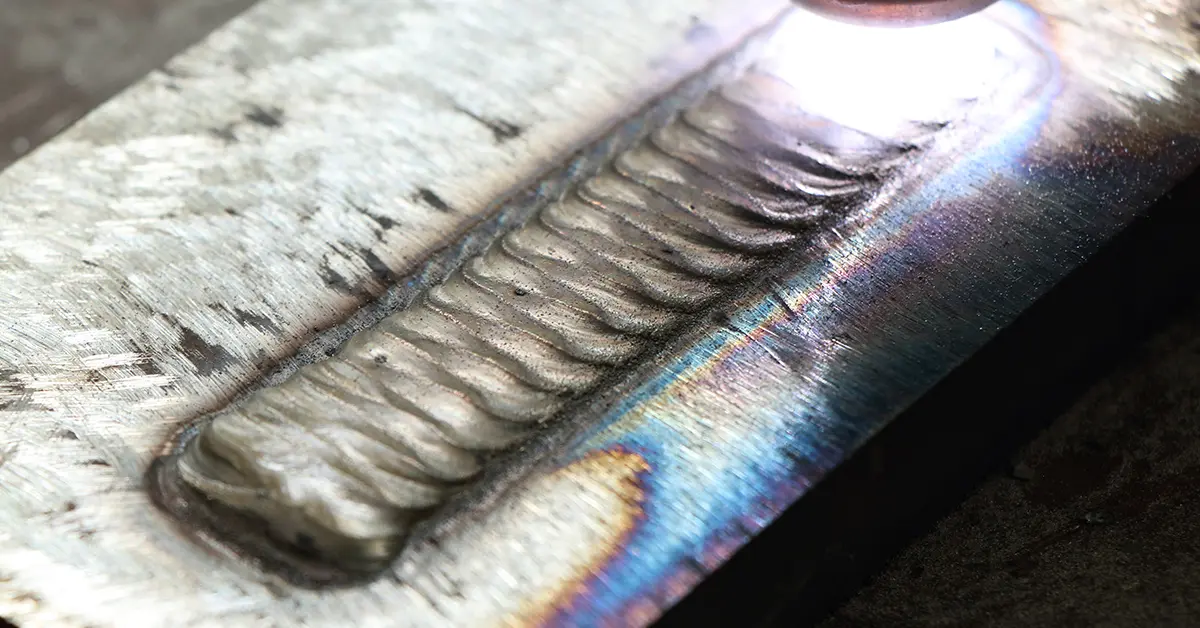
Achieving optimal wear properties in a hardfaced overlay requires keeping the dilution rate low. When base metals mix excessively with the cladding layer, it can compromise the deposit's hardness and corrosion resistance. Our PTA and Laser Cladding systems feature precise heat-input control to keep dilution rates minimal, helping ensure the cladding layer retains its intended alloy chemistry.
Heavy machinery operating in harsh environments like mining and quarrying is subject to continuous wear from earth, rocks, and minerals. Strategic weld cladding applied to bucket teeth, dragline components, and crusher cones helps shield these parts from impact and abrasion, extending service life and lowering overall operating costs.
Valves handling corrosive chemical process lines require surface protection that remains stable over long operational cycles. By utilizing automated PTA cladding, we apply thin, uniform overlays of nickel-base alloys like Hastelloy or Inconel. This process creates a clean metallurgical bond with the substrate, helping protect the valve internals from chemical attack and leakage.
Get answers to common technical and metallurgical questions regarding Shanghai Duomu's PTA and Laser Cladding systems.
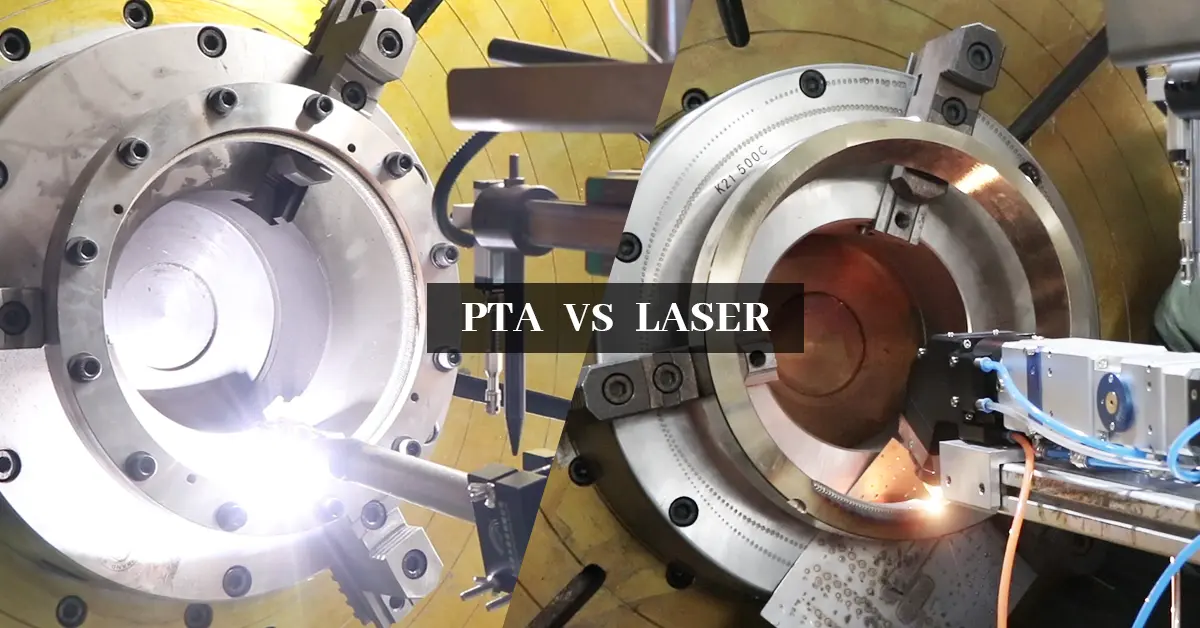
The choice between the two depends on your balance of deposition rate, thermal control, and precision. PTA (Plasma Transferred Arc) cladding is ideal for high-volume jobs, offering deposition rates up to 10 kg/hr with moderate, controllable heat input. Laser Cladding delivers a highly focused beam that generates a very small melt pool, keeping dilution rates under 3% and minimizing the Heat Affected Zone (HAZ), which is critical for high-precision or heat-sensitive components.
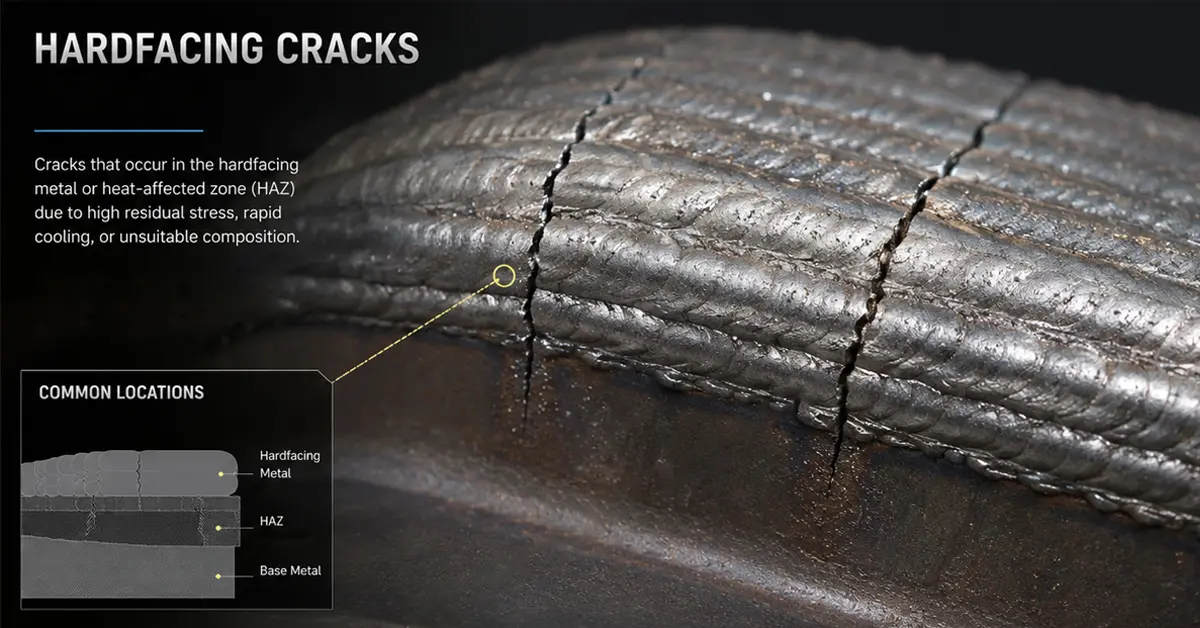
Preventing cracking requires careful thermal management. We recommend pre-heating the substrate to a temperature specified for its carbon equivalent, maintaining appropriate interpass temperatures, and using a post-weld heat treatment (PWHT) cycle to relieve stress. For highly crack-prone materials, applying a ductile buffer layer (like nickel or austenitic stainless steel) before the hardfacing layer helps absorb thermal contraction stresses.
In valve cladding, keeping the dilution rate low is essential for chemical integrity. High dilution allows carbon and iron from the substrate to migrate into the cobalt or nickel overlay, lowering its hardness and corrosion resistance. Our PTA and Laser Cladding systems feature precise parameter controls to keep dilution minimal, ensuring the cladding layer retains its intended alloy properties in service.
Yes. Shanghai Duomu provides tailormade, automated cladding lines built to client specifications. Our projects range from multi-axis robotic stations to dedicated industrial configurations, such as specialized machinery for cladding hydraulic cylinders, valve seats, coal mining picks, and extruder screws.
Petrochemical applications typically utilize cobalt-based alloys (such as Stellite 6, 12, or 21) or nickel-chromium alloys (such as Colmonoy 5 or 6). Cobalt-based powders offer excellent hot hardness and resistance to galling and oxidation at elevated temperatures, while nickel-chromium matrices provide robust corrosion resistance in acidic or chloride-rich process fluids.
For inquiries about our PTA and Laser Cladding equipment, customized production lines, or pricing, please leave your contact details. Our engineering team will respond within 24 hours.
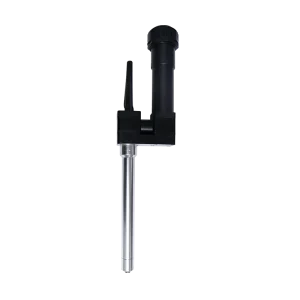
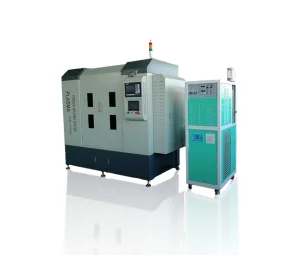
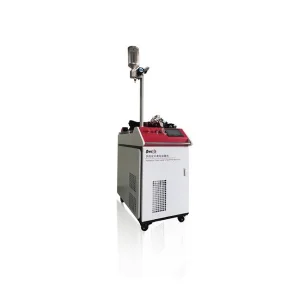
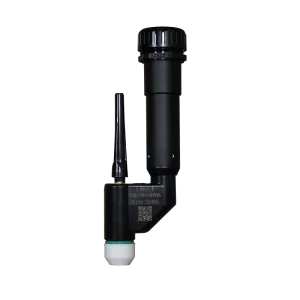
Explore our high-performance automated systems, robotic cells, and specialized deep-hole torches engineered for complex cladding configurations.
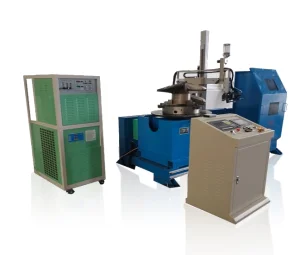
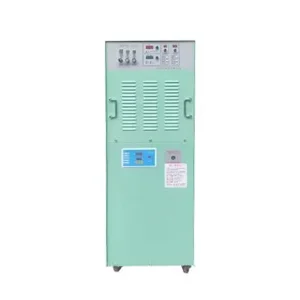
Our cladding systems are engineered to integrate with global production facilities, supporting international quality standards.







 Duomu
Duomu