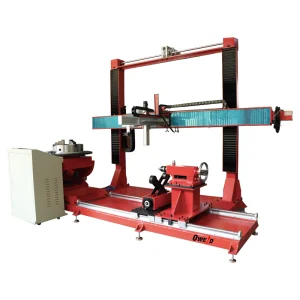
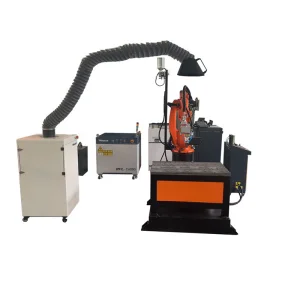
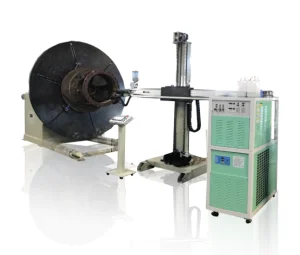
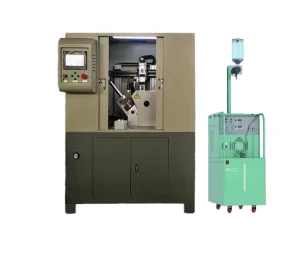
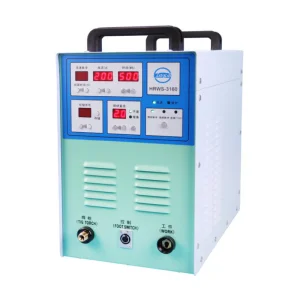
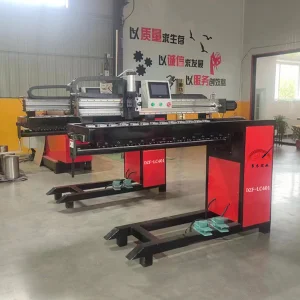
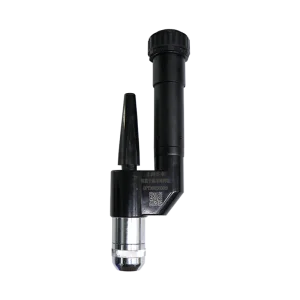
Explore our elite range of gantry welding rigs, robotic arms, torches, and cladding workstations engineered to maximize tool durability.
In heavy subterranean excavation and Tunnel Boring Machine (TBM) operations, the cutter head tools—commonly known as Kalkan Bıçağı (shield cutters or shield knives)—are subjected to extreme mechanical stresses. They must penetrate complex geological strata, including abrasive quartz sand, dense granite, clay, and mixed-face formations. Standard steels, without surface modification, fail within hours under such high-impact erosion and sliding wear conditions. This causes catastrophic downtime and escalates project costs.
As a leading manufacturer of PTA (Plasma Transferred Arc) and laser cladding machines with over ten years of industry expertise, Shanghai Duomu provides specialized, automated equipment to deploy high-grade wear-resistant coatings onto Kalkan Bıçağı. By cladding cutting tools with tungsten carbide matrices and cobalt-based superalloys (Stellite), our machines increase cutter life by up to 300%. This helps contractors maintain continuous tunneling operations and minimize cutter replacement cycles.
Selecting the correct cladding method is critical to achieve the desired balance of impact toughness and abrasion resistance. A common challenge in hardfacing Kalkan Bıçağı is controlling the dilution rate. If the base metal dilutes the cladding alloy too much, the wear resistance of the deposited layer drops significantly. Conversely, high heat input can create a large Heat-Affected Zone (HAZ), leading to embrittlement of the tool steel body.
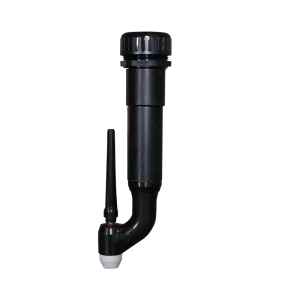
PTA welding offers a high deposition rate and metallurgical bonding. Utilizing a transferred arc, PTA melts the alloy powder (typically Tungsten Carbide-Nickel Chromium matrix) and a thin layer of the base metal. This results in minimal dilution (typically under 5%) and high bond strength, which is essential for impact-heavy rock excavation.
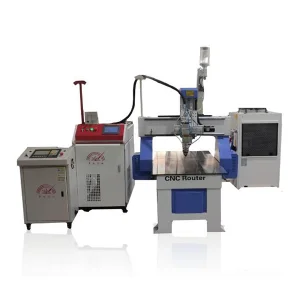
For high-precision, low-distortion requirements, laser cladding uses a focused laser beam to melt the coating material. It features a smaller HAZ and faster cooling rates, producing a fine, wear-resistant microstructure. This makes it ideal for maintaining the dimensions of complex knife geometries.
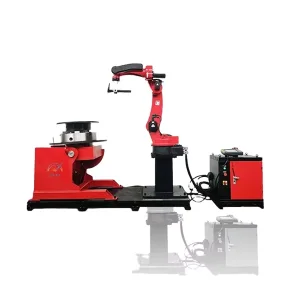
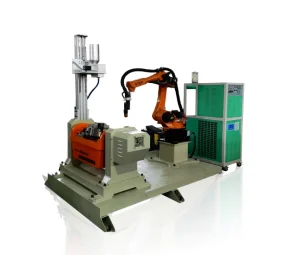
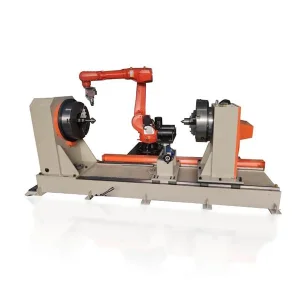
Our intelligent 6-axis robot cladding systems provide consistent torch angling and speed. This ensures uniform bead deposition on complex, curved shield knife profiles, eliminating manual errors and defects.
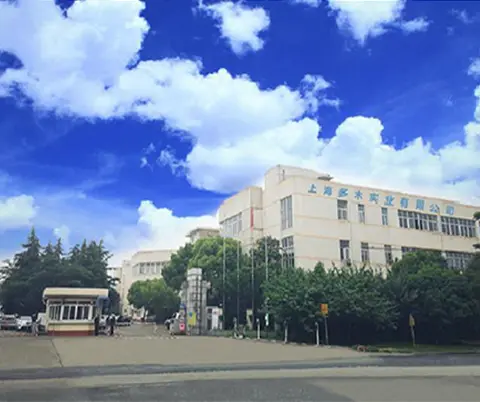
Shanghai Duomu has been a leading manufacturer and exporter of PTA cladding machines and Laser cladding machines for more than ten years, supported by a strong technical background. Our products serve heavy industries worldwide, helping companies lower their operational and maintenance costs.
Our in-house, independent R&D team develops, produces, and sells advanced plasma cladding machine equipment. The welding systems feature stable performance and are designed for continuous, long-term operation under harsh industrial conditions.
Whether for hydraulic rods, wear plates, valve seats, or TBM cutter tools (Kalkan Bıçağı), we deliver comprehensive solutions. These include customized machinery, process parameters, alloy powder selection, and after-sales support.
As tunneling and excavation push into deeper and more complex geologies, Kalkan Bıçağı components face higher pressures and temperatures. Shanghai Duomu is addressing these challenges through key R&D initiatives:
While Kalkan Bıçağı cladding is a major focus for civil engineering, our machinery serves critical wear-prevention needs across several key global industries:
Hardfacing ball valves, drill collars, and offshore riser joints to prevent erosion-corrosion from sour crude and sand slurries.
Extending the lifespan of screw conveyors, rock crushers, and bucket teeth exposed to high-stress abrasion.
Precision cladding of gas turbine blades and steam valves with superalloys to resist thermal oxidation and creep.
At present, the company's products have penetrated into many fields such as aerospace military industry, nuclear power, petrochemical industry, coal mines, metallurgy and forging, agriculture, water conservancy and electric power, etc.



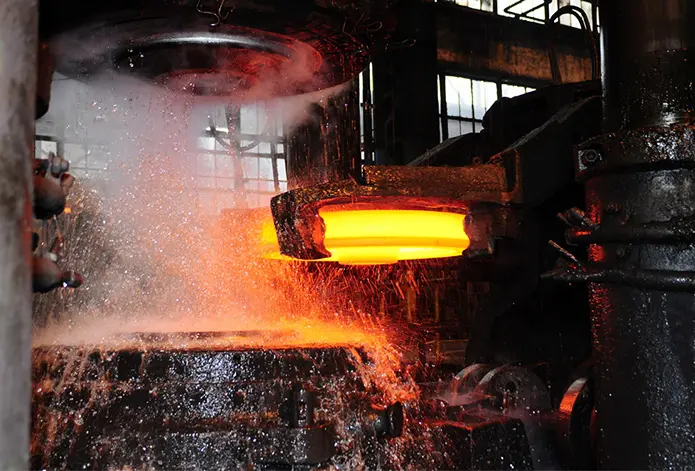
Manufacturing advanced cladding systems requires high-quality electrical components, precise mechanics, and reliable software. Operating from Shanghai, Shanghai Duomu leverages the region's advanced industrial ecosystem. This allows us to provide several key advantages to our global customers:
When procuring cladding systems for TBM cutter tools like Kalkan Bıçağı, quality assurance and technical parameters are primary considerations. Use the reference matrix below to evaluate system requirements:
| Parameter | PTA Cladding System (e.g., DYY-LC501) | Laser Cladding System (Robotic) |
|---|---|---|
| Deposition Efficiency | High (3.0 – 8.0 kg/hour) | Medium (1.0 – 4.0 kg/hour) |
| Dilution Rate | 3% – 8% | 0.5% – 2% |
| Heat Affected Zone (HAZ) | Moderate (1.0 – 2.5 mm) | Very low (0.1 – 0.5 mm) |
| Bond Strength | Metallurgical (>400 MPa) | Metallurgical (>500 MPa) |
| Common Powder Alloys | WC-Ni-Cr, WC-Co, Fe-based, Stellite | Ni-based, Fe-based, Tungsten Carbide matrix |
Industrial machinery must comply with local safety, environmental, and operating standards. Shanghai Duomu supports global compliance through:
Our technical department develops, produces, and sells plasma cladding and laser cladding systems designed to maintain performance over long operating cycles. Additionally, our laser cladding equipment supports large-scale tool remanufacturing projects. We offer mature technological processes to deliver complete industrial equipment setups.
Depending on application needs, we can provide customized solutions, automatic laser and plasma cladding systems, and intelligent robotic integration. This includes specialized machinery for components like hydraulic rods, coal mine picks, and heavy valves.
"The PTA Welding Valve Application Guide is not just a process choice for valve manufacturers facing high wear, high corrosion, and high-temperature erosion working conditions, but also a key path to improving product competitiveness. As industries such as petrochemical, power generation, and marine engineering grow more demanding, choosing the correct hardfacing alloy and maintaining a low dilution rate is critical to prevent premature seal failures."
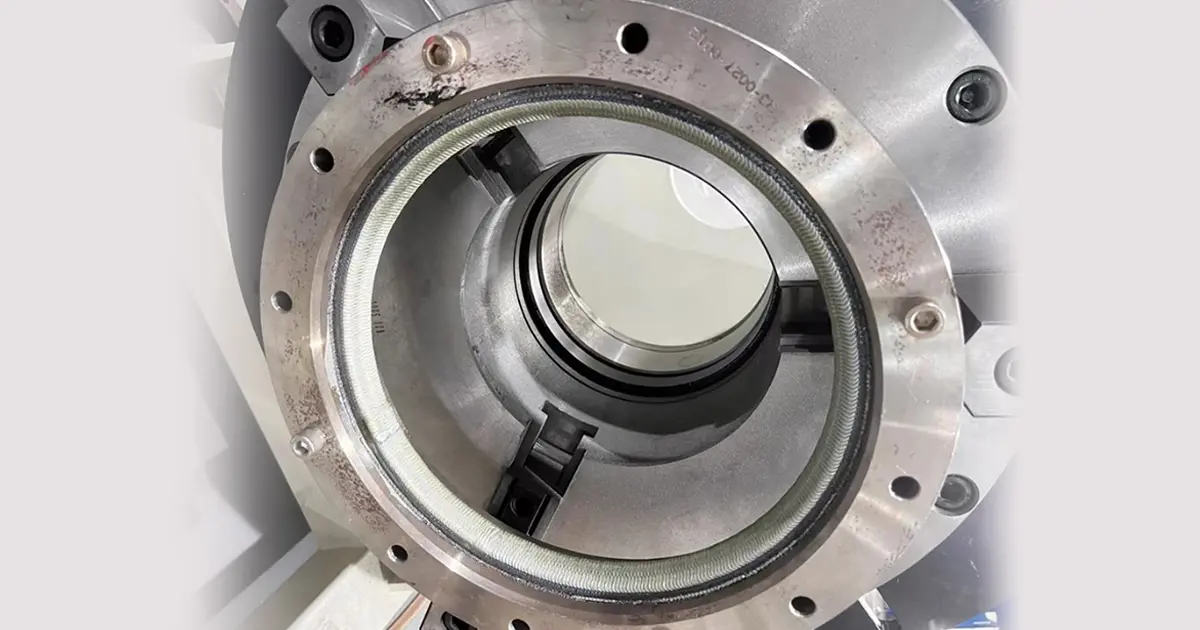 Valve Manufacturing Wear Analysis Report
"In industries such as mining, cement, power generation, steelmaking, chemical processing, and biomass energy, screw conveyors are often regarded as auxiliary equipment. However, maintenance data shows that they are among the most frequent causes of unplanned production shutdowns due to extreme abrasion. Applying PTA powder surfacing onto flight edges significantly reduces maintenance intervals."
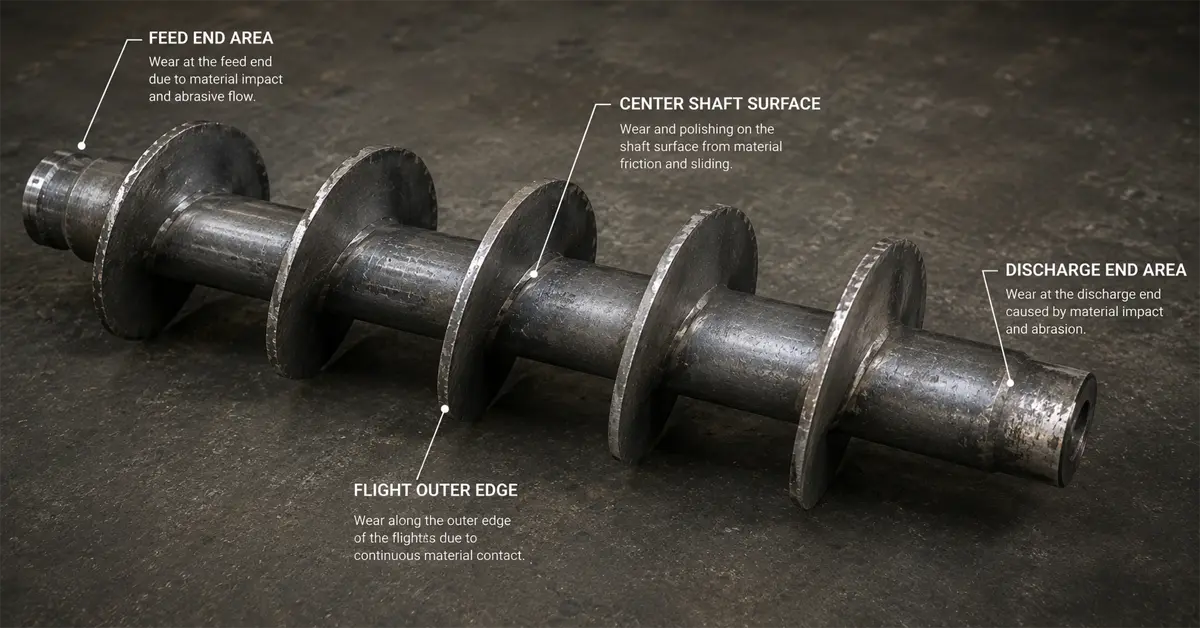 Heavy Industry Conveyor Refurbishment Guide
"In Plasma Transferred Arc (PTA) hardfacing, achieving a high-quality overlay is not only about selecting the right alloy powder or optimizing welding parameters. One of the most critical factors that directly affects overlay performance is the dilution rate. Whether you use cobalt-based, nickel-based, or iron-based alloys, keeping the dilution rate low ensures the cladding retains its designed wear resistance."
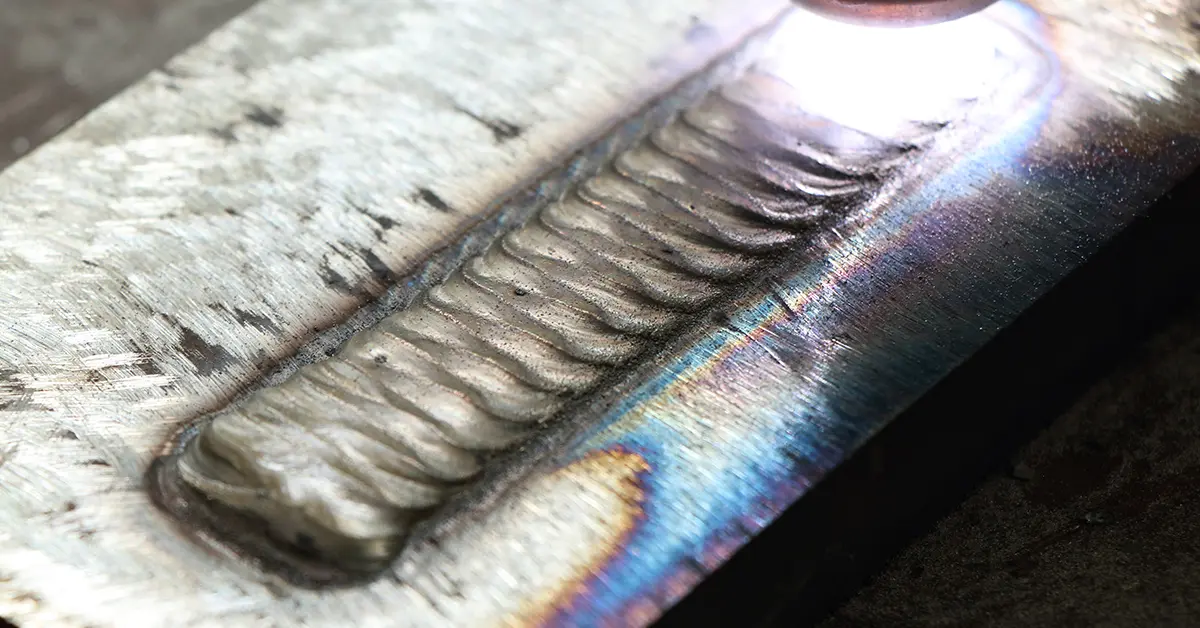 Metallurgical Hardfacing Dilution Research
"In industries such as oil & gas, petrochemical, power generation, mining, and marine engineering, industrial valves are constantly exposed to severe operating conditions including: high pressure, extreme temperatures, corrosive media, and sand erosion. Custom automated PTA welding setups help maintain consistent quality across large valve production batches."
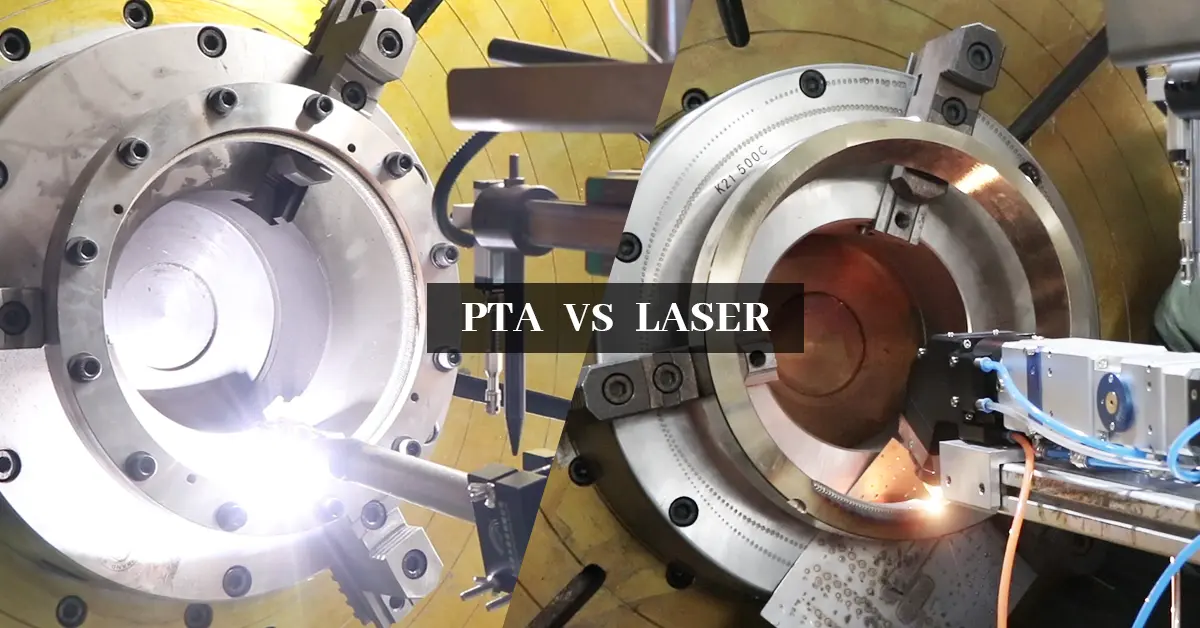 Petrochemical Infrastructure Durability Review
For inquiries about our products or pricelists, please leave us a message. Our technical sales engineers will contact you within 24 hours to discuss your project requirements.
Get in TouchBrowse our selection of positioners, plasma welders, and repair workstations designed to handle heavy industrial wear parts.







 Duomu
Duomu