Pioneering High-Efficiency Overlay Technologies & Precision Equipment for Industrial Application Standards
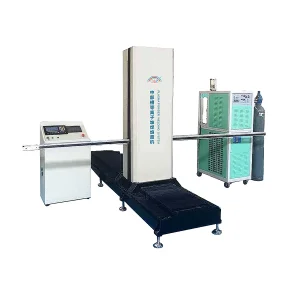
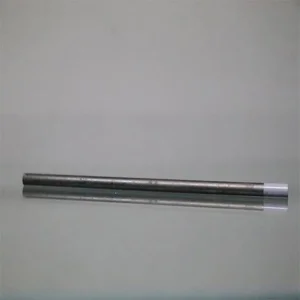
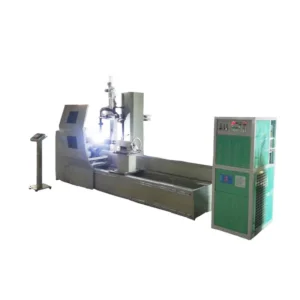
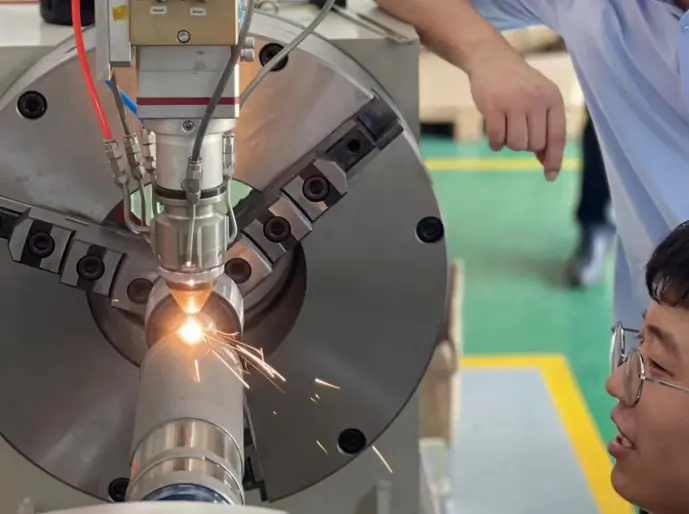
The global industrial sectors are witnessing a critical transition towards sustainable lifecycle management, where components are engineered to endure higher thermodynamic stresses, extreme tribological wear, and corrosive environments. At the center of this transformation is laser cladding (also recognized as Laser Metal Deposition—LMD), alongside Plasma Transferred Arc (PTA) cladding. As key technologies in additive manufacturing and surface engineering, these methods present unparalleled resource efficiency by fusing high-performance alloys precisely onto low-cost base materials.
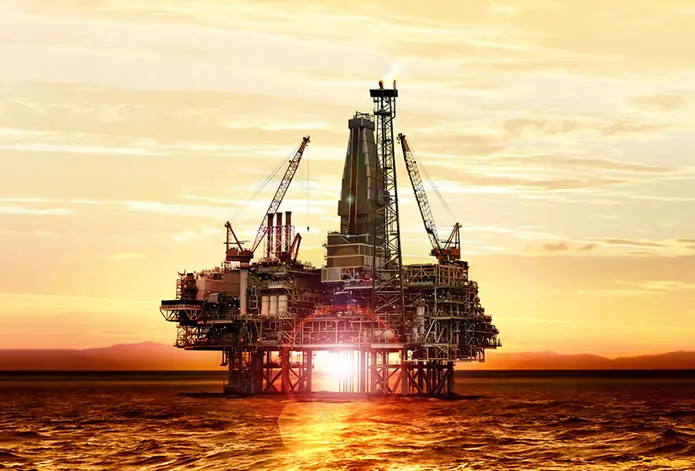
Across key industrial markets—ranging from the deep-sea petroleum extraction sites in North America to the heavy mining regions of Australia and South Africa—the demand for component reclamation has escalated. Reclaiming critical parts like hydraulic cylinders, mud motor rotors, gas turbine blades, and continuous casting rolls not only reduces capital expenditures (CAPEX) by up to 60% compared to purchasing new units, but also aligns directly with international carbon reduction mandates.
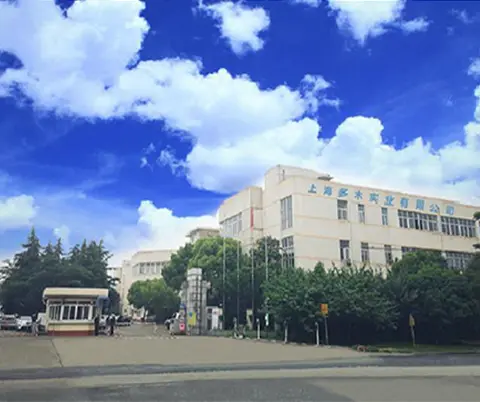
China's industrial ecosystem has evolved into a premier destination for global advanced manufacturing, moving beyond simple cost efficiency to lead in technological integration and raw material supply chain maturity. Specialized facilities, such as Shanghai Duomu, combine highly optimized production lines with close proximity to the world’s leading superalloy powder suppliers.
By blending advanced metallurgical engineering with custom robotics, Chinese manufacturers consistently meet strict tolerance constraints. This allows international buyers to receive turn-key systems capable of continuous 24/7 industrial operations.
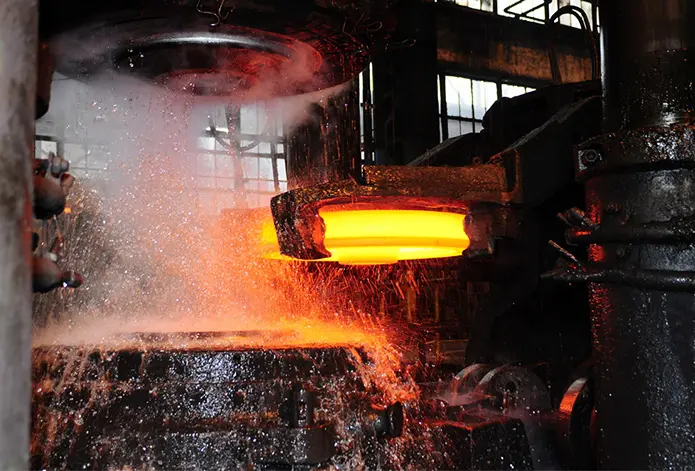
At present, the company's products have penetrated into many fields such as aerospace military industry, nuclear power, petrochemical industry, coal mines, metallurgy and forging, agriculture, water conservancy and electric power.


Selecting the optimal energy deposition mechanism based on component geometry and performance constraints
| Performance Metric | Laser Cladding (LMD) | Plasma Transferred Arc (PTA) | Conventional Arc Welding (MIG/TIG) |
|---|---|---|---|
| Heat Input | Extremely Low | Medium-Low | High |
| Base Metal Dilution | 0.5% – 3% | 3% – 8% | 15% – 30% |
| Bonding Strength | Metallurgical (High) | Metallurgical (High) | Metallurgical (Moderate-High) |
| Deposition Efficiency | High (up to 90% powder utilization) | Very High (high feed speeds) | Moderate (high spatter risk) |
| Heat Affected Zone (HAZ) | Minimal (0.2 - 0.5mm) | Narrow (0.5 - 1.5mm) | Wide (3.0 - 5.0mm) |
| Ideal Component Profiles | Thin walls, turbine blades, precision shafts | Thick wear plates, valves, mining picks | Heavy structures, non-critical repair |
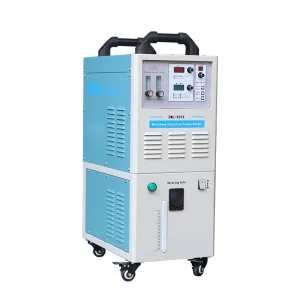
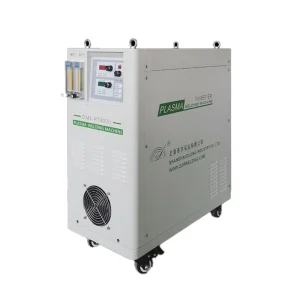
Shanghai Duomu has been a leading manufacturer and exporter of PTA cladding machine and Laser cladding machine for more than ten years with a strong technical background. Our dedication to research, development, and system integration has positioned us at the forefront of surface engineering solutions globally.
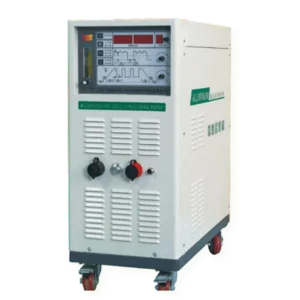
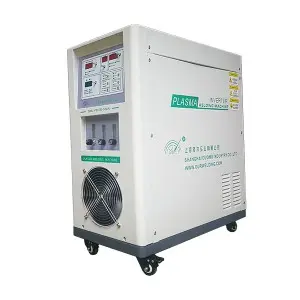
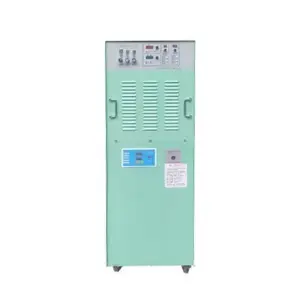
We host an independent R&D team that develops, produces, and sells plasma cladding machine equipment. Our welding systems are engineered for stable performance, enabling efficient, long-term operation under demanding industrial workloads. In addition, our laser cladding equipment supports large-scale remanufacturing projects. With mature technological workflows, we provide complete, integrated industrial equipment solutions tailored to your production demands.
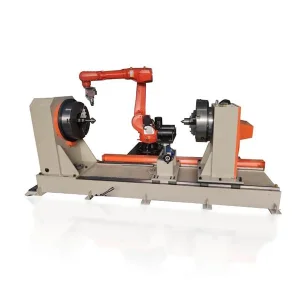
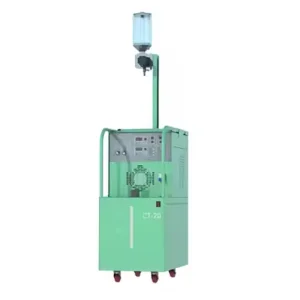
According to customer specifications, we design and manufacture customized automatic laser cladding equipment, automatic plasma cladding equipment, and intelligent robot cladding systems. Our tailored solutions include specialized equipment designed for specific industries, such as hydraulic rod cladding machines, mining pick cladding systems, and automated ball valve cladding machinery.
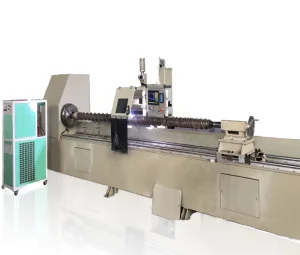
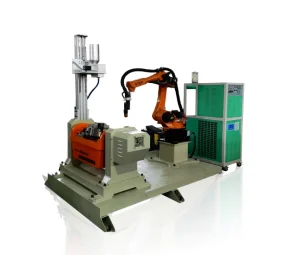
Precision robotic and CNC-guided cladding solutions designed for complex industrial geometries
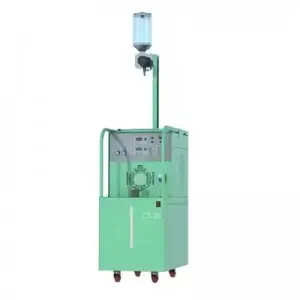
Highly versatile system designed for varied geometries and cladding processes.
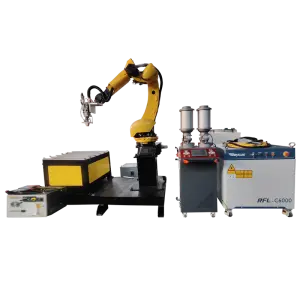
Designed specifically for recovering gas turbine blade tips and repair applications.
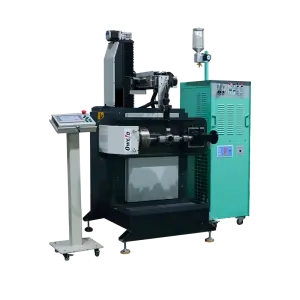
Precision overlay of corrosion-resistant alloys onto ball valves for petrochemical systems.
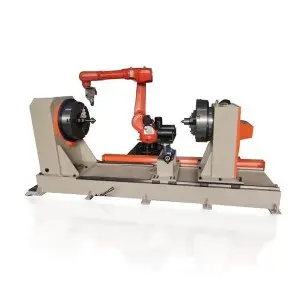
6-axis articulated robot system designed for surface heat-treatment and quenching.
As industry standards progress, several key trends are shaping the future of industrial surface modification technologies:
Global procurement managers and quality engineers evaluate cladding systems based on specific quality metrics:
Addressing key engineering and process selection questions for laser cladding and hardfacing solutions
Real-world results from leading industrial operations deploying automated surfacing technologies
"The PTA Welding Valve Application Guide is not just a process choice for valve manufacturers facing high wear, high corrosion, and high-temperature erosion working conditions, but also a key path to improving product competitiveness. As industries such as petrochemical, gas, and power systems become more demanding, PTA provides an efficient, long-lasting surface barrier."
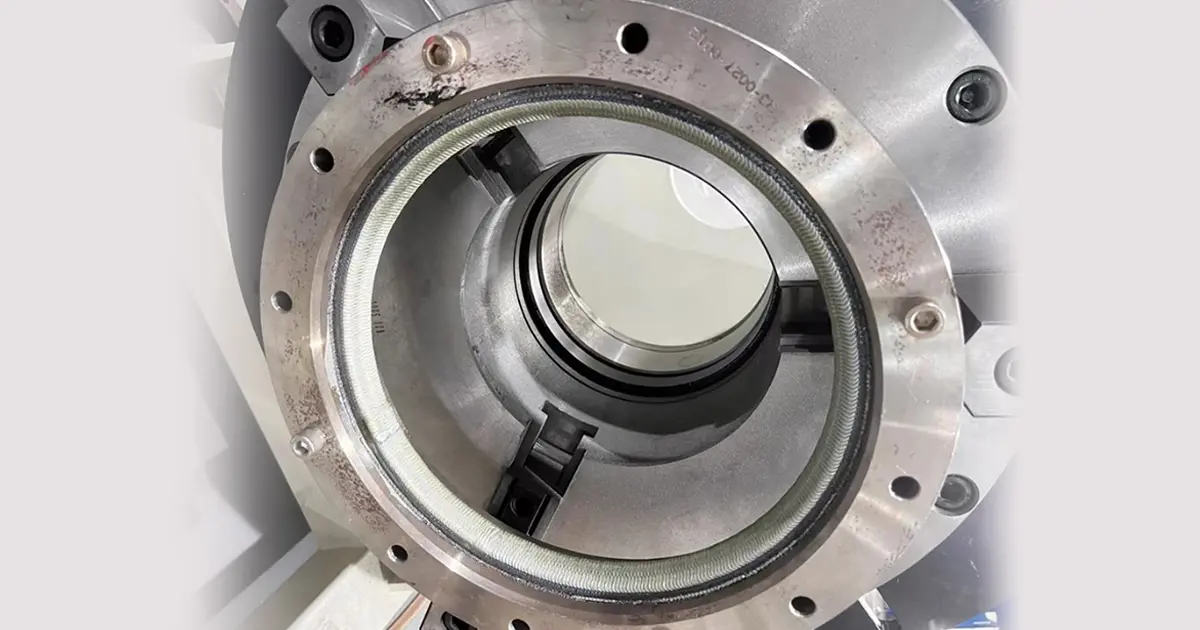 Valve Manufacturing Partner
"In industries such as mining, cement, power generation, steelmaking, chemical processing, and biomass energy, screw conveyors are often regarded as auxiliary equipment. However, maintenance data shows that they are among the most frequent causes of unplanned production downtime. Implementing Shanghai Duomu’s automated cladding systems has significantly reduced our replacement frequency."
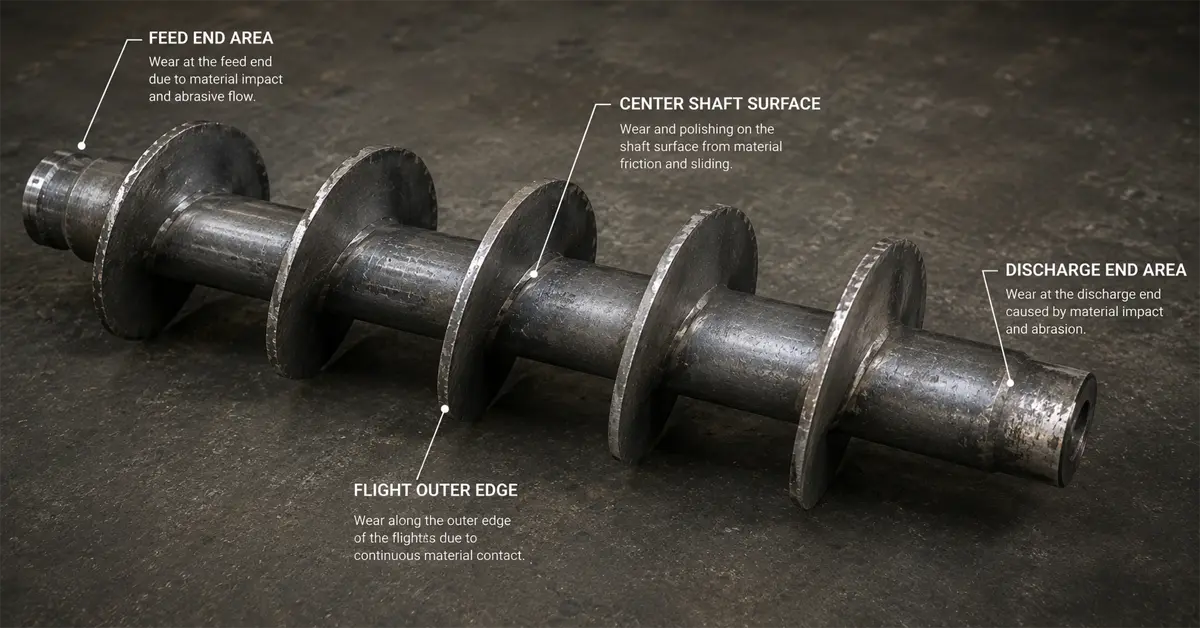 Maintenance & Operations Manager
"In Plasma Transferred Arc (PTA) hardfacing, achieving a high-quality overlay is not only about selecting the right alloy powder or optimizing welding parameters. One of the most critical factors that directly affects overlay performance is the dilution rate. Shanghai Duomu's close closed-loop parameter controls keep dilution low, even with high deposition speeds."
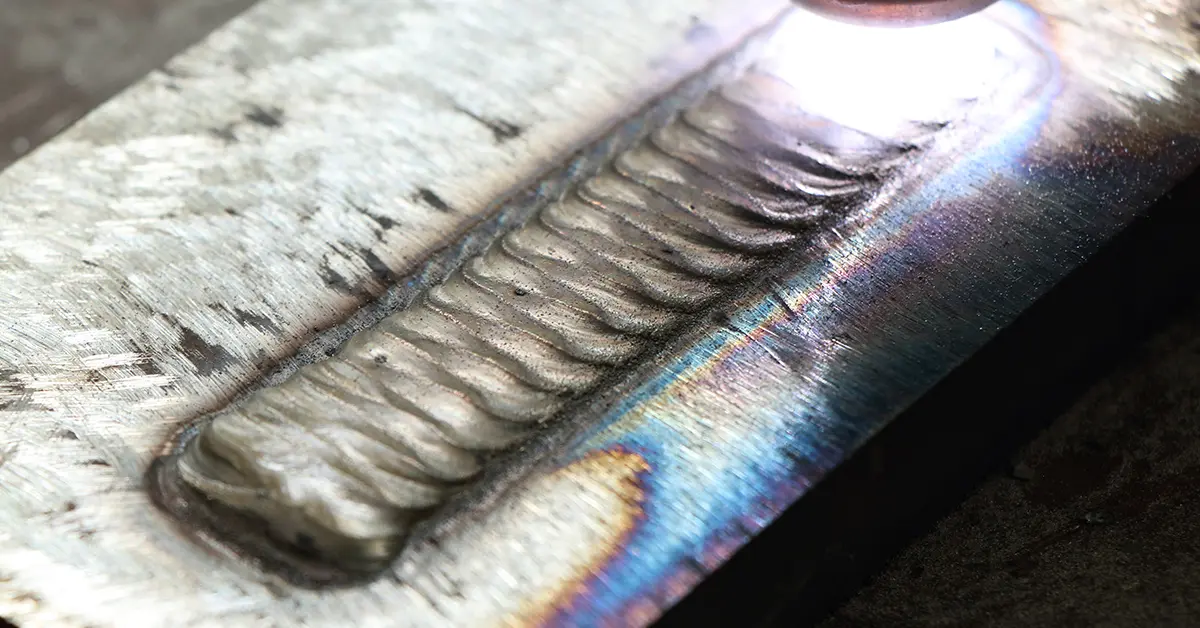 Lead Metallurgical Engineer





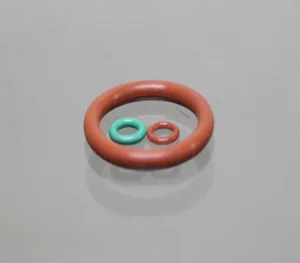
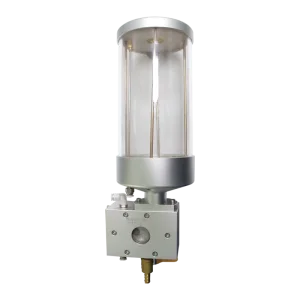
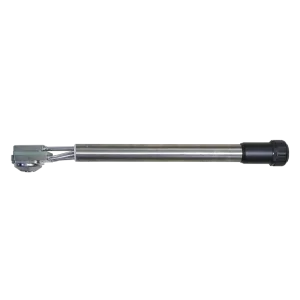
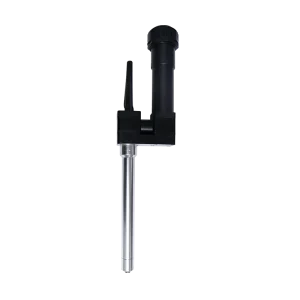
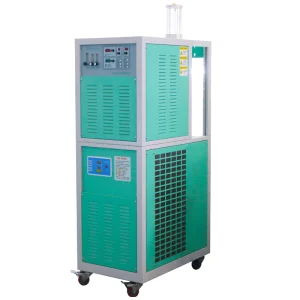
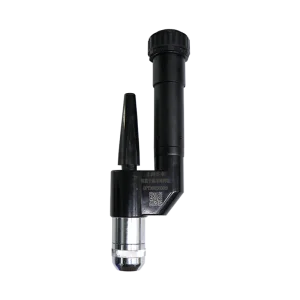
Original components, customized torches, and high-performance robotic cladding sub-assemblies
For inquiries about our products or custom price quotes, please leave your email below. Our engineering team will review your specifications and contact you within 24 hours.
 Duomu
Duomu