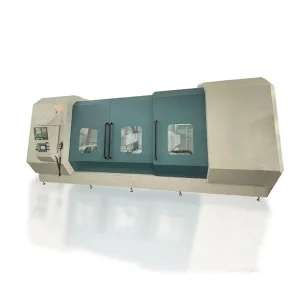
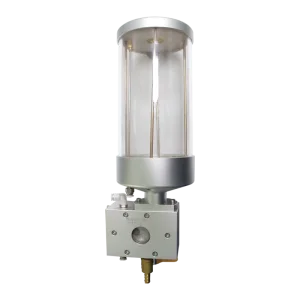
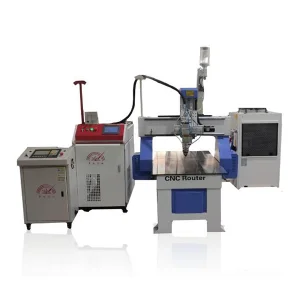
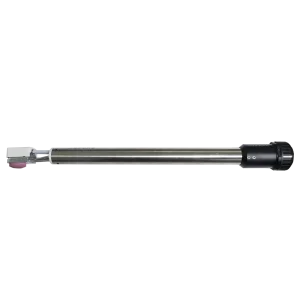
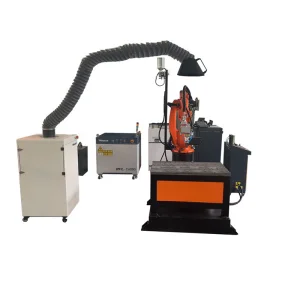
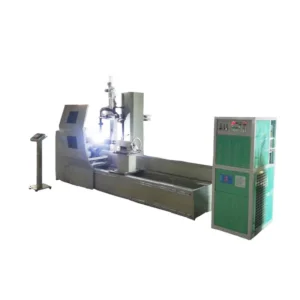
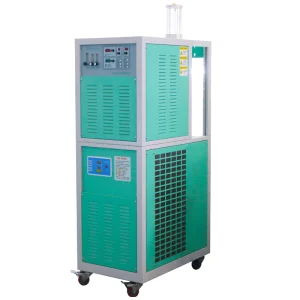
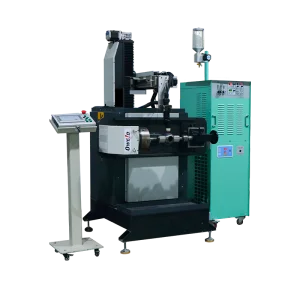
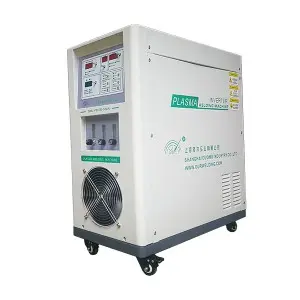
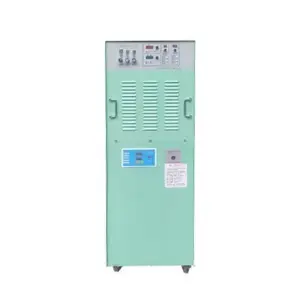
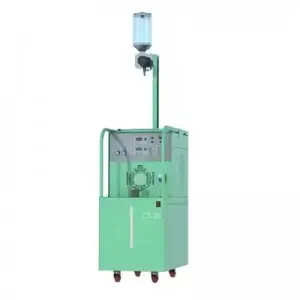
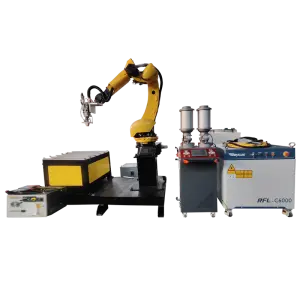
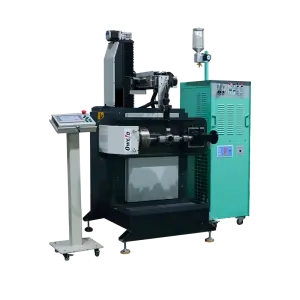
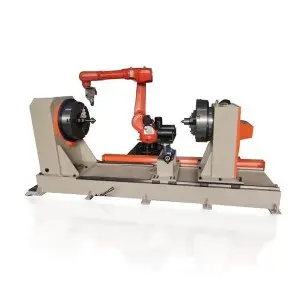
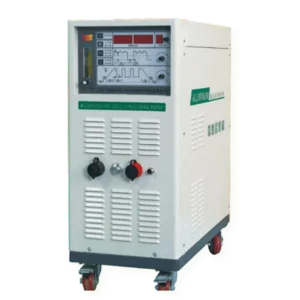
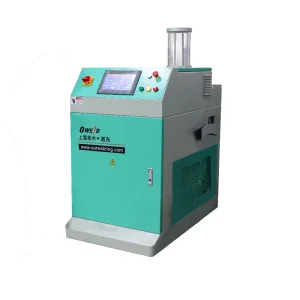
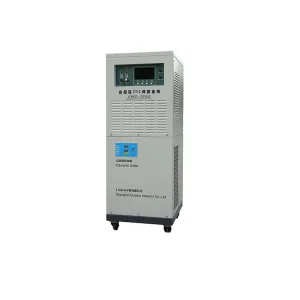
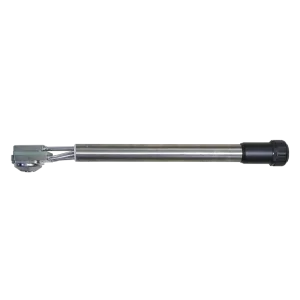
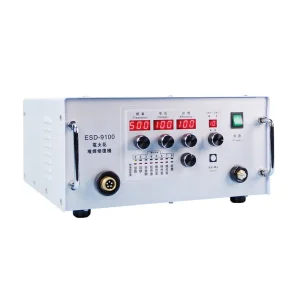
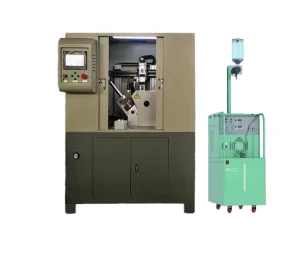
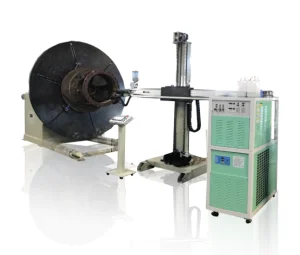
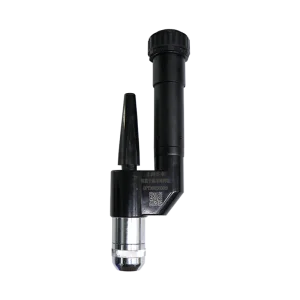
Explore our core technological product portfolio designed for high wear resistance, precise overlays, and automatic industrial components cladding.
Microplasma welding (Micro-PTA) is a high-precision variation of the Plasma Transferred Arc (PTA) process. By routing an inert gas through a highly constricted nozzle, the system generates a concentrated, columnar plasma arc. Unlike standard TIG welding, where the arc is conical and spreads heat across a wider footprint, the microplasma arc remains stable even at extremely low current levels—ranging from 0.1 to 50 Amperes.
This thermal focusing delivers a highly concentrated energy density to the workpiece, significantly narrowing the Heat Affected Zone (HAZ). This is a critical advantage for thin-sheet fabrication (down to 0.1 mm), precision instruments, bellows, and custom electronic sensors. The microplasma process eliminates arc wander and reduces joint deformation, establishing it as the standard for high-tolerance component welding.
Additionally, the process utilizes two distinct gas flows: the inner orifice gas, which forms the plasma arc, and an outer shielding gas flow that protects the weld puddle from atmospheric oxidation. This double-barrier design prevents porosity and improves metallurgical integrity.

Review the engineering differences between TIG (GTAW), standard Laser cladding, and Microplasma Schweißgerät technology.
The plasma arc is mechanically and electromagnetically constricted, concentrating energy to deliver up to 3x the density of traditional TIG systems. This ensures a narrow weld pool and minimal thermal distortion.
Provides highly stable current modulation from 0.1A to 50A, preventing burn-through on ultra-thin foils, capillary tubes, and sensitive micro-electronics.
For cladding operations, our microplasma systems maintain low dilution rates (5% to 8%), preserving the wear-resistant chemistry of alloy overlays with minimal mixing with the substrate.
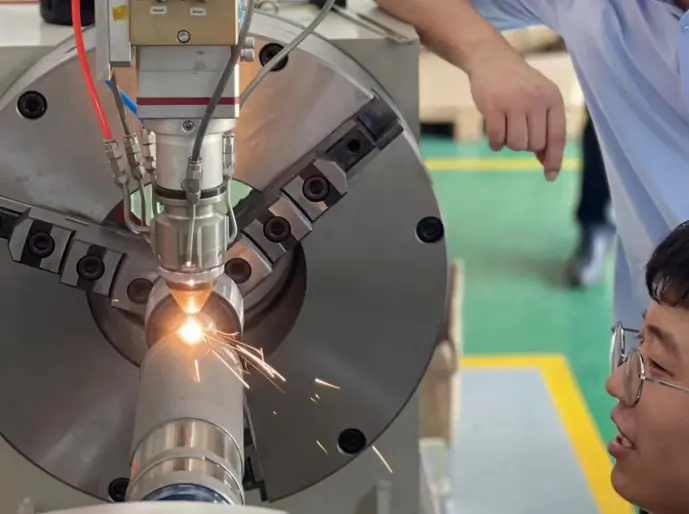
At Shanghai Duomu, we maintain an independent R&D department specialized in developing, engineering, and manufacturing advanced plasma cladding and microplasma welding systems. Our equipment is engineered for stable arc initiation, minimal noise interference, and sustained long-term operation under heavy industrial conditions.
We leverage our background in PTA (Plasma Transferred Arc) and laser cladding to deliver high-performance solutions for large-scale remanufacturing projects. From automated gantry systems to compact, integrated powder feeders and specialized torches, we engineer complete sets of industrial tooling tailored to precise metallurgy requirements.
Through close collaboration with metallurgical laboratories, we continuously update our software control systems, providing preset database configurations for welding superalloys, stainless steels, and cobalt/nickel-based wear surfaces.
Our microplasma and plasma cladding systems are deployed globally to protect and join critical components across demanding industrial environments.

Our plasma powder surfacing machines apply hard-wearing tungsten carbide overlays to soil-engaging tools, harvesting blades, and tillage teeth, extending service life up to 4x in high-abrasion conditions.

Provides precise heat control for welding superalloys, turbine blade profiles, sensor diaphragms, and titanium components, meeting the rigorous quality standards of aerospace applications.

Applies corrosion and wear-resistant coatings (such as Inconel 625 and Stellite alloys) to drill bits, valves, and downhole stabilizer blades operating in harsh offshore environments.
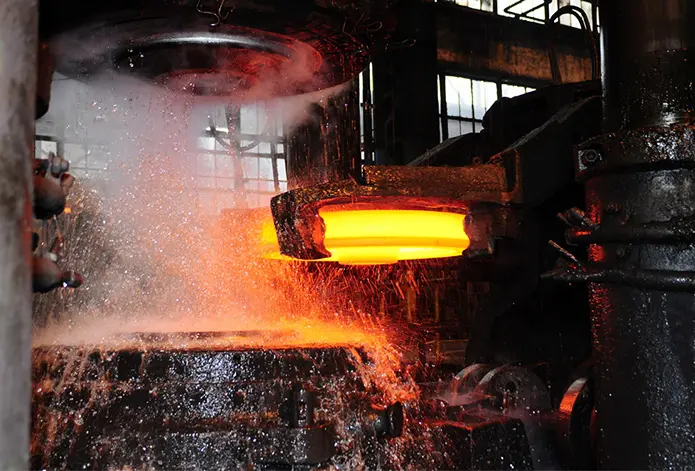
Engineered for high-temperature surface repairs on metal extrusion dies, molds, and continuous casting rolls, reducing manufacturing downtime and tooling replacement costs.
Industrial manufacturing is moving rapidly toward automation, real-time quality assurance, and metallurgical refinement. The technical roadmap for our microplasma systems is focused on three main pillars:
1. Digital Closed-Loop Feedback Controls: We are integrating high-frequency sensors that monitor arc voltage, current fluctuation, and weld pool temperature at microsecond intervals. This data feed allows the power source to automatically adjust pulse parameters on the fly, compensating for slight dimensional variations in the workpiece.
2. Hybrid Plasma-Laser Integration: By combining the localized heating efficiency of a microplasma arc with the high positioning accuracy of laser systems, we are developing hybrid cladding systems. These setups offer increased cladding efficiency while maintaining low thermal distortion.
3. Advanced Robotic Co-Pilot Capability: Our systems feature communication interfaces (EtherCAT, Profinet, DeviceNet) that simplify integration with modern 6-axis industrial robots and cobots. This enables fully automated, high-duty-cycle operations for complex, three-dimensional surface profiles.
Located in the industrial manufacturing hub of Shanghai, China, Shanghai Duomu leverages local supply chain dynamics, precision component manufacturing, and highly skilled engineering talent. This geographic advantage allows us to deliver high-quality systems at competitive price points.
Our facility is structured around Industry 4.0 production principles, utilizing digital quality tracking systems for each assembled sub-component. We source critical components—including high-frequency IGBT modules, precision gas mass-flow controllers, and CNC machined torch heads—from verified, ISO-certified tier-1 suppliers.
This deep vertical integration protects our clients from supply chain disruptions, shortens lead times for custom tooling builds, and ensures rapid delivery of replacement parts like copper nozzles, electrodes, and powder feeding disks.
Procuring capital industrial equipment requires strict compliance with international safety, environmental, and electrical standards. Shanghai Duomu supports international procurement teams by offering:
To help clients maximize equipment uptime, we provide localized support channels, virtual training programs, and real-time remote diagnostics.
Our engineers assist with system calibration, shielding gas optimization, and selecting the correct alloy powders for specific target wear resistance profiles. If onsite installation is required, our technicians can deploy to assist with startup, parameter tuning, and operator safety training.
Explore our specialized industrial solutions, including hydraulic rod cladding systems, pick cladding machinery, and automatic valve overlay equipment.
Read about process dynamics, dilution rates, and industrial application guidelines from our engineering team.
"The PTA Welding Valve Application Guide is not just a process choice for valve manufacturers facing high wear, high corrosion, and high-temperature erosion working conditions, but also a key path to improving product competitiveness."
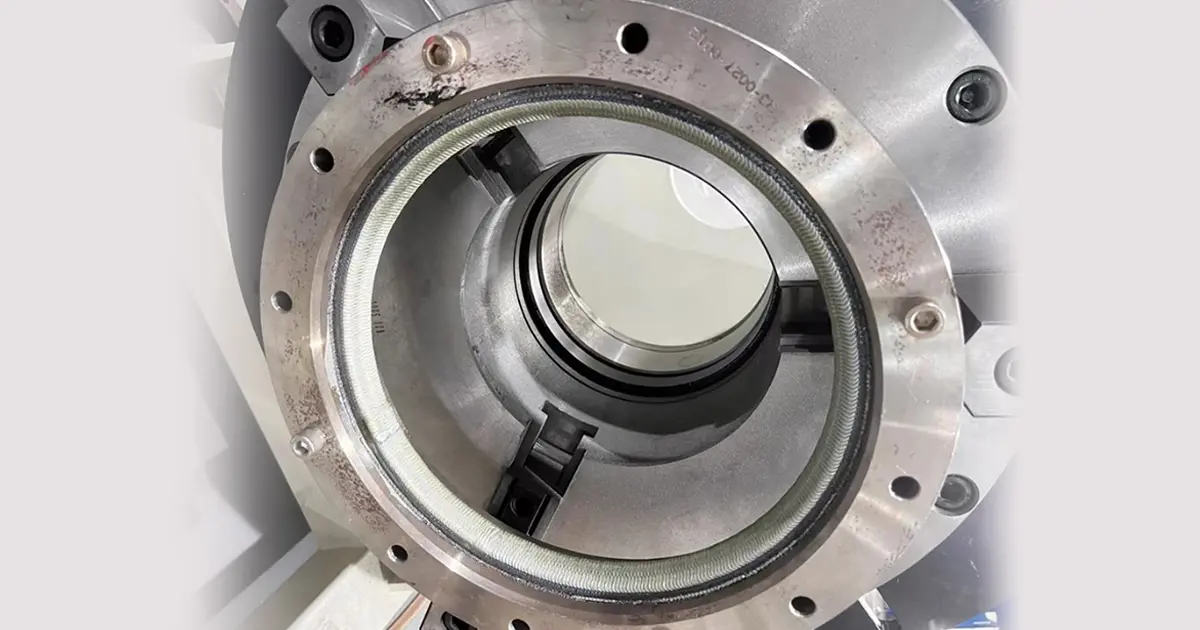 Valve Application Guide
"In industries such as mining, cement, power generation, steelmaking, chemical processing, and biomass energy, screw conveyors are often regarded as auxiliary equipment. However, maintenance data shows that they are among the most frequent causes of unplanned production downtime..."
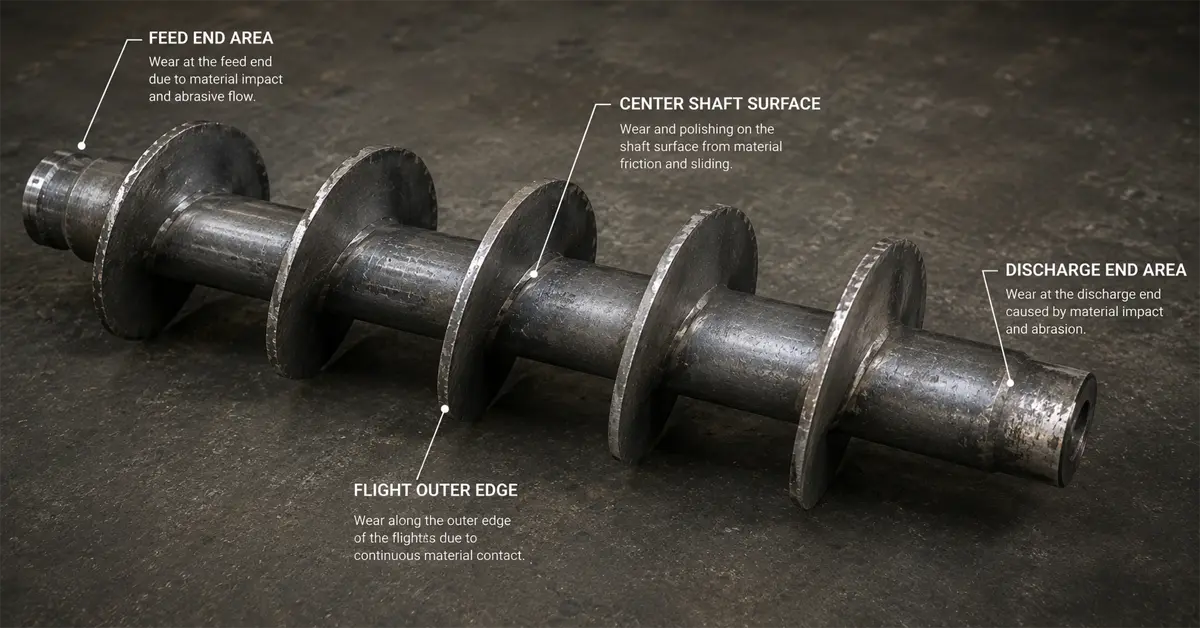 Screw Conveyor Hardfacing
"In Plasma Transferred Arc (PTA) hardfacing, achieving a high-quality overlay is not only about selecting the right alloy powder or optimizing welding parameters. One of the most critical factors that directly affects overlay performance is the dilution rate..."
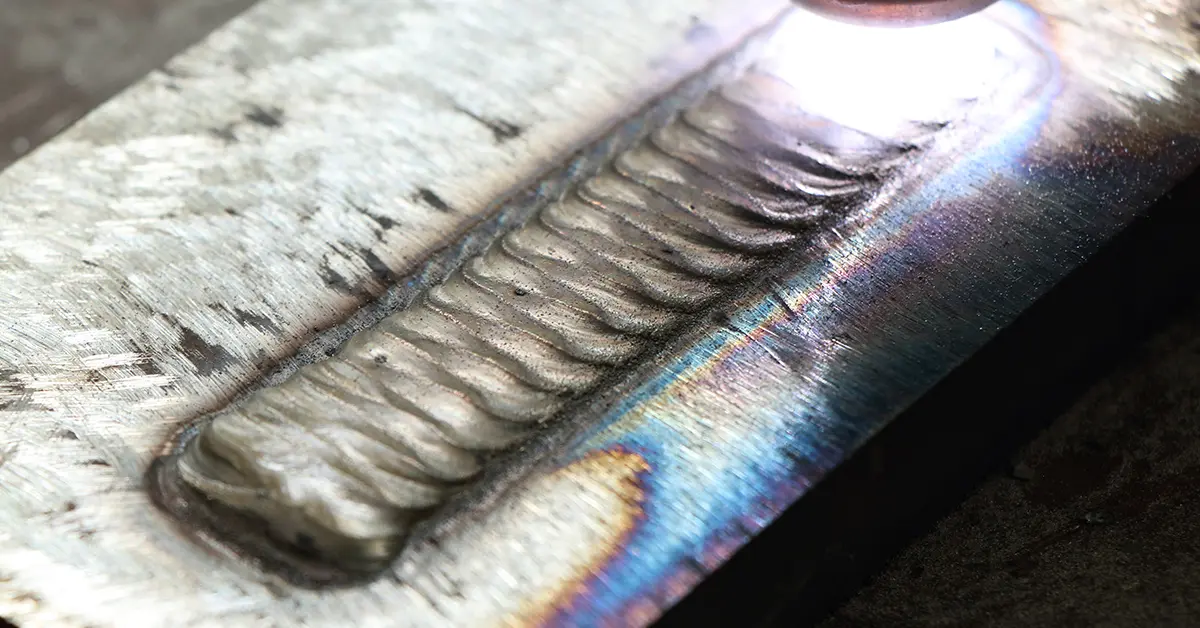 Dilution Rate Optimization
Find technical answers regarding Microplasma Schweißgerät technology, hardfacing configurations, and custom system specifications.
The primary difference is the shape and concentration of the electric arc. TIG uses an open, conical arc that is wider and prone to dispersion at low currents. Microplasma welding constricts the arc using a copper nozzle and orifice gas, creating a narrow, columnar arc. This structure prevents arc wander and maintains stability even down to 0.1 Amperes, minimizing heat input and distortion on thin-gauge materials.
The dilution rate is the percentage of substrate metal that melts and mixes with the deposited cladding alloy. A high dilution rate dilutes the beneficial properties (such as hardness, corrosion resistance, or wear resistance) of the cladding powder. Our plasma powder surfacing machines are engineered to maintain a low dilution rate of 5% to 8%, protecting the alloy's metallurgical properties in a single pass.
Yes, due to its localized heat input and high energy concentration, microplasma is highly effective for joining dissimilar metals. The precise control over the energy density allows operators to melt the lower-melting-point alloy without overheating the partner metal, resulting in a clean, intermetallic bond.
Microplasma systems typically require two gas sources: a plasma gas (usually high-purity Argon) to generate the plasma arc, and a shielding gas (Argon, Argon-Hydrogen mixtures, or Helium) to protect the weld pool from oxidation. Active gas mixtures can also be tailored based on the metallurgy of the workpiece.
Yes, our welding systems are designed with industrial PLC interfaces and communication protocols like EtherCAT, Profinet, and Modbus. This makes them compatible with major robotic arms (such as KUKA, FANUC, ABB, and Yaskawa) for automated, multi-axis cladding and welding operations.





Explore our complete product catalog, featuring automated bore torches, manipulator positioners, and portable laser cladding equipment.
 Duomu
Duomu