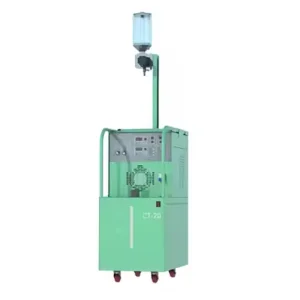
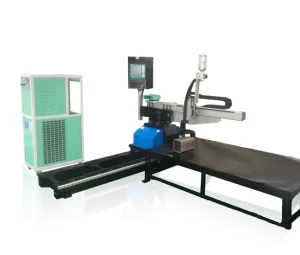
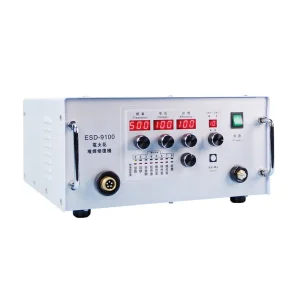
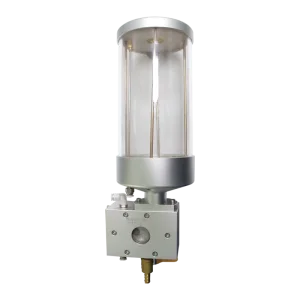
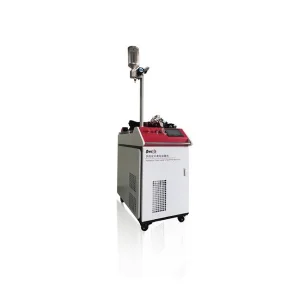
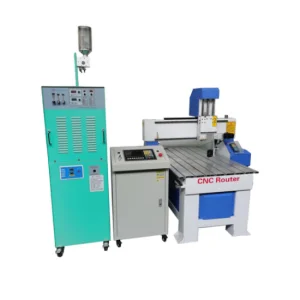
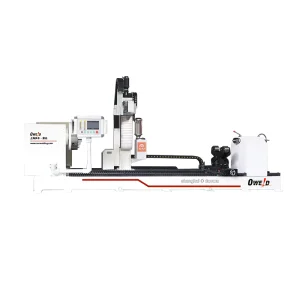
Deploying state-of-the-art overlay technologies to combat wear, heat, corrosion, and erosion. Browse our industrial-grade components and automated systems.
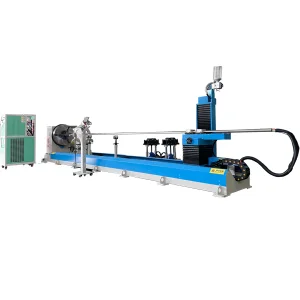
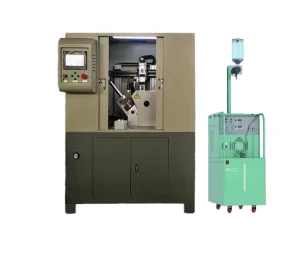
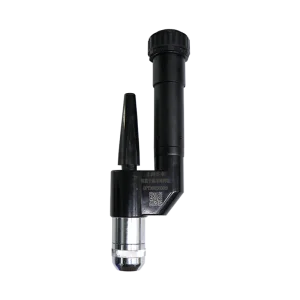
In modern manufacturing, industrial components are constantly exposed to extreme environments including high temperature, severe abrasion, aggressive chemical corrosion, and mechanical fatigue. Plasma Arc Welding (PAW) and Plasma Transferred Arc (PTA) cladding have emerged as essential surface hardening technologies. By generating a high-density, collimated plasma arc, these processes fuse metallic powders or alloys onto base metal workpieces to form a superior metallurgical bond.
Compared to thermal spraying, PTA and Laser cladding offer significantly lower dilution rates, higher structural integrity, and exceptionally high deposit thickness efficiency. For sectors like oil and gas, heavy mining, metal forging, and aerospace, investing in robust surfacing machinery dramatically extends tool life cycle, reduces unplanned downtime, and lowers the cost of material replacement.
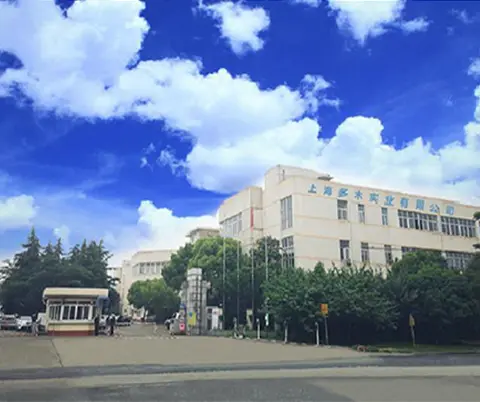
At present, Shanghai Duomu's cladding products and bespoke systems have successfully penetrated high-stakes global sectors, providing reliable wear solutions under the most hostile working conditions.



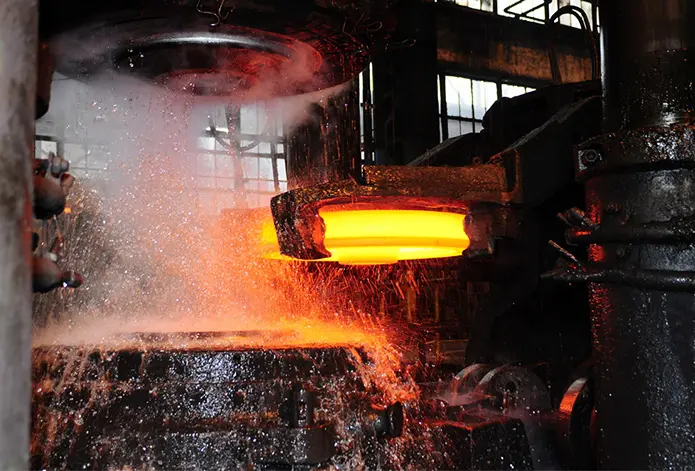
Shanghai Duomu has been a leading manufacturer and exporter of PTA cladding machines and Laser cladding machines for more than ten years with a strong technical background. Our dedicated and independent research and development team consistently innovates, producing automated systems that maintain high-efficiency, long-term operation under heavy industrial cycles.
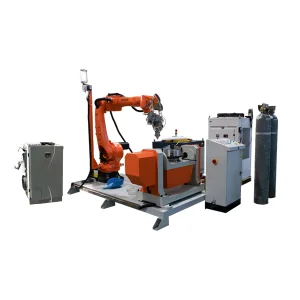
In addition, our large-scale laser cladding equipment provides robust remanufacturing support. We possess mature, verified metallurgical process control solutions to design and fabricate tailor-made systems according to unique operational specs—whether you require a hydraulic rod cladding system, valve cladding workstation, or a cutting pick hardfacing system.
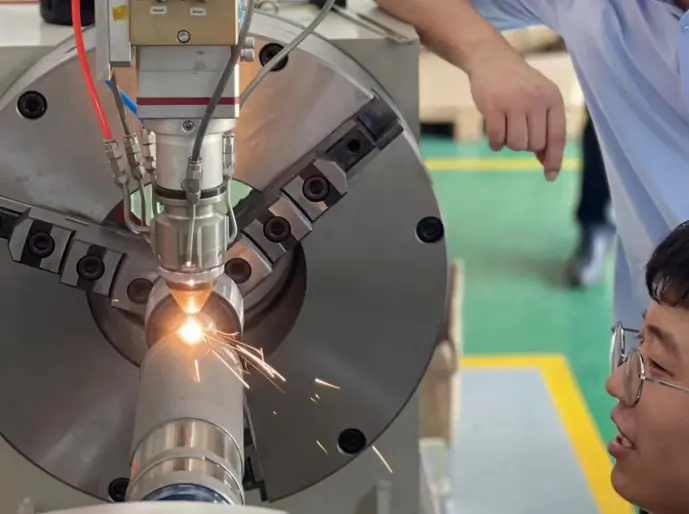
Located in the heart of Shanghai's industrial manufacturing corridor, Shanghai Duomu leverages direct access to premium-grade electronic components, specialized servo control systems, and localized high-purity alloy powder refineries. This vertically integrated supply chain enables us to produce highly competitive machinery compared to North American or European equivalents, without sacrificing mechanical tolerance or thermal performance.
Exporting to over 30 countries requires deep alignment with global standards. Our PTA cladding machines and custom automated lines conform strictly to CE directives, ISO 9001:2015 quality frameworks, and localized electric compliance schemas. Built-in dynamic monitoring systems ensure gas flow precision, arc stability, and operator safety under continuous-duty operating conditions.
The hardfacing landscape is undergoing a digital transformation. Modern production demands smart path planning and real-time sensor feedback. We integrate multi-axis robotic arms with machine vision to automatically adapt to non-linear workpieces like screw flights, valve seats, and variable-pitch agricultural tooling, optimizing cycle time and reducing powder waste by up to 25%.
When selecting between Plasma Transferred Arc (PTA) and Laser Cladding, engineers must evaluate the trade-off between heat input and bonding strength. PTA welding offers a high deposition rate (up to 12 kg/hr) and deep metallurgical fusion, making it ideal for thick, heavy-duty wear layers. On the other hand, laser cladding produces a minimal Heat-Affected Zone (HAZ), reducing substrate distortion on high-precision components but at a higher capital cost.
Shanghai Duomu provides the engineering expertise to customize both technologies. Our dual-purpose PTAW and Laser integrations allow manufacturers to select the optimal process based on material geometry and service environment requirements, achieving dilution rates consistently under 5%.
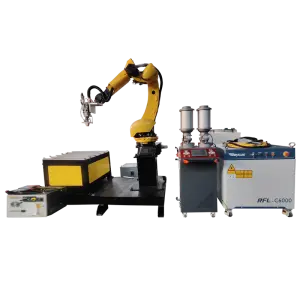
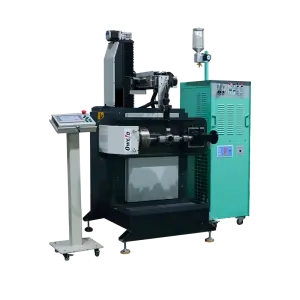
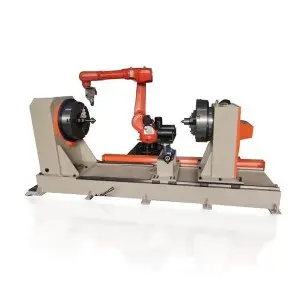
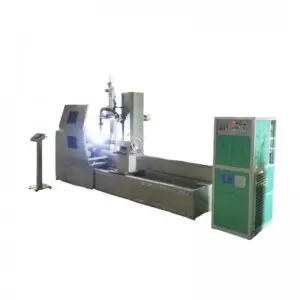
A deep look into our specialized cladding machines configured for particular applications including ball valves, hydraulic cylinders, and drilling equipment.
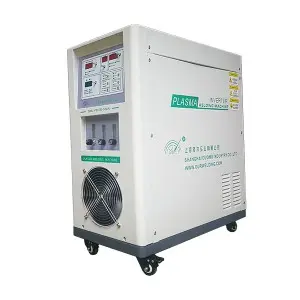
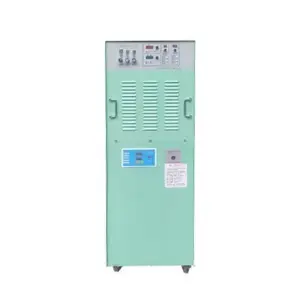
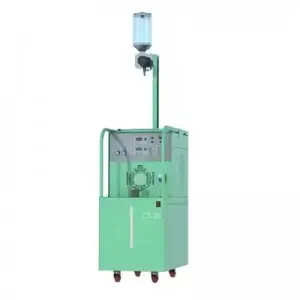
"The PTA Welding Valve Application Guide is not just a process choice for valve manufacturers facing high wear, high corrosion, and high-temperature erosion working conditions, but also a key path to improving product competitiveness. As industries such as petrochemical and gas demand higher tolerances, we rely on automated PTA systems to achieve precise overlays."
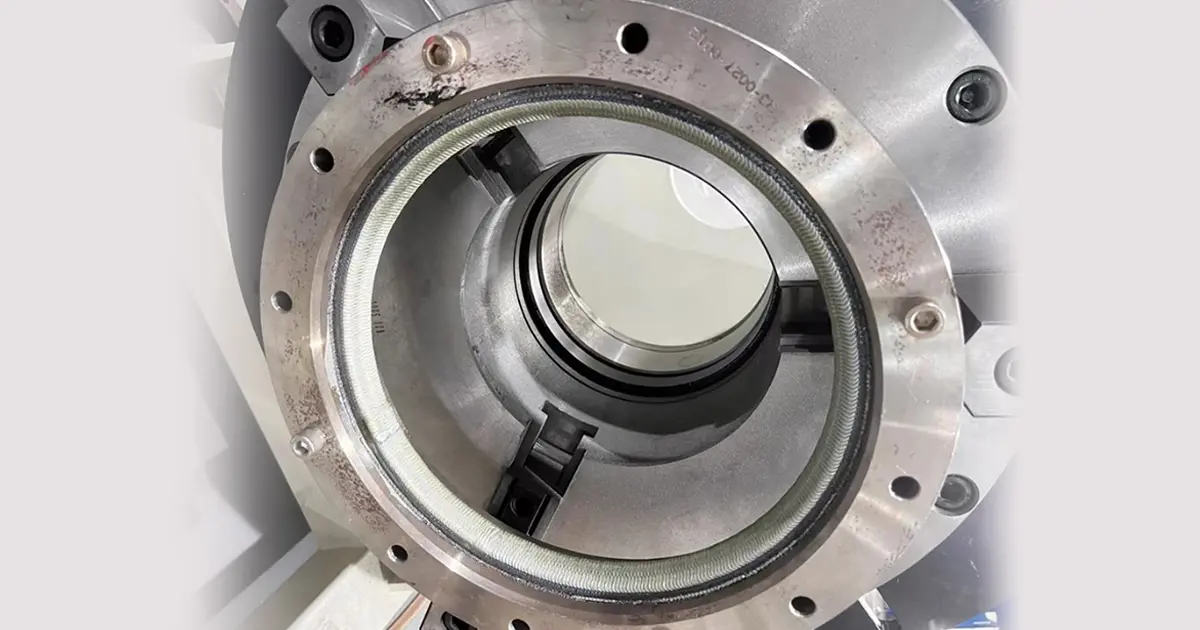
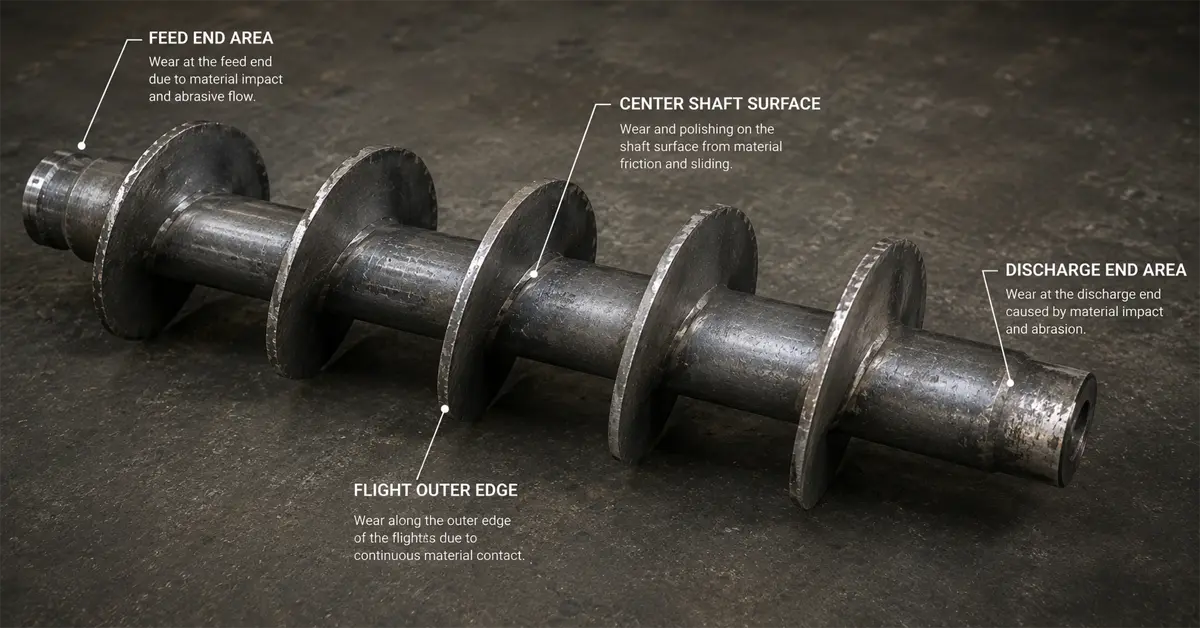
"In industries such as mining, cement, power generation, steelmaking, chemical processing, and biomass energy, screw conveyors are often regarded as auxiliary equipment. However, maintenance data shows that they are among the most frequent causes of unplanned production downs. Implementing localized PTA cladding extends screw lifespan by up to 400%."
"In Plasma Transferred Arc (PTA) hardfacing, achieving a high-quality overlay is not only about selecting the right alloy powder or optimizing welding parameters. One of the most critical factors that directly affects overlay performance is the dilution rate. Whether you seek corrosion protection or abrasive wear resistance, Duomu's closed-loop controllers keep overlay dilution minimal."
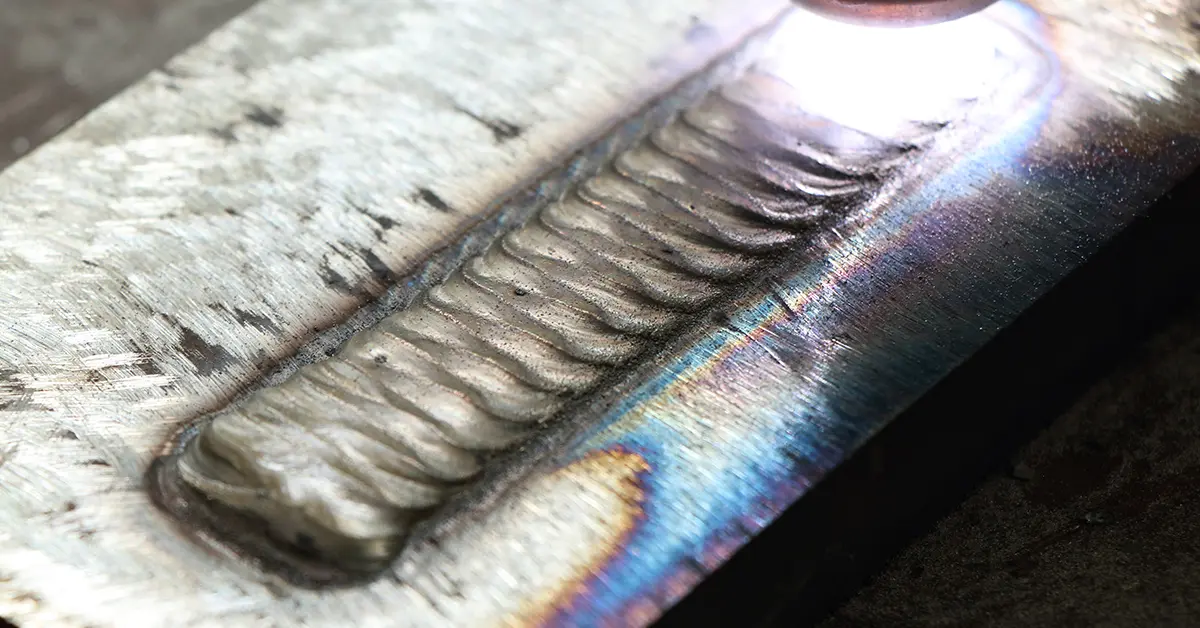
"In industries such as Oil & Gas, Mining, Power Generation, Cement, and Heavy Equipment Manufacturing, hardfacing is no longer just a repair process. It has become a critical technology directly related to equipment lifespan, downtime costs, maintenance frequency, and structural reliability. Duomu's multi-axis setups handle complex geometries with ease."
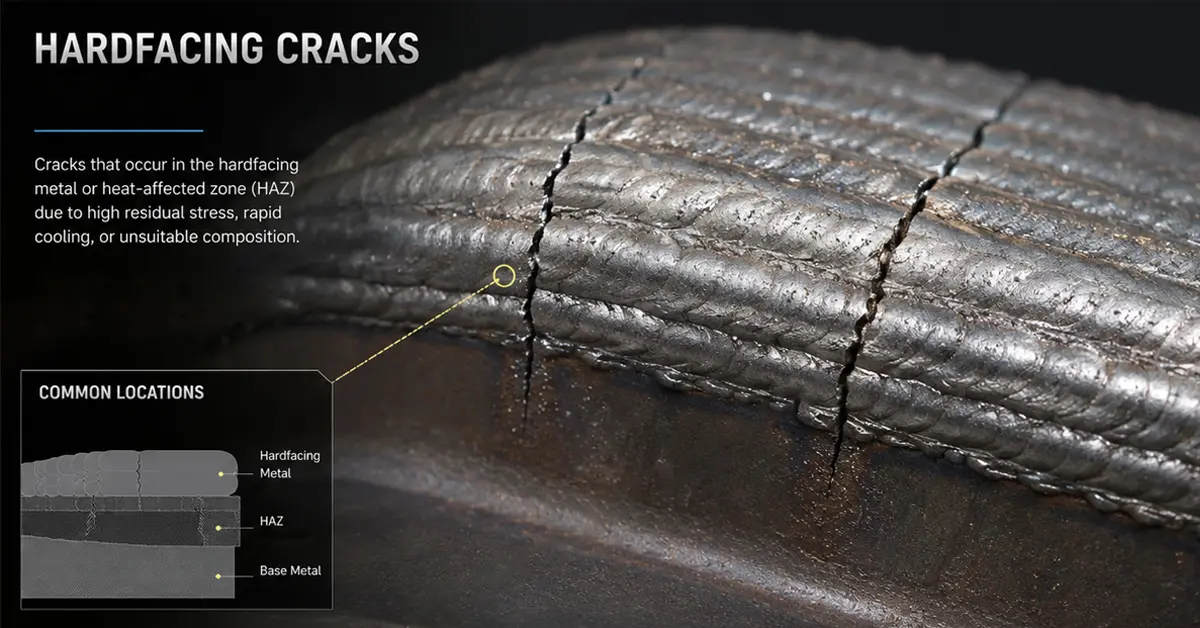
Get authoritative answers to the most common engineering queries regarding PTAW, Laser Cladding, and custom system setups.
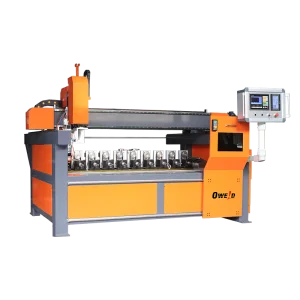
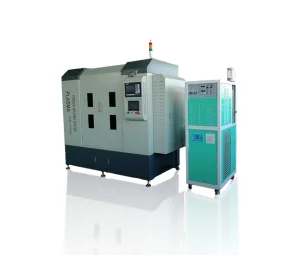
Heavy-duty systems configured for planar surface restoration, shaft cladding, and precision EDM repairs.
Submit your base material type, alloy requirement, and workpiece dimensions. Our engineering team will review your specs and contact you within 24 hours.
Send Custom Inquiry







 Duomu
Duomu