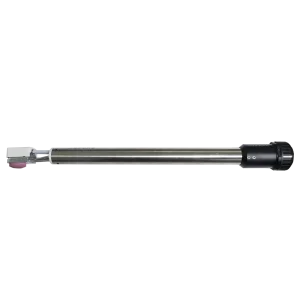
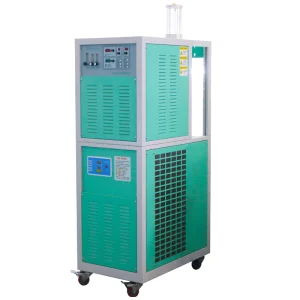
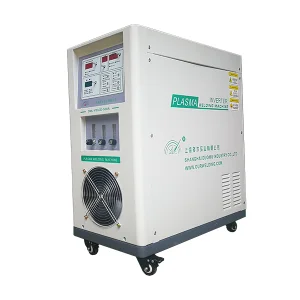
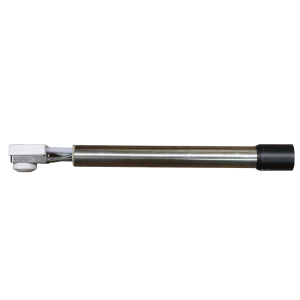
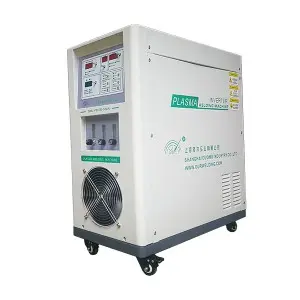
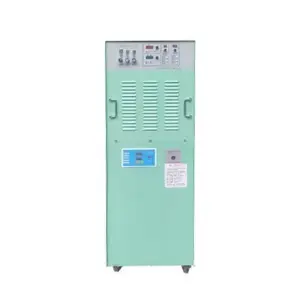
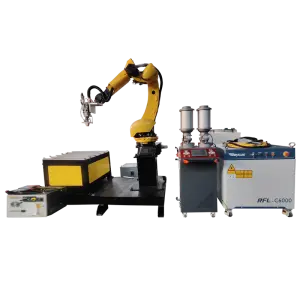
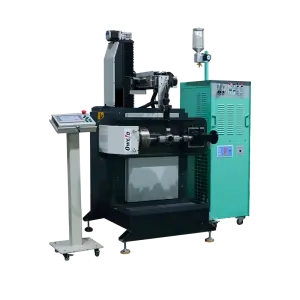
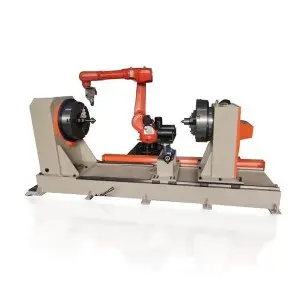
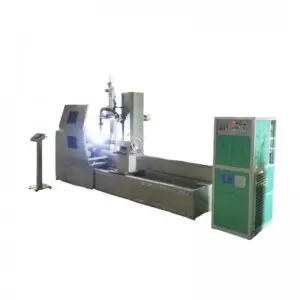
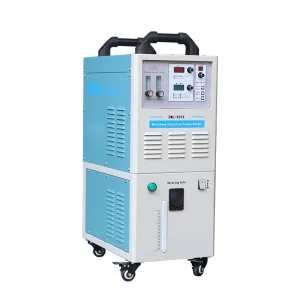
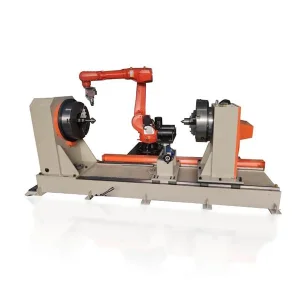
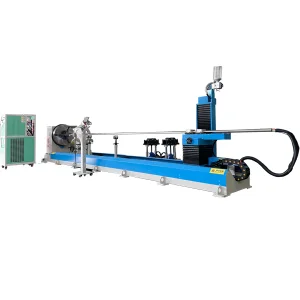
Explore our flagship industrial plasma arc systems, custom torches, and hardfacing machinery engineered for heavy-duty manufacturing environments.
In modern high-wear industrial sectors, surface modification and component restoration have moved from auxiliary maintenance tasks to critical, cost-saving engineering strategies. High-quality plasma transferred arc (PTA) welding machines stand at the very forefront of this revolution. Unlike standard gas tungsten arc welding (GTAW) or traditional thermal spray systems, PTA technology provides a localized, highly concentrated thermal energy beam that melts a precise depth of the base metal while simultaneously melting metallic powder alloys, forming a metallurgical bond with exceptionally low dilution rates.
Information Gain Highlight: Dilution management is the single most critical factor in hardfacing. Traditional arc processes often result in 15% to 30% dilution from the substrate, compromising the properties of expensive cobalt, nickel, or tungsten carbide alloys. Engineered PTA cladding systems limit this dilution to less than 5% in a single pass, ensuring that the deposit matches the designed wear-resistant alloy formulation.
Worldwide demand for high-efficiency plasma welding and cladding machines has seen exponential growth over the past decade. Driven by the expansion of deep-sea oil drilling, severe-duty chemical refining, aerospace turbine development, and heavy excavation, manufacturers must source machines that can run continuously in hostile environments. Geographically, North American and European markets are shifting rapidly toward automated multi-axis robotic PTA setups to replace manual overlay welding, aiming to combat rising skilled labor costs and achieve consistent metallurgical standards.
At the same time, regional chemical processing facilities and mining outfits require localized setups—ranging from portable PTA units to custom bore welding systems. These localized systems enable inner-diameter (ID) surface cladding of long pipes, valve seats, and high-pressure extrusion barrels without necessitating complete machine teardowns.

Shanghai Duomu has been a leading manufacturer and exporter of PTA cladding machine and Laser cladding machine for more than ten years with a strong technical background. Our dedication to design excellence, coupled with our rigorous quality-control systems, ensures that every piece of machinery leaving our assembly line is optimized for thermal stability, high deposition rate, and continuous automated production.
Read More Details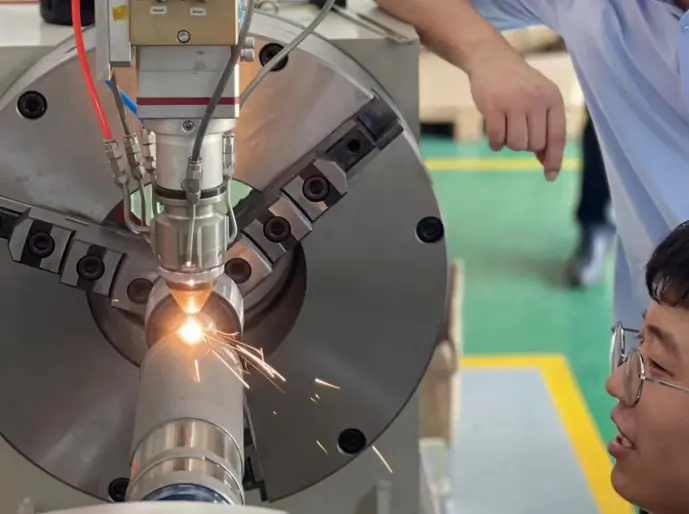
I have an independent R&D team, which develops, produces and sells plasma cladding machine equipment. The welding machine has stable performance and can maintain efficient long-term operation. In addition, the laser cladding equipment sold by the company can effectively support large-scale remanufacturing projects. We have mature technological means to provide complete sets of industrial equipment solutions.
Why Source from a Chinese Factory? The domestic supply chain for precision electric controls, heavy-duty gantry frames, and high-purity alloy powder atomizers offers unparalleled speed and cost-performance ratios. We achieve complete vertical integration—from raw steel fabrication to precision gas-distribution calibration—ensuring that custom orders are completed up to 40% faster than regional Western assembly houses, without compromising on CE or ISO certified components.
Get In Touch With EngineersAt present, the company's products have penetrated into many fields such as aerospace military industry, nuclear power, petrochemical industry, coal mines, metallurgy and forging, agriculture, water conservancy and electric power, etc.

Enhancing the lifespans of tines, ploughshares, and harvester parts against aggressive soil erosion.

Superalloy cladding of turbine blades, gas path components, and propulsion components under strict aerospace specifications.

Cladding stabilizer blades, non-magnetic drill collars, and downhole tools against high-stress friction and mud corrosion.
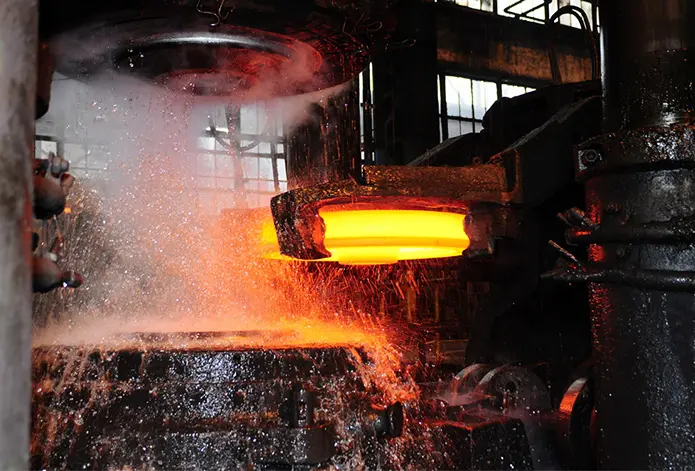
Overlaying rolls, continuous caster components, and molds subject to intense thermal fatigue and impact.
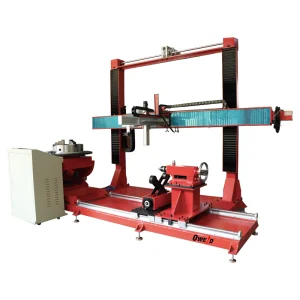
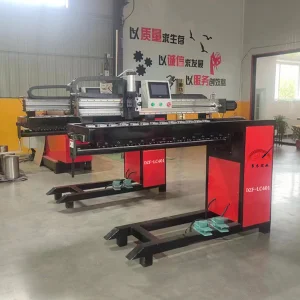
We can provide customized equipment, automatic laser cladding equipment, automatic plasma cladding equipment, intelligent robot cladding equipment, etc. according to customers' requirements, including special equipment in the industry, such as hydraulic rod cladding machine, pick cladding machine, valve cladding machine, etc.
As heavy machinery industries prioritize decarbonization and equipment lifespan extension, the field of plasma welding is experiencing rapid technical evolution. Modern equipment must adapt to the following global market trends:
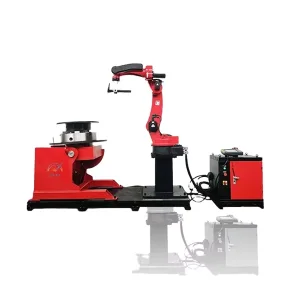
Traditional manual PTA processes are no longer viable for high-precision components like complex aerospace engine manifolds or multi-profile extraction screws. Integrated 6-axis robotic arms coupled with specialized dual-axis positioners allow the plasma torch to maintain a perpendicular angle to the component surface at all times, yielding completely uniform weld beads with zero porosity.
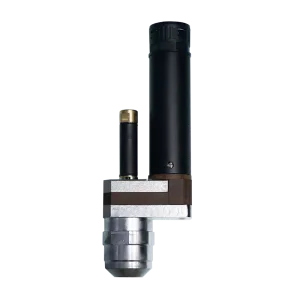
The efficiency of a powder-fed plasma machine depends heavily on the flowability of its consumable. Companies are rapidly shifting away from irregular angular powders to high-end spherical gas-atomized powders. This shift ensures consistent feed rates through the internal powder channels of custom torches (such as the DNPT30018-HQ), reducing nozzle wear and preventing arc instability.
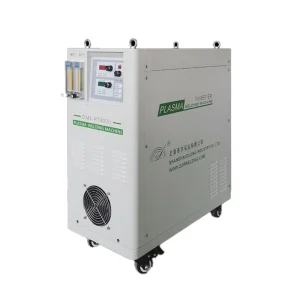
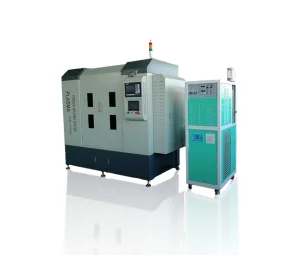
Next-generation plasma power sources now feature integrated industrial PLCs that record arc voltage, welding current, pilot gas flow, shielding gas flow, and powder feed speed in real-time. This data-logging feature matches the stringent QA/QC requirements of aerospace and nuclear contractors, enabling complete traceability for every repaired or overlaid component.
See how our customers and technical researchers implement PTA and Laser cladding technology to resolve severe wear challenges.
The PTA Welding Valve Application Guide is not just a process choice for valve manufacturers facing high wear, high corrosion, and high-temperature erosion working conditions, but also a key path to improving product competitiveness. As industries such as petrochemical, ...
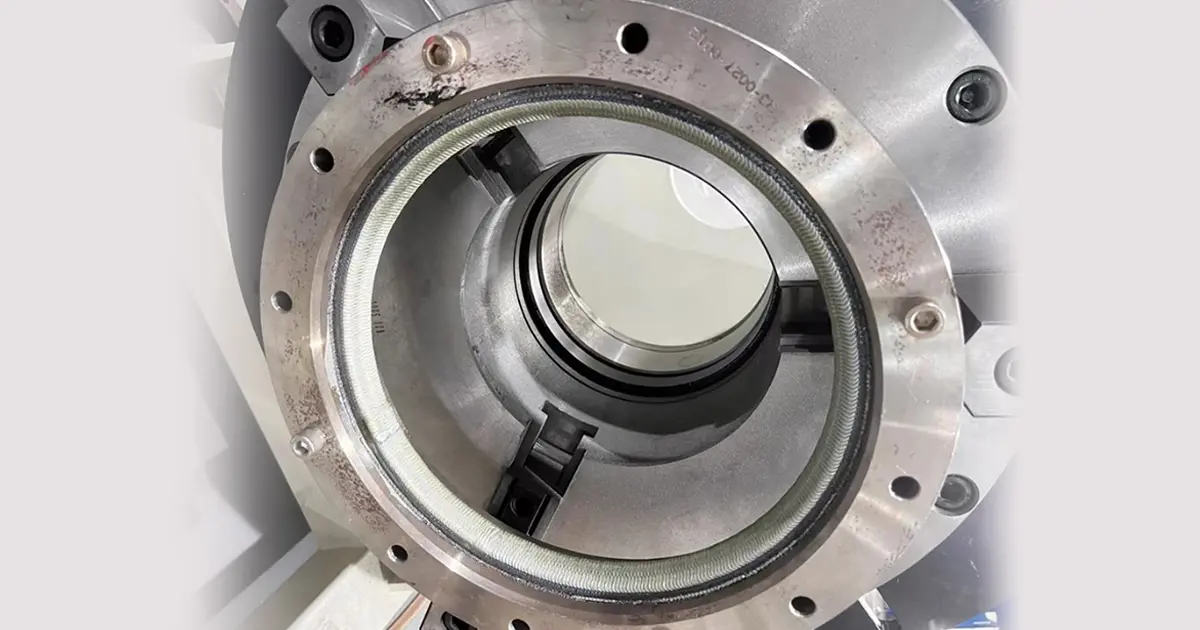 Valve Processing Specialist
In industries such as mining, cement, power generation, steelmaking, chemical processing, and biomass energy, screw conveyors are often regarded as auxiliary equipment. However, maintenance data shows that they are among the most frequent causes of unplanned production d...
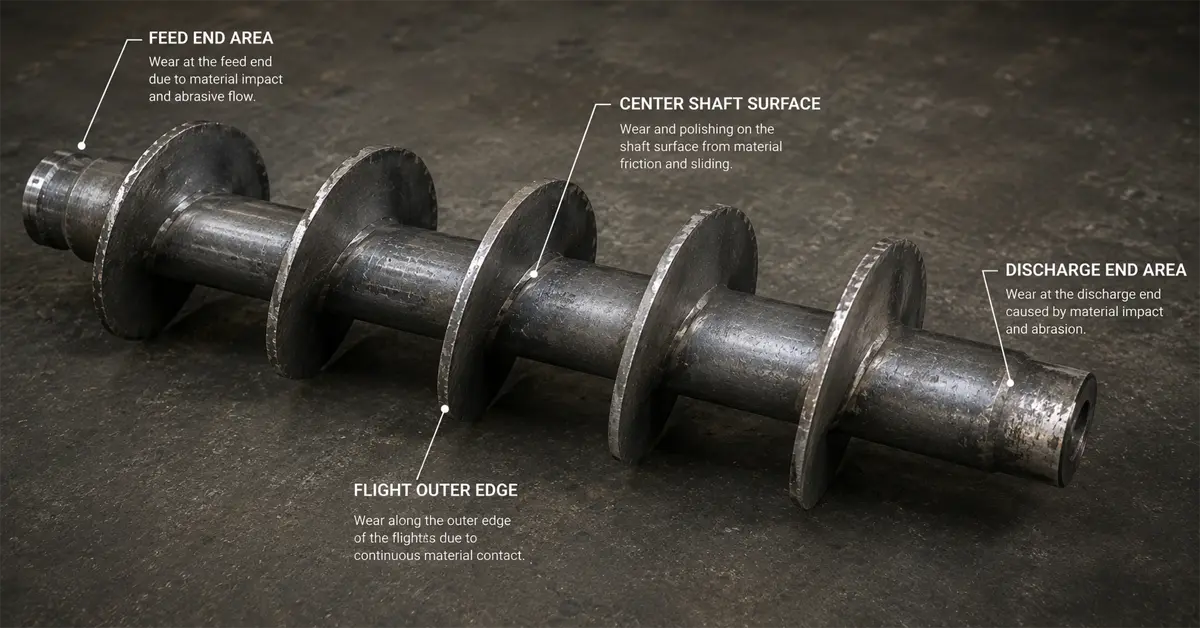 Maintenance Engineering Lead
In Plasma Transferred Arc (PTA) hardfacing, achieving a high-quality overlay is not only about selecting the right alloy powder or optimizing welding parameters. One of the most critical factors that directly affects overlay performance is the dilution rate. Whether you ...
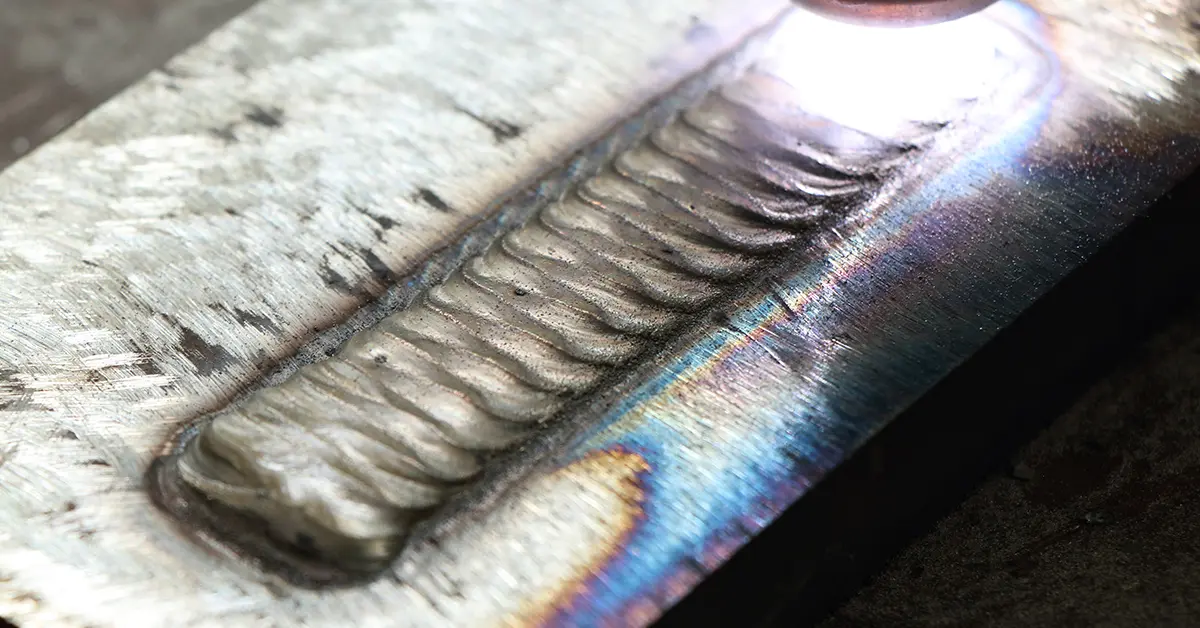 Metallurgical Researcher
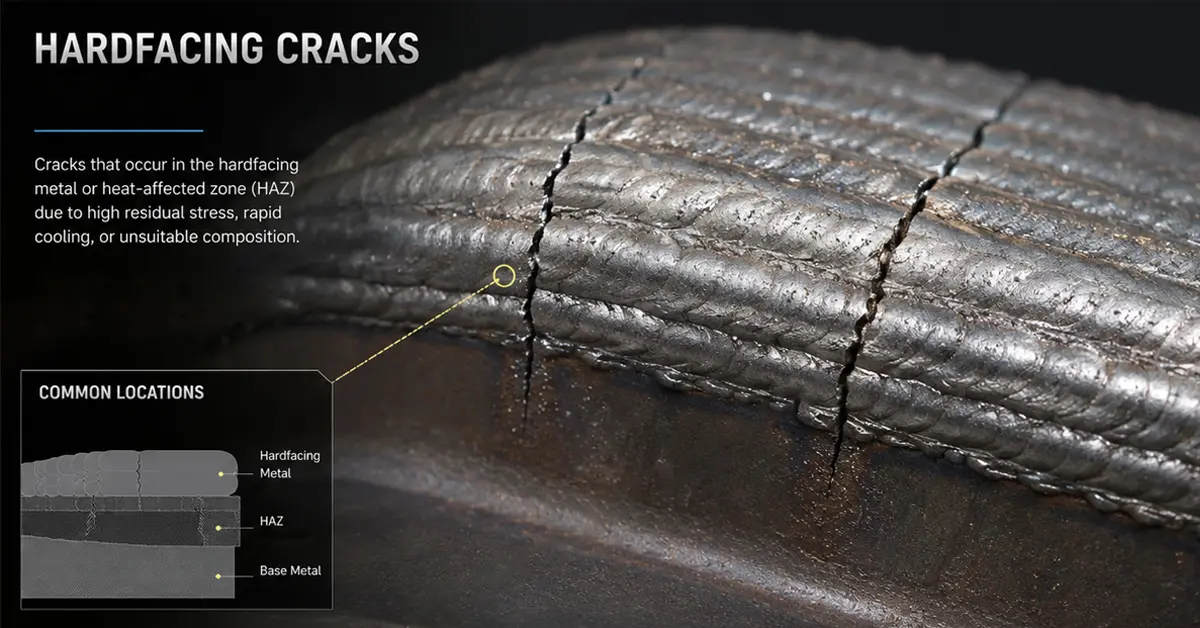
In industries such as Oil & Gas, Mining, Power Generation, Cement, and Heavy Equipment Manufacturing, hardfacing is no longer just a repair process. It has become a critical technology directly related to equipment lifespan, downtime costs, maintenance frequency, and...
 Mining Equipment Fleet Manager
In industries such as oil & gas, petrochemical, power generation, mining, and marine engineering, industrial valves are constantly exposed to severe operating conditions including: - High pressure - Extreme temperatures - Corrosive media - Abrasive wear - Sand e...
 Petrochemical Process Manager
Sourcing high-end PTA or laser cladding setups requires more than looking at the initial machine price. Procurement teams must focus on metrics like total cost of ownership (TCO), machine duty cycle, components availability, and customized technical engineering services. Here is an essential checklist for sourcing engineers:
Expert insights into common technical questions regarding plasma transferred arc and laser cladding technologies.
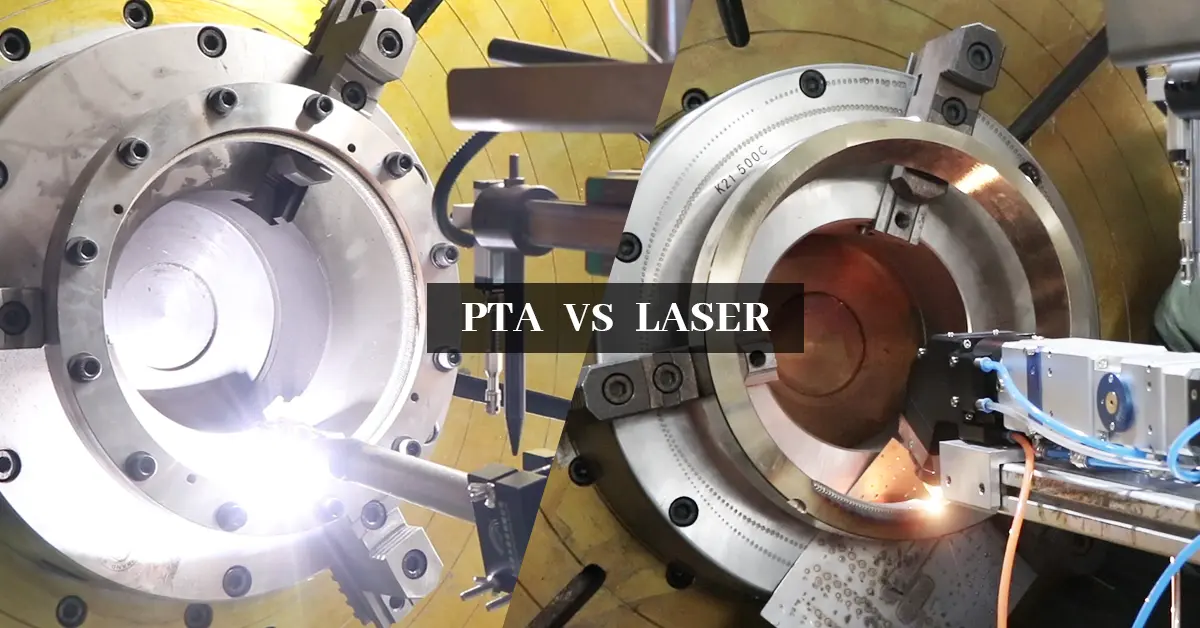
PTA cladding utilizes a transferred plasma arc as the heat source to melt both the substrate surface and the metal powder, resulting in a robust metallurgical bond with a dilution rate between 3-8% and high deposition rates. Laser cladding uses a concentrated laser beam, which provides an even smaller heat-affected zone and lower dilution (under 2%), but typically features lower deposition rates and higher initial equipment costs.
Yes. PTA is one of the most effective methods for depositing nickel-based or iron-based matrix powders blended with spherical cast tungsten carbide particles. Because the heat input can be precisely controlled, you can prevent the tungsten carbide particles from dissolving in the weld pool, maintaining optimal wear-resistant properties.
Custom bore welding torches (like our DNPT series) can clad inner diameters as small as 30mm or 40mm. The length and diameter of the torch body are custom-tailored to the depth and geometry of the specific component barrel or pipe being cladded.
Plasma transferred arcs generate extreme thermal energy. Without a highly efficient, dual-path water-cooling system surrounding the internal copper electrode and the gas nozzle, the intense heat will melt the torch components in seconds. A continuous chilled-water loop is mandatory for all high-amperage applications.
We offer a complete service suite including initial virtual process evaluation, parameter development on test pieces, video-guided installation, and digital remote PLC debugging. If required, our senior engineers can travel globally to assist with large-scale factory integrations.
Explore further solutions including micro plasma systems, multi-axis robots, and custom cladding workstations.









For inquiries about our products or pricelist, please leave your contact info below and we will be in touch within 24 hours.
 Duomu
Duomu