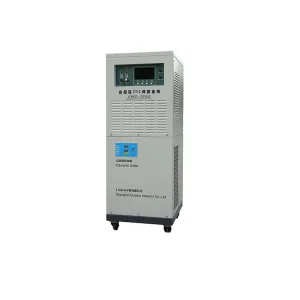
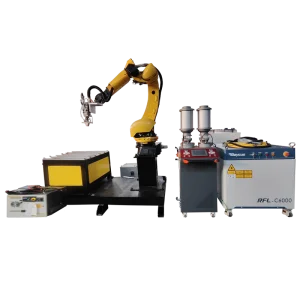
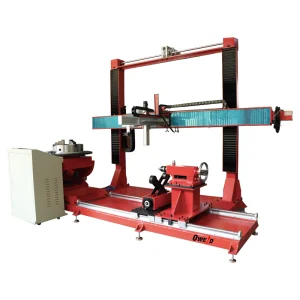
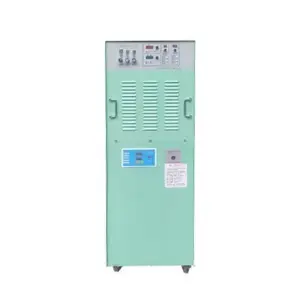
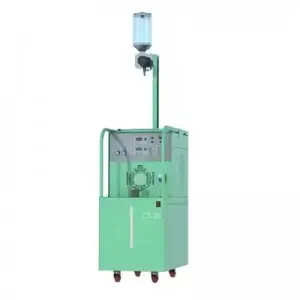
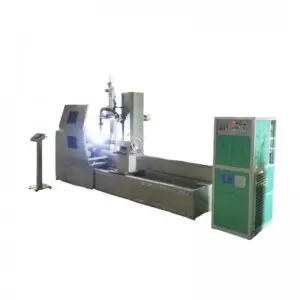
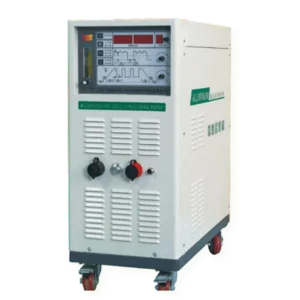
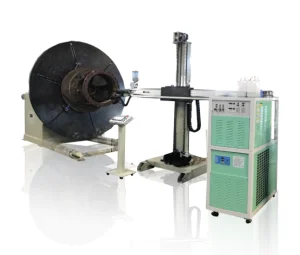
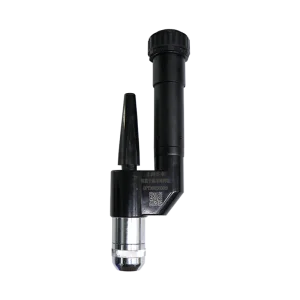
Explore our flagship systems engineered for precision metal processing, high-frequency oxide removal, and advanced metallurgical cladding.
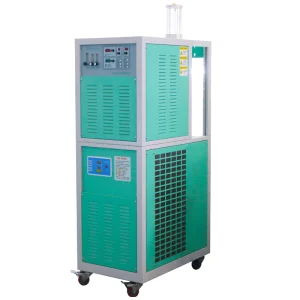
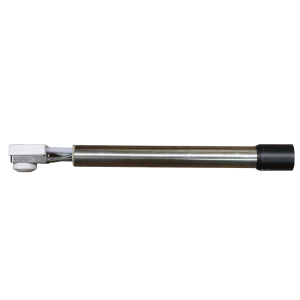
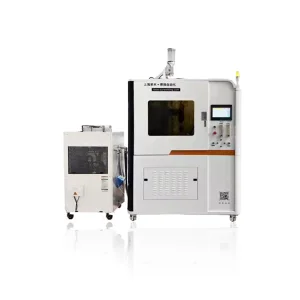
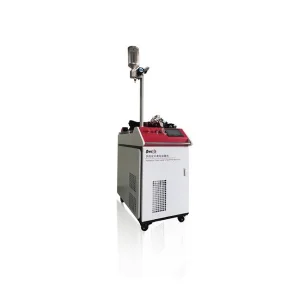
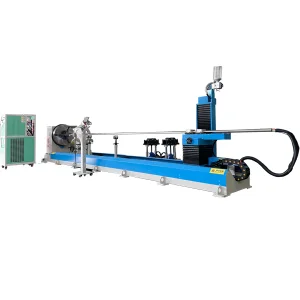
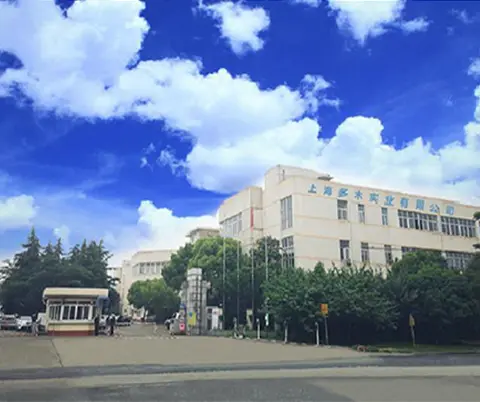
Shanghai Duomu has been a leading manufacturer and exporter of PTA (Plasma Transferred Arc) cladding machines and Laser cladding machines for more than ten years, built upon a rock-solid technical background. Our dedication to research, development, and high-performance metal surface modification has made us a trusted global partner for heavy industries.
By blending advanced metallurgical engineering with cutting-edge optical and plasma control architectures, we produce heavy-duty industrial systems capable of operating in demanding environments. Our manufacturing facilities utilize strict quality control protocols to ensure every system delivered to Europe, North America, and Southeast Asia meets critical safety and performance thresholds.
Our technologies penetrate deeply into critical global supply chains, providing wear-resistance, corrosion barriers, and high-precision cleaning.

Tough cladding layers protect harvesting blades and earthworking tools from severe abrasive wear.

Critical components undergo ultra-precise thermal cladding and oxide layer remediation under tight tolerance controls.

Drill pipes, valve seats, and downhole tools are armored to withstand highly corrosive marine and geological fluids.
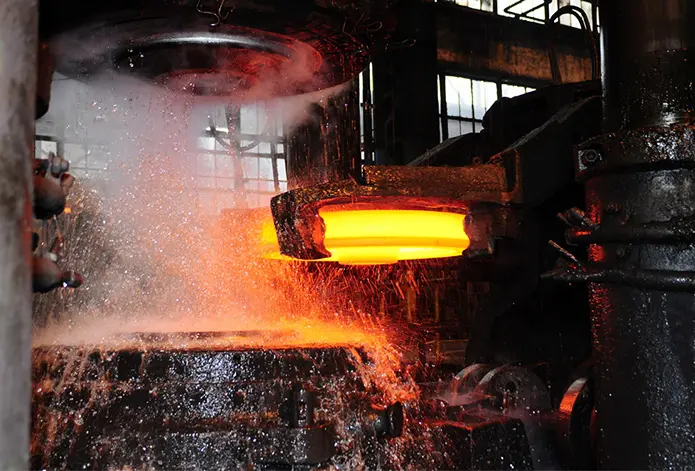
Rollers, molds, and hot-working dies undergo remanufacturing to restore geometric dimensions and surface hardness.
We host an independent R&D team that develops, produces, and sells plasma cladding machine equipment. Our welding machines exhibit highly stable operational performance, maintaining efficient output over long cycles. In addition, the laser cladding equipment sold by the company effectively supports large-scale industrial remanufacturing projects. We offer mature technological processes to provide comprehensive, turnkey industrial solutions.
Our focus on "Pulitore Ruggine Laser" (laser rust cleaning) systems targets precision oxide removal without substrate erosion. By managing laser pulse duration, peak power densities, and optical scanning patterns, our R&D team creates solutions that reduce setup times and eliminate hazardous chemical wastes in cleaning processes.
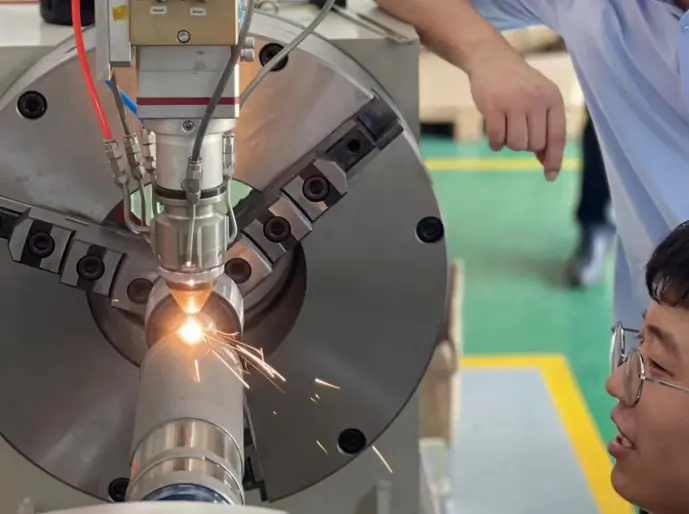
How the integration of "Pulitore Ruggine Laser" (Laser Rust Cleaning) and Additive Cladding optimizes modern manufacturing lifecycles.
Laser rust cleaning operates on the principles of laser ablation. A high-energy laser beam, typically from a pulsed fiber laser source, is focused onto the rusted surface. When the rust layer (consisting of iron oxides) absorbs this concentrated energy, it undergoes rapid thermal expansion. This breaks the bonding forces holding the oxide to the substrate.
Because the metallic substrate beneath the rust has a much higher thermal threshold and reflectivity, it remains completely undamaged. This selective ablation makes the pulitore ruggine laser an ideal surface preparation tool prior to welding, coating, or thermal cladding. It completely bypasses the surface damage risk of mechanical blasting and the environmental footprint of acid pickling.
China has consolidated its position as the global hub for laser technology supply chains. Over the past decade, Chinese factories have optimized the integration of optical fiber systems, high-speed scan heads, and industrial automation. For global buyers, this offers several distinct advantages:
Industrial machinery must prioritize structural safety and compliance. Shanghai Duomu products are developed in accordance with international safety guidelines. Every pulsed laser rust cleaner and high-frequency plasma system is built using protective optoelectronic isolators to eliminate backward reflection damage, ensuring safe and reliable operation in heavy industrial settings.
The industrial landscape is moving toward integrated, smart remanufacturing stations. Key trends include:
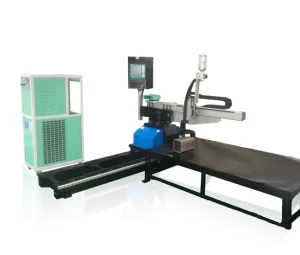
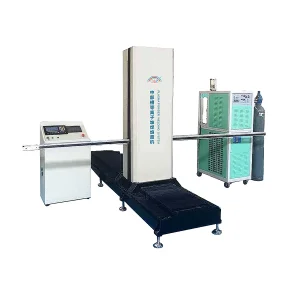
We design custom equipment, automatic laser cladding units, automatic plasma cladding units, and robotic cladding systems tailored to client requirements.
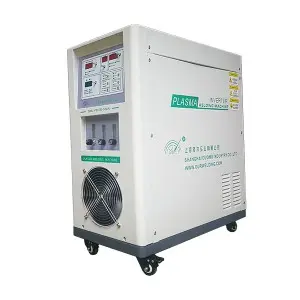
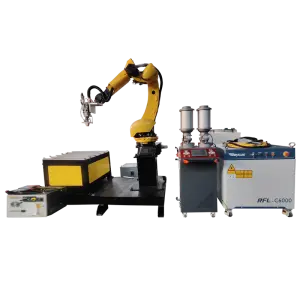
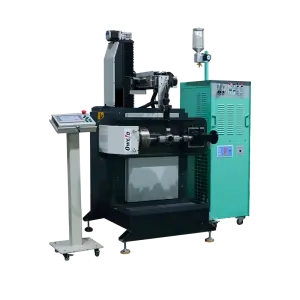
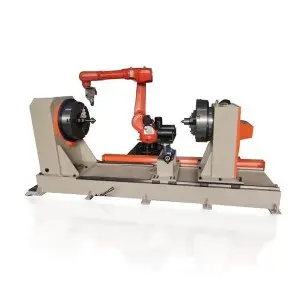
A dedicated system designed to apply wear-resistant alloy coatings directly to hydraulic piston rods, ensuring prolonged lifespan in harsh earthmoving and marine operations.
Request Technical Specs →In-depth insights, case studies, and engineering briefs on the application of metallurgical coatings and laser processing technologies.
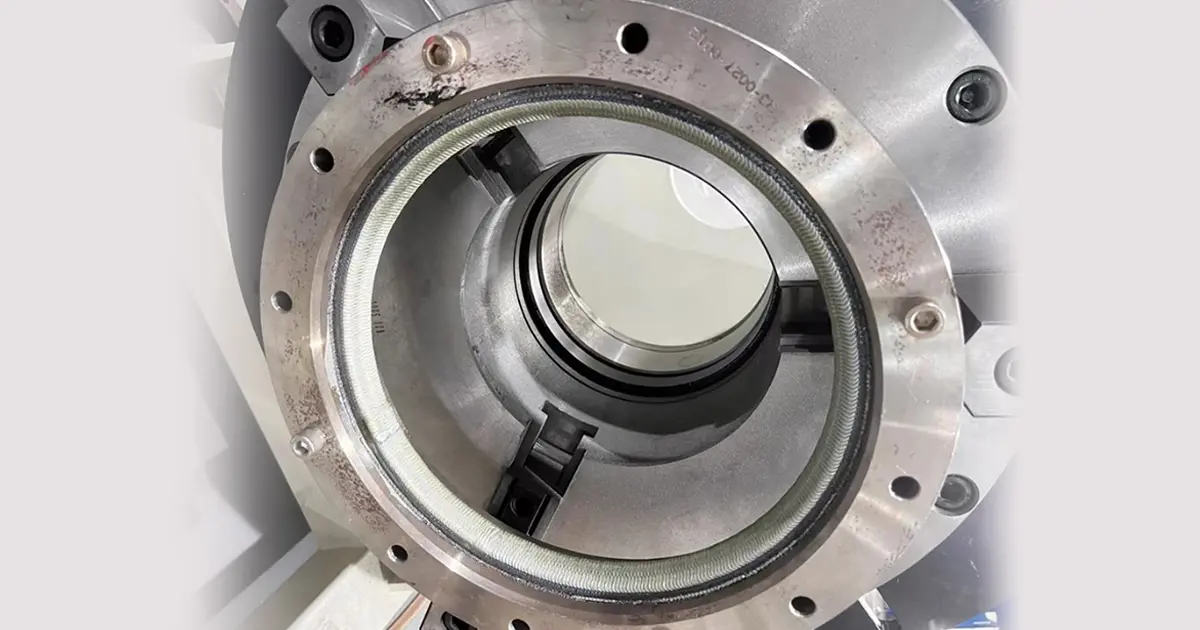
The PTA Welding Valve Application Guide is not just a process choice for valve manufacturers facing high wear, high corrosion, and high-temperature erosion working conditions, but also a key path to improving product competitiveness. As industries such as petrochemical, ...
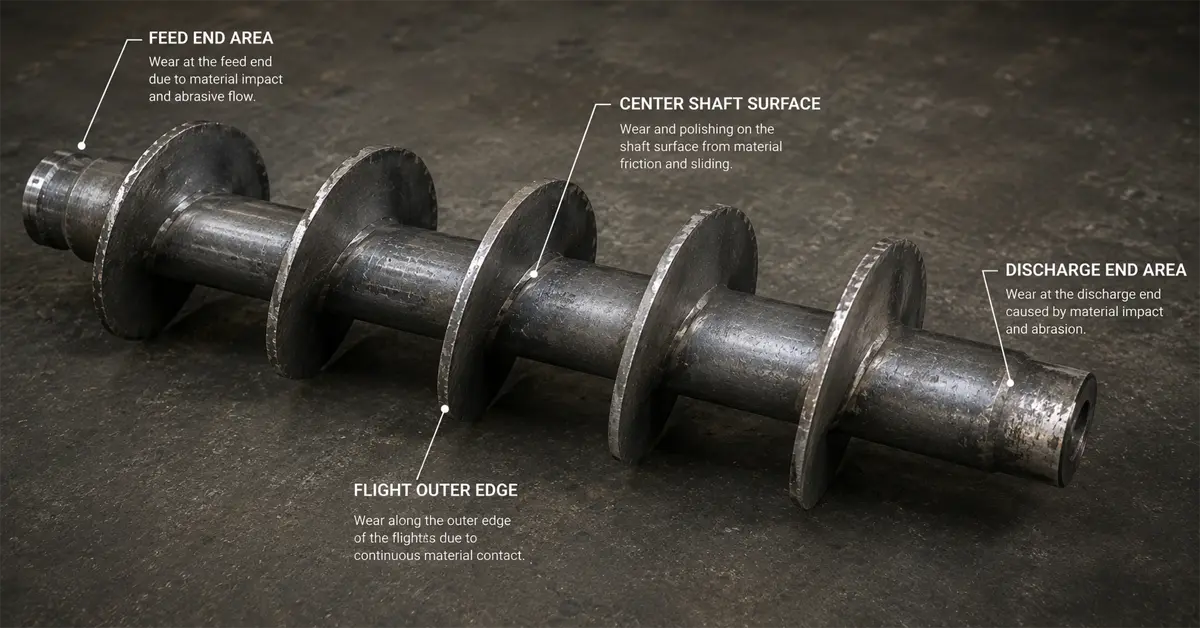
In industries such as mining, cement, power generation, steelmaking, chemical processing, and biomass energy, screw conveyors are often regarded as auxiliary equipment. However, maintenance data shows that they are among the most frequent causes of unplanned production d...
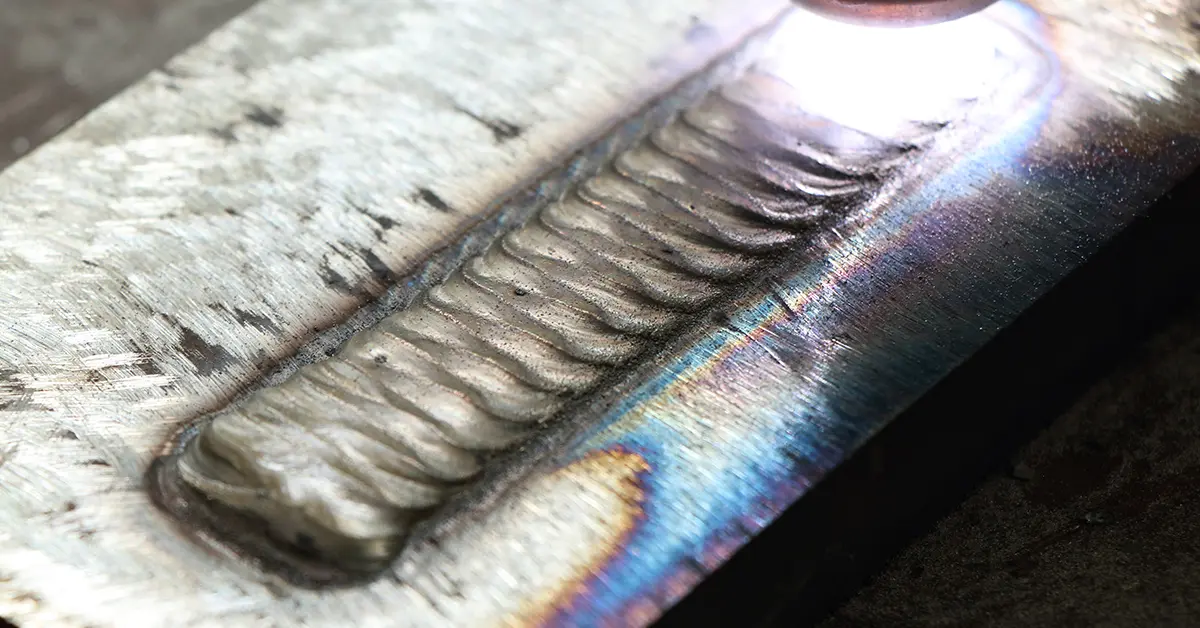
In Plasma Transferred Arc (PTA) hardfacing, achieving a high-quality overlay is not only about selecting the right alloy powder or optimizing welding parameters. One of the most critical factors that directly affects overlay performance is the dilution rate. Whether you ...
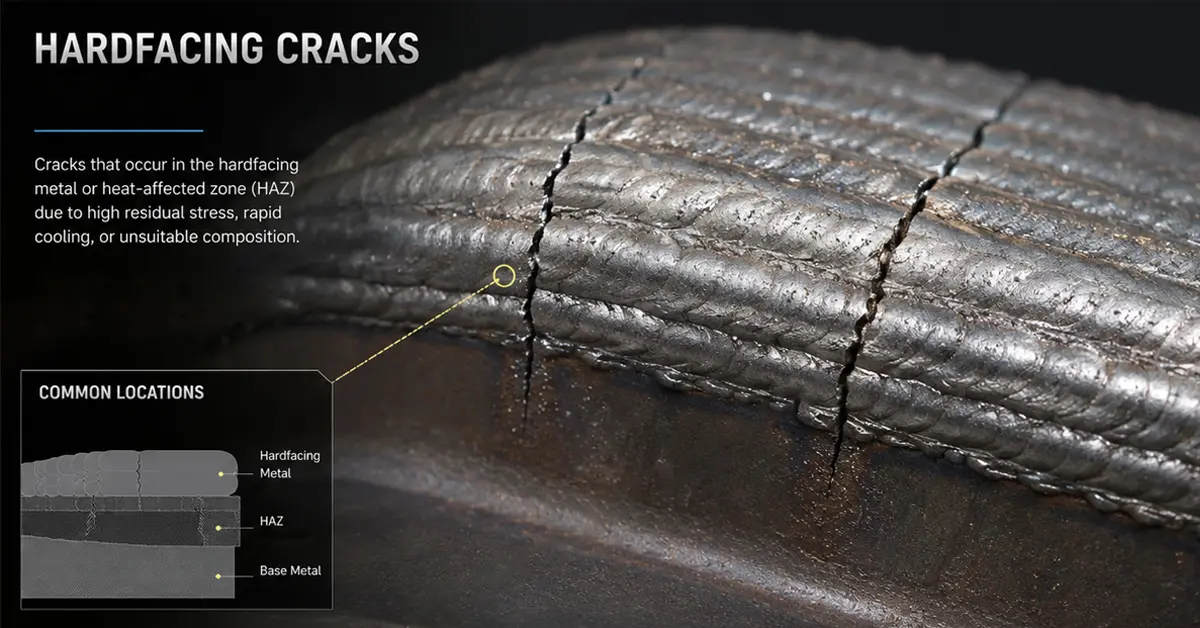
In industries such as Oil & Gas, Mining, Power Generation, Cement, and Heavy Equipment Manufacturing, hardfacing is no longer just a repair process. It has become a critical technology directly related to equipment lifespan, downtime costs, maintenance frequency, and...
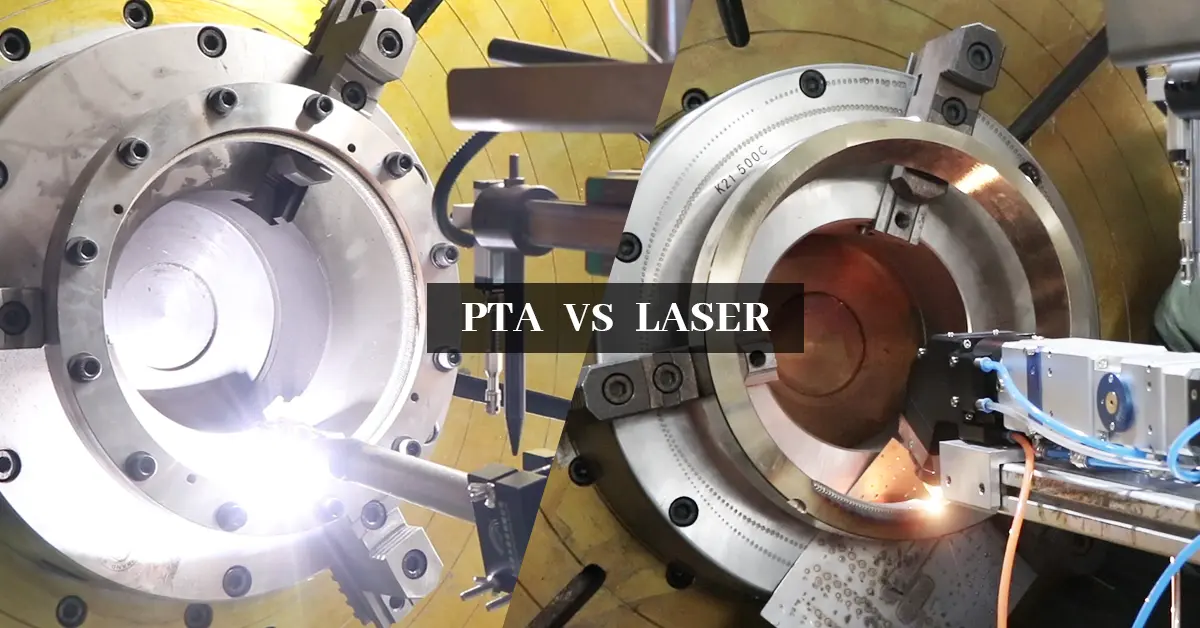
In industries such as oil & gas, petrochemical, power generation, mining, and marine engineering, industrial valves are constantly exposed to severe operating conditions including high pressure, extreme temperatures, corrosive media, abrasive wear, and sand erosion.
Providing technical clarity on "Pulitore Ruggine Laser" operations, system integration, and global supply logistics.
A pulitore ruggine laser (laser rust remover) is an eco-friendly surface cleaning system that uses highly focused laser pulses to ablate rust, oxide, oil, paint, and contaminants from metal substrates. Unlike traditional sandblasting, it requires no consumables, generates zero hazardous secondary waste, does not warp thin metal plates due to low heat transfer, and operates silently and cleanly within indoor factory floors.
Pulsed fiber lasers (especially MOPA or Q-switched systems) are widely recommended for high-precision rust removal. They deliver short, high-energy pulses that ablate oxides without heating the substrate. Continuous Wave (CW) lasers are more suited for high-speed cleaning of thick structural steel sections where micro-roughness or slight thermal input is acceptable.
Yes. In fact, laser rust removal is the preferred preparation step for laser and plasma cladding. Removing surface moisture, hydrocarbons, and oxides prevents voids, dilution irregularities, and porosity in the subsequent metallurgical deposit layer, resulting in higher bond strength.
Chinese laser manufacturers offer robust supply chain integration, combining optical engineering, mechanical frames, and custom software. This results in reliable, industrially tested equipment at a lower capital expense than European equivalents, along with faster assembly times and options for bespoke configurations.
We offer comprehensive technical documentation, digital training packages, and remote software diagnostics. For large-scale automated cladding and gantry integrations, our technical engineers provide setup consultations to ensure seamless factory integration.
The cleaning rate is primarily determined by laser power (ranging from 100W up to 3000W), scanning width (up to 300mm), pulse frequency, and the thickness of the rust layer. Thicker layers require slower scan speeds or multiple passes, while thin oxide layers can be cleaned at speeds exceeding 10 m²/hour with a 1000W pulsed system.
Further systems engineered for industrial remanufacturing, robotic cladding, and hardfacing deposition.
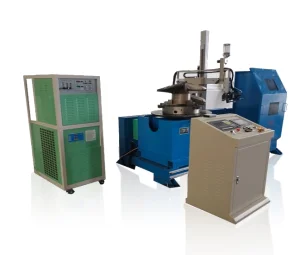
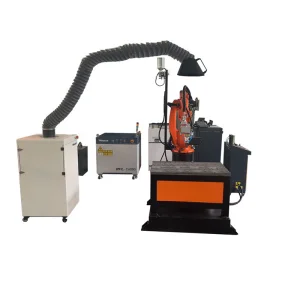






 Duomu
Duomu