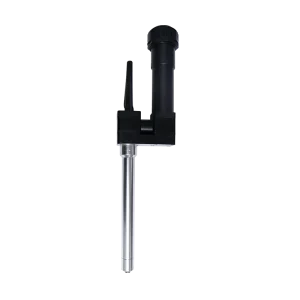
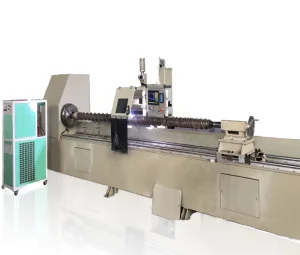
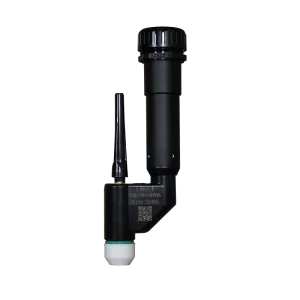
For industrial purchase managers and heavy machinery engineers globally, understanding the foundational process of welding is critical to evaluating advanced manufacturing options. Que es la soldadura TIG? (What is TIG welding?) At its core, TIG (Tungsten Inert Gas) welding, officially designated by the AWS as Gas Tungsten Arc Welding (GTAW), is an arc welding process that uses a non-consumable tungsten electrode to produce the weld. The weld area and electrode are protected from oxidation or other atmospheric contamination by an inert shielding gas (usually argon or helium), and a filler metal is typically added externally.
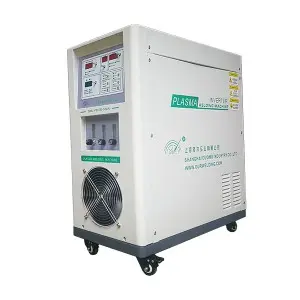
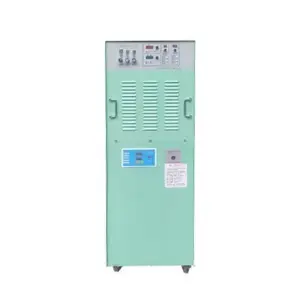
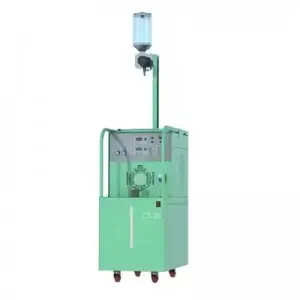
As a leading Chinese designer and manufacturer, Shanghai Duomu bridges the gap between classic precise welding theories and high-speed robotic integration. Our specialized PTA and Laser Cladding systems deliver robust metallurgical bonding, minimum dilution, and ultra-high wear resistance for extreme working environments.
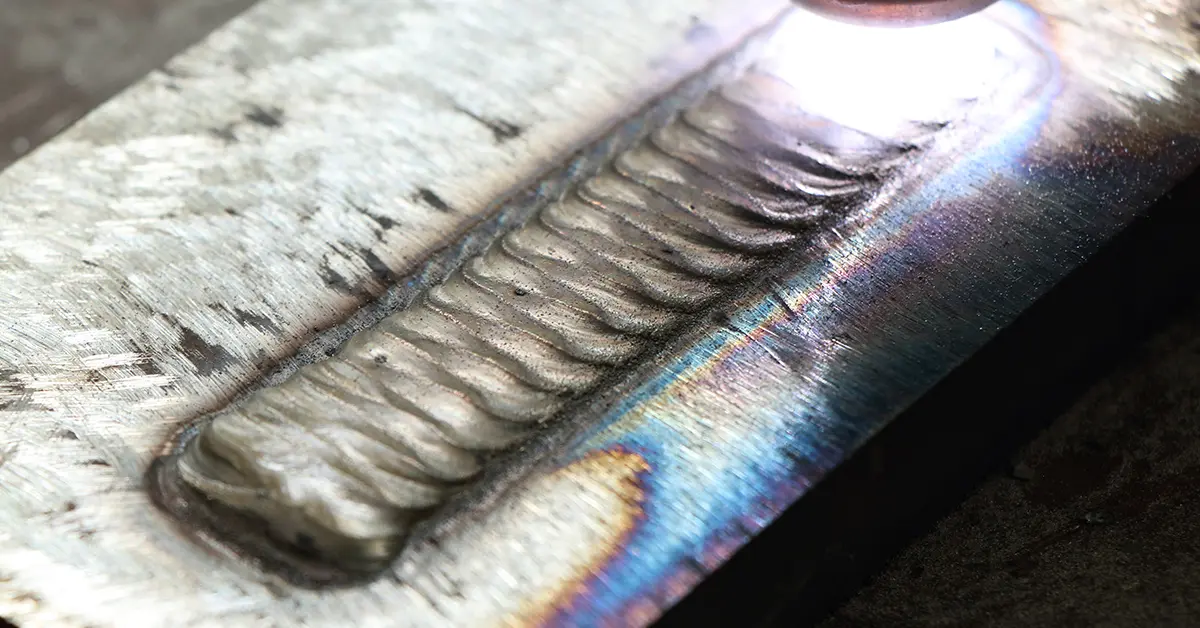
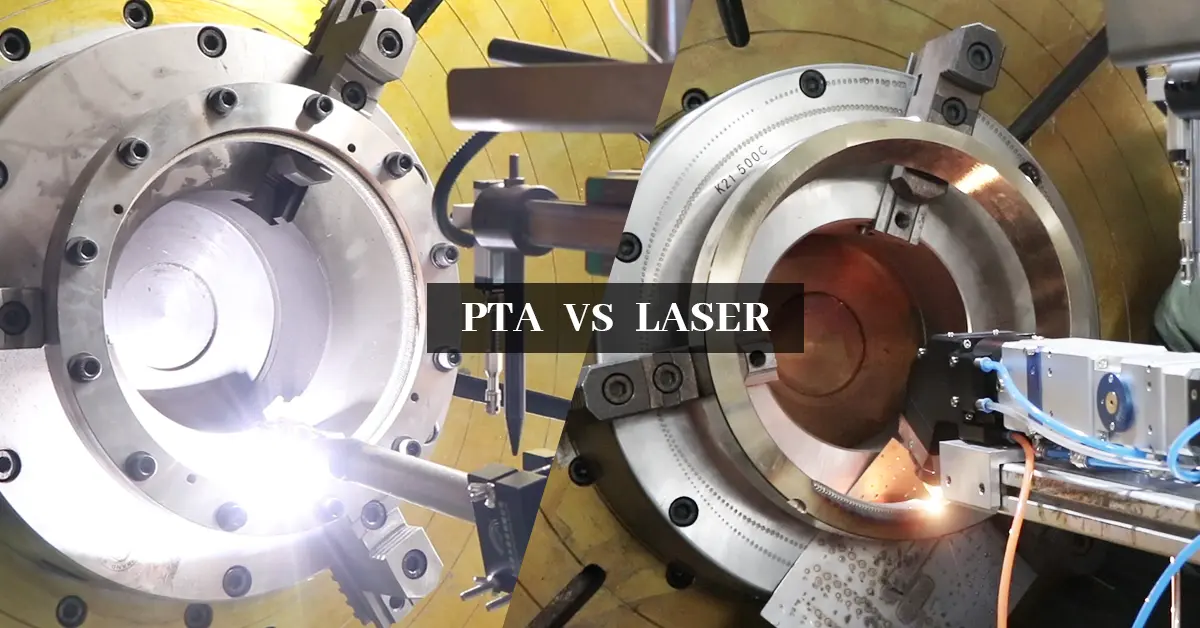
Historically, traditional TIG hardfacing resulted in a dilution rate of 10% to 15% from the base metal, altering the chemical integrity of the deposit alloy layer. Shanghai Duomu’s custom PTA systems reduce dilution down to less than 5%, while our Laser Cladding systems achieve a minimal dilution rate of under 1%. This ensures that the premium alloy cladding layer (such as Stellite, Colmonoy, or Tungsten Carbides) retains its optimal hardness and corrosion resistance right from the first interface layer.
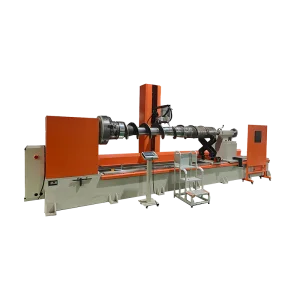
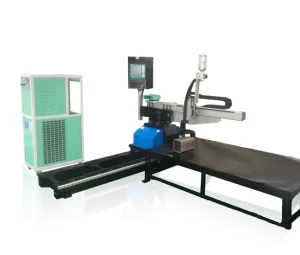
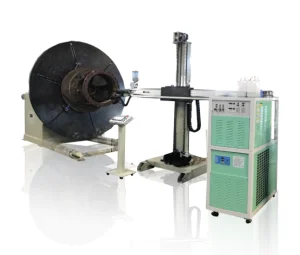
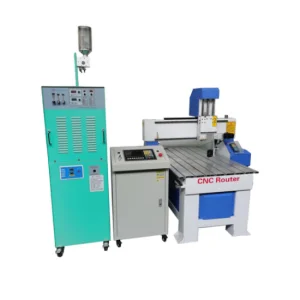
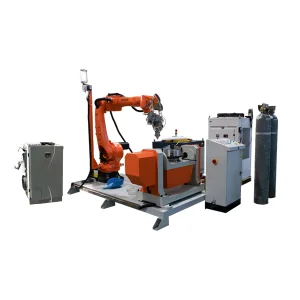
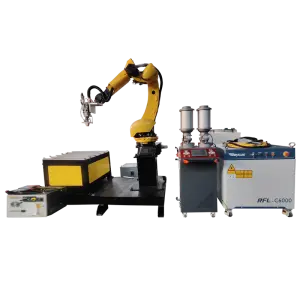
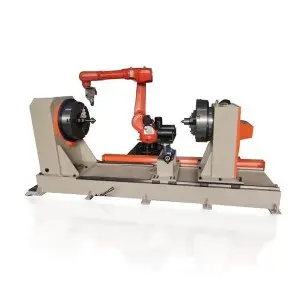
Modern components demand complex deposition paths. Our design path focuses on integrating multi-axis CNC gantries and robotic arms (like our DH3-HV1700-B06 manipulator positioner) with intelligent powder-feeding systems. This allows for uniform coatings on complex surfaces like screw conveyors, extrusion barrels, and high-pressure valve seats.
Future iterations of our equipment feature optical pyrometers and vision systems that monitor the melt pool dimensions in real-time. By automatically adjusting laser output power or arc current, the machine maintains uniform deposition width and depth, preventing thermal accumulation defects or porous layers.
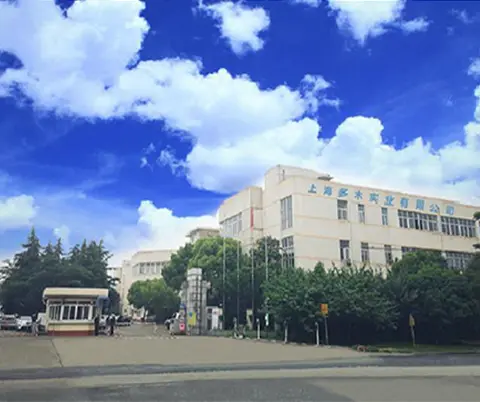
Shanghai Duomu has been a leading manufacturer and exporter of PTA cladding machine and Laser cladding machine for more than ten years with a strong technical background. Our dedication to research and development has allowed us to deliver stable, high-performance systems to clients spanning heavy machinery, power generation, and military installations.
We work to optimize critical industrial surfaces, expanding component operational cycles by 300% to 500% compared to non-cladded components. Our technology addresses severe wear, high temperature, and corrosive situations.
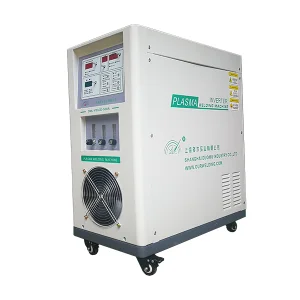
I have an independent R&D team, which develops, produces and sells plasma cladding machine equipment. The welding machine has stable performance and can maintain efficient long-term operation. In addition, the laser cladding equipment sold by the company can effectively support large-scale remanufacturing projects. We have mature technological means to provide complete sets of industrial equipment solutions.
Our capabilities enable the custom formulation of wear-resistant surface profiles tailored to customer substrates, balancing heat exposure and microstructure integrity.
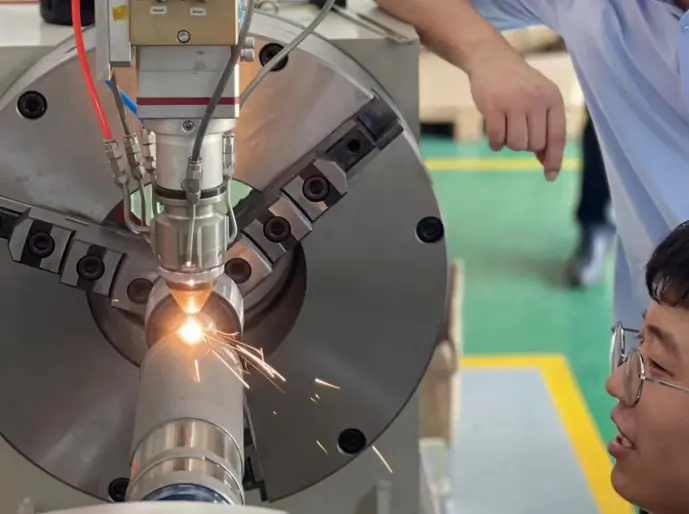
Manufacturing high-power cladding equipment requires a robust ecosystem. Shanghai Duomu's facilities in China utilize a localized, highly integrated supply chain that ensures rapid component sourcing, high manufacturing tolerances, and competitive price structures. This is where Chinese Factory 4.0 models deliver values beyond simple cost reduction:
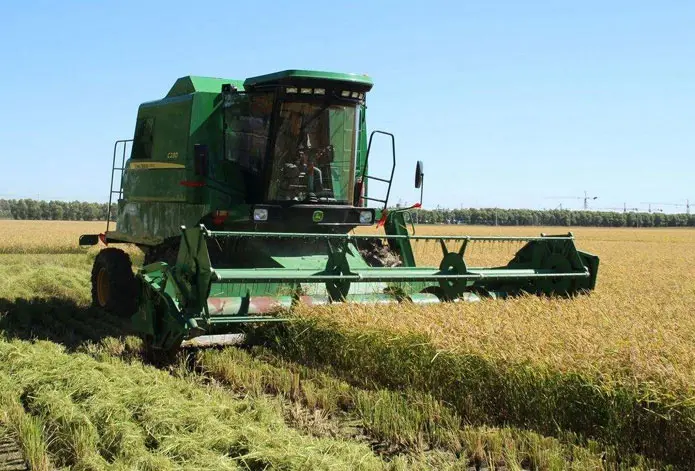
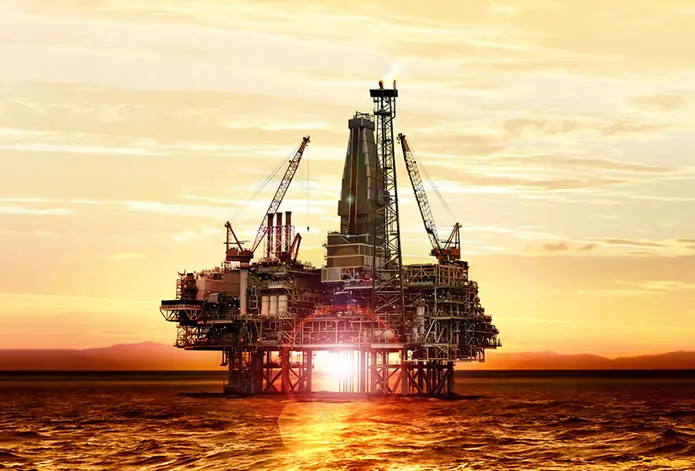
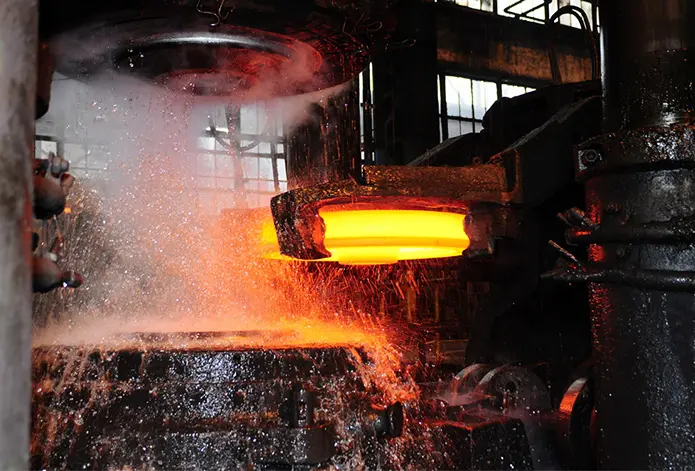
At present, the company's products have penetrated into many fields such as aerospace military industry, nuclear power, petrochemical industry, coal mines, metallurgy and forging, agriculture, water conservancy and electric power, etc.

International procurement managers looking to source from a Chinese factory must evaluate parameters beyond pricing. Reliability, process transparency, and design customization play critical roles:
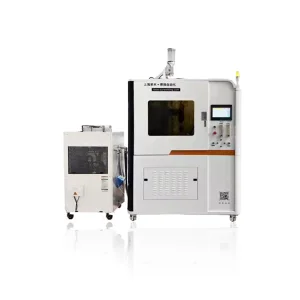
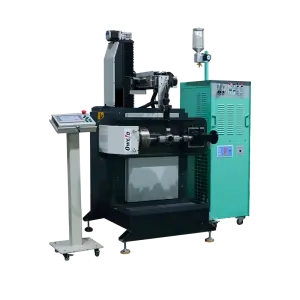
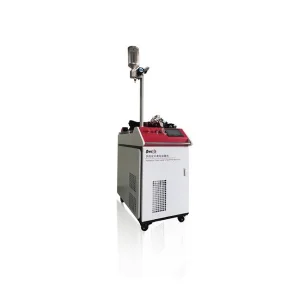
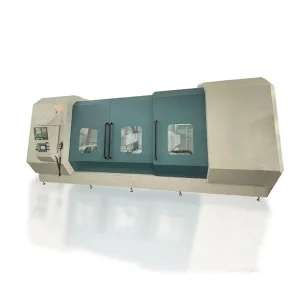
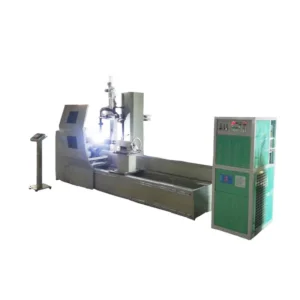
We can provide customized equipment, automatic laser cladding equipment, automatic plasma cladding equipment, intelligent robot cladding equipment, etc. according to customers' requirements, including special equipment in the industry, such as hydraulic rod cladding machine, pick cladding machine, valve cladding machine, etc. This ensures that the equipment lines integrate seamlessly into pre-existing mechanical lines or factory configurations.
Our machines are designed to deposit diverse materials, from iron-based, nickel-based, and cobalt-based self-fluxing alloys to composite materials containing tungsten carbide particles. This allows custom wear surfaces that resist harsh environment mechanisms.
Highly specialized automatic cladding machinery engineered for targeted industrial workflows.
Procuring capital equipment overseas requires reliable support structures. We operate to minimize downtime and simplify import compliance:
The PTA Welding Valve Application Guide is not just a process choice for valve manufacturers facing high wear, high corrosion, and high-temperature erosion working conditions, but also a key path to improving product competitiveness. As industries such as petrochemical, ...
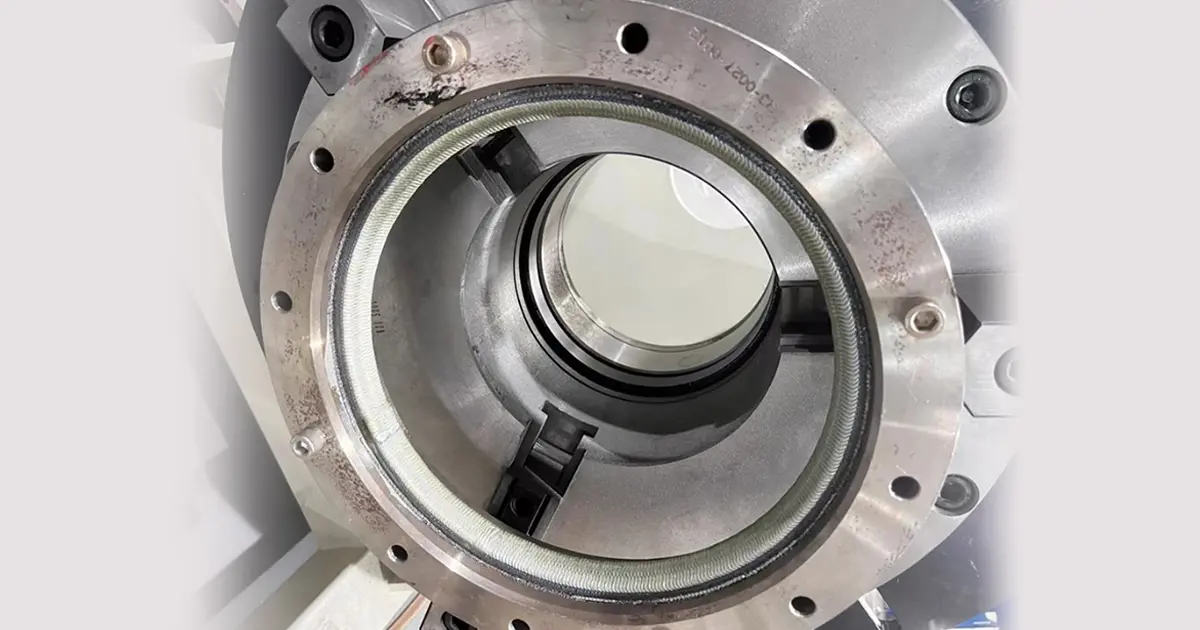
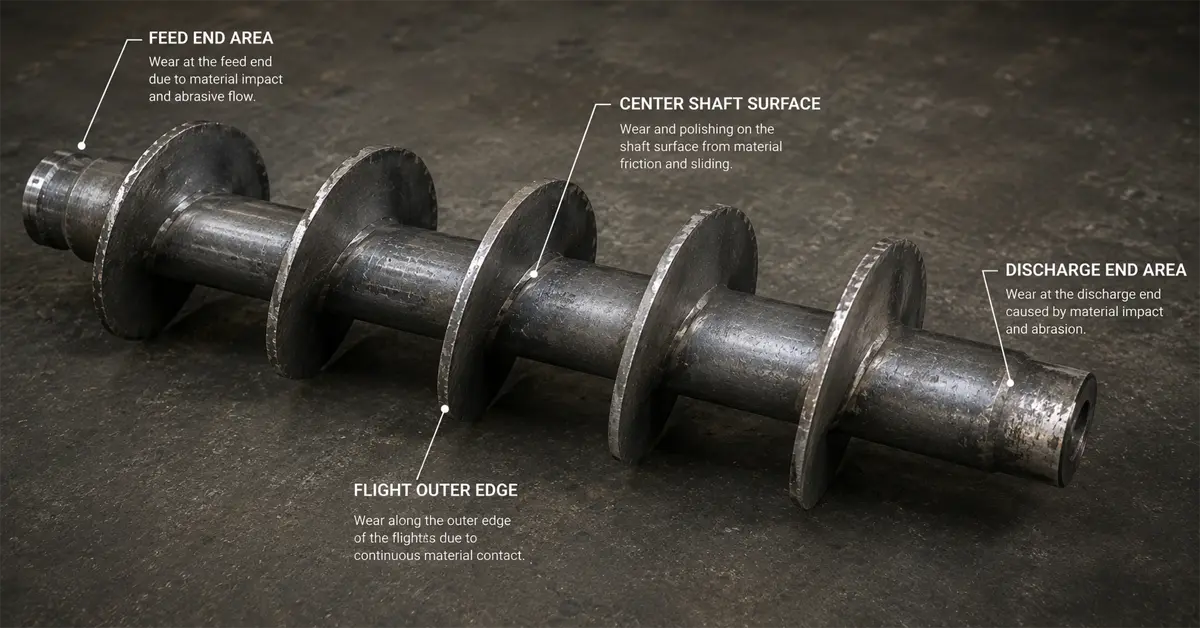
In industries such as mining, cement, power generation, steelmaking, chemical processing, and biomass energy, screw conveyors are often regarded as auxiliary equipment. However, maintenance data shows that they are among the most frequent causes of unplanned production d...
In Plasma Transferred Arc (PTA) hardfacing, achieving a high-quality overlay is not only about selecting the right alloy powder or optimizing welding parameters. One of the most critical factors that directly affects overlay performance is the dilution rate. Whether you ...
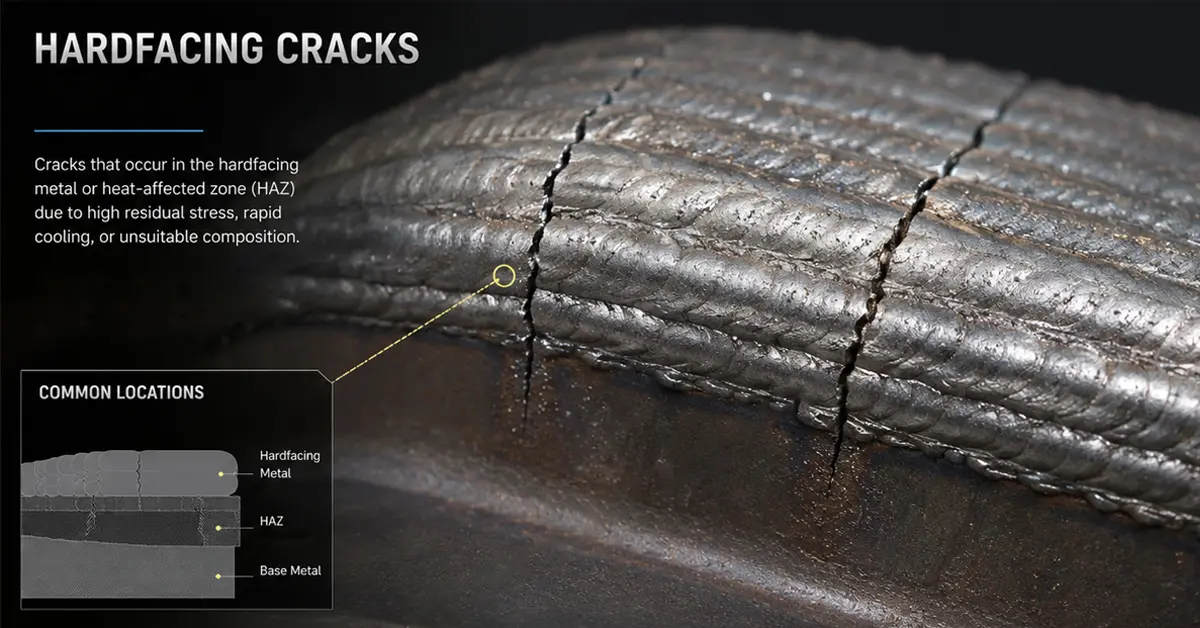
In industries such as Oil & Gas, Mining, Power Generation, Cement, and Heavy Equipment Manufacturing, hardfacing is no longer just a repair process. It has become a critical technology directly related to equipment lifespan, downtime costs, maintenance frequency, and...
In industries such as oil & gas, petrochemical, power generation, mining, and marine engineering, industrial valves are constantly exposed to severe operating conditions including: High pressure, Extreme temperatures, Corrosive media...
Whether you require deep-hole TIG/Plasma torches, multi-axis automated cladding gantries, or laser surface modification lines, our technical sales engineers will provide detailed support within 24 hours.
Send Inquiry & Contact Us







 Duomu
Duomu