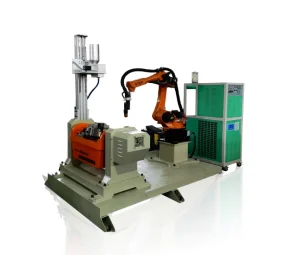
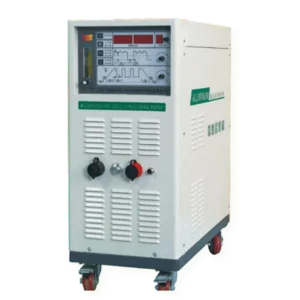
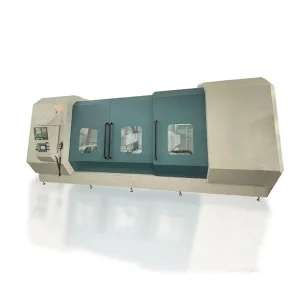
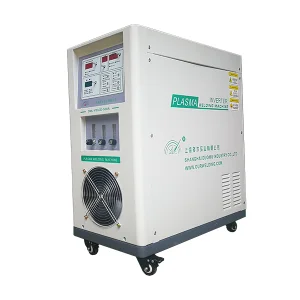
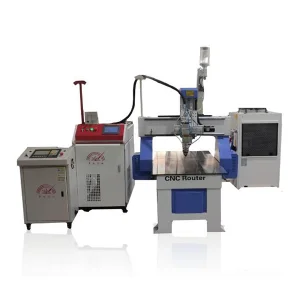
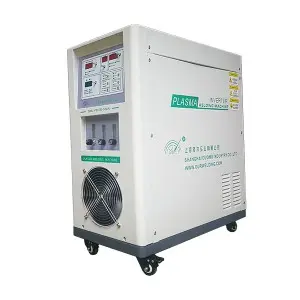
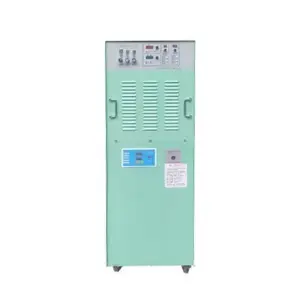
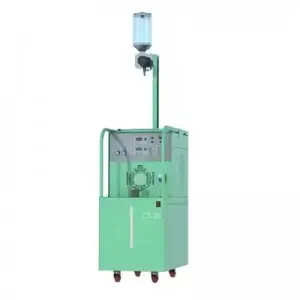
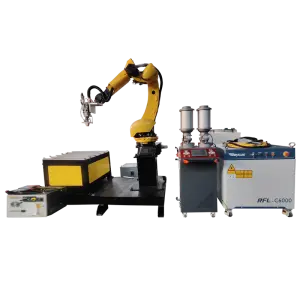
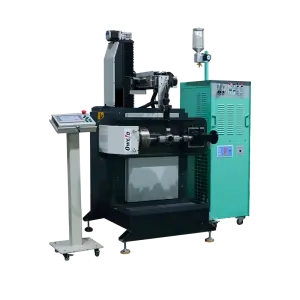
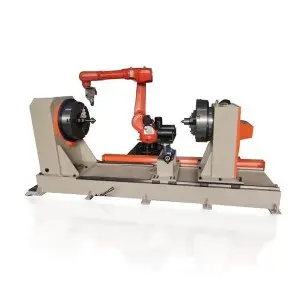
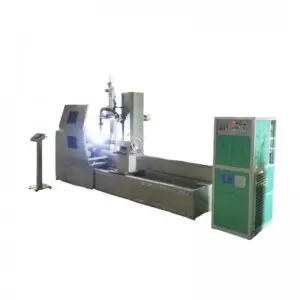
Explore our flagship automated solutions engineered for wear resistance, metallurgical bonding, and extreme operational durability.
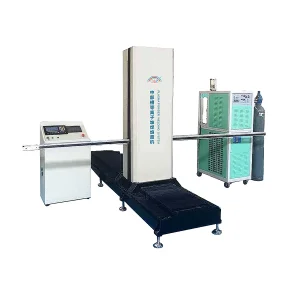
The term Saldatura al TIG (Tungsten Inert Gas welding) represents the pinnacle of metallurgical precision. When applied to industrial manufacturing, the precision of manual TIG welding must evolve. By utilizing Plasma Transferred Arc (PTA) cladding and Laser cladding processes, we elevate traditional TIG dynamics into high-deposition, wear-resistant automated coatings.
Our technologies resolve major engineering dilemmas in material degradation. Shanghai Duomu has spent over a decade researching and manufacturing PTA cladding machinery and laser-based surface treatment systems, maintaining an independent R&D team dedicated to long-term stability and high efficiency.
Explore Technical Capabilities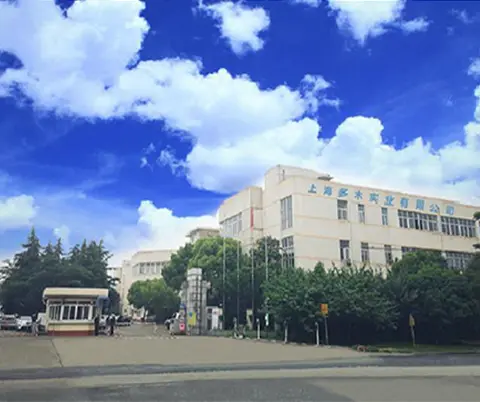
A comprehensive overview of how automated overlay welding enhances physical asset performance, reduces downtime, and lowers operational expenditures.
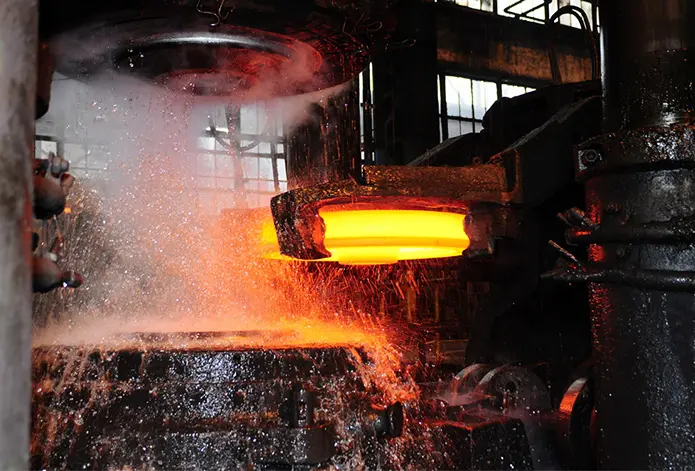
Traditional manual TIG welding (Saldatura al TIG) is highly valued for its aesthetics and joint integrity, particularly when welding stainless steel, aluminum, and high-nickel alloys. However, heavy industrial components like agricultural machinery, petroleum drill collars, and metallurgy rolls undergo intense abrasion, erosive fluid flows, and extreme heat. Manual processing cannot achieve the deposition rates, uniform thickness, or low dilution profiles required for metallurgical hardfacing. This has catalyzed the shift to automated plasma cladding (PTA) and robotic laser cladding systems.
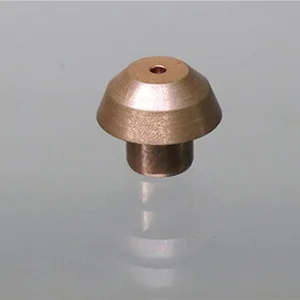
Automated PTA cladding utilizes a constrained electric arc that passes through a copper nozzle, concentrating energy densities up to $10^5 \text{ W/cm}^2$. This high density facilitates fast melting of cobalt-based (Stellite), nickel-based (Colmonoy), or tungsten carbide composites directly onto the base metal, generating a solid metallurgical bond. The resulting dilution rate is kept between 3% and 8%, preventing the substrate from degrading the overlay chemistry—a performance leap manual TIG cannot match.
China-based welding system manufacturers like Shanghai Duomu have created a complete industry ecosystem. Our advantages go beyond lower production costs to include deep engineering talent pools and supply chain integration. We offer comprehensive solutions that combine:
• Fully integrated CNC control units.
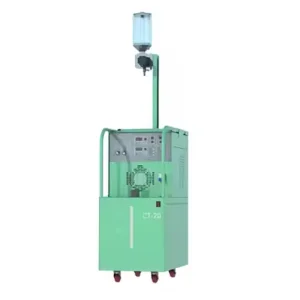
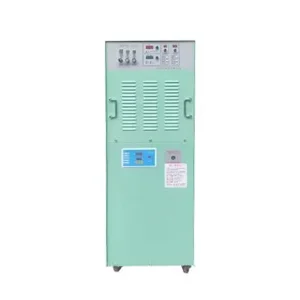
• High-performance plasma powder feeders.
• Multi-axis robotic kinematics (such as our 6-axis robotic welding arm).
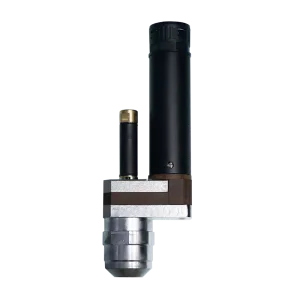
• Custom-configured torches designed in-house to operate continuously at up to 500A.
By producing critical components like torches, nozzles, and software controllers in-house, Chinese manufacturers ensure that hardware and software interoperate smoothly. This structural advantage allows us to build customized machines, such as specific valve cladding, screw flight hardfacing, and hydraulic rod repair equipment, at a fraction of the cost of Western system builders, all while meeting CE and ISO standards.
The global welding and cladding industry is undergoing a digital transition. Future systems will rely heavily on sensor feedback, optical monitoring, and AI path planning. For instance, laser cladding equipment is now paired with vision systems that scan worn workpieces and generate dynamic cladding paths on the fly. Real-time monitoring of weld pool temperatures allows systems to self-adjust power levels, ensuring consistent microstructure development and preventing cracking in thermal-sensitive alloys. This closed-loop control will soon become standard on high-end robotic PTA and laser surfacing units globally.
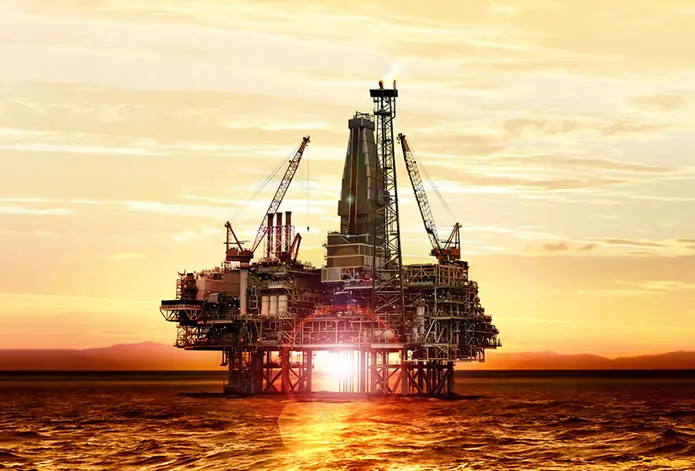
Our specialized automatic cladding and surfacing systems are utilized by leading global operators across vital heavy industry segments.


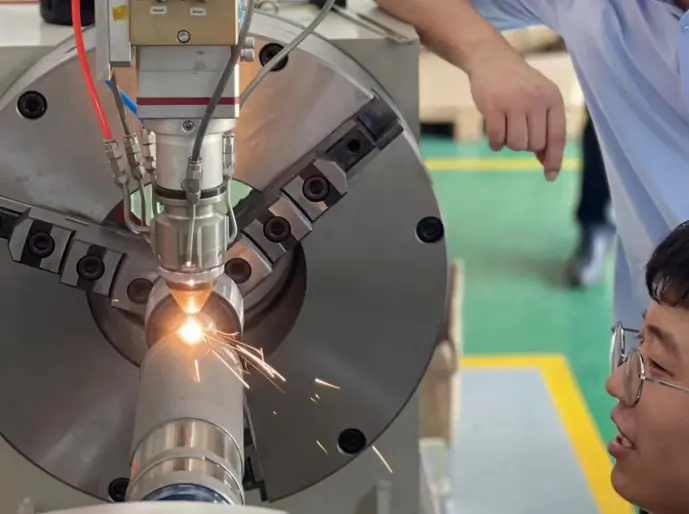
We host a fully independent research and development department that designs, manufactures, and supports our plasma cladding and laser surfacing lines. By working directly with customers' engineering teams, we develop custom solutions that solve specific manufacturing challenges.
Whether you require a hydraulic rod cladding machine, a heavy-duty pick cladding system, or a complex valve hardfacing station, our engineers design custom kinematics, torches, and software algorithms to achieve your targeted throughput and metallurgy profile.
Consult an EngineerExplore customized industrial equipment designed to extend component lifespans in aggressive working environments.
Read about real-world engineering projects and learn how operators optimize wear performance using our PTA technology.
The PTA Welding Valve Application Guide is not just a process choice for valve manufacturers facing high wear, high corrosion, and high-temperature erosion working conditions, but also a key path to improving product competitiveness. As industries such as petrochemical, ...
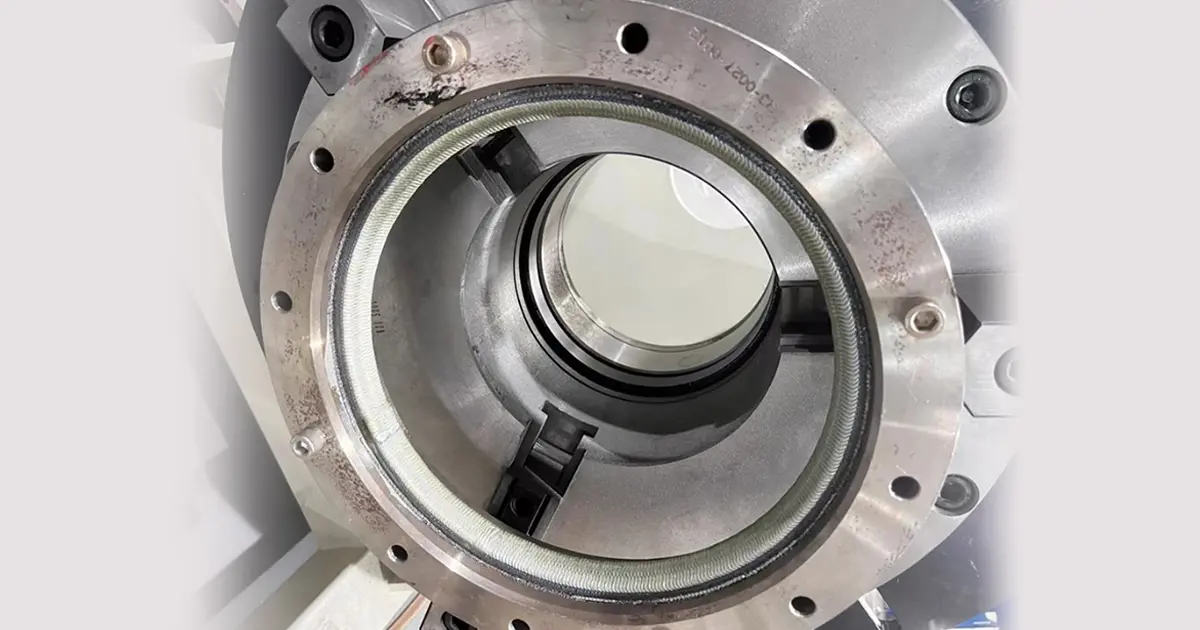
In industries such as mining, cement, power generation, steelmaking, chemical processing, and biomass energy, screw conveyors are often regarded as auxiliary equipment. However, maintenance data shows that they are among the most frequent causes of unplanned production d...
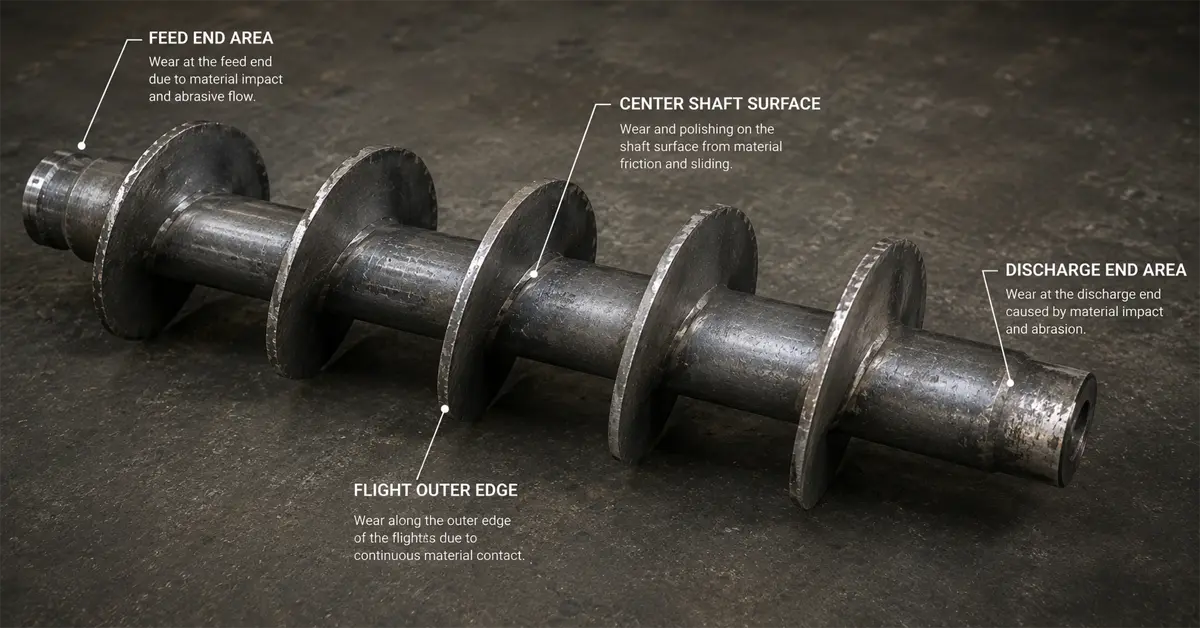
In Plasma Transferred Arc (PTA) hardfacing, achieving a high-quality overlay is not only about selecting the right alloy powder or optimizing welding parameters. One of the most critical factors that directly affects overlay performance is the dilution rate. Whether you ...
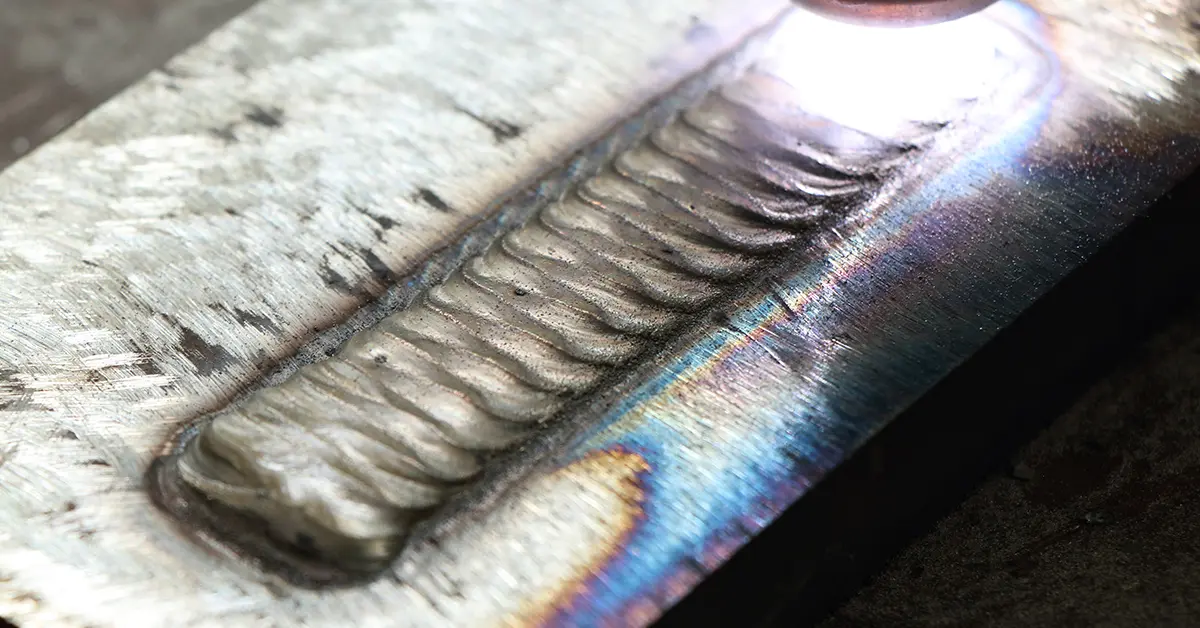
In industries such as Oil & Gas, Mining, Power Generation, Cement, and Heavy Equipment Manufacturing, hardfacing is no longer just a repair process. It has become a critical technology directly related to equipment lifespan, downtime costs, maintenance frequency, and...

In industries such as oil & gas, petrochemical, power generation, mining, and marine engineering, industrial valves are constantly exposed to severe operating conditions including: - High pressure - Extreme temperatures - Corrosive media - Abrasive wear - Sand e...
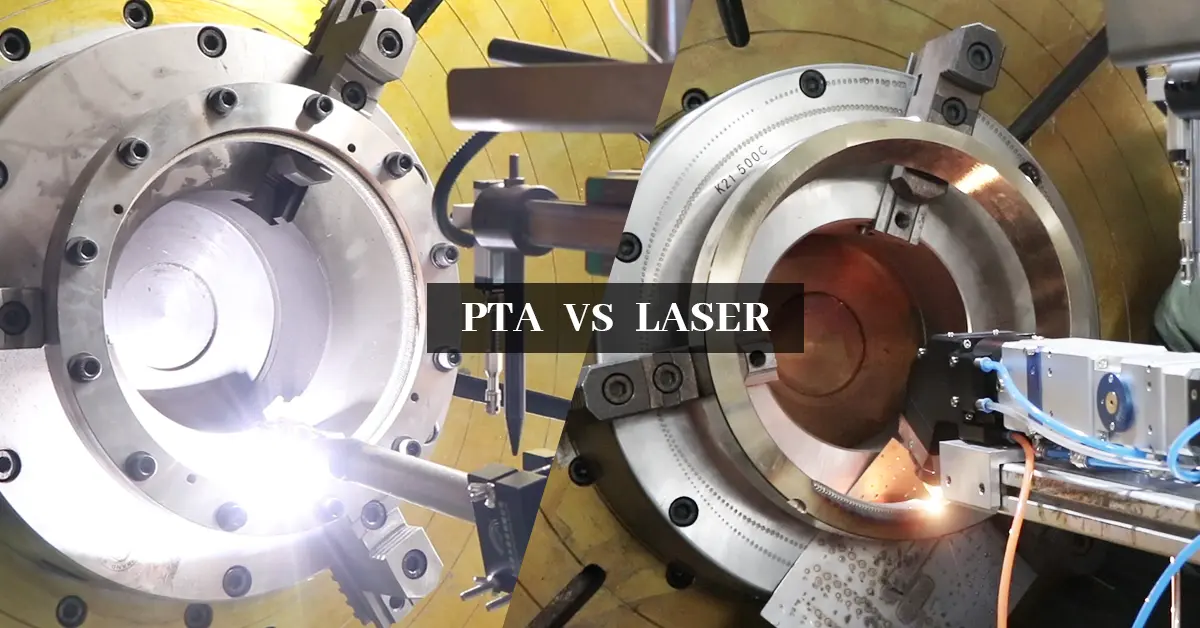
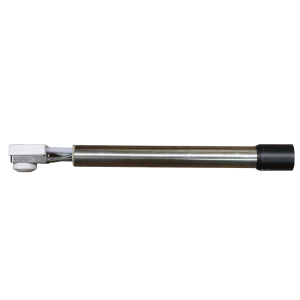
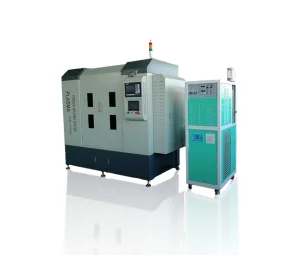
Browse our specialized component tooling, plasma torches, and multi-axis automated welding workstations.
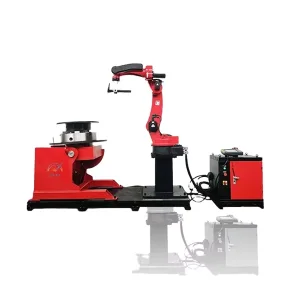
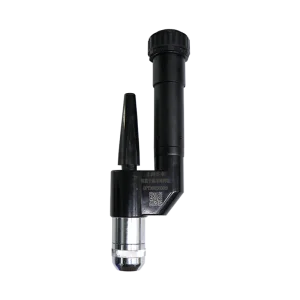
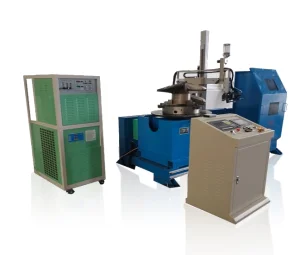
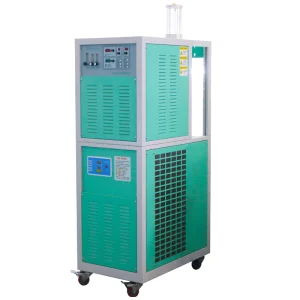
Key technical criteria for engineering procurement managers assessing automated TIG, plasma, and laser surfacing solutions.
When selecting a manufacturer for automated PTA or laser cladding systems, global procurement teams must look past nominal cost and evaluate systems on a set of core performance criteria:
1. Duty Cycle and Heat Management: Equipment designed for heavy industrial cladding must be capable of running continuously. For example, a 500A plasma torch requires high-volume, closed-loop water cooling to maintain dimensional stability and prevent nozzle erosion during long production shifts.
2. Powder Delivery Accuracy: High-alloy powders (such as cobalt or nickel base matrix) are expensive. The powder feed system must deliver precise, consistent feed rates (ranging from 10 to 120 g/min) without pulsation. This ensures uniform deposit thickness and minimizes wastage.
3. CNC & Robotic Automation Integration: Hardfacing complex geometries, such as extruder screws or mining picks, requires coordinated movement. Systems must feature intuitive, programmable interfaces (such as PLC or 6-axis robotic controllers) that dynamically adjust torch angle, linear velocity, and powder feed rates across uneven workpieces.
4. Localized Regulatory Compliance: Sourced systems must comply with local safety and operational standards, including CE marking for Europe, UL listings for North America, and appropriate electromagnetic compatibility (EMC) shielding to protect nearby equipment from high-frequency pilot arc starts.
Find answers to common questions about automated plasma cladding, TIG welding systems, and metallurgical hardfacing.








Leave a message with your specifications or component blueprints. Our engineering team will review your application and respond within 24 hours.
 Duomu
Duomu