Engineered for extreme wear resistance, thermal shielding, and high-performance surface metallurgy.
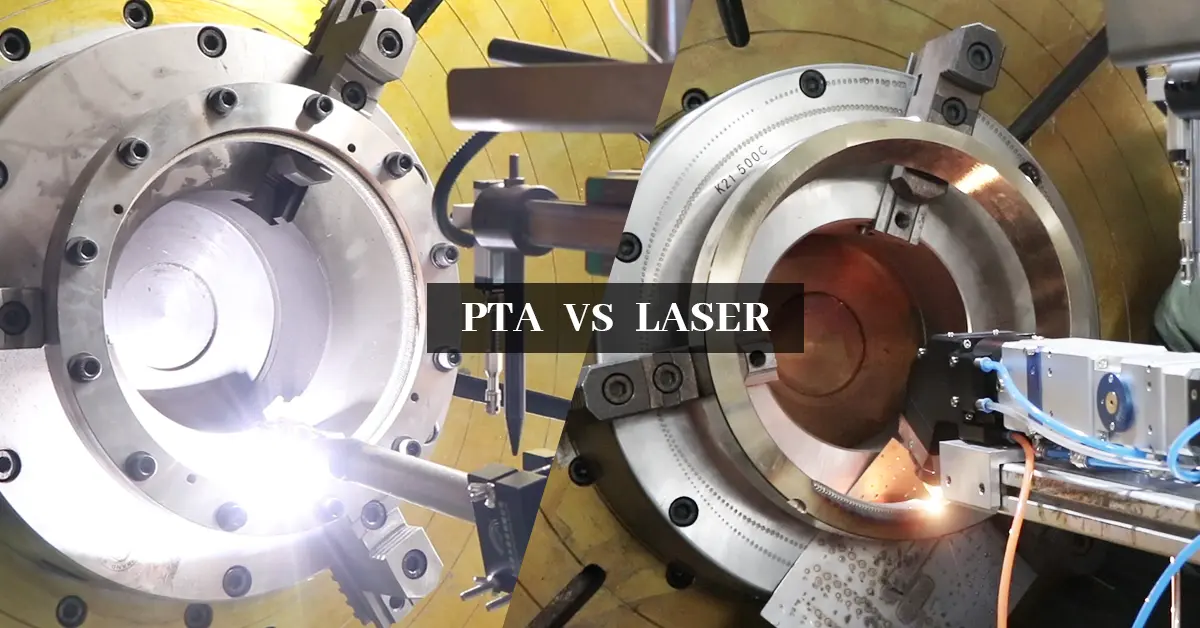
An authoritative analysis of Plasma Transferred Arc (PTA) and Automated Tungsten Inert Gas (TIG) technologies in modern industrial engineering.
Traditional welding methods often result in excessive thermal mixing with substrate materials. Our specialized PTA and automated TIG cladding achieve dilution ratios below 5%, preserving the distinct wear-resistant chemistry of the overlay alloy.
By applying specialized superalloys—such as cobalt-base Stellite, nickel-base Colmonoy, and tungsten carbide composites—heavy component lifespans are extended up to 300% to 500% compared to standard heat treatments.
Precise energy input control reduces the heat-affected zone (HAZ), eliminating structural distortion issues commonly found in generic arc welding setups. This is critical for high-tolerance shafts and precision pump assemblies.
Our advanced surface modification technologies are deployed across crucial high-wear, high-stress, and corrosive environments globally.


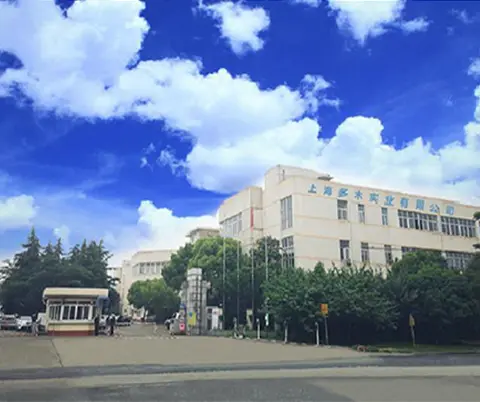
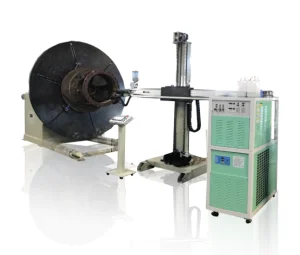
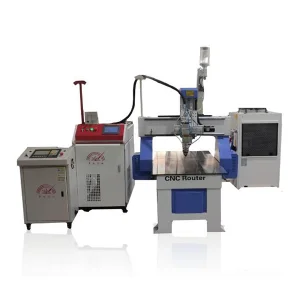
Shanghai Duomu has been a pioneer in industrial surface treatment, serving as a leading manufacturer and exporter of PTA cladding machines and laser cladding machines for more than ten years. Backed by solid academic foundations and deep technical expertise, our systems combine high efficiency with user-centric automation controls.
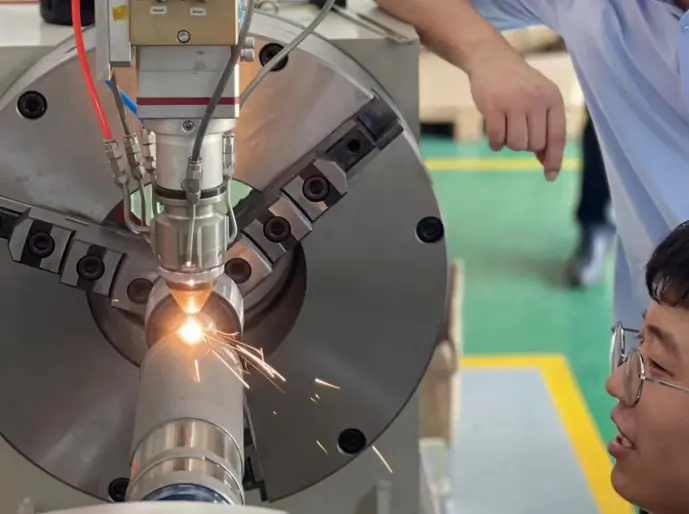
Our dedicated technical department operates an independent R&D center focused on plasma welding physics, optic delivery systems, and powder-feeding optimization. The welding machines we manufacture exhibit exceptional stability and maintain high productivity rates under continuous industrial operating schedules. Furthermore, the high-capacity laser cladding machines we develop support heavy-duty remanufacturing processes, restoring worn critical parts to original specification tolerances.
Integrating end-to-end supply chains with advanced optical and plasma research centers to deliver unparalleled cost-efficiency.
From local diode manufacturing to raw steel casting, our Shanghai-centered supply chain eliminates middleman logistics. This allows us to invest more in premium components (IPG/Raycus light sources, Siemens PLC controls, and robust robotic positioners) while remaining highly cost-effective.
Unlike rigid western production pipelines, Chinese manufacturing specializes in custom modifications. Whether integrating a dynamic gantry system, modifying dual-powder feeder capabilities, or building custom multi-axis CNC interfaces, we adapt our designs to fit unique application requirements.
Backed by a robust regional ecosystem, we prototype and implement process improvements—such as ultra-high-speed laser cladding (EHLA) and internal bore PTA processes—much faster than traditional global manufacturers.
For procurement managers evaluating PTA cladding and laser surfacing systems. Key metrics to verify when selecting equipment suppliers.
For high-hardness coatings containing WC (Tungsten Carbide), the powder feeder must maintain a steady volumetric output. Our dual-cylinder powder feeders use digital closed-loop controls to avoid pulsation, which can cause local stress concentrations or inconsistent surface quality.
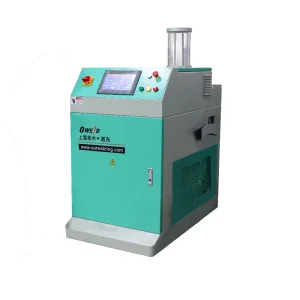
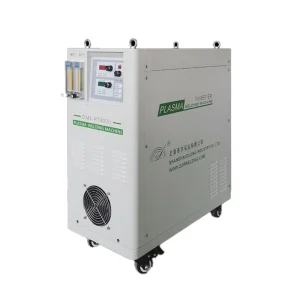
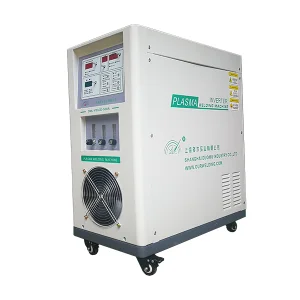
Heavy-duty applications like continuous casting rollers or coal mine hydraulic cylinders require round-the-clock operation. Verify that the power source (such as the DML-V03CD or DM-PT4000) features dual-circuit cooling paths capable of operating continuously at 100% duty cycle at high currents.
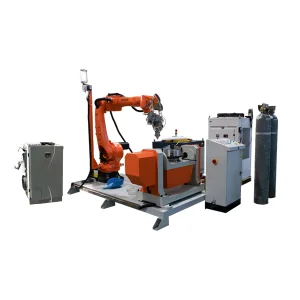
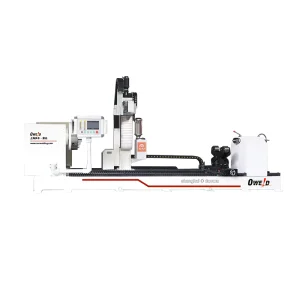
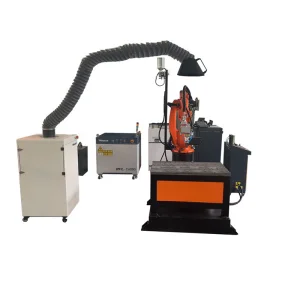
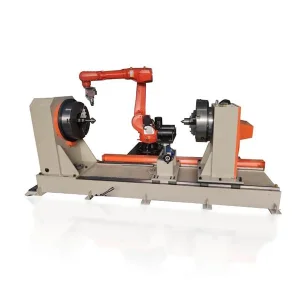
Modern cladding applications rely heavily on automated toolpaths. Shanghai Duomu systems are built to integrate with external robots (ABB, Kuka, Fanuc) and multiaxial positioning tables (e.g., DH3-HV1700-B06), allowing for automated complex geometries.
How advanced surface cladding aligns with global sustainability directives and digital manufacturing goals.
Global heavy industry is moving toward circular manufacturing. Restoring worn industrial machinery via laser cladding and PTA can reduce carbon emissions by up to 70% to 80% compared to fabricating replacement parts from raw materials.
Ultra-high-speed laser cladding uses laser energy to melt the alloy powder before it hits the base metal surface. This technique achieves coverage rates up to 100 to 500 m/min, making it a viable alternative to hard chrome plating.
Closed-loop sensing systems monitor the melt pool dimensions, temperature profiles, and powder stream geometry. These algorithms automatically adjust laser power and traverse speeds to prevent defect formation during fabrication.
Verifiable applications demonstrating field performance and component longevity across global heavy industry sectors.
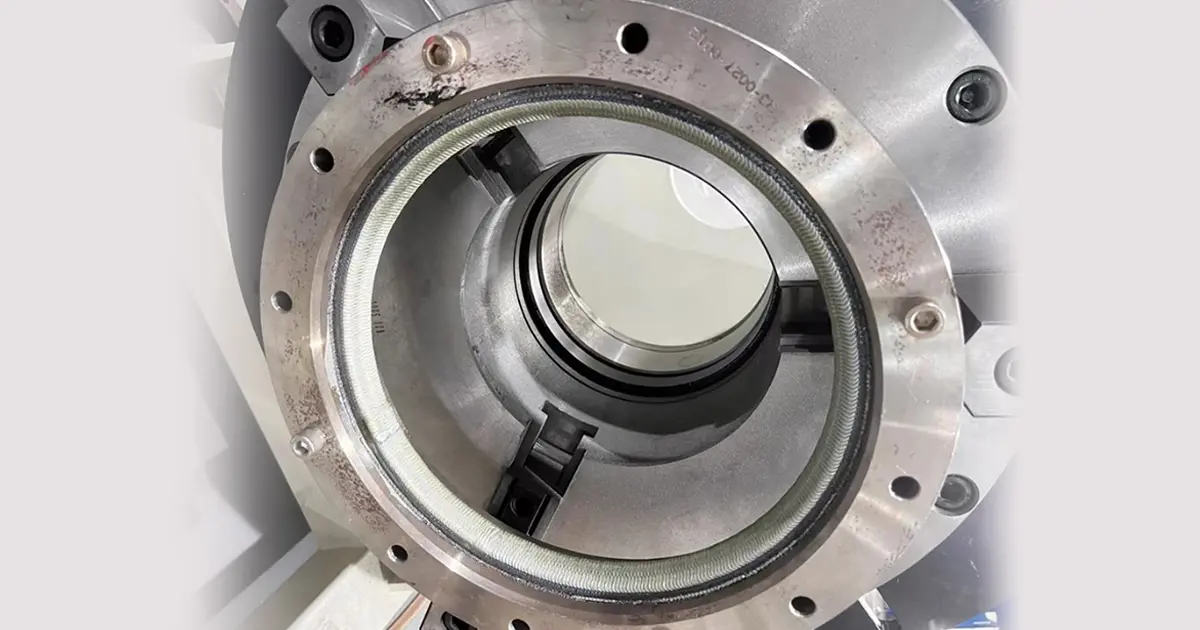
"The PTA Welding Valve Application Guide is not just a process choice for valve manufacturers facing high wear, high corrosion, and high-temperature erosion working conditions, but also a key path to improving product competitiveness. As industries such as petrochemical, chemical, and nuclear power generation demand longer seal lifespans, integrating Shanghai Duomu's PTA cladding systems has allowed us to deposit cobalt-based alloys with negligible dilution rates, dramatically reducing surface cracks and machining scrap."
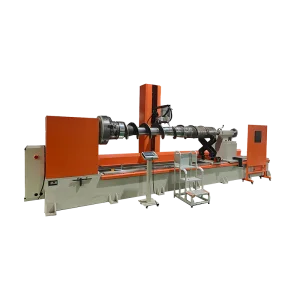
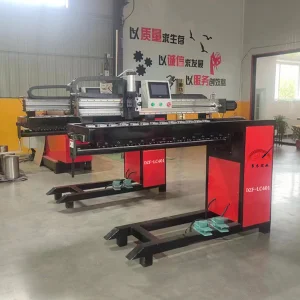
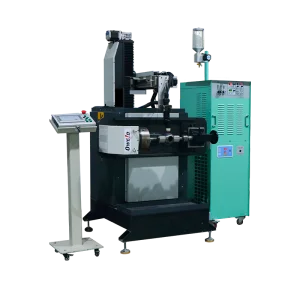
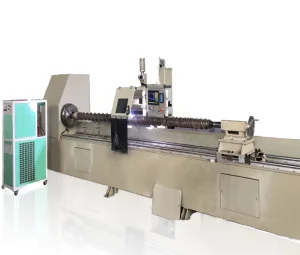
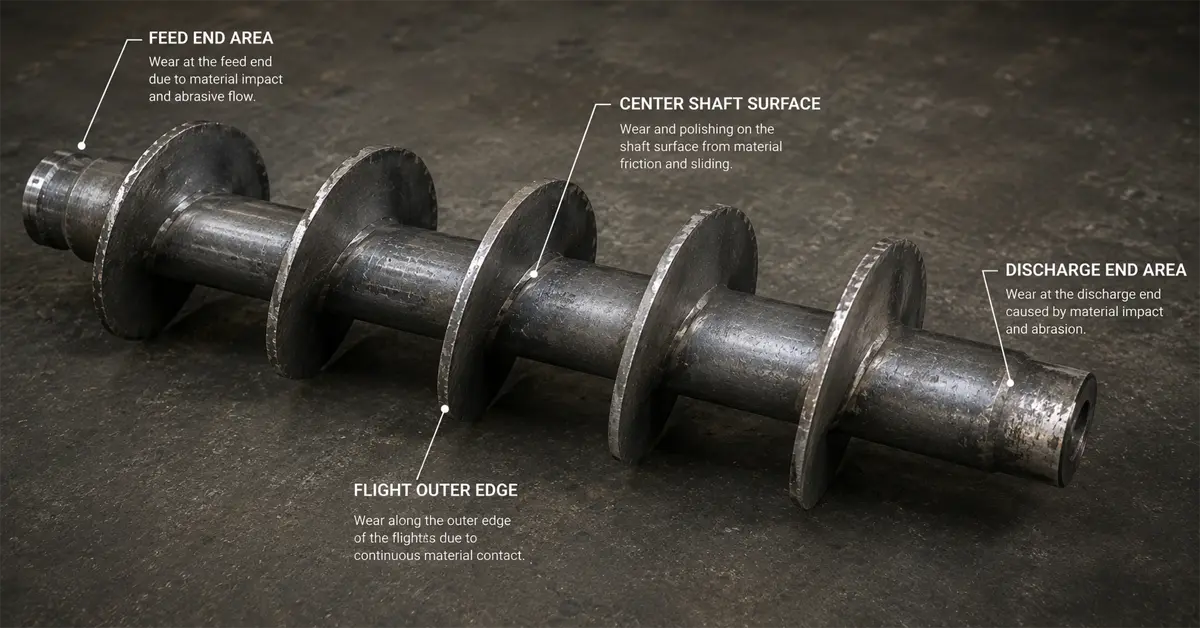
"In industries such as mining, cement, power generation, steelmaking, chemical processing, and biomass energy, screw conveyors are often regarded as auxiliary equipment. However, maintenance data shows that they are among the most frequent causes of unplanned production downtime. Using Shanghai Duomu's Screw Automatic Welding Equipment DLG-LC501, we applied a uniform tungsten carbide-cobalt matrix coating along the screw flight periphery. The automated system maintained precise pitch control, extending screw service life from 6 months to over 24 months of continuous abrasive conveying."
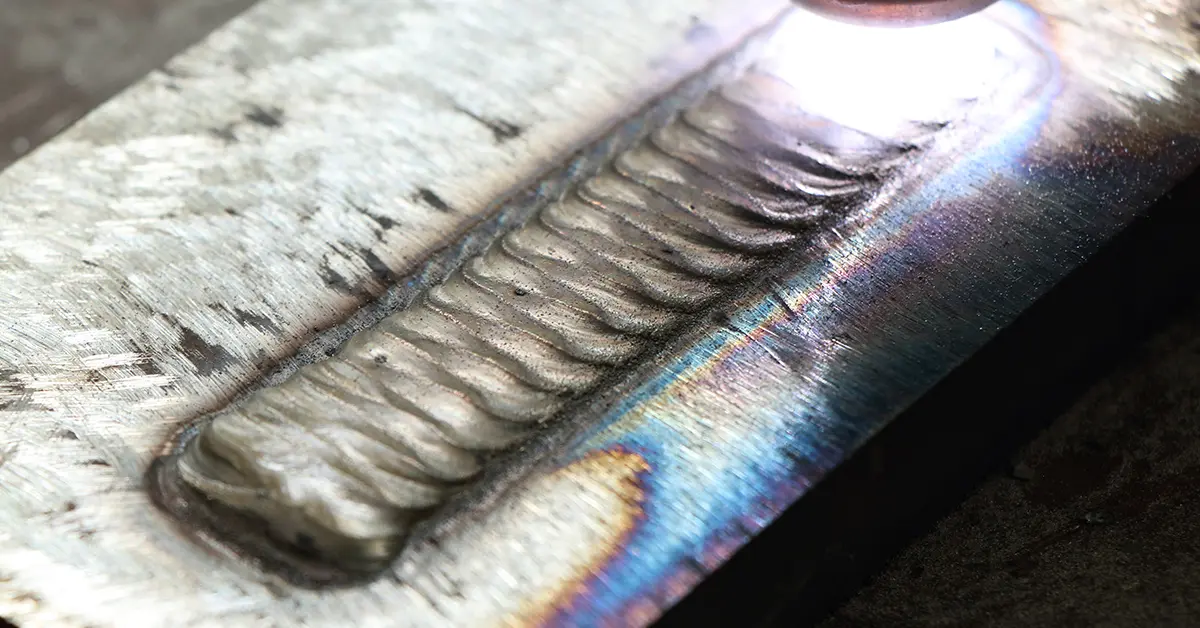
"In Plasma Transferred Arc (PTA) hardfacing, achieving a high-quality overlay is not only about selecting the right alloy powder or optimizing welding parameters. One of the most critical factors that directly affects overlay performance is the dilution rate. Whether you are surfacing valve gates or extruder screws, keeping the substrate mixing low is critical. Using Duomu's high-stability PTA units, we achieved dilution rates of less than 4% on high-nickel bases, avoiding degradation in corrosion resistance."
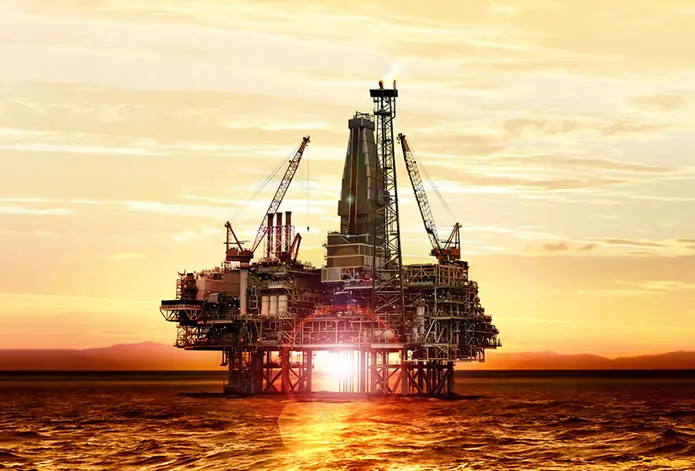
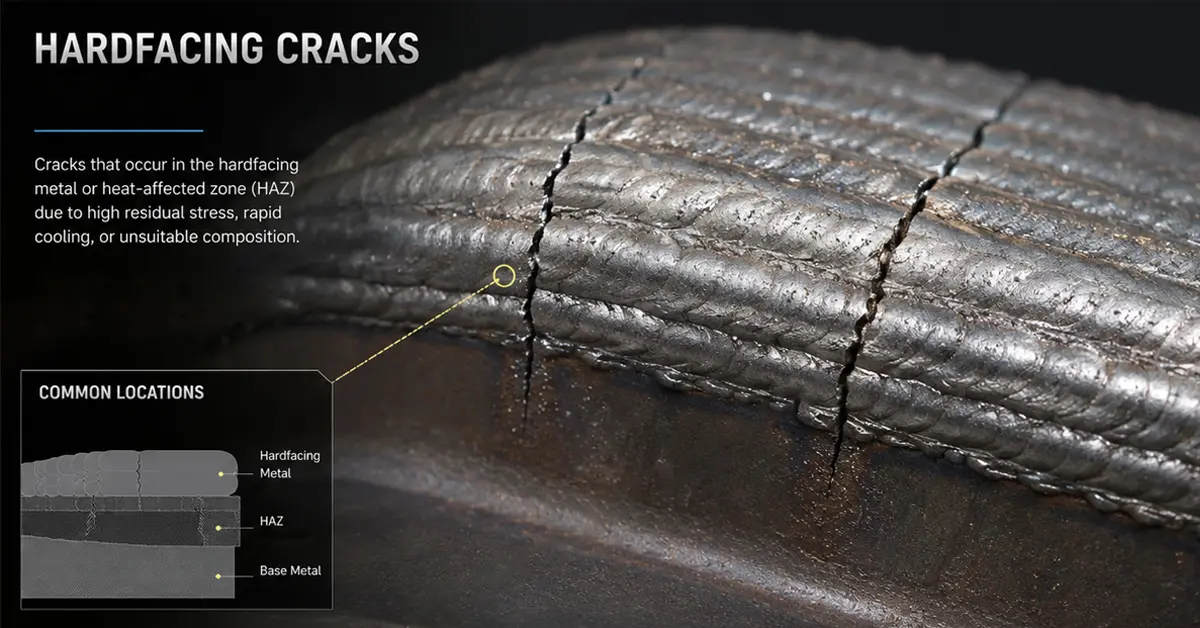
"In industries such as Oil & Gas, Mining, Power Generation, Cement, and Heavy Equipment Manufacturing, hardfacing is no longer just a repair process. It has become a critical technology directly related to equipment lifespan, downtime costs, maintenance frequency, and processing safety. By implementing automated laser cladding systems, we achieved surface coatings free of micro-cracks and blowholes, keeping our offshore drilling rigs running without premature actuator failure."
"In industries such as oil & gas, petrochemical, power generation, mining, and marine engineering, industrial valves are constantly exposed to severe operating conditions including high pressure, extreme temperatures, corrosive media, abrasive wear, and sand erosion. The DYY-LC501 cladding system has enabled our engineering group to rebuild valve stems and cylinder seals with zero structural distortion, ensuring long-term seat integrity."
Expert answers regarding cladding system design, wear protection alloys, and process automation parameters.
For custom system quotes or process engineering questions, contact our application engineers today. We respond within 24 hours.
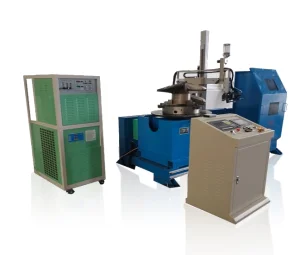
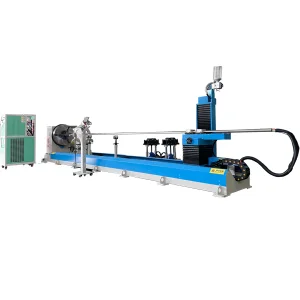
From single-axis positioners to multi-axis robotic cladding lines, our systems cover standard and custom applications.







 Duomu
Duomu