Premium solutions engineered by Shanghai Duomu for high-precision metallurgical restoration and heavy-duty wear resistance.
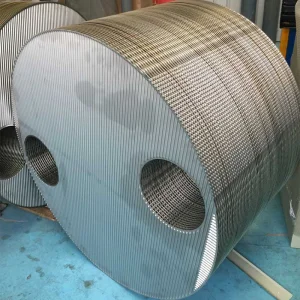
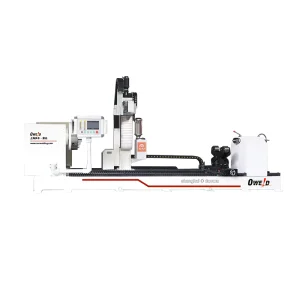
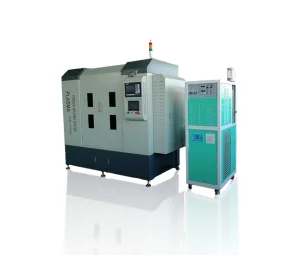
Analyzing energy density, thermal dynamics, dilution parameters, and structural integrity for advanced industrial applications.
The fundamental difference (違い) between laser welding (レーザー溶接) and traditional arc welding (アーク溶接) lies in the energy density and transmission mechanism. Laser welding utilizes a highly coherent, focused monochromatic light beam to achieve power densities exceeding 106 W/cm². This high-density concentration results in instantaneous vaporization of the contact area, creating a "keyhole" effect that allows deep-penetration joints with minimal width.
In contrast, arc welding (such as TIG, MIG, or Plasma Transferred Arc) operates through electrical discharge, generating a wider thermal field of approximately 104 W/cm². Because the heat source is dispersed over a larger surface area, thermal conduction plays a dominant role, leading to a significantly larger Heat Affected Zone (HAZ) and potential microstructural deformation of the substrate.
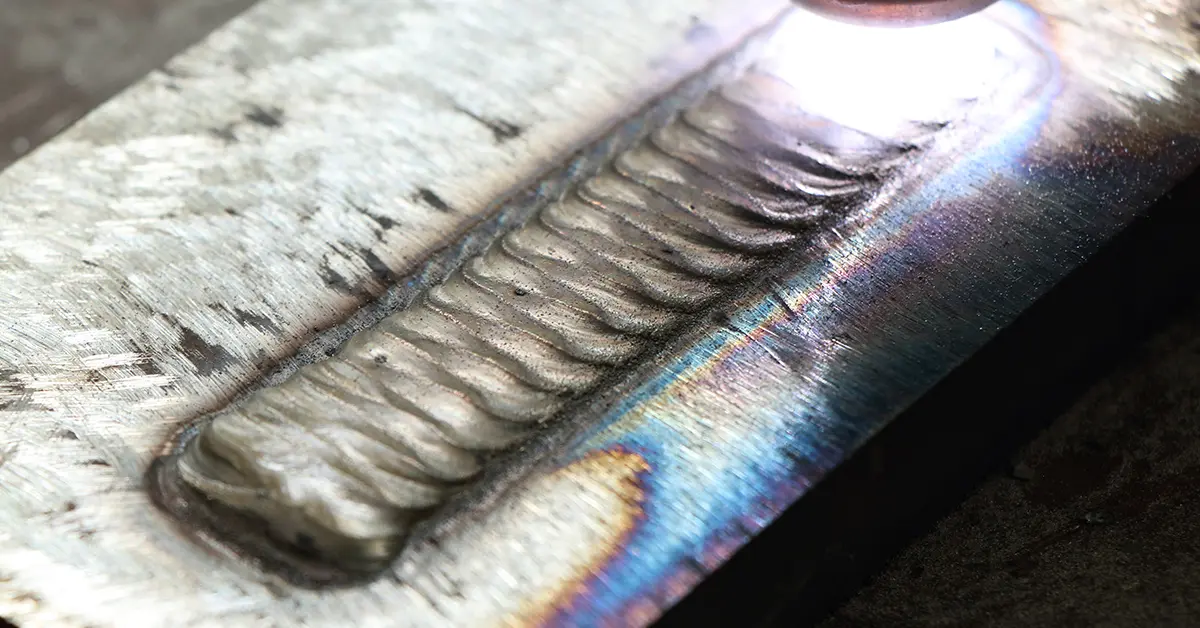
For surface cladding and hardfacing, controlling the dilution rate of the substrate into the clad layer is vital to preserving alloy properties. Laser cladding minimizes dilution rates to under 5% (and frequently below 2% with optimized powder feeding parameters). This ensures that the properties of the superalloy powder (e.g., cobalt or nickel-based powders) are fully preserved right from the first layer.
Arc welding methods (like conventional PTA) yield dilution rates between 10% to 15%. While this provides a robust metallurgical bond, it requires thicker or multi-layered overlays to achieve the desired surface chemistry, increasing raw material consumption and total cycle times.
| Technical Characteristic | Laser Cladding / Welding (レーザー溶接) | Arc / PTA Cladding (アーク溶接 / PTA) | Engineering Impact |
|---|---|---|---|
| Energy Density | Extreme (106 W/cm²) | Medium (104 W/cm²) | Determines penetration depth and HAZ width. |
| Heat Affected Zone (HAZ) | Ultra-Narrow (0.1 - 0.5 mm) | Moderate to Wide (1.5 - 5.0 mm) | Controls thermal distortion & mechanical stress. |
| Dilution Rate | < 3% - 5% | 10% - 15% | Determines clad layer purity and hardness retention. |
| Metallurgical Bond | True Molecular Fusion | True Molecular Fusion (High dilution) | Prevents interface peeling or mechanical shear failure. |
| Processing Speed | High (Up to 3000 mm/min) | Moderate (100 - 400 mm/min) | Impacts production throughput and scaling. |
| Post-process Machining | Minimal (Near-net shape) | Significant grinding required | Directly influences final machining cycle costs. |
Combining high-precision laser optics with automated plasma transferred arc technologies.
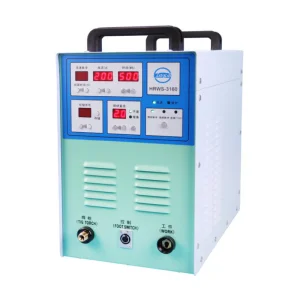
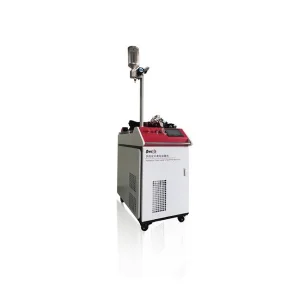
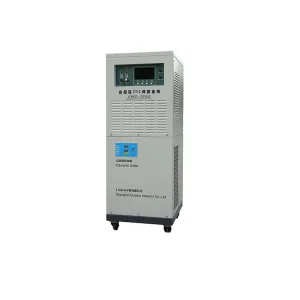
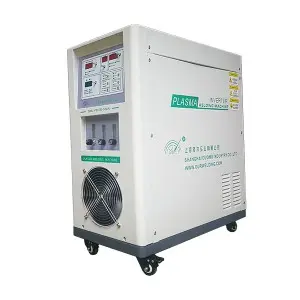
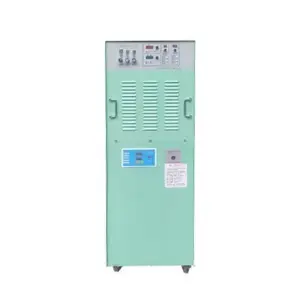
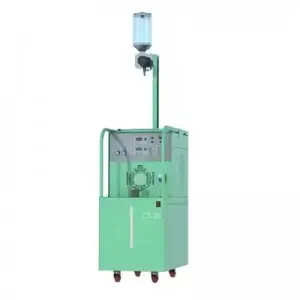
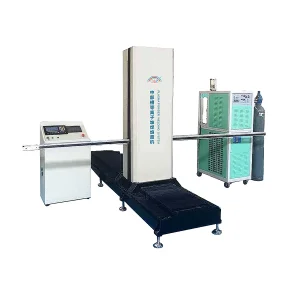
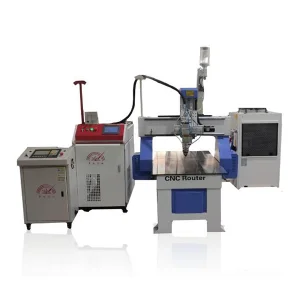
Shanghai Duomu has been a leading manufacturer and exporter of PTA cladding machine and Laser cladding machine for more than ten years with a strong technical background. Our dedication to research and development allows us to cross boundaries between laser optics and high-energy plasma arcs, offering customized machinery designed for strict metallurgy tolerances.
By synthesizing both technologies under one manufacturing philosophy, we provide global suppliers with automated solutions that answer the critical differences (違い) between laser and arc systems, ensuring buyers select the precise system required for their specific substrate and dimensional constraints.
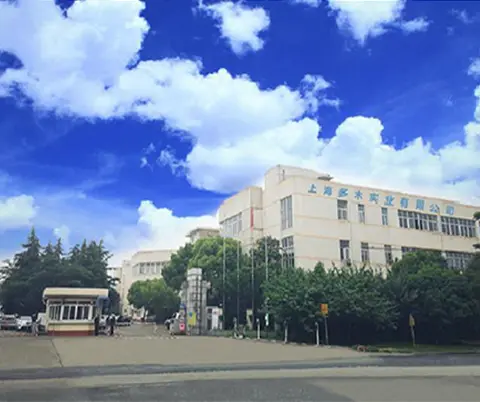
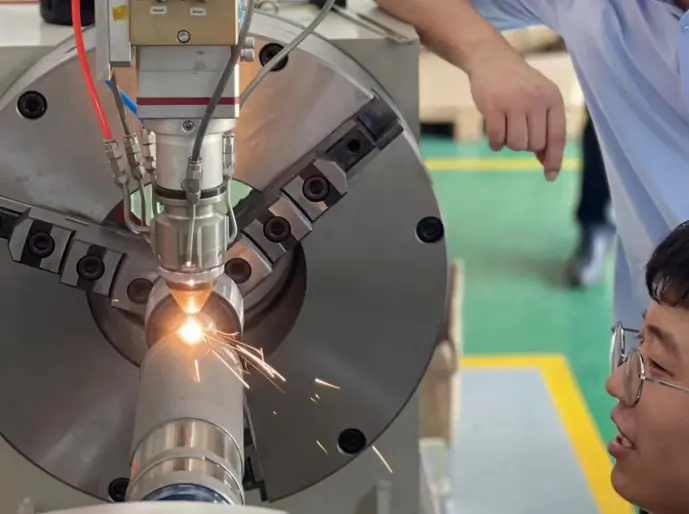
I have an independent R&D team, which develops, produces and sells plasma cladding machine equipment. The welding machine has stable performance and can maintain efficient long-term operation. In addition, the laser cladding equipment sold by the company can effectively support large-scale remanufacturing projects. We have mature technological means to provide complete sets of industrial equipment solutions.
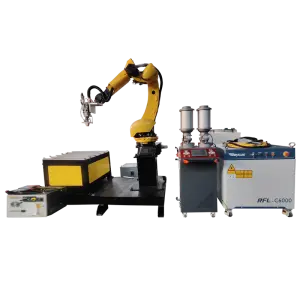
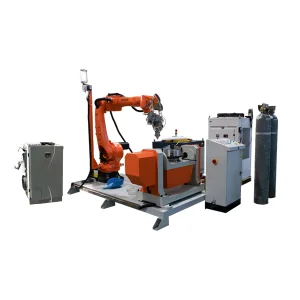
Whether implementing multi-axis robotic arms or high-volume gantry systems, our technical department ensures that features like powder delivery consistency, beam focus stability, and gas shield cooling arrays are designed to mitigate defects such as pores and microscopic cracks.
Providing specialized wear-resistant and anti-corrosive cladding across highly demanding engineering sectors.
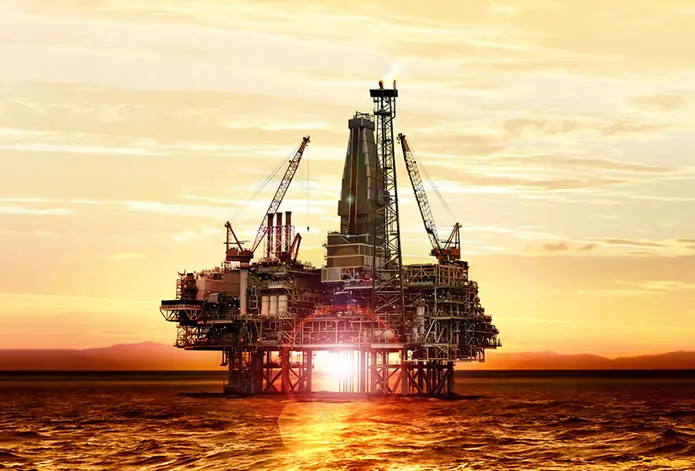
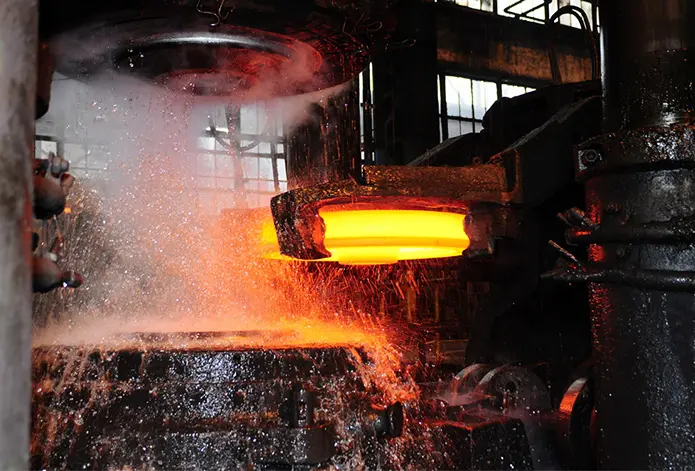
At present, the company's products have penetrated into many fields such as aerospace military industry, nuclear power, petrochemical industry, coal mines, metallurgy and forging, agriculture, water conservancy and electric power, etc.


Why global procurement managers source from advanced Chinese precision manufacturers.
China-based manufacturers like Shanghai Duomu leverage domestic availability of raw diode components, advanced optical paths, and high-purity alloy powder supplies. This ensures cost efficiencies that are passed on directly to global customers, without compromising system durability or stability.
The industry is rapidly shifting toward integrated sensor arrays. Real-time melt pool monitoring systems analyze infrared thermal signatures, automatically adjusting laser power, powder feed rates, or travel speed to eliminate structural micro-porosity and crack formations dynamically.
Combining the structural gap tolerance of arc welding with the extreme depth-to-width ratio and speed of laser systems. This dual approach allows operators to build heavy-duty protective surfaces quickly while maintaining the narrowest HAZ possible.
Engineered to deliver extreme wear, erosion, and high-temperature oxidation resistance.
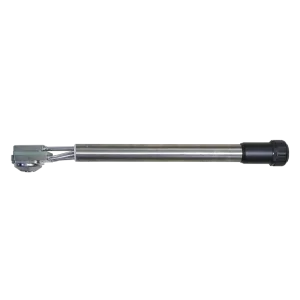
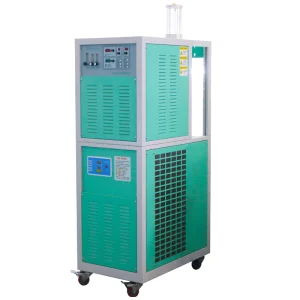
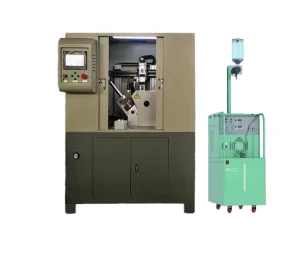
We can provide customized equipment, automatic laser cladding equipment, automatic plasma cladding equipment, intelligent robot cladding equipment, etc. according to customers' requirements, including special equipment in the industry, such as hydraulic rod cladding machine, pick cladding machine, valve cladding machine, etc.
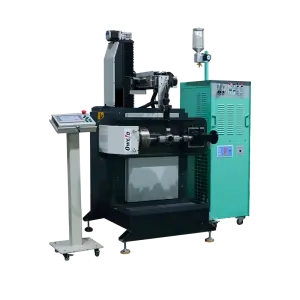
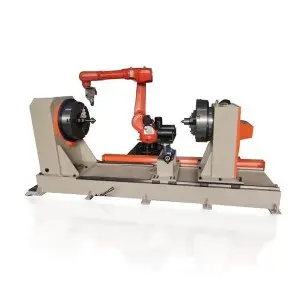
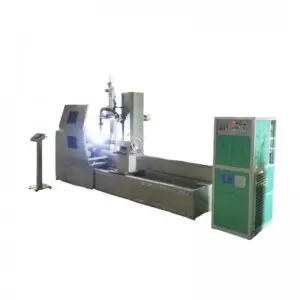
How our cladding technologies perform in real-world extreme wear environments.
"The PTA Welding Valve Application Guide is not just a process choice for valve manufacturers facing high wear, high corrosion, and high-temperature erosion working conditions, but also a key path to improving product competitiveness. As industries such as petrochemical, power generation, and refining demand higher standards, adopting advanced cladding solutions guarantees zero unplanned shutdowns."
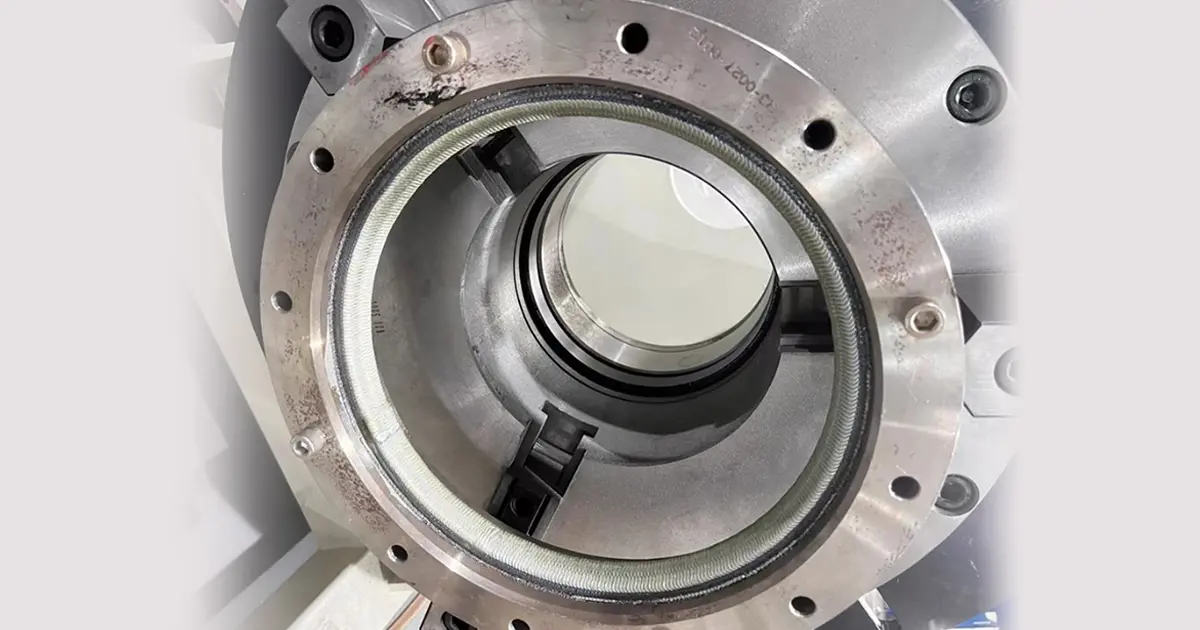
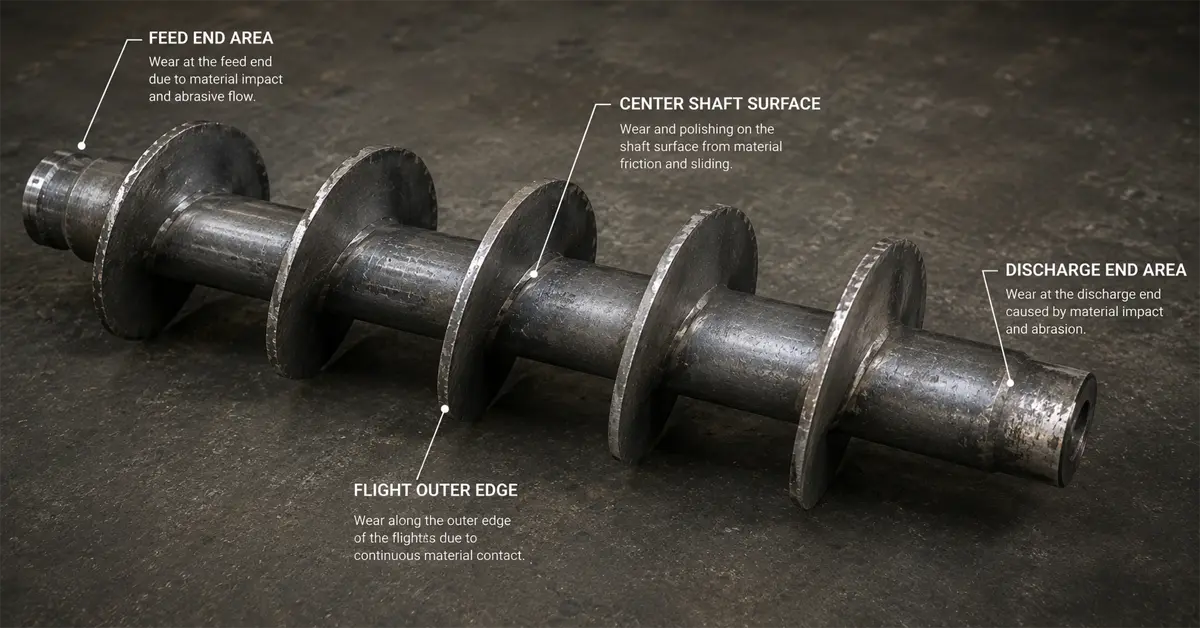
"In industries such as mining, cement, power generation, steelmaking, chemical processing, and biomass energy, screw conveyors are often regarded as auxiliary equipment. However, maintenance data shows that they are among the most frequent causes of unplanned production downtime. Laser cladding extends the service life of screw shafts by 3-5 times compared to standard hardfacing overlay."
"In Plasma Transferred Arc (PTA) hardfacing, achieving a high-quality overlay is not only about selecting the right alloy powder or optimizing welding parameters. One of the most critical factors that directly affects overlay performance is the dilution rate. Shanghai Duomu machines manage to preserve the parent material's strength while keeping dilution below the required threshold."
Clear answers to complex technical questions concerning laser versus arc welding selection.
Supplying advanced machinery to heavy-industry enterprises around the globe.







High-efficiency setups designed for massive production lines and high precision repair.
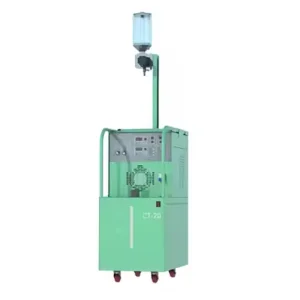
For inquiries about our products or pricelist, please leave your contact info and our technical engineers will be in touch within 24 hours.
 Duomu
Duomu