 Duomu
Duomu
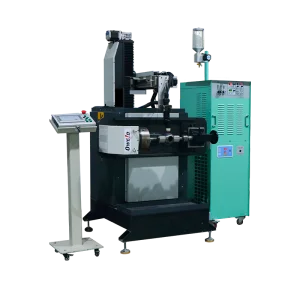
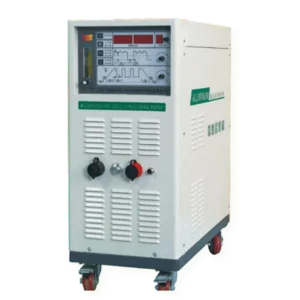
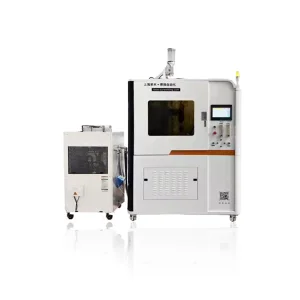
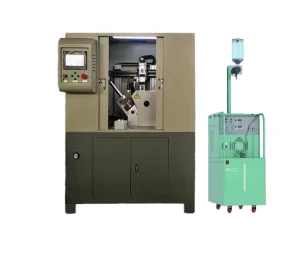
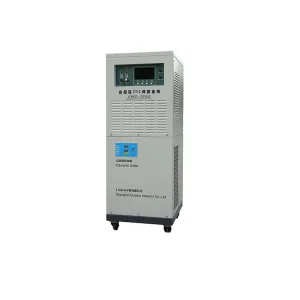
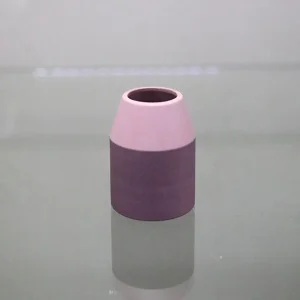
State of the Art: High-Performance Tig Soldadura & Surface Hardfacing
In the modern manufacturing landscape, where extreme operating temperatures, intense mechanical friction, and highly corrosive agents dictate the limits of equipment durability, surface engineering has transitioned from an optional enhancement to a critical necessity. At the epicenter of high-precision metallurgical bonding stands the process of TIG Soldadura (Tungsten Inert Gas welding / GTAW), alongside its advanced evolutionary derivatives: Plasma Transferred Arc (PTA) cladding and Laser Cladding systems. These technologies do not merely join metals; they recreate surfaces, infusing cost-effective base alloys with ultra-high-performance properties.
For procurement officers, production engineers, and factory leads looking to maximize equipment lifespan and decrease unplanned maintenance overhead, understanding the microscopic interactions, dilution limits, and automation capabilities of Tig Soldadura systems is paramount. As a premier Tig Soldadura Manufacturer & Factory with more than a decade of research-driven expertise, Shanghai Duomu has built a legacy of engineering advanced solutions designed to meet the rigorous demands of heavy industry.
1. Industry Trends: The Evolution of Tig Soldadura and Surfacing Tech
The global welding and cladding sector is undergoing a massive shift powered by three main forces: automation, material science breakthroughs, and energy conservation. While traditional manual TIG welding remains the gold standard for delicate repairs and aesthetic joints, industrial scale-up demands automated solutions that minimize human error and deliver uniform quality.
- Integration of AI and Machine Vision: Modern automated cladding lines now utilize real-time CCD camera sensors to scan the melt pool. This feedback enables the system to dynamically modify current, gas flow rates, and feed speed to guarantee zero defects.
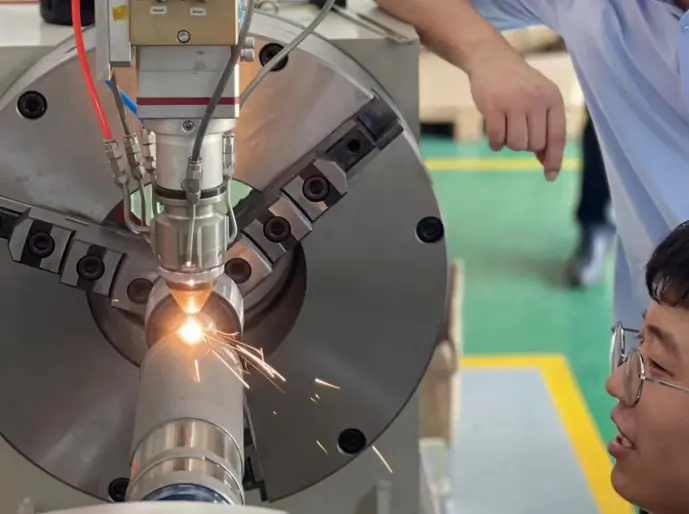
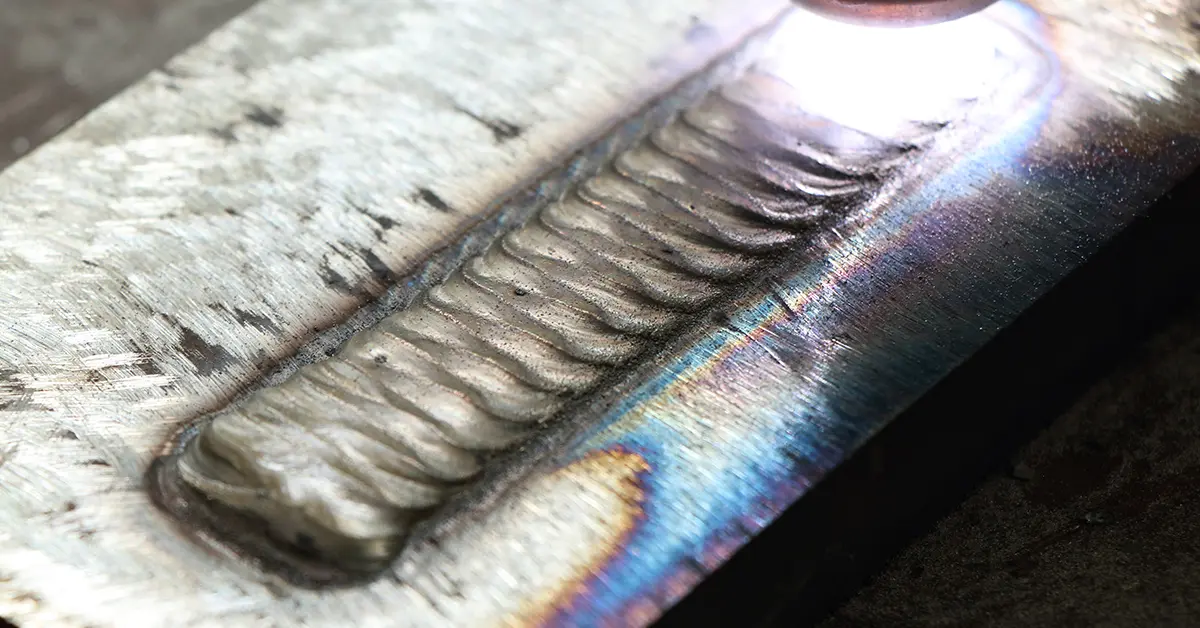
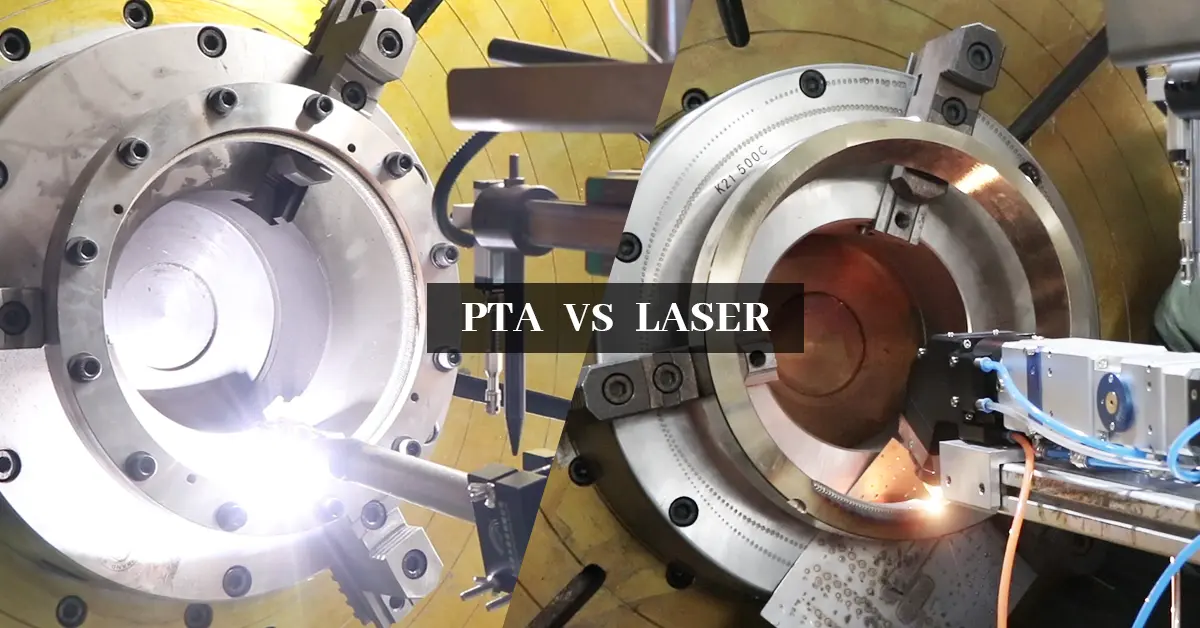
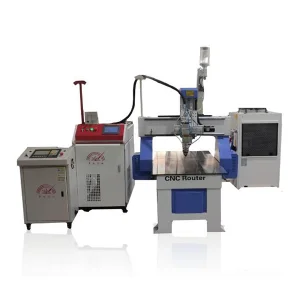
- Shift to PTA & Laser Cladding: Plasma Transferred Arc (PTA) and Laser systems represent the logical evolution of TIG. By compressing the arc or focusing a high-energy laser beam, factories achieve significantly higher power densities, leading to faster deposition rates and narrower heat-affected zones (HAZ).
- Sustainable Remanufacturing: Repairing worn industrial components using specialized TIG and PTA surfacing is estimated to consume less than 20% of the energy and raw materials needed to manufacture new parts. This aligns with global ESG mandates.
2. Deciphering Global Procurement Requirements
International procurement managers must look past basic price points and focus on Total Cost of Ownership (TCO) and long-term operating metrics. When evaluating high-capacity welding systems or contract manufacturing partners, the following parameters are crucial:
Dilution Control and Heat Input
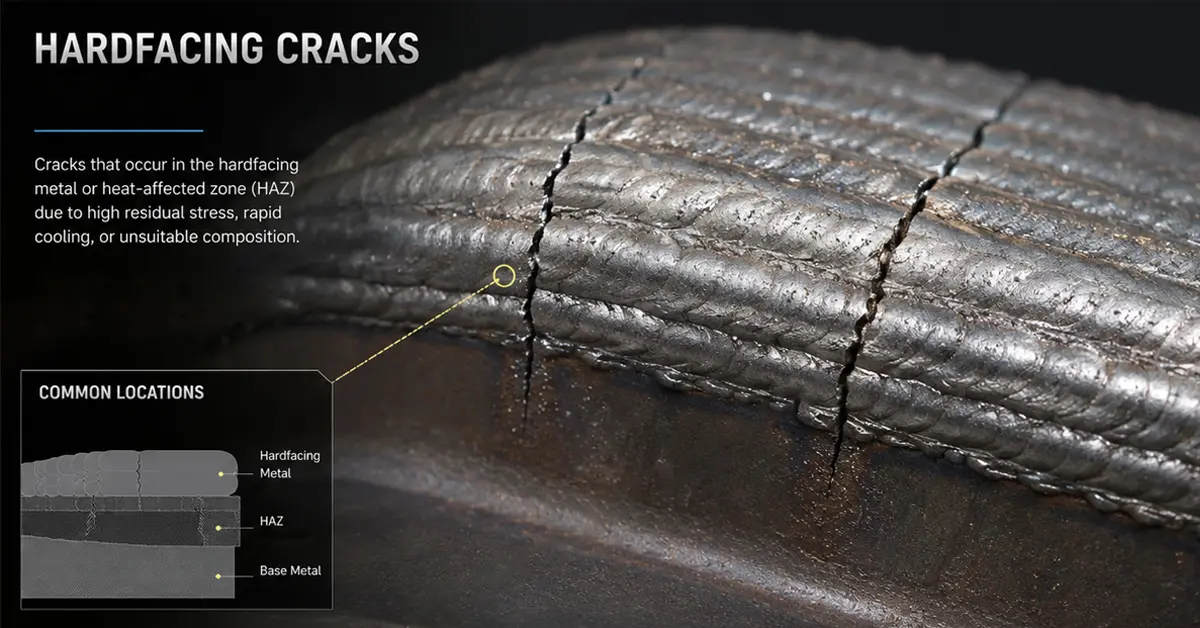
During cladding operations, the goal is to deposit a high-hardness alloy layer onto a softer base metal. However, excessive heat input causes the base metal to melt and mix with the cladding layer, diluting its properties. A superior Tig Soldadura setup or PTA system must deliver a low dilution rate (typically under 5% to 10%) to preserve the chemical integrity of the hard overlay.
Duty Cycle and Thermal Dissipation
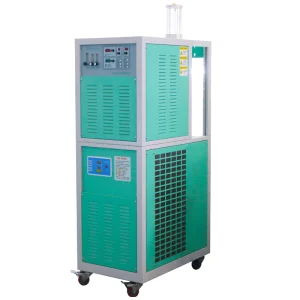
Industrial manufacturing requires continuous, 24/7 operation. A welder with a 60% duty cycle will overheat and shut down frequently, stalling lines. Choosing machines with 100% duty cycles, supported by heavy-duty liquid cooling systems and robust copper-alloy nozzles, guarantees consistent performance.
High-Frequency Arc Stability
When working with sensitive metals like titanium or aluminum alloys, arc instability leads to contamination and micro-porosity. Specialized inverter technologies (like those in the DFC-WSME550) utilize advanced square-wave AC/DC current control to maintain a stable arc, even at low amperages.
3. Macro-Industry Solutions: Applications Across Sectors
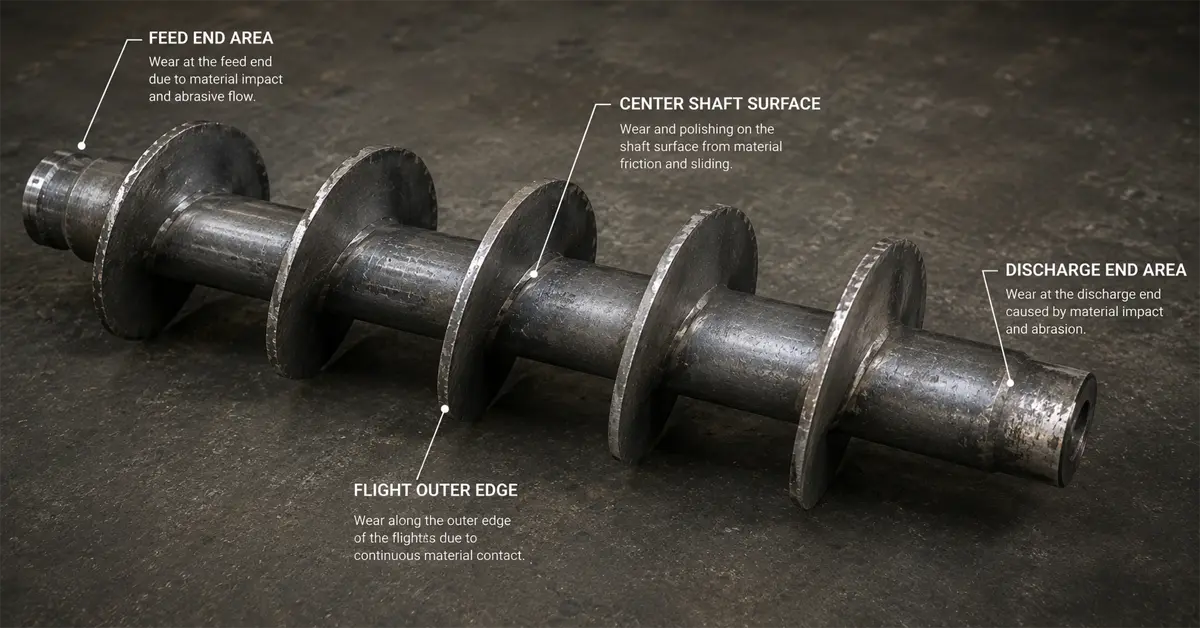
Different industrial fields face distinct wear patterns. Achieving optimal performance requires tailored metallurgical profiles and customized tooling configurations:
Aerospace and Defense
In aerospace, weight reduction demands the use of high-strength-to-weight metals like titanium and thin-walled aluminum structures. Precision TIG welding ensures clean, non-porous joints that can withstand the intense cyclic fatigue of aviation environments.
Petrochemical and Valve Engineering
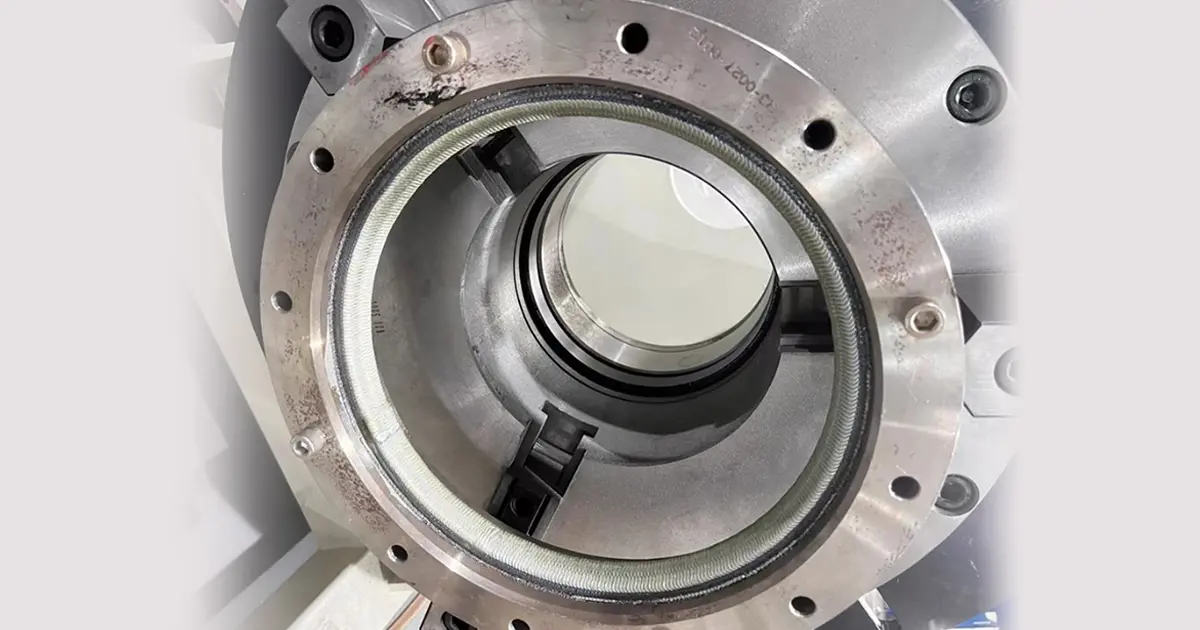
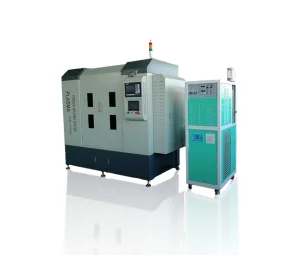
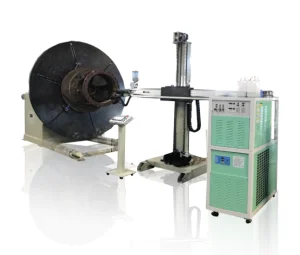
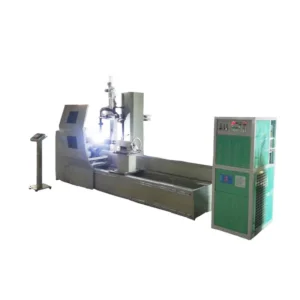
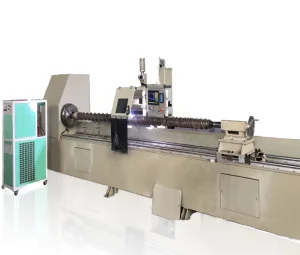
Industrial ball valves face high pressures, extreme temperatures, and corrosive fluids. Using automated PTA surfacing equipment (such as the DQF-LC602 or FB-200P), manufacturers deposit Stellite or nickel-based superalloys onto valve seats, extending their operational lifespan by up to 400%.
Mining and Agriculture
Excavator teeth, cutting picks, and agricultural plow blades face severe abrasion from earth and rocks. Automatic plasma and laser cladding systems allow for the rapid deposition of tungsten carbide particles embedded in a tough iron-base matrix, creating components that wear slowly and evenly.
4. Technical Specifications & Shanghai Duomu's Core R&D
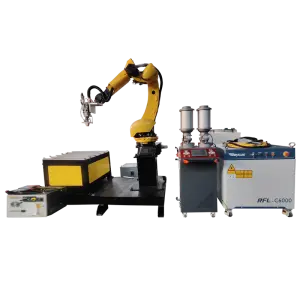
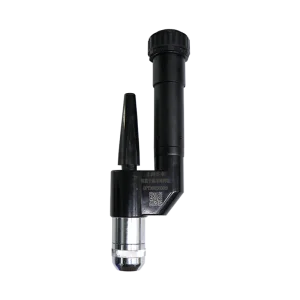
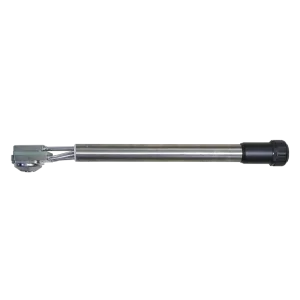
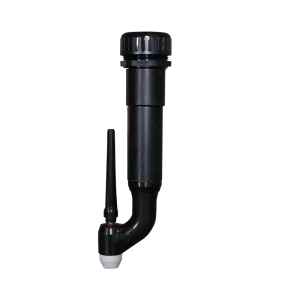
Shanghai Duomu has established itself as an innovative force in the surface treatment market. Our dedicated R&D division focuses on solving the dual challenges of arc stability and powder feed consistency in plasma surfacing. By developing proprietary torches like the Independently Researched Plasma Surfacing Torch 300 and integrated systems like the DML-V03CD, we provide turnkey solutions that deliver high deposition rates with minimal thermal distortion.
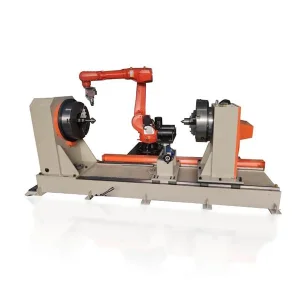
Whether configuring automated gantry systems for large-scale steel mill rolls or designing portable S-TIG welders for on-site repairs, our systems are engineered for stable performance, minimal spatter, and ease of integration into robotic work cells.
5. Localization, Quality Standards & Compliance Assurance
Deploying advanced heavy industrial equipment globally requires adherence to strict international quality standards. Shanghai Duomu ensures compliance across key regional frameworks:
- Design Standards: Machinery is constructed to meet CE, ISO 9001, and UL safety requirements.
- Welding Code Compliance: Our automated systems are configured to help clients meet ASME Section IX, EN ISO 15614, and AWS D1.1 specifications.
- Global Logistics & On-Site Commissioning: We provide seaworthy packaging, clear technical documentation, and dispatch expert engineers for on-site setup, training, and parameter optimization.