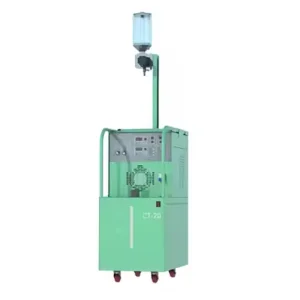
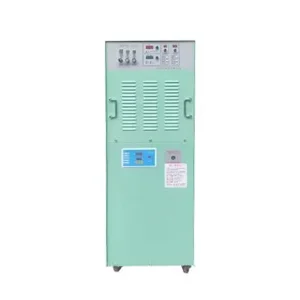
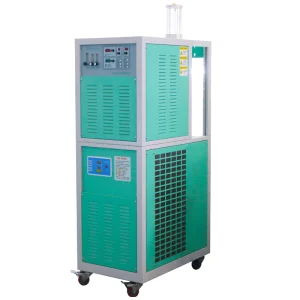
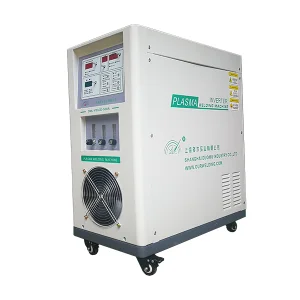
Explore our highly integrated plasma and laser systems deployed globally to build localized service capability in East Africa's leading manufacturing hubs.
Ethiopia is rapidly positioning itself as East Africa’s preeminent manufacturing hub. Driven by the Growth and Transformation Plans (GTP), industrial parks like Hawassa, Bole Lemi, and Adama are scaling up operations. As sectors such as cement production, agricultural processing, mining, and heavy construction experience double-digit expansion, mechanical components face severe degradation from friction, impact, and chemical wear.
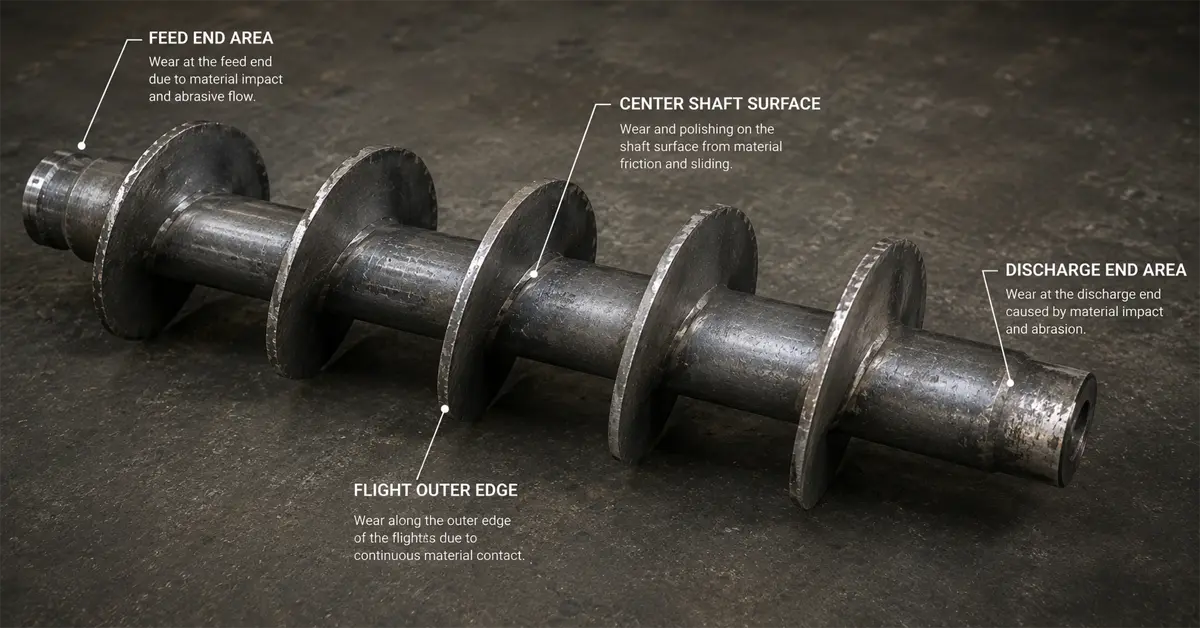
Historically, industries in Addis Ababa and Akaki relied on importing expensive replacement parts or using legacy arc welding, which introduces excessive heat and high dilution rates. Laser Cladding and Plasma Transferred Arc (PTA) technologies provide a sustainable solution, allowing domestic remanufacturing of vital components such as crusher rollers, cement kilns, sugarcane shredders, and turbine shafts.
Sourcing from a leading technological partner like Shanghai Duomu enables Ethiopian businesses to reduce downtime, extend wear-parts lifetimes by up to 500%, and lower foreign currency expenditure.
Request Localized Market Report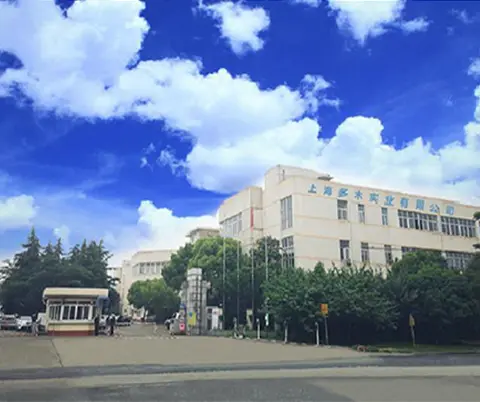
Understanding which surface treatment process suits your specific production cycle in Ethiopia.
| Feature | Laser Cladding (DZF-LC/DJC-LC) | PTA Cladding (DML/DM-PT) | Traditional MMA/TIG Welding |
|---|---|---|---|
| Dilution Rate | < 5% (Extremely low, preserves alloy characteristics) | 5% - 10% (Low dilution) | > 25% (High dilution with base metal) |
| Heat Affected Zone (HAZ) | Minimal (prevents part distortion) | Small to Medium | Very Large (risk of micro-cracks) |
| Bond Quality | Metallurgical (molecular fusion) | Metallurgical (molecular fusion) | Mechanical & metallurgical mix |
| Efficiency / Automation | Fully computerized/robotic CNC integration | Semi-automatic to automatic | Highly dependent on manual skill |
| Best Application in Ethiopia | Hydraulic shafts, turbine blades, precision tooling | Cement mill rollers, agricultural machinery blades | Temporary patching, low-stress applications |
Deploy specialized metal powders (Cobalt-based, Nickel-based, Tungsten Carbide) tailored to match the unique volcanic sand erosion profiles found in Ethiopian agricultural zones.
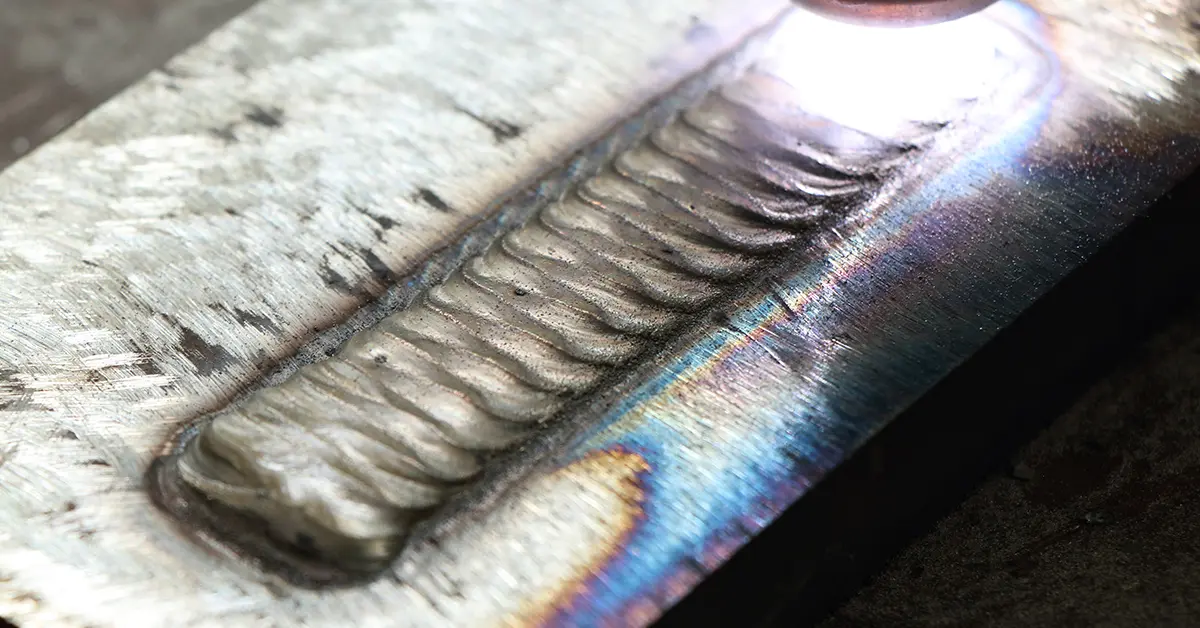
Our ultra-dense energy laser beams localized heat, avoiding distortion on complex shafts, reducing post-clad machining requirements.
Elevate the operational cycles of sugar shredder hammers or heavy mining drill bits up to five times compared to untreated surfaces.
Deploying advanced laser and plasma cladding systems to address high-wear operational environments.
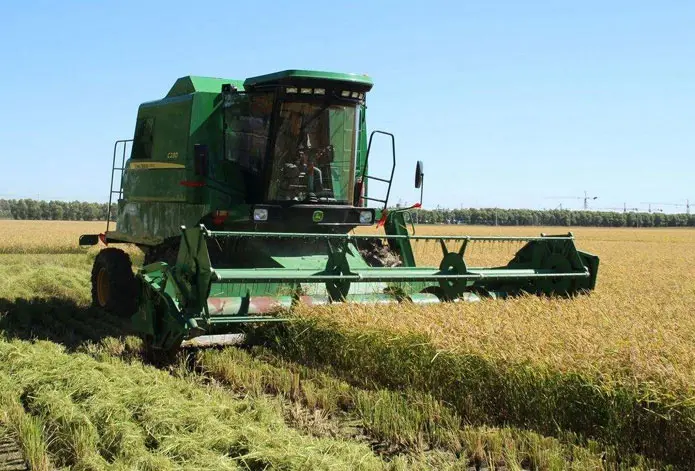


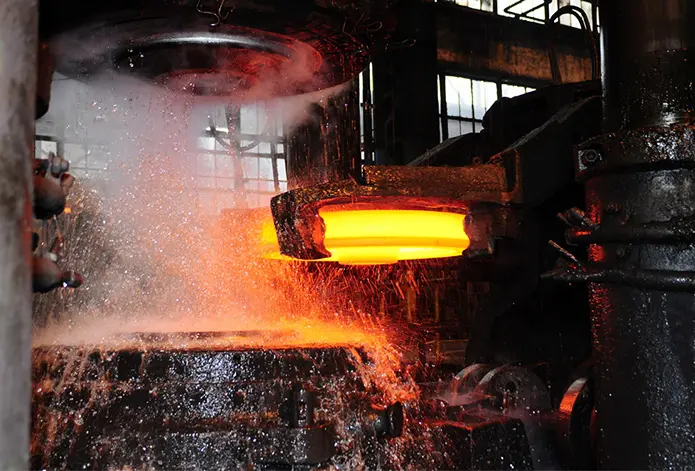
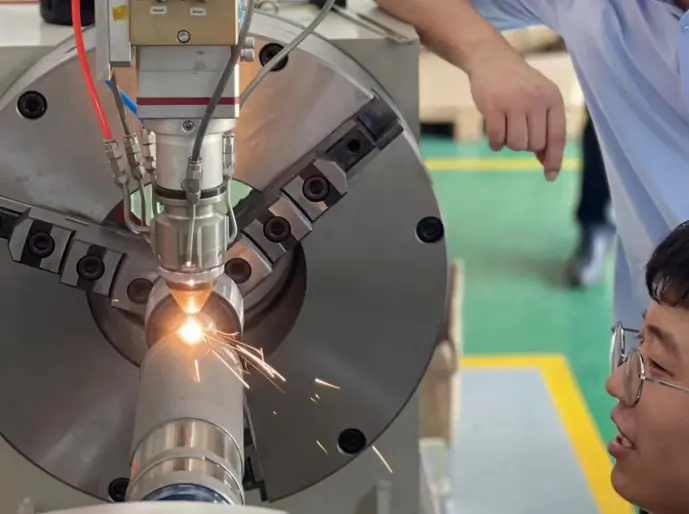
Shanghai Duomu is a dedicated manufacturer of integrated PTA and Laser cladding machines. By implementing Industry 4.0 principles, we maintain control over our entire supply chain, ensuring component traceability and stable software calibration.
For the Ethiopian market, we configure our machines with hardware designed to tolerate local electrical supply characteristics, such as voltage variations. Additionally, our modular setups allow for straightforward component replacement when deployed in regional processing facilities.
Our production systems incorporate automated quality verification, ensuring each machine is calibrated for continuous operation before transport to East African industrial projects.
Send Inquiry NowFacilitating installation, customs clearances, and operation in Ethiopian industrial hubs.
We handle logistical coordination through Djibouti Port and Modjo Dry Port, ensuring customs-ready documentation, including complete packing lists and certificates of origin.
We provide operational training for local engineers and technicians, covering alloy selection, programming path generation, and preventative system maintenance.
Systems shipped to Africa can be equipped with stabilizers and safety relays to protect key laser generators and plasma arcs from power interruptions.
Ensuring compliance with international technical specifications for public tenders and private investments.
Determining surface hardness targets (HRC), required clad thickness, and chemical composition boundaries to optimize system configurations.
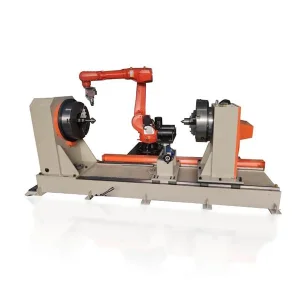
Adapting gantry dimensions, robotic arms, and rotary positioners to handle the specific range of components used in local processing facilities.
Conducting dry and wet tests at our facility prior to shipment, generating report data on cladding thickness consistency and bonding integrity.
Installing systems on-site, establishing optimal processing parameters, and coordinating a reliable supply chain for replacement parts and metal powders.
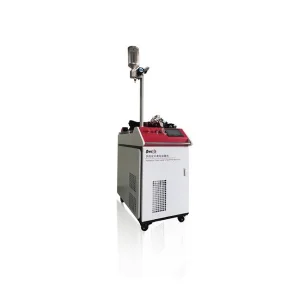
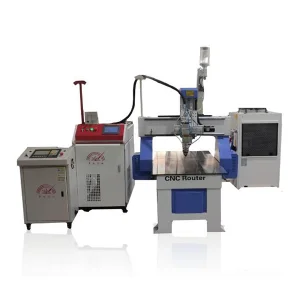
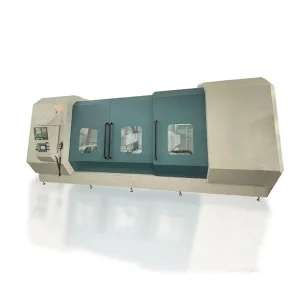
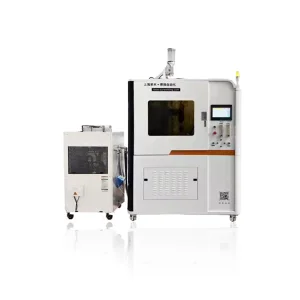
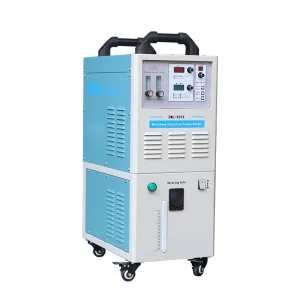
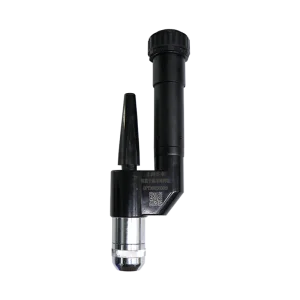
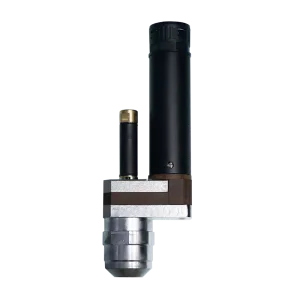
Explore our industrial-grade laser cladding systems, gantry-type positioners, and high-duty plasma surfacing torches.
See how operators and mechanical engineers are upgrading their surface protection solutions.
"The PTA systems have helped stabilize our maintenance cycle. The wear rate on our conveyor screws has decreased, reducing unplanned downtime."
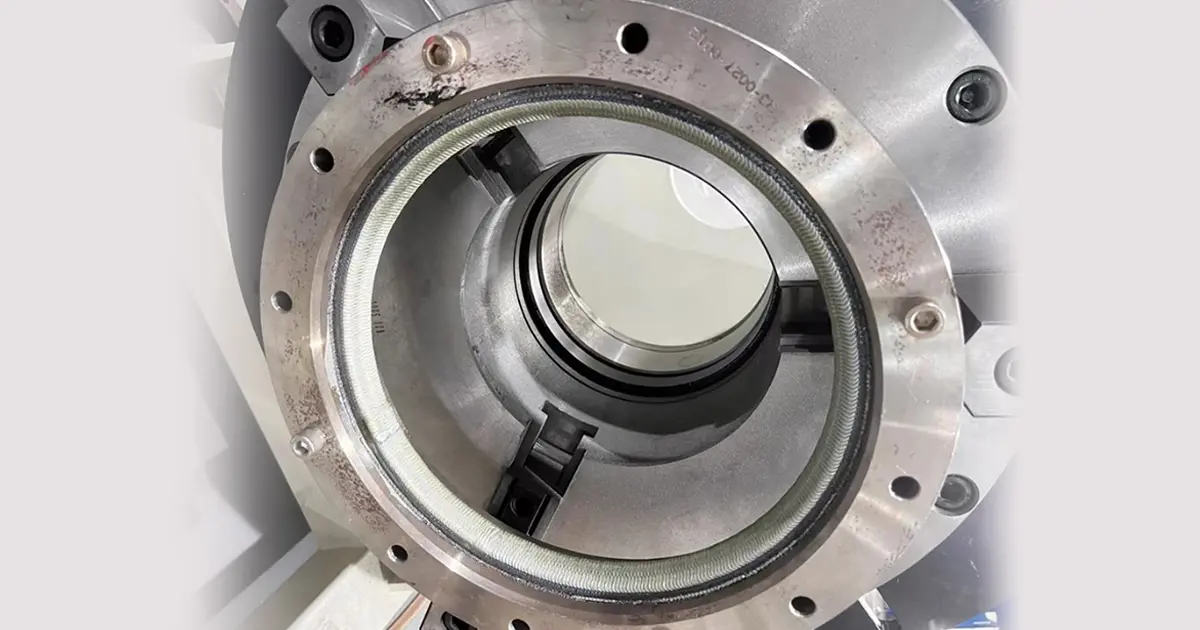
"Implementing robotic laser cladding allowed us to rebuild hydraulic rods on site. The resulting dilution was minimal, retaining the necessary corrosion resistance."
"Technical support helped us select the appropriate powder chemistry for abrasive applications. Dilution control met our specifications."

Critical metallurgical and procurement questions answered by Shanghai Duomu's engineering division.
Laser cladding provides high power density, resulting in rapid cooling rates, low thermal input, and dilution below 5%. This preserves the properties of the wear-resistant powder layer and prevents thermal distortion of the substrate material.
We configure systems with specialized electrical enclosures, voltage stabilization units, and protection circuits to manage potential voltage variations, supporting stable operation in regional facilities.
Nickel-base alloys with chromium carbide or tungsten carbide particles are typically used for environments with heavy wear and erosion, such as cement grinding rollers and crusher assemblies.
We coordinate transport through Djibouti Port to main hubs like Addis Ababa. Technical documentation is provided, and training support is available for installation and initial operational setup.
Contact our application engineers for a custom quote, technical assessment, or details on import support to Ethiopia. We respond within 24 hours.
 Duomu
Duomu