Explore our flagship range of CNC automated machines, robotic cells, and high-energy welding torches engineered for extreme surface durability, repair, and manufacturing.
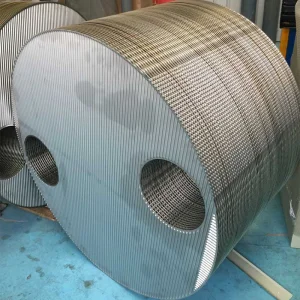
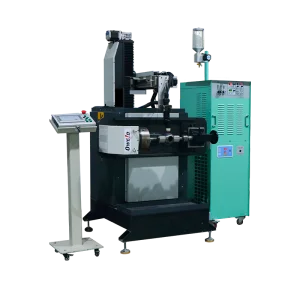
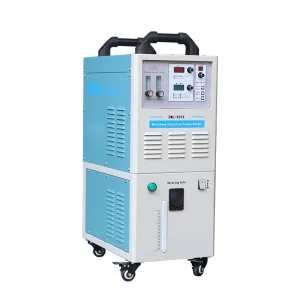
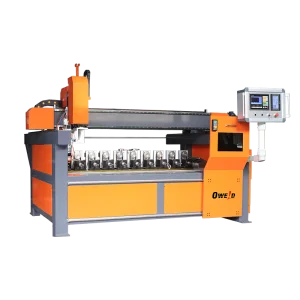
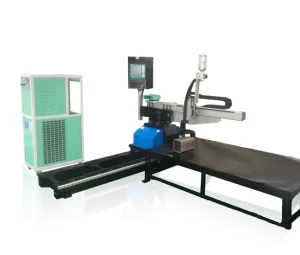
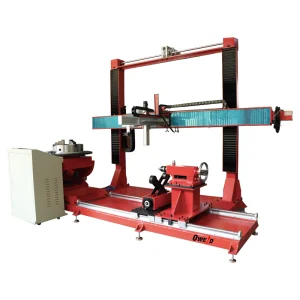
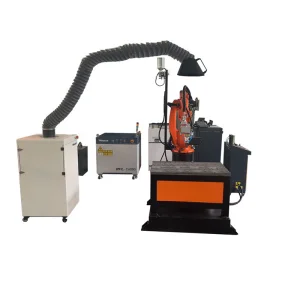
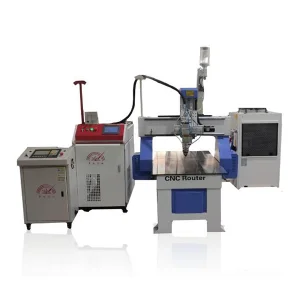
Laser surface hardening, globally referred to under French industrial specifications as Durcissement Laser, represents a state-of-the-art thermal process designed to modify the surface characteristics of iron-based components. Unlike conventional thermal treatment methods such as induction or flame hardening, laser hardening uses a highly concentrated, energy-dense laser beam to rapidly heat the metal surface. The heating rate is exceptionally high, bringing the targeted surface layer above the austenitizing temperature (typically between 900°C and 1400°C depending on the carbon content) in milliseconds.
Once the laser spot moves across the material, the heat within the localized surface layer is instantly conducted into the cold, massive bulk material of the component. This rapid self-quenching effect achieves cooling rates exceeding several thousand degrees per second, yielding a fully martensitic microstructure. The resulting surface layer exhibits superior hardness, massive wear resistance, and high compressive residual stresses, which significantly boost fatigue strength while avoiding the structural distortions typically triggered by oil or water-quenched operations.
Laser beam steering allows heat concentration only where it is strictly required. Complex profiles, narrow internal diameters, and localized high-wear areas receive precise thermal modification without affecting the surrounding bulk properties.
Due to the localized energy delivery and the self-quenching mechanism, structural warping is virtually eliminated. This cuts down post-hardening grinding costs and ensures dimensional stability of precise mechanical parts.
The microstructural change leads to an incredibly fine-grained martensitic structure that stands up to severe sliding wear, abrasive media, and heavy mechanical stress profiles in extreme environments.
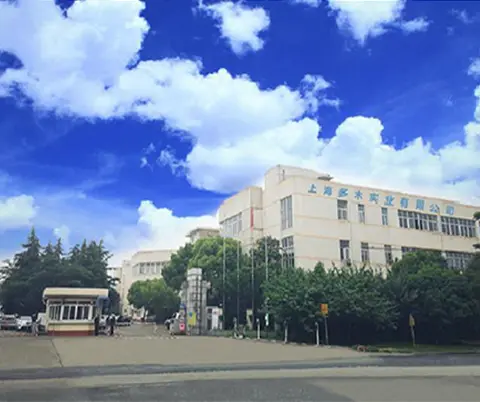
Shanghai Duomu has been a leading manufacturer and exporter of PTA (Plasma Transferred Arc) cladding machine and Laser cladding/hardening systems for more than ten years, backed by a robust technical background. With an independent research and development team, we develop, produce, and sell high-stability systems engineered to sustain continuous heavy-duty industrial workloads.
Our technical department works directly with customers to build tailor-made solutions. Whether it is laser hardening systems, automated plasma cladding units, or intelligent robotic cladding equipment, our systems are optimized for major mechanical component reclamation and wear protection.
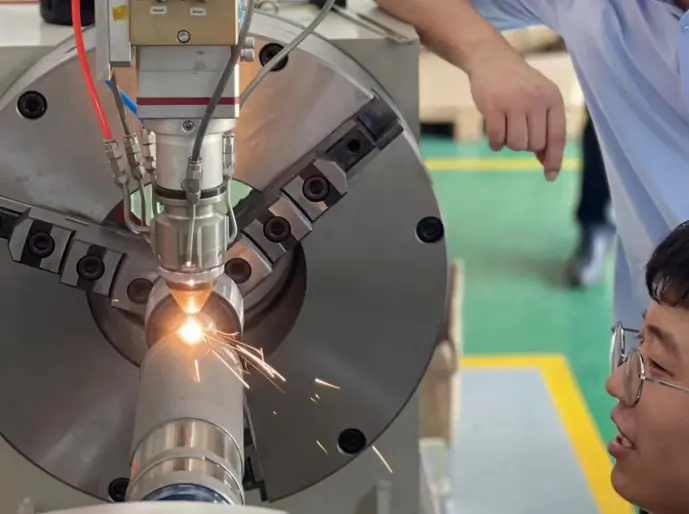
We provide bespoke equipment configurations tailored to customer requirements. Our portfolio covers highly specialized units, including hydraulic rod cladding systems, tool pick cladding setups, industrial valve hardening machinery, and advanced laser hardening robots designed for dynamic tooling lines.
Our machinery stands out in the global market for its ease of integration. The combination of closed-loop thermal sensors, multi-axis heavy-duty gantries, and customized software guarantees stable output and high quality for multi-shift production operations.
Procuring your laser surface treatment equipment from specialized Chinese manufacturers offers major structural benefits that secure a competitive edge in pricing, technology, and lead times.
China's industrial manufacturing hubs house complete ecosystems for fiber lasers, high-precision optics, dynamic cooling units, and heavy-duty multi-axis gantries. This local ecosystem keeps fabrication costs competitive and ensures fast assembly times.
Unlike rigid Western manufacturing frameworks, Chinese production lines are highly agile. We easily adapt software, mechanical designs, and hardware modules to fit your specific factory layout and operational specifications.
Continuous capital investment and partnerships with leading academic research labs allow us to quickly integrate new technological developments, such as high-power diode array configurations and smart control loops, into our products.
Our laser hardening and plasma cladding systems are deployed globally, protecting critical parts against friction, heat, erosion, and high mechanical loads.
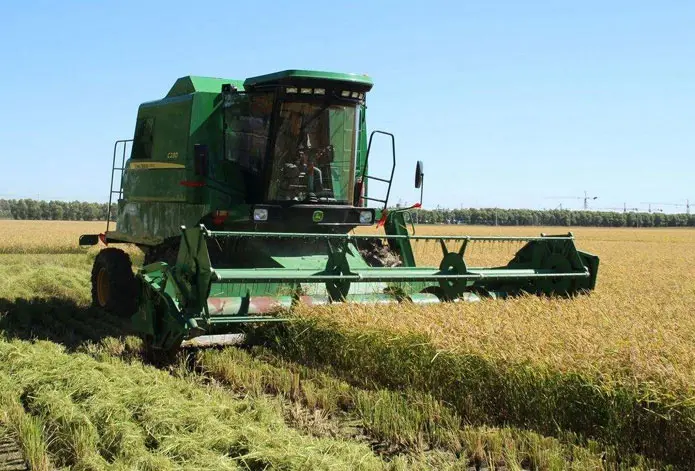
Tillage tools, harvester blades, and components exposed to heavy abrasion from soil particles.

Precision turbine parts, structural landing gear, and specialized aerospace alloys requiring low-distortion hardfacing.
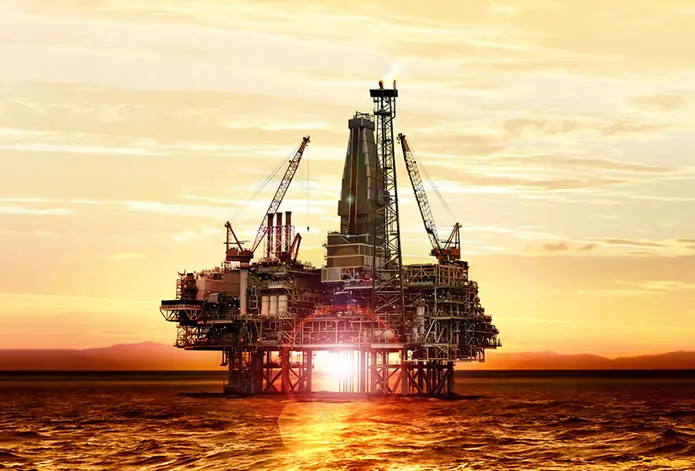
Downhole drilling components, valves, and couplings exposed to extreme chemical corrosion and abrasive drilling muds.
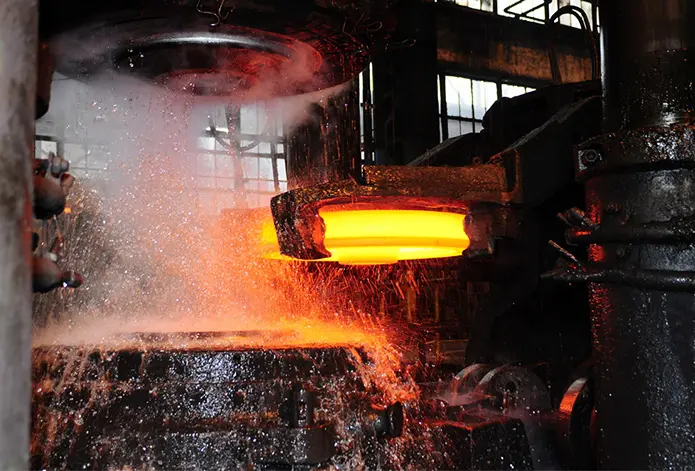
Hot rolling rollers, casting molds, and guide rails that undergo intense cyclic thermal stress and pressure.
Modern laser hardening processes rely on integrated pyrometers and thermal cameras. These sensors constantly monitor the melt pool temperature, adjusting laser output in real-time to avoid overheating, resulting in a uniform surface layer despite variations in heat dissipation.
Our machinery is manufactured to international standards. From CE certification for European markets to specialized safety enclosures and laser containment configurations, we prioritize reliable operations and work safety.
Laser surface treatment is an eco-friendly alternative to gas nitriding, salt bath treatments, and electroplating. It uses no toxic chemicals, generates zero hazardous liquids, and requires minimal energy, making it ideal for modern manufacturing standards.
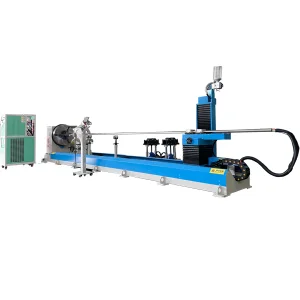
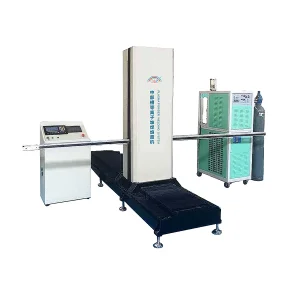
Our custom systems are tailored for highly specific industrial applications, ranging from automated plasma powder surfacing to multi-axis laser hardening robots.
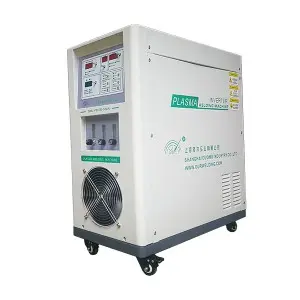
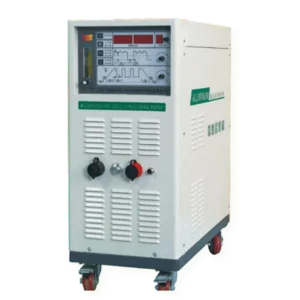
Highly integrated plasma surfacing unit optimized for small to mid-sized parts.
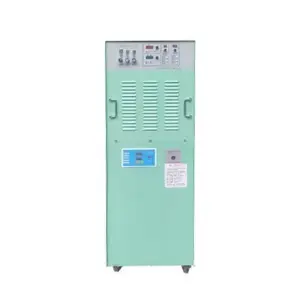
Multi-purpose weld unit that combines several functional hardfacing profiles.
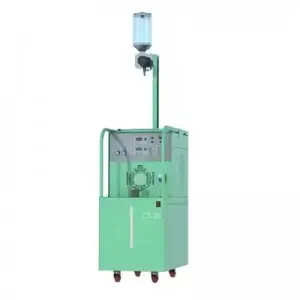
Advanced hardfacing system designed for precise parameter control.
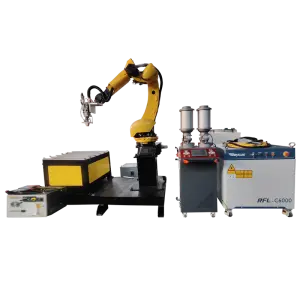
Optimized for aero-engine and power-generation turbine blade refurbishment.
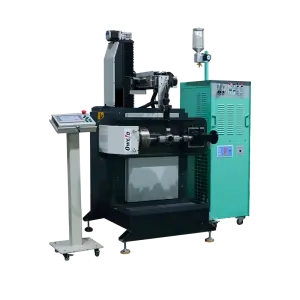
Delivers high-integrity cladding on seal zones and rotating faces.
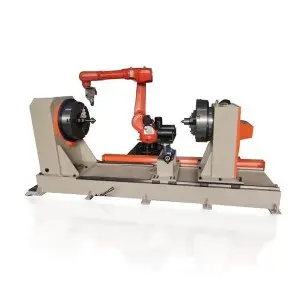
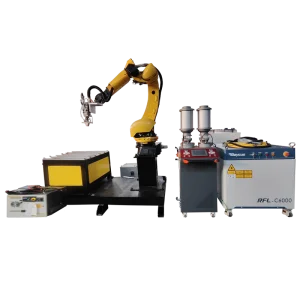
6-axis robotic system with scanning optics for complex geometries.
"The PTA Welding Valve Application Guide is not just a process choice for valve manufacturers facing high wear, high corrosion, and high-temperature erosion working conditions, but also a key path to improving product competitiveness. As industries such as petrochemical, gas, and power systems evolve, using high-reliability cladding technology becomes essential."
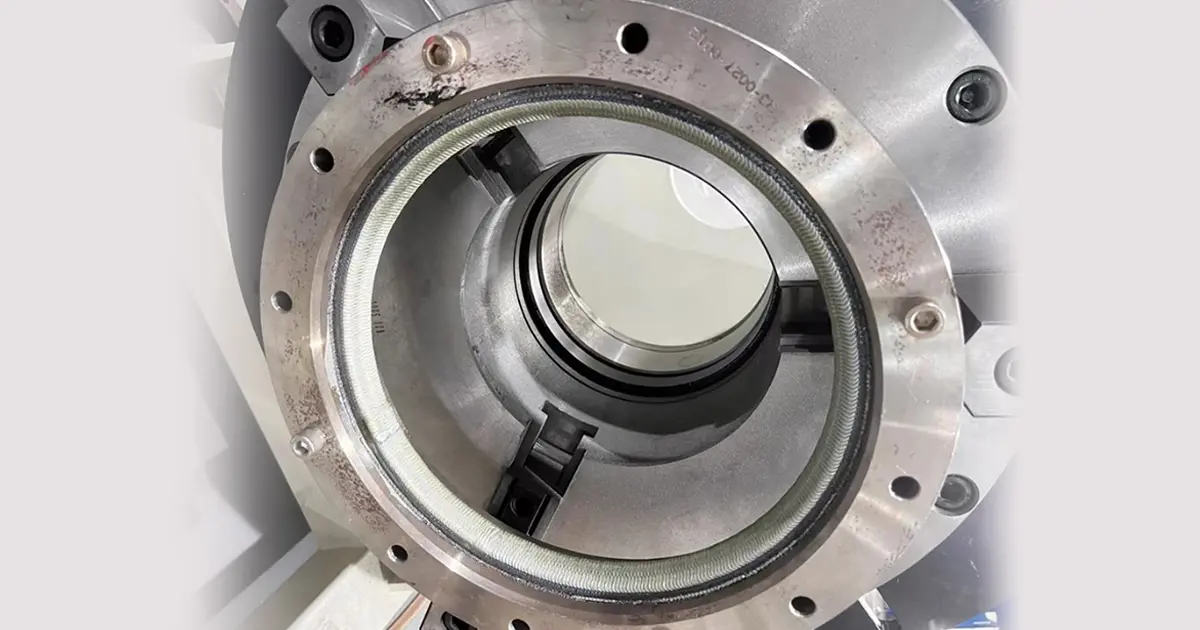
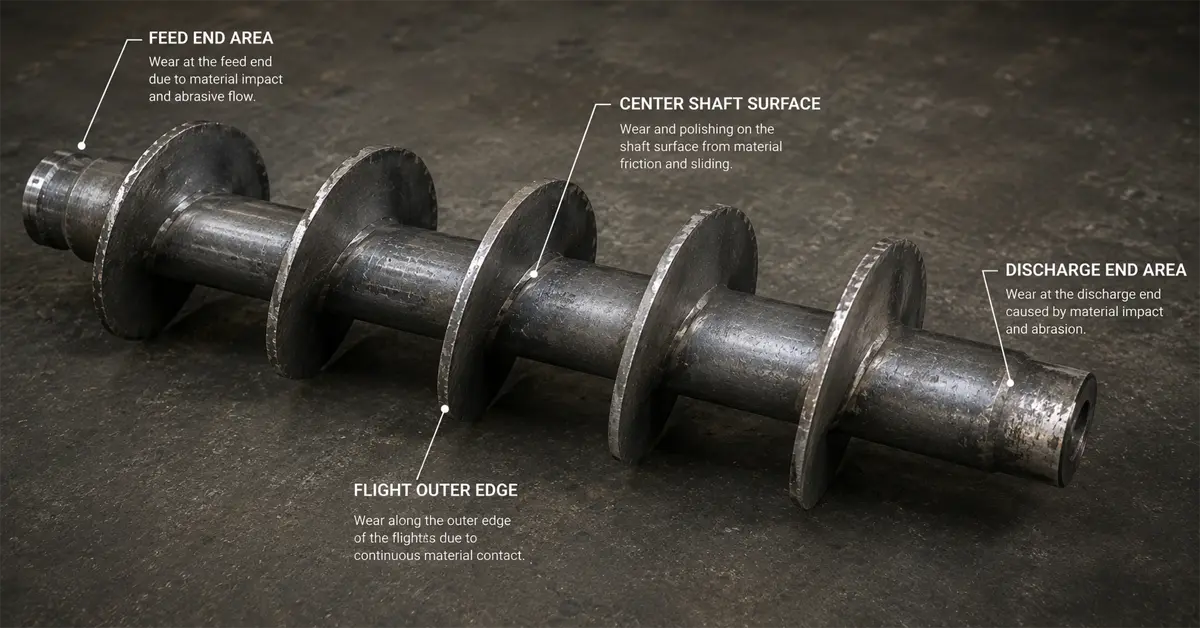
"In industries such as mining, cement, power generation, steelmaking, chemical processing, and biomass energy, screw conveyors are often regarded as auxiliary equipment. However, maintenance data shows that they are among the most frequent causes of unplanned production delays. Implementing laser hardening dramatically cuts down wear cycles."
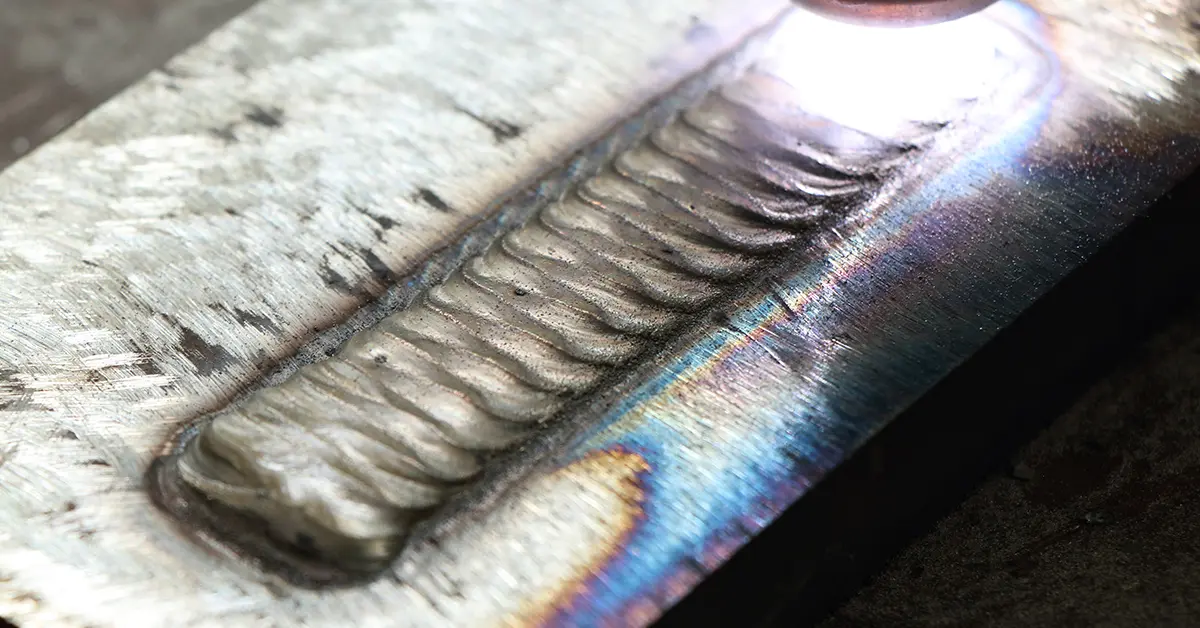
"In Plasma Transferred Arc (PTA) hardfacing, achieving a high-quality overlay is not only about selecting the right alloy powder or optimizing welding parameters. One of the most critical factors that directly affects overlay performance is the dilution rate. Minimizing dilution while preserving high deposition rates is key to coating performance."
Here are direct, technical answers to common questions about using laser surface treatment and cladding systems.
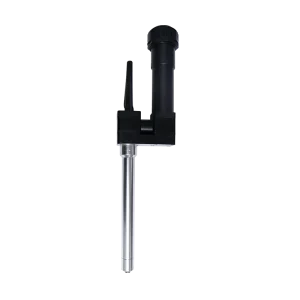
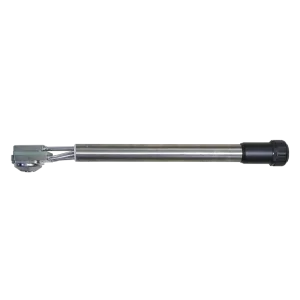
From specialized deep-bore welding torches to double-cone injection molding setups, we offer highly engineered hardware options.
Whether you need a system for small parts repair or a fully automated robotic laser hardening line, our engineering team is here to assist. Contact us today, and we will get back to you within 24 hours.







 Duomu
Duomu