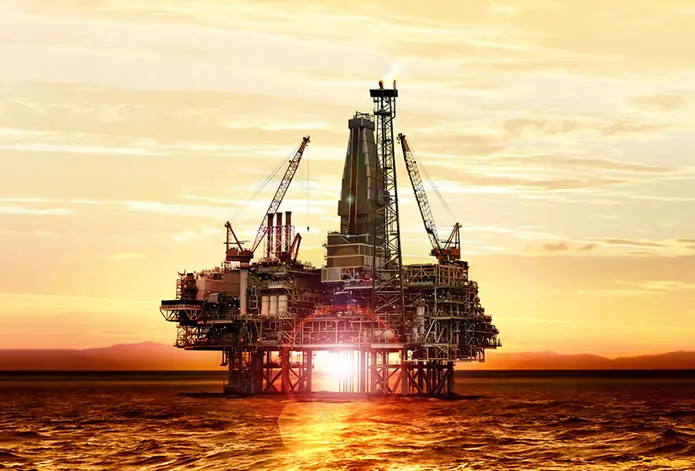
Explore our industrial-grade automated laser cladding configurations, numerical control welding decks, and precision plasma transfer arc systems engineered to optimize wear resistance.
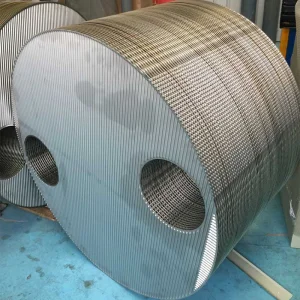
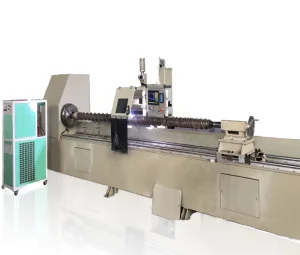
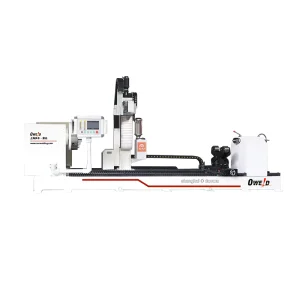
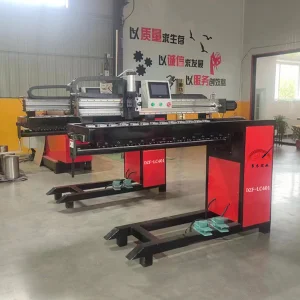
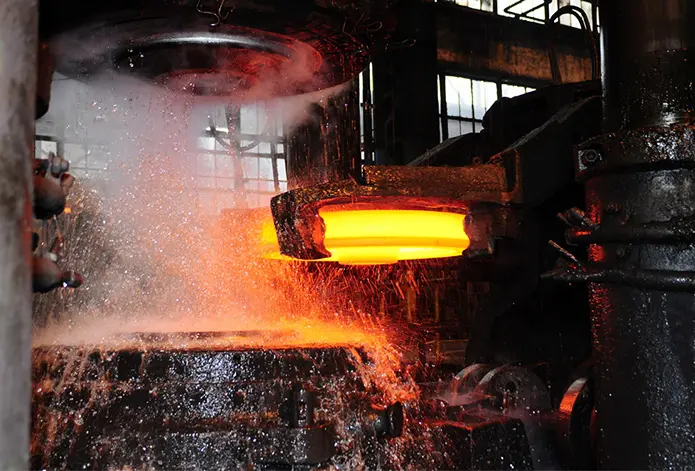
Modern high-reliability sectors, ranging from mining operations in Australia to chemical processing corridors in Germany, suffer massive capital depreciation due to machinery component failures. Heavy equipment operating in abrasive environments requires surface engineering solutions that offer absolute metallurgical bonding, minimal thermal distortion, and prolonged runtime life cycles.
As a result, modern enterprises are standardizing procurement frameworks to mandate Laser Cladding and Plasma Transferred Arc (PTA) systems for high-value components. These technologies allow for localized application of specialized carbide alloys, nickel-based superalloys, and Stellite hardfacings directly onto low-cost steel bases, optimizing both cost and structural longevity.
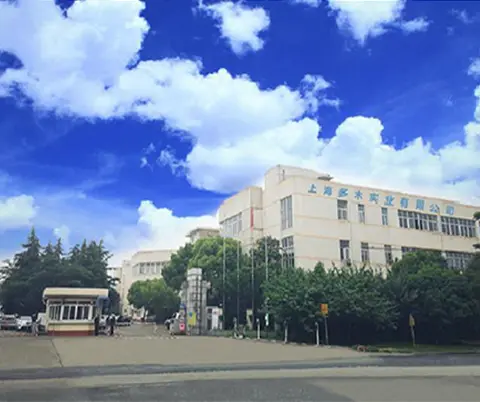
Shanghai Duomu has been a leading manufacturer and exporter of PTA cladding machines and Laser cladding machines for more than ten years, supported by a strong technical background. Our dedication to design excellence has earned us recognition across global supply chains.
By controlling the entire process from fundamental research in arc physics and laser-optics coupling to the structural assembly of multi-axis CNC gantries, Shanghai Duomu ensures every system meets rigorous manufacturing standards.
Read Corporate ProfileI have an independent R&D team, which develops, produces and sells plasma cladding machine equipment. The welding machine has stable performance and can maintain efficient long-term operation. In addition, the laser cladding equipment sold by the company can effectively support large-scale remanufacturing projects. We have mature technological means to provide complete sets of industrial equipment solutions.
Our research programs focus on solving dilution control issues and improving powder flow kinetics. By leveraging numerical simulations of thermal field distribution, our engineers optimize cladding parameters for substrates without inducing cracking or distortion.
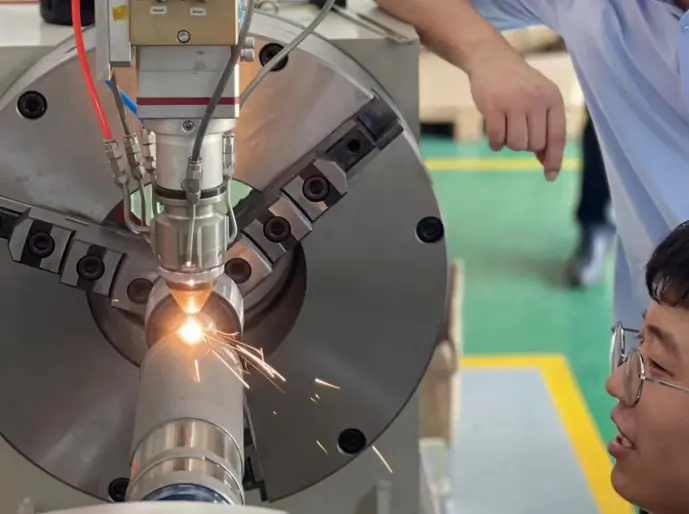
We provide customized systems, automatic laser cladding equipment, automatic plasma cladding equipment, and intelligent robot cladding setups tailored to specific industrial requirements, such as hydraulic rod, pick, and valve cladding systems.
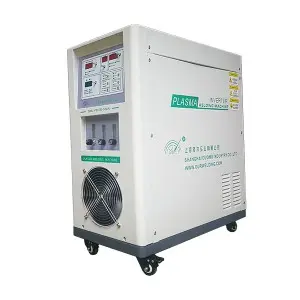
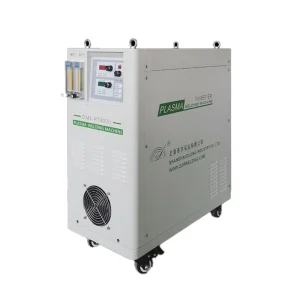
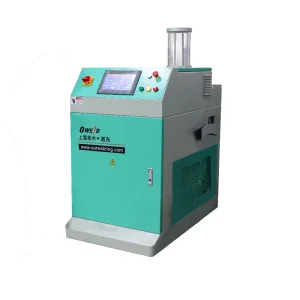
Optimized for fine deposit thickness control and minimal heat cycles in small-to-medium component hardfacing.
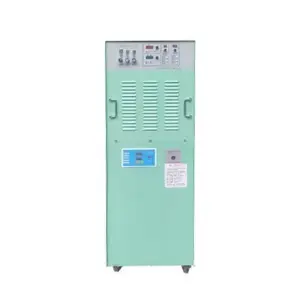
Combines plasma powder cladding with automated post-heat operations in a single structural frame.
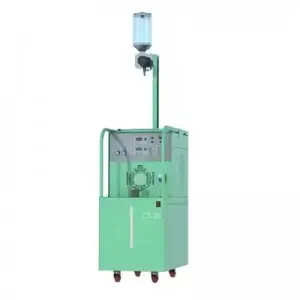
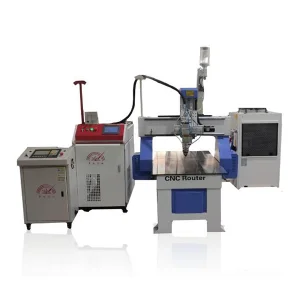
Features adaptive height tracking to manage changing workpiece profiles during long-cycle deposition.
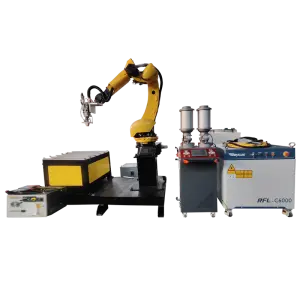
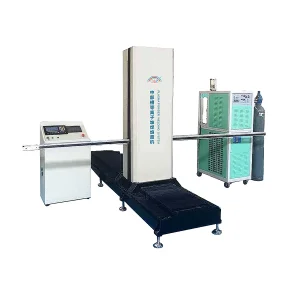
Specifically designed for aircraft gas turbines and steam turbine blades, maintaining tight geometric tolerances.
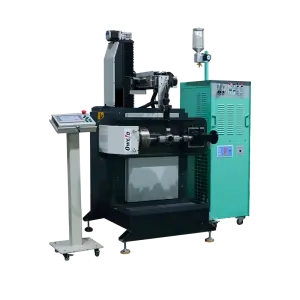
Dual-axis rotating system configured for uniform spherical hardfacing on high-pressure ball valves.
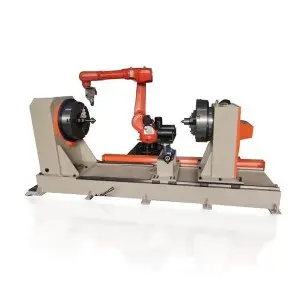
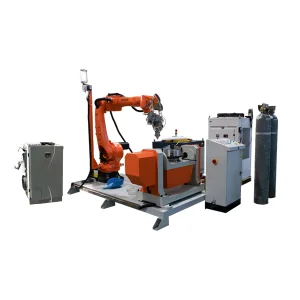
6-axis robotic arm integrated with high-power diode laser optics for localized surface phase transformations.
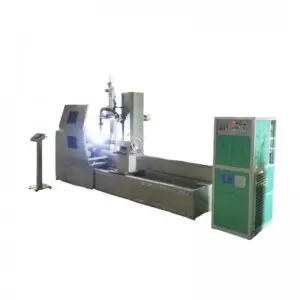
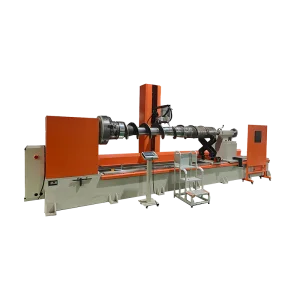
Heavy-duty lathe bed system built for high-throughput coating of long hydraulic cylinder rods.
The transition from standard laser cladding to high-speed metallurgical deposition is defining the next generation of industrial surface engineering.
By melting the metal powder particles in the path of the laser beam before they reach the substrate, EHLA achieves coating speeds up to 100 times faster than conventional methods, resulting in very thin layers with minimal thermal input.
Integrating optical melt-pool monitoring systems and pyrometers allows for real-time adjustment of laser power, travel speed, and powder feed rates, helping prevent defects like porosity and microcracks.
Graded composition structures allow transitions from standard structural steels to heat-resistant nickel alloys over several layers. This offers localized material properties without abrupt interface stresses.
Deploying heavy industrial hardware requires compliance with local safety regulations and quality management standards. Shanghai Duomu designs and qualifies all laser and plasma cladding machinery under international frameworks, ensuring seamless integration into global facilities.
Our localized support network offers remote diagnostic capabilities and spare parts dispatch, reducing unplanned downtime in regional production centers.
Discover how optimizing cladding parameters, managing dilution rates, and applying PTA systems helps solve wear challenges across heavy industries.
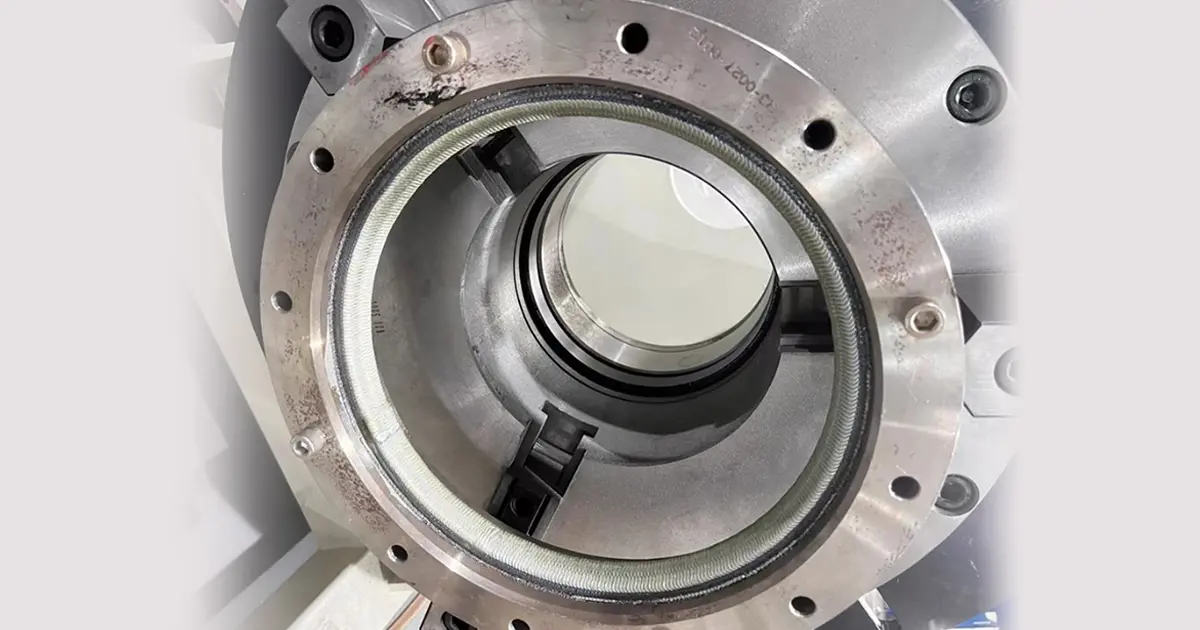
The PTA Welding Valve Application Guide is not just a process choice for valve manufacturers facing high wear, high corrosion, and high-temperature erosion working conditions, but also a key path to improving product competitiveness. As industries such as petrochemical, power generation, and mining demand higher performance, hardfacing valve seats with cobalt or nickel alloys ensures durable sealing faces.
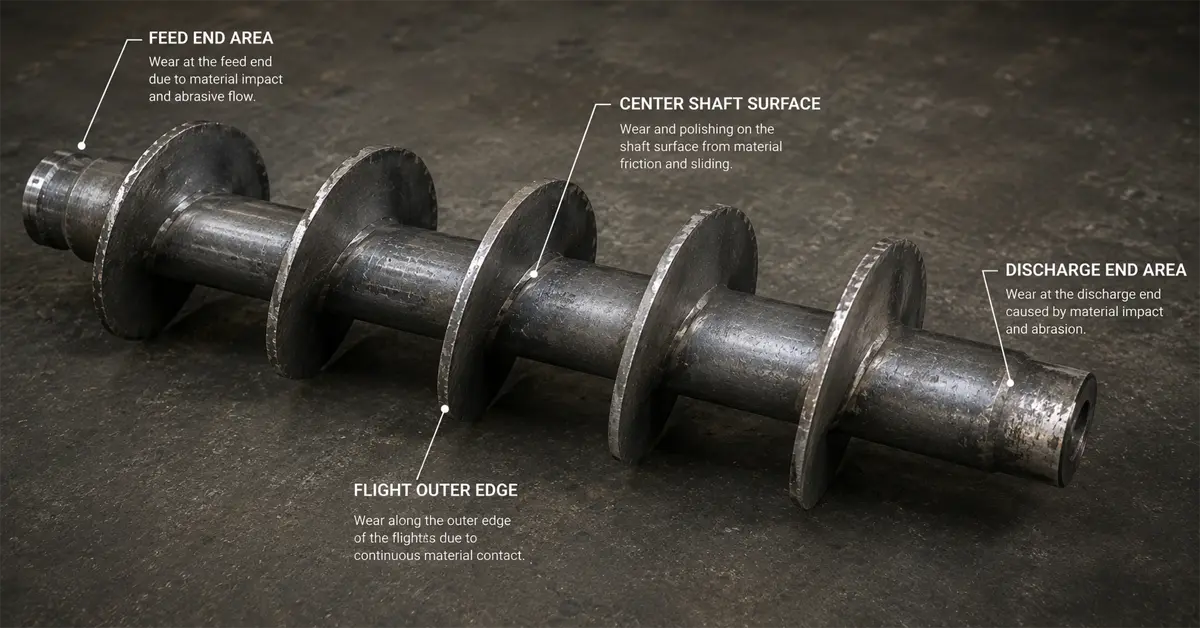
In industries such as mining, cement, power generation, steelmaking, chemical processing, and biomass energy, screw conveyors are often regarded as auxiliary equipment. However, maintenance data shows that they are among the most frequent causes of unplanned production delays. Standardizing automatic screw cladding equipment reduces wear along flights and shafts, ensuring reliable material flow.
In Plasma Transferred Arc (PTA) hardfacing, achieving a high-quality overlay is not only about selecting the right alloy powder or optimizing welding parameters. One of the most critical factors that directly affects overlay performance is the dilution rate. Minimizing dilution preserves the alloying elements of the cladding material, preventing degradation of properties like wear and corrosion resistance.
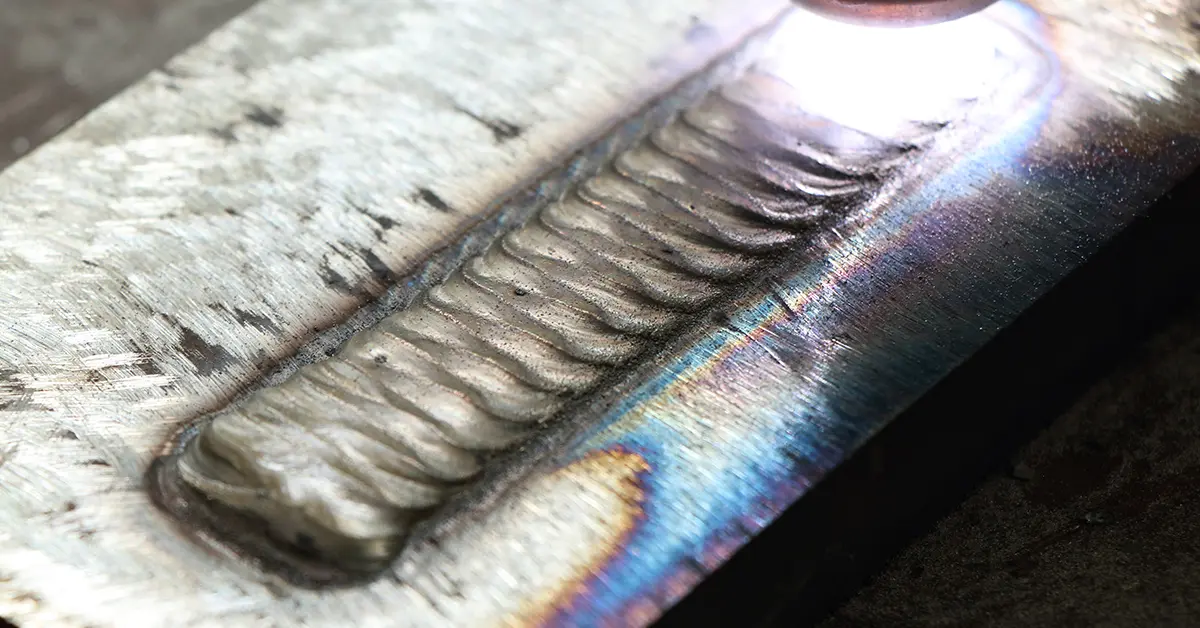
In industries such as Oil & Gas, Mining, Power Generation, Cement, and Heavy Equipment Manufacturing, hardfacing is no longer just a repair process. It has become a critical technology directly related to equipment lifespan, downtime costs, maintenance frequency, and production planning. High-power laser cladding provides a cost-effective alternative to chrome plating, offering reliable wear resistance.
In industries such as oil & gas, petrochemical, power generation, mining, and marine engineering, industrial valves are constantly exposed to severe operating conditions including: High pressure, extreme temperatures, corrosive media, and abrasive wear. Automated PTA and Laser Cladding systems provide reliable protective coatings for sealing surfaces and control components.
Detailed technical answers addressing common inquiries from engineering teams, sourcing managers, and metallurgists.
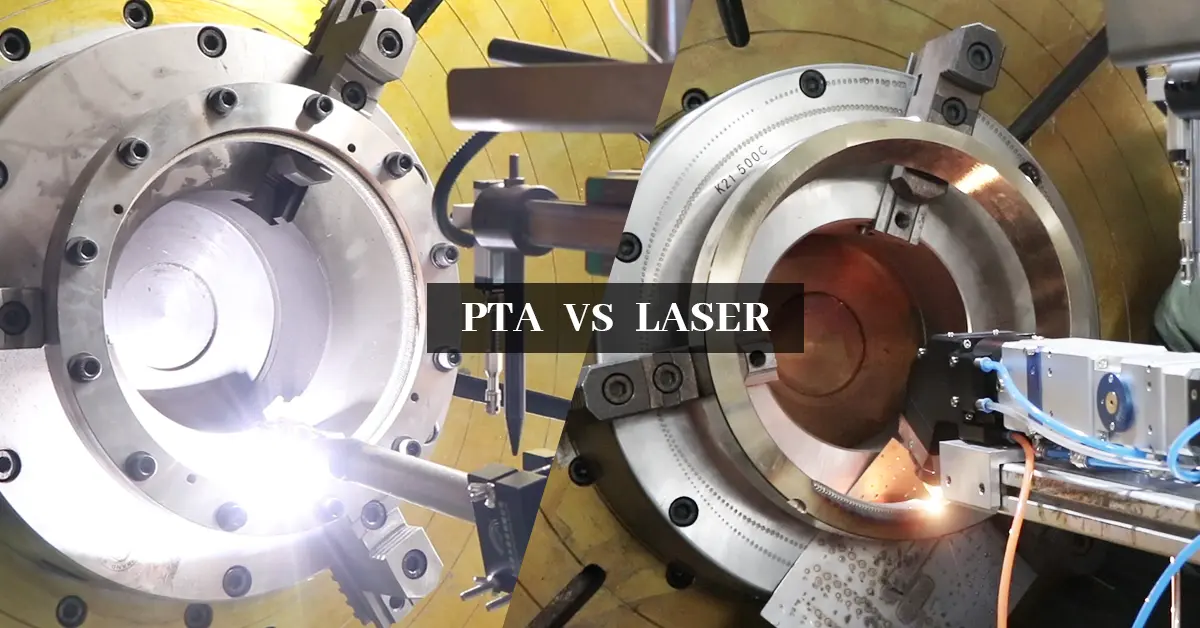
Laser cladding generally achieves a lower dilution rate (typically 2% to 5%) compared to standard PTA processes (which range from 5% to 15%). The highly focused laser spot concentrates energy on the component surface, minimizing substrate melting. This preserves the properties of the cladding alloy (such as tungsten carbides or cobalt-base alloys) in the first layer, whereas PTA may require multiple layers to achieve maximum hardness.
Powder feeding allows for precise control of material deposition rates and supports the use of custom alloy blends, including metal matrix composites (MMCs) like tungsten carbide in a nickel matrix. It supports multi-directional cladding paths, whereas wire feeding can be directional and often requires more energy to melt, which can increase the heat-affected zone.
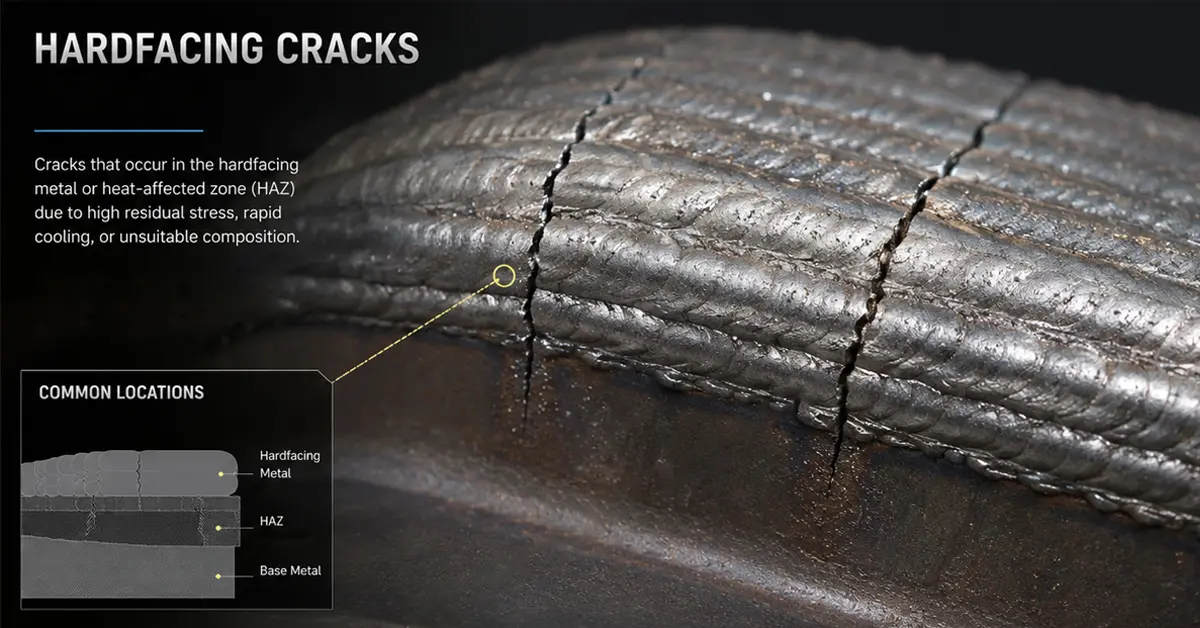
Cracking is mitigated through proper substrate preparation, controlled preheating, and post-cladding thermal cycles. Utilizing a buffer layer with high ductility (such as nickel-iron or austenitic alloys) helps absorb thermal stresses before applying the harder, more brittle wear-resistant layer.
Bead geometry is primarily controlled by laser power density (or arc current in PTA), beam scanning velocity, powder feed rate, and spot size. Balancing these parameters is key to achieving a stable melt pool, uniform coverage, and a smooth profile that reduces post-machining requirements.
Yes, our cladding heads, powder feeders, and power systems are designed for integration with standard industrial robot controllers (such as KUKA, ABB, Fanuc, or Yaskawa). We provide integration packages including path-planning software and safety systems.







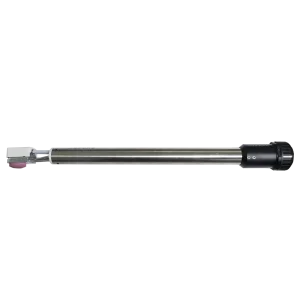
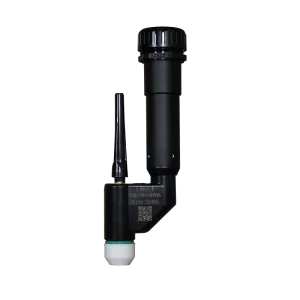
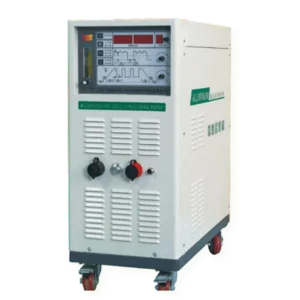
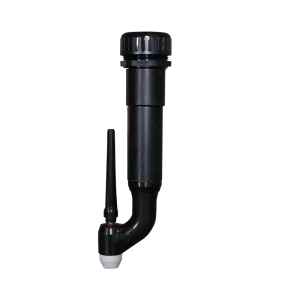
Explore our high-performance plasma torches, portable hand-held laser systems, and specialized welding units engineered for maintenance and remanufacturing applications.
 Duomu
Duomu