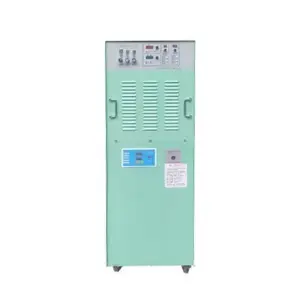
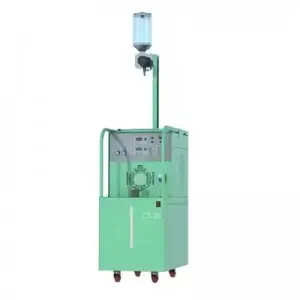
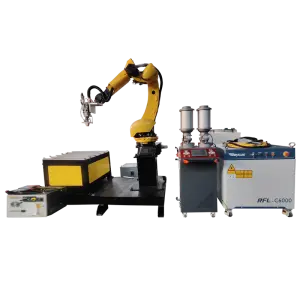
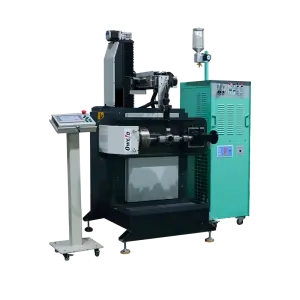
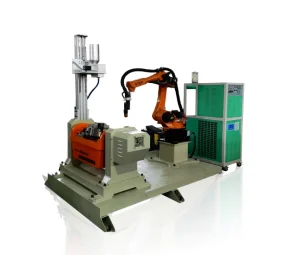
High-performance surfacing machines, automated welding platforms, and specialized torches engineered for extreme heavy-industry environments.
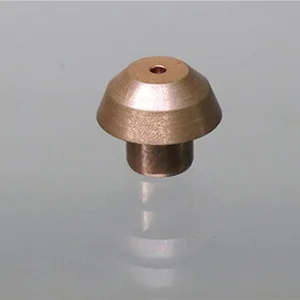
In the modern industrial arena, equipment longevity is directly proportional to profitability. Components operating under harsh downhole, aerospace, and petrochemical settings face critical failures due to severe mechanical attrition, cavitation, and corrosive chemical attack. Traditional surface-hardening treatments like thermal spraying or standard arc welding fail to meet high-performance thresholds, often resulting in delamination or excessive base-metal dilution.
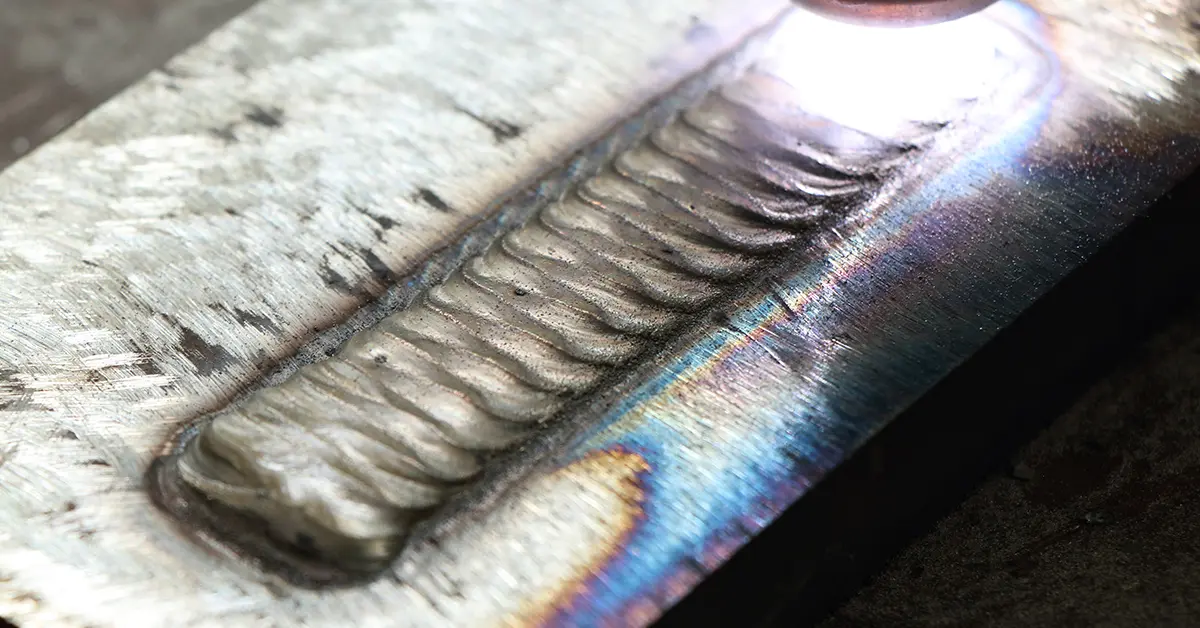
Shanghai Duomu stands at the forefront of this industrial revolution. For over a decade, we have engineered and exported high-end Plasma Transferred Arc (PTA) cladding and Laser cladding machines. Leveraging proprietary technological breakthroughs, our solutions guarantee metallurgical bonds with minimal dilution rates, preserving the chemical integrity of the hardfacing alloy while achieving hardness profiles exceeding 60 HRC. By introducing a concentrated energy source, our machines facilitate precise deposit control, resulting in an exceptionally narrow heat-affected zone (HAZ) and minimal structural distortion.
PTA achieves a dilution rate under 5%—down to 2% with Laser systems—preventing the degradation of protective properties in the overlay alloy.
Unlike mechanical adhesion, our thermal cladding establishes a robust atomic bond, preventing spalling even under extreme impact forces.
Advanced CNC controls and high positioning accuracy limit post-process machining costs by depositing uniform, near-net-shape beads.
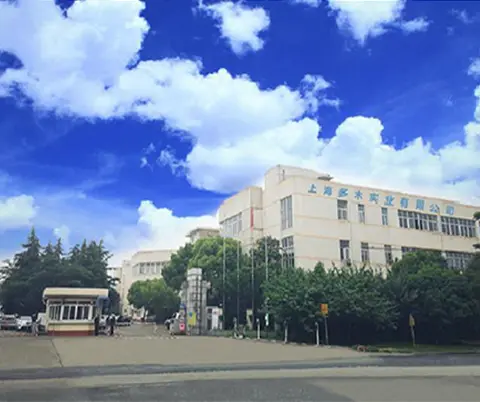
In global industrial infrastructure, wear and corrosion are multi-billion-dollar liabilities. From offshore drilling platforms in the North Sea to open-pit coal mines in Australia, critical equipment components must resist combined destructive mechanisms. Hardfacing and surface cladding processes are no longer considered merely corrective maintenance; they are key preemptive design strategies deployed during initial equipment manufacturing.
Drill bit cladding, specifically for tri-cone, PDC, and exploratory diamond bits, represents a core application. The cutting heads, gauge zones, and matrix bodies of these bits encounter severe geological abrasion and intense thermal stress downhole. By utilizing Shanghai Duomu’s advanced PTA powder surfacing machines and high-speed laser cladding robots, manufacturers can systematically deposit superalloy coatings (e.g., cobalt-based Stellite or tungsten carbide matrices) onto carbon steel or nickel-alloy base materials. This targeted reinforcement improves drill longevity by up to 300%, maximizing rate of penetration (ROP) and minimizing the frequency of high-cost trip-outs.
The global heavy machinery sector relies on standardized surface engineering solutions. Operational components must meet rigid international standards like ASME Section IX, ISO 15614-7 for overlay welding, API Spec 7-1 for rotary drill stem elements, and AWS D14.3 for earthmoving equipment. Without these certifications, custom cladding machinery cannot be integrated into major commercial production lines.
We build our automated laser cladding equipment and intelligent robotic systems with universal safety interlocks, CE/UL compliant power supplies, and localized language HMIs. Our machinery features closed-loop thermal cameras and real-time feed sensors, enabling operators in Germany, North America, or Southeast Asia to verify compliance logs. This data tracking meets international quality management guidelines and simplifies verification by third-party inspectors like TÜV or SGS.
Shanghai Duomu's products have penetrated into many critical sectors, supplying tailored surface engineered solutions worldwide.

Hardfacing shear blades, plowshares, and soil tillage tools against severe soil abrasion and impact, doubling operational intervals.

Precision micro-cladding and repair of turbine blades, compressor discs, and defense components utilizing advanced Laser cladding systems.
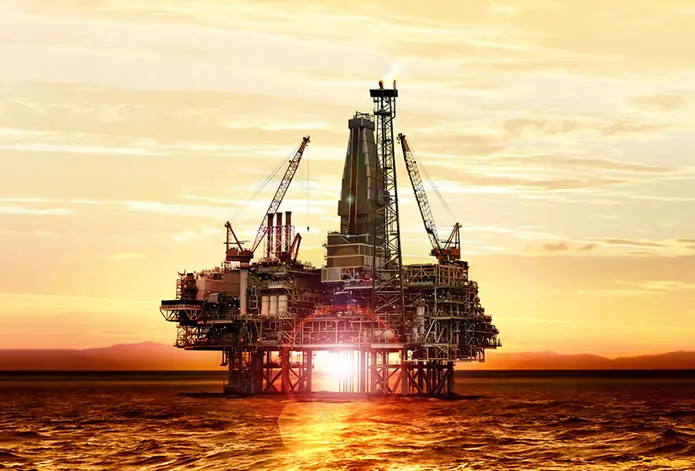
Protecting drill bit assemblies, stabilizing collars, and downhole mud motors against aggressive sand slurry erosion and high-pressure wear.
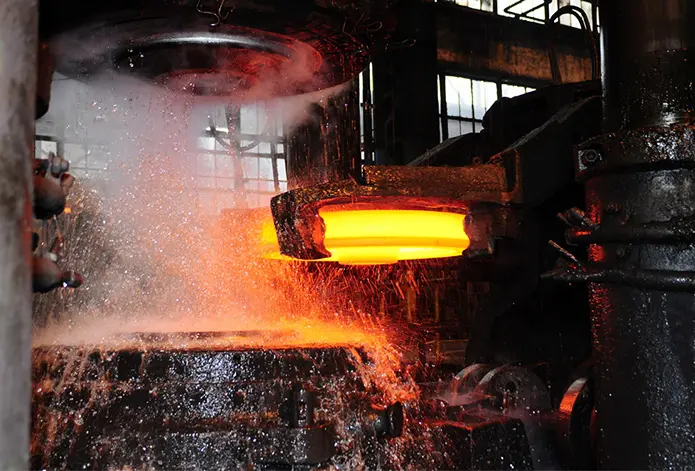
Restoring guide rollers, continuous casting rolls, and high-temperature extrusion dies exposed to severe thermal fatigue and scale abrasion.
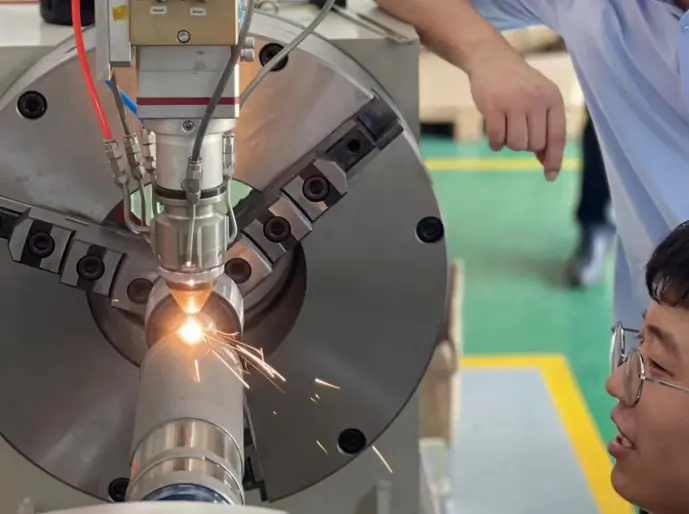
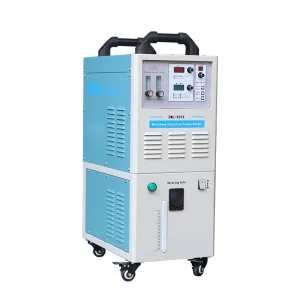
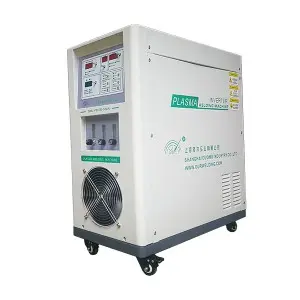
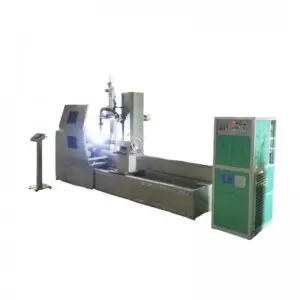
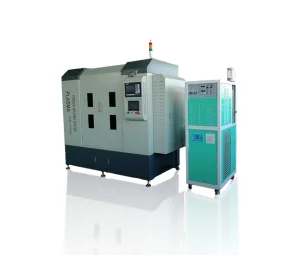
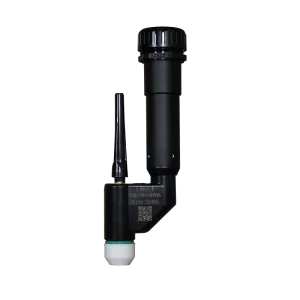
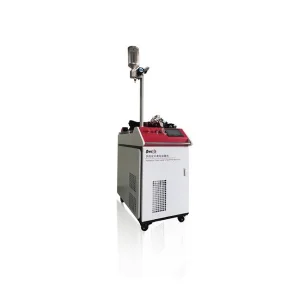
Our dedicated technical department operates an independent R&D division focused on developing, manufacturing, and supporting advanced plasma cladding systems. The resulting welding equipment is built for the stable, long-term operation required by heavy industrial plants. Additionally, our high-power laser cladding machinery supports large-scale industrial remanufacturing projects with reliable, repeatable parameters.
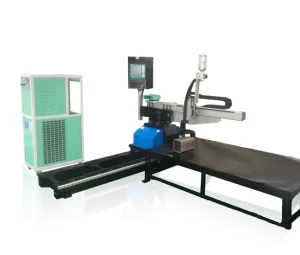
Our R&D focuses on developing specialized machinery tailored to specific geometries. We supply integrated automation options, including hydraulic rod cladding machines, valve hardfacing equipment, and intelligent robot cladding systems. Our technology accommodates diverse alloys—ranging from nickel-based matrices filled with spherical tungsten carbide (sWC) to cobalt-chromium-tungsten alloys—helping customers select the optimal metallurgical solution for their application.
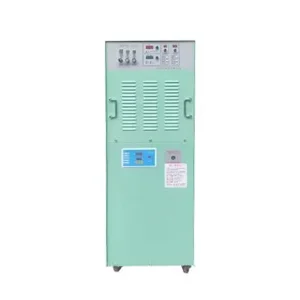
Equipped with high-efficiency power modules for stable plasma arcs and consistent laser emission under continuous 24/7 cycles.
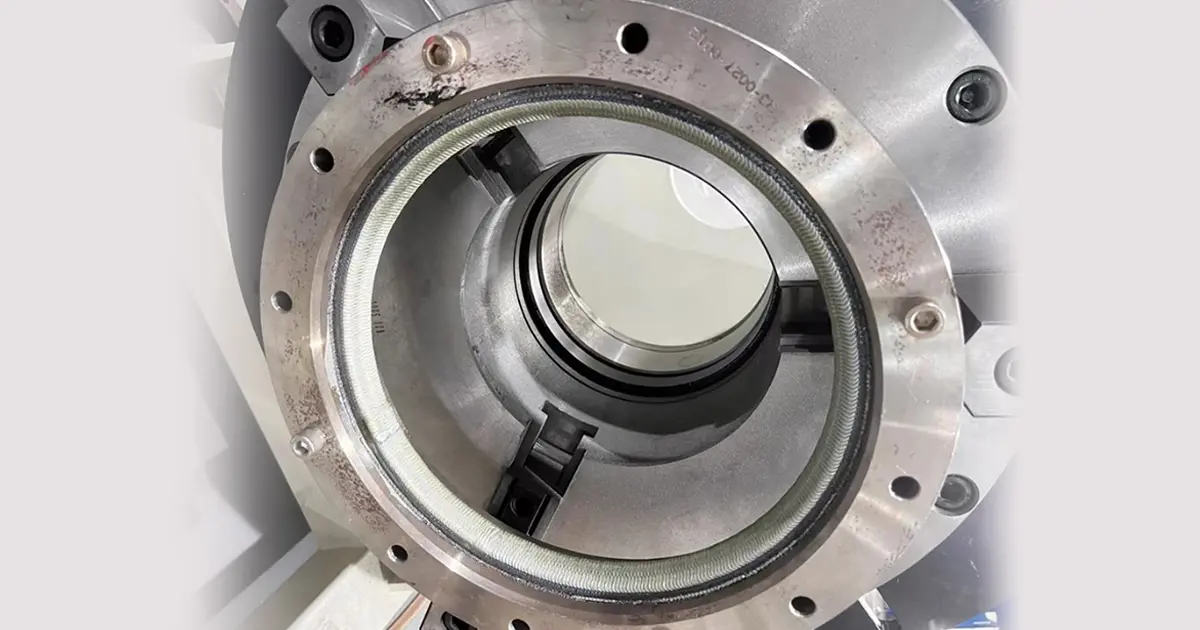
Capable of integrating with 6-axis articulated robotic arms, linear gantries, and internal bore cladding torches for complex interior geometries.
Explore our specialized, high-performance machines engineered to apply wear-resistant layers to valves, shafts, hydraulic rods, and blades.
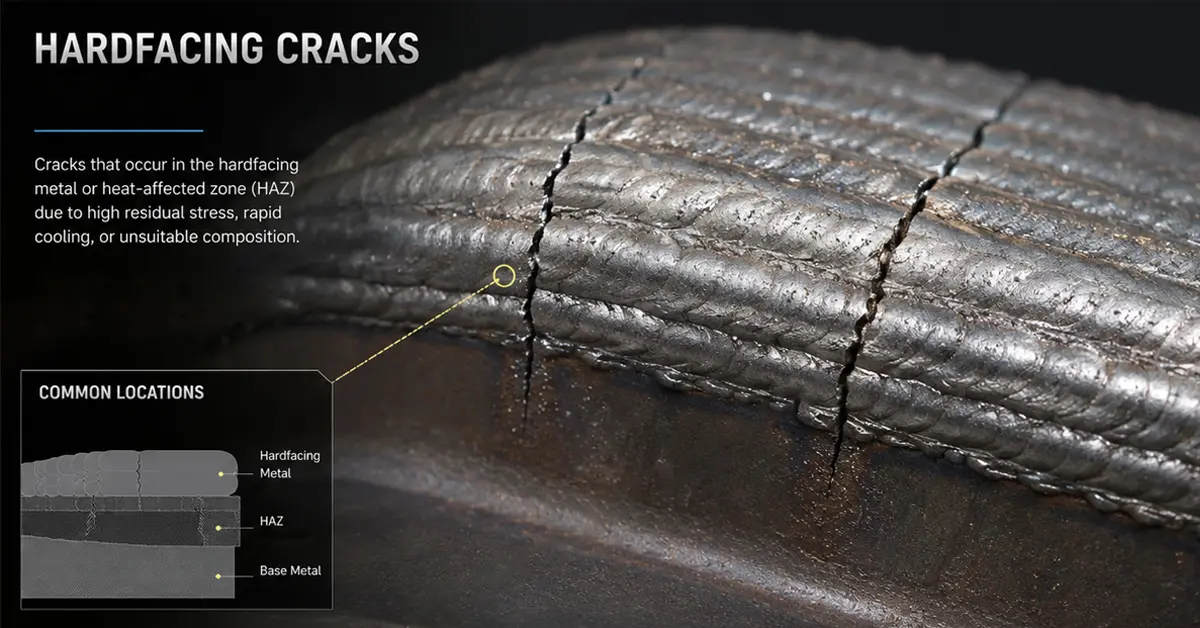
The industrial cladding landscape is transitioning toward intelligent automation. Traditional manual and semi-automatic surfacing methods can result in human error, such as non-uniform thickness, heat pooling, and localized gas porosity. Shanghai Duomu is addressing these issues by integrating multi-axis robotics with real-time feedback loops.
Our developmental roadmap focuses on three technological pillars:
Read how our PTA and Laser cladding systems solve real-world wear, corrosion, and lifecycle problems on industrial production lines.
Get authoritative answers to the most common questions about selecting and optimizing PTA and Laser cladding systems.
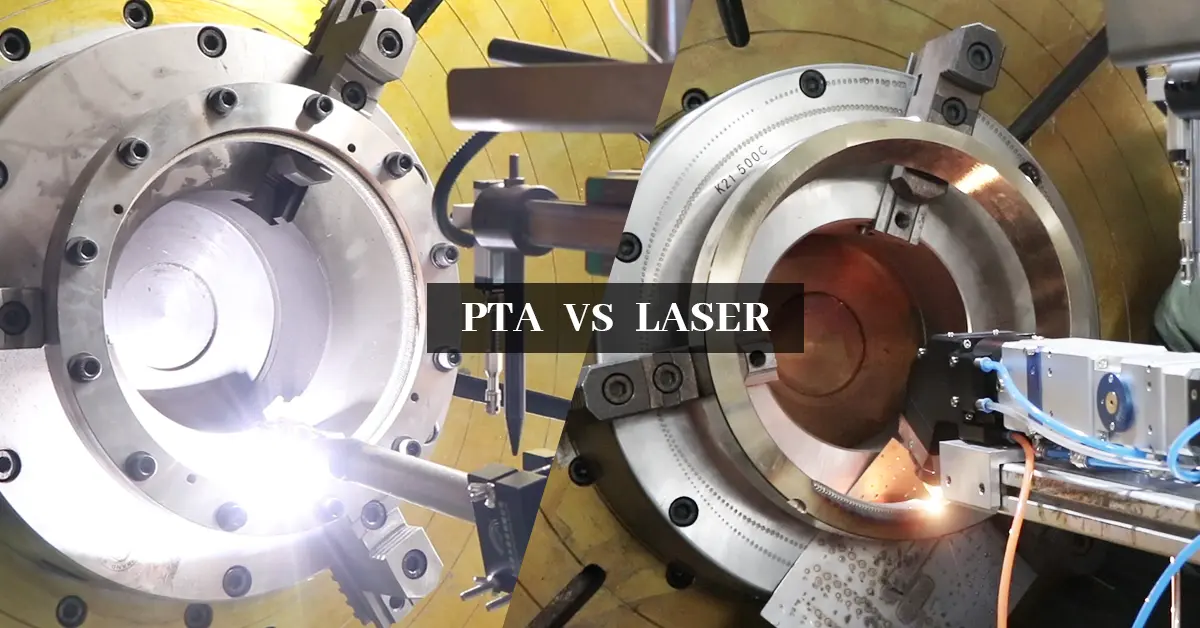
Laser cladding generally yields a dilution rate of 1% to 3%, utilizing a highly focused, low-heat energy source that limits substrate melting. PTA (Plasma Transferred Arc) cladding exhibits a dilution rate of 3% to 8%. The choice between them depends on structural requirements; laser cladding is preferred for precision coatings and thin-walled parts, whereas PTA provides higher deposition rates and cost efficiency for thicker structural deposits.
Downhole drill bits face severe abrasive wear from geological formations and erosive wear from drilling fluid flow. Applying a cladding layer of cobalt-based alloys or nickel-tungsten carbide matrices to the bit's cutters and gauge sections forms a protective barrier. This surface treatment shields the underlying steel, slowing tool degradation and extending operational lifetime.
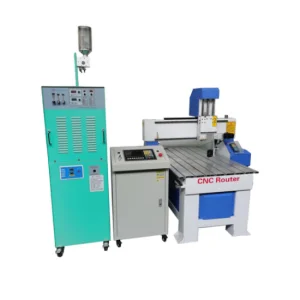
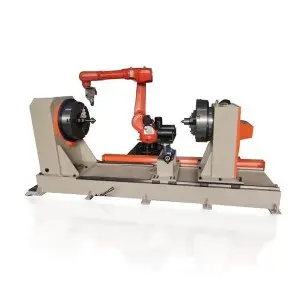
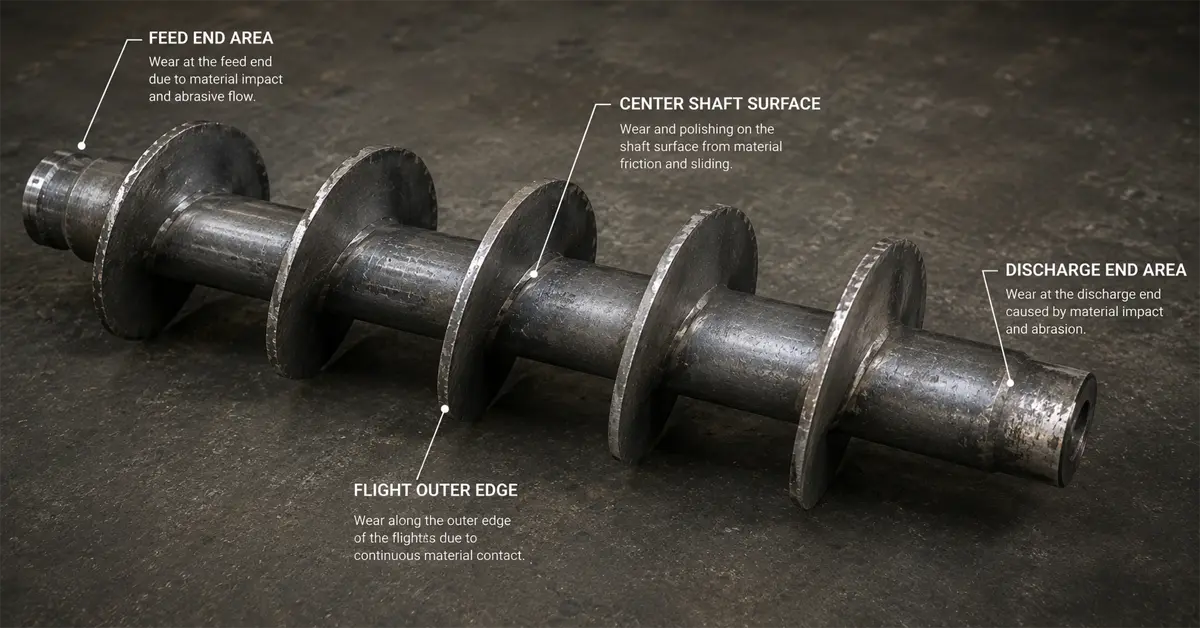
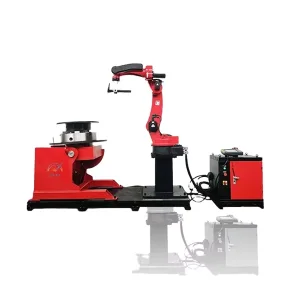
Yes, our systems support customizable integration. By combining multi-axis CNC gantries, rotary positioners, and 6-axis robotic arms (like our DH1440-B06 surfacing robots), our machines can trace complex shapes. This includes helical screw conveyors, internal pipe bores, valve seats, and contoured industrial blades, ensuring consistent deposit thickness across the part.
For applications with combined impact and corrosion, nickel-chromium-boron-silicon (NiCrBSi) self-fluxing alloys or cobalt-based superalloys (such as Stellite) are recommended. When high wear resistance is the primary requirement, nickel-based powders containing spherical or cast tungsten carbide (WC) particles are selected to provide protection against severe erosion.


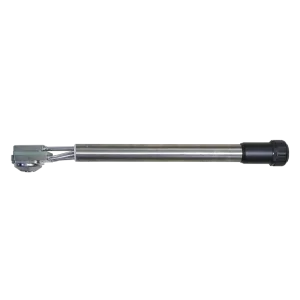
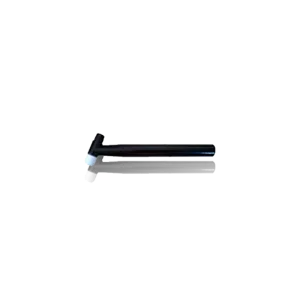
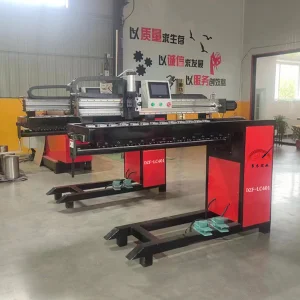
High-efficiency welding positioners, precision torches, and robotic integration systems for complete production automation.
For inquiries about our products or custom price quotes, please submit your contact details. Our technical team will follow up within 24 hours to design your customized system solution.
 Duomu
Duomu