Explore our high-performance plasma cladding machinery, manipulators, robots, and welding equipment engineered to meet strict international standards for metallurgical integrity.
In high-precision manufacturing, the configuration of the gás de soldadura de plasma (plasma welding gas) acts as the thermodynamic heartbeat of the entire deposition system. Standardized welding systems, including Plasma Transferred Arc (PTA) cladding systems, rely on localized gas profiles to establish the columnar electric arc, maintain molten pool stability, and prevent surface oxidation.
Unlike standard arc welding, the plasma process utilizes three distinct gas pathways. The Plasma Gas (typically high-purity Argon) is ionized to form the primary column of plasma. The Shielding Gas wraps the reaction zone to preserve alloy integrity and control cooling rates. Finally, the Powder Carrier Gas transports specialized alloy powders directly into the core of the plasma arc. The chemistry of these gases directly affects dilution rates, micro-segregation, and structural density.
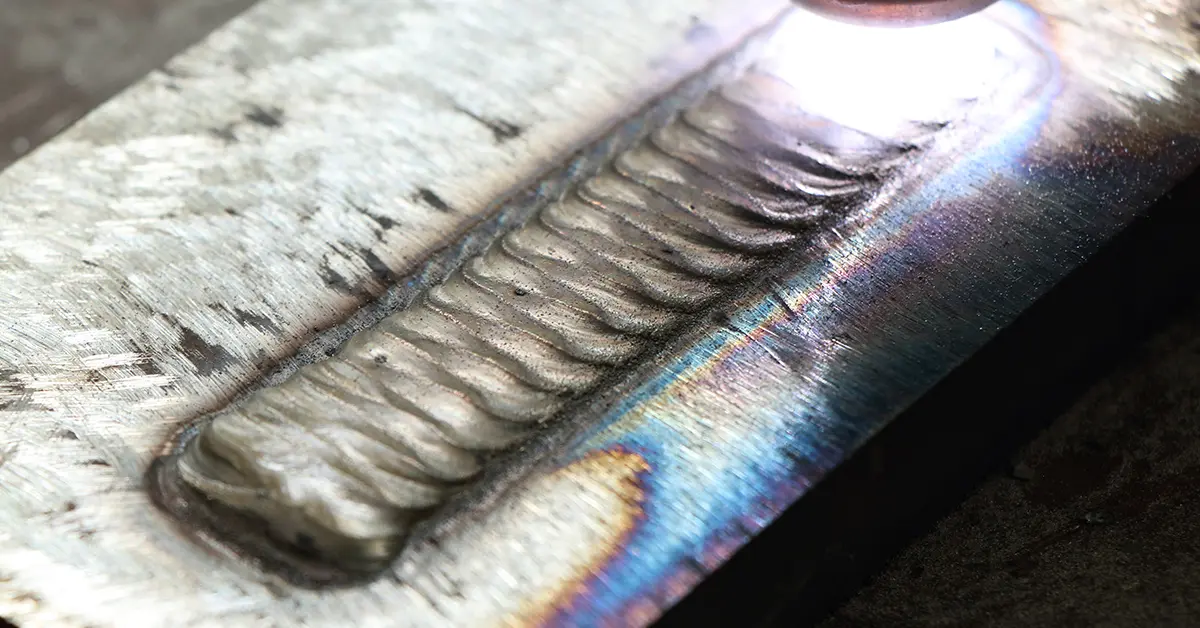
Minimal Dilution Rate
Core Arc Temperature
From deep-sea drilling assemblies to high-altitude propulsion turbines, our automated plasma technology addresses localized operational requirements around the globe.

Soil-engaging tools, plowshares, and harvester parts suffer severe abrasive wear. Applying hardfacing with a controlled plasma gas arc forms a wear-resistant surface, increasing equipment service life by up to 300% in sandy and high-impact soils.

Components inside turbine engines and landing gear assemblies face high thermal cycles and friction. Precise robotic plasma cladding ensures optimal wear resistance with minimal thermal impact, preserving the metallurgical structures of aerospace alloys.

Subsea drill collars, stabilizers, and valves handle corrosive mud and high pressures. Cladding these components with corrosion-resistant cobalt and nickel-based superalloys ensures leak-proof performance under severe conditions.
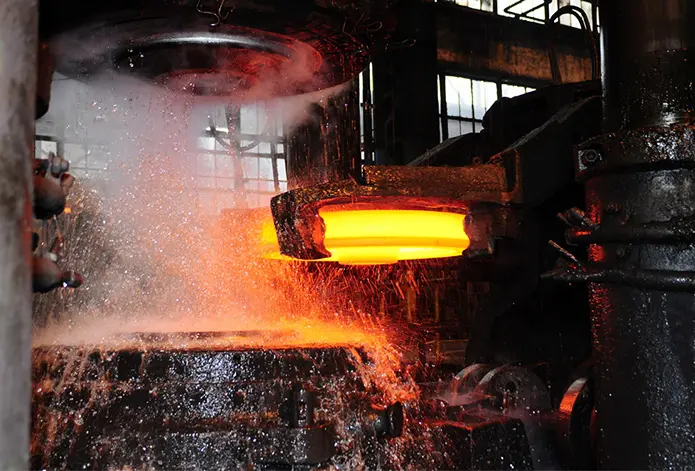
Continuous casting rolls and forging dies face high thermal fatigue and mechanical loads. Repairing and surfacing these structures using automated plasma overlay systems lowers production costs and reduces maintenance downtime.
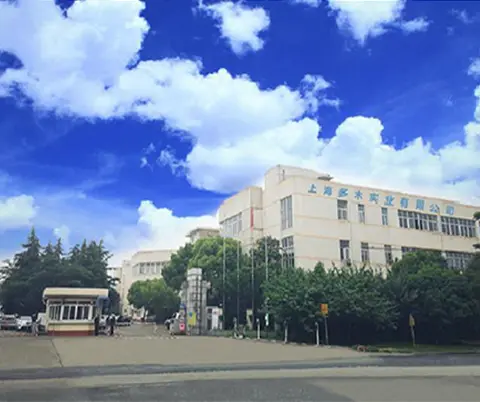
Shanghai Duomu has been a leading manufacturer and exporter of PTA cladding machines and Laser cladding machines for more than ten years with a strong technical background. Our dedication to research and development allows us to provide comprehensive industrial cladding systems worldwide.
Our PTA machines utilize specialized gas controls to deliver stable plasma arcs. From metallurgical design to machinery deployment, we assist industrial facilities in improving component service life, minimizing material consumption, and optimizing operational parameters.
Read More About Our Journey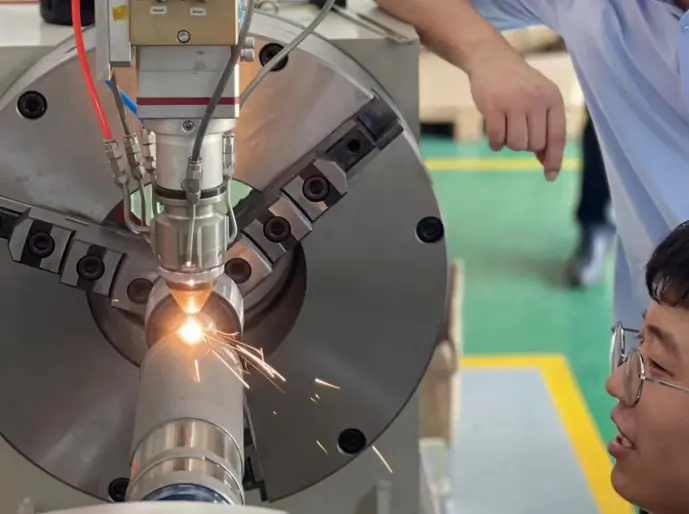
We feature an independent R&D team that develops, produces, and sells plasma cladding machine equipment. Our welding machines provide stable performance and are designed for long-term industrial operations. In addition, the laser cladding equipment sold by the company effectively supports large-scale remanufacturing projects. We have mature technological means to provide complete sets of industrial equipment solutions.
By monitoring thermodynamic parameters, gas distribution rates, and robotic path profiles, our systems deliver consistent cladding results on complex components, including hydraulic cylinders, agricultural equipment, and large-diameter oil field valves.
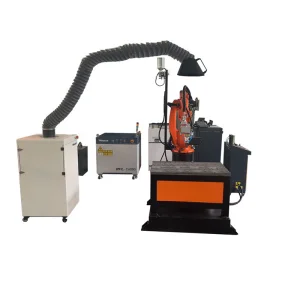
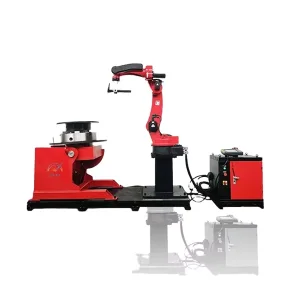
Get in Touch with our EngineersWe provide customized equipment, automatic laser cladding equipment, automatic plasma cladding equipment, and intelligent robot cladding equipment designed around specific industrial requirements. This includes dedicated systems for hydraulic rods, picks, and valves.
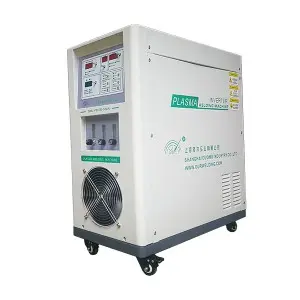
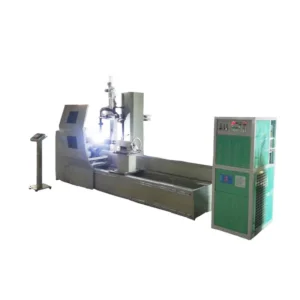
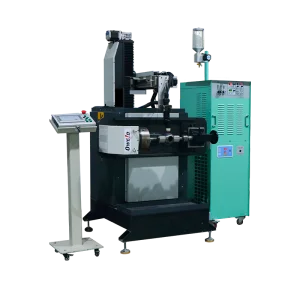
Designed for high-density wear overlays on planar components and internal structures with precise powder feed control.
Learn More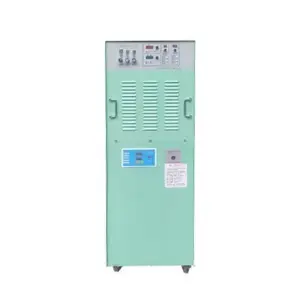
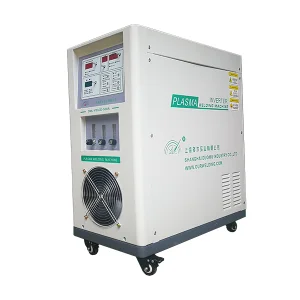
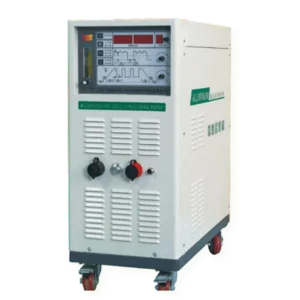
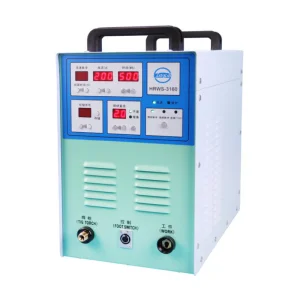
Features adjustable current levels and automated gas regulation for shifting between various alloy overlays.
Learn More
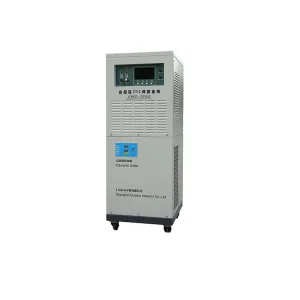
A reliable industrial workhorse built for continuous heavy-duty hardfacing operations.
Learn More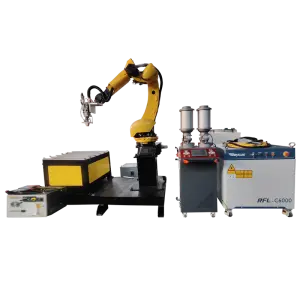
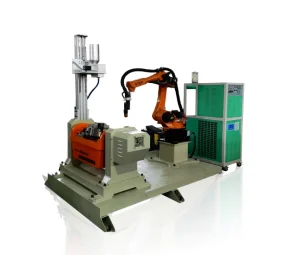
Engineered for precise power density control, ideal for restoring the leading edges of turbine rotors.
Learn More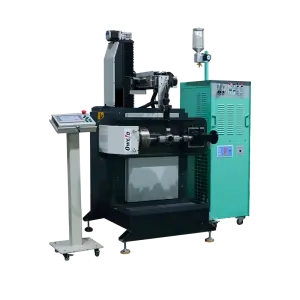
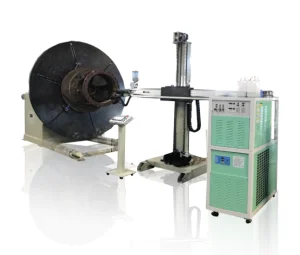
Provides consistent rotational control and path programming for spherical gas-tight sealing surfaces.
Learn More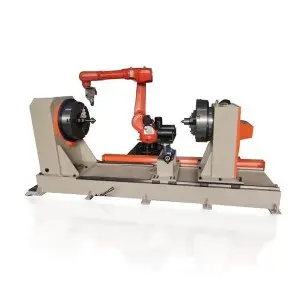
Utilizes precision lasers to heat surfaces and achieve hard, wear-resistant structures without deformation.
Learn More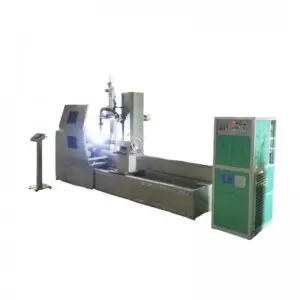
A specialized system for applying corrosion-resistant overlays along hydraulic piston rods.
Learn MoreRead about actual deployment cases, wear dynamics, and operational guidelines from metallurgical engineers utilizing automated PTA surfacing systems.
“The PTA Welding Valve Application Guide is not just a process choice for valve manufacturers facing high wear, high corrosion, and high-temperature erosion working conditions, but also a key path to improving product competitiveness. As industries such as petrochemical, gas transmission, and power generation raise operational pressures, precision cladding is critical.”
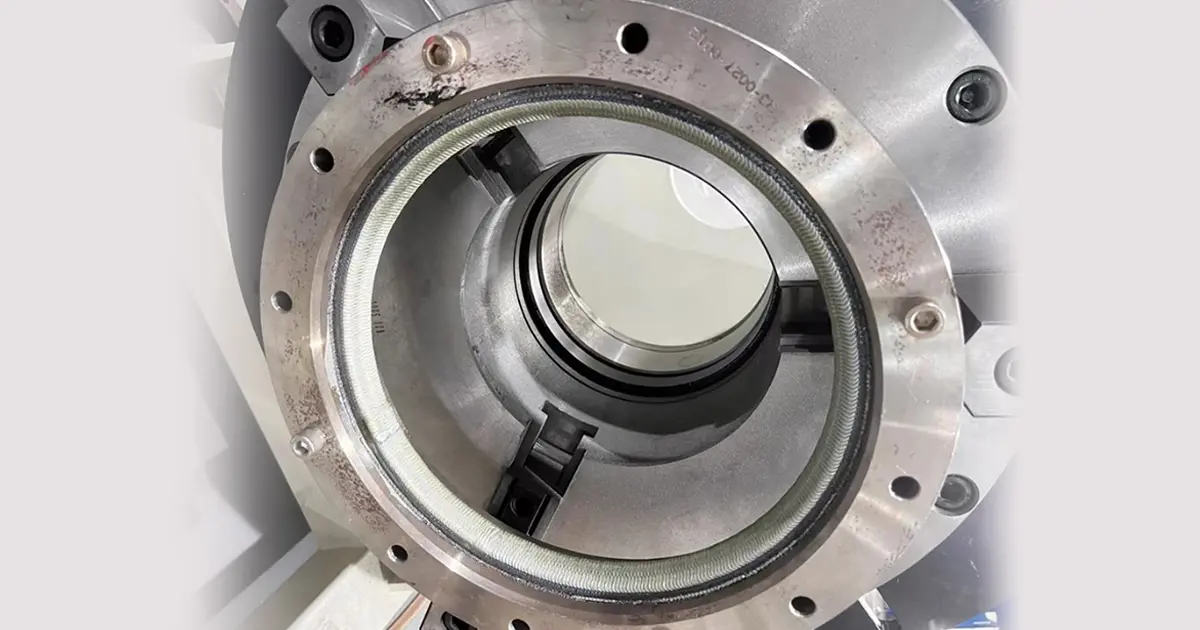
“In industries such as mining, cement, power generation, steelmaking, chemical processing, and biomass energy, screw conveyors are often regarded as auxiliary equipment. However, maintenance data shows that they are among the most frequent causes of unplanned production stoppages due to severe abrasions.”
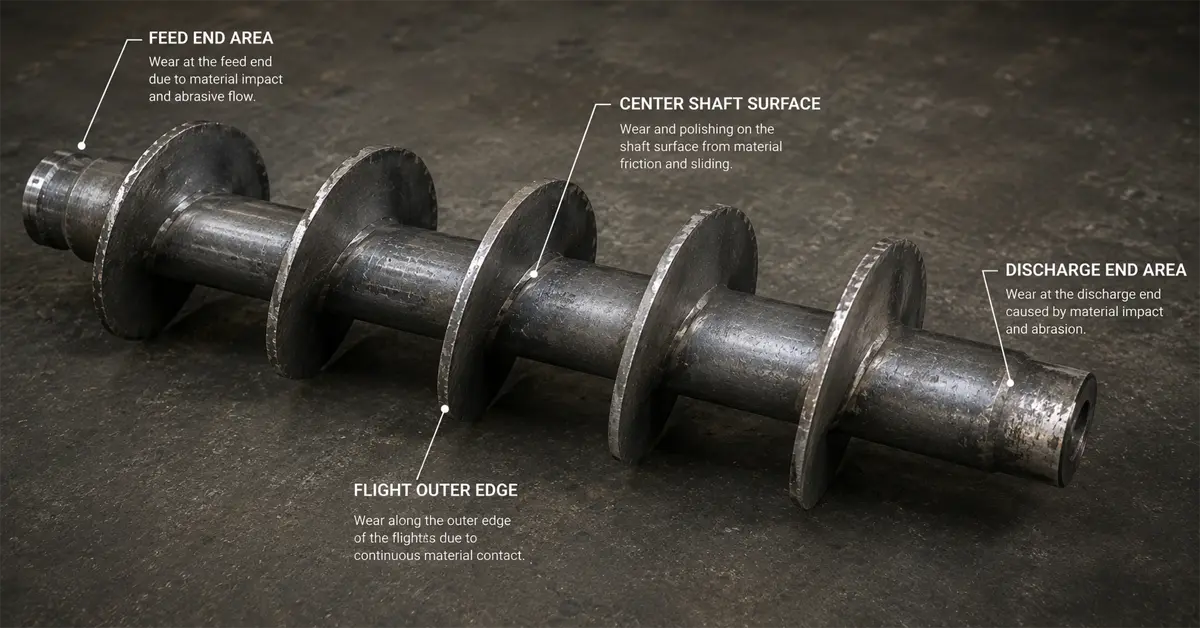
“In Plasma Transferred Arc (PTA) hardfacing, achieving a high-quality overlay is not only about selecting the right alloy powder or optimizing welding parameters. One of the most critical factors that directly affects overlay performance is the dilution rate. Keeping dilution below 5% preserves alloy properties.”
“In industries such as Oil & Gas, Mining, Power Generation, Cement, and Heavy Equipment Manufacturing, hardfacing is no longer just a repair process. It has become a critical technology directly related to equipment lifespan, downtime costs, maintenance frequency, and overall operating margins.”
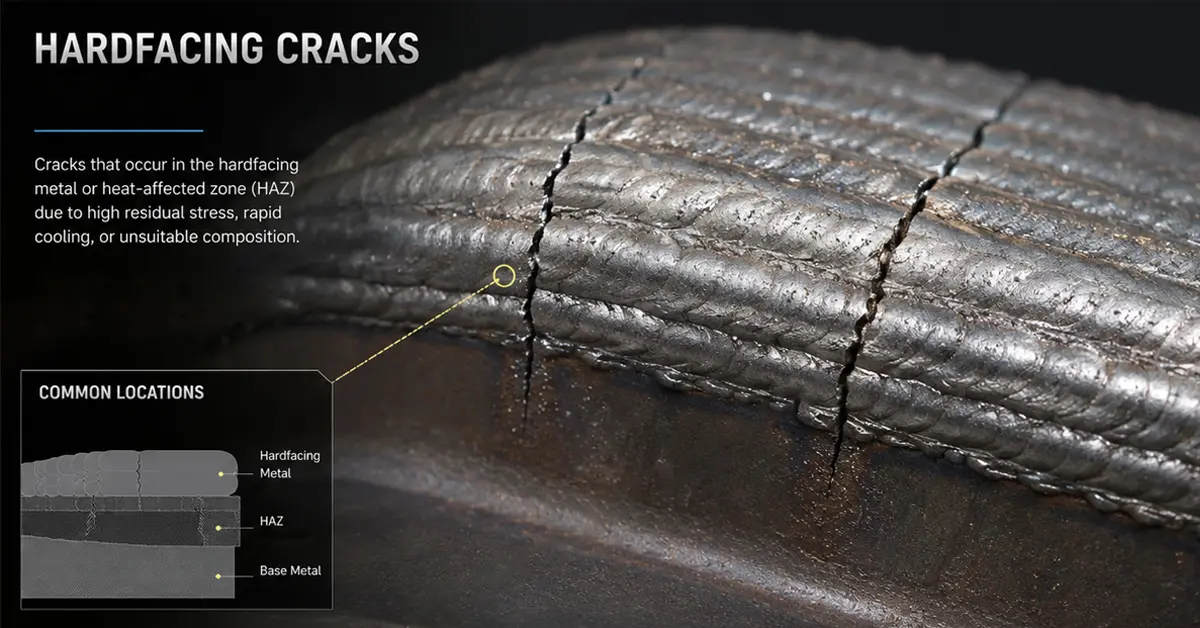
“In industries such as oil & gas, petrochemical, power generation, mining, and marine engineering, industrial valves are constantly exposed to severe operating conditions including high pressure, extreme temperatures, corrosive media, abrasive wear, and sand erosion. Applying wear-resistant cobalt overlays preserves the sealing edges.”
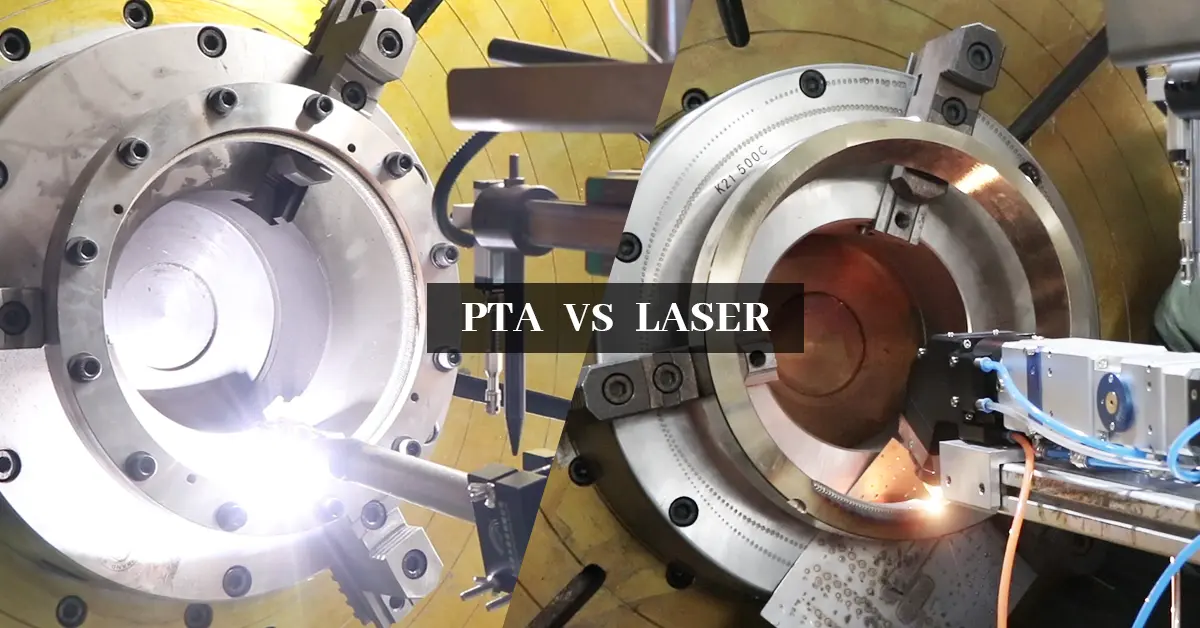
The transition toward intelligent, green manufacturing calls for developments in gas usage, arc stabilization, and path automation.
Integrating real-time sensors to adjust plasma gas flow dynamically. This system helps prevent oxidation caused by sudden flow changes and maintains a stable energy beam.
Industrial components can be cladded and reused, which reduces the carbon footprint by up to 80% compared to casting and machining entirely new replacement parts.
Neural networks process geometric scans of worn tools to automatically adjust the path, power levels, and powder feed rates, simplifying complex repair tasks.
Get answers to technical queries regarding plasma welding gas mixtures, machinery setups, and material compatibility.
For nickel-based alloys, an Argon-Hydrogen (Ar-H2) mixture (containing 2% to 5% Hydrogen) is commonly selected. Hydrogen provides a reducing atmosphere that helps eliminate oxygen contamination, reducing porosity and improving the flow of the molten pool.
The ionization potential of the gas affects the heat distribution in the arc. Using pure Argon limits heat input to the base metal, keeping dilution rates low (under 5%). Adding Helium increases heat transfer, which can raise dilution if not compensated by faster travel speeds.
The plasma gas passes directly through the torch nozzle orifice, where it is ionized to establish the pilot and transferred arcs. The shielding gas flows through an outer ring nozzle to isolate the weld pool from atmospheric oxygen and nitrogen, preventing defect formation.
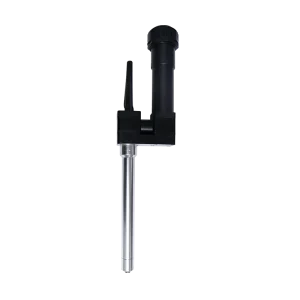
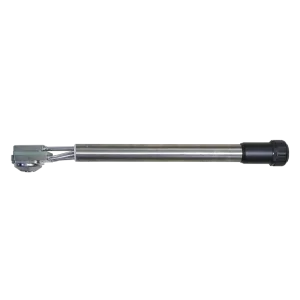
Yes. We design and build internal plasma bore welding torches (such as the DNPT50019-HQ) specifically for hardfacing the inner walls of narrow cylinders, pipes, and deep valve bodies.
For inquiries about our PTA cladding machinery, laser systems, or current pricelists, please send us your request. Our technical support team will contact you within 24 hours.







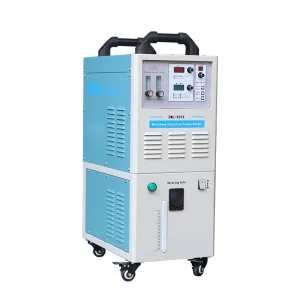
Browse our selection of precision repair machinery, robotic positioners, micro-plasma systems, and customized torches for heavy industrial operations.
 Duomu
Duomu