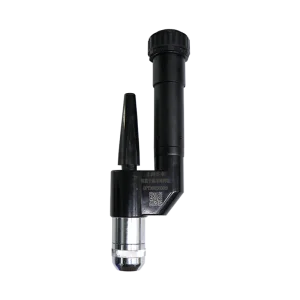
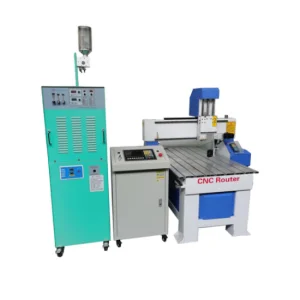
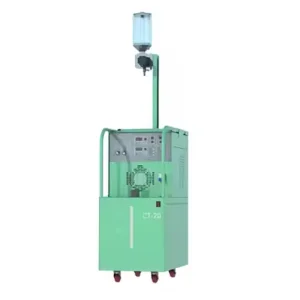
Explore our core technological offerings designed to enhance wear life, repair industrial shafts, and automate surfacing operations across global supply chains.
Analyzing the intersection of agricultural tribology, carbon-neutral manufacturing, and metallurgical hardfacing technologies.
Agricultural tillage and soil cultivation demand components that can survive extreme abrasive wear, impact force, and chemical corrosion from fertilizers and moisture. The Lame Fraise Rotative (rotary tiller blade/rotary cultivator blade) operates continuously in this highly destructive environment. Traditional manufacturer methodologies relied heavily on monolithic heat-treated boron steel or carbon-manganese steels (such as 65Mn). While cost-efficient to stamp and shape, these standard blades dull rapidly, leading to increased tractor fuel consumption, uneven tillage depths, and high frequency of downtime for parts replacement.
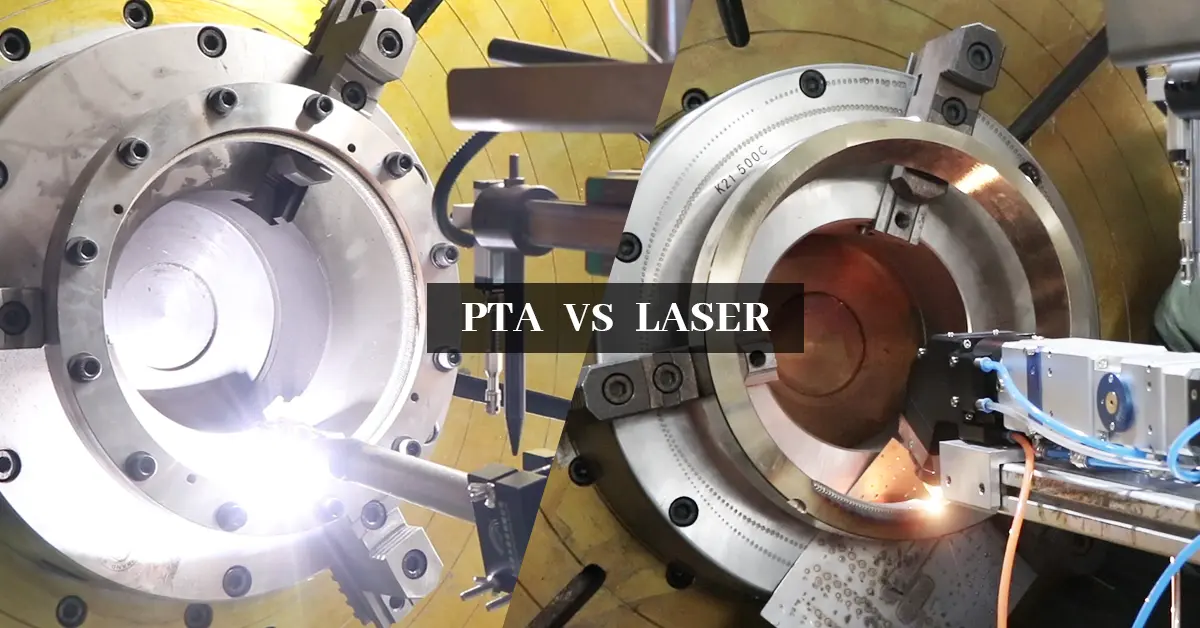
The contemporary international agricultural sector has shifted toward microstructural surface engineering. Leading manufacturers are now implementing automated Plasma Transferred Arc (PTA) cladding and Laser Cladding processes. Rather than hardening the entire blade—which risks structural embrittlement and subsequent breakage when striking rocks—manufacturers deposit highly targeted, wear-resistant carbide matrices along the cutting edge. This creates a "self-sharpening" effect: as the softer steel substrate wears down gradually, the hard cladding alloy remains sharp, maintaining processing efficiency throughout the lifecycle of the blade.
Key development trends indicate that global OEMs are actively seeking suppliers who can provide pre-clad rotary blades or the industrial machinery required to perform hardfacing in-house. Major factors driving this transformation include:
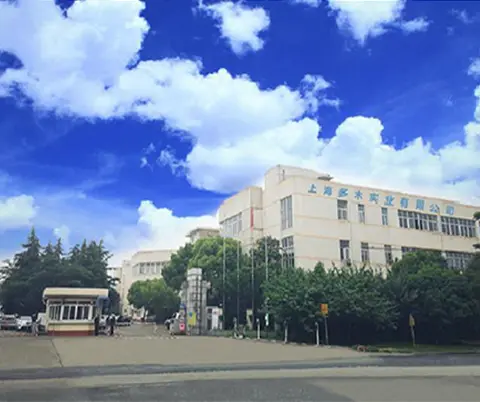
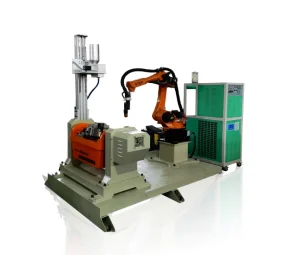
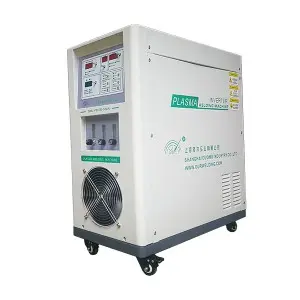
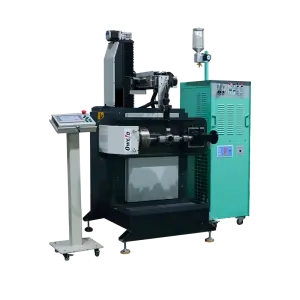
Shanghai Duomu has been a leading manufacturer and exporter of PTA cladding machines and Laser cladding machines for more than ten years, supported by a highly qualified and experienced technical background. Our corporate philosophy focuses on empowering heavy equipment and wear-part manufacturers to scale their production and guarantee superior E-E-A-T (Experience, Expertise, Authoritativeness, Trustworthiness) standards for their global customer base.
We bridge the gap between high-level metallurgical engineering and industrial production. By offering robust, turnkey solutions for surface modification, we help businesses transition from outdated welding methods to clean, efficient, and precise automation.
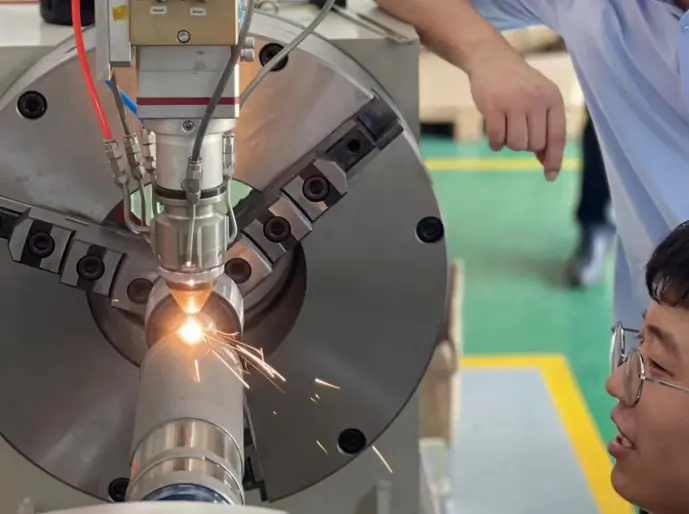
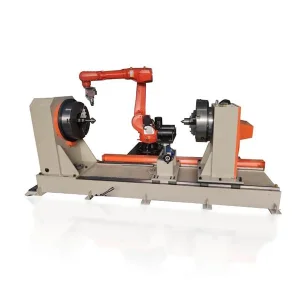
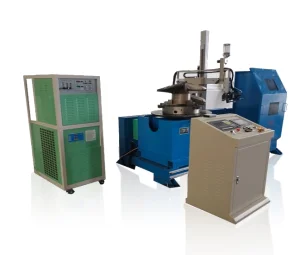
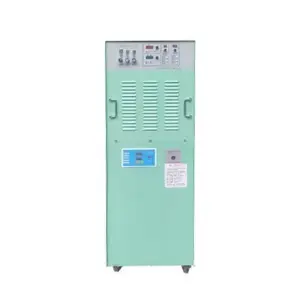
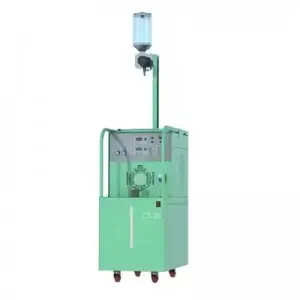
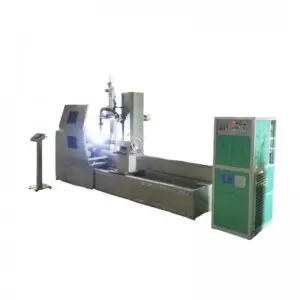
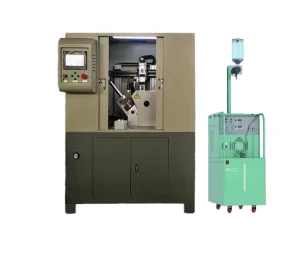
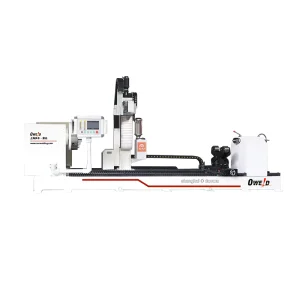
Our dedicated, independent R&D department develops, produces, and sells advanced plasma cladding machine equipment designed for longevity and continuous industrial output. Our PTA welding and cladding machines deliver stable, consistent performance and can maintain efficient, long-term operation under harsh workshop environments.
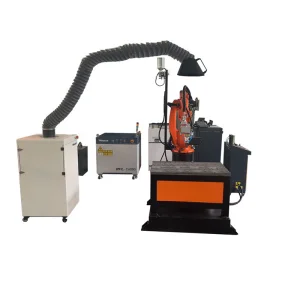
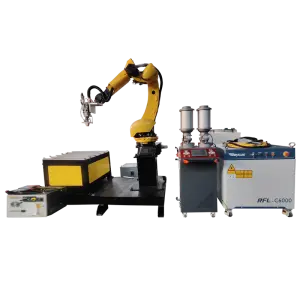
In addition, the high-power laser cladding equipment sold by Shanghai Duomu effectively supports large-scale remanufacturing and cladding projects. We possess mature technological processes to provide comprehensive sets of automated industrial equipment solutions, custom-engineered for specific industrial applications like hydraulic rods, valve seats, screw conveyors, and agricultural tools.
How we address strict quality mandates, operational efficiency, and local compliance requirements for international buyers.
Global OEMs require precise dimensional tolerances (+/-0.5mm), strict cladding thickness control (1.5mm to 3.0mm), and verifiable carbide distribution to prevent localized spalling.
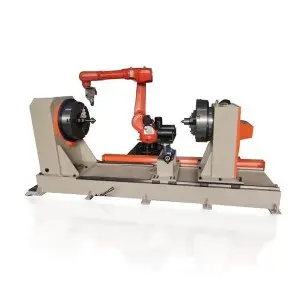
Integrated robotic cells combining pre-heating, multi-axis automated cladding (PTA or Laser), and post-cladding quality inspections utilizing non-destructive eddy current testing.
Full CE certification compliance, ISO 9001:2015 quality management tracking, trace metallurgical reporting, and remote debugging diagnostics to ensure uninterrupted production line uptime.
Enterprise buyers looking for Lame Fraise Rotative manufacturers require more than just a component supplier; they seek long-term partners capable of stabilizing lead times and reducing cost-per-acre metrics. In major markets such as North America, Western Europe, and South America, purchasing agents scrutinize the mechanical stability of soil-engaging tools. Shanghai Duomu provides the ultimate solution by enabling blade manufacturers to transition to automated PTA (Plasma Transferred Arc) processes. The resulting blades display high toughness in the core with a highly concentrated wear-resistant carbide overlay at the interface where soil shear stresses are highest.
Furthermore, our compliance frameworks ensure that all exported equipment satisfies localized electrical safety norms (such as UL in North America or CE in Europe). This removes the integration risks typically associated with transitioning to foreign-sourced automated robotic cladding systems.
Our surface protection and cladding technologies are active across critical sectors requiring heavy-duty wear resistance.
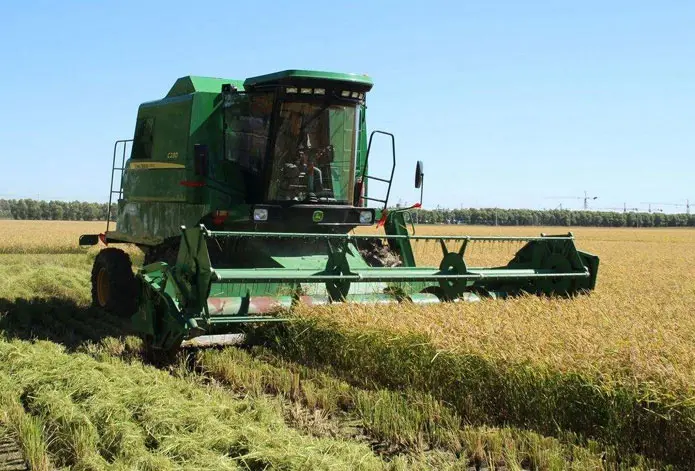
Wear mitigation on rotary tillers, seed drills, plowshares, and subsoiler points.

Precision refurbishment of turbine blades, compressor discs, and critical structures.
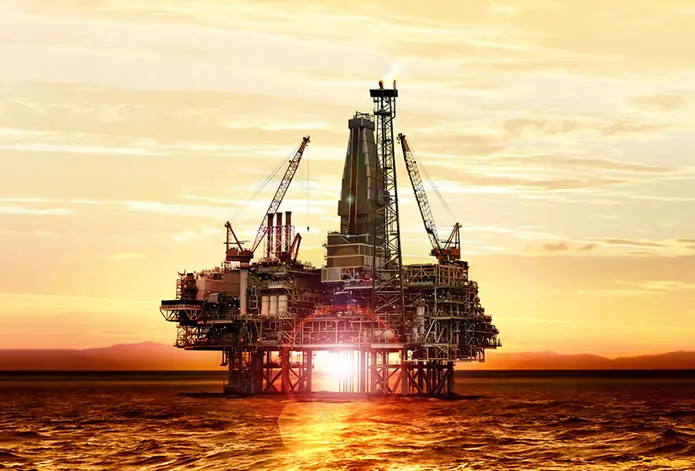
Hardfacing downhole tools, stabilizers, and hydraulic piston shafts.
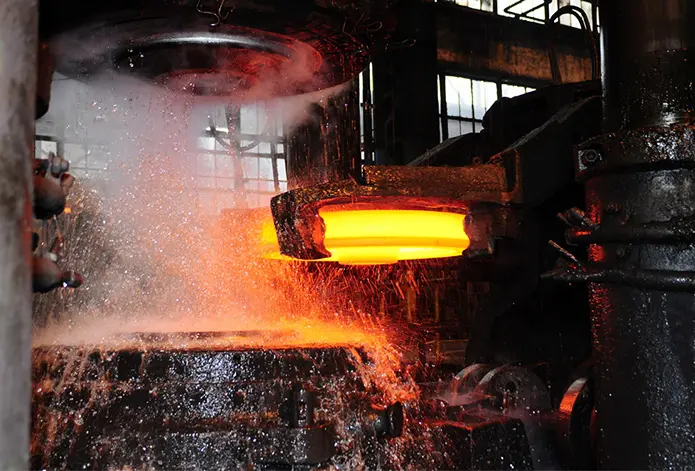
Overlay protection for continuous caster rolls, extrusion screws, and casting molds.
Tailored hardfacing machinery engineered to customer specifications for hydraulic rods, picks, valves, and rotary blades.
Exploring next-generation developments in automated surfacing, metallurgy, and real-time processing feedback loops.
The core limitation of historical cladding applications has been thermal control. Overheating the base metal during cladding leads to high dilution rates (where the base steel mixes with the overlay alloy), degrading the hardness of the clad face. Our future engineering path incorporates infrared multi-wavelength pyrometry integrated with the CNC control loop. As the laser or plasma arc progresses across the surface of the rotary blade or hydraulic shaft, the system dynamically balances the energy output. This ensures that the dilution rate stays strictly under 5%, preserving the wear-resistant microstructures of the cladding alloy.
Moving beyond standard tungsten carbide overlays, Shanghai Duomu is actively researching localized alloy powders featuring nano-structured borides and carboborides. These alloys provide secondary precipitation hardening effects that drastically improve impact resistance. For soil-engaging tools like lame fraise rotative, this technological advance eliminates micro-cracking when striking hard stones, ensuring high structural integrity and avoiding premature blade breakage.
Manual welding techniques present inconsistencies due to welder fatigue and human error. Our upcoming automated lines utilize advanced spatial vision systems. The robotic arm scans the raw forged blade, registers the exact geometry, and dynamically plots the cladding path. This automatically corrects for manufacturing variations in the initial stamping process, ensuring consistent thickness and overlay quality across every single piece.
Read about the practical implementations and metallurgical analysis of our PTA and Laser cladding systems in high-demand environments.
"The PTA Welding Valve Application Guide is not just a process choice for valve manufacturers facing high wear, high corrosion, and high-temperature erosion working conditions, but also a key path to improving product competitiveness. As industries such as petrochemical, chemical, and power generation evolve, the demands on valves increase."
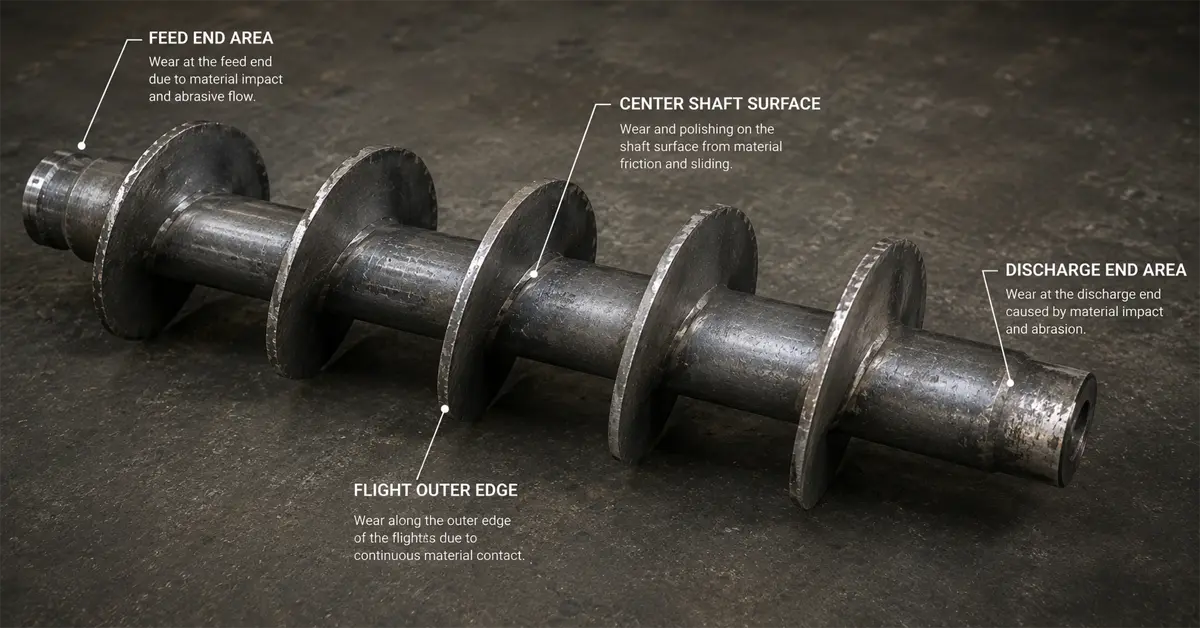
"In industries such as mining, cement, power generation, steelmaking, chemical processing, and biomass energy, screw conveyors are often regarded as auxiliary equipment. However, maintenance data shows that they are among the most frequent causes of unplanned production downtime if not properly hardfaced."
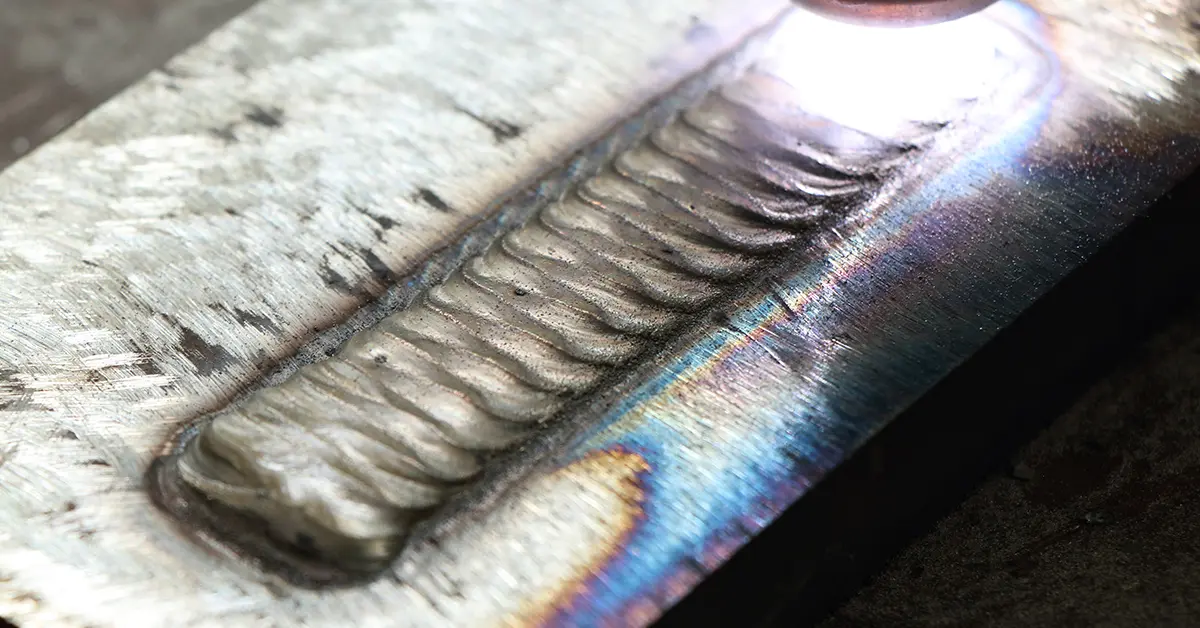
"In Plasma Transferred Arc (PTA) hardfacing, achieving a high-quality overlay is not only about selecting the right alloy powder or optimizing welding parameters. One of the most critical factors that directly affects overlay performance is the dilution rate. Keeping dilution low is key to maintaining carbide hardness."
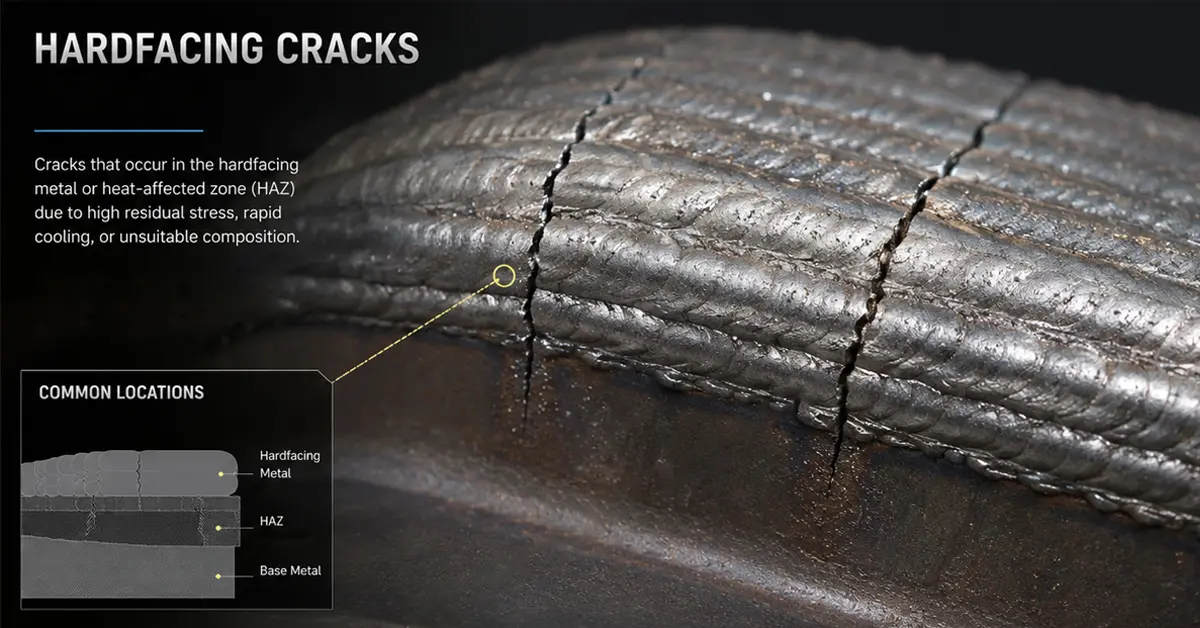
"In industries such as Oil & Gas, Mining, Power Generation, Cement, and Heavy Equipment Manufacturing, hardfacing is no longer just a repair process. It has become a critical technology directly related to equipment lifespan, downtime costs, maintenance frequency, and operational safety."
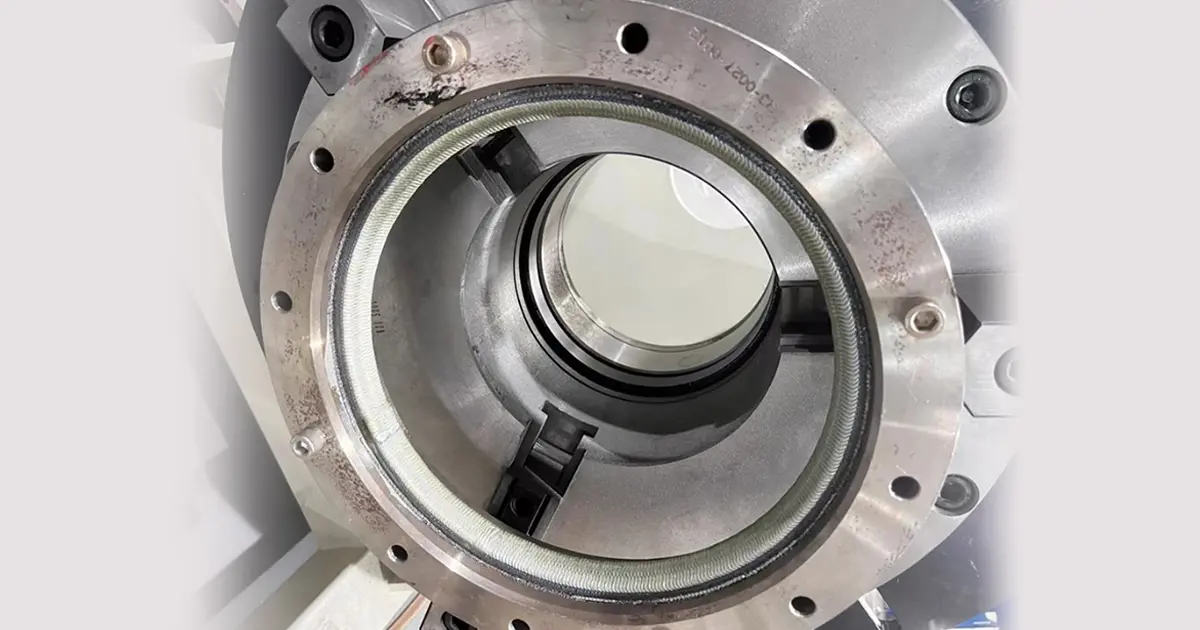
"In industries such as oil & gas, petrochemical, power generation, mining, and marine engineering, industrial valves are constantly exposed to severe operating conditions including high pressure, extreme temperatures, corrosive media, abrasive wear, and sand erosion."
Our systems are deployed, trusted, and integrated by top manufacturing institutions worldwide.






Get answers to critical technical questions regarding agricultural wear solutions, laser cladding setups, and metallurgical optimizations.
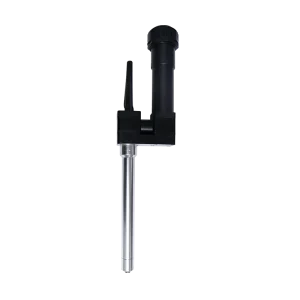
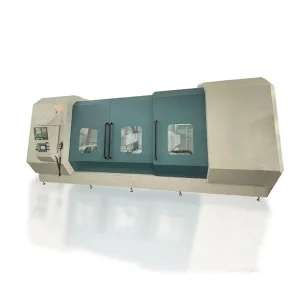
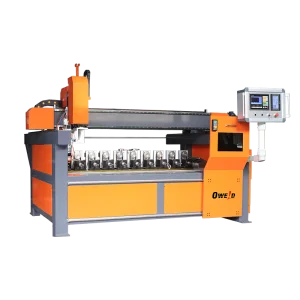
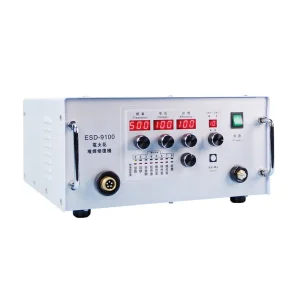
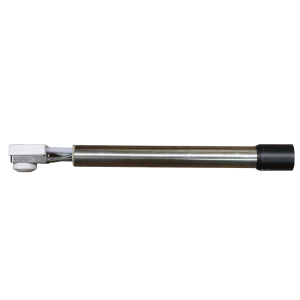
Discover our range of plasma bore welding torches, planar surfacing systems, and heavy-duty plasma welders engineered to support critical components repair.
 Duomu
Duomu