Explore our industrial-grade, high-precision surface engineering machines and critical replacement components manufactured to global quality standards.
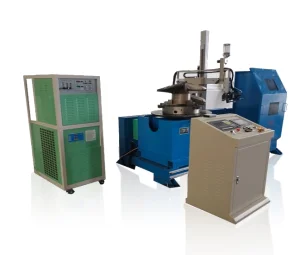
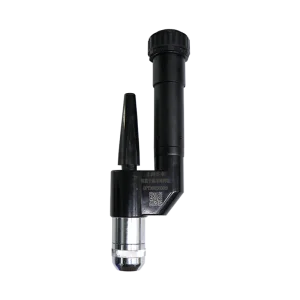
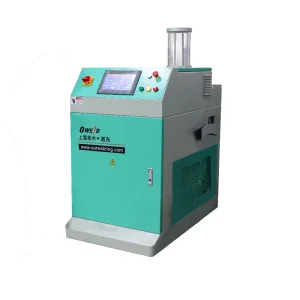
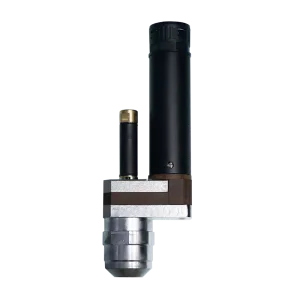
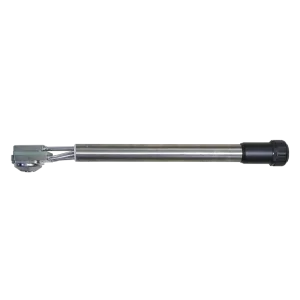
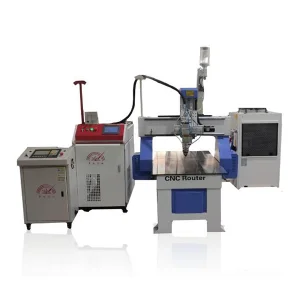
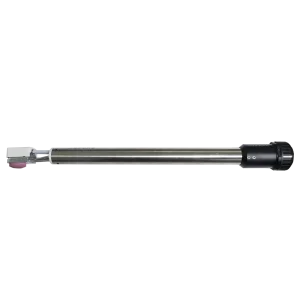
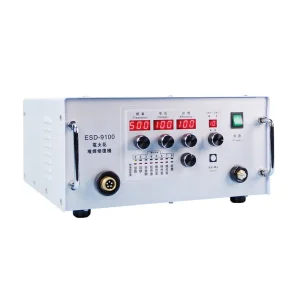
レーザークラッドとは (Laser Cladding), also commonly referred to as Laser Deposition or Laser Metal Deposition (LMD), is a highly advanced additive manufacturing and surface modification process. This state-of-the-art technique uses a high-density, focused laser beam as a localized heat source to melt a target substrate material while simultaneously introducing a feeding feedstock material—either in the form of metal powder or wire—directly into the molten pool.
As the laser head moves along a pre-programmed toolpath, the molten layer rapidly solidifies. This rapid solidification creates a dense, virtually pore-free coating that forms a strong metallurgical bond with the underlying substrate. Unlike conventional thermal spraying processes that rely heavily on mechanical bonding, laser cladding yields exceptional adhesion strength. This strength prevents delamination or spalling under extreme mechanical stress.
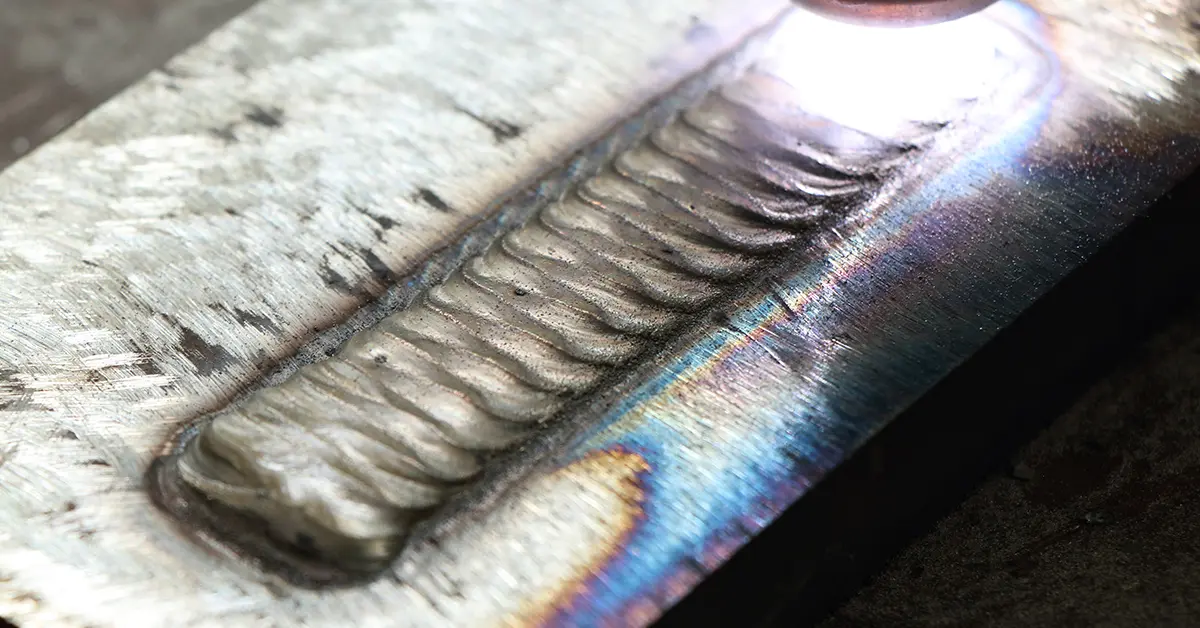
Additionally, the concentrated heat input ensures a minimal Heat Affected Zone (HAZ) and exceptionally low dilution rates (typically less than 5%). This allows engineers to deposit high-performance alloys onto lower-cost base materials without altering the bulk mechanical properties of the structural component.
In surface engineering, dilution refers to the mixing of the substrate material with the cladding alloy. High dilution levels contaminate the chemistry of the deposited layer, degrading properties like wear resistance, hardness, and corrosion tolerance.
Traditional arc welding methods (like MIG, TIG, or submerged arc welding) typically yield high dilution rates ranging from 15% to over 30%. This necessitates depositing multiple thick layers to achieve the desired surface chemistry.
By contrast, the precise optical focus of modern laser cladding systems restricts dilution to below 3% to 5% in a single pass. This ensures that the premium properties of specialized alloys (such as Stellite, Inconel, or Tungsten Carbide composites) are fully realized in a single, efficient layer, optimizing material costs and production cycle times.
Industrial Precision: Rapid cooling rates of 104 to 106 °C/s lead to ultra-fine grain microstructures, enhancing wear performance and corrosion resistance.
Providing specialized PTA and laser cladding solutions for critical machinery operating in high-wear, high-temperature, and corrosive environments.

Wear-resistant overlays on tillers, harvester blades, and screw feeders, extending service life in abrasive soil conditions.

High-precision repair of turbine blades, compressor casings, and critical components requiring aerospace-grade alloy cladding.
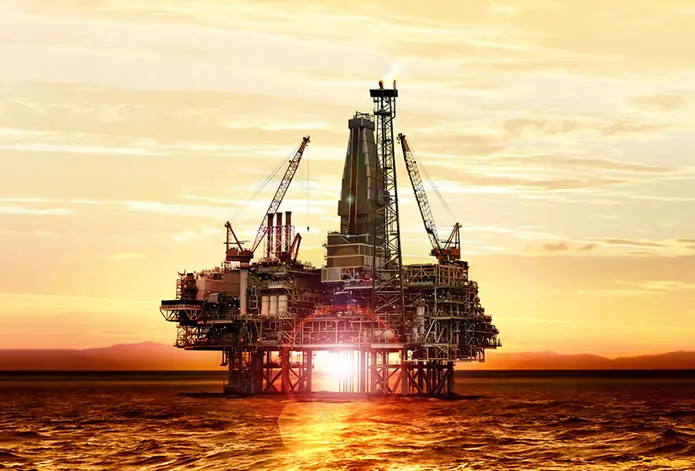
Corrosion and erosion-resistant protective barriers for drill bits, mud pump rotors, and offshore exploration valves.
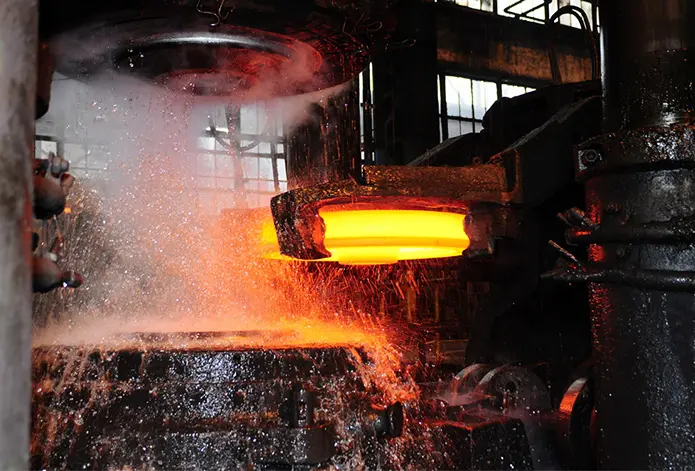
Restoring heavy rolls, continuous caster rollers, and hot extrusion dies subjected to severe thermal fatigue and high loads.
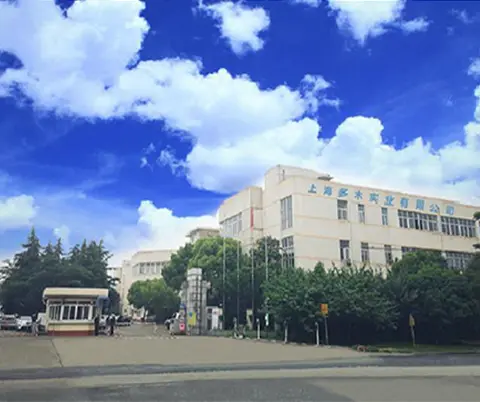
Shanghai Duomu has been a pioneer in the surface engineering industry for over ten years. We specialize in the R&D, manufacturing, and global distribution of high-performance Plasma Transferred Arc (PTA) cladding systems and advanced industrial Laser Cladding systems.
With a solid foundation of proprietary technological innovation, we deliver stable and efficient systems that perform under long-term, high-duty-cycle industrial operations. Our equipment supports large-scale industrial remanufacturing, helping enterprises extend component lifespans, reduce operational downtime, and lower overall material costs.
Our independent engineering division consists of senior mechanical engineers, laser physicists, control automation software specialists, and materials scientists. This interdisciplinary group design, test, and build our plasma and laser welding equipment in-house.
We focus on developing proprietary cladding torches, stable powder feeders, and smart CNC software controls. This ensures that every system maintains reliable stability, optimal energy efficiency, and precise powder delivery. Through rigorous testing, we turn complex surface processing challenges into reliable, automated production lines.
Our mature industrial systems support complex geometries, multi-material cladding, and real-time monitoring of processing metrics.
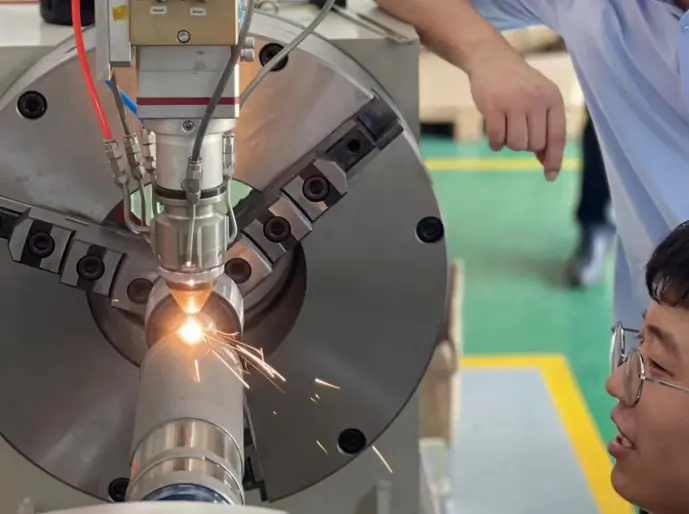
An in-depth metallurgical and mechanical comparative assessment to guide engineering procurement decisions.
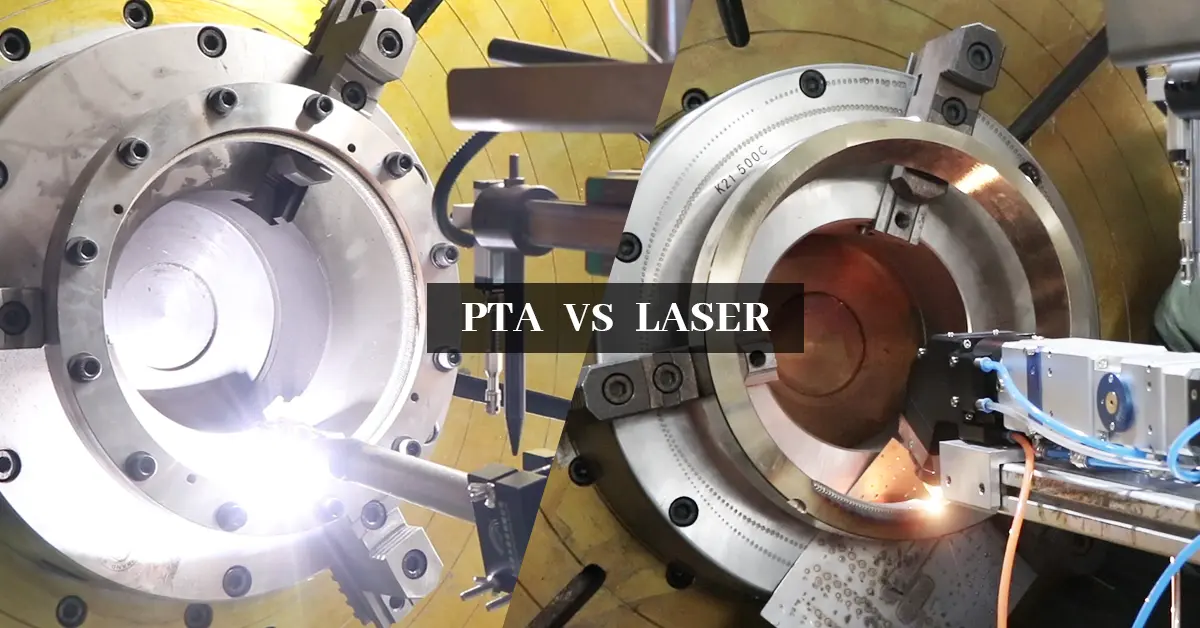
Selecting the optimal surface modification technology requires evaluating heat input, dilution, coating thickness, and capital investment. Both Laser Cladding (LMD) and Plasma Transferred Arc (PTA) welding are industrial-standard processes, yet they serve distinct operational needs:
| Feature / Metric | Laser Cladding (レーザークラッド) | Plasma Transferred Arc (PTA) |
|---|---|---|
| Heat Source | Highly focused monochromatic laser beam (Diode/Fiber) | Constricted high-temperature plasma arc |
| Typical Dilution Rate | 1% - 5% (extremely low) | 5% - 15% (moderate) |
| Heat Affected Zone (HAZ) | Minimal (typically 0.5 - 1.5 mm) | Moderate (typically 2.0 - 5.0 mm) |
| Bonding Character | Full Metallurgical Bond (>400 MPa tensile strength) | Full Metallurgical Bond (>350 MPa tensile strength) |
| Deposition Thickness | 0.5 - 2.0 mm per single layer pass | 1.5 - 6.0 mm per single layer pass |
| Typical Feedstocks | Fine spherical powders (45-150 μm) or wire feed | Coarser, cost-effective powders (60-250 μm) |
| Substrate Distortion | Extremely low; suited for thin/complex geometries | Low-to-moderate; requires preheating for large parts |
Laser cladding excels in high-precision, low-distortion applications where expensive, highly specialized alloys are deposited. It is ideal for compressor shafts, hydraulic components, and aerospace turbine components. Conversely, PTA is preferred for thicker deposit overlays on heavy equipment, such as mining excavator teeth, agricultural tillers, and large extrusion screws, where raw throughput is critical.
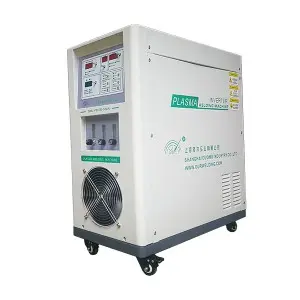
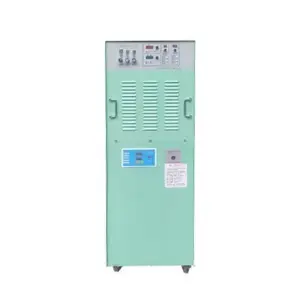
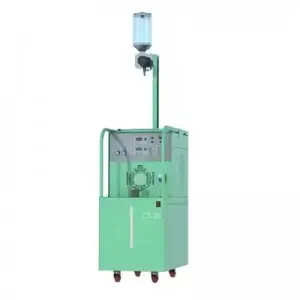
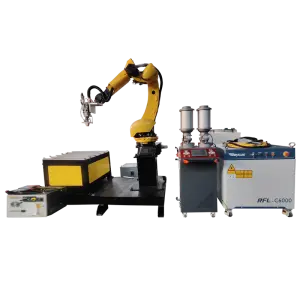
Explore our catalog of high-performance equipment designed for industrial wear protection and precise dimensional restoration.
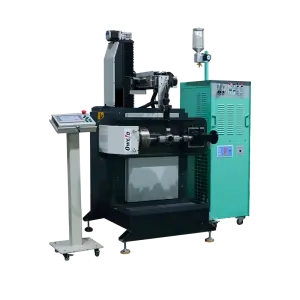
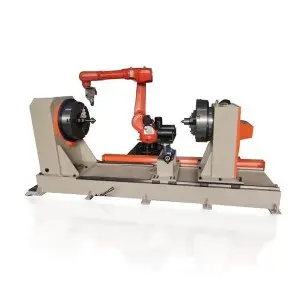
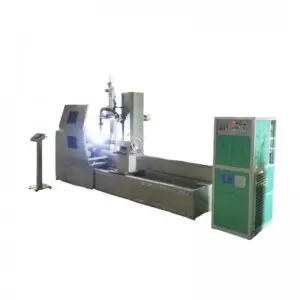
Analyzing key drivers shaping the international surface engineering market and global supply chain requirements.
Industrial sectors are shifting from a disposable design mentality to a structured remanufacturing model. Large equipment operators are choosing laser cladding to restore complex components instead of buying new ones. This trend reduces carbon footprints, lowers raw material consumption, and delivers significant cost savings.
EHLA (Extreme High-Speed Laser Cladding) is emerging as a reliable replacement for hard chrome plating, which faces strict environmental regulations globally. Operating at speeds up to 100 times faster than conventional cladding, EHLA applies thin coatings quickly, minimizing processing times.
Modern procurement demands are driving the integration of closed-loop optical feedback systems. By employing real-time pyrometry and melt-pool vision monitoring, systems can automatically adjust laser power, speed, or powder flow. This ensures consistent quality and defect-free deposits across every production batch.
Operating conditions in modern energy generation, deep-sea exploration, and heavy mining continue to push materials to their limits. Engineering teams struggle with structural components failing from combinations of wear, high temperatures, and corrosion. Shanghai Duomu provides comprehensive system designs to address these challenges:
Ensuring compliance with international engineering codes and environmental safety criteria.
To supply components to critical sectors like nuclear power, offshore oil and gas, and aerospace, manufacturers must verify compliance with strict standards. Shanghai Duomu designs and qualifies cladding systems in accordance with standard codes:
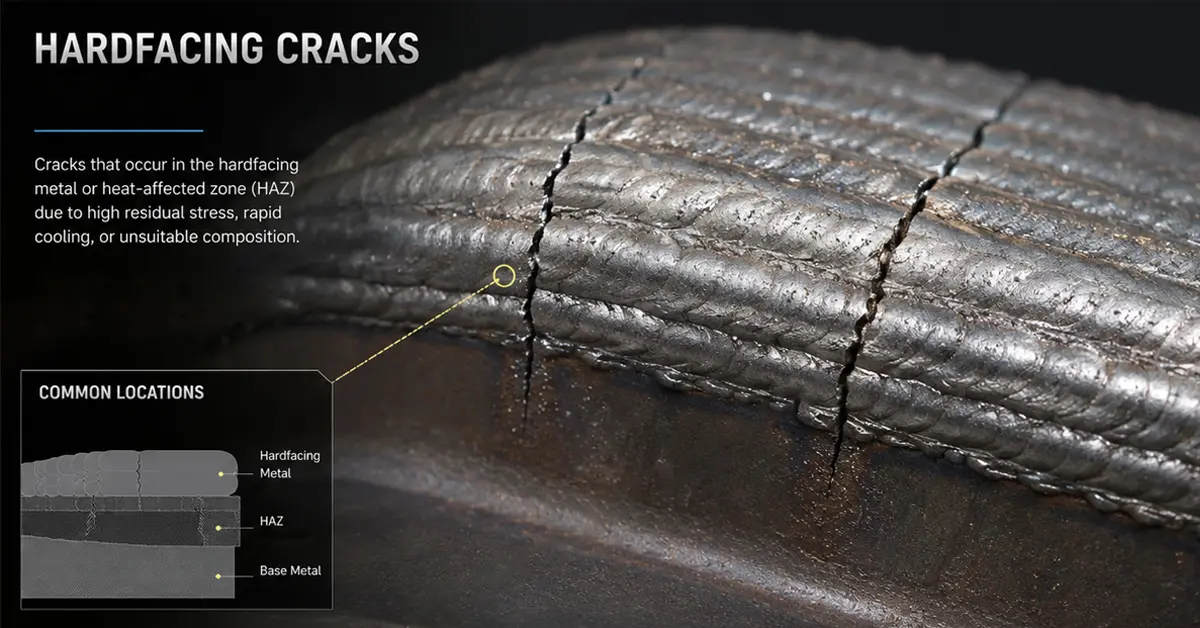
Our QA/QC workflows utilize advanced testing methods to verify the integrity of the deposited layers. We conduct non-destructive testing (NDT), dye penetrant inspections, and ultrasonic testing to verify the absence of sub-surface porosity or cracking.
Additionally, we analyze cross-sectional microstructures using scanning electron microscopy (SEM) and energy-dispersive X-ray spectroscopy (EDS) to confirm minimal dilution zones and verify the distribution of alloy phases.
A forward-looking perspective on the evolution of additive manufacturing and laser surface engineering.
As industry requirements demand tighter tolerances and higher efficiencies, the technological roadmap for laser cladding points toward multi-material deposition, hybrid systems, and advanced wavelengths:
Integrating 3D laser cladding heads with CNC milling spindles on a single machine tool. This setup permits simultaneous additive deposition and subtractive milling, yielding highly accurate, finished geometries on a single system.
Standard infrared lasers struggle to weld highly reflective metals like copper and gold due to low absorption rates. Emerging green (515nm) and blue (450nm) lasers provide high energy absorption, allowing defect-free cladding on pure copper alloys.
AI-driven CAM software analyzes part geometries using 3D scanners, automatically generating optimal toolpaths to compensate for wear on deformed parts. This minimizes programming overhead for low-volume repair jobs.
Get answers to common technical inquiries regarding PTA, laser cladding processes, and equipment capabilities.
Discover how global industrial clients improve service life and component reliability with our cladding technology.
"The PTA Welding Valve Application Guide is not just a process choice for valve manufacturers facing high wear, high corrosion, and high-temperature erosion working conditions, but also a key path to improving product competitiveness. As industries such as petrochemical, power generation, and chemical processing demand longer lifespans, we integrated Shanghai Duomu's PTA cladding systems and achieved zero-defect overlays with Stellite 6 alloy."
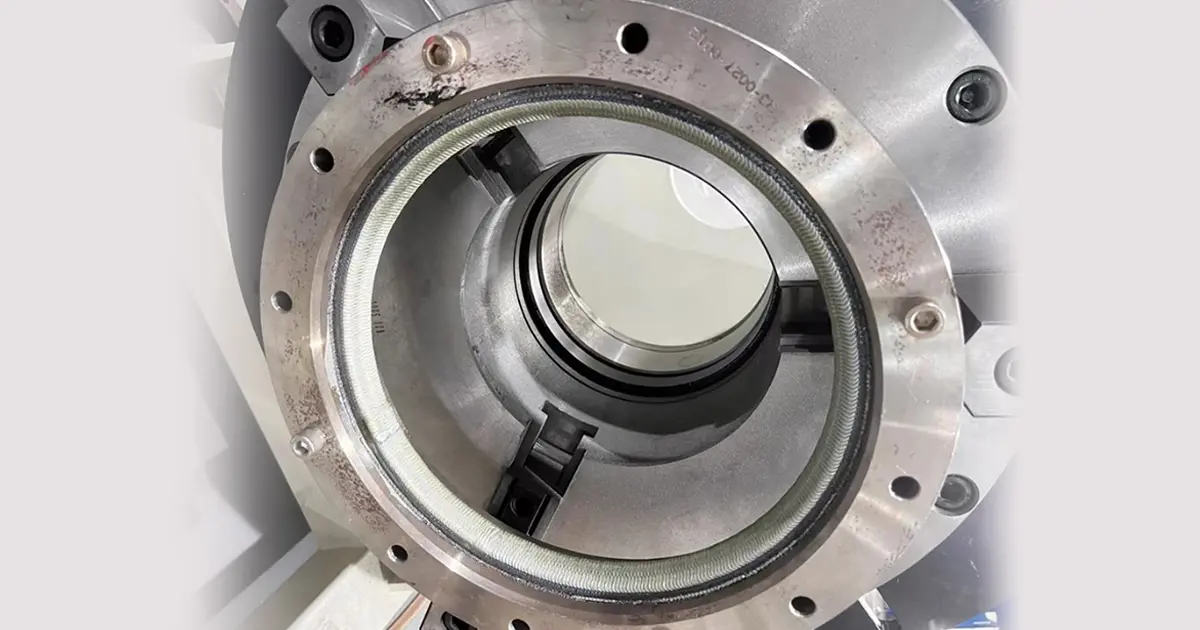
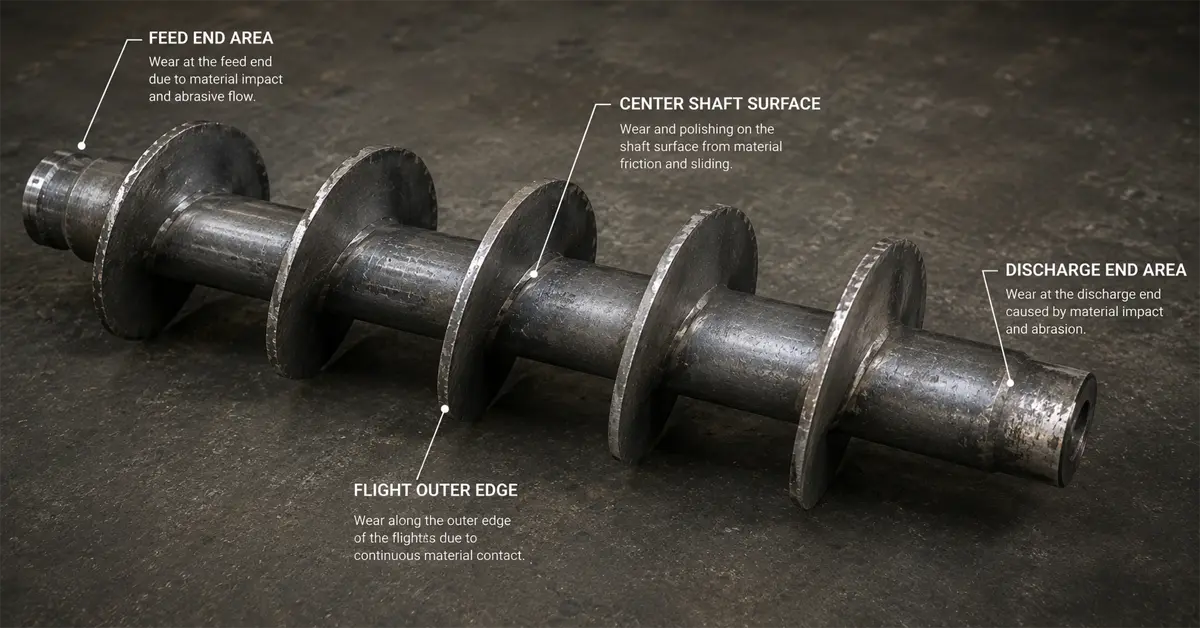
"In industries such as mining, cement, power generation, steelmaking, chemical processing, and biomass energy, screw conveyors are often regarded as auxiliary equipment. However, maintenance data shows that they are among the most frequent causes of unplanned production shutdowns. Applying a chromium carbide protective layer with Duomu's automated systems increased our conveyor shaft life by 300%."
"In Plasma Transferred Arc (PTA) hardfacing, achieving a high-quality overlay is not only about selecting the right alloy powder or optimizing parameters. One of the most critical factors is the dilution rate. Shanghai Duomu's precise control handles this successfully."
"In Oil & Gas, Mining, Power Generation, and Heavy Equipment Manufacturing, hardfacing is no longer just a repair process. It has become a critical technology directly related to equipment lifespan, downtime costs, and reliability."
"In industries such as oil & gas, petrochemical, power generation, mining, and marine engineering, industrial valves are constantly exposed to severe operating conditions including: High pressure, Extreme temperatures, and Corrosive media."
Our systems and services are trusted by major enterprises in mining, energy, logistics, and heavy manufacturing.







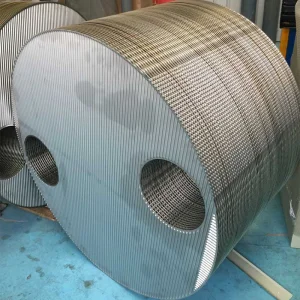
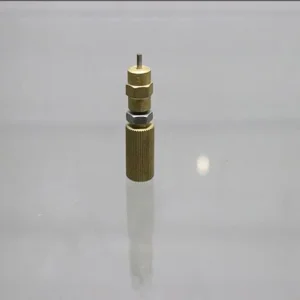
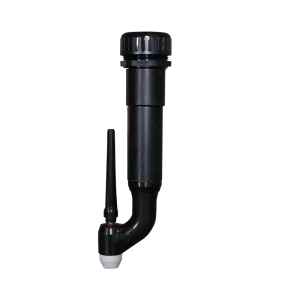
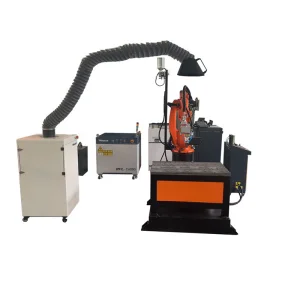
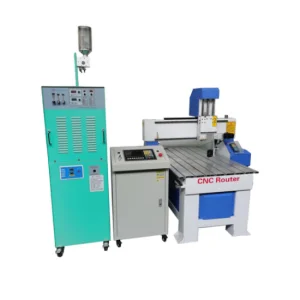
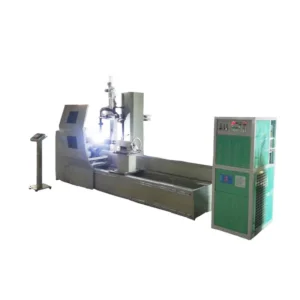
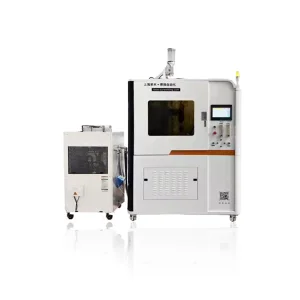
Explore our targeted replacement torches, handheld laser systems, and automated gantry cladding solutions.
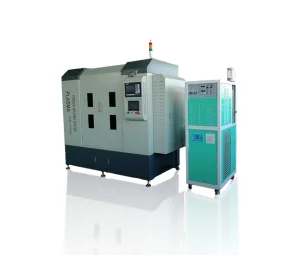
Get in touch with our technical sales division to receive custom equipment recommendations or a detailed system price list.
We will get in touch with you within 24 hours.
 Duomu
Duomu