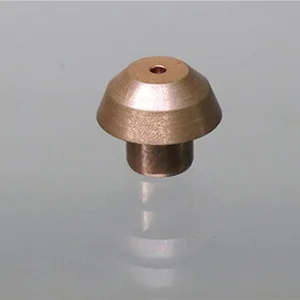
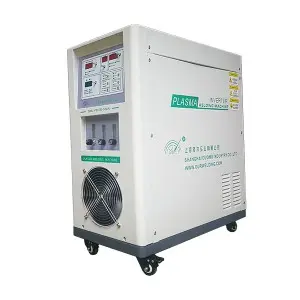
Plasmaschweißen, universally recognized in industrial metallurgy as Plasma Arc Welding (PAW) and Plasma Transferred Arc (PTA) cladding, represents one of the most sophisticated thermal fusion technologies available today. Originating from the evolutionary framework of Gas Tungsten Arc Welding (GTAW / TIG), Plasmaschweißen introduces a unique constricted nozzle design. By forcing a high-intensity electric arc through a copper orifice, the arc column is highly concentrated. This produces temperatures approaching 20,000°C to 30,000°C.
This whitepaper systematically analyses the Vor- und Nachteile (advantages and disadvantages) of this technological path. This objective review helps procurement officers, engineering leads, and operations managers make informed capital decisions. We review it relative to alternatives like Laser Cladding, HVOF, and conventional arc cladding.
In the global industrial sector, the shift from traditional manual repair welding to highly automated, additive manufacturing processes is driving significant adoption of Plasma Transferred Arc (PTA) cladding. In developed markets like Western Europe (particularly Germany, where "Plasmaschweißen" standards are highly refined) and North America, PTA is used to extend the operational life of high-wear components. This approach helps reduce the lifetime carbon footprint of heavy industrial equipment.
With the rising prices of cobalt and nickel, manufacturers cannot afford to overlay thick layers of premium alloys using inefficient methods. PTA enables precise deposition of thin, high-performance layers. This minimizes material waste and achieves target hardness in a single pass.
Modern plasma systems now feature smart closed-loop control systems. These systems monitor arc voltage, powder feed rates, and molten pool temperature in real-time. Operators can dynamically adjust parameters to maintain zero-defect standards.
Reclaiming heavy-duty components like hydraulic rods, extrusion screws, and valve seats through PTA cladding is a growing trend. This process uses up to 75% less energy than manufacturing new components from raw steel stock.
PTA is uniquely suited for processing MMCs, such as embedding spherical tungsten carbides in a nickel matrix. The precise temperature control prevents the dissolution of carbides, ensuring superior wear resistance.
At present, the company's products have penetrated into many fields such as aerospace military industry, nuclear power, petrochemical industry, coal mines, metallurgy and forging, agriculture, water conservancy and electric power, etc.

PTA technology is used to apply wear-resistant layers to plowshares, rotary tillers, and cutter blades. This extends their service life in abrasive soil conditions.

High-precision micro-plasma arc systems repair superalloy gas turbine blades and engine parts, meeting strict aeronautical quality standards.

Drill stabilizers, valve seats, and piping elbows are clad with corrosion-resistant cobalt alloys to withstand deep-sea and high-sulfur environments.
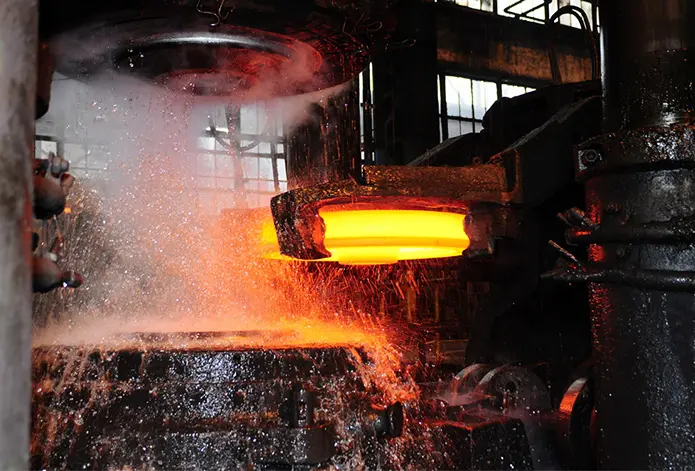
Continuous casting rolls and forging dies are routinely rebuilt using PTA overlays. This reduces unplanned downtime in steel mills and casting shops.
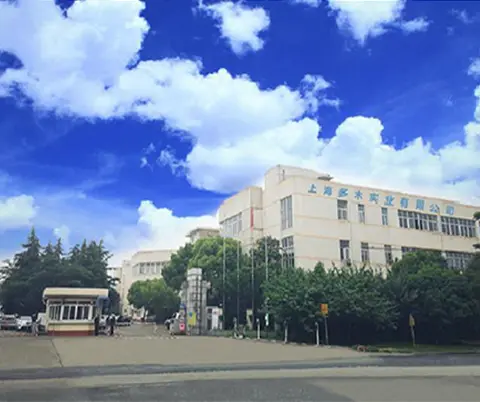
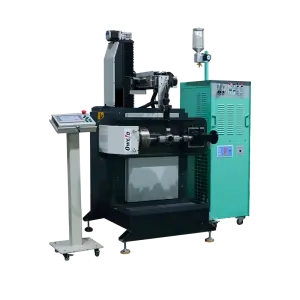
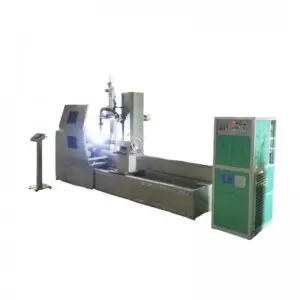
Shanghai Duomu has been a leading manufacturer and exporter of PTA cladding machine and Laser cladding machine for more than ten years with a strong technical background. We bridge the gap between high technology and economic feasibility, ensuring that manufacturers around the globe have access to premium-grade, highly reliable surface engineering technologies.
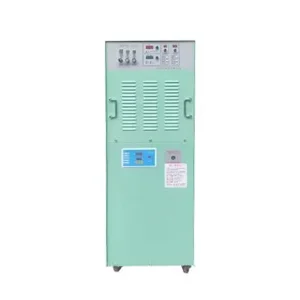
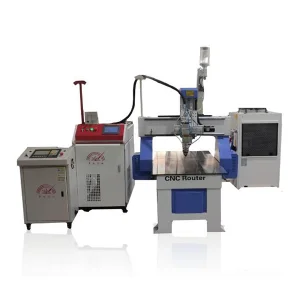
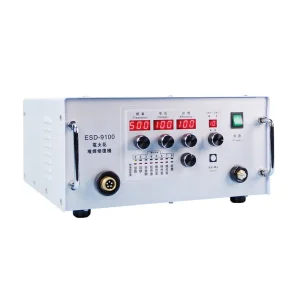
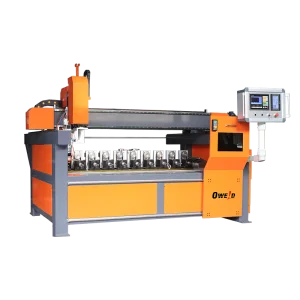
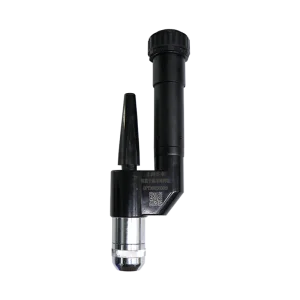
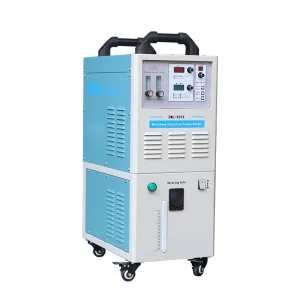
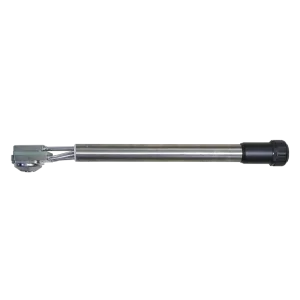
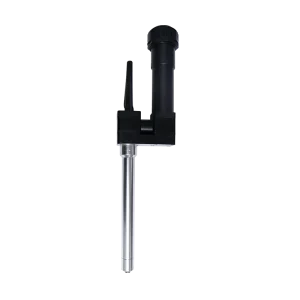
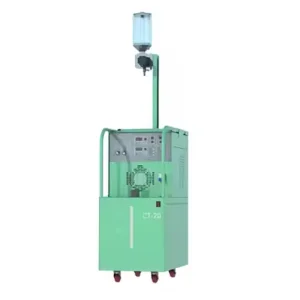
Our manufacturing processes conform to international standards, integrating advanced plasma power sources, custom-designed powder feeding torches, and multi-axis CNC systems.
Read More About Us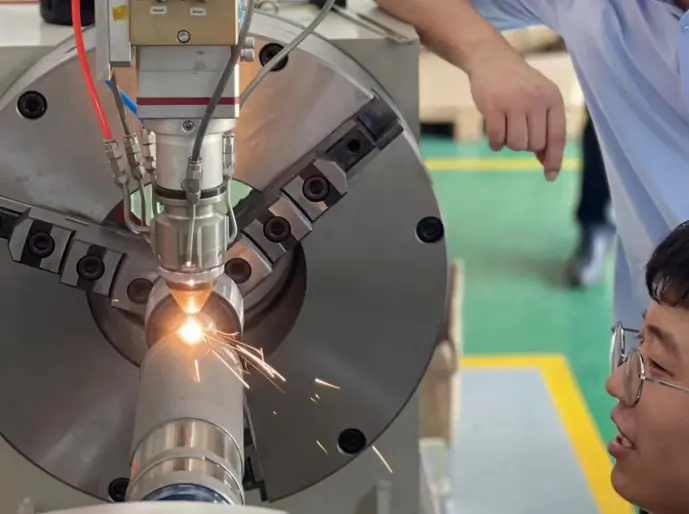
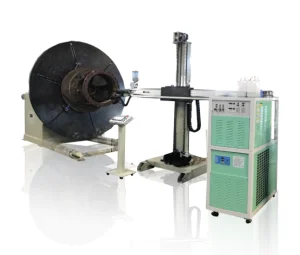
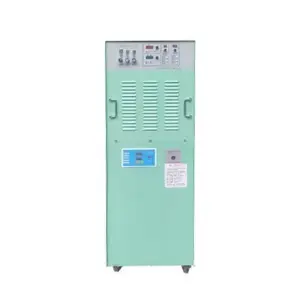
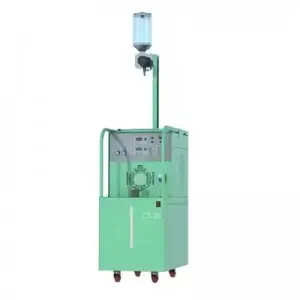
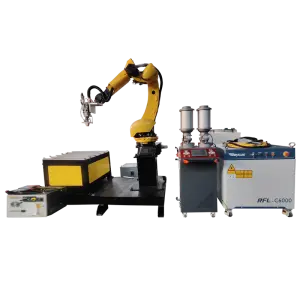
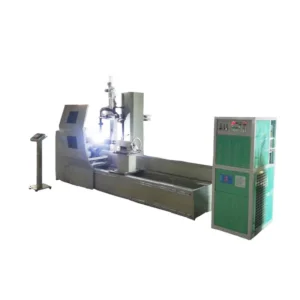
I have an independent R&D team, which develops, produces and sells plasma cladding machine equipment. The welding machine has stable performance and can maintain efficient long-term operation. In addition, the laser cladding equipment sold by the company can effectively support large-scale remanufacturing projects. We have mature technological means to provide complete sets of industrial equipment solutions.
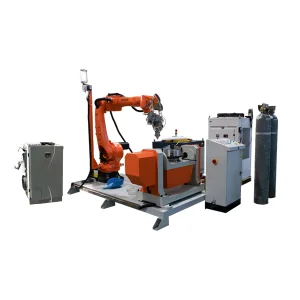
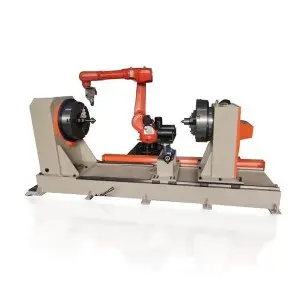
By working closely with clients in the metallurgical, mining, and power generation sectors, our engineering team designs and delivers tailored automation platforms. These systems feature multi-axis gantries, turning rollers, and robotic arms that integrate directly into existing production workflows.
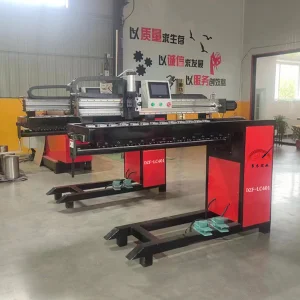
Get in TouchWe can provide customized equipment, automatic laser cladding equipment, automatic plasma cladding equipment, intelligent robot cladding equipment, etc. according to customers' requirements, including special equipment in the industry, such as hydraulic rod cladding machine, pick cladding machine, valve cladding machine, etc.
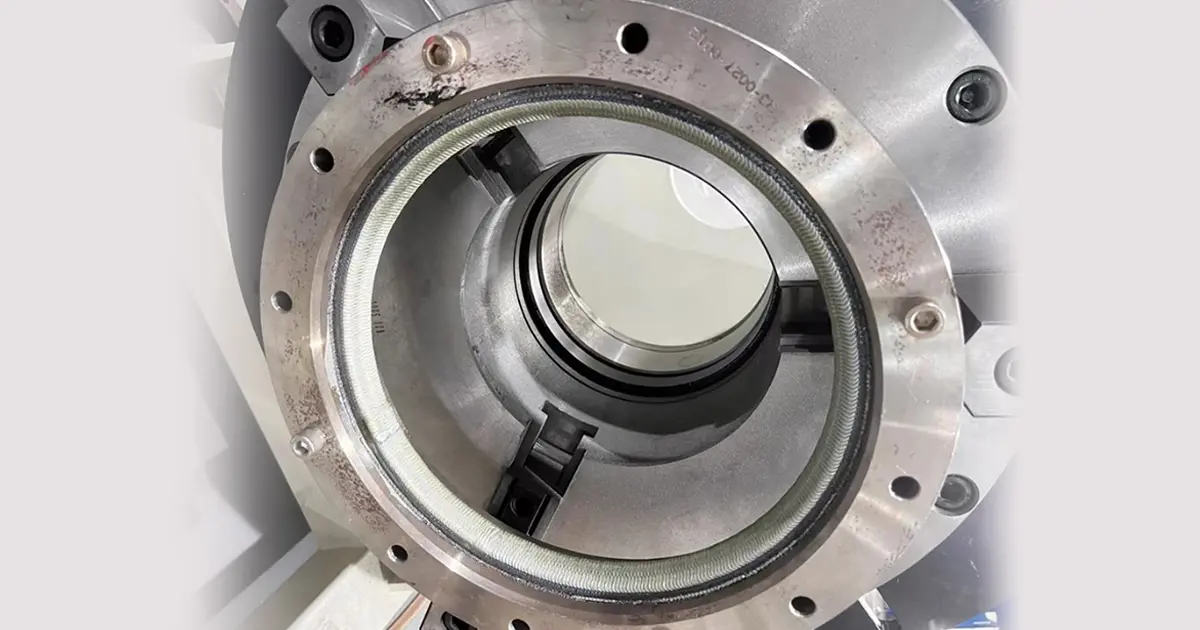
"The PTA Welding Valve Application Guide is not just a process choice for valve manufacturers facing high wear, high corrosion, and high-temperature erosion working conditions, but also a key path to improving product competitiveness..."
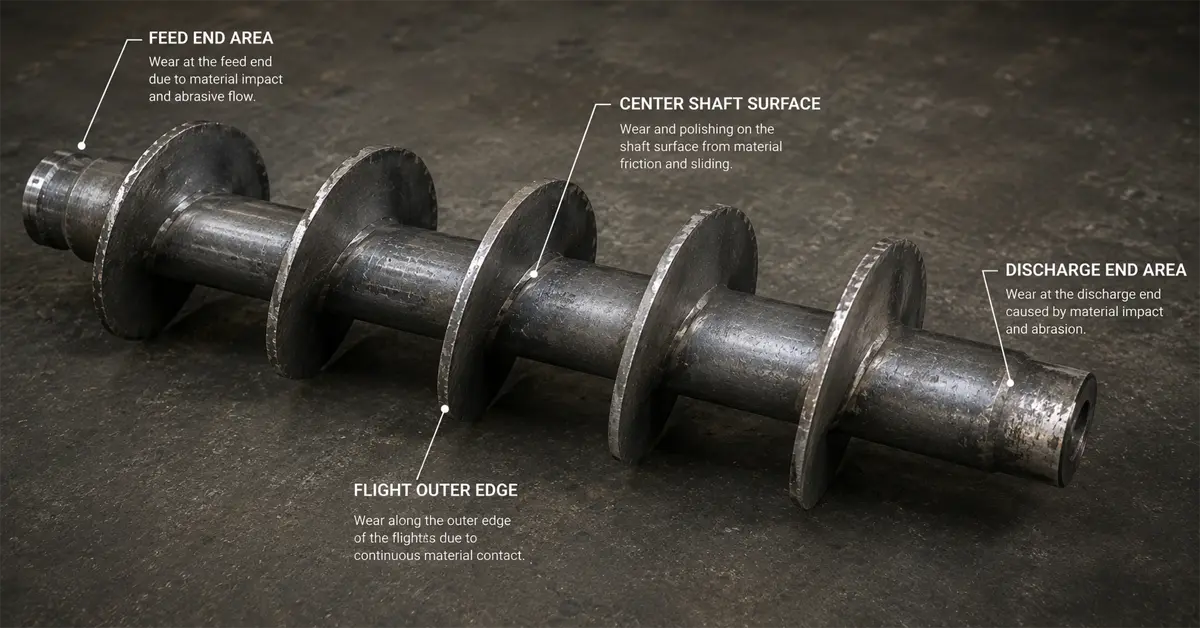
"In industries such as mining, cement, power generation, steelmaking, chemical processing, and biomass energy, screw conveyors are often regarded as auxiliary equipment. However, maintenance data shows that they are among the most frequent causes of unplanned production delays..."
"In Plasma Transferred Arc (PTA) hardfacing, achieving a high-quality overlay is not only about selecting the right alloy powder or optimizing welding parameters. One of the most critical factors that directly affects overlay performance is the dilution rate..."
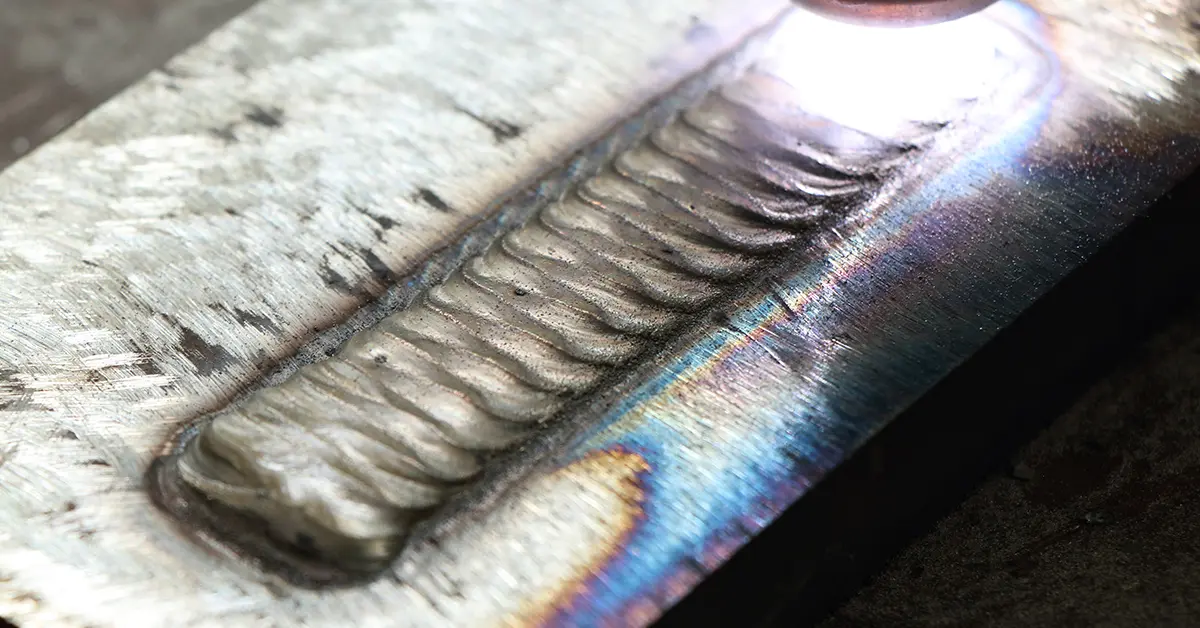
"In industries such as Oil & Gas, Mining, Power Generation, Cement, and Heavy Equipment Manufacturing, hardfacing is no longer just a repair process. It has become a critical technology directly related to equipment lifespan, downtime costs, maintenance frequency, and operational stability..."
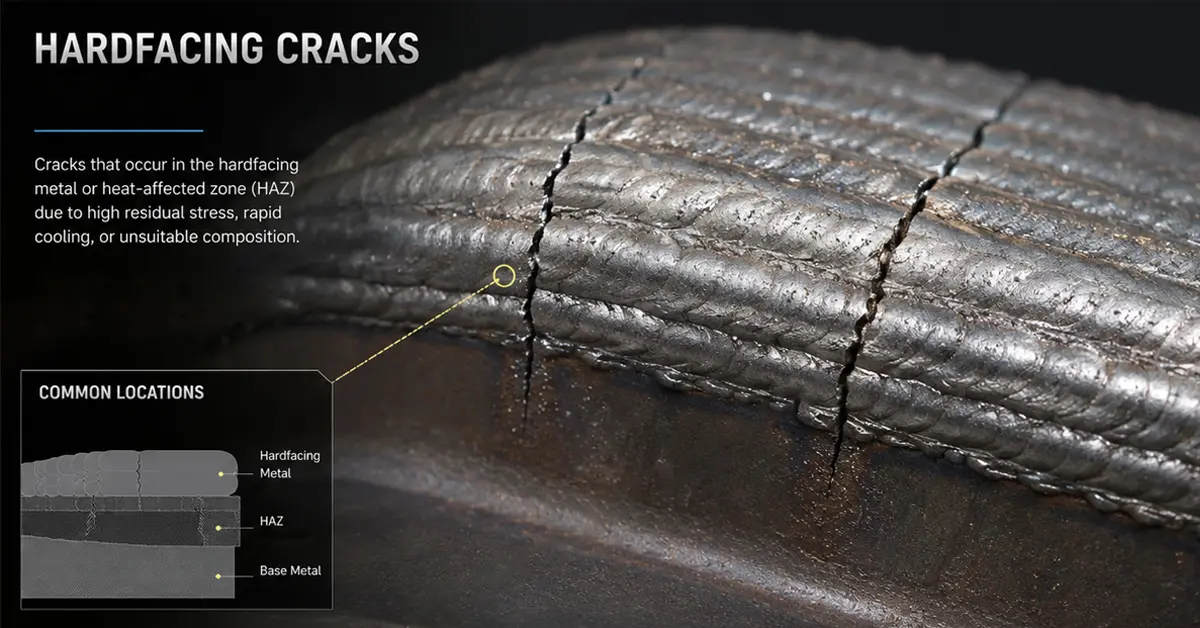
"In industries such as oil & gas, petrochemical, power generation, mining, and marine engineering, industrial valves are constantly exposed to severe operating conditions including high pressure, extreme temperatures, corrosive media, and abrasive wear..."
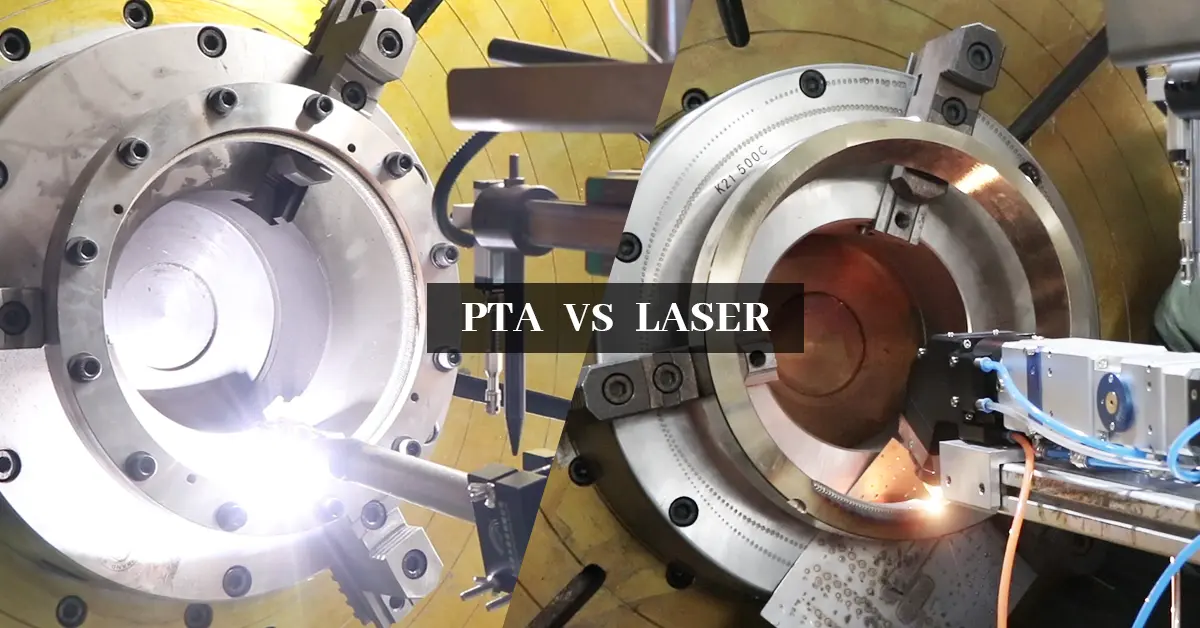
Expert answers to the most common inquiries regarding the mechanics, limitations, and operations of Plasma Arc and PTA Cladding technology.
For inquiries about our products, customized systems, or a price list, please leave your contact details. Our technical engineering team will get in touch with you within 24 hours to assist with your project specifications.








 Duomu
Duomu