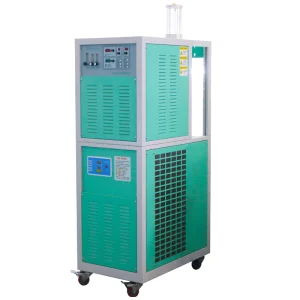
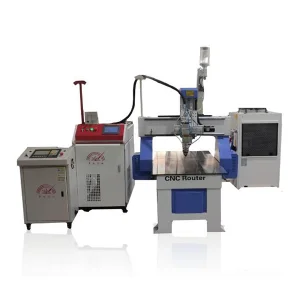
High-integrity industrial welding machinery and customized engineering solutions from leading Chinese manufacturing experts.
An in-depth metallurgical analysis of Tungsten Inert Gas (TIG) welding, and why heavy industries are integrating PTA cladding and laser technologies to address its historical limitations.
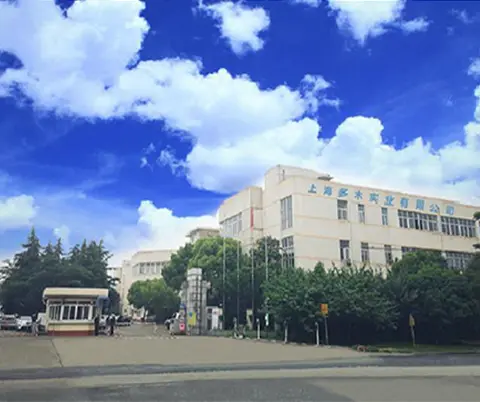
Globally, the metal joining and surface repair industry is undergoing a digital transformation. Heavy manufacturing hubs in North America and Western Europe face rising labor costs and a retiring workforce. Consequently, industrial B2B procurement demands high-integrity, automated systems that combine the precision of TIG with the productivity of automation.
This is where Chinese manufacturers, led by Shanghai Duomu, offer strategic advantages. For over a decade, Shanghai Duomu has built a strong technical background in PTA (Plasma Transferred Arc) and Laser Cladding systems, filling the gap where traditional TIG falls short. By combining China's supply chain scale, rapid prototyping, and vertical integration, we provide high-performance, cost-effective equipment that helps global buyers modernize their production lines.
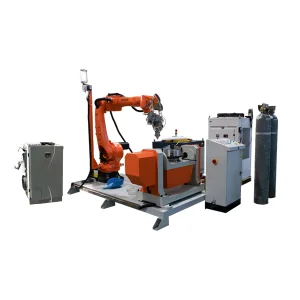
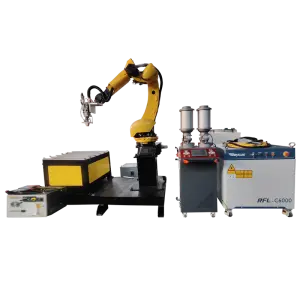
Our integration of robotic arms, independent powder feeders, and CNC controllers allows us to match Western quality standards at competitive pricing, ensuring a high ROI on surface remanufacturing and hardfacing projects.
Duomu's high-efficiency automated welding and cladding technologies are deployed globally across demanding heavy-industrial sectors.



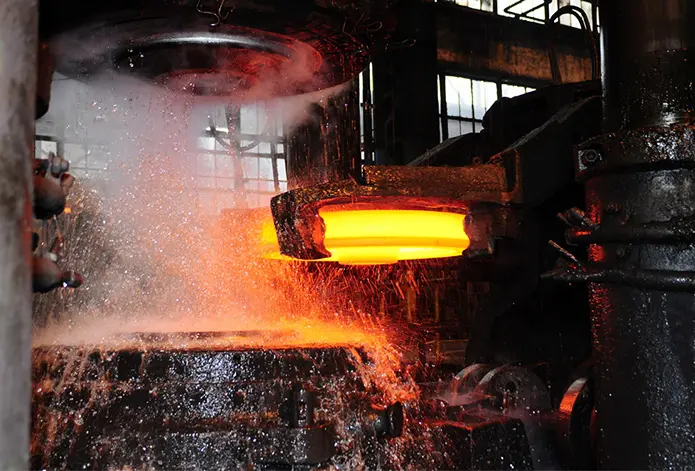
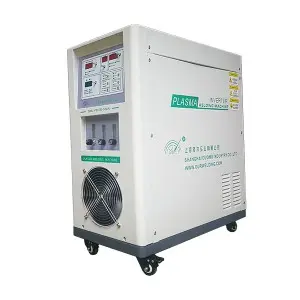
Traditional TIG welding struggles to maintain low dilution and high deposition rates during surface cladding. To overcome these limitations, Shanghai Duomu's dedicated technical department has developed high-integration automated plasma and laser cladding systems.
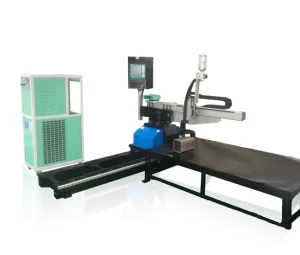
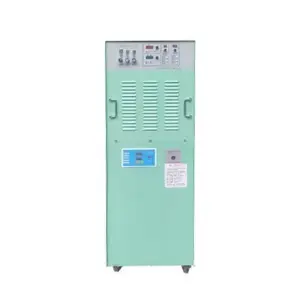
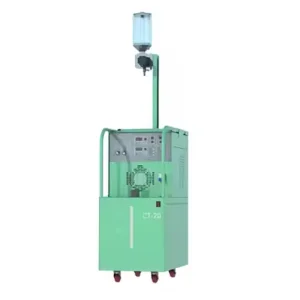
Our independent R&D team designs, manufactures, and supports plasma cladding equipment with highly stable arc performance for long-term industrial operations. For large-scale remanufacturing, our laser cladding systems enable precise surface restoration. We provide turnkey industrial solutions, optimizing powder feeding dynamics and torch geometry to keep base metal dilution under 5%—saving costly alloy materials while improving mechanical properties.
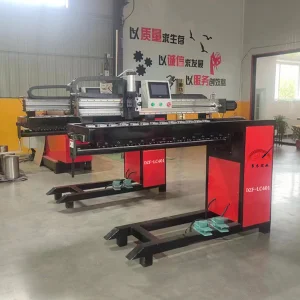
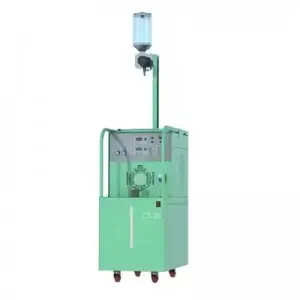
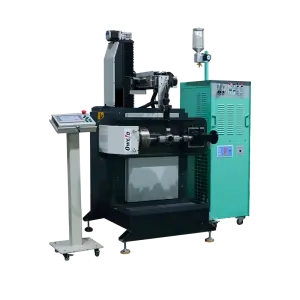
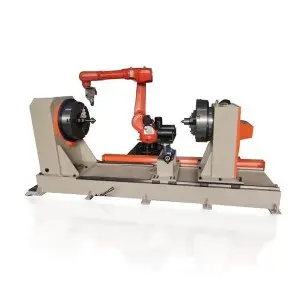
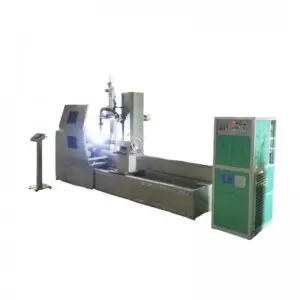
Whether you require a custom hydraulic rod cladding machine, a pick cladding machine, or a high-capacity valve cladding system, our technical team tailors every detail to your project's specific wear, heat, and corrosion demands.
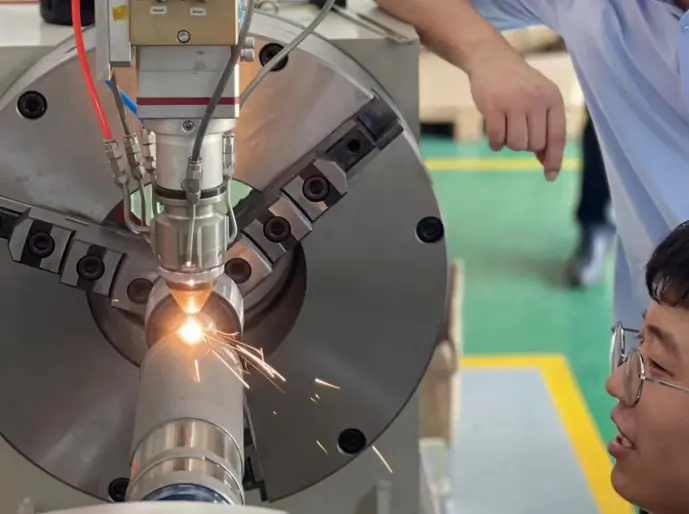
Tailored engineering systems designed to meet demanding wear, corrosion, and heat-resistant standards.
Explore engineering analysis on dilution rates, wear-resistant overlays, and industrial applications.
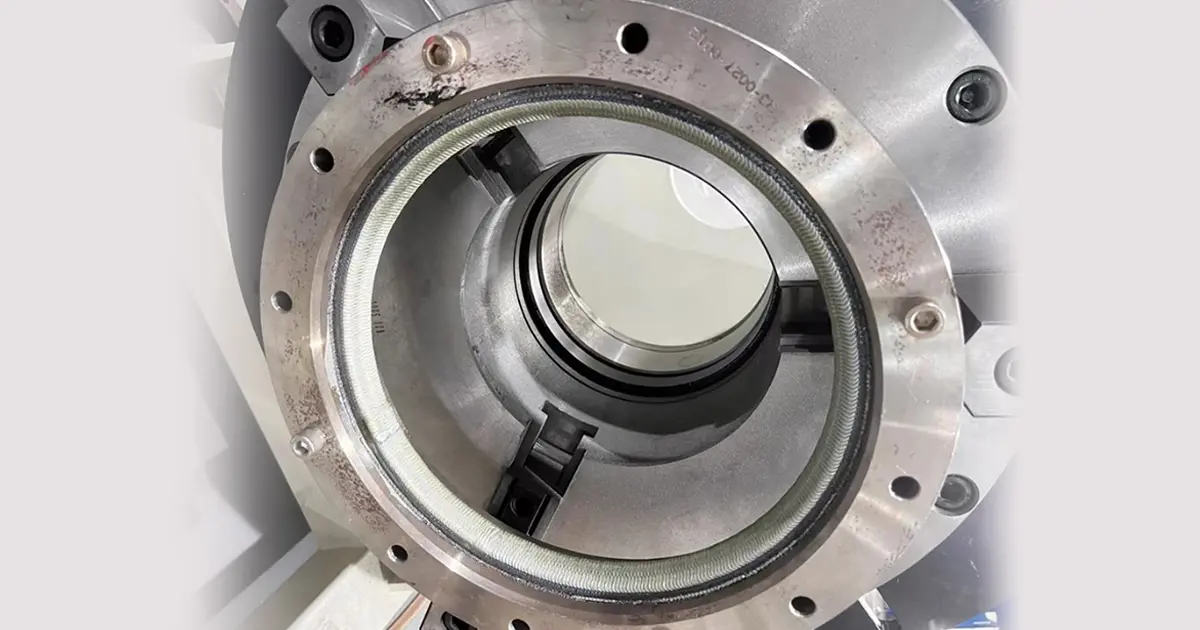
The PTA Welding Valve Application Guide is not just a process choice for valve manufacturers facing high wear, high corrosion, and high-temperature erosion working conditions, but also a key path to improving product competitiveness. As industries such as petrochemical, ...
Read Full Report →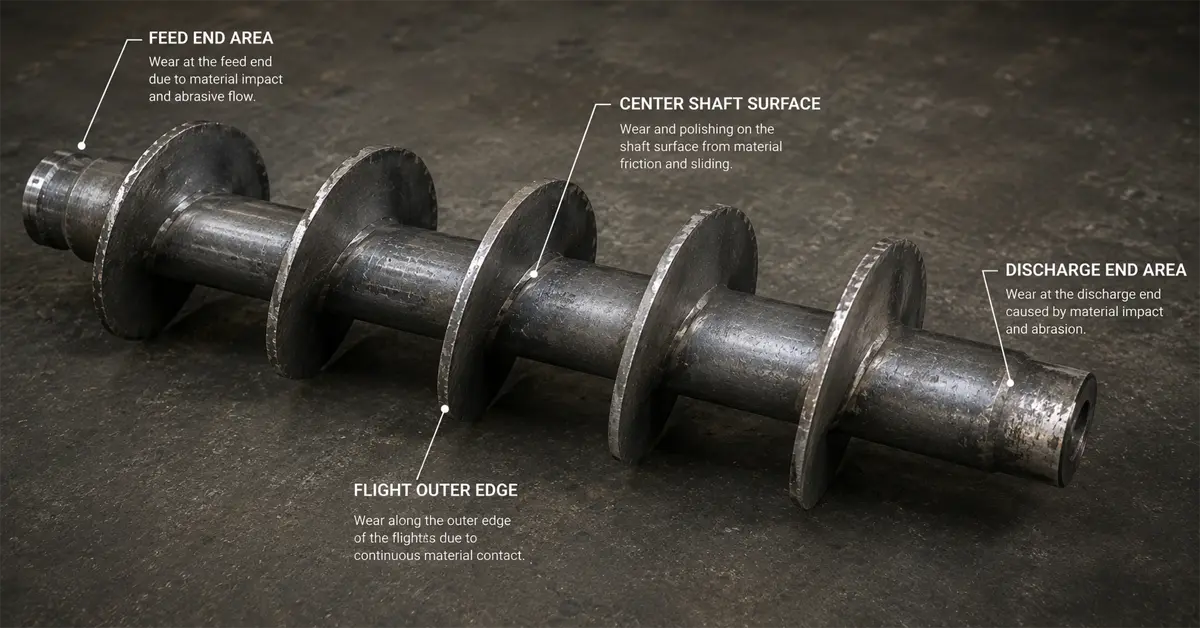
In industries such as mining, cement, power generation, steelmaking, chemical processing, and biomass energy, screw conveyors are often regarded as auxiliary equipment. However, maintenance data shows that they are among the most frequent causes of unplanned production d...
Read Full Report →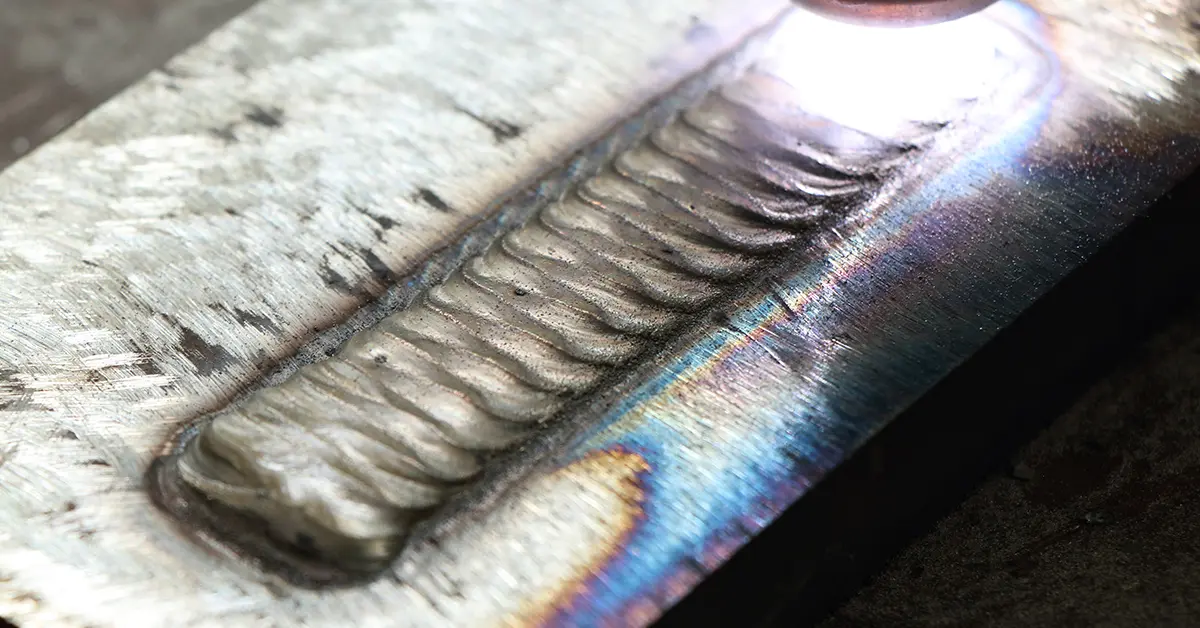
In Plasma Transferred Arc (PTA) hardfacing, achieving a high-quality overlay is not only about selecting the right alloy powder or optimizing welding parameters. One of the most critical factors that directly affects overlay performance is the dilution rate. Whether you ...
Read Full Report →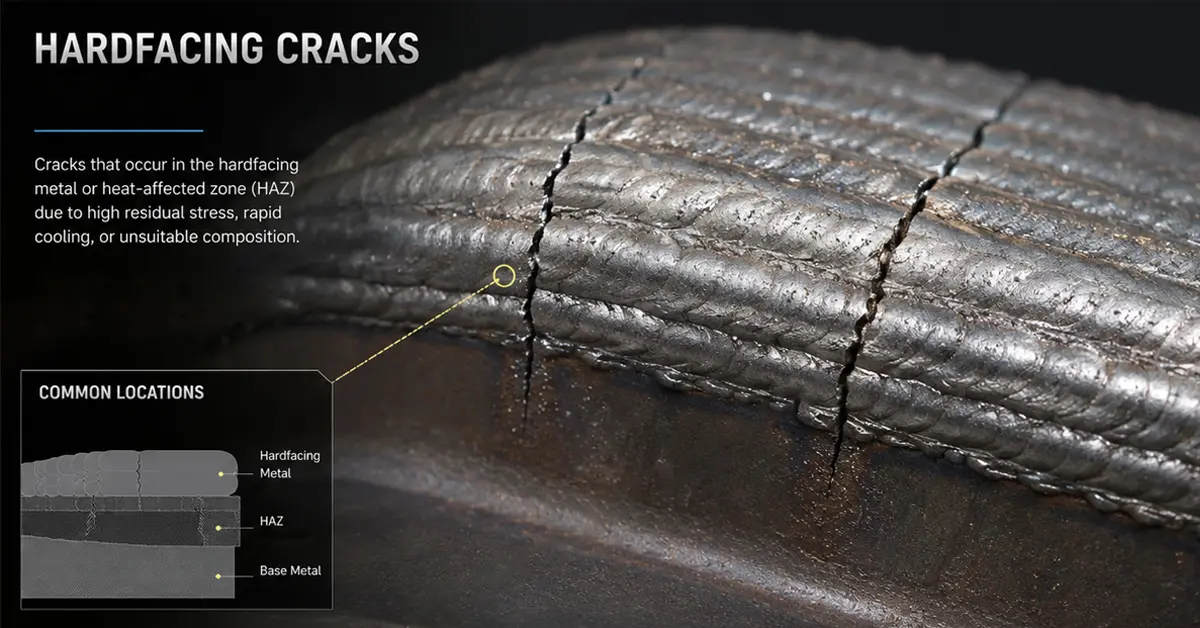
In industries such as Oil & Gas, Mining, Power Generation, Cement, and Heavy Equipment Manufacturing, hardfacing is no longer just a repair process. It has become a critical technology directly related to equipment lifespan, downtime costs, maintenance frequency, and...
Read Full Report →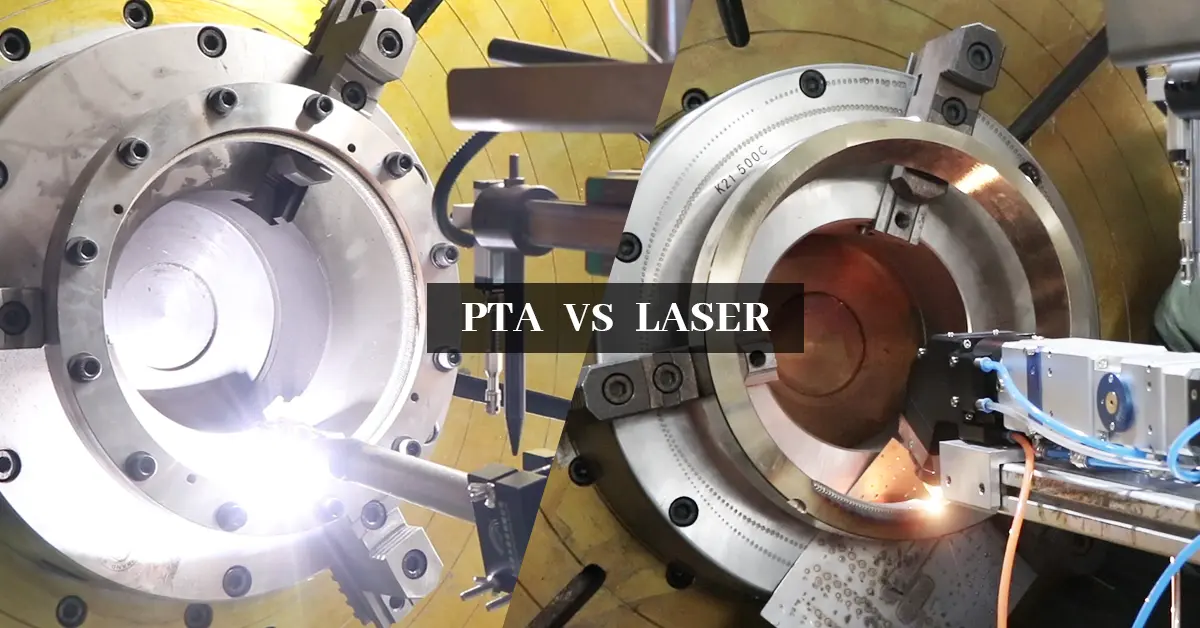
In industries such as oil & gas, petrochemical, power generation, mining, and marine engineering, industrial valves are constantly exposed to severe operating conditions including: - High pressure - Extreme temperatures - Corrosive media - Abrasive wear - Sand e...
Read Full Report →Technical guidance for B2B procurement managers evaluating high-reliability joining and hardfacing systems.
Modern production facilities should prioritize digital interfaces over manual welding. Look for systems featuring integrated PLC control, adjustable powder feeding speeds, and automated path planning to reduce reliance on scarce manual welding skills.
For cladding operations, minimizing dilution is key to cost-efficiency. High dilution (15%+) requires multiple weld passes to build up target alloy content. Automated PTA systems keep dilution below 5% in a single pass, saving material and labor.
Industrial applications require a 100% duty cycle at maximum current. Ensure equipment is engineered with robust liquid-cooled torches and heavy-duty transformers to handle continuous, multi-shift production schedules.
Essential technical answers for procurement managers and welding engineers evaluating TIG, PTA, and Laser Cladding systems.
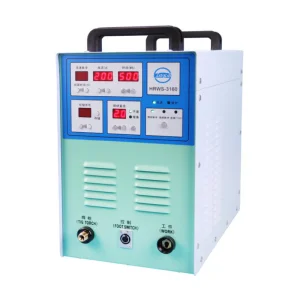
Industrial-grade power sources, specialized torches, and multi-axis automated welding systems.







 Duomu
Duomu