A technical treatise on Plasma Transferred Arc (PTA) cladding, microplasma weld integrity, and global metallurgical standardizations.
Achieve critical metallurgical bonding with dilution rates under 5%. Minimizing base metal degradation ensures optimal performance of expensive alloy overlays like Stellite and Colmonoy.
Utilizing a highly constricted plasma arc for extreme energy density. Perfect for low-amperage, high-precision joining and surfacing of ultra-thin membranes and complex geometries.
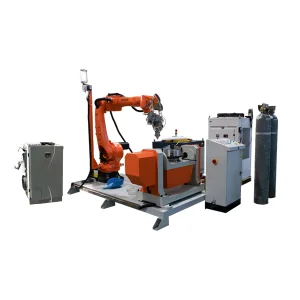
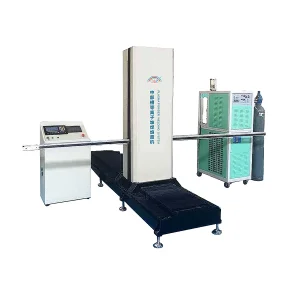
From 6-axis robotic integrations to localized CNC controls, our systems support complete automated feedback loops, maximizing processing throughput and cycle repeatability.
In the modern arena of heavy-duty metallurgy, Saldatura Microplasma (microplasma welding and plasma transferred arc cladding) represents the peak of precision surface engineering. As global procurement organizations seek to maximize the lifecycle of mechanical components, understanding the metallurgical dynamics of the heat-affected zone (HAZ) is imperative. Our production systems are engineered specifically to balance arc constriction with thermal input, preventing internal stress fractures in materials subjected to extreme pressure.
Compared to traditional manual metal arc (MMA) welding or Gas Tungsten Arc Welding (GTAW), Plasma Transferred Arc (PTA) systems limit dilution. Dilution is the mixing of the base material with the overlay alloy. Under normal conditions, excessive dilution compromises the integrity of critical surfaces such as valve seats, hydraulic shafts, and drill strings. Through our high-precision CNC controllers and proprietary PTA torches, we guarantee a highly consistent layer deposition that complies with severe international codes.
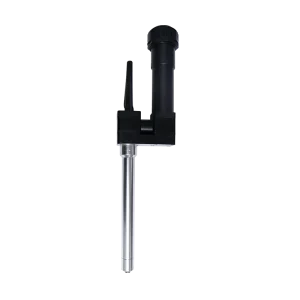
Explore our flagship PTA systems, CNC welding platforms, and specialized microplasma surfacing machinery.
For supply chain directors and technical procurement heads, purchasing heavy-duty surfacing machinery requires careful balancing of upfront capital expenditure with long-term reliability. We specialize in custom setups configured to optimize uptime and cycle stability.
Whether your operations are based in Europe, the Americas, or Southeast Asia, our equipment is built to operate under tough environments. By incorporating international standard designs and modular internal layouts, we ensure high compatibility with regional power grids, gas systems, and automation software.
Our dedicated technical engineering teams assist during the pre-sales process by defining precise parameters for powder-feed speeds, flow settings, gas shielding, and optimal laser/PTA integration paths.
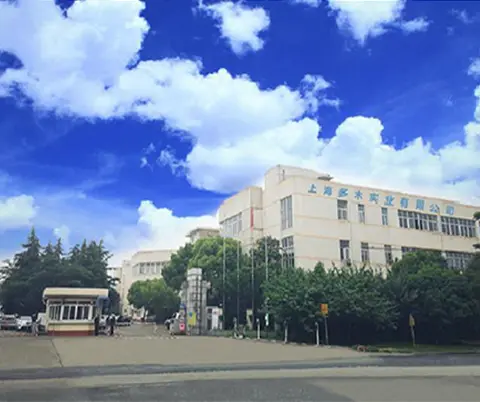
Request Technical SpecificationsShanghai Duomu features an independent R&D team that develops, produces, and sells plasma cladding machine equipment. Our welding machines provide stable performance and maintain efficient, long-term operation.
In addition, our laser cladding equipment supports large-scale industrial remanufacturing projects. With mature technological platforms and decades of field experience, we offer complete sets of industrial equipment solutions designed to address mechanical wear and surface failure.
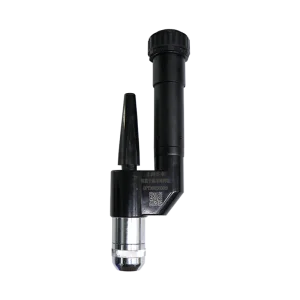
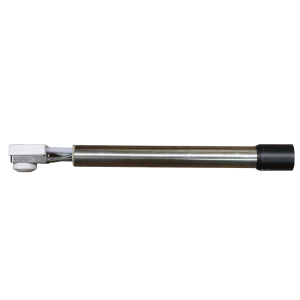
By designing and manufacturing our torches and feeding modules in-house, we eliminate compatibility bottlenecks common to third-party integrations, ensuring seamless operation.
Contact Our R&D Engineers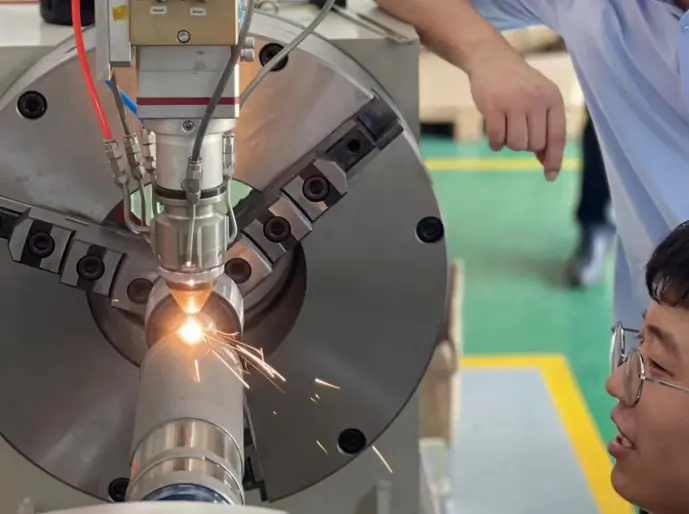
Our surface protection and welding solutions are active across various heavy industrial sectors worldwide.
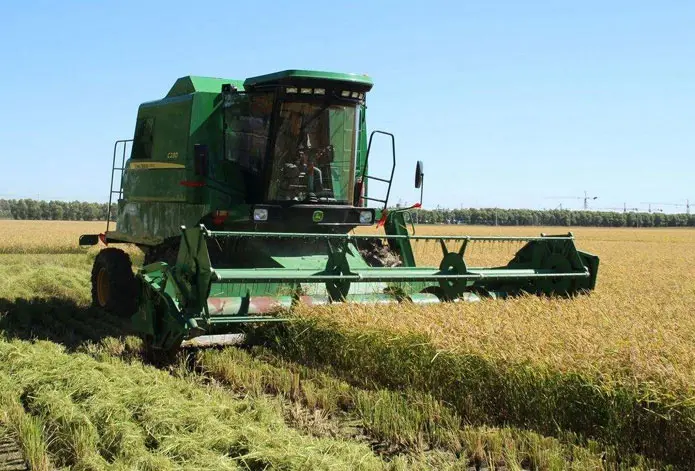
Hardfacing critical agricultural tines, plowshares, and components exposed to intensive abrasive soil wear.

High-precision cladding on turbine blades, flight control mechanisms, and advanced military aircraft components.
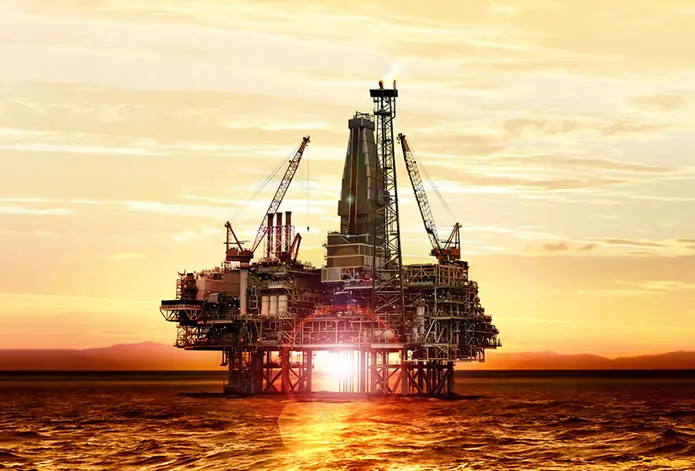
Providing wear and corrosion protection for drill collars, stabilizing valves, and deep-hole drilling accessories.
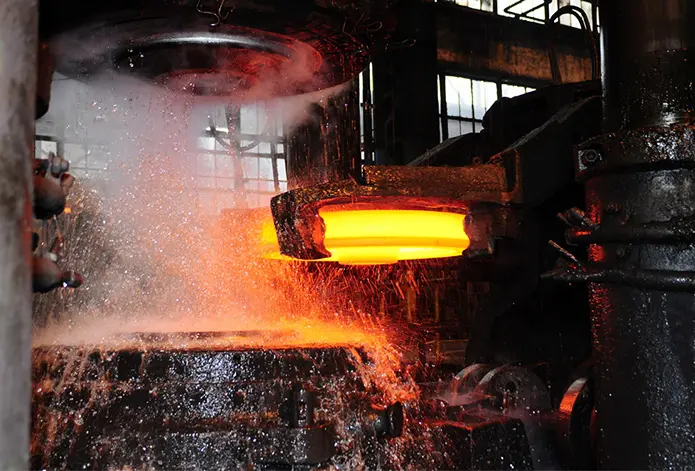
Remanufacturing continuous casting rolls, crushing rollers, and hot extrusion dies subjected to heavy thermal cycling.
In high-pressure petrochemical, water conservancy, and power generation environments, industrial valves are exposed to abrasive particles, corrosive chemicals, and thermal shocks. Standard base metals degrade rapidly. By applying Saldatura Microplasma or PTA powder surfacing, manufacturers create a thick, metallurgically bonded shielding layer that extends component lifecycle. Similarly, in biomass and mining operations, screw conveyors frequently cause unplanned production downtime. Using automated hardfacing systems to protect the outer edges of flights minimizes abrasive wear, helping maintain production continuity.
Choosing the correct surfacing method based on specific mechanical, thermal, and economic requirements.
Provides a heavy deposition thickness (usually 1.5mm to 6.0mm per pass) with a strong metallurgical bond. It features excellent powder usage efficiency and is suitable for high-wear parts like mining components, extrusion screws, and heavy valve seats.
Delivers low heat input, a minimal heat-affected zone (HAZ), and very low dilution rates (<1-2%). Ideal for high-precision components like engine turbine blades, high-tolerance shafts, and thin-walled parts susceptible to thermal deformation.
Operates with a highly constricted low-amperage arc, enabling precise weld joints on delicate foils, bellows, sensors, and electronic housings. Offers excellent arc stability even at current levels below 1 Ampere.
Shanghai Duomu's engineering team is currently developing next-generation intelligent robotic PTA setups that utilize real-time optical tracking. By integrating machine-learning-driven vision sensors directly with the powder feeder and power supply controls, the system adjusts travel speed, powder feed, and arc oscillation dynamically. This helps counter uneven surface topographies on worn components, reducing human error and raising the level of automated quality control.
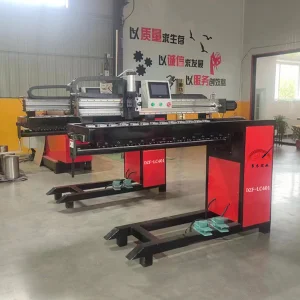
Custom setups tailored to unique physical configurations, automation setups, and specialized alloy powder profiles.
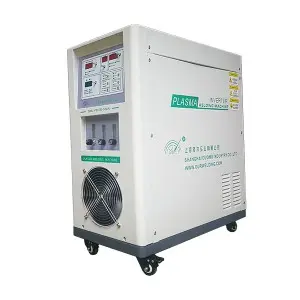
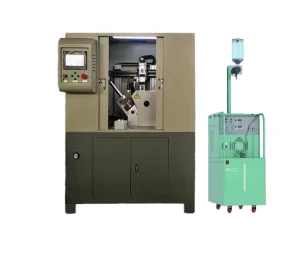
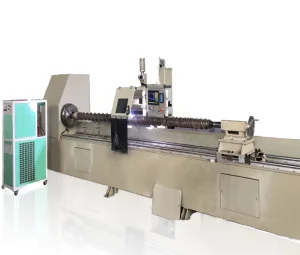
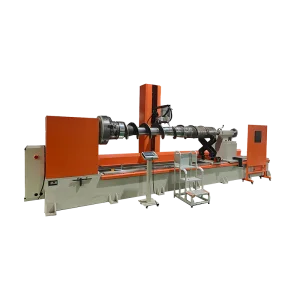
Highly integrated system optimized for industrial valves, drill collars, and heavy screw flight reclamation projects.
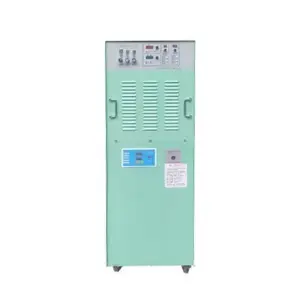
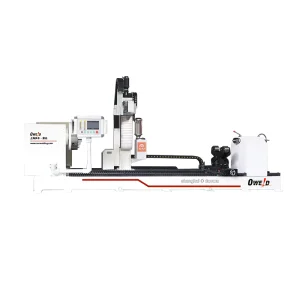
A flexible platform combining multi-process control circuits with robust heavy-duty positioning controls.
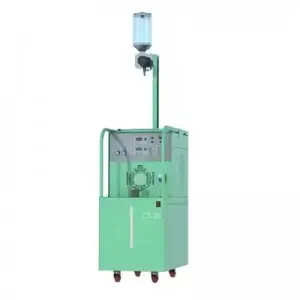
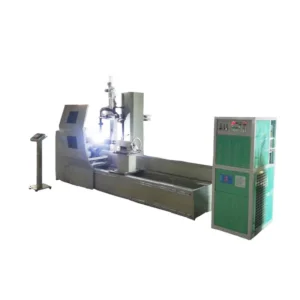
Industry-proven layout designed for heavy-duty metal repair and high-wear overlay applications.
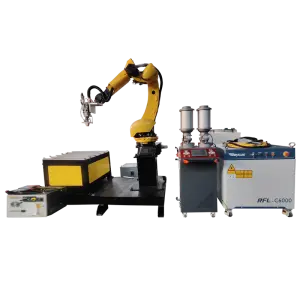
High-accuracy laser integration designed to rebuild turbine fins with low dilution and distortion.
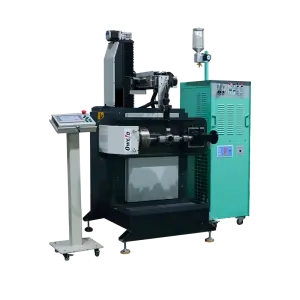
Optimized for rotating spherical surfaces, providing reliable gas shielding coverage.
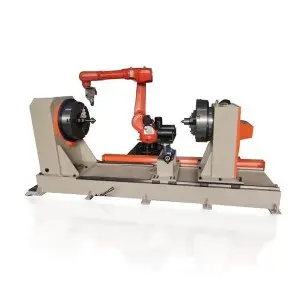
Precise robotic track system designed for selective heat treatment on critical industrial components.
Shanghai Duomu processes and systems comply with strict international industrial codes.
Our PTA cladding and laser systems conform to standard guidelines such as ISO 9001, CE directives, ASME Section IX (Welding Qualifications), and AWS D14.7 (Recommended Practices for Design and Reconstruction of Wear Surfaces).
Every system undergoes pre-shipment validation. We run test deposition samples using specific cobalt, nickel, and iron-based alloy powders, analyzing dilution rates and micro-hardness before final delivery.
We supply detailed mechanical drawings, electrical wiring diagrams, localized control software interfaces, and remote telemetry support to ensure integration with existing automated manufacturing lines.
See how our customers apply our PTA and laser cladding solutions to resolve wear and corrosion challenges.
The PTA Welding Valve Application Guide is not just a process choice for valve manufacturers facing high wear, high corrosion, and high-temperature erosion working conditions, but also a key path to improving product competitiveness.
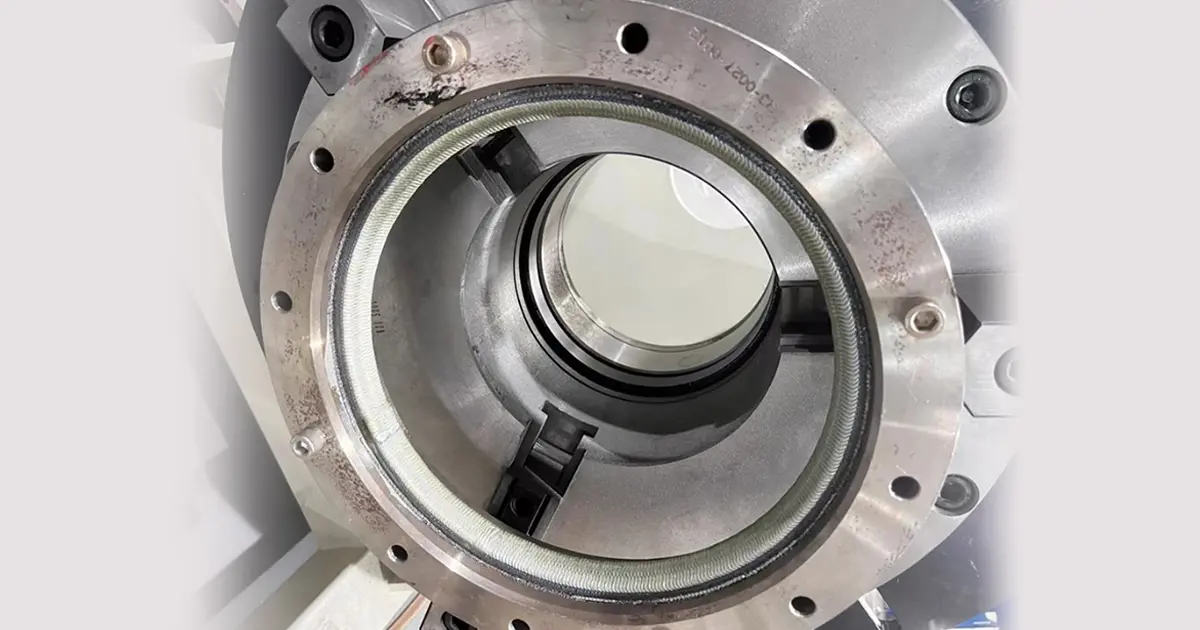
In industries such as mining, cement, power generation, steelmaking, chemical processing, and biomass energy, screw conveyors are often regarded as auxiliary equipment. However, maintenance data shows that they are among the most frequent causes of unplanned production delays. Implementing Duomu's PTA cladding extended our component life by three times.
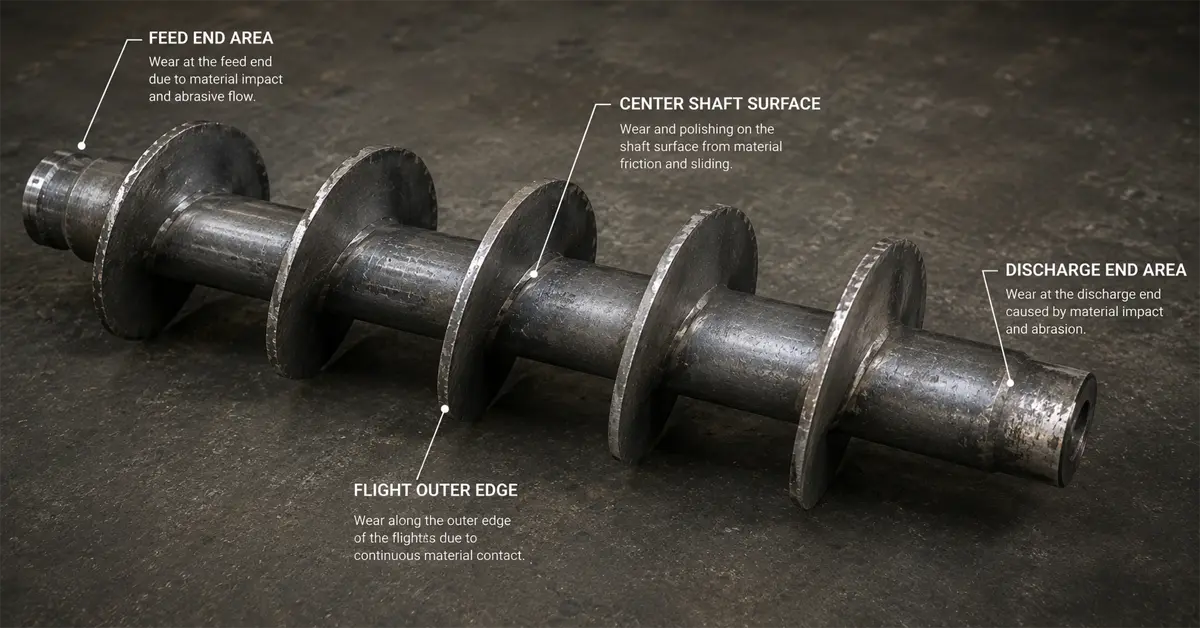
In Plasma Transferred Arc (PTA) hardfacing, achieving a high-quality overlay is not only about selecting the right alloy powder or optimizing welding parameters. One of the most critical factors that directly affects overlay performance is the dilution rate. Shanghai Duomu machines helped us maintain low dilution.
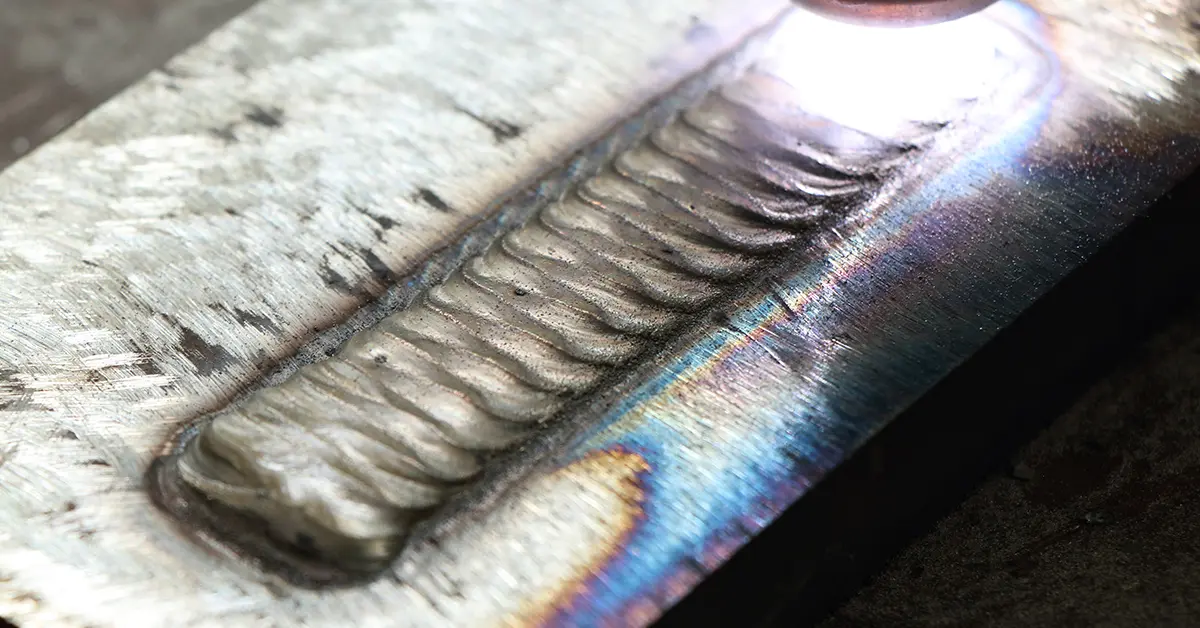
In industries such as Oil & Gas, Mining, Power Generation, Cement, and Heavy Equipment Manufacturing, hardfacing is no longer just a repair process. It has become a critical technology directly related to equipment lifespan, downtime costs, maintenance frequency, and overall operating margins.
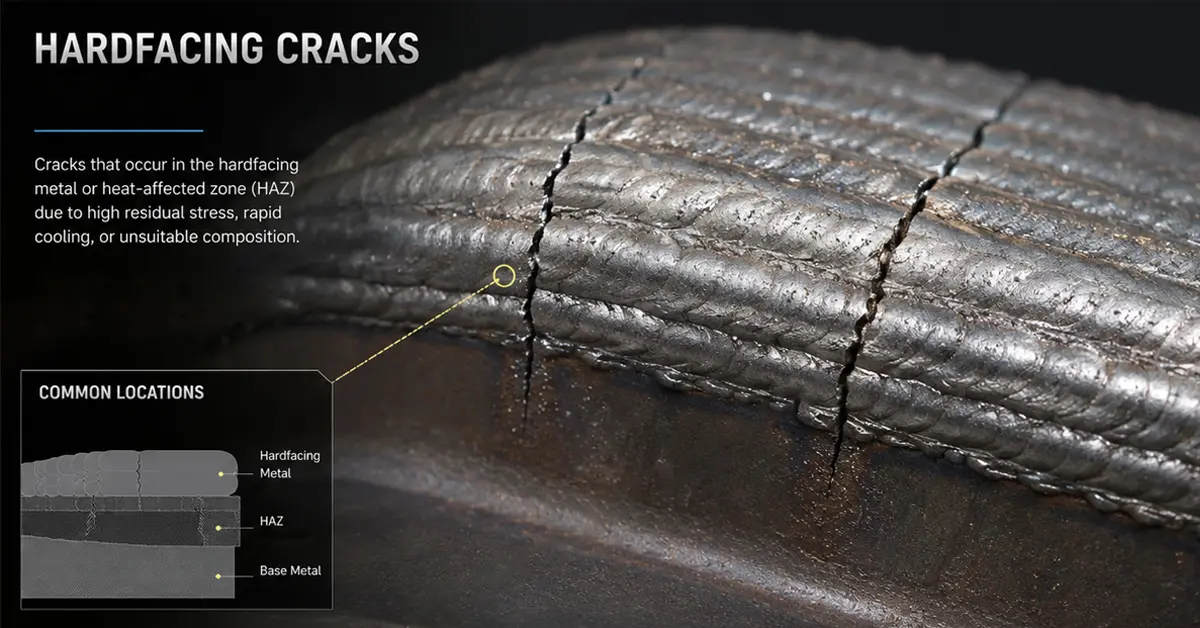
In industries such as oil & gas, petrochemical, power generation, mining, and marine engineering, industrial valves are constantly exposed to severe operating conditions including high pressure, extreme temperatures, corrosive media, and abrasive wear. The automated cladding setups from Duomu resolved these issues.
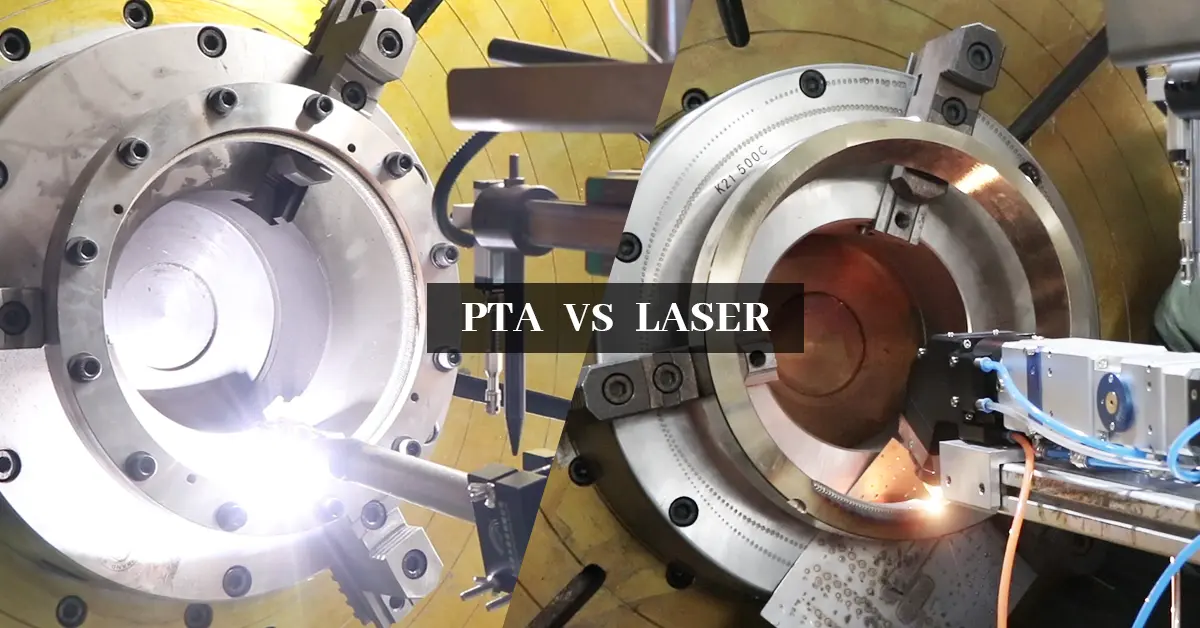
Detailed technical answers addressing standard questions raised by procurement managers and welding engineers.
Saldatura Microplasma (Microplasma Welding) utilizes a highly constricted plasma arc that is forced through a fine-bore copper nozzle. This design increases energy density and arc stiffness compared to standard Gas Tungsten Arc Welding (TIG/GTAW). The constriction provides stable low-amperage operation (often below 1 Ampere), making it suitable for thin-gauge metal joining and precision edge reconstruction.
The dilution rate measures how much of the base metal melts and mixes with the surfacing alloy. A high dilution rate dilutes the overlay chemistry (such as cobalt-based Stellite), reducing its wear and corrosion resistance. PTA cladding maintains dilution rates below 5%, ensuring the top layer keeps its intended alloy properties.
Yes. Our standard systems are engineered for automated cell integration. We offer turnkey 6-axis robotic units, high-precision linear slide platforms, and CNC integration packages that interface directly with PLC units via Ethernet/IP, Profinet, or Modbus protocols.
For valve seats exposed to high temperatures and corrosive media, cobalt-based alloys (e.g., Stellite 6) are typically selected. For screw conveyors and mining equipment experiencing heavy soil abrasion, we recommend nickel-based alloys combined with tungsten carbide (WC-Ni) to maximize surface hardness.
We supply complete documentation packages (including CE certificates, electrical schematics, and operator manuals). Our technical department provides installation assistance, parameter optimization services, and rapid-response spare parts logistics to minimize operational downtime.
Explore specialized torches, automated powder feed modules, and heavy duty PTA surfacing systems.





For inquiries about our products, technical configurations, or pricelists, please connect with our engineering department. We will contact you within 24 hours.
 Duomu
Duomu