Explore our top industrial-grade automatic plasma welding platforms, cladding units, and micro-precision devices built to your configurations.
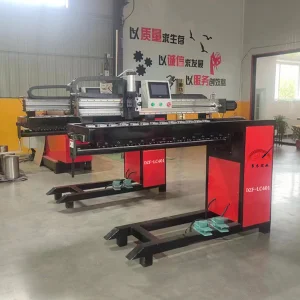
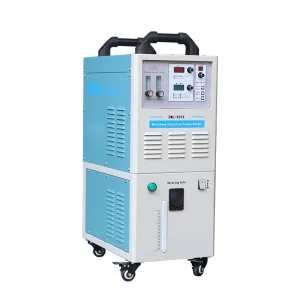
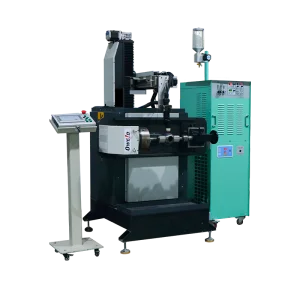
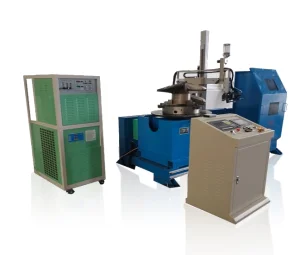
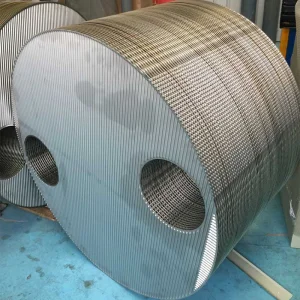
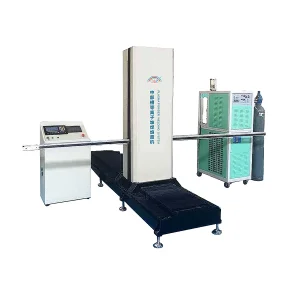
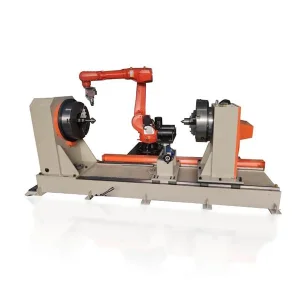
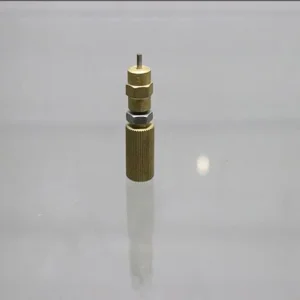
In the heavy industrial ecosystem, machine components are continuously exposed to severe operational conditions including high-stress wear, corrosive media, thermal cycling, and localized impact. Traditional surface treatment techniques often fail to satisfy modern longevity parameters. As a premium Soudure Plasma Manufacturer with over ten years of deep-rooted engineering expertise, Shanghai Duomu has formulated automated solutions utilizing Plasma Transferred Arc (PTA) Cladding and Laser Cladding technologies to establish high-integrity metallurgical bonds capable of mitigating critical mechanical degradation.
Soudure Plasma, or Plasma Transferred Arc (PTA) cladding, is a high-energy thermal process that utilizes a constricted plasma arc to melt both the substrate surface and the metal precursor (typically in powder form). The constriction of the arc through a specialized water-cooled copper nozzle yields energy densities exceeding those of traditional Gas Tungsten Arc Welding (GTAW) or Metal Inert Gas (MIG) welding.
A key operational advantage of the PTA system is the precise separation of the pilot arc (established between the tungsten electrode and the anode nozzle) and the main transferred arc (established between the electrode and the workpiece). This setup allows operators to control heat input, deposition rate, and dilution levels with extraordinary granularity. Dilution ratios can be maintained below 5%, ensuring that the deposited alloy layer retains its design characteristics (such as hardness and corrosion resistance) near the fusion boundary.
To assist global procurement agents and design engineers in determining the appropriate surface-hardening strategy, the table below provides a comprehensive comparison between PTA Cladding and Laser Cladding systems:
| Parameters / Performance Metrics | Plasma Transferred Arc (PTA) | Laser Cladding Systems |
|---|---|---|
| Heat Source | Constricted Arc Gas Plasma | High-Power Solid-State / Diode Laser |
| Bonding Integrity | Metallurgical (Extremely High Strength) | Metallurgical (High Precision) |
| Dilution Rate | 3% - 8% (Adjustable) | 0.5% - 2% (Ultra-Low) |
| Heat-Affected Zone (HAZ) | Moderate (Controlled cooling required) | Minimal (Low thermal distortion) |
| Deposition Rate | 2.0 - 6.0 kg/hr (High deposition rate) | 0.5 - 2.5 kg/hr (High efficiency per unit volume) |
| Alloy Compatibility | Stellite, Colmonoy, Fe-based, Tungsten Carbide | Spherical Powders (Fe, Ni, Co, Ti alloys) |
Our dedicated engineering group operates an independent R&D pipeline that designs, builds, and evaluates specialized plasma cladding and CNC welding hardware. Our primary objective is to maintain maximum equipment stability under continuous, multi-shift production cycles. Our systems integrate advanced PLC controls, custom closed-loop powder feeders, and robust mechanical structures to support heavy remanufacturing operations.
Additionally, our laser cladding systems utilize multi-axis robotic platforms to process complex geometries such as turbine blades, extruders, and cylindrical shafts. With mature industrial solutions, our design office handles the integration of electrical, pneumatic, optical, and mechanical assemblies, offering custom-engineered equipment tailored to customer specifications.
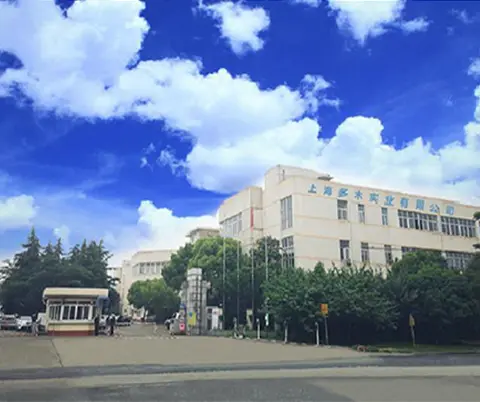
Shanghai Duomu has been a leading manufacturer and exporter of PTA cladding machines and Laser cladding systems for more than ten years. Backed by solid technical resources, we produce systems that optimize surface hardening and repair across a variety of industrial sectors.
We leverage advanced testing protocols to verify system integrity before shipment. Our machines are engineered for industrial environments, ensuring reliable uptime and consistent performance.
Read More ProfileFrom aerospace propulsion to petrochemical valve hardfacing, our machines deliver critical protection in demanding operating environments.
Superalloy cladding of turbine blades, compressor casings, and critical jet engine assemblies to mitigate thermal fatigue and high-temperature oxidation.
Cobalt-free alloy deposition on internal valve guides and seats to control erosion-corrosion and prevent radioactivity contamination from cobalt breakdown.
Applying corrosion-resistant alloys (such as Inconel 625 or Stellite 6) to ball valves and seating rings exposed to corrosive process media.
Hardfacing components such as hydraulic support rods, shearer loader teeth, and tunneling shields against abrasive mineral impact.
Restoring critical processing wear items, including hot forging dies and steel mill rolls, to extend operational lifespans and reduce equipment downtime.
Wear-resistant surfacing on soil-tilling blades, screw conveyors, and agricultural components exposed to constant abrasive wear.



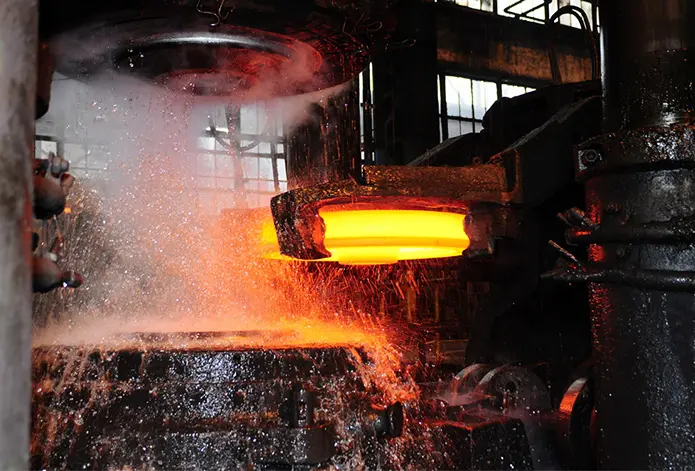
By managing critical manufacturing processes in-house—including design, machining, electronic assembly, and control system programming—we maintain tight control over product quality and delivery timelines.
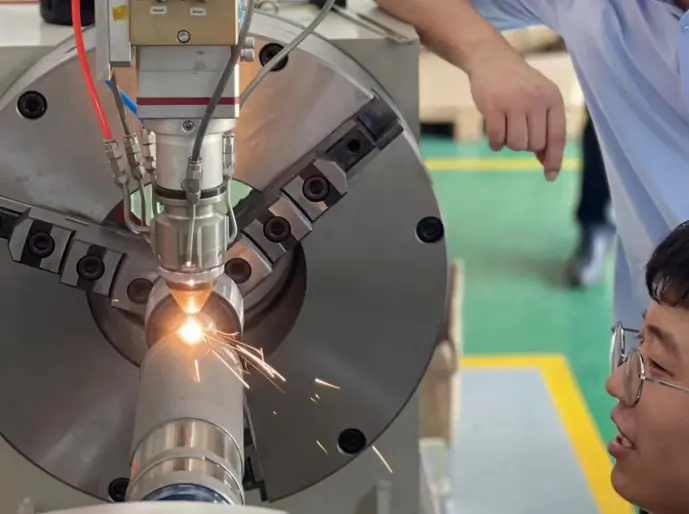
Explore our specialized PTA torches, laser cladding machines, and automated systems designed for critical part repairs.
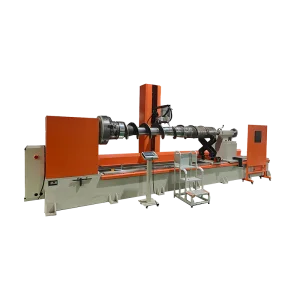
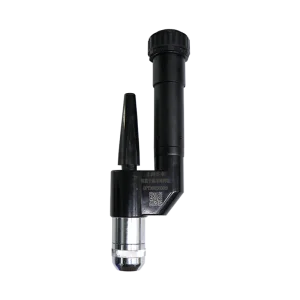
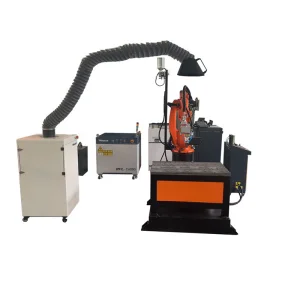
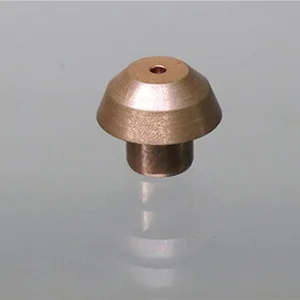
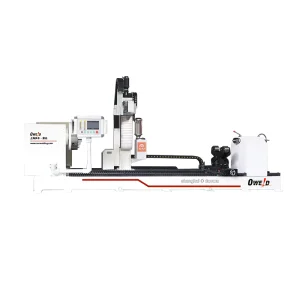
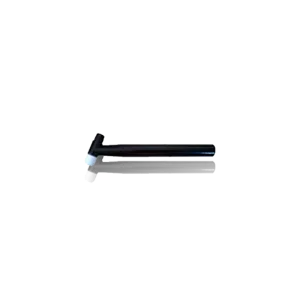
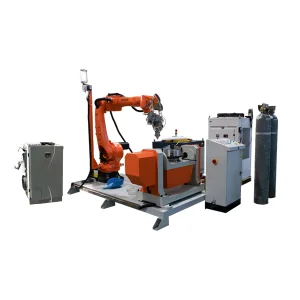
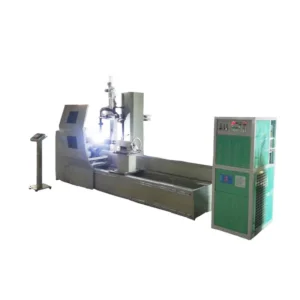
Technical specifications, operating limits, and engineering support for our PTA and laser cladding systems.
Our PTA cladding systems typically achieve a dilution rate of 3% to 8% in a single pass. By controlling the transferred arc current, powder feed rate, and torch travel speed, operators can manage the mixing zone to preserve the properties of the cladding alloy.
Our PTA machines process a wide range of wear-resistant and anti-corrosive alloy powders, including nickel-based (e.g., Colmonoy), cobalt-based (e.g., Stellite 6, 12, 21), iron-based, and tungsten carbide composite powders (WC/Ni or WC/Fe matrix).
Laser cladding features a localized, high-energy laser beam that minimizes thermal input, resulting in an extremely narrow HAZ and minimal component deformation. PTA cladding introduces slightly higher heat input but offers a higher deposition rate, making it suitable for large components like hydraulic rods or extrusion screws.
Yes, our PTA and laser systems can be integrated with 6-axis industrial robots (e.g., Kuka, ABB, Fanuc) and multi-axis positioners to automate cladding paths on complex, non-symmetrical surfaces.
Shanghai Duomu machines are manufactured in compliance with ISO 9001:2015 quality management protocols and meet CE safety standards, ensuring suitability for the European and North American industrial markets.
Feedback from valve manufacturers, steel mills, and maintenance managers on their experience with our equipment.
"The PTA Welding Valve Application Guide is not just a process choice for valve manufacturers facing high wear, high corrosion, and high-temperature erosion working conditions, but also a key path to improving product competitiveness."
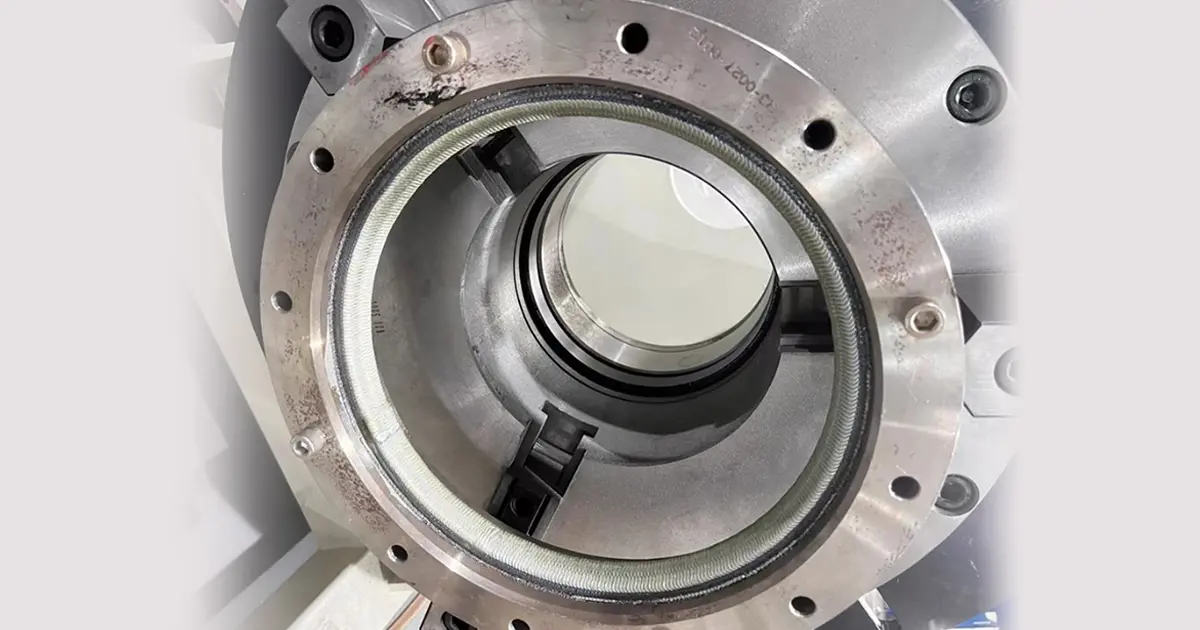
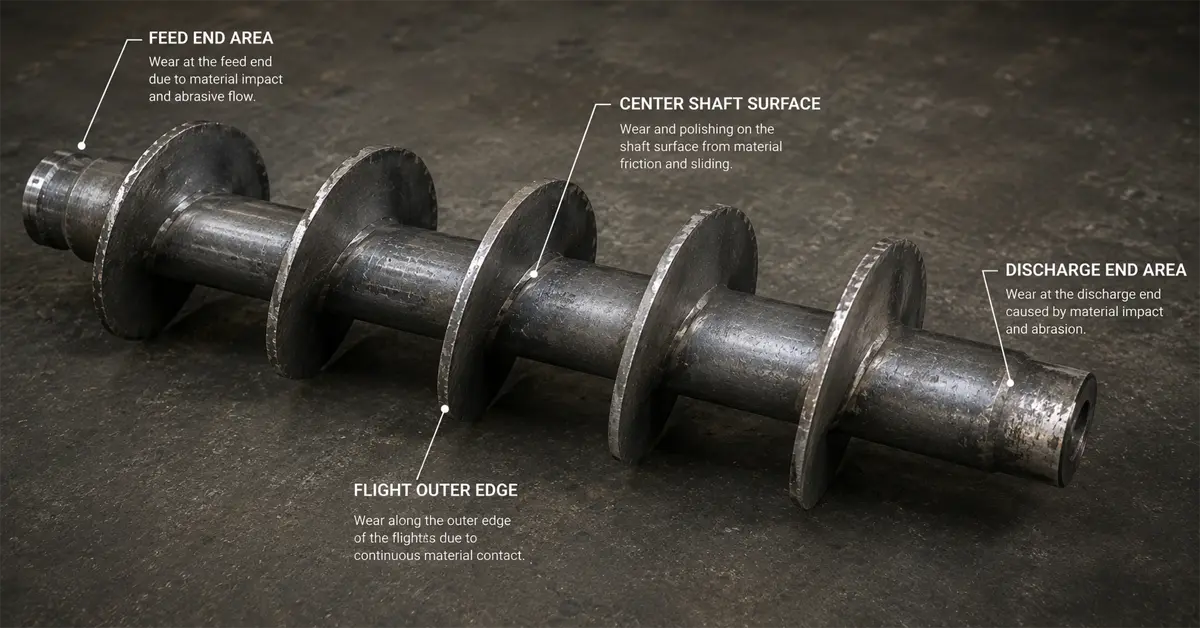
"In industries such as mining, cement, power generation, steelmaking, chemical processing, and biomass energy, screw conveyors are often regarded as auxiliary equipment. However, maintenance data shows that they are among the most frequent causes of unplanned production downtime."
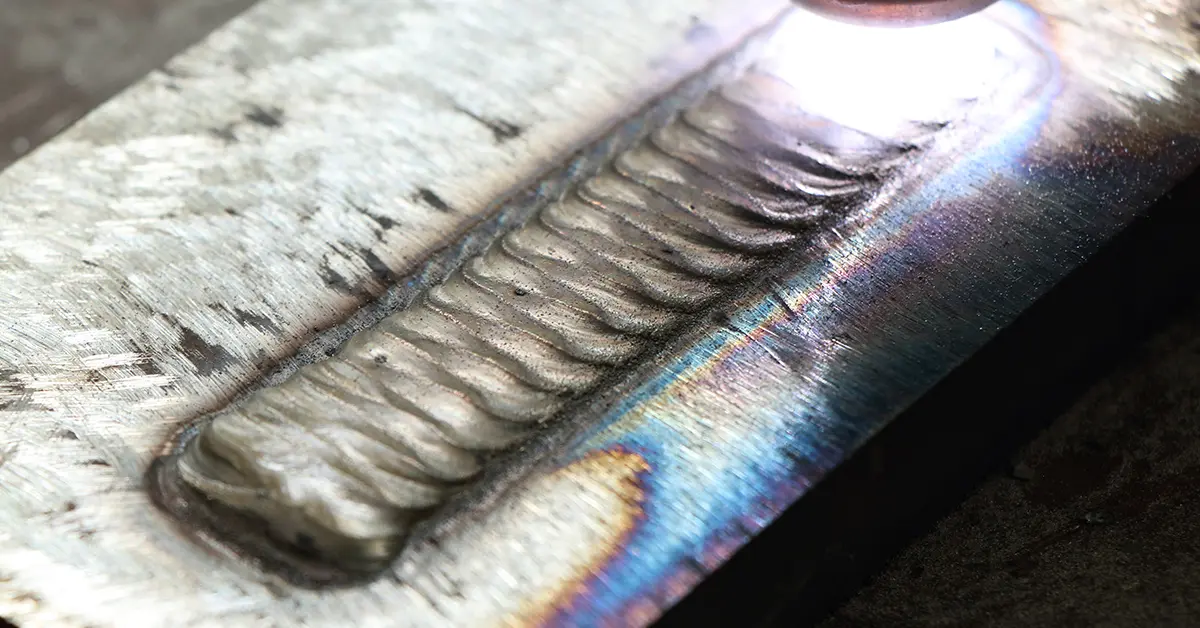
"In Plasma Transferred Arc (PTA) hardfacing, achieving a high-quality overlay is not only about selecting the right alloy powder or optimizing welding parameters. One of the most critical factors that directly affects overlay performance is the dilution rate."







For inquiries about our products, technical parameters, or custom equipment solutions, submit your request and our engineering team will respond within 24 hours.
Receive technical whitepapers and information on new surface cladding solutions.
 Duomu
Duomu