Highly optimized, production-ready surface cladding solutions configured to meet the rigorous manufacturing standards of South American operations.
An analysis of wear challenges, localized application demand, and manufacturing technologies reshaping Brazil's primary industries.
Brazil ranks among the world's most asset-intensive industrial economies. The massive mining complexes of Minas Gerais (Quadrilátero Ferrífero) and Pará (Carajás), along with deepwater oil extraction in the Pre-salt basins (Bacia de Santos and Bacia de Campos), expose mechanical components to extreme wear, abrasion, and aggressive chemical corrosion.
Traditional thermal spraying and standard hardfacing often fall short in these scenarios. Delamination, high dilution rates, and broad heat-affected zones (HAZ) compromise critical components, leading to unscheduled downtime that can cost operators millions of Reais. High-density energy processes like Laser Cladding and Plasma Transferred Arc (PTA) cladding have emerged as essential solutions to maximize component lifespans.
Explore how Duomu's PTA and Laser Cladding systems serve heavy industrial engineering across South America.



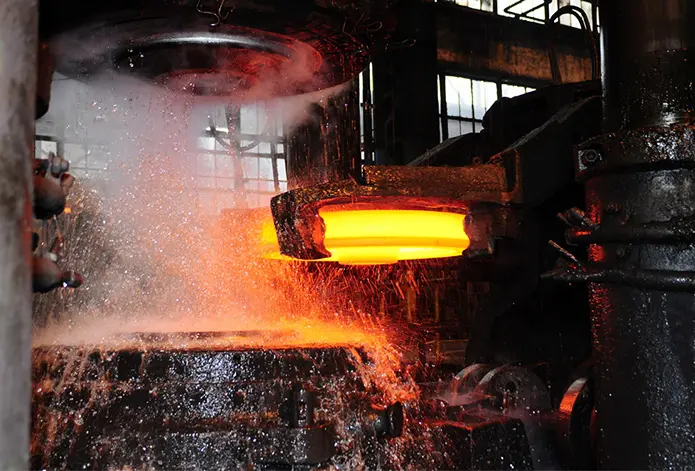
How Shanghai Duomu pairs manufacturing efficiency with strict local safety and import standards.
Brazil's NR-12 regulatory standard mandates rigorous safety controls for machinery. Importing equipment that lacks proper safety architecture can lead to delays at customs or operations shutdowns. Duomu's cladding systems can be configured with dual-channel safety loops, emergency stop networks, light curtains, and protective optical enclosures that align with NR-12 requirements.
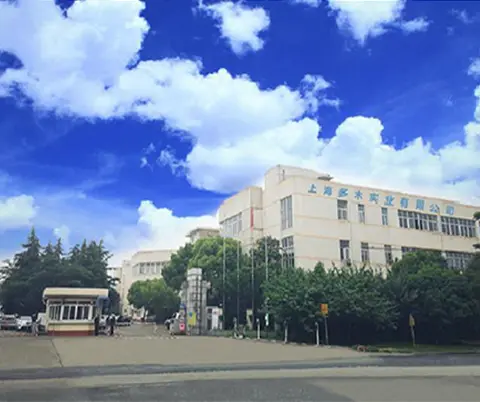
Our Shanghai-based manufacturing facility integrates the complete supply chain: from laser source assembly and specialized PTA powder feed systems to multi-axis CNC gantries and robotic systems. This integration helps maintain stable build times and lower overall costs, providing cost-effective entry points for high-energy cladding systems compared to domestic or European alternatives.
We work with established logistics partners to coordinate ocean and air freight to major Brazilian ports, including Port of Santos, Paranaguá, and Itajaí. We provide standard commercial documentation, HS code declarations, and equipment specifications to support import processes through the Brazilian RADAR portal.
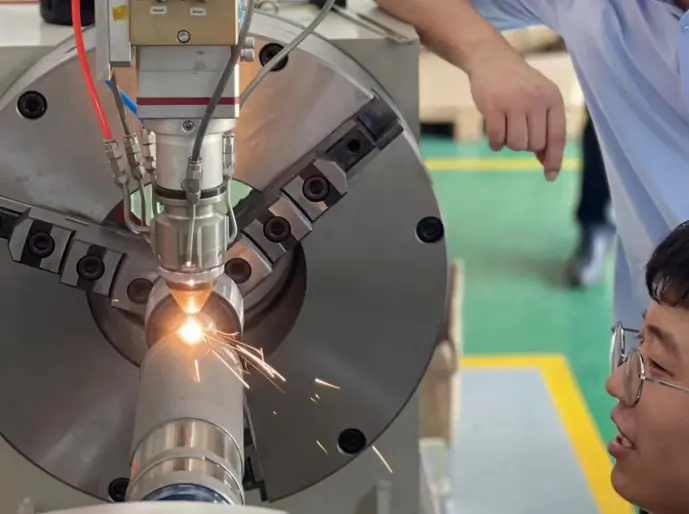
Shanghai Duomu has been a leading manufacturer and exporter of PTA cladding machines and Laser cladding machines for more than ten years, supported by a strong technical background. We design, produce, and sell our plasma cladding equipment in-house, ensuring reliable operation for industrial remanufacturing and surface repair.
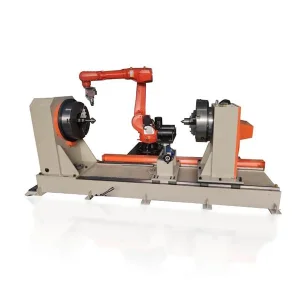
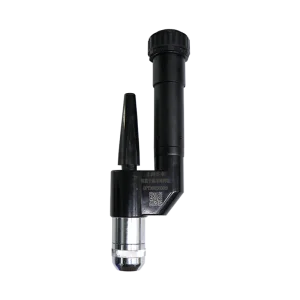
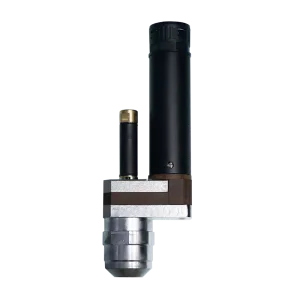
Our internal R&D team continuously refines our systems. In addition to standard units, we specialize in high-integration setups designed for large-scale operations. We offer complete system packages that include automation gantries, custom powder feeders, and specialized torch designs to match specific operational profiles.
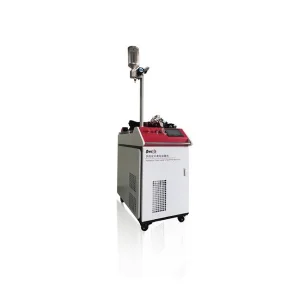
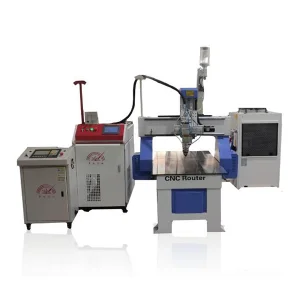
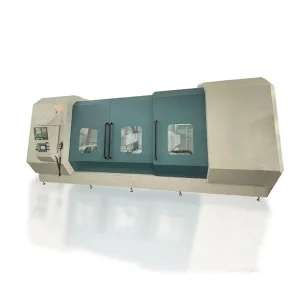
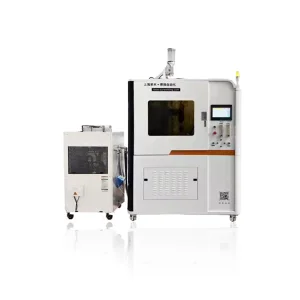
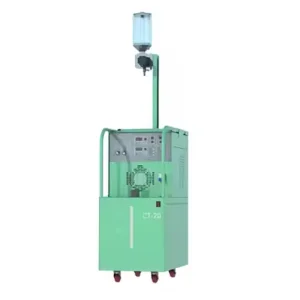
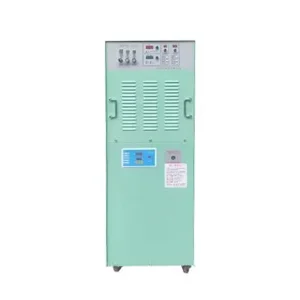
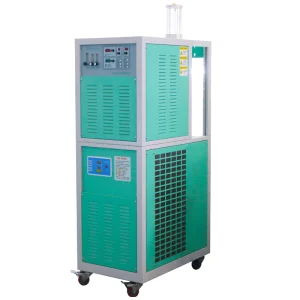
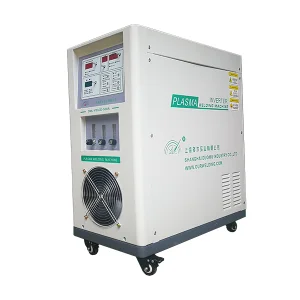
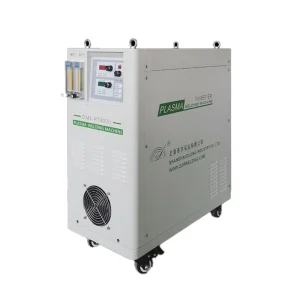
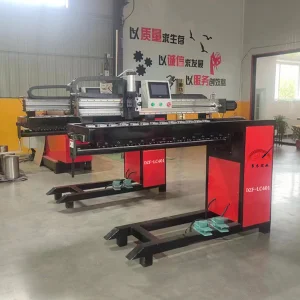
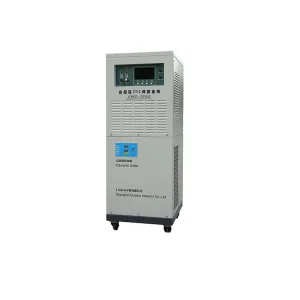
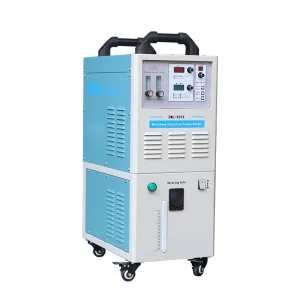
Select from our range of automated plasma powder surfacing systems, high-power laser cladding platforms, and specialized welding systems.
Supporting units, automated arms, and custom torches built for localized industrial workflows.
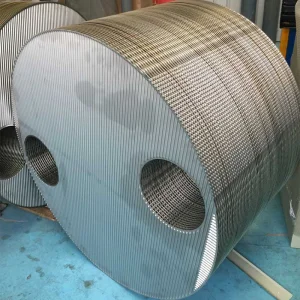
Real-world applications of PTA hardfacing and Laser cladding technologies across wear-critical systems.
"In Plasma Transferred Arc (PTA) hardfacing, achieving a high-quality overlay is not only about selecting the right alloy powder or optimizing welding parameters. One of the most critical factors that directly affects overlay performance is the dilution rate. Proper dilution rate control ensures the overlay retains its intended wear resistance without excessive base metal contamination."
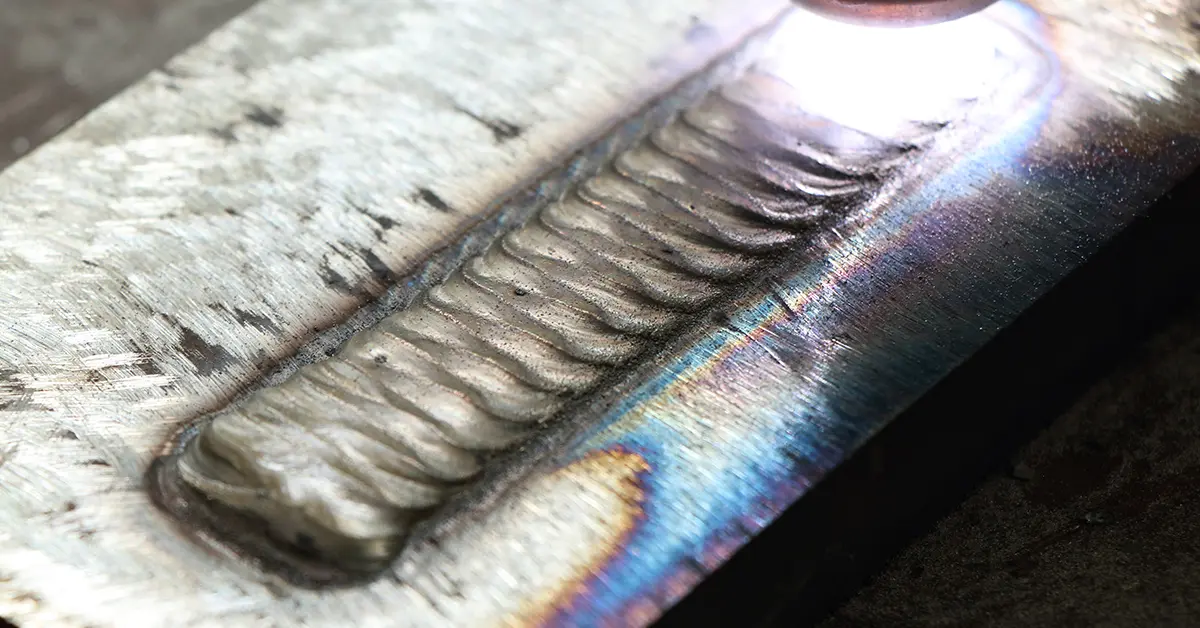
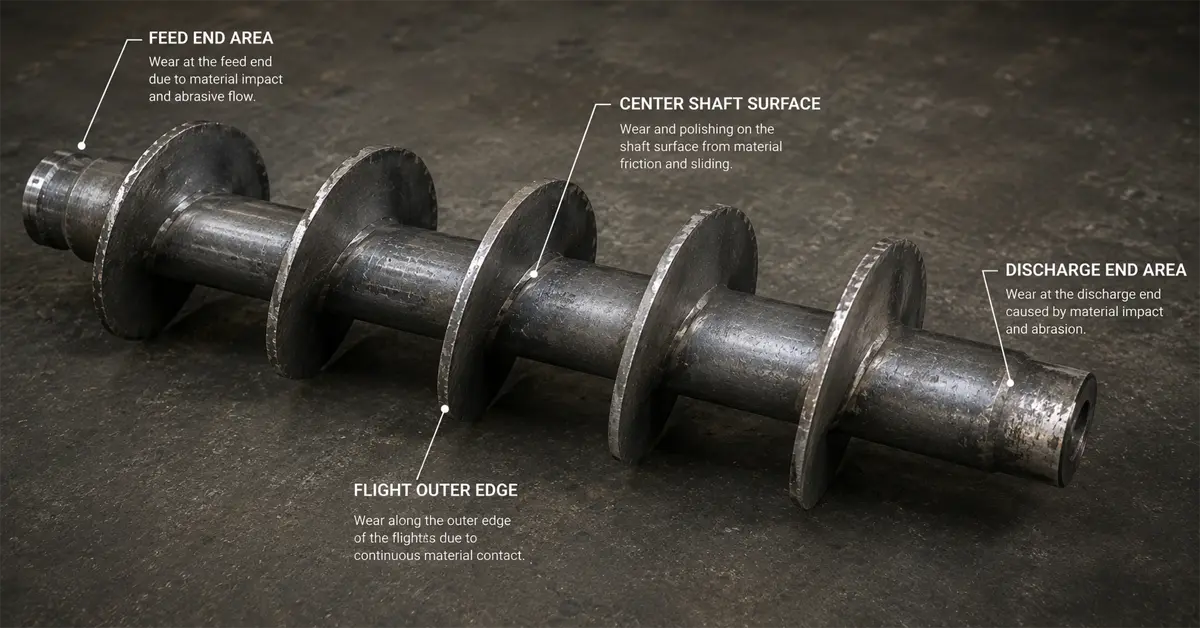
"In industries such as mining, cement, power generation, steelmaking, chemical processing, and biomass energy, screw conveyors are often regarded as auxiliary equipment. However, maintenance data shows that they are among the most frequent causes of unplanned production delays. Standardizing PTA and laser cladding for conveyor flights has helped reduce these repair stops."
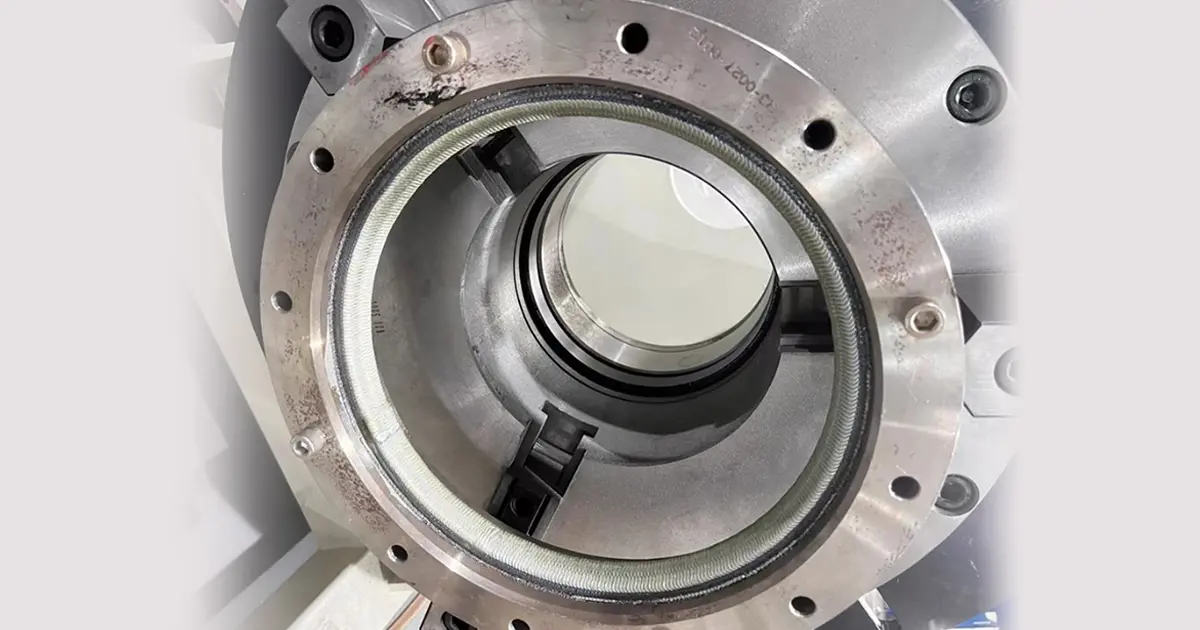
"The PTA Welding Valve Application Guide is not just a process choice for valve manufacturers facing high wear, high corrosion, and high-temperature erosion working conditions, but also a key path to improving product competitiveness. As industries such as petrochemical and thermal power demand longer equipment service lives, proper overlay welding remains critical."





Answers to technical, regulatory, and logistics questions about implementing our cladding systems in Brazil.
Plasma Transferred Arc (PTA) uses a plasma arc heat source to melt metal powder and the substrate surface, resulting in a metallurgical bond with a dilution rate typically between 5% and 15%. It is suitable for thick overlays on large components like mining teeth and conveyor flights.
Laser Cladding utilizes a focused laser beam to melt the powder and a very thin layer of the substrate. This results in a low dilution rate (typically under 5%), a minimal heat-affected zone (HAZ), and lower thermal distortion. It is suitable for precision parts, thin-walled tubes, hydraulic rods, and turbine blades.
Yes. We can design and build safety features to help comply with Brazil's strict NR-12 (Norma Regulamentadora 12) standards. This includes adding dual-channel safety safety relays, monitored interlocks, emergency stop circuits, protective shielding, and light curtains. Please specify your NR-12 compliance requirements during the initial consultation.
Manufacturing typically takes between 45 and 90 days, depending on the customization required. Sea freight shipping from Shanghai Port to major ports like Santos (SP) or Paranaguá (PR) generally takes between 35 and 45 days. We provide necessary export documentation, HS code information, and system parameters to support customs clearance under Brazilian regulations.
We provide full remote support via video conferencing and diagnostic interfaces. For setup and training, we can arrange for engineers to travel to your facility in Brazil to assist with installation, commissioning, and operator training. We also provide documentation and operating manuals.
Our systems work with a variety of commercial alloys, including cobalt-based (Stellite equivalents), nickel-based (Colmonoy equivalents), iron-based, and Tungsten Carbide composites (WC-Ni or WC-Co). Our powder feeders are designed to provide consistent feed rates with varying powder sizes.
Consult with our engineering team to design, build, and configure a PTA or Laser Cladding system that matches your wear protection requirements and local safety regulations.
Send Inquiry Now Duomu
Duomu